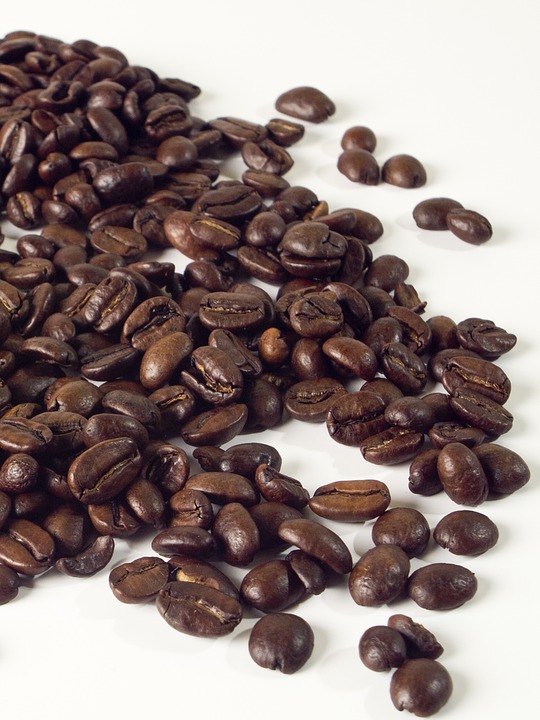
The authors of an 1877 cookbook urged readers to buy raw coffee grains or small amounts of freshly roasted beans. They preferred Mocha and Java or a mix of the two flavors.
Wash raw coffee beans. They can be dried using a moderate oven (probably about 350 degrees) and then increase temperature to roast them quickly, stirring often. The beans are ready when tender, brittle, and a rich dark brown color.
To test doneness, press one bean with your thumb; it will crumble if done.
Coffee beans can also be roasted on a stove burner but make sure to stir constantly.
Add a lump of butter to the hot, roasted beans or let them cool and stir in a beaten egg. This clarifies the coffee beans.
Clarifying coffee was a new term for this modern girl. A little research showed that clarifying liquids removed sediments. Egg whites are most commonly used. After simmering a few minutes, the beans are strained.
This was probably a common task in the 1800s so it didn’t require explanation. I’m guessing early cooks used egg whites to simmer the beans and then strained them before storing in a tightly-closed tin.
The authors cautioned them to only grind quantities needed to retain the fresh flavor.
Next time we will learn how they made coffee.
Stay tuned!
-Sandra Merville Hart
Sources
Compiled from Original Recipes. Buckeye Cookery and Practical Housekeeping, Applewood Books, 2011.
 Sandra Merville Hart
Interesting. Tweeted.
LikeLike
Thank you, Carole!
LikeLike