School in the Early 1800s

school-543041_960_720

Attending school in the early 1800s was a privilege because every community didn’t have one. In those days, children went to subscription schools where parents paid the teacher a certain amount for each child. Parents also provided wood for the fireplace.

Families usually took turns boarding the teacher, or “master” as he might be called. The young scholars liked this arrangement as it gave them extra time with their teacher. Country schools didn’t hire women.

Boys and girls learned the three R’s together — “reading and ‘riting and ‘rithmetic,” better known as reading, writing, and math. They also played blind man’s bluff and ran races at recess. Cat and corner ball were two of the ball games they enjoyed.

School usually lasted four months during the fall and winter and then students were done for the year.

The master quizzed students on spelling daily where he gave the words aloud for the class to spell. Neighborhood schools competed periodically throughout the winter so the best spellers from each school could go toe to toe.

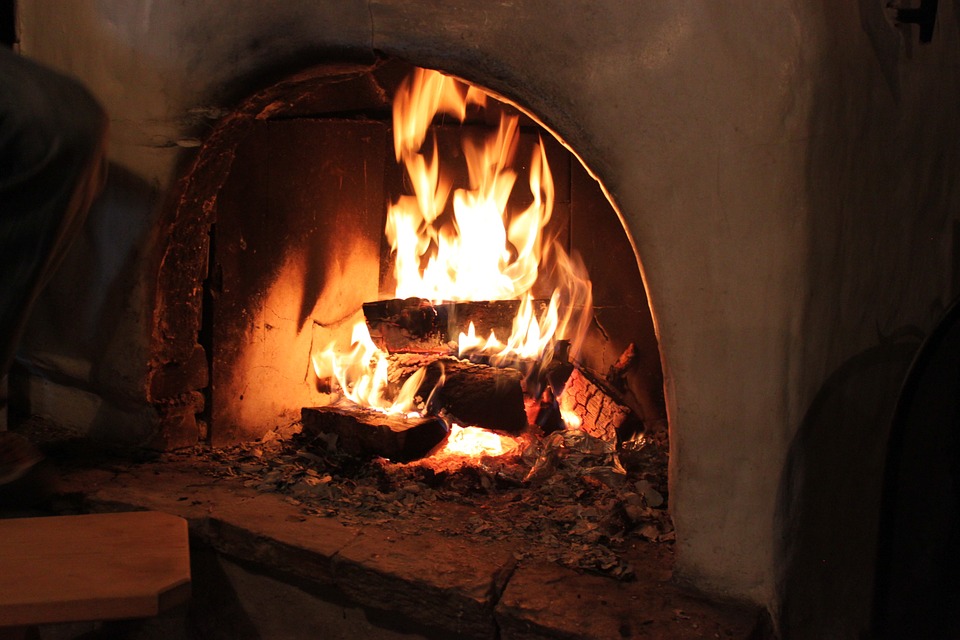
The schools were usually log cabins with a puncheon floor, clapboard roof and door, and greased paper in the windows. One wide fireplace took up one side of the school. The clay and wood chimney was built on the outside.

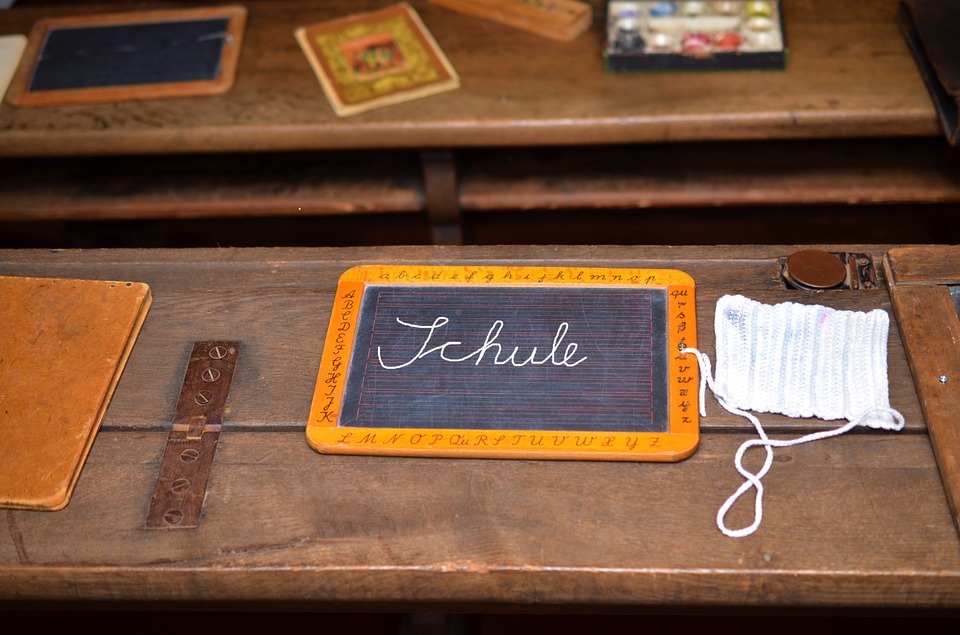
Split log benches with the flat side facing upward and round stick legs served as seats. Students used wide split slabs along one side of the room for writing tables.

-Sandra Merville Hart


Sources

“Clapboard,” Dictionary.com 2015/06/15 http://dictionary.reference.com/browse/clapboard.

“Puncheon floor room,” Historic New England, 2015/06/09  http://www.historicnewengland.org/historic-properties/homes/gilman-garrison-house/photographic-tour/puncheonfloor-web.jpg/view.

Welker, Martin. 1830’s Farm Life in Central Ohio, Clapper’s Print, 2005.



A Little Bit of Charm by Mary Ellis

61XH7obOEuL

A Little Bit of Charm (The New Beginnings Series)

This story of Rachel, an Amish woman, quickly captured my attention. I love novels where I can learn new things as a natural part of the story and now have a greater appreciation for the Amish way of life and the work involved in horse stables.

A forbidden interest in a Baptist thoroughbred owner doesn’t stop Rachel’s heart from complicating the matter. A wonderful story with lovable, believable characters!

-Review by Sandra Merville Hart

Amazon

Choosing the Right Type of Wood for Cooking on Old-Fashioned Wood Stove

open-fire-885860_960_720

Old-fashioned wood burning stoves cook all types of meals. Fry chicken, bake a cake, or simmer a beef stew for hours. According to the author of Old-Fashioned Woodstove Recipes, there are some secrets to on the road to success that our ancestors understood very well.

Cooking on a Woodstove requires learning how to build and maintain different kinds of fire.

Old recipes often reference cooking something in a “moderate” oven or over a quick, hot fire. This was a bigger clue to the cook than I imagined.

For example, grilled cheese, bacon, or French toast require a quick, hot fire, a fire that ignites quickly. To create this type of fire, cooks selected birch, pine, or sassafras wood. The temperature increases rapidly to a peak and then dies.

Hickory, dogwood, black locust, white oak, red oak, and fruit woods creates hot slow-burning coals that burn steadily. Maintain baking temperature by using one of these woods to avoid refueling during baking. Adding more wood lowers the temperature causing the cake to fall or the bread not to rise.

Make fires for baking, simmering, or stewing an hour ahead to allow oven to reach the required temperature. Adjust the draft and damper to find the perfect heat. This appears to be a trial-and-error process until the cook learns the individual peculiarities of a particular stove.

Add trivets or racks to the stove burners (cooking lids) to decrease the heat under a kettle. More than one trivet can be used. Bricks also work well.

-Sandra Merville Hart

Sources

Collester, J.S. Old-Fashioned Woostove Recipes, Bear Wallow Books, 1988.