What was Wassailing?

apple-989844_960_720

by Sandra Merville Hart

We often hear an old song at Christmas, “Here we come A-wassailing.” So what does this mean?

In Old English, the word wassail meant “be you healthy.”

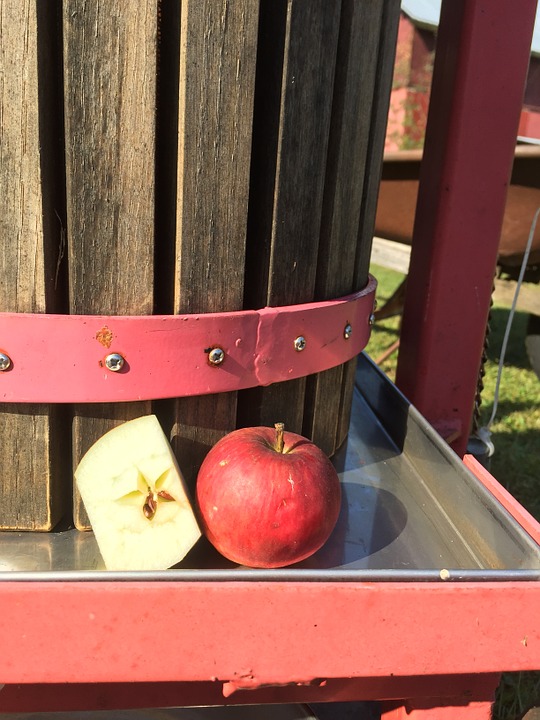
Wassail were warm mulled drinks. The beverages became “mulled” when heated with spices and some type of sweetener. Early drinks were made with mead, where ale was sweetened with honey and then brewed. Crab apples were roasted and then added to the mead to create lambswool, a beverage. Folks drank lambswool to celebrate the wheat harvest on Lammas Day, an event observed by the English in August.
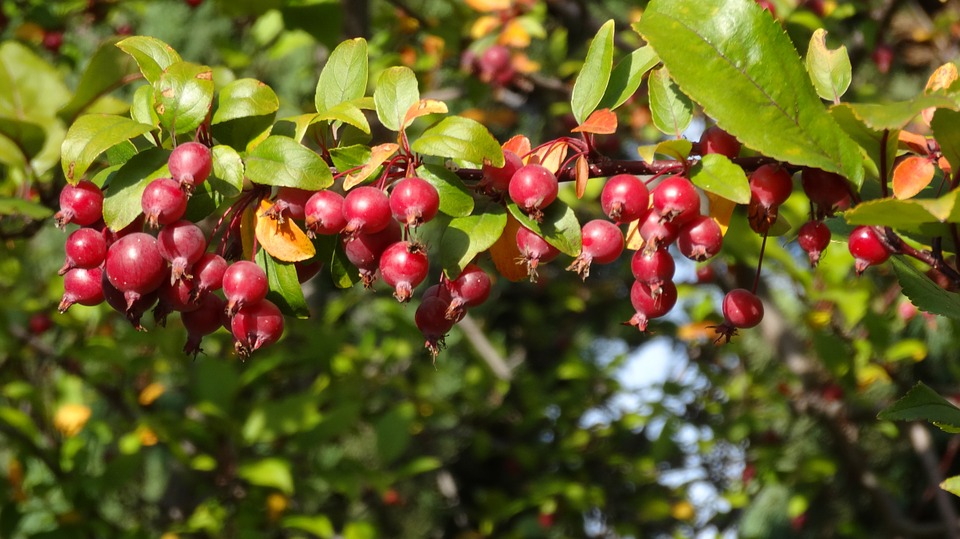
crabapple-193676_960_720Wassail later was made with mulled cider, cinnamon, nutmeg, ginger, and sugar. Toasted bread topped the drinks served in a large bowl shared by everyone.

Wassailing referred to the tradition of caroling, with folks singing Christmas carols to neighbors. They brought greetings of the season as well as wishes for good health.

Generosity abounded at Christmas, at least in the hearts of some of the wealthier English citizens. Orphans and beggars often traveled snowy roads to knock on doors. They offered to sing of good cheer for a drink from the owner’s wassail bowl.
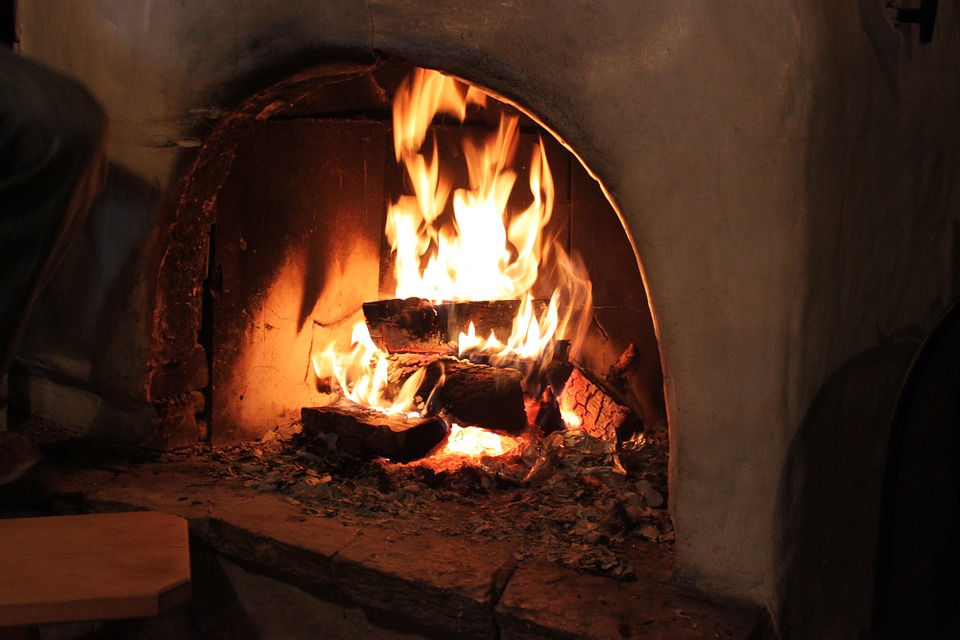
open-fire-885860_960_720They also hoped for a pork pie or an invitation to warm themselves around the fire.

The song also mentions their need of money: “We have got a little purse of stretching leather skin; We want a little of your money to line it well within.” The orphans hoped for pennies.

A hot drink on a cold winter’s night warmed the carolers’ spirits just as their songs cheered the listeners.

“Love and joy come to you”—Merry Christmas!
Sources

“Here We Come A-Wassailing,” Wikipedia, 2016/10/19 https://en.wikipedia.org/wiki/Here_We_Come_A-wassailing.

“Wassail,” Wikipedia, 2016/10/19 https://en.wikipedia.org/wiki/Wassail.



Silent Night

landscape-685324_960_720

by Sandra Merville Hart

Joseph Mohr, a young priest at St. Nicholas Church in Oberndorf, Austria, was asked to plan the music for that all-important service, Christmas Eve Mass.

1818 was an especially cold winter. Mohr strolled over snow-covered lanes to the village church hours before the service was to begin. The choir had practiced the songs. They were ready, even though snowy weather had prevented some from attending practices.

The church organ didn’t work. What could he do?

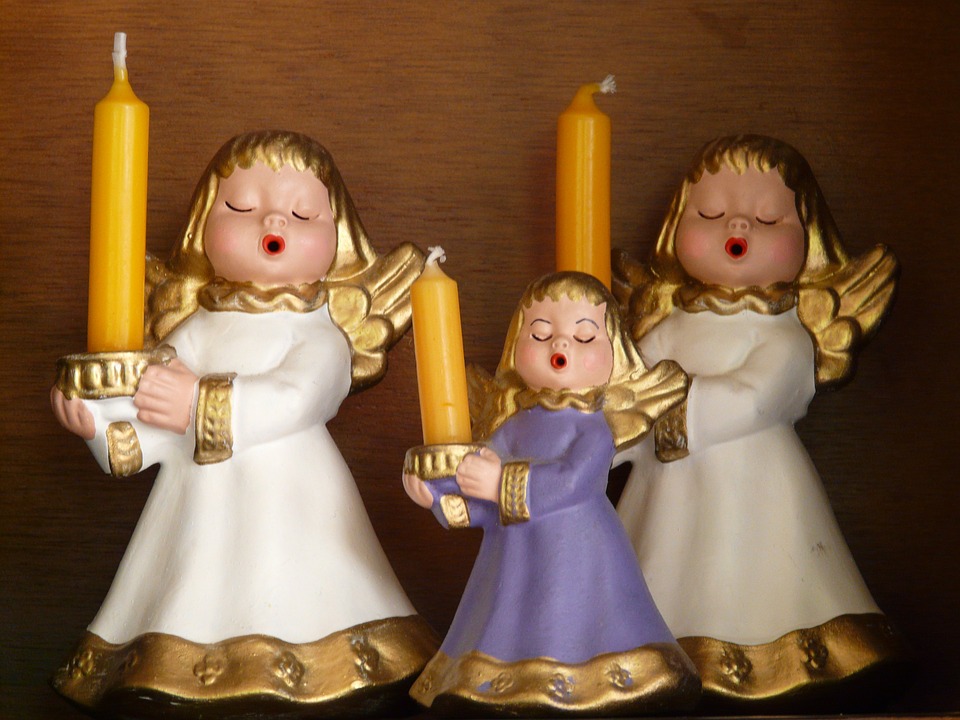
angel-8186_960_720He hurried to the home of Franz Gruber, a schoolteacher and musician friend. Whether he went there to talk about a poem he wrote or remembered while there is unclear. At some point in their conversation, Mohr showed a poem that he had written two years previously while he served at a church in Mariapfarr. He asked Gruber to compose music and guitar accompaniment for the Christmas poem.

That evening, Mohr and Gruber sang the song for the first time as the guitar played “Stille Nacht.” Singing four-part harmony, the choir repeated the last two lines of each stanza.

christmas-1010749_960_720Karl Mauracher, an organ repairman, came to St. Nicholas the following month. While Mauracher worked on the organ, Mohr told him of the new song sung on Christmas Eve, accompanied by guitar. Mohr sang “Stille Nacht” for Mauracher, who loved it so much that he taught the song to other churches.

Mohr died before his song became well-known throughout Europe. The problem was that folks assumed one of the famous composers, such as Mozart or Beethoven wrote the melody. Gruber’s claims that he wrote the tune didn’t dispel lingering doubts. It wasn’t until an original document by Mohr was found in 1995 that folks widely accepted Gruber’s claim. The manuscript showed that Mohr penned the poem in 1816 and the Gruber composed the music in 1818.

“Stille Nacht” has been translated into English as “Silent Night.” Two centuries later, the carol is still sung every Christmas season. The talents of these two men live on in this song.

Sources

Collins, Ace. Stories Behind the Greatest Hits of Christmas, Zondervan, 2010.

Egan, Bill. “Silent Night: The Song Heard ‘Round the World,” Silentnight.web.za, 2016/10/27 http://www.silentnight.web.za/history/index.htm.

“Silent Night,” Wikipedia, 2016/10/27  https://en.wikipedia.org/wiki/Silent_Night.

Ten Christmas Songs that Mention Food

candy-cane-488009_960_720

by Sandra Merville Hart

It’s that time of year again. Shoppers hear Christmas tunes in malls and stores while selecting the perfect sweater for Grandpa. Radio stations play familiar carols as commuters rush from one store to the next searching for the video game that tops their teenager’s wish list.

pumpkin-pie-520655_960_720We hum the tunes and suddenly remember that lunch was hours ago. It’s funny to think that several of our favorites mention food.

Here’s a list of ten traditional Christmas songs that mention food or drink:

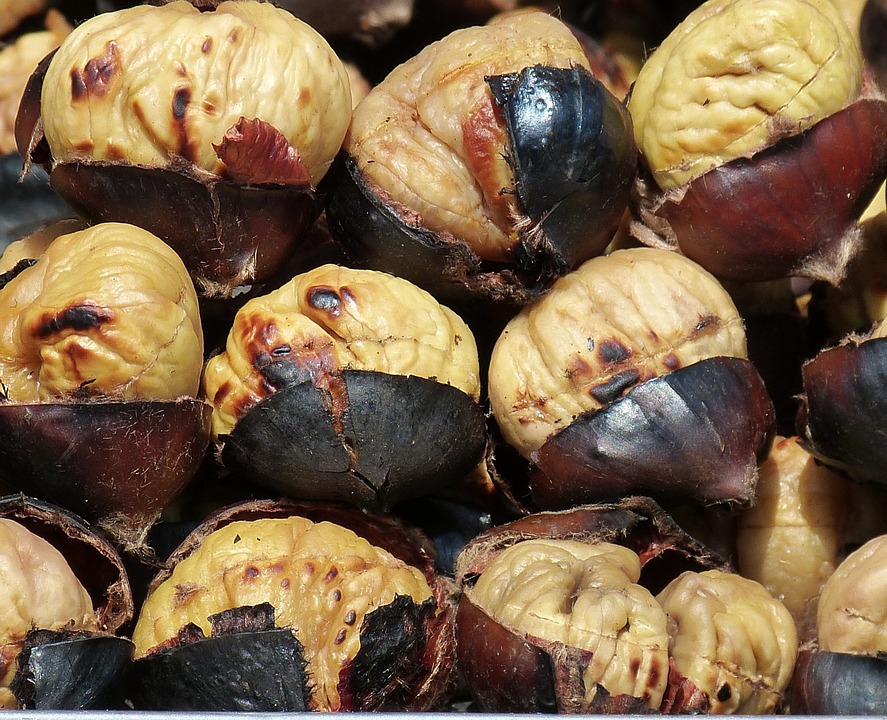
  • “The Christmas Song” – Chestnuts roasting on an open fire
  • “Let it Snow” – And I’ve brought some corn for popping 
  • “It’s Beginning to Look a Lot like Christmas” – With candy canes and silver lanes aglow
  • “Over the River and Through the Woods” – Hurrah for fun; the pudding’s done, Hurrah for pumpkin pie.
  • “The Wassail Song” – Love and joy come to you, and to your wassail, too
  • “Sleigh Ride” – When they pass around the coffee and the pumpkin pie
  • “Rocking Around the Christmas Tree” – Later we’ll have some pumpkin pie
  • “It’s the Most Wonderful Time of the Year” – Marshmallows for toasting
  • “Home for the Holidays” – And some homemade pumpkin pie
  • “We wish you a Merry Christmas” – Oh, bring us a figgy pudding

 chestnuts-789518_960_720So if you find yourself a bit hungry while Christmas shopping, it may be the songs you are humming along to from the sound system!

Merry Christmas!


Sources

“Christmas Lyrics,” Mikeleal.com,  2016/10/19 http://www.mikeleal.com/christmas/songs.html.”


https://www.amazon.com/Sandra-Merville-Hart/e/B00OBSJ3PU/

This Week in History: Civil War Battle of Franklin

battle-197727_960_720

Wednesday, November 30, 1864

 Jacob Cox led Union soldiers under General Schofield south of Franklin, Tennessee, around dawn where they set up a line of defense as well as along the Harpeth River. Federals wanted to hold the city long enough to repair bridges for crossing.

Confederate General John Bell Hood resolved not to allow the Federals to reach Nashville. He arrived with 30,000 troops around 4 pm and launched an assault on the Union front. Though they almost broke through, the Southerners took heavy losses.

Some of the whole war’s bloodiest fighting happened at the Carter House. Tragically, Confederate soldier Tod Carter was fatally wounded in the frontal assault and died in his childhood home.

The battle that raged well past nightfall claimed the lives of 6 Confederate generals, including Pat Cleburne, tragic losses for the Southerners.

-Sandra Merville Hart

Sources

Long, E.B with Long, Barbara. The Civil War Day by Day: An Almanac 1861-1865, A Da Capo Paperback, 1971.

“Franklin,” Civil War Trust, 2016/08/04 http://www.civilwar.org/battlefields/franklin.html.