Civil War: Confederate Remedy for Dysentery

As a writer of historical novels, I love to run across remedies used in past centuries. A wonderful book, Confederate Receipt Book, contains a few cures from the Civil War era.

A soldier’s remedy for dysentery (severe diarrhea) used only three everyday ingredients which were reported to be “efficacious” for these cases.

Dysentery killed more Civil War soldiers than any other diseases so it was a serious matter.

At that time, doctors often prescribed opium (paregoric, laudanum, or Dover’s powder) to treat dysentery.

Other medicines given to treat the disease were copper sulfate, oil of turpentine, lead acetate, and aromatic sulfuric acid. Surprisingly, laxatives were also used in the treatment—Epsom salts, calomel, ipecac, castor oil, and sulfate of magnesia. Calomel, also known as mercurous chloride, had terrible side effects: profuse salivation, loss of teeth, or—in severe cases—“mercurial gangrene.”

Strong medicines with unfortunate or fatal side effects could have led Confederate soldiers to search for a better cure. Or the lack of medical supplies might be the reason for trying a common cure. It’s also possible this simple cure had been around for years.

Whatever the case, the Confederate remedy for dysentery seems remarkably simple when compared to medicines listed above.
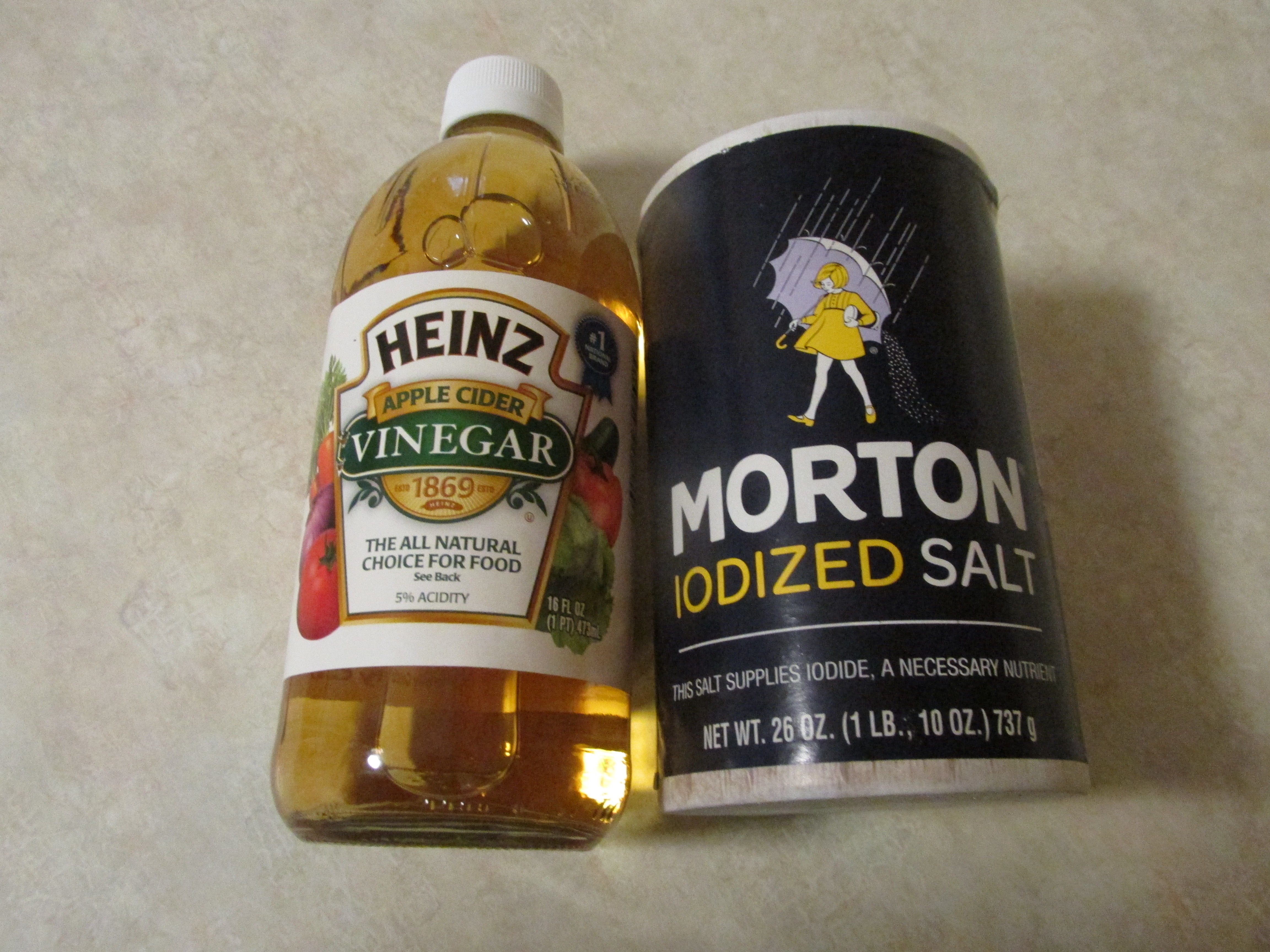
The instructions stipulate pure vinegar. The apple cider vinegar in my cabinet is diluted with water so that changes the experiment. This is merely a fun learning exercise since I’m not planning on treating dysentery, so this is not an issue.

I took a cup of apple cider vinegar and poured it into a salad dressing cruet. (Use any jar that can be tightly closed.) I then added salt, a teaspoon at time. The soldiers’ recipe advises to add as much salt as the vinegar can ferment and work clear.
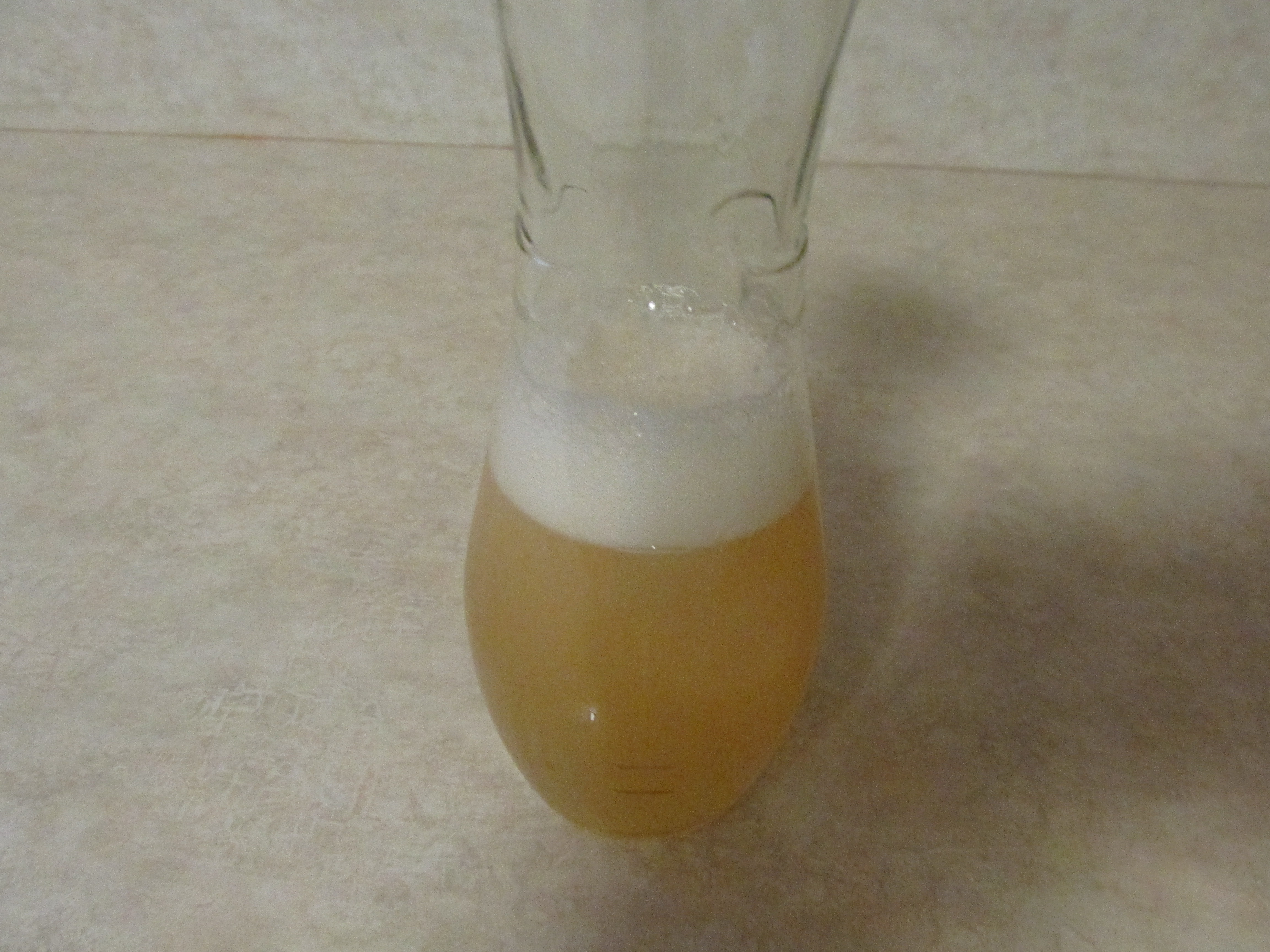
My vinegar didn’t foam until shaking it. I used 6 teaspoons of salt, but it might have held more.

The soldiers corked the salty vinegar liquid and set it aside. When needed, they boiled a gill of water (4 ounces), added a large spoonful of the medicine, and drank it. It was supposed to be effective for cholic (colic) and dysentery.

As always, consult physicians before using this medicinally.

I use these old cures only in my historical writing. I made this recipe but will not be taking it. I’m not recommending it. This is merely meant to be fun and educational.

-Sandra Merville Hart

Sources

A Compilation of Over One Hundred Receipts, Adapted to the Times. Confederate Receipt Book, Applewood Books, 1863.

Oates, Stephen B. A Woman of Valor: Clara Barton and the Civil War, The Free Press, 1994.
 

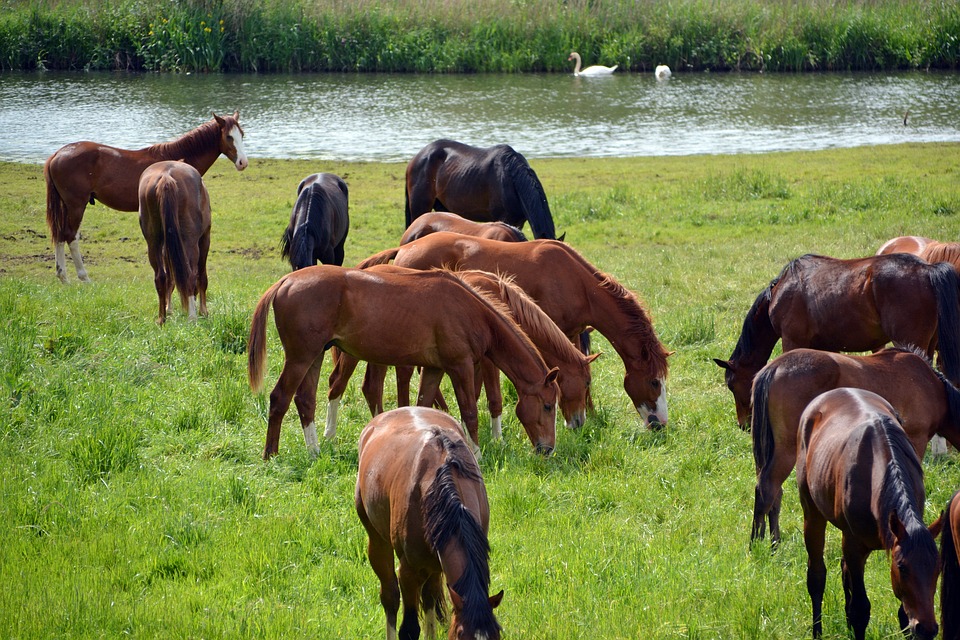
Watering Thousands of Horses During the Civil War

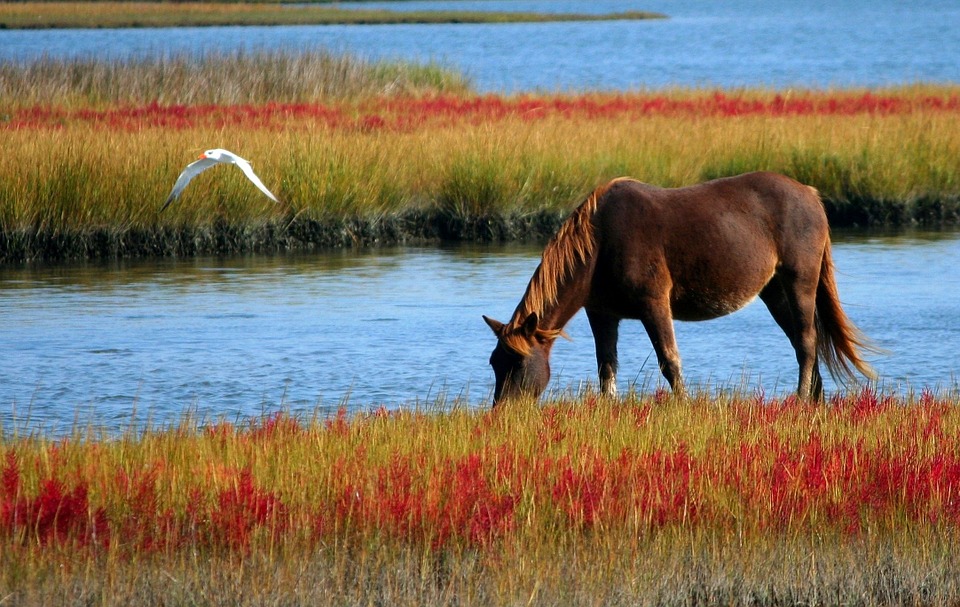
According to John D. Billings, author of Hardtack & Coffee, one of the typical daily bugle calls was a Watering Call. Upon hearing this call, artillery drivers and all cavalry rank and file went to the picket rope to water their horses.

This was a simple task when the army camped near a river, which was often the case. When it wasn’t, thirsty horses were ridden a mile or two—sometimes longer—to find a pond or stream.

Finding a sufficient amount of water for thousands of animals was no small task.

General McClellan had about 38,800 horses and mules after the Battle of Antietam in September of 1862. 56,499 horses and mules were in the army’s care when they crossed the Rapidan River in 1864.

All animals weren’t taken to the same stream for watering because troops spread out for miles.

A drought in the summer of 1864 brought serious problems. No rain fell for several weeks. Soldiers were hard-pressed to find enough water for themselves. They’d find an old stream where only mud remained. Scooping out holes in the mud, soldiers patiently waited for “warm, milky-colored fluid to ooze from the clay.” The water came a drop at a time until it filled a dipper for the thirsty soldier.

Hundreds of men carried empty canteens through forests and valleys in search of water.

When the drought continued, Union soldiers dug wells. To their relief, they found an abundance of water 10-12 feet below ground. These wells met the needs of soldiers and their animals.

-Sandra Merville Hart

Sources

Billings, John D. Hardtack & Coffee, University of Nebraska Press, 1993.

Villanueva, Jari. “Twenty Bugles Calls,” The United States Air Force Band, 2017/03/14   http://www.usafband.af.mil/shared/media/document/AFD-150220-028.pdf.

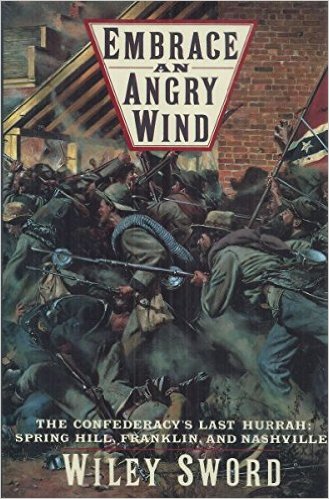
Embrace an Angry Wind by Wiley Sword

518qitw-8cl-_sx327_bo1204203200_This nonfiction resource book is about a key year in the American Civil War—1864. The subtitle “The Confederacy’s Last Hurrah: Spring Hill, Franklin, and Nashville” shows where the author concentrates but the story begins earlier in the year.

Sword weaves a true story in a way that captivates readers. Readers learn about what generals are feeling from both sides of the conflict. They also learn what privates think about what’s happening, as gleaned from private letters and diaries.

Sleet, snow, wind, and temperature all could play a part in battles—and certainly mattered to soldiers on the march. Road conditions and swollen rivers that stalled important crossings are details that transport readers back to turbulent times.

Great book for Civil War research and history lovers.

-Sandra Merville Hart

Amazon

Civil War: Confederate Soldier’s Way To Relieve Asthma

As a writer of historical novels, I love to run across remedies used in past centuries. A wonderful book, Confederate Receipt Book, contains a few cures from the Civil War era.

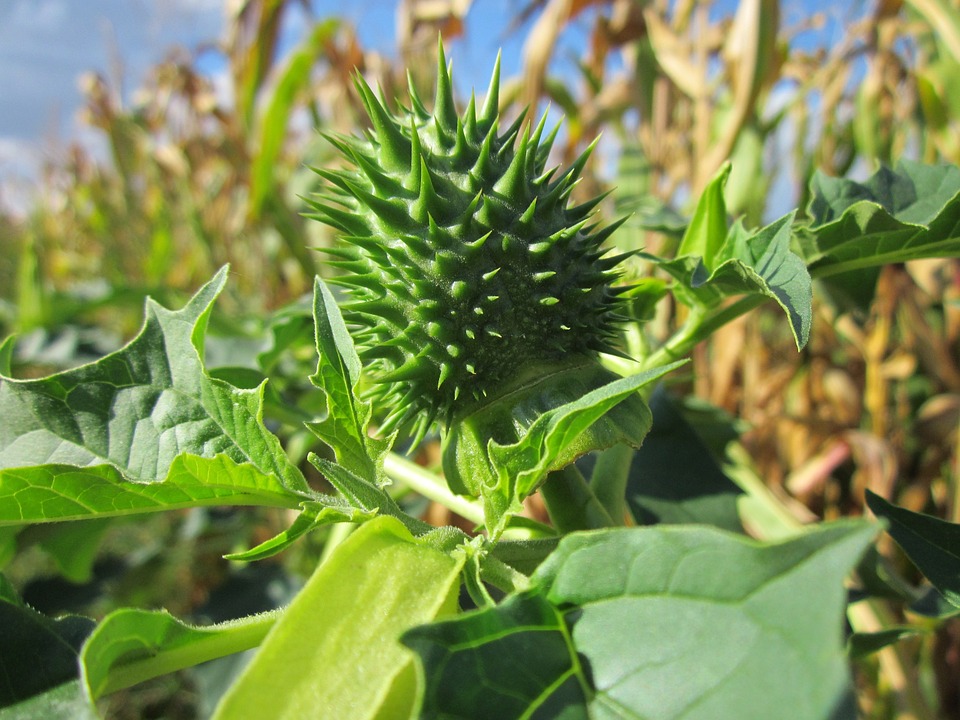
A recipe to relieve asthma called for stramonium leaves (also known as Jamestown weed) to be gathered before the frost and dried in the shade.

The dried leaves were then saturated in a “pretty strong solution of saltpetre.” There is no indication given as to how much saltpeter (a white powder with a salty taste) makes a strong solution. According to the Cambridge Dictionary, saltpetre is used in the preservation of meat as well as in the production of explosives and fertilizers.

The Confederate soldiers then smoked the saturated leaves. Inhaling the vapors helped loosen lung congestion. The soldiers cautioned that the fumes could strangle the patient if “taken too freely.”

It is not stated whether the soldiers rolled the leaves into a cigarette or inhaled them over a fire.

I wanted to know if stramonium was still being used to treat asthma these days.

This plant is considered poisonous if improperly prepared. In modern times, the juice is taken from the plant before seeds and flowers sprout. Then the juice goes through a process of dilution process. This removes the poisonous part.

It is used today to treat a variety of complaints, including asthma. It relieves chest tightness and a wheezy cough.

The home remedy sites stress that the plant is poisonous and must be prepared properly.

The soldiers also gave specific instructions about stramonium, such as drying the leaves in the shade and gathering them before the frost. They seemed to realize that the plant must be handled carefully to work best.

I don’t suggest following the soldiers’ recipe. There are too many warnings about the poisonous plant. As always, consult physicians before using this medicinally.

I use these old cures only in my historical writing. I have not followed this recipe or tried the cure. I’m not recommending it. This is merely meant to be fun and educational.

-Sandra Merville Hart

Sources

A Compilation of Over One Hundred Receipts, Adapted to the Times. Confederate Receipt Book, Applewood Books, 1863.

“Homeopathy: Stramonium, Thorn Apple/Devil’s-apple,” Herbs2000.com, 2017/03/11  http://www.herbs2000.com/homeopathy/stramonium.htm.

“Saltpetre,” Cambridge University Press, 2017/03/11 http://dictionary.cambridge.org/us/dictionary/english/saltpetre.

“Stramonium/Stram,” Home Remedy Central, 2017/03/11  http://www.homeremedycentral.com/en/homeopathic-remedies/homeopathy/stramonium.html.