
I’ve often read of nurses giving Beef Tea to severely wounded Civil War patients in my research so I was thrilled to find a recipe for it in an 1877 cookbook under the section “Food for the Sick.”
As a historical novelist, I’m always interested in learning tidbits from our history. It’s fun to add authentic details such as this one when a story requires it.
The recipe called for a pound of the best lean steak. I asked my butcher if stew beef was a type of steak. He explained that while it wasn’t a grilling steak, their stew beef was a type of steak taken from the shoulder so I used this.
 The instructions were to put the beef in a glass jar, cover it tightly, and boil it slowly in water for 3 to 4 hours.
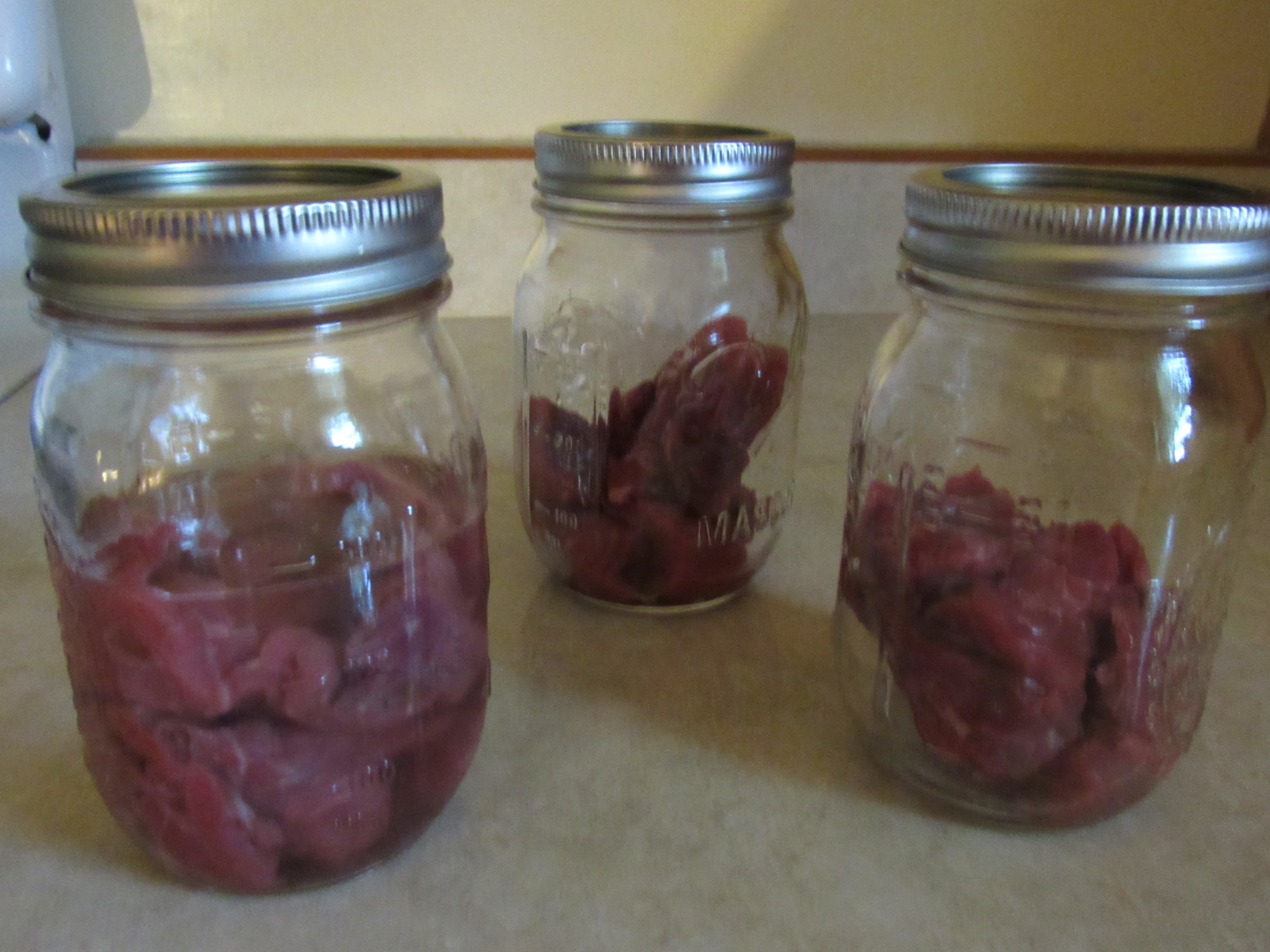
I divided the meat into 3 pint-sized Mason jars. It didn’t say anything about adding water to the meat. As an experiment, I added enough water to cover the beef in one jar only.
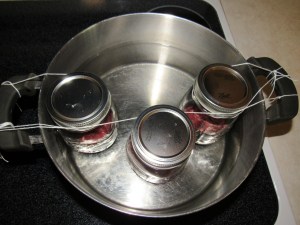 The lids were put on top. I half-filled a stewpot with cold water and placed the jars in the water. They toppled sideways. The 1877 cook advised tying them in place. I tied them to the handles individually.
I turned them on a medium heat, refilling with hot water occasionally as it boiled down. After 4 hours, the meat didn’t look like “white rags” as the recipe advised. It didn’t appear that way after 4 ½ hours of gently boiling in a jar.
I turned off the heat anyway and let it cool undisturbed.
 When the jars had cooled, I removed them from the water. The amount of broth in the 2 jars with no added water wasn’t impressive. The third jar that started with about a ¼ cup of water held more broth but not a lot more.
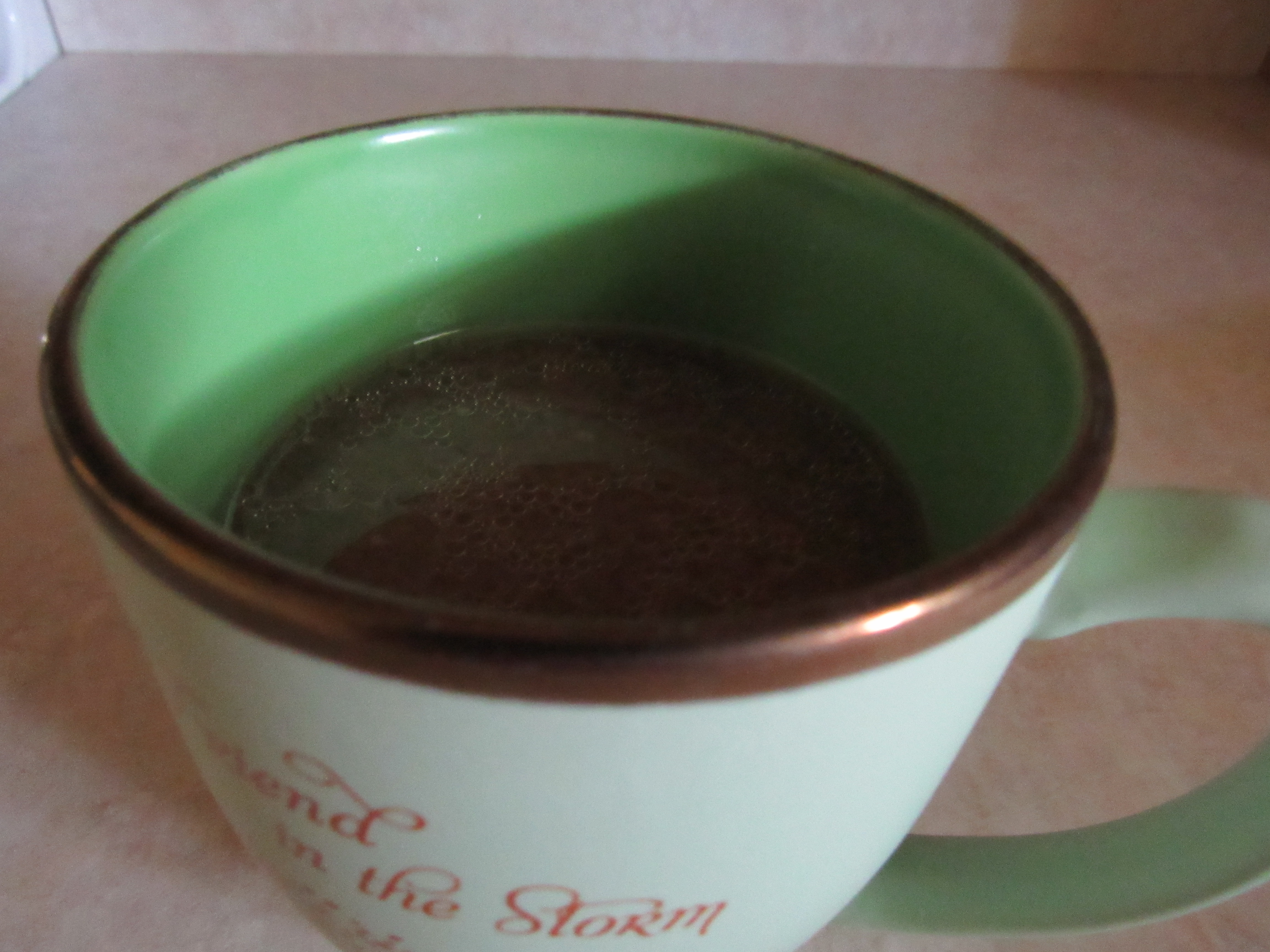
After straining the meat, I measured 1 ¼ cups of Beef Tea. I added ½ teaspoon salt. It tasted and looked like au jus. My husband, who loves his meat, liked the flavor but felt I’d added too much salt. If you try this recipe, maybe start with ¼ teaspoon of salt or season to taste.
I checked online to see if there were other beef tea recipes and found a few that are referenced in the sources. One served patients dry toast with the tea. Another suggested adding chopped raw meat to the drink when serving. Another offered the idea of placing the tea in a bowl over boiling water (double-boiler effect) to warm it before serving.
It may seem like a lot of time for little return. Civil War soldiers too weak to eat received lots of nourishment from this tea.
Good luck! I’d love to hear if you try this recipe.
-Sandra Merville Hart
 Sources
“Beef Tea,” Vintage Recipes, 2017/05/10 http://www.vintagerecipes.net/books/plain_cookery_book/beef_tea_6.php.
“Beef Tea,” Vintage Recipes, 2017/05/10 http://www.vintagerecipes.net/books/fifty_soups/beef_tea_4.php.
“Beef Tea,” Vintage Recipes, 2017/05/10 http://www.vintagerecipes.net/books/bookofhouseholdmanagement/beef_tea_3.php.
Compiled from Original Recipes. Buckeye Cookery and Practical Housekeeping, Applewood Books, 1877.

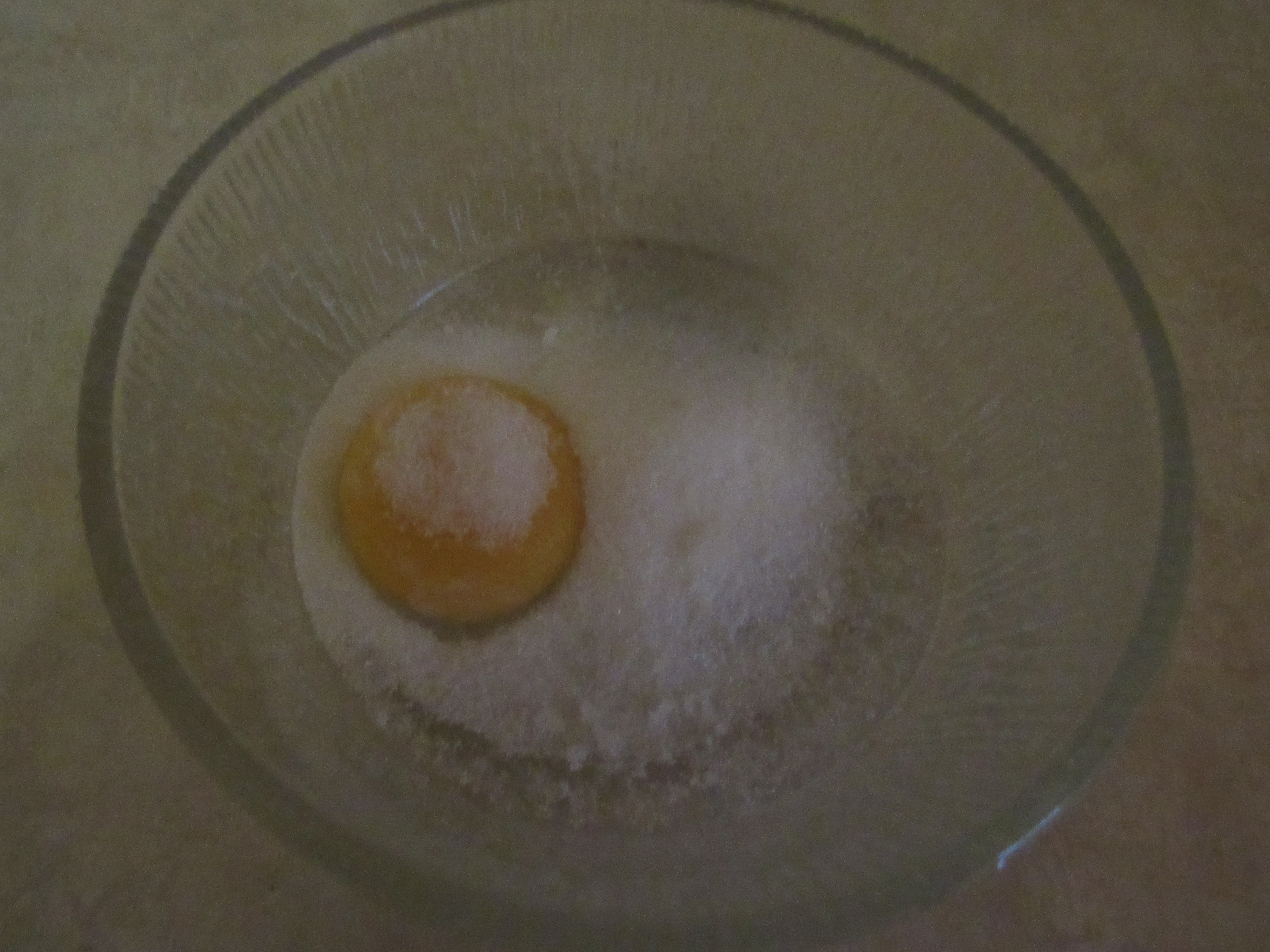 To make the gruel, take one egg and separate the egg yolk and white. Add a tablespoon of sugar to the egg yolk and beat.
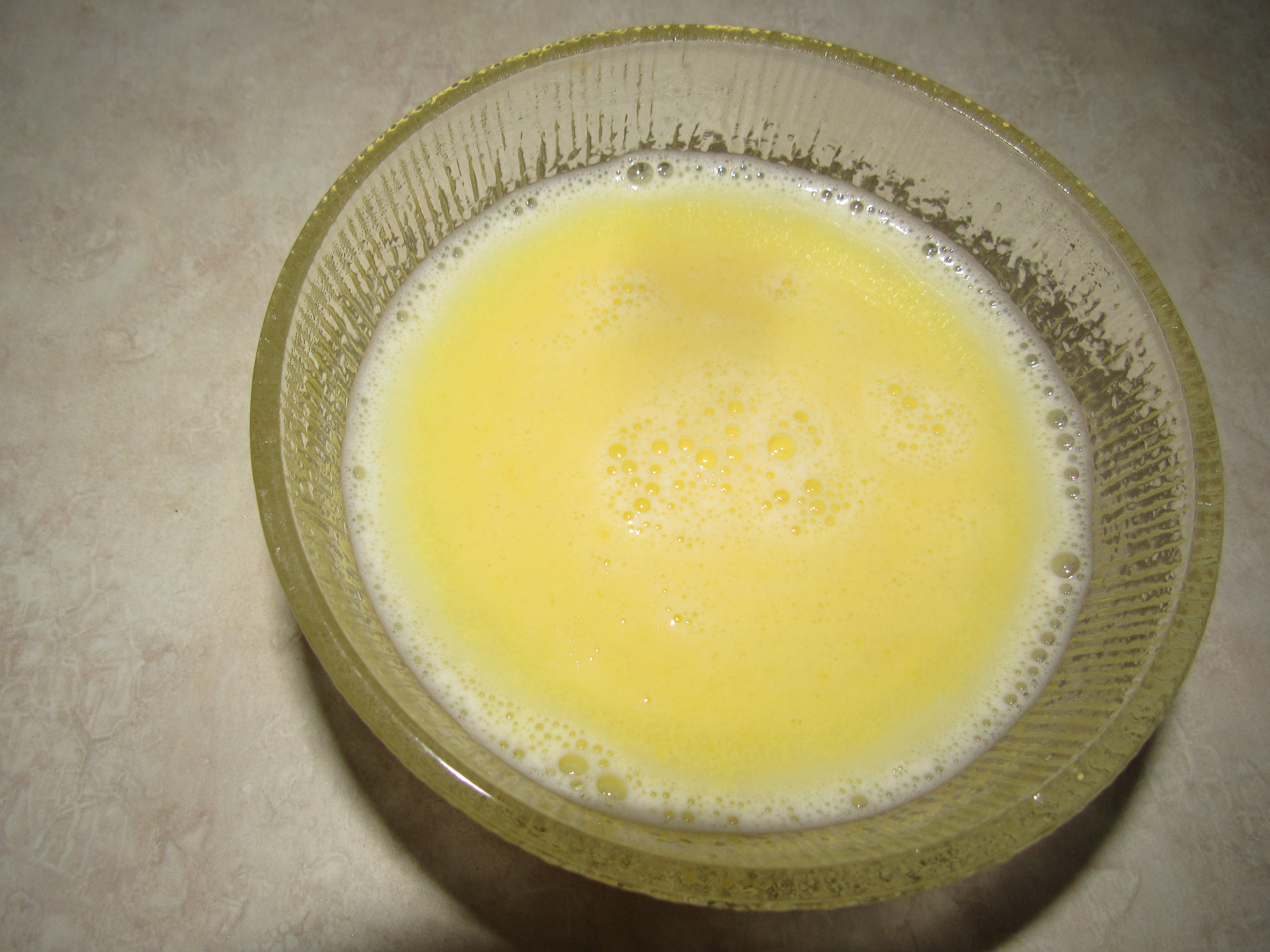 Add the egg white. Add any seasoning you desire. I sprinkled salt over the mixture and stirred it once more.
 Sources



 Sandra Merville Hart