Alice’s Notions by Tamera Lynn Kraft

This historical suspense novel is set shortly after the end of World War II. Alice Brighton, widowed by the war, returns to her small home town of Burning Bush, West Virginia to start over. She opens a new fabric shop, Alice’s Notions, hoping to support herself and bring business to her town.

But nothing is the same. Her new landlord, Rick Morrison, is often away. He’s nice-looking but bossy. Her employee is a German immigrant. Old neighbors have changed.

Alice organizes a barn quilt tour to bring customers to the town. Why are so many up in arms about it? Who can Alice trust in the fearful environment following the war?

This novel is an eye-opener about the troubled environment and real danger to everyday folks after the war.

Once the story snagged my interest, it didn’t let go. The suspenseful quality drew me in as I tried to figure out who to trust along with Alice. Many aspects of 1940s life included in the story make this an enjoyable read.

-Review by Sandra Merville Hart

Christianbook.com

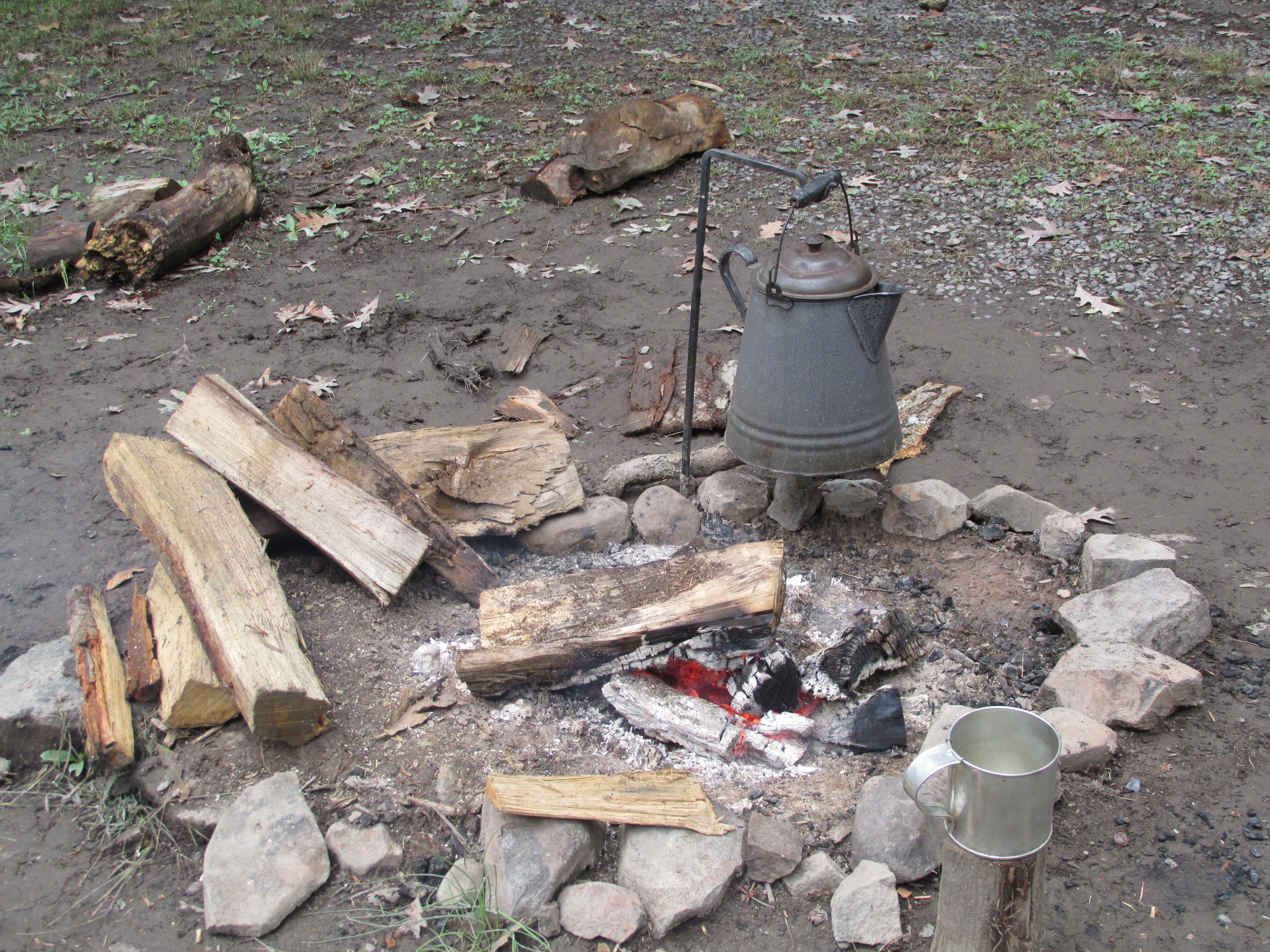
Civil War Tin Cups

Sharpshooter demonstration camp

I’ve been interested in history since my high school history teacher taught me that history was more about people than dates and events.

A love of history, particularly American History, stayed with me throughout my life. I’ve learned surprising tidbits while researching for my Civil War romance novels. A Stranger On My Land is set on Lookout Mountain in Tennessee following the Battle Above the Clouds. A Rebel in My House is set during the famous Battle of Gettysburg.

While researching my last Civil War novel, I found that tin cups used by Civil War soldiers varied in size.

Soldiers tied cups to their knapsacks (held clothing and personal items) or haversacks (held food rations) or belts.

They cooked soups and stews in cups. They steeped coffee in them. So how big were they?

The 1860s regulation issue Union Army tin cup held a quart or 32 ounces. That’s larger than I’d guessed.

A small civilian cup was 3 ½ inches high and held 12 ounces.

Early Army cups used until 1851 held one pint or 16 ounces.

Regulation Army cups of 1851 held 24 ounces.

In looking at old photos of Civil War soldiers dining, a variety of cups might be used. Soldiers lost personal items while on march or in battle. Sutlers sold food and other provisions to army personnel. One source stated that two different cups were available from one sutler at a cost of 10 cents or 15 cents.

-Sandra Merville Hart

Sources

“A Note About Tin Cups,” Campsite Artifacts, 2018/01/17 http://www.campsiteartifacts.com/tincupinformation.html.

Billings, John D. Hardtack and Coffee, University of Nebraska Press, 1993.

“Civil War Antiques Catalog,” Dave Taylor’s Civil War Antiques, 2018/01/17 http://www.angelfire.com/oh3/civilwarantiques/1312webcat.html.

“The Tin Shop,” C & D Jarnagin Company, 2018/01/17 http://www.jarnaginco.com/CWCupscookwareplates.html.


The Johnstown Flood of 1889

In late May of 1889, days of heavy rain struck the river valley in central Pennsylvania. Residents in Johnstown, a thriving city on the Little Conemaugh River, were no strangers to flooding. When riders shouted desperate warnings of a flood’s approach, most citizens in the Pennsylvania simply moved their family and valuables to the second floor.

Yet this was no normal flood.

South Fork Dam at Lake Conemaugh, 14 miles upstream, was maintained by South Fork Fishing and Hunting Club. The eight-year-old dam needed repairs that heavy rains only worsened. Repair efforts in late May failed to halt the disintegration.

On May 31st, swollen late waters overflowed the dam’s walls around 1:00 pm. Riders rode furiously downriver to warn residents. The dam washed away at 3:10 pm, drowning workers who struggled to fix it.

Twenty million tons of water deluged small communities near the dam, picking up trees, houses, railroad cars, and people—some still alive—on its rush toward Johnston.

The flood reached the city in ten minutes, crushing or drowning 2,000 citizens. Survivors washed downstream with the dead. Some survivors held onto debris entangled 40 feet high at the city’s Stone Bridge that caught fire. The flames killed about 80 people.

A horrified telegraph worker counted 63 bodies float past his office in 20 minutes.

The tragedy claimed 2,209 lives. A waterspout was originally blamed for the dam’s collapse, but the South Fork Fishing Club President later admitted that the problem was in the dam’s weakness.

Volunteers pitched tents in the city to help survivors and bury the dead. Clara Barton and the American Red Cross were among the volunteers. A week after the catastrophe, 13 or 14 people were found living in a single room of a house. Many survivors kept their windows tightly closed against the odor of decaying bodies.

Johnstown residents rebuilt their city. They celebrated their citizens’ resilience on the flood’s 100th anniversary.

-Sandra Merville Hart

Sources

History.com Staff. “May 31, 1889: The Johnstown Flood,” History.com, 2018/01/08 http://www.history.com/this-day-in-history/the-johnstown-flood-2.


“Hundreds of Lives Lost: A Waterspout’s Dreadful Work in Pennsylvania,” Johnstownpa.com, 2018/01/08 https://www.johnstownpa.com/History/hist30.html.