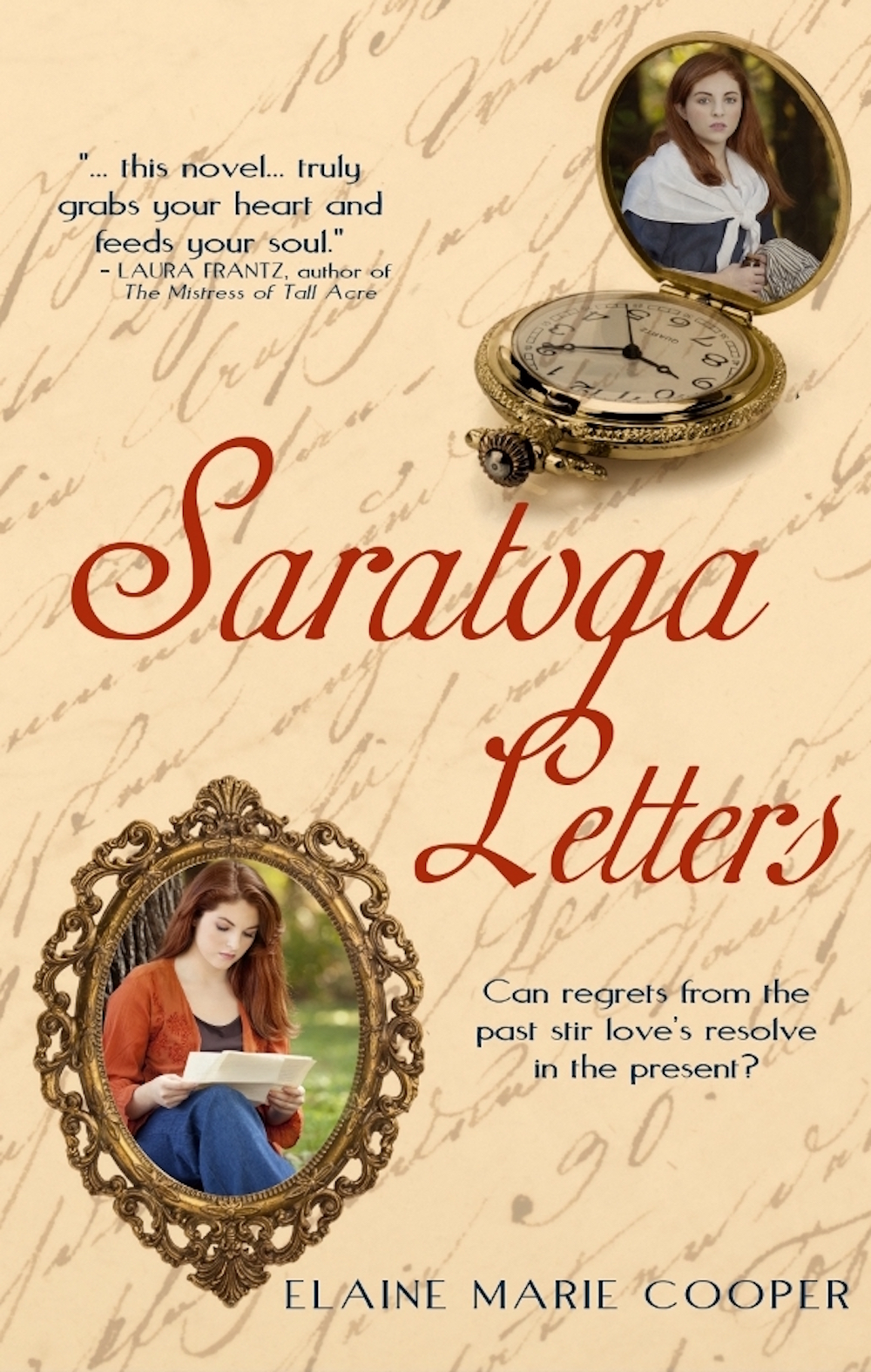
Saratoga Letters by Elaine Marie Cooper

I enjoyed this novel!

This is an unusual story. It begins in the Revolutionary Battle of Saratoga. Abigail is patriotic to the colonies in 1777. The recent death of her father leaves her at the mercy of a cruel uncle who forces her to nurse wounded British soldiers.

William Carpenter is one of the British soldiers. The officer falls in love with his beautiful nurse who needs his protection.

The second half of the story is set 200 years later. Abby Carpenter travels to Saratoga for the 200th anniversary celebration of the battle where her ancestor fought.

Constable Ian Thacker has flown from his home in England to honor his ancestor who fought in the battle. Though the pair are historically on opposite sides, they find much in common. Abby finds she needs Ian’s protection from those who mean her harm.

I loved this story. The author has intricately woven the two stories together across the centuries in a fascinating way.

Recommend!

-Sandra Merville Hart

Lighthouse Publishing of the Carolinas  – Use coupon code SandraMHart for a 20% discount on Lighthouse Publishing books!

Agnes Hopper’s Apple Nut Cake

Today’s post is written by fellow author, Carol Heilman. She’s in the midst of a move and has taken time to share a recipe from her newly released novel. Thanks, Carol, and welcome to Historical Nibbles!

This recipe was taken from an apple cookbook I picked up at the First Baptist Church annual garage sale. I found the book in a box of shoes and handbags and such. Tattered and torn, I never would have given it a second thought, but it was resting on top of a red purse that had caught my eye. Well sir, I tucked the book underneath one arm while I purchased that purse, which was genuine leather and soft as a baby’s behind, and the saleslady said I could have the cookbook for free.

Apple nut cake became my Charlie’s favorite, and he especially liked it warm, along with a cup of strong, black coffee. I hope you enjoy it as much as he did.

2 C Sugar

1 C Vegetable oil

3 eggs, beaten

3 C Flour, plain

1 teaspoon Baking soda

½ teaspoon Salt

6 Medium apples, peeled & diced. Granny Smith works well or any tart, firm cooking apple.

1 Cup chopped nuts (I used walnuts and toast them in the oven first)

2 teaspoon natural Vanilla.

Hint: Homemade vanilla is the best. All you need is a couple of vanilla beans, vodka, and a jar with a tight lid. A mason jar will do, but you have to plan ahead. It takes about two months for the vanilla to reach its peak. And remember to shake the jar every few days.

TOPPING

1 C brown sugar

½ C (1 stick) Butter

¼ C milk

  1. Preheat oven to 350 degrees. Lightly oil or spray 9×13 baking pan or dish.
  2. Mix sugar, oil, & eggs in large bowl. Beat well.
  3. Add flour, baking soda, salt. (I mixed the dry ingredients together first.) Add apples, nuts, & vanilla & beat with large wooden spoon until combined thoroughly.
  4. Scrape batter into pan. Bake 1 hour. (Mine took 55 minutes.)
  5. TO MAKE TOPPING: Boil together, brown sugar, butter & milk for 2½ minutes, right before you take cake from oven.
  6. When cake is done, immediately poke long tines of a fork down through cake & pour topping over cake. Serve warm or let cool.
  7. Freezes well

-Carol Heilman

Agnes Hopper Shakes Up Sweetbriar, Book One

Recently widowed, Agnes Hopper’s small farmhouse burns to the ground. She, along with her pet pig, Miss Margaret, moves in with her daughter. After six months they agree they cannot possibly live together. Agnes then moves into a local retirement home, Sweetbriar Manor, but she soon realizes the administrator runs a tight ship for sinister reasons. Can Agnes find another place to call home? Or will she stay to become the voice for her new friends?

Agnes Hopper Bets On Murder, Book Two

Feisty Agnes has a spending addiction that could leave her penniless and homeless.

When she visits the cemetery to talk with her husband, Charlie, she discovers the dead body of his best friend. The local sheriff declares the man died of natural causes, but Agnes promises Charlie, she will uncover the truth. She becomes a senior sleuth while she and her friends try to save Sweetbriar Manor from being sold and turned into a halfway house.

Can Agnes curtail her spending and stop the sale while looking for a murderer?

Or will the murderer stop her first?

Author Bio

Carol Heilman, a coal miner’s daughter, married her high school sweetheart, a farmer’s son. She began writing family stories for newspapers and magazines. One day her mother said, “We don’t have any secrets anymore!”


Carol’s book series, Agnes Hopper Shakes Up Sweetbriar and Agnes Hopper Bets on Murder, was inspired by her mother’s spunky spirit and her dad’s humor.

Buy her book at Amazon
Five Brides by Eva Marie Everson

Five women share an apartment to save expenses in the 1950s. They are each so busy that they barely know each other—that makes the rare treat of a free Saturday all the more special.

The roommates enjoy a fun day together. Little do they know that one spontaneous decision they all make that day will bind them for life.

The five independent women are very different from each other. They choose different paths yet all want to—eventually—find the man of their dreams.

I was delighted to discover in the “A Note from the Author” that one of the girl’s stories was basically true with parts fictionalized.

Knowing that, I leave it to you, the next reader, to try to figure out which romance is based on truth. Read the story and then read the author’s note.

This novel is a page-turner!

-Sandra Merville Hart

Christianbook.com

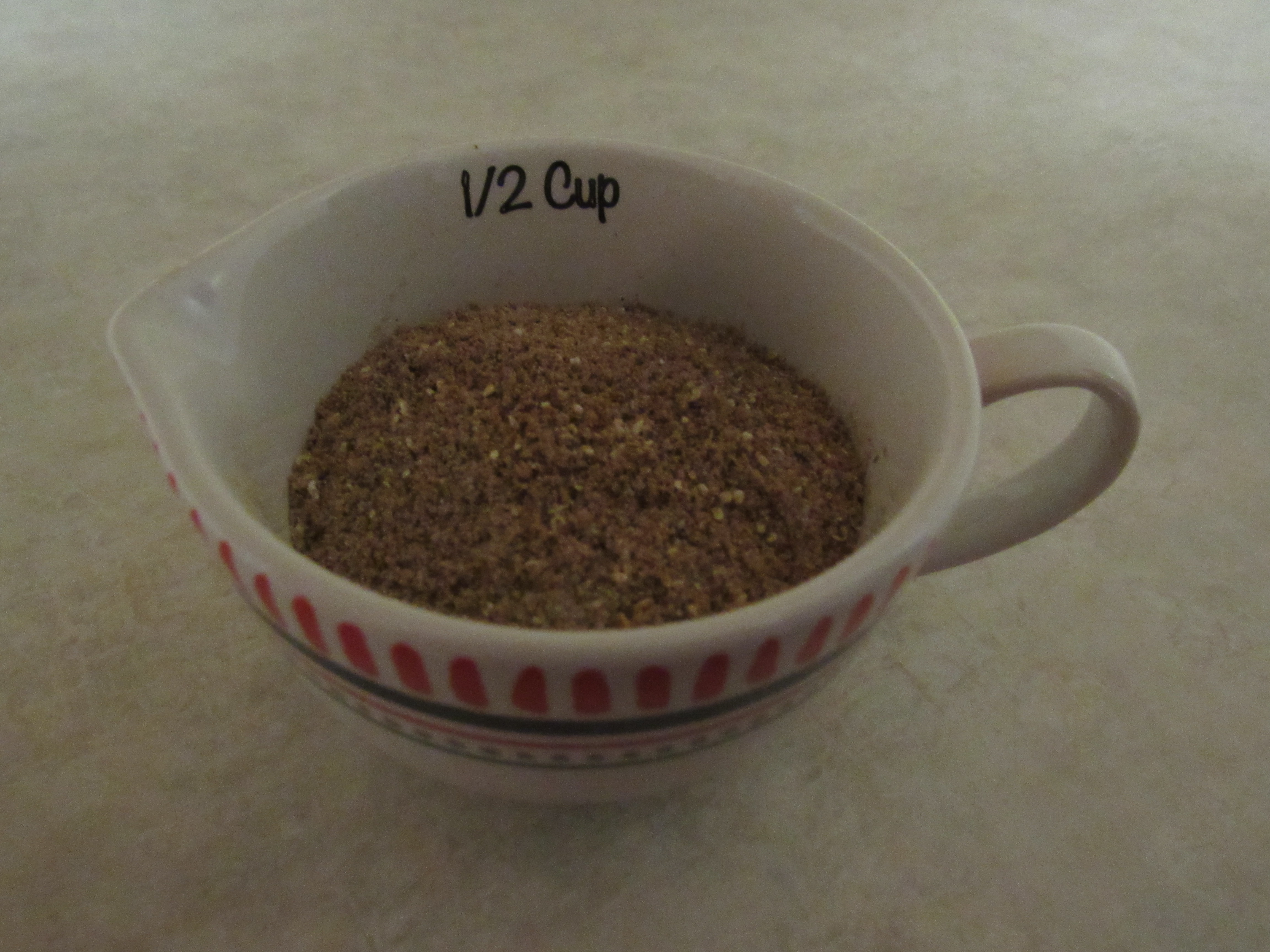
1841 Seasonings for White Sauces, Fricassees, and Ragout

I found a Seasoning recipe for white sauces, ragouts, and fricassees in an 1841 cookbook.

Ragouts are highly-seasoned meat stews. White sauce, made from white roux and milk, is the base of other sauces. Fricassees are stewed meats or vegetables that are served in a white sauce.

Select a small mixing bowl.

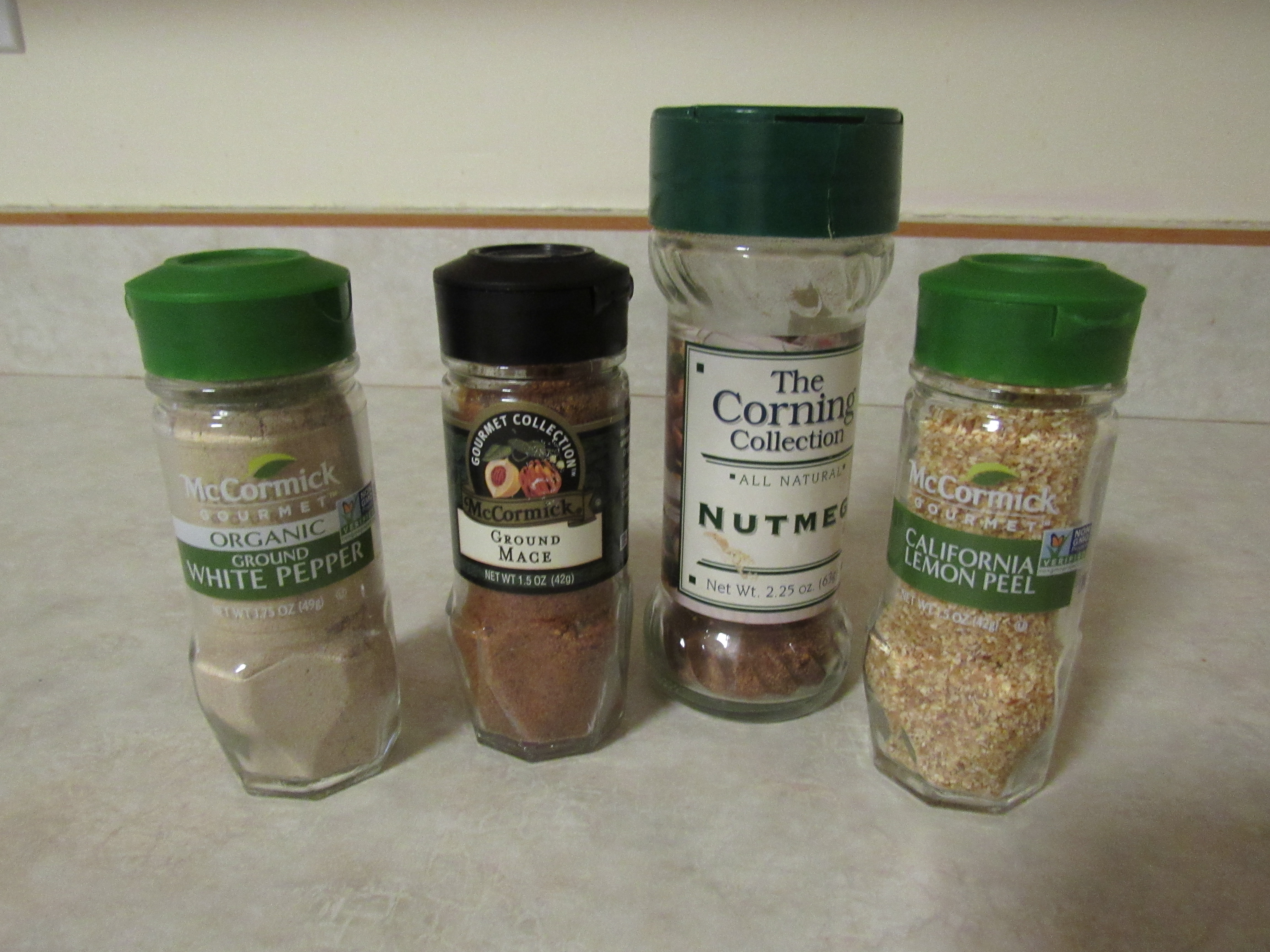
1 tablespoon white pepper

1 tablespoon nutmeg

1 tablespoon mace

1 tablespoon dried lemon peel

Mix ingredients together.

Store in closed container until needed in white sauces, fricassees, and ragouts.

To try out the seasoning blend, I made baked macaroni and cheese using the Basic White Sauce Recipe from Taste of Home. I prepared the sauce as directed and then added cheese. I added about ¼ teaspoon of the seasoning mixture to the sauce and baked as usual.

The extra flavors changed the dish enough that it did not taste like macaroni and cheese to me, but wasn’t bad.

It’s also worth a try in stews, which often benefit from extra flavor.

I’d love to hear if you try this recipe in your cooking.

-Sandra Merville Hart

Sources

Gelzer, Lois. Taste of Home, 2018/01/21 https://www.tasteofhome.com/recipes/basic-white-sauce.

Hale, Sarah Josepha. Early American Cookery: “The Good Housekeeper” 1841, Dover Publications, Inc., 1996.


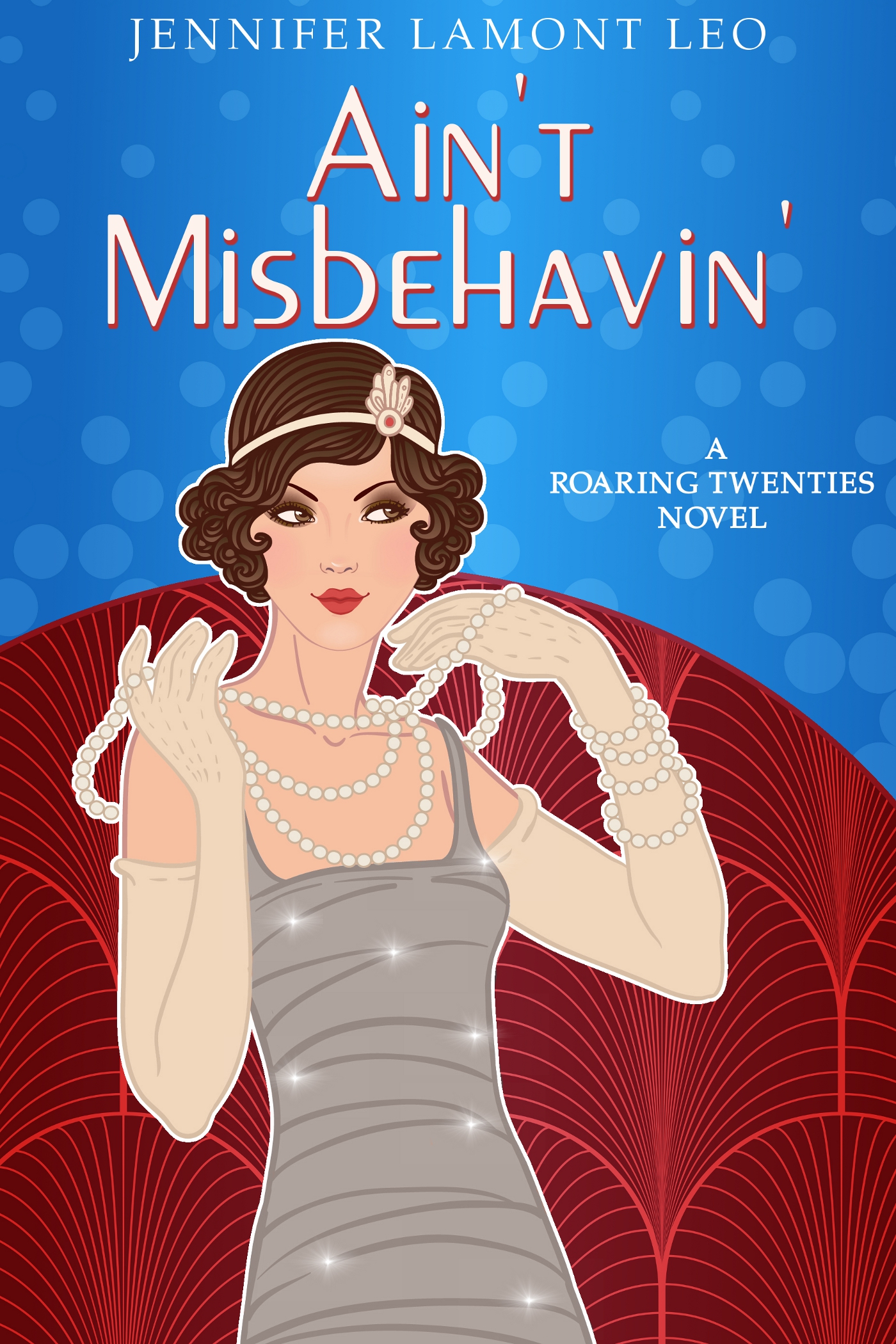
Ain’t Misbehavin’ by Jennifer Lamont Leo

This novel captured my interest immediately.

Dot Rodgers’ desire for a singing career previously led her to a job in a speakeasy where she dated the owner. Since she narrowly escaped jail, Dot doesn’t want that life anymore. She’s been dating her roommate’s brother, Charlie, but he doesn’t like her friends.

Charlie loves Dot yet a party with her friends shows him how stodgy and boring she must view him when compared to the glamorous crowd.

Neither feels worthy of the other, leading to twists and turns that are realistic to life and to the Roaring Twenties.

This novel is a page turner. I loved learning more about the time period. The characters are real with honest struggles and heartaches. It tugged at my heart.

This is the second book in a series. I also read and enjoyed the first novel,  You’re the Cream in My Coffee.

Recommend!

-Sandra Merville Hart

Lighthouse Publishing of the Carolinas   – Use coupon code SandraMHart for a 20% discount on Lighthouse Publishing books!


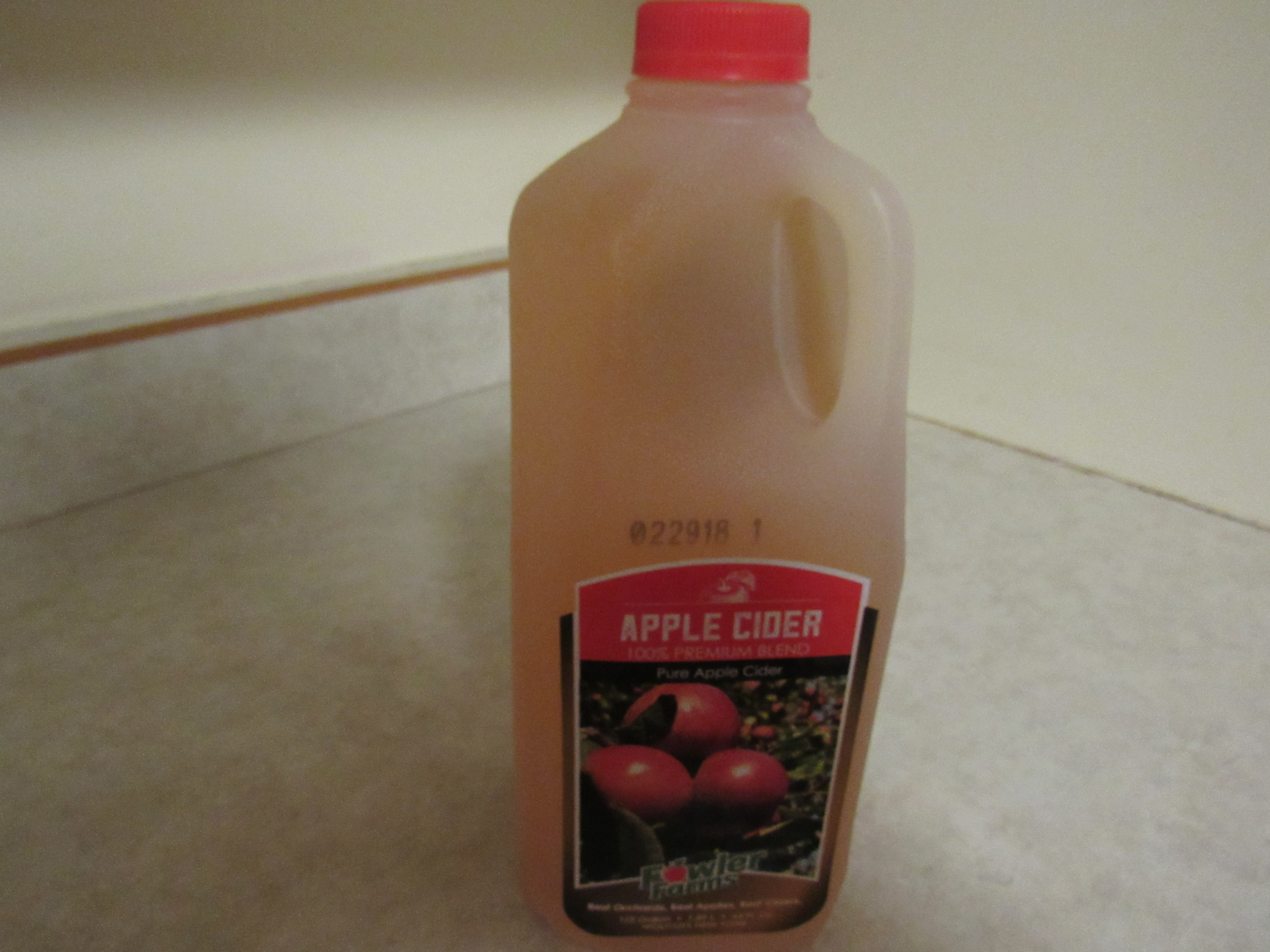
1841 Cider Vinegar Recipe

Sarah Josepha Hale, the author of an 1841 cookbook, wrote that vinegar was “perpetually wanted” by families yet was expensive to purchase. Frugal housekeepers prepared their own vinegar.

There were several varieties of vinegars used by early cooks including celery vinegar, horseradish vinegar, and cucumber vinegar.

They also used cider vinegar, as we do today. It is surprisingly easy to prepare.

Add a cup of white sugar into a half gallon of apple cider. Stir well.

This liquid needs to ferment for 4 months. I am storing mine in the original plastic container.

I will update this post at the end of that time. I’m uncertain whether buying refrigerated cider affects the fermentation process, but I’ll let you know if I have cider vinegar in 4 months.

Stay tuned!

-Sandra Merville Hart

Sources

Hale, Sarah Josepha. Early American Cookery: “The Good Housekeeper” 1841, Dover Publications, Inc., 1996.


Focus on Love by Candee Fick

I enjoyed this novel!

Liz had desperately wanted to be a photographer in her family’s business, but the rift between her and her dad is too wide. She pursues her second love, drama, as an actor in a dinner theater.

Ryan has temporarily stepped away from his lucrative and award-winning photography career to support his sister while her husband is deployed. He proposes a photography package deal to Liz’s boss. Liz is drawn back into the hobby she loves when Ryan needs help.

After a couple of bad relationships, Liz is wary of starting another. She misses her mother, for the rift between her and her dad cut ties with her mom, too. It also affects her faith. She longs for reconciliation.

This sweet romance is a page-turner. It snagged my interest immediately. Readers get to spend a little more time with characters they fell in love with in a previous novel, Dance Over Me. I kept reaching for the novel to find out what happened next even when I needed to be doing other things. The characters are realistic and believable.

Recommend!

-Sandra Merville Hart

Lighthouse Publishing of the Carolinas – Use coupon code SandraMHart for a 20% discount on Lighthouse Publishing books!

1841 Mustard Recipe

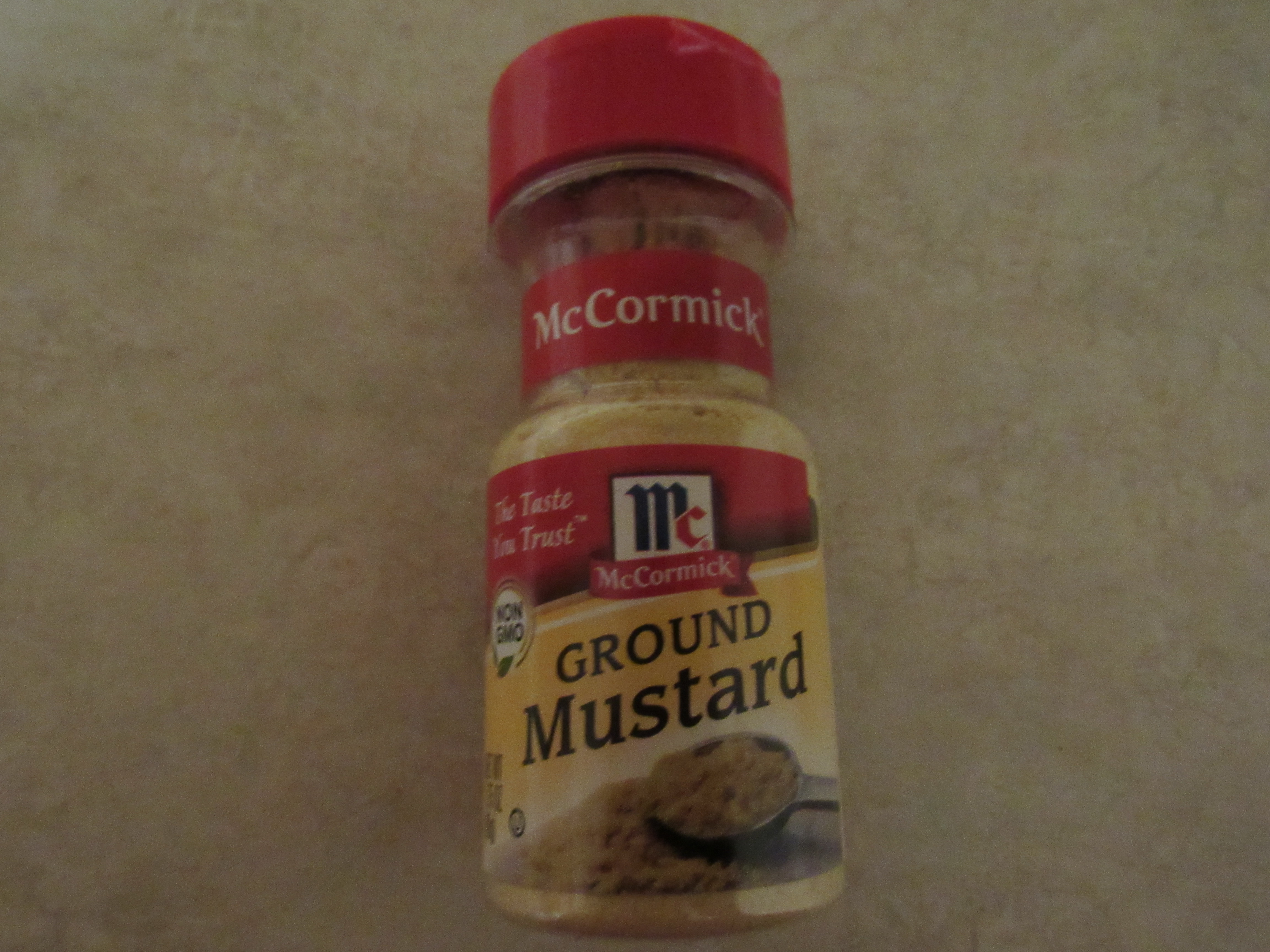
Sarah Josepha Hale, the author of an 1841 cookbook, wrote that mustard is best when freshly made. I occasionally like mustard on my sandwiches so this seemed like a fun experiment.

As is so often the case with old recipes, no ingredient amounts were supplied.

Hale suggests using the best ground mustard. I used 2 tablespoons of ground mustard. A “little salt” became 1/8 teaspoon of salt.

Mix this together. Add 2 teaspoons of warm water and stir. You will probably need a little more water (I used 3 teaspoons) until it is spreadable consistency.

I tried this mustard on a ham sandwich. It has VERY STRONG taste, similar to horseradish mustard. I did not like it.

Hale included a recipe for Mild Mustard, where milk is substituted for the water. This made a creamier consistency, but the taste was even stronger.

Having grown accustomed to the popular mustard brands available today, this old recipe was too spicy for me. I don’t believe that greatly watering down the mustard would have improved the taste.

Did our ancestors use mustard more sparingly in their cooking than modern cooks? Or did strong spices improve the taste of poor quality meats?

I’d love to hear if you try it.

-Sandra Merville Hart

Sources

Hale, Sarah Josepha. Early American Cookery: “The Good Housekeeper” 1841, Dover Publications, Inc., 1996.