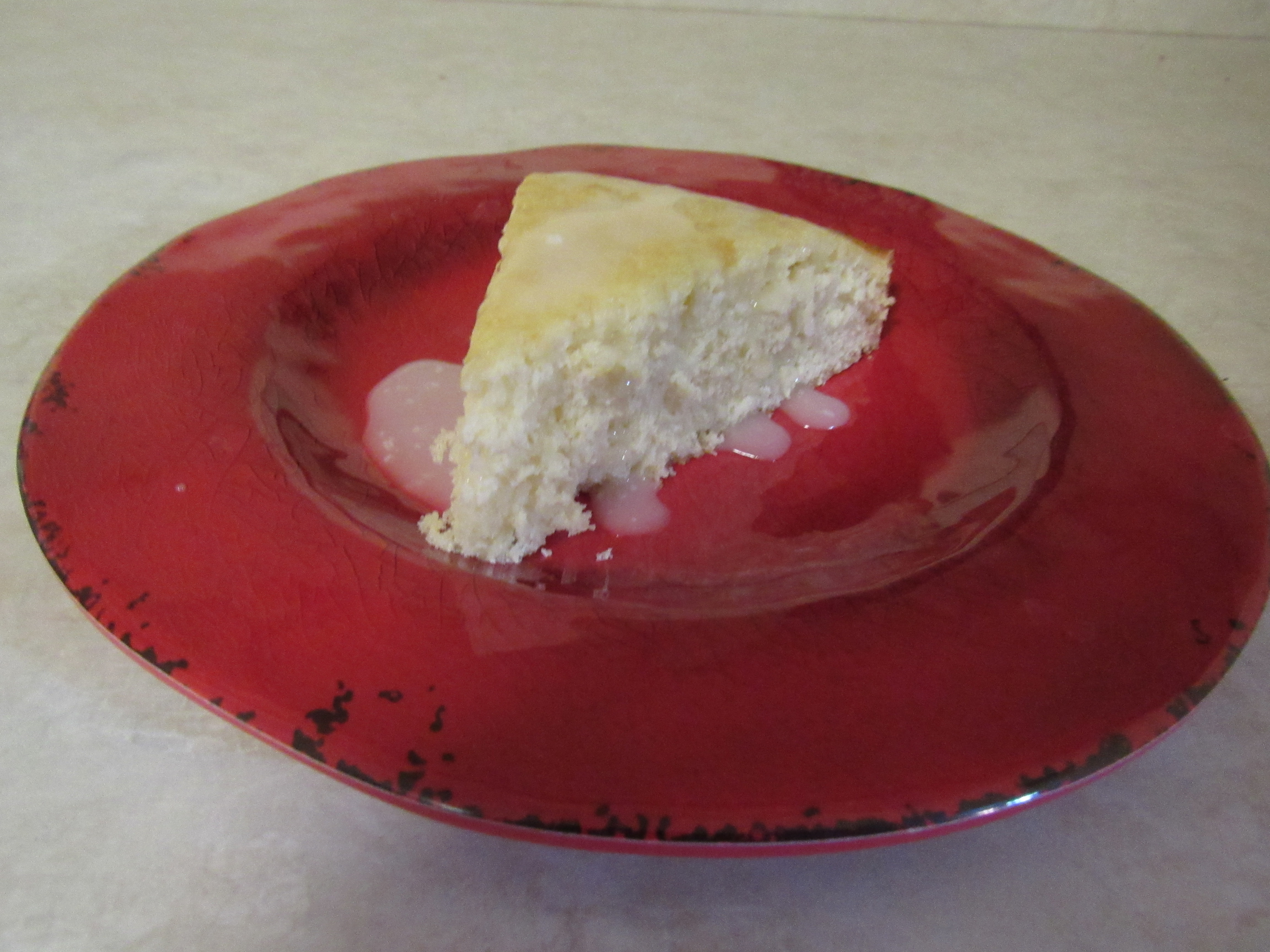
Feather Cake Recipe from 1877

I’d never heard of feather cakes until stumbling across this recipe in an 1877 cookbook. After I made it, a quick search on the Internet showed that this old-fashioned recipe can still be found—and it’s baked in a loaf pan. I baked it in a springform pan—whoops!

Oh, well. You will know before baking. 😊

Since I simply wanted to try the recipe, I halved the ingredients. Double the ingredients for a larger loaf.

Cream ¼ cup butter with 1 cup sugar. Add 2 eggs. Add the zest of 1 lemon.

In a separate bowl, combine 1 1/2 cups flour and 1 teaspoon baking powder. (The recipe doesn’t call for salt but add ½ teaspoon of salt if using all-purpose flour.)

Stir flour mixture into wet ingredients, alternating with ½ cup milk.

As mentioned above, I baked this in springform pan but it is traditionally baked in a loaf pan.

Bake at 350 until done, about 25 to 30 minutes.

I served this cake with a glaze drizzle (powdered sugar mixed with a little water.) Yummy!

I expected a “feather cake” to have a lighter consistency. It was dense and sweet with a nice hint of lemon.

This recipe is from Mrs. E. I. C. of Springfield.

I’d love to hear if you try it.

-Sandra Merville Hart

Sources

Compiled from Original Recipes. Buckeye Cookery and Practical Housekeeping, Applewood Books, 1877.
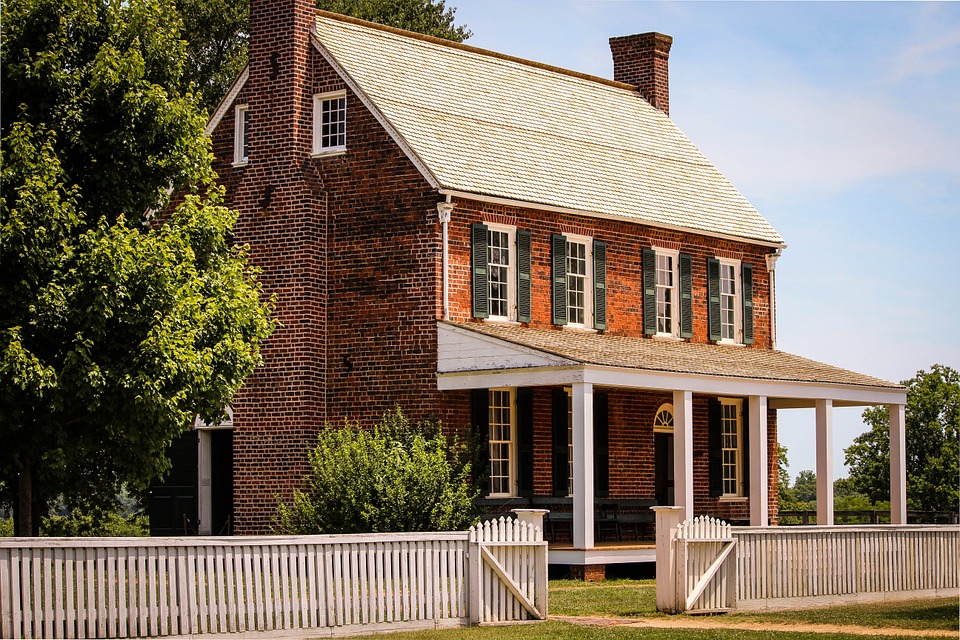

 

Confederate Surrender at Appomattox Court House

Food supplies awaited Confederate General Robert E. Lee’s Army of Northern Virginia at Appomattox Station. He needed them—his men were hungry.

On April 8, 1865, Lee arrived in Appomattox County. Union cavalry reached the supplies first and then burned 3 supply trains. Union General Ulysses Grant wrote to Lee, requesting his surrender. Lee refused, hoping for supplies in Lynchburg.

The next morning, the Confederates, under Major General John Gordon attacked Union cavalry troops. He stopped the attack when he realized that two Union army corps supported the cavalry.

They were cut off from provisions. Lee is famously quoted as saying that he’d “rather die a thousand deaths” than go talk to General Grant about surrendering.

Grant arrived for the meeting in a muddy uniform. Lee came in full dress attire. They met in Wilmer McLean’s parlor at 1 pm on April 9th.

The generals awkwardly greeted one another, then Lee asked for surrender terms.

All officers and men would be pardoned—they’d go home with their personal property. The officers were to keep their side homes. Lee’s hungry soldiers were to receive food rations.

Lee signed the surrender.

Lee’s Army of Northern Virginia disbanded after being paroled. The war in Virginia had ended. Lee’s surrender was the first of several Confederate surrenders over the coming weeks.

-Sandra Merville Hart

Sources

“Appomattox Court House: Lee’s Surrender,” Civil War Trust, 2018/03/19 https://www.civilwar.org/learn/civil-war/battles/appomattox-court-house.

History.com Staff. “Appomattox Court House,” History.com, 2018/03/19 https://www.history.com/topics/american-civil-war/appomattox-court-house.

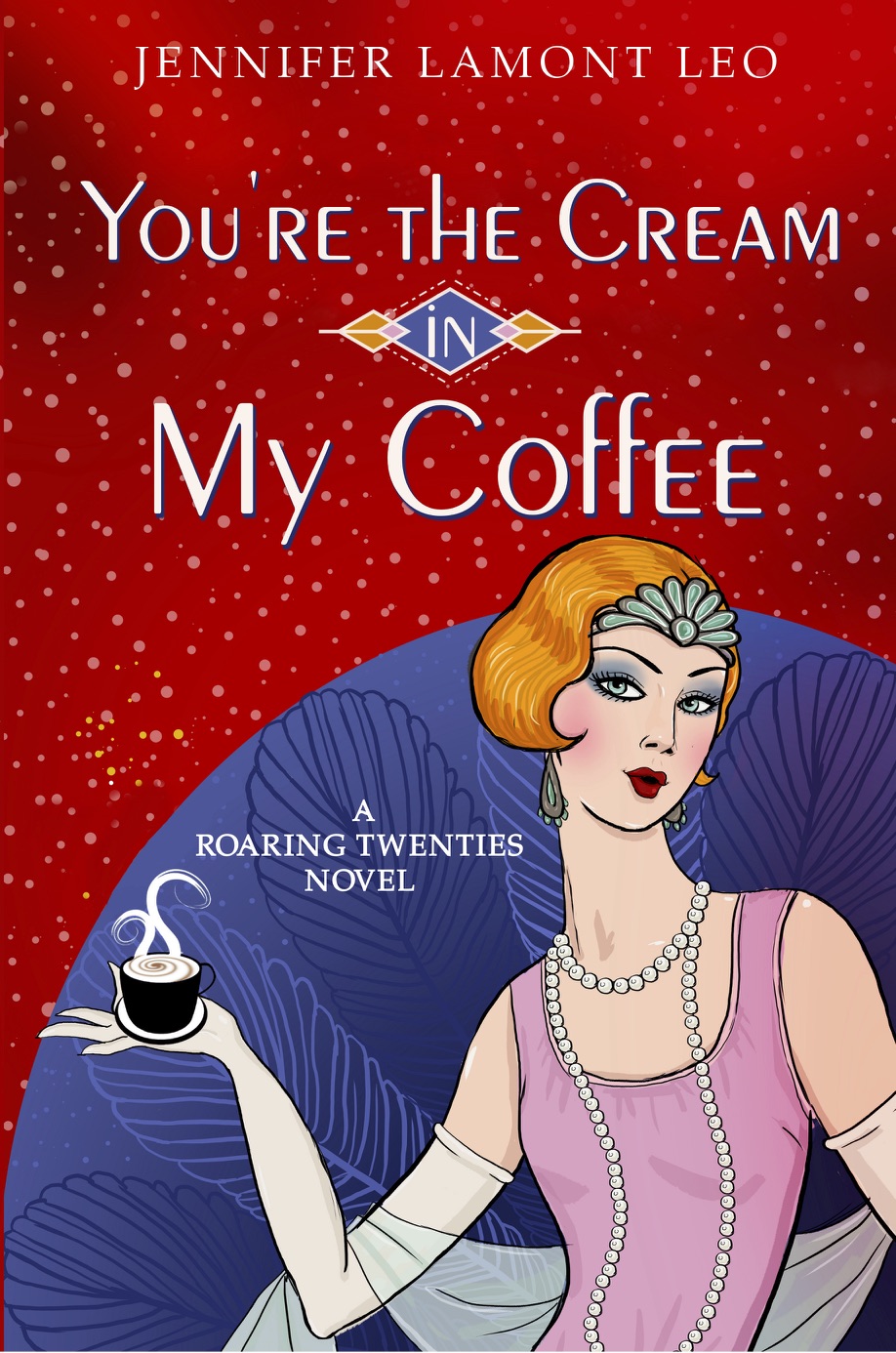
You’re the Cream in My Coffee by Jennifer Lamont Leo

A Roaring Twenties Novel

This novel drew me in immediately.

Marjorie Corrigan still mourns that Jack, her first love, didn’t come home from the war. Listed as missing, she still hopes to see him again after ten years.

Yet, time marches on, and she agrees to marry a successful young doctor. With the wedding just months away, she starts having fainting spells that send her to Chicago for medical testing.

Then she spots a man at the train station who looks just like Jack.

This novel is a page turner. Marjorie makes many decisions that lead the small-town girl down an unfamiliar path. I kept reaching for this novel to find out what happened next. Sometimes I wanted to shake her and say, “Wake up!”

Written in first person, characters struggle with losing themselves in the pain and heartache. It tugged at my heart.

This is the first book in a series. I also read and enjoyed the second novel,  Ain’t Misbehavin’.

Recommend!

-Sandra Merville Hart

Lighthouse Publishing of the Carolinas:  https://www.shoplpc.com/product/youre-the-cream-in-my-coffee/

– Use coupon code SandraMHart for a 20% discount on Lighthouse Publishing books!


Chocolate Cake Recipe from 1877

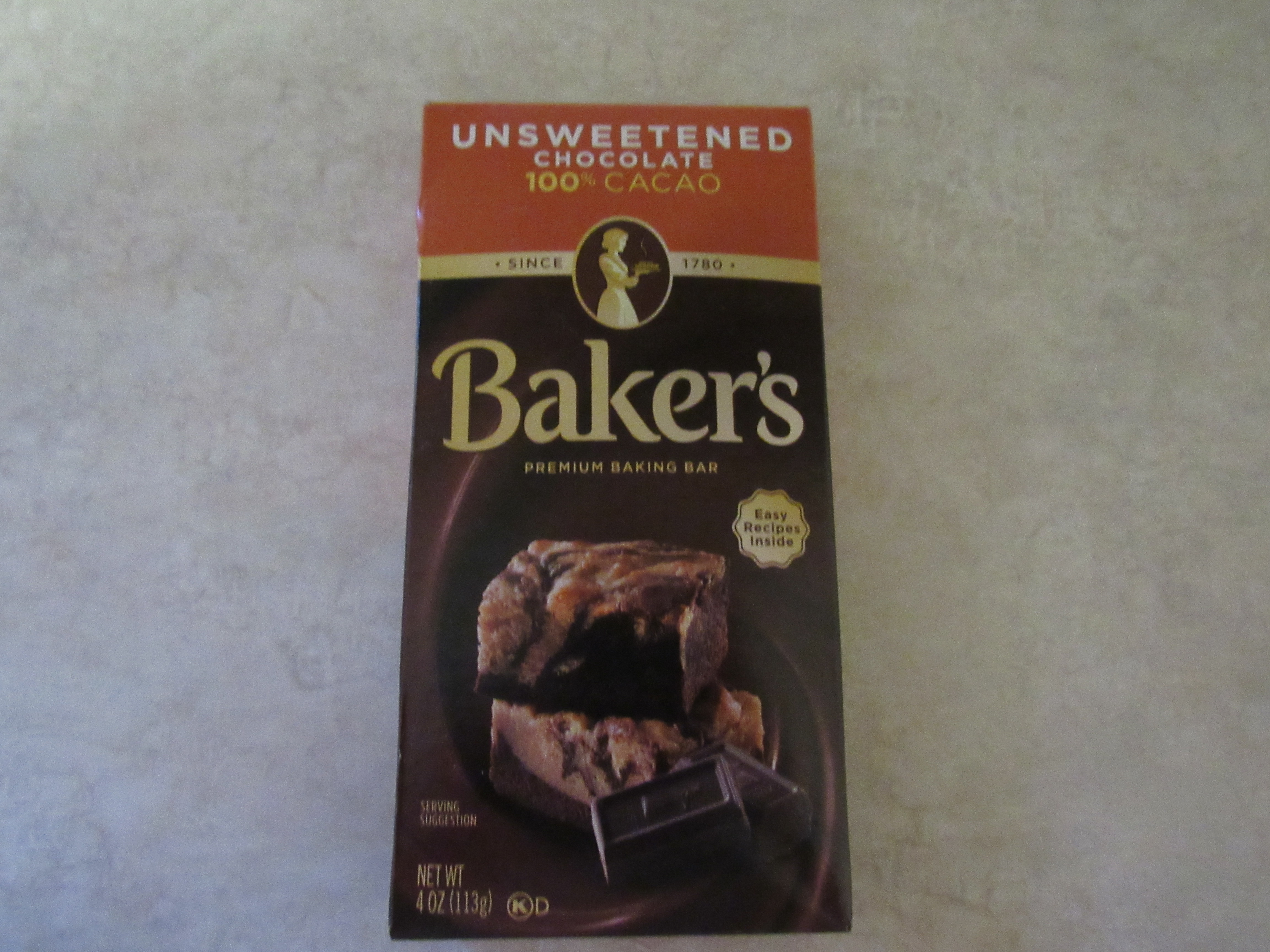
I was surprised to see “Baker’s chocolate” listed as an ingredient in an 1877 recipe. I researched and found that Dr. James Baker bought a chocolate company from Mrs. John Hannon. Her husband didn’t return from sailing to the West Indies and she sold it in 1780.

Dr. Baker changed the name to Baker Chocolate Company. How fun that the company still thrives today!

Since I simply wanted to try the recipe, I halved the ingredients. This gave 2 thin layers. Double the ingredients for normal proportions.

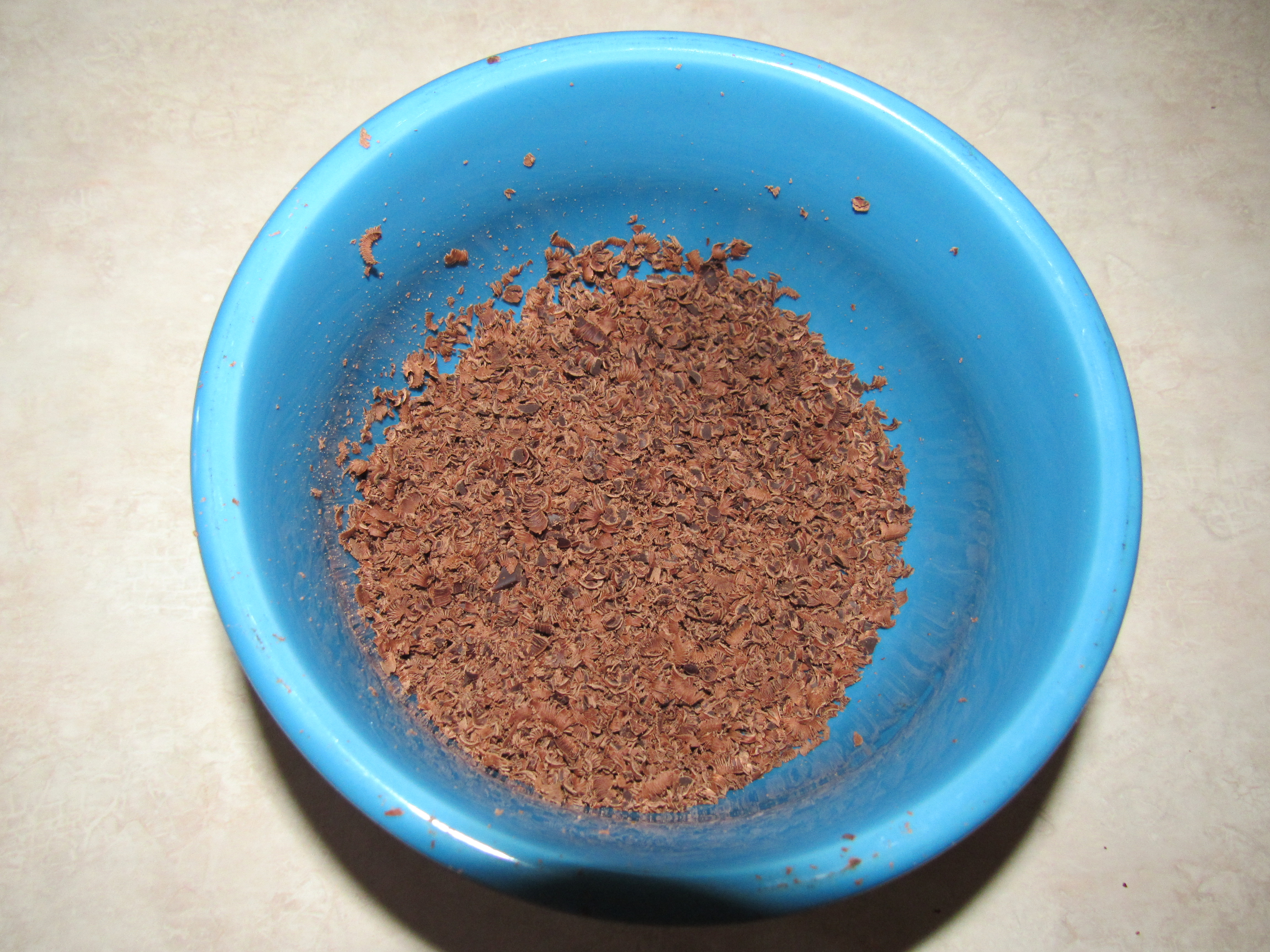
Grate 5 tablespoons of unsweetened Baker’s chocolate. (This is a little over an ounce—not enough for this chocolate lover. I’d suggest increasing this to 2 ounces.)

Cream ½ cup of butter with 1 ½ cups of brown sugar. Add 3 egg yolks.

In a separate bowl, combine 2 cups flour, 1 ½ teaspoons baking powder, and the chocolate. (The recipe doesn’t call for salt but add a teaspoon of salt if using all-purpose flour.)

Stir flour mixture into wet ingredients, alternating with ½ cup milk.

I made this into a thin 2-layer cake, but a single layer or an 8 x 8 pan will work fine.

Bake at 350 until done, about 25 to 30 minutes.

There were no suggestions for icing so I made a buttercream frosting.

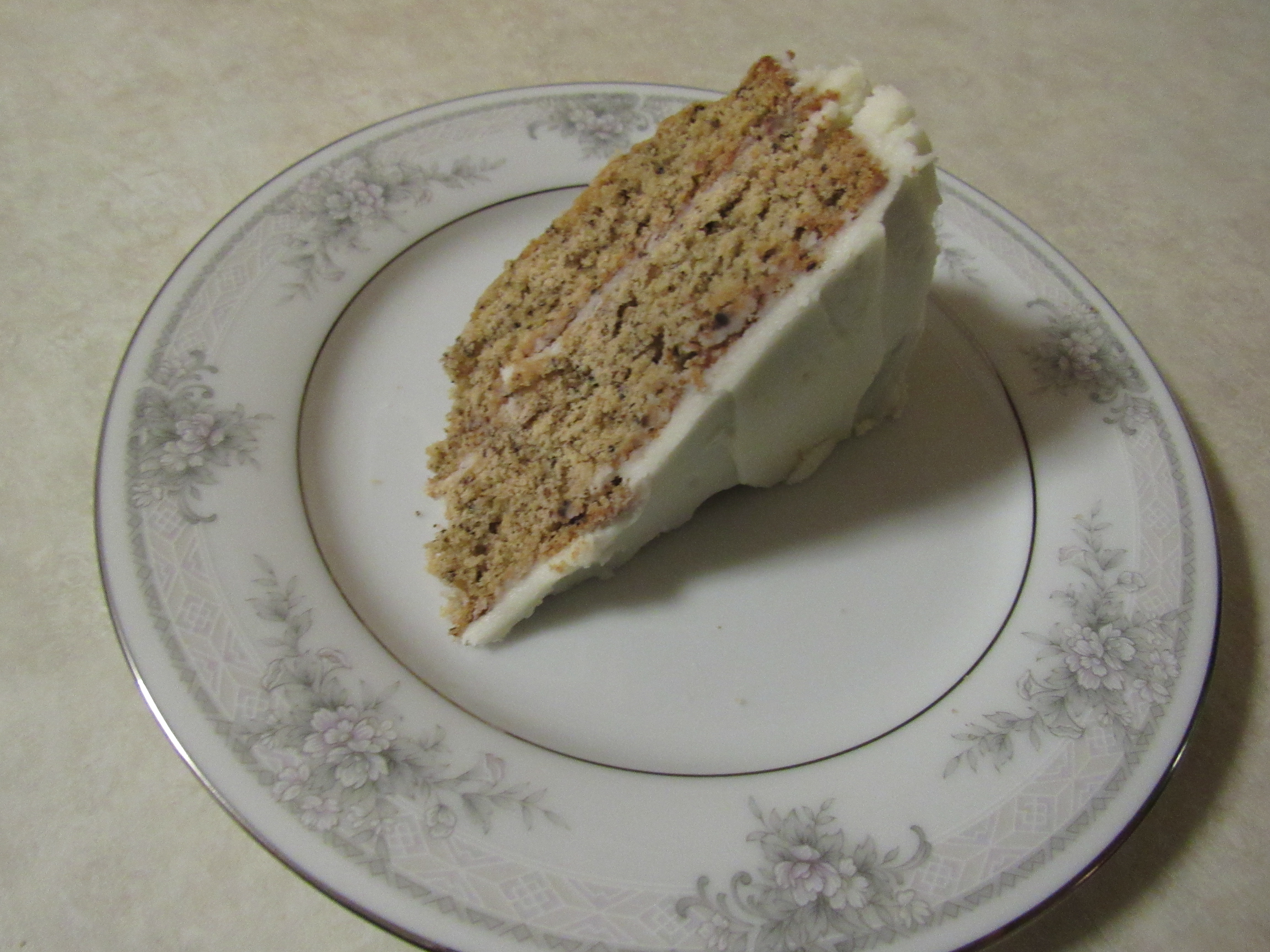
This cake did not have a strong chocolate flavor. The amount of brown sugar made it a very sweet cake. I will at least double the chocolate next time. Instead of grating the chocolate, I will melt it with the butter and then mix in the sugar.

The look and texture of the cake more resembles a spice cake. It goes to show how tastes have changed over the years.

This recipe is from Mrs. Frank Woods Robinson of Kenton.

I’d love to hear if you try it.

-Sandra Merville Hart

Sources

“Baker’s Chocolate,” Wikipedia.com, 2018/03/25 https://en.wikipedia.org/wiki/Baker%27s_Chocolate.

Compiled from Original Recipes. Buckeye Cookery and Practical Housekeeping, Applewood Books, 1877.