Battle of Gettysburg: Lee’s Long Line of Ambulances

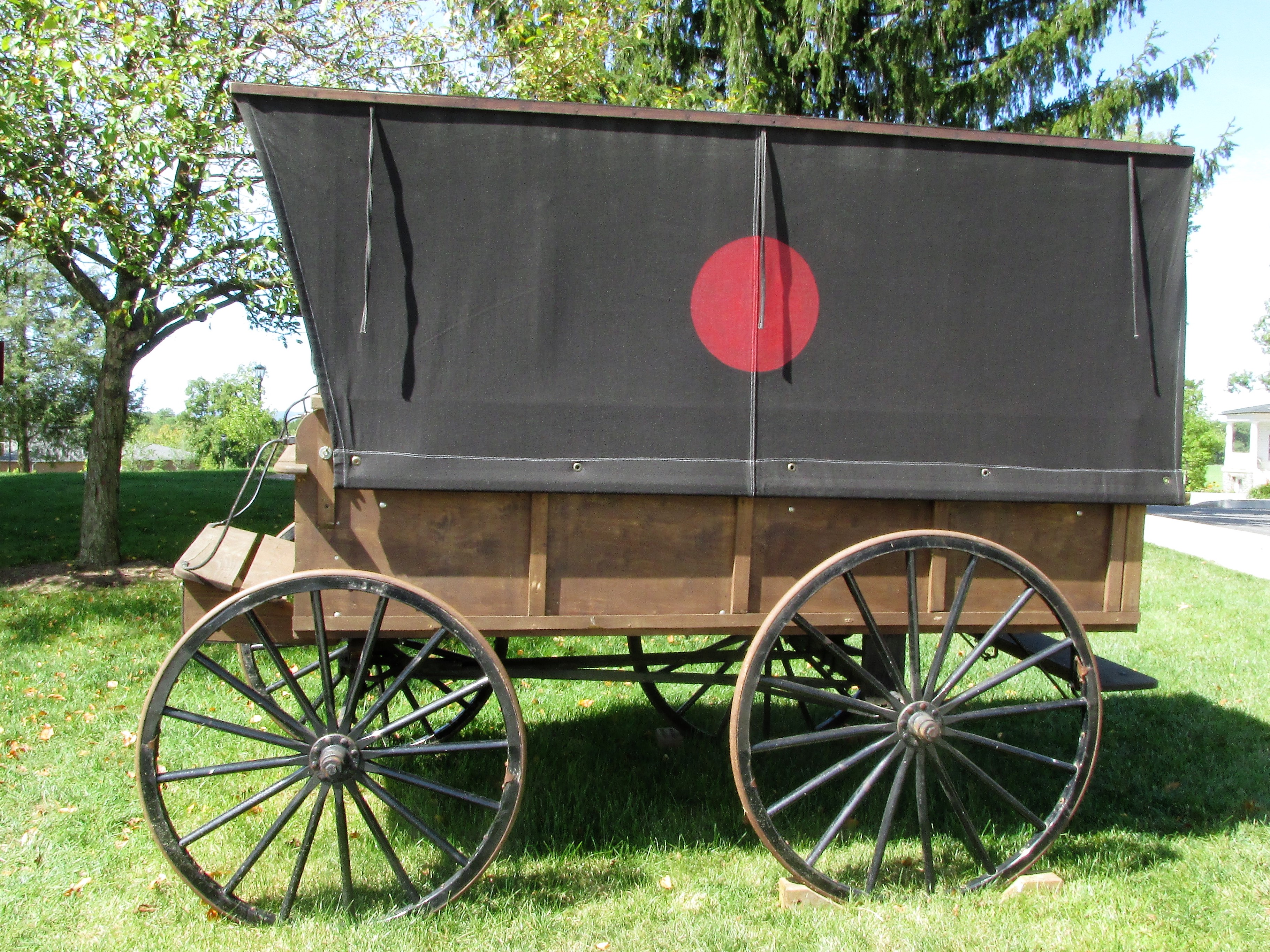
Ambulance outside Lutheran Seminary, Gettysburg.

Confederate General Robert E. Lee’s plan to transport thousands of wounded soldiers after the Battle of Gettysburg was a daunting task. He ordered General John Imboden to lead them to Cashtown before heading south to Williamsport, Maryland. When they reached Williamsport, they paused for a break. Once men and horses rested, they resumed their journey back to Virginia.

The ambulance wagon train stretched for 27 miles.

Tragic.

And 7,000 Confederate soldiers, wounded too severely to travel, were left behind in Gettysburg. Characters in my novel set during the Battle of Gettysburg, A Rebel in My House, had to deal with this issue.

Conservative estimates for Confederate wounded number around 13,000. Other sources report over 18,000. Either way, 27 miles of ambulances means a distressing number of injured soldiers traveled south, groaning in agony as rickety wheels jostled them over rutted dirt roads.

I wondered how many ambulance wagons might have been required and thought it might be fun to try to figure it out.
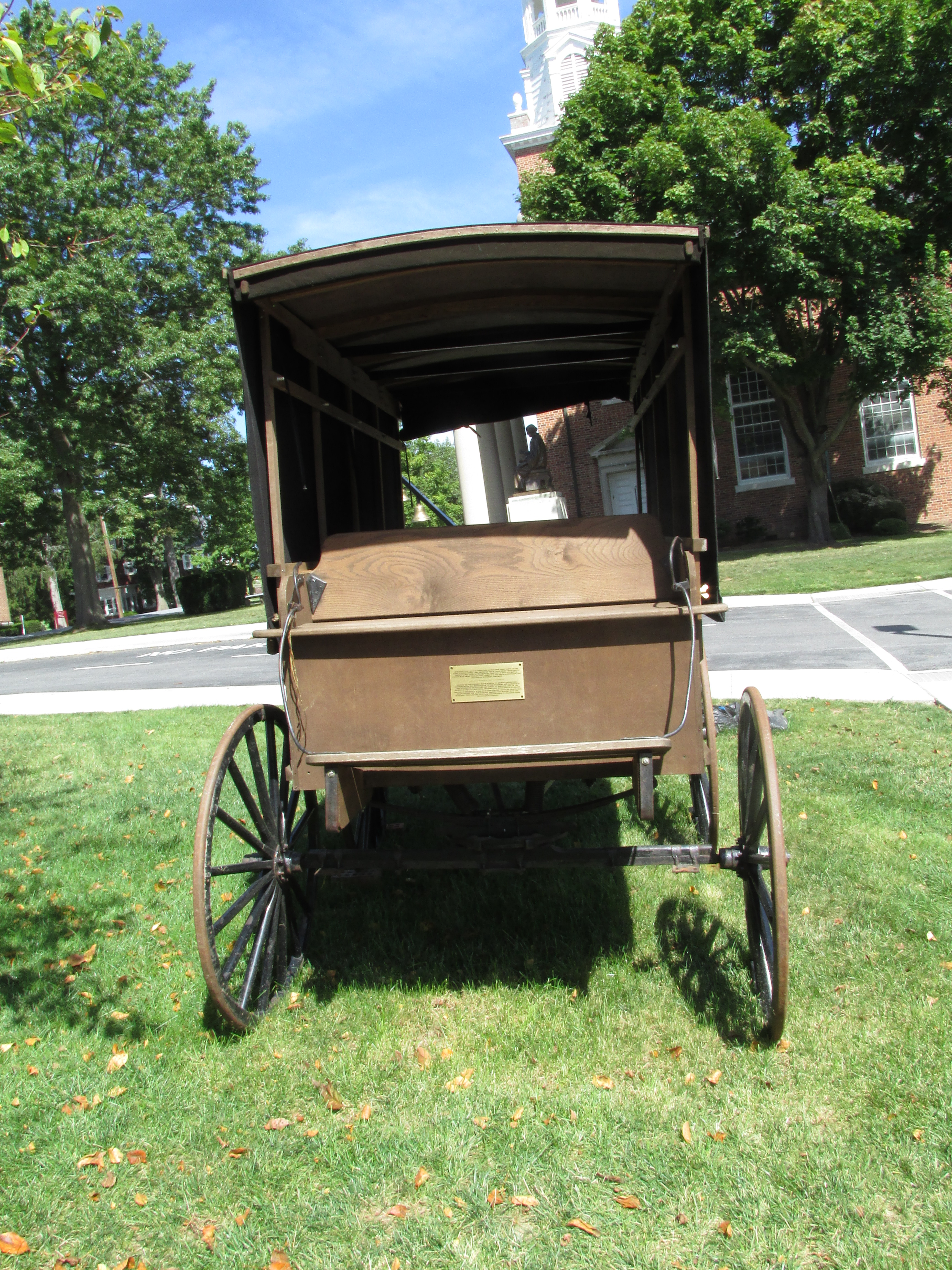
Ambulance outside of Lutheran Seminary, Gettysburg.

Many models in use at the time were 10 feet long or 10 feet, four inches. The heavier wagons required 4 horses to pull them while lighter ones needed only 2.

Some carried 10 patients—4 prone and 6 seated. The driver and 2 patients sat on a closed chest holding medical supplies.

A lighter model carried 5—15 wounded, depending on how many needed to lie prone for the journey.

It seems almost certain—with the number of wounded requiring transportation to Southern hospitals—that folks squeezed onto wagons meant to hold fewer men.

I confess that I got lost trying to figure the length of an average horse—it seems the larger horses are about 6 feet long. An ambulance 10 feet in length with a two-horse team might require about 20 feet. A four-horse team and wagon might need 30 feet.

Allowing 30 feet for each wagon to estimate how many ambulances might have been in this ambulance train … a staggering 4,752 wagons. The actual count was probably less because some patients with minor injuries walked.

Some ambulances held only 5 patients. If folks had to travel in a laying down, less patients could ride with them.

7,000 were left in Gettysburg. Going with the highest estimate of 18,000+, some 11,000 wounded traveled south. That means 2-3 folks traveled in each wagon.

If we allow 50 feet of space for each wagon, there are about 2,851 or 3-4 patients per wagon. If this is true, then lots of soldiers were in bad shape along the way. Possibly greater numbers of slightly injured weren’t included in the total count.

Has anyone run across this in their research?

-Sandra Merville Hart
Sources

“Battle of Gettysburg,” Encyclopeadia Britannica, 2018/06/15 https://www.britannica.com/event/Battle-of-Gettysburg.

“Battle of Gettysburg,” HistoryNet, 2018/06/15 http://www.historynet.com/battle-of-gettysburg.

“Battle of Gettysburg Facts,” Stone Sentinels, 2018/06/15 http://gettysburg.stonesentinels.com/battle-of-gettysburg-facts/.

“Civil War Ambulance Wagons,” Civil War Home, 2018/06/17 http://www.civilwarhome.com/ambulancewagons.html.

Compiled by Editors of Combined Books. The Civil War Book of Lists, Da Capo Press, 1994.

Edited by Kennedy, Frances H. The Civil War Battlefield Guide, Houghton Mifflin Company, 1990.

“Gallery: Field Medicine,” Trans-Mississippi Theater Virtual Museum, 2018/06/17, http://www.civilwarvirtualmuseum.org/medicine/field-medicine/ambulance.php.

Long, E.B and Long, Barbara. The Civil War Day by Day: An Almanac 1861-1865, A Da Capo Paperback, 1971.

Sheldon, George. When the Smoke Cleared at Gettysburg: The Tragic Aftermath of the Bloodiest Battle of the Civil War, Cumberland House, 2003.
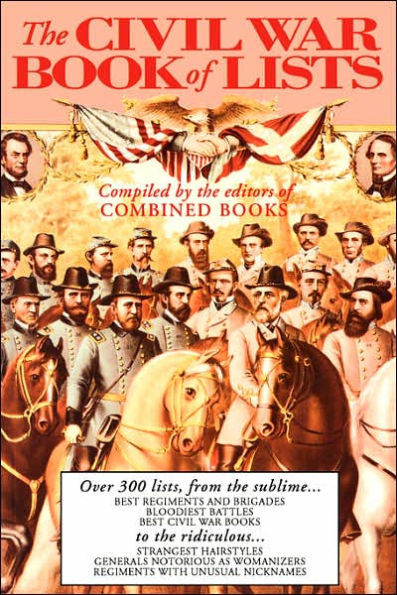
 

The Civil War Book of Lists Review

Compiled by the editors of Combined Books

I was happy to find this book of lists in a Civil War battleground museum store while on a research trip.

This book contains many fascinating lists. Here are just a few: Union Regiments of Foreign Born; Six Weapons Used for the First Time in the Civil War; The Ten Best Commanded Battles of the War; The Generals Listed by West Point Class and Rank; and The States in Order of Men Furnished for Confederate Service.

There are a few unusual lists as well: Occupations of Union Soldiers; Four Battles with Four Names; Eight Generals Who Had Served in the War of 1812; and Top 10 Strangest Hairstyles.

 As an of Civil War romances, these lists often pique my interest, leading me to more research.

 Even Civil War historians will discover new facts from this book, sparking discussions.

A great find for lovers of American history!

-Sandra Merville Hart

Barnes & Noble


Miss Kay’s Banana Pudding Recipe

A couple of years ago, one of my Christmas gifts was a cookbook that I’d placed on my wish list—Miss Kay’s Duck Commander Kitchen by Duck Dynasty’s Kay Robertson.

Miss Kay dedicates chapters to favorite recipes for her husband, her sons, her grandchildren. She has chapters on Louisiana cooking, Christmas, and cooking wild game. I love reading her introductions and her tips. She allows cooks to get to know a bit about her and the family she loves to cook for. It’s one of the best cookbooks I’ve used!

My favorite recipe so far is for banana pudding. Delicious! It’s the best banana pudding I’ve tasted—and coming from a family of Southern cooks, that’s saying something.

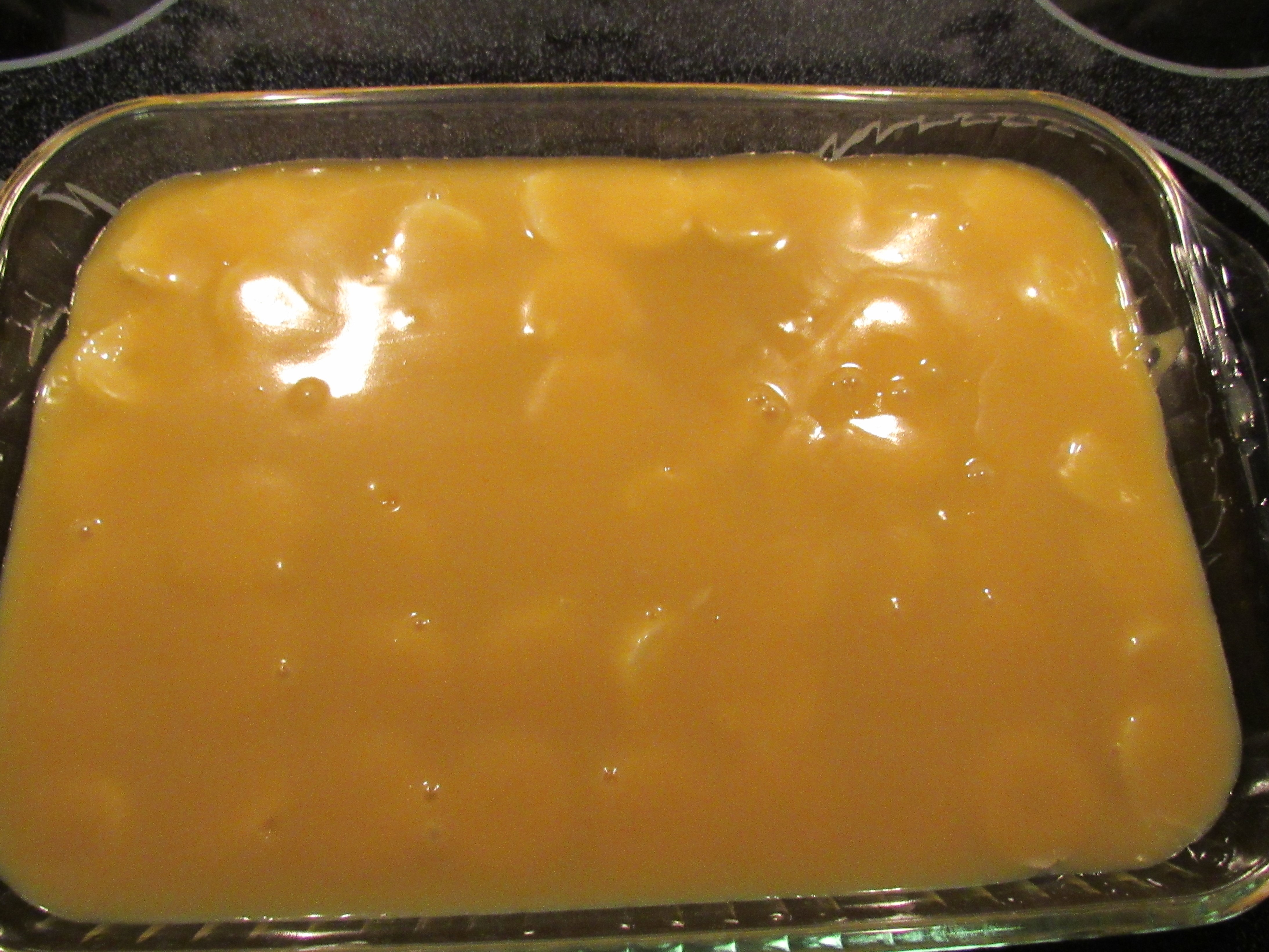
This pudding is not difficult to make but it is time consuming. Allow at least an hour and a half. Gathering and combining like ingredients ahead of time will help as you need to stir the pudding the whole time it cooks. The pudding becomes very thick and creamy from cooking slowly in a double boiler. (I don’t have a double boiler … a metal mixing bowl over a simmering pan of water works well.)

Just before serving, I add dollops of whipped topping. I used the kind from a can because it looks prettier.

I recently attended a funeral. I doubled this recipe and brought this to the gathering afterward. One guest told me it was the best pudding she’d ever eaten—“and I’m old so I’ve tasted a lot of puddings!”

Blessing a member of the grieving family made it worth the time.

This is a great dessert to take to summer picnics and family gatherings.

This is only one of the wonderful recipes found in Kay Robertson’s cookbook—well worth having on your shelf!

-Sandra Merville Hart


Sources

“Ms. Kay’s Banana Pudding Recipe,” Louisiana Culinary Trails, 2018/05/15 https://www.louisianatravel.com/culinary/recipes/ms-kays-banana-pudding-recipe.

Robertson, Kay with Chrys Howard. Miss Kay’s Duck Commander Kitchen, Howard Books, 2013.


Fireside Talk Radio Podcast about A Rebel in My House


Cathy Krafve of Fireside Talk Radio interviewed Sandra Merville Hart, author of A Rebel in My House, a Civil War romance set during the turbulent Battle of Gettysburg. Cathy is a talented host and made Sandra feel a warm Texas welcome!

Here is Cathy’s introduction to the interview:


Outside the Box. Her Wisdom, Translating Compassion into Fiction Writing with Sandra Merville Hart

“Award-winning Author Sandra Merville Hart joins Cathy Krafve to talk about her wonderful Civil War era book, A Rebel in My House. Both sides of the conflict receive tender grace from Sandra in this engaging, action-packed story. With compassion, Sandy creates characters to love. Cathy asks questions about her inspiration and decision-making when it comes to handling history respectfully.  With five books out by this time next year, Sandra is a rising star in publishing circles. For Sandy, climbing out of the box means creating stories that reflect compassion for people and respect for history.”

Here is the podcast for those who’d like to download and listen:  Fireside Talk Radio A Rebel on My Land Interview

Thank you for a fun visit on Fireside Talk Radio, Cathy!

-Sandra Merville Hart