
Today’s post was written by fellow writer, editor, and friend, Pegg Thomas. Welcome back to Historical Nibbles, Pegg!
The Great Lakes Lighthouse Brides collection was my baby from the start. I wanted to offer Barbour Publishing a collection that showcased our beautiful Great Lakes and honored the memory of the men and women who pioneered this area.
Lighthouses—and the men and women who manned them—were essential to both bringing people and supplies into this vast wilderness and shipping valuable resources out to a growing nation. The Great Lakes are awe-inspiring in many ways, inland seas of fresh water teeming with fish and surrounded by dazzling sand dunes and towering forests. They were also treacherous. Violent storms, hidden shoals, and thick fogs made travel by boat dangerous. The lighthouses, often situated in remote, isolated areas, were literally the saving grace for many a crew.
Lighthouse keepers and their families had to be self-sufficient and hardy people. Often days of travel away from the nearest town, they had to raise, hunt, or catch much of their own food. Most did not winter at the lighthouse, but some did. Those also had to preserve enough to see them through the long, dark months of the year.
Aside from keeping the lights burning, lighthouse keepers also assisted in rescue missions, with or without the help of a life-saving station. Many heroic stories have survived through the years of men and women who risked their own lives to save those wrecked on the lakes.
The rest of the growing nation desperately needed the raw materials of iron, copper, and other metals of this area. Steel mills back east needed it to turn out hundreds of thousands of rails the country needed for the railway system that was spanning from coast to coast. The lumber was needed for building cities and homes. The area I currently live in was lumbered off in 1871 and 1872 to rebuild Chicago after the great fire.
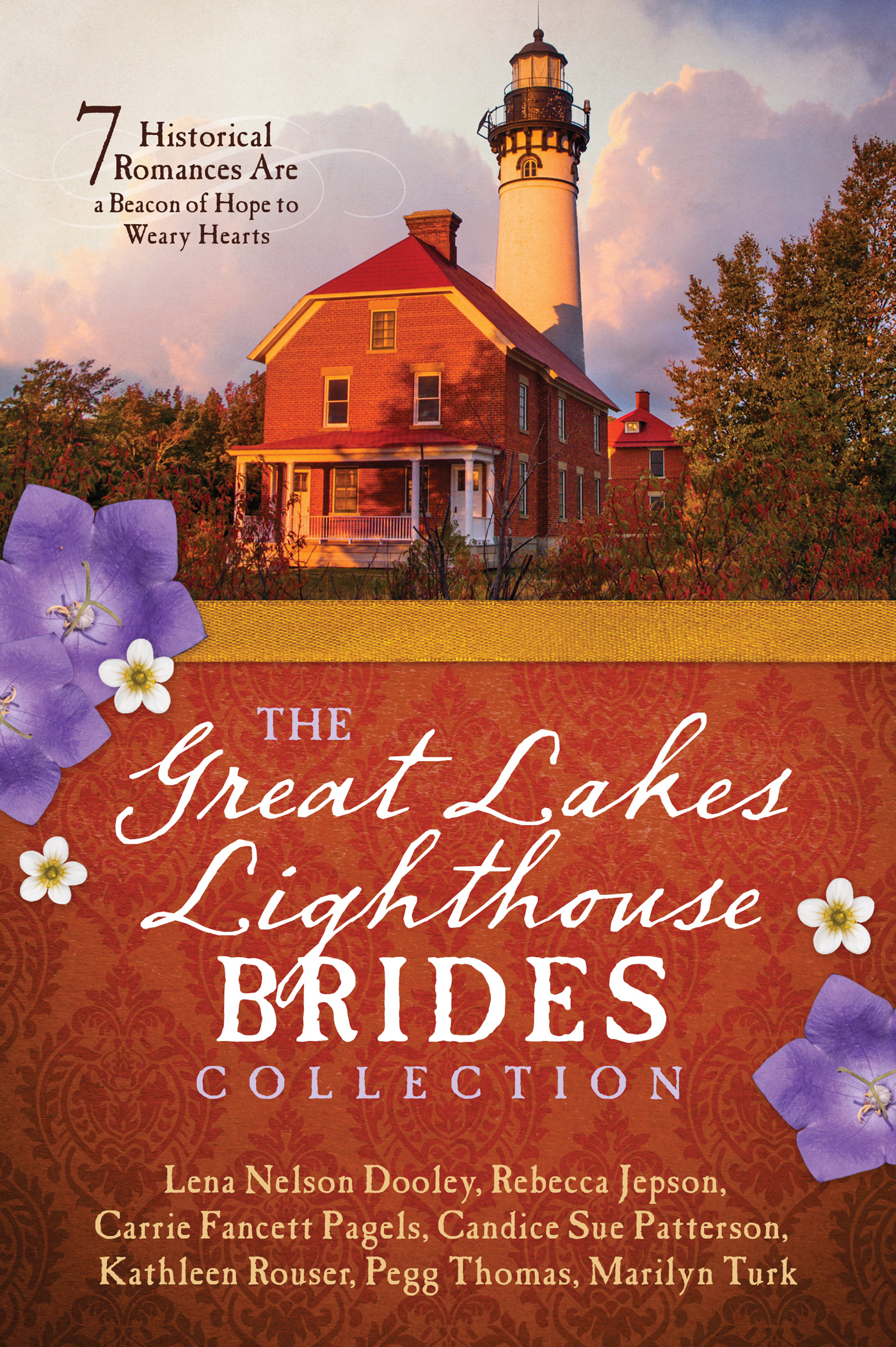 I’m proud to be a part of this collection that shares these historical romances inspired by the people who pioneered our northern shores.
-Pegg Thomas
Blurb:
Anna’s dream of running the lighthouse was difficult enough to achieve, but then a Russian stowaway was left on the island, and that complicated everything.
 About Pegg:
Pegg Thomas lives on a hobby farm in Northern Michigan with Michael, her husband of *mumble* years. A life-long history geek, she writes “History with a Touch of Humor.” When not working or writing, Pegg can be found in her barn, her garden, her kitchen, or sitting at her spinning wheel creating yarn to turn into her signature wool shawls.


Thanks for having me on your blog today, Sandy!
LikeLike
My pleasure, Pegg! Lighthouses have always fascinated me. I loved learning the history associated with the Great Lakes!
LikeLike
Enjoyed the post. Loving the book.
LikeLike
Awesome! Thanks for commenting, Cindy. 🙂
LikeLike
LOVED your story, Pegg (lucky early reader me). They’re all great. I hope everyone gets the book. Question: is the photo at the top the lighthouse in Anna’s story?
LikeLiked by 1 person
Thanks, Naomi! Pegg provided that photo so she’s the best one to answer your question. Pegg?
LikeLiked by 1 person
Naomi, yes, that is the lighthouse on Thunder Bay Island where my story, “Anna’s Tower,” is set.
Cindy, so glad you’re enjoying it!
Perrianne, glad you’re reading it too!
LikeLiked by 1 person
Thank you for some lighthouse information. It will help me review this wonderful novella collection!
LikeLike
So glad the information helped you, Perrianne! Thanks for commenting. 🙂
LikeLike