Chicken Gumbo Soup Recipe

This recipe is from The Fannie Farmer Cookbook, which was originally published in 1896.

I love chicken gumbo soup and am always on the lookout for recipes. This makes 4 servings.

Chop half of an onion and set aside.

Chop 1 sweet red pepper. You will need ½ cup for this soup.

You will need either 1 can of diced tomatoes or 1 1/2 cups of fresh chopped tomatoes.

Prepare 1 cup of cooked rice.

Boil 3 cups of water.

Rinse and pat dry 3 pounds of chicken. Cut into 8 pieces. (I prefer smaller pieces, so I cut them in about 2-inch cubes.)

Melt 3 tablespoons of bacon fat in a Dutch oven and brown chicken on all sides. (The recipe called for a large skillet but my largest skillet didn’t hold all the ingredients.) Remove the chicken and set aside.

Add onion, 4 cups of okra, and red pepper to the Dutch oven. Over medium heat, cook for about 5 minutes, stirring constantly. Add tomatoes, 2 teaspoons of basil, and 3 cups of boiling water. Add chicken and 1 teaspoon of salt.

Reducing heat to low, cover and simmer 30-40 minutes. Mix in the rice and cook an additional 5 minutes.

Serve in soup bowls.

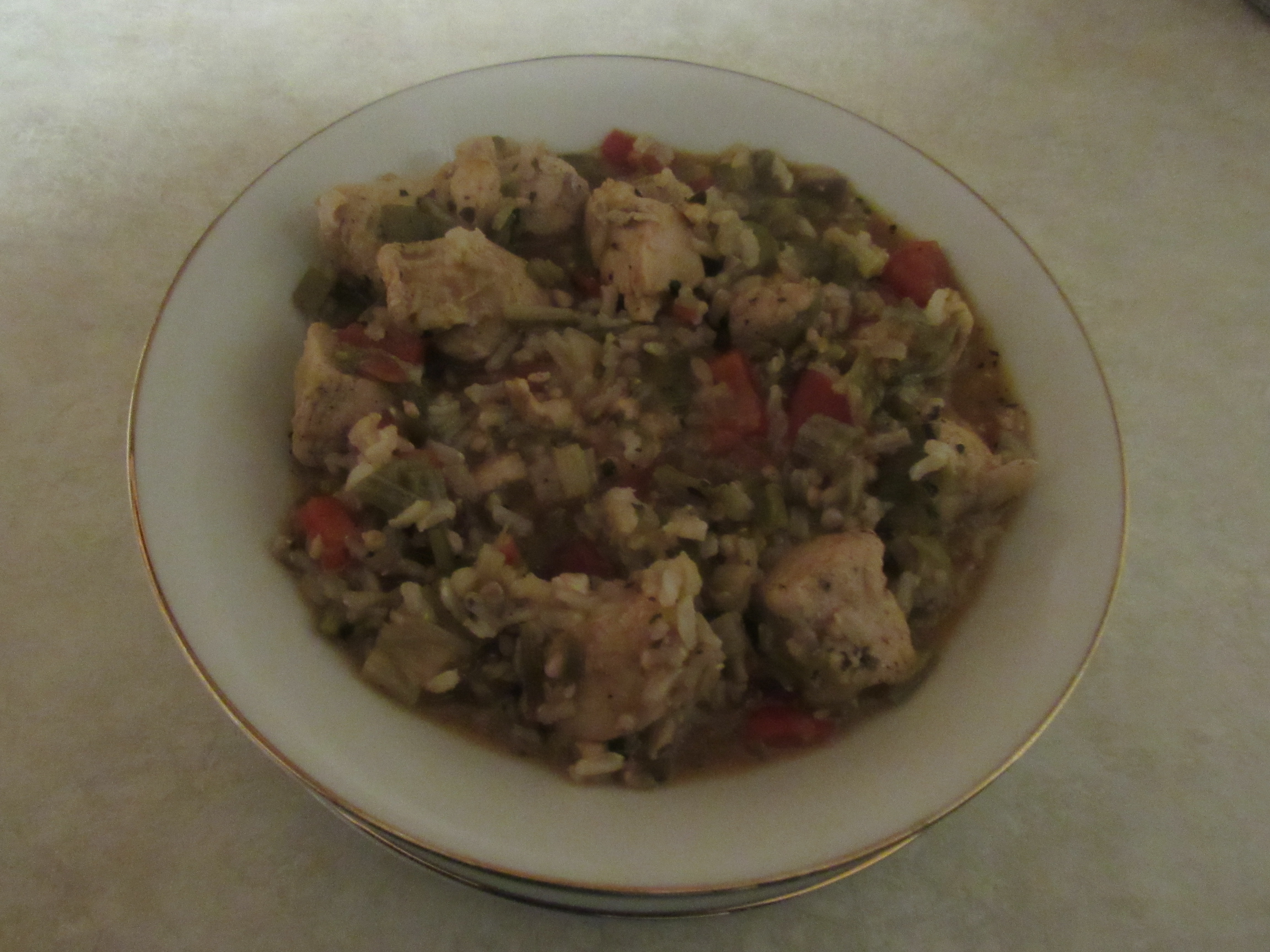
Delicious! I really like this soup. My mom made it differently when I was a child, but this was very good, too. It’s a spicy, comforting soup.

I will make this again. I’d love to hear if you try it.

-Sandra Merville Hart

Sources

Revised by Cunningham, Marion and Laber, Jeri. The Fannie Farmer Cookbook, Alfred A Knopf Inc., 1983.


The Aftermath of the Battle of Gettysburg

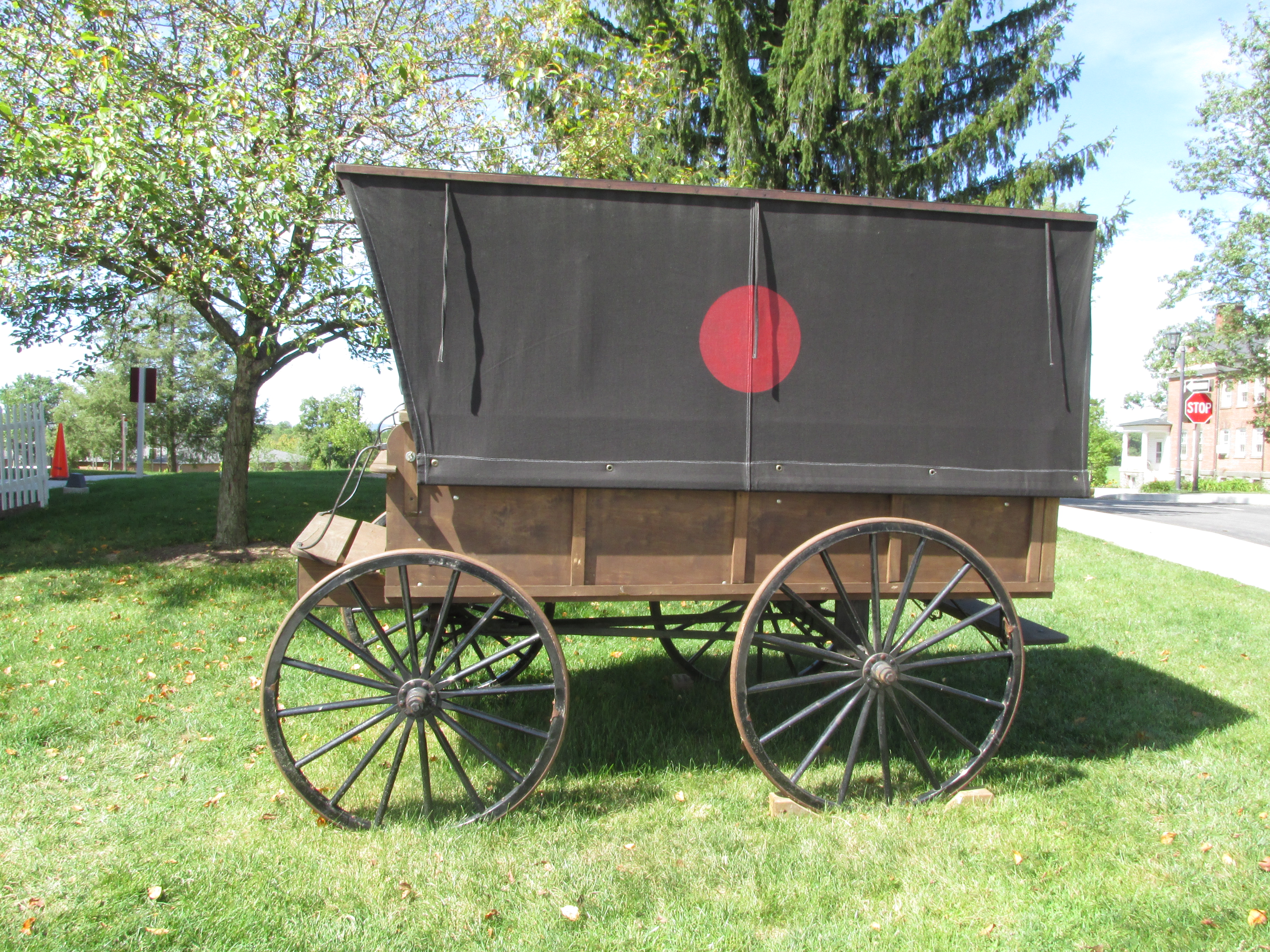
Ambulance outside Lutheran Seminary, Gettysburg.

On July 4, 1863, Confederate General Robert E. Lee began his retreat after the Battle of Gettysburg with an ambulance and wagon train that was about seventeen miles long. Nine Gettysburg men accused of spying or other suspicious activities went with them. Captured African Americans headed south along with thousands of military prisoners. Confederate sharpshooters continued to shoot at Union soldiers in town.

Confederates no longer controlled Gettysburg. The townspeople, who endured a nightmare during the battle, ventured outside their homes to a new ordeal. Their town didn’t look the same nor would it ever be the same.

Homes had been damaged by bullet holes and cannon balls. Soldiers’ discarded knapsacks, blankets, cartridge boxes, bayonets, ramrods, broken guns, food, and letters littered the streets and fields. Broken wagons, wheels, and unexploded shells remained after the battle.

Groans and shrieks from the wounded in churches, the courthouse, homes, and barns tugged at citizens’ hearts. Injured soldiers lay in tents in the fields and under blankets hung over cross-sticks.

Wounded from both sides lay on the battlefields, awaiting rescue. Some had waited since the first day of the battle.

Dead horses lay in the streets. Soldiers killed in battle needed to be buried. (Some 7,000-8,000 soldiers died—sources vary on exact numbers. See my article on Gettysburg’s numbers.) People, even in the stifling heat, closed their windows to block out the terrible odor. They treated the streets with chloride of lime. They cremated bodies of mules and horses with kerosene, adding to the smell.

The town mourned the loss of Jennie Wade, who was buried with dried dough on her hands. She’d been kneading dough when a Confederate bullet aimed at Union soldiers claimed her life.

General Lee left almost 7,000 men too wounded to travel. These soldiers ended up in area hospitals, and were transported to prisoner-of-war camps like Fort McHenry once they recovered.

Damaged rail lines were repaired about a week after the battle ended. About 800 men were then moved daily by train to larger city hospitals.

The Sanitary Commission gave food to several hospitals—10,000 loaves of bread, 11,000 pounds of poultry and mutton, 7,100 shirts, 8,500 dozen eggs, and more than 6,000 pounds of butter. The Christian Commission also gave out supplies.

Drinking water was in short supply.

The demand for food for so many extra people had local farmers charging steep prices. For example, a loaf of bread cost ten cents before the battle and seventy-five cents after it.

On July 7, 1863, Gettysburg resident Sarah Broadhead wrote, “I am becoming more used to sights of misery. We do not know until tried what we are capable of.”

-Sandra Merville Hart

Sources

Creighton, Margaret S. The Colors of Courage: Gettysburg’s Forgotten History, Basic Books, 2005.

McGaugh, Scott. Surgeon in Blue: Jonathan Letterman, the Civil War Doctor who Pioneered Battlefield Care, Arcade Publishing, 2013.

Sheldon, George. When the Smoke Cleared at Gettysburg: The Tragic Aftermath of the Bloodiest Battle of the Civil War, Cumberland House, 2003.

Slade, Jim & Alexander, John. Firestorm at Gettysburg, Schiffler Military/Aviation History, 1998.

Thomas, Sarah Sites. The Ties of the Past: The Gettysburg Diaries of Salome Myers Stewart 1854-1922, Thomas Publications, 1996.

 

Paul’s Letters to the Early Church

Christian Living Bible Study Series

This study takes readers through Galatians, 1st Corinthians, 2nd Corinthians, 1st Thessalonians, 2nd Thessalonians, Romans, Ephesians, Philippians, Colossians, 1st Timothy, 2nd Timothy, Titus, Philemon, and Hebrews.

Historical and Biblical background begins each new book. Each chapter contains background, overview, insights, and 2-3 discussion questions. I can see Bible Study groups easily doing one or two chapters a week, depending on discussions.

I love the author’s insights from the passages. For instance, one of my favorite New Testament chapters is Hebrews 11, which I always think of as the Faith Chapter. The author shows how each person acted out their faith. Matous also offered the insight that placing our faith in God doesn’t always bring a peaceful life.

This book is also a wonderful supplement for personal study.

If you are looking for a great book for your Bible Study group, this book will take you through several sessions—a great value!

-Sandra Merville Hart

Lighthouse Publishing of the Carolinas   Use coupon code SandraMHart for a 20% discount on Lighthouse Publishing books!

Quick Graham Bread Recipe

The author of 1877 Cookbook Buckeye Cookery and Practical Housekeeping included meal suggestions. A springtime breakfast meal suggestion is: fried ham, scrambled eggs, fried mush, potatoes boiled in jackets, Graham bread, radishes, coffee, tea, and chocolate. Sounds like a lot of food!

The cookbook includes recipes for some of these. Today I’m sharing one for Quick Graham Bread. This recipe from Mrs. E.J.W. makes 2 loaves. Next time I will halve the ingredients.

Preheat oven to 375 degrees. Grease a bread baking pan or use cooking spray.

The first ingredient is 3 cups of sour milk. To make this, stir 1 tablespoon of vinegar or lemon juice per cup of milk so I added 3 tablespoons of vinegar and set it aside to rest for at least 5 minutes.

Dissolve 2 teaspoons of baking soda in a small amount of hot water and set aside.

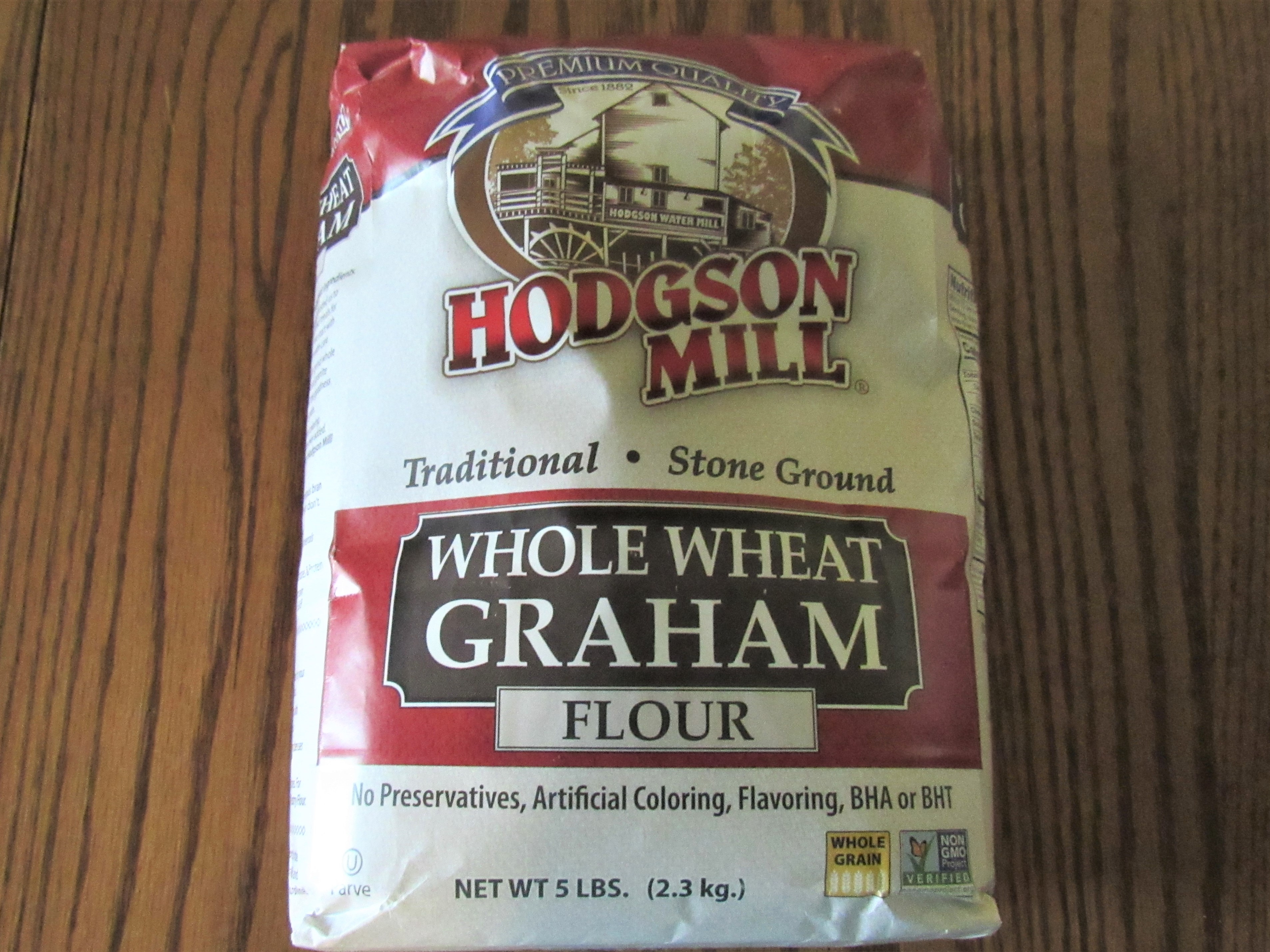
Stir ½ cup molasses into the sour milk. Add 1 teaspoon of salt and the dissolved soda. Stir. Add “as much Graham flour as can be stirred in with a spoon.” I used about 6 ½ cups.

Immediately pour into prepared bread pan and bake about 45 minutes.

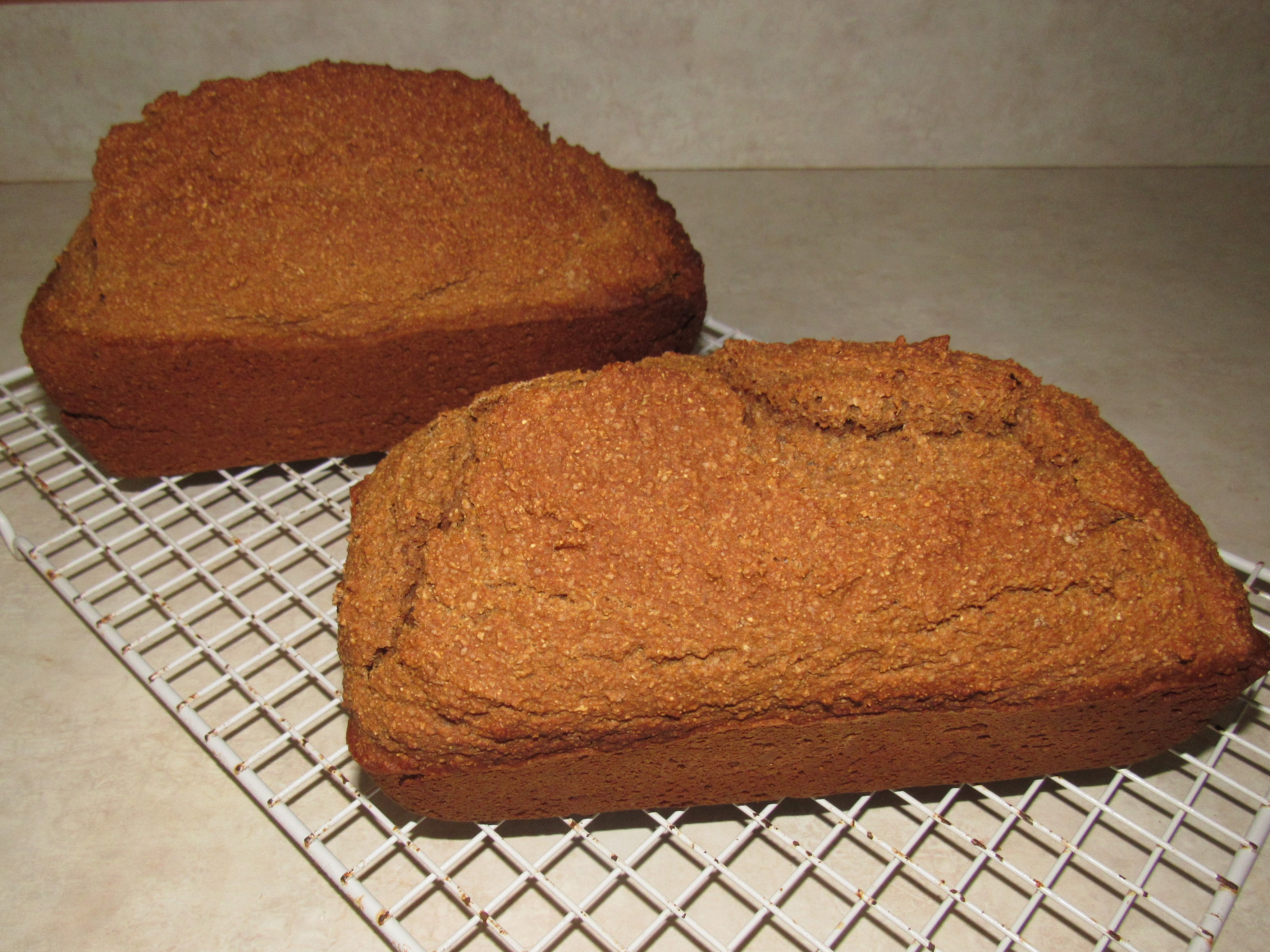
Molasses gives this bread a sweet flavor, but not sweet like banana bread or blueberry bread. I ate it with salami and cream cheese, which gave the whole sandwich an unusual flavor that I enjoyed. I think it would taste good with chicken salad or ham salad.

This makes a hearty bread.

-Sandra Merville Hart

Sources

Compiled from Original Recipes. Buckeye Cookery and Practical Housekeeping, Applewood Books, 1877.