Third Blog Tour Stop

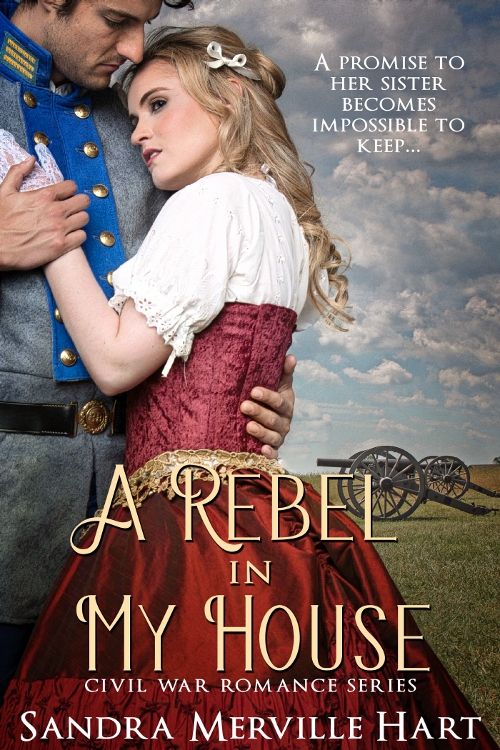
I am thrilled to be a guest on the blog of Norma Gail, fellow author. This is the first of two posts on Norma’s blog. She gives all the important links for my Civil War romance releasing tomorrow!

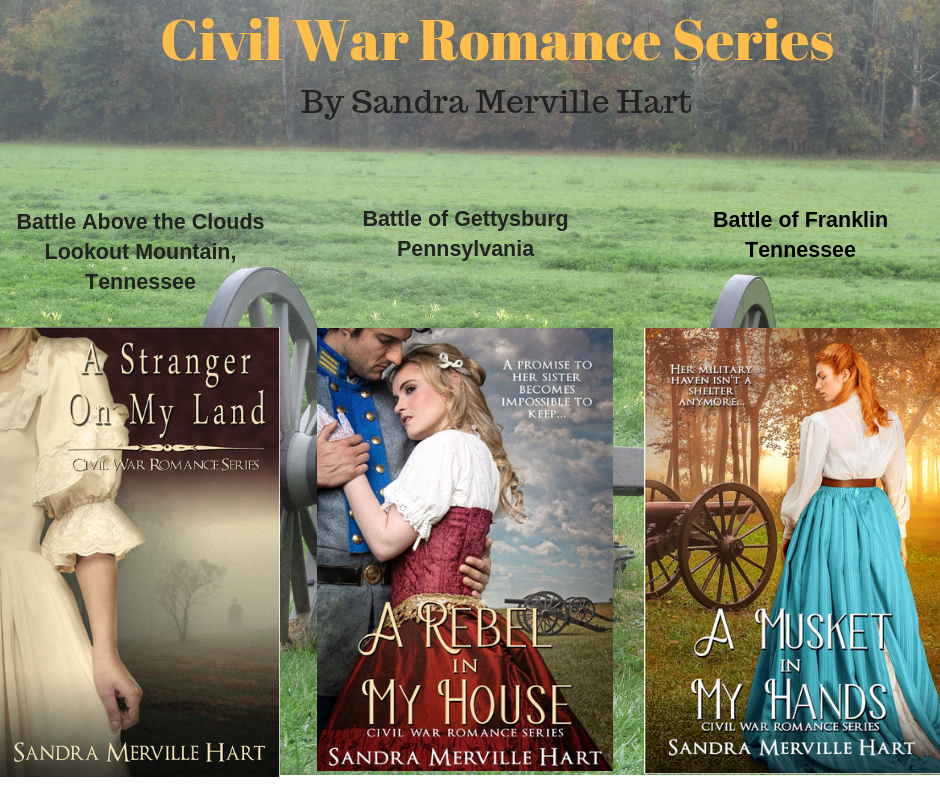
A Rebel in My House is set during the historic Battle of Gettysburg and the tumultuous days that followed. The soldiers didn’t leave–after the battle the uniforms on men in the streets were blue. In a town filled beyond capacity with wounded, some soldiers are caught behind  enemy lines.

Click here to get the pre-release price!

Please visit Norma’s blog and leave a comment. There will be a book giveaway on her blog that you can enter starting next week!

A Pastor’s Perception After Gettysburg

Stone wall on Confederate side of battle – Gettysburg Battlefield

Reverend William G. Browning joined a group of ministers who arrived at Gettysburg by train on Friday, July 10th,  just one week after Pickett’s Charge. The Methodist pastor helped nurse wounded at the hospitals.

Homes, churches, and other public buildings housed the wounded. Union and Confederate wounded “lay side by side as brothers” in some hospitals.

An offensive odor permeated the air. Fences lay flattened. Bullets and shell destroyed homes and trees.

Browning visited the battlefield. He found a rebel field hospital in a barnyard. Confederate officers and soldiers who had been too severely wounded to retreat in their army’s ambulances were left behind. Browning saw more misery there than he ever expected or hoped to see again.

Some of the dead had been moved to a nearby field. Yet others who had died of their wounds remained in the barn and the barnyard with their dying comrades. No one had carried the corpses away.

The sufferers were unattended. Arms and legs heaped near a board used as a surgeon’s table. Wretchedness and despair filled the faces of the wounded.

Browning, though not a nurse, walked among them and did whatever he could to relieve their suffering. While there, he asked why they enlisted.

Two men answered that they were led into it.

Browning figured they were as sincere as any Union soldier. The Southerners felt wronged. They defended themselves from an oppressor.

Browning felt strangely fascinated when walking the battlefield. He stepped over broken guns, hats, bayonets, coats, and cartridge boxes. He saw many dead men who hadn’t yet been discovered. Many lay where they fell.

He found the marker of one of his parishioners in a field. He noted the area so that family and friends could find it, which they later did.

He preached at a memorial service for that parishioner on August 2, 1863. He used 2 Samuel 1:19 for his text: “The beauty of Israel is slain upon thy high places: how are the mighty fallen!”

-Sandra Merville Hart

Sources

Gragg, Rod. The Illustrated Gettysburg Reader: An Eyewitness History of The Civil War’s Greatest Battle, Regnery History, 2013.


A Guest on Two Blogs Today!

Lutheran Seminary from McPherson’s Ridge

I am so thankful to be Sandra Ardoin’s guest on the Serious Write blog today. My post, “Writing that First Novel,” shares the way I got past writer’s block–on the first page! Read about it   here.

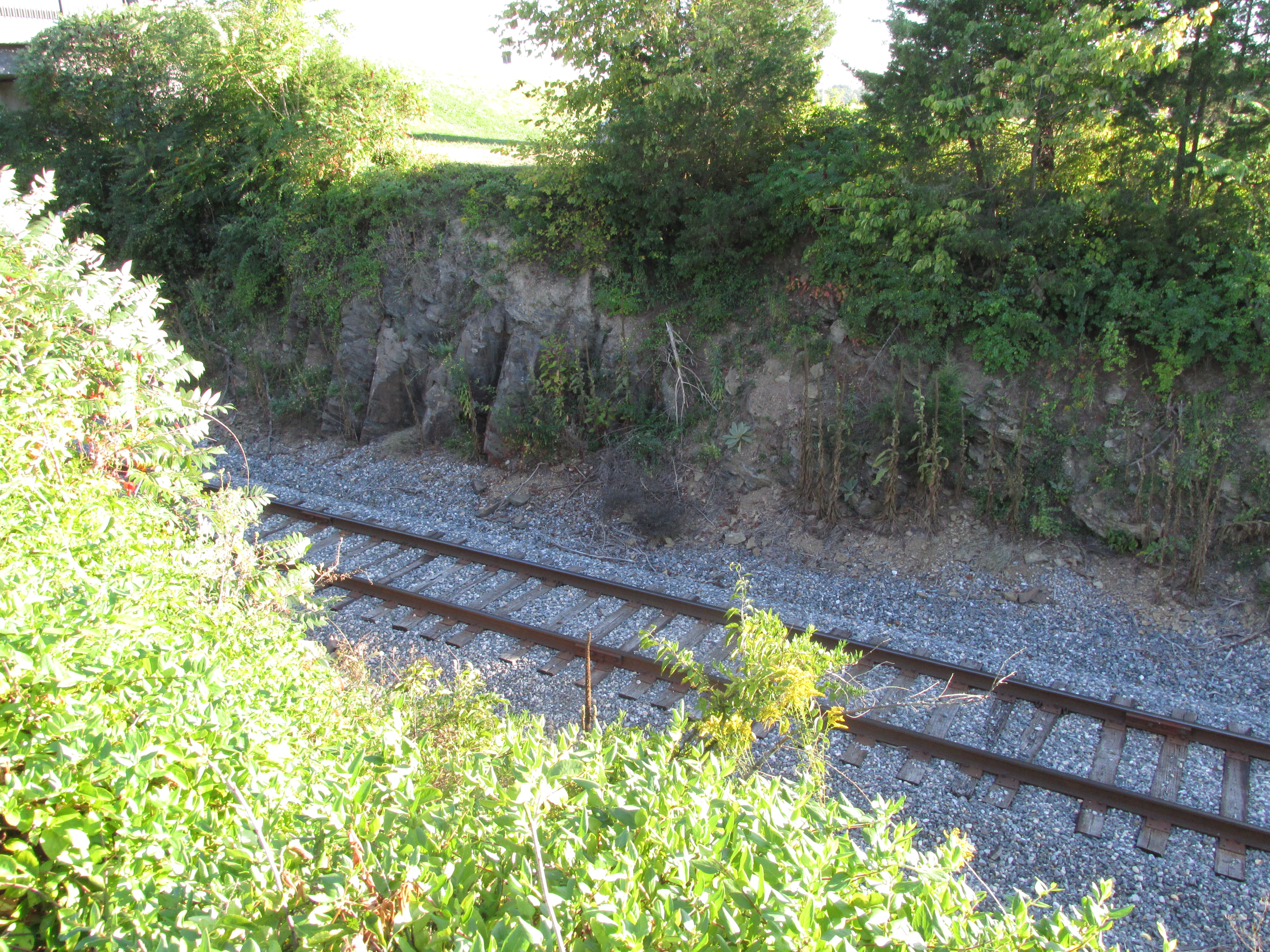
As a guest on Carole Brown’s blog, Sunnybank Secrets, I share photos from my research trip to Gettysburg. These pictures are locations that coincide with different parts of my story. (You may also recognize them from my book trailer that Carole posted.) Read the details  here.

Thanks for hosting me, Sandra and Carole!

The Illustrated Gettysburg Reader by Rod Gragg

This nonfiction book tells the story of the Battle of Gettysburg in a way that resonated with me. The author tells the history and then shows a diary entry or account or general’s report that digs deeper into what happened.

Gragg begins with details from May of 1863 and goes on from that time.

I especially enjoyed reading the accounts from folks who experienced the events. These really bring history to life.

Great book for anyone interested in the Battle of Gettysburg, Civil War research, and history lovers.

-Sandra Merville Hart

Battle of Gettysburg Civil War Romance Releasing This Week!

Shouting men were in the streets with her. They ran through alleys. Fear prevented her from deciphering their words. Did she really want to understand what they said?


Their terror transferred to her so that coherent thought disappeared. Her courage failed at the fear on strong men’s faces. If they were afraid, how would she survive?


Click here to receive pre-order price!

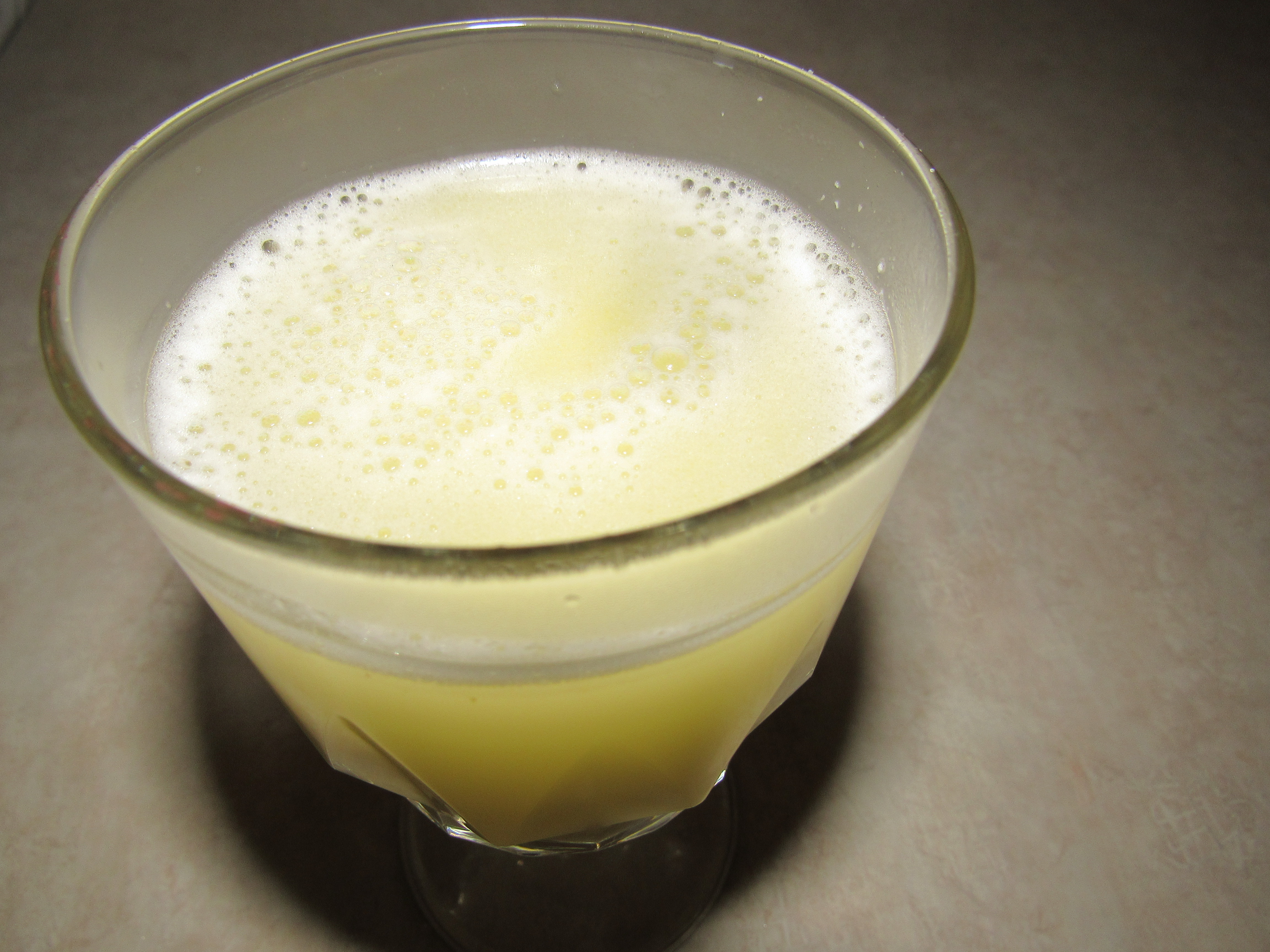
Egg Gruel

A recipe in an 1877 cookbook for Egg Gruel claimed to be good for treating a cold. It was included in a section titled “Food for the Sick.”

As a historical novelist, I’m always interested in learning tidbits from our history. Gruels were given to Civil War soldiers in hospitals.

To make the gruel, take one egg and separate the egg yolk and white. Add a tablespoon of sugar to the egg yolk and beat.

Whisk the egg white separately. As there were no guidelines, I whisked until frothy. This worked well.

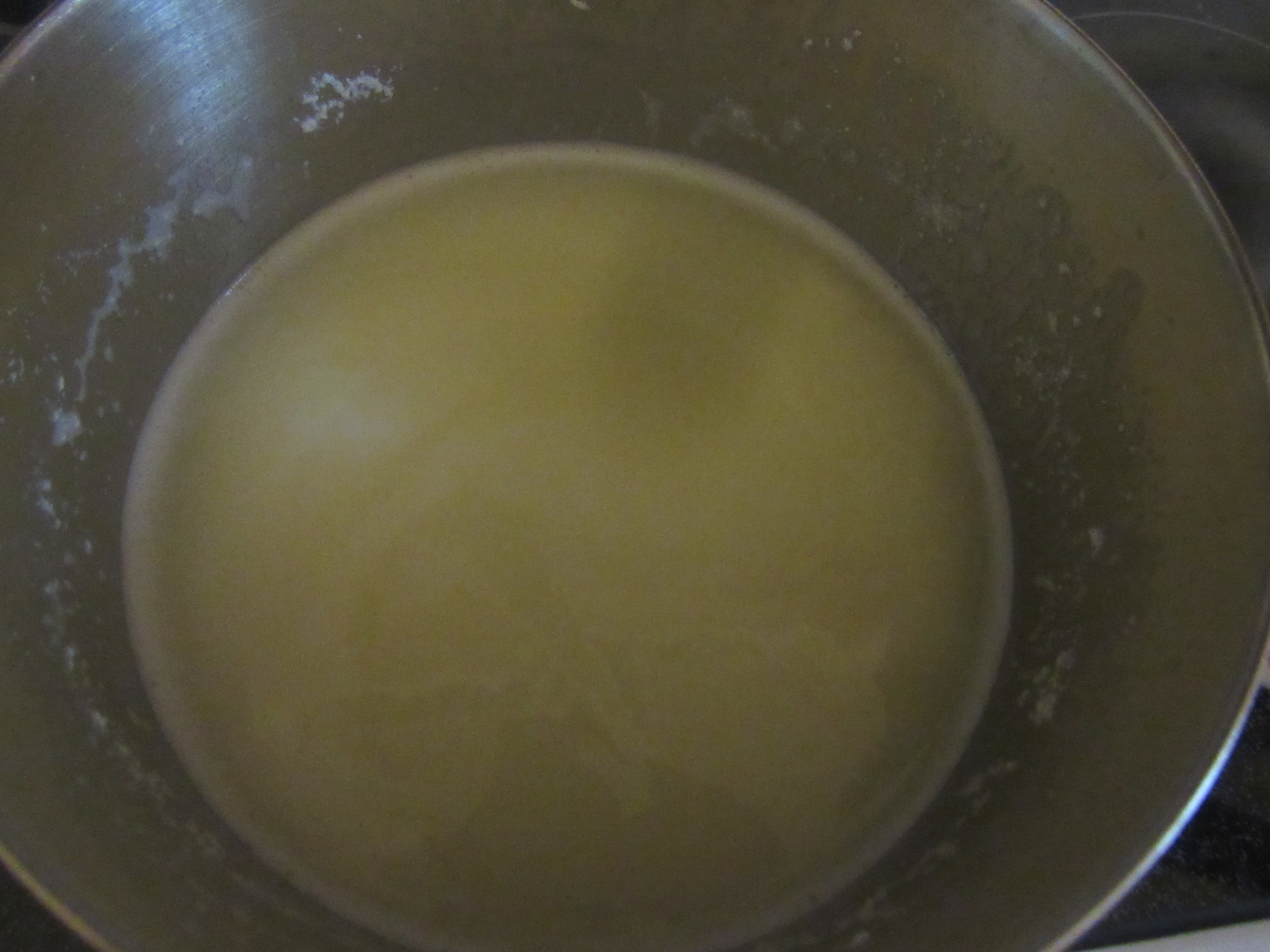
Stir a cup of boiling water into the yolk mixture.

Add the egg white. Add any seasoning you desire. I sprinkled salt over the mixture and stirred it once more.

It looked far more appealing than expected but I didn’t taste it. I don’t have a cold at the moment or I might have been tempted.

Good luck! I’d love to hear if you try this recipe.

-Sandra Merville Hart

Sources

Compiled from Original Recipes. Buckeye Cookery and Practical Housekeeping, Applewood Books, 1877.



Confederate Generals Hill and Heth Doubt Pettigrew’s Report

Confederate First Lieutenant Louis G. Young, aide to Brigadier General James J. Pettigrew, accompanied his commander on reconnaissance on June 30, 1863. They planned to search Gettysburg for shoes and other army supplies.

Major General Henry Heth, Pettigrew’s Division commander, ordered him not to attack any portion of the Army of the Potomac. If he encountered a home guard, he could drive them away easily.

While on his way to Gettysburg, a spy of General Longstreet’s warned Pettigrew that Brigadier General John Buford’s Federal cavalry division held the town.

Pettigrew sent a message to General Heth requesting instructions. Heth reiterated his previous orders yet expressed doubt that the Army of the Potomac was in the area. Pettigrew withdrew.

He left Young, his aide, and Lieutenant Walter H. Robertson in the rear to watch Buford’s Cavalry, who followed their retreat from a distance.

Young easily watched them follow on the rolling countryside. The two officers hid on ridges where they could see and not be seen until the Union cavalry was 300 to 400 yards away. Then the pair rode into the open. Union troops halted until the Confederate soldiers rode away before following again.

This happened several times. Both sides observed the other without attacking.

Pettigrew reported what he’d seen to Heth and to Lieutenant General A.P. Hill, the corps commander. Neither believed that their enemy was nearby in force.

They called in Young to question him. He verified that the troops he saw were well-trained.

They didn’t believe him either.

The two generals’ disbelief was so emphatic that Young doubted any of the other commanders believed Pettigrew—including General Archer, who led Heth’s Division with his Tennessee Brigade to Gettysburg the following morning, July 1st.

-Sandra Merville Hart

Sources

Gragg, Rod. The Illustrated Gettysburg Reader: An Eyewitness History of The Civil War’s Greatest Battle, Regnery History, 2013.


Gettysburg: A Testing of Courage by Noah Andre Trudeau

This nonfiction book tells the story of the Battle of Gettysburg. Military events are recorded along with what happened in and near Gettysburg in the days leading up to the famous battle.

So much happened during the three-day battle that the author includes each day in a single chapter, taking events in chronological order—sometimes in hourly increments.

The chapter for the second day’s fighting, for example, is well over one hundred pages. Lots of wonderful details! There are many helpful maps showing troop movements throughout the book.

Great book for history lovers and anyone interested in the Battle of Gettysburg and the Civil War.

-Sandra Merville Hart

Civil War Beef Tea

I’ve often read of nurses giving Beef Tea to severely wounded Civil War patients in my research so I was thrilled to find a recipe for it in an 1877 cookbook under the section “Food for the Sick.”

As a historical novelist, I’m always interested in learning tidbits from our history. It’s fun to add authentic details such as this one when a story requires it.

The recipe called for a pound of the best lean steak. I asked my butcher if stew beef was a type of steak. He explained that while it wasn’t a grilling steak, their stew beef was a type of steak taken from the shoulder so I used this.

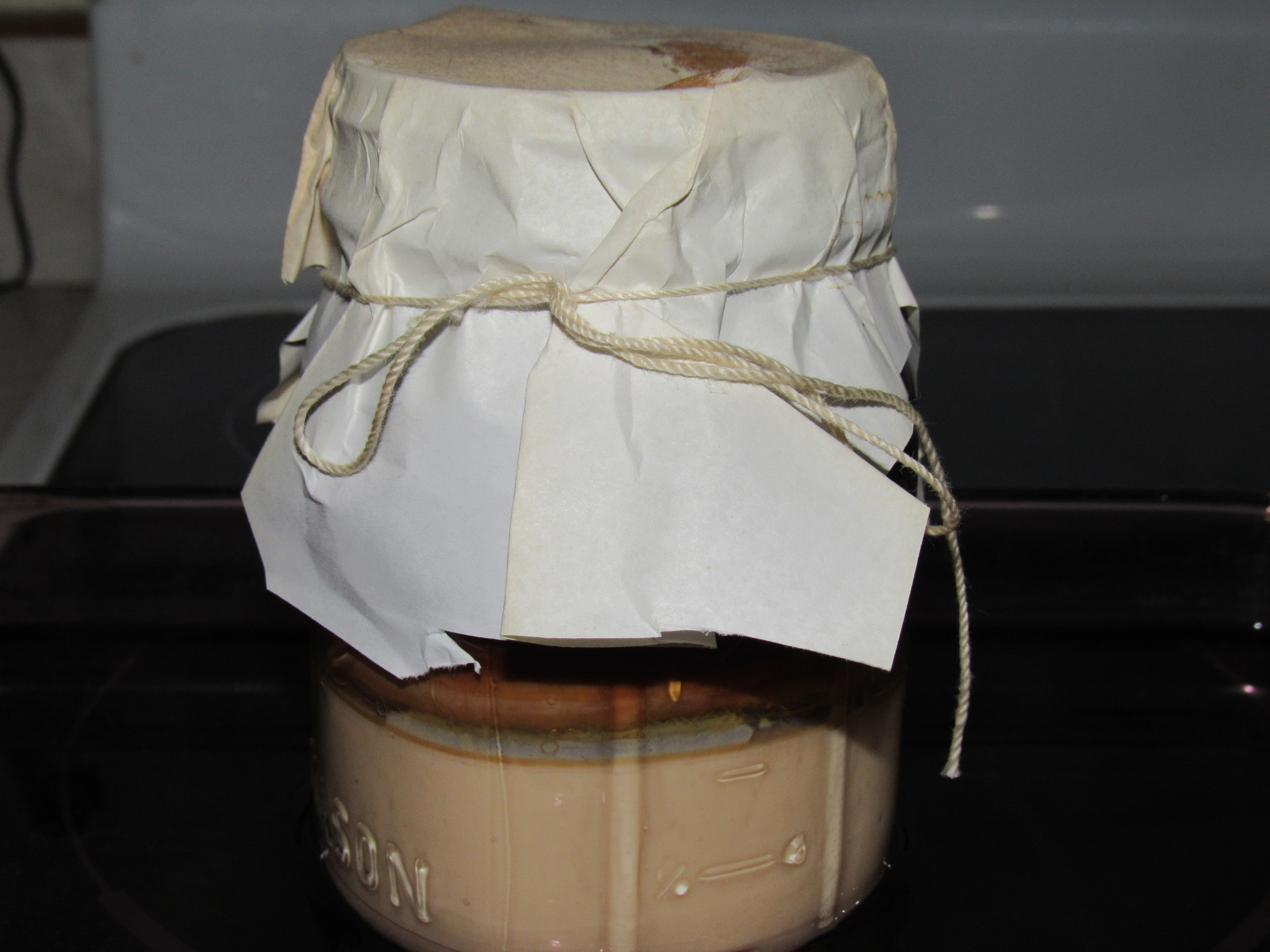
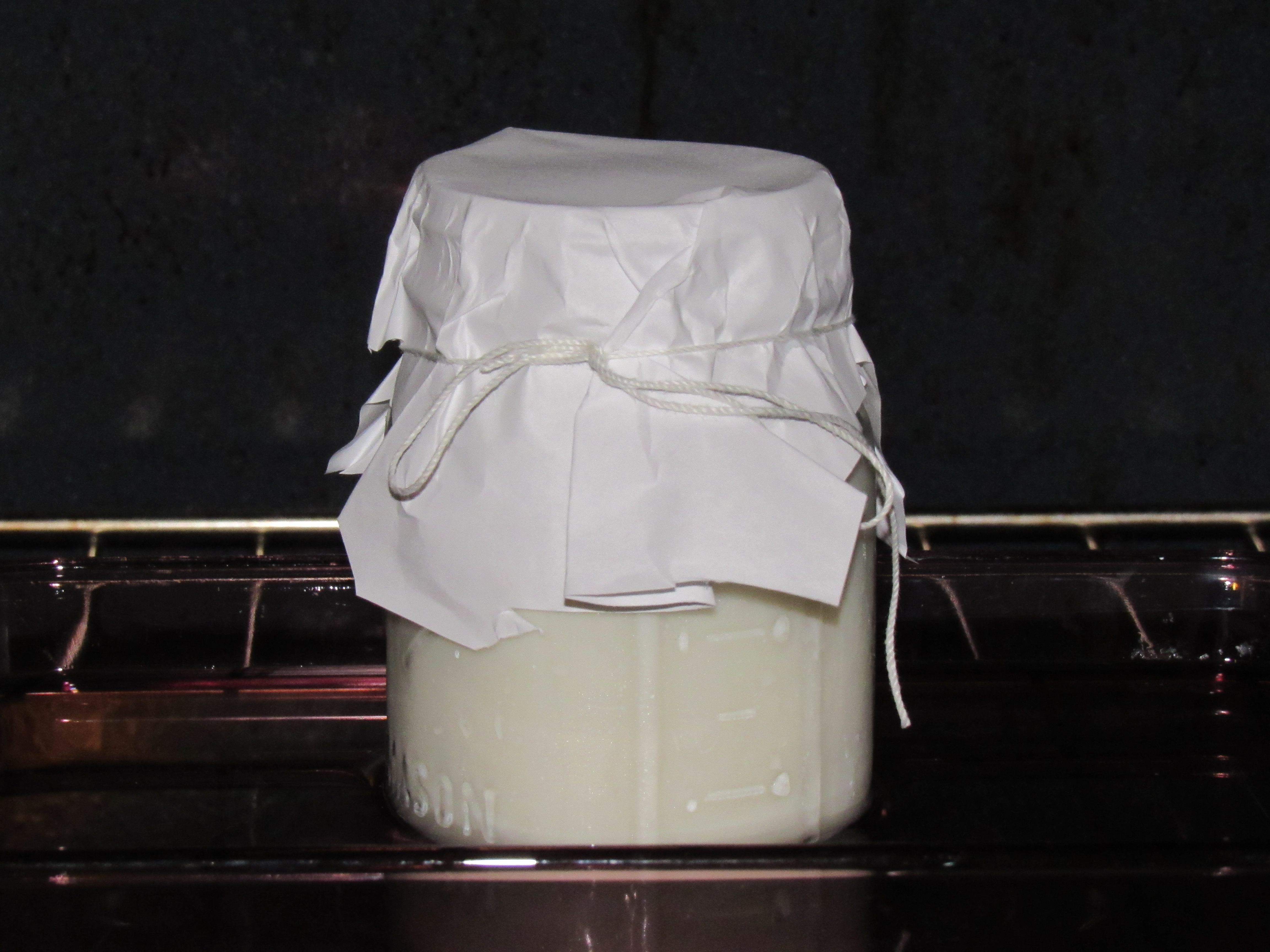
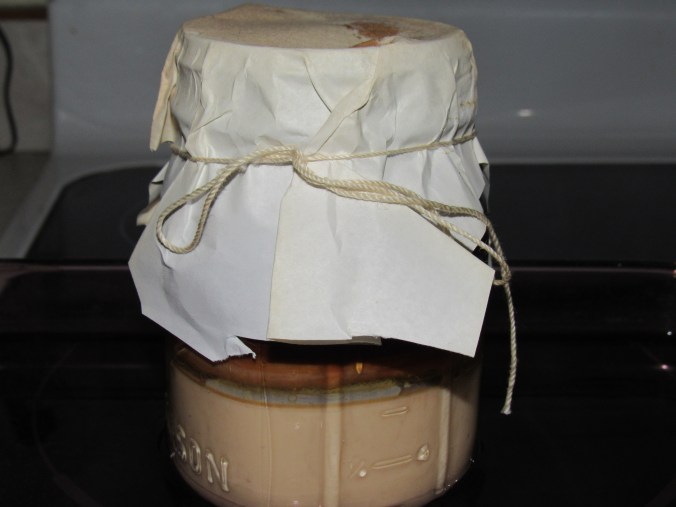
The instructions were to put the beef in a glass jar, cover it tightly, and boil it slowly in water for 3 to 4 hours.

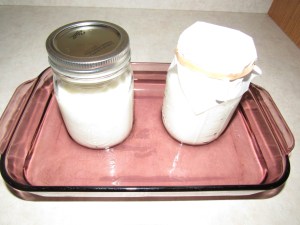
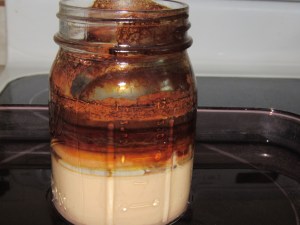
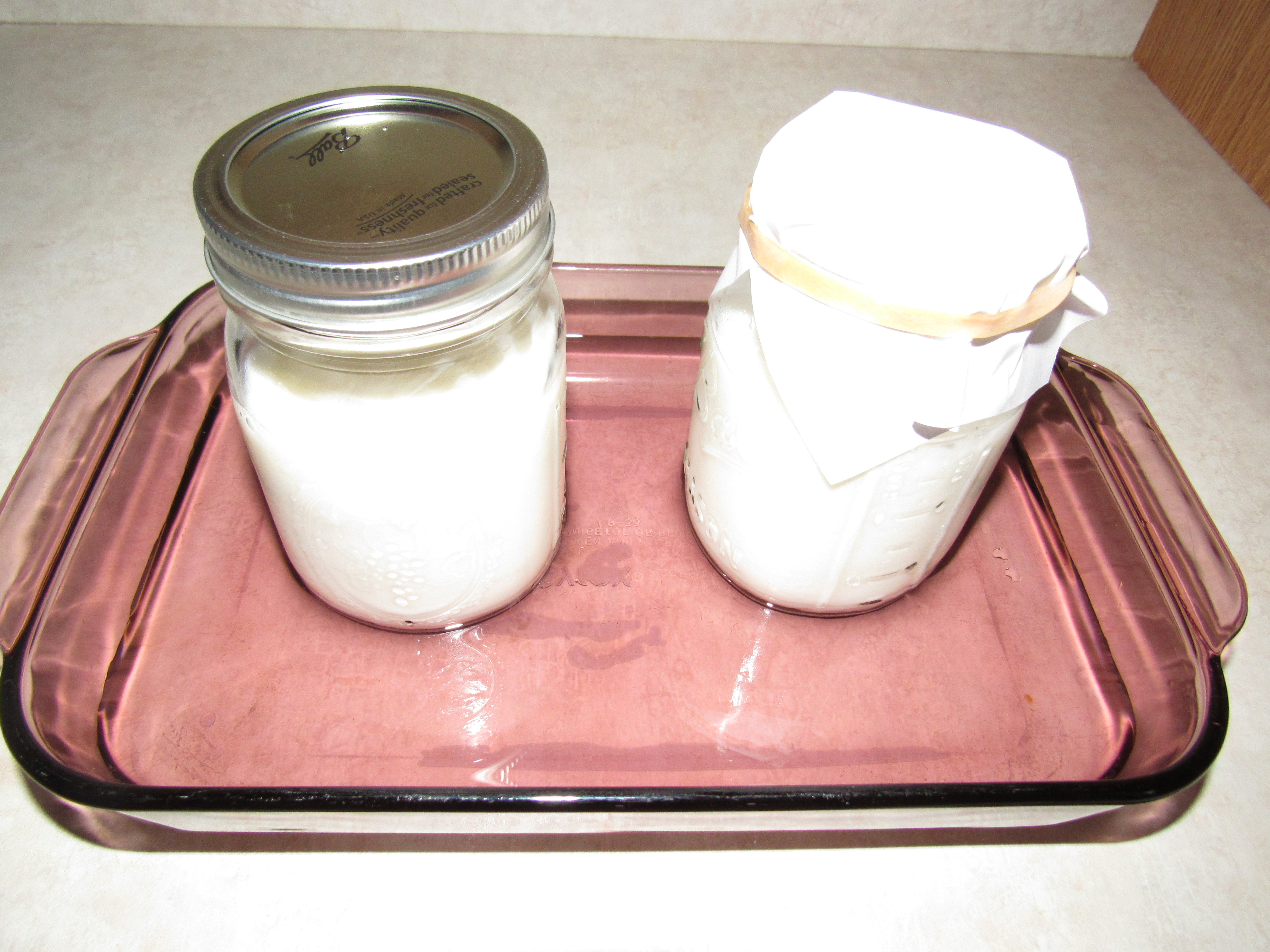
I divided the meat into 3 pint-sized Mason jars. It didn’t say anything about adding water to the meat. As an experiment, I added enough water to cover the beef in one jar only.

The lids were put on top. I half-filled a stewpot with cold water and placed the jars in the water. They toppled sideways. The 1877 cook advised tying them in place. I tied them to the handles individually.

I turned them on a medium heat, refilling with hot water occasionally as it boiled down. After 4 hours, the meat didn’t look like “white rags” as the recipe advised. It didn’t appear that way after 4 ½ hours of gently boiling in a jar.

I turned off the heat anyway and let it cool undisturbed.

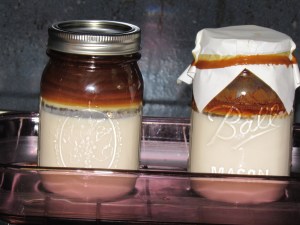
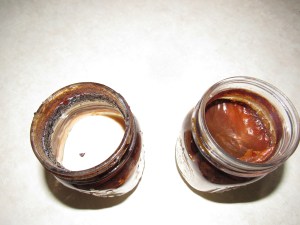
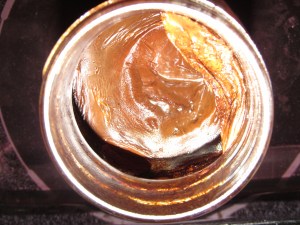
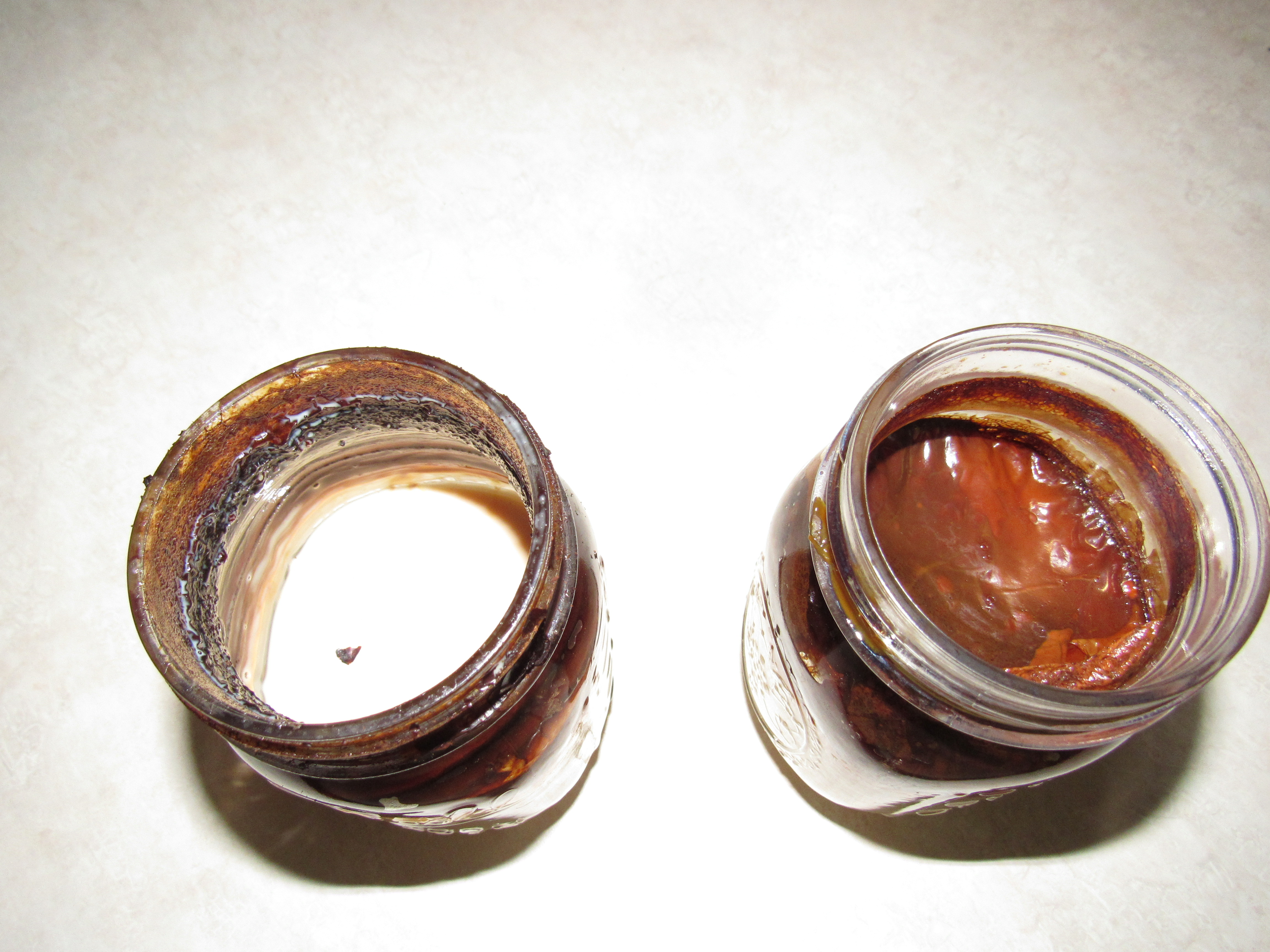
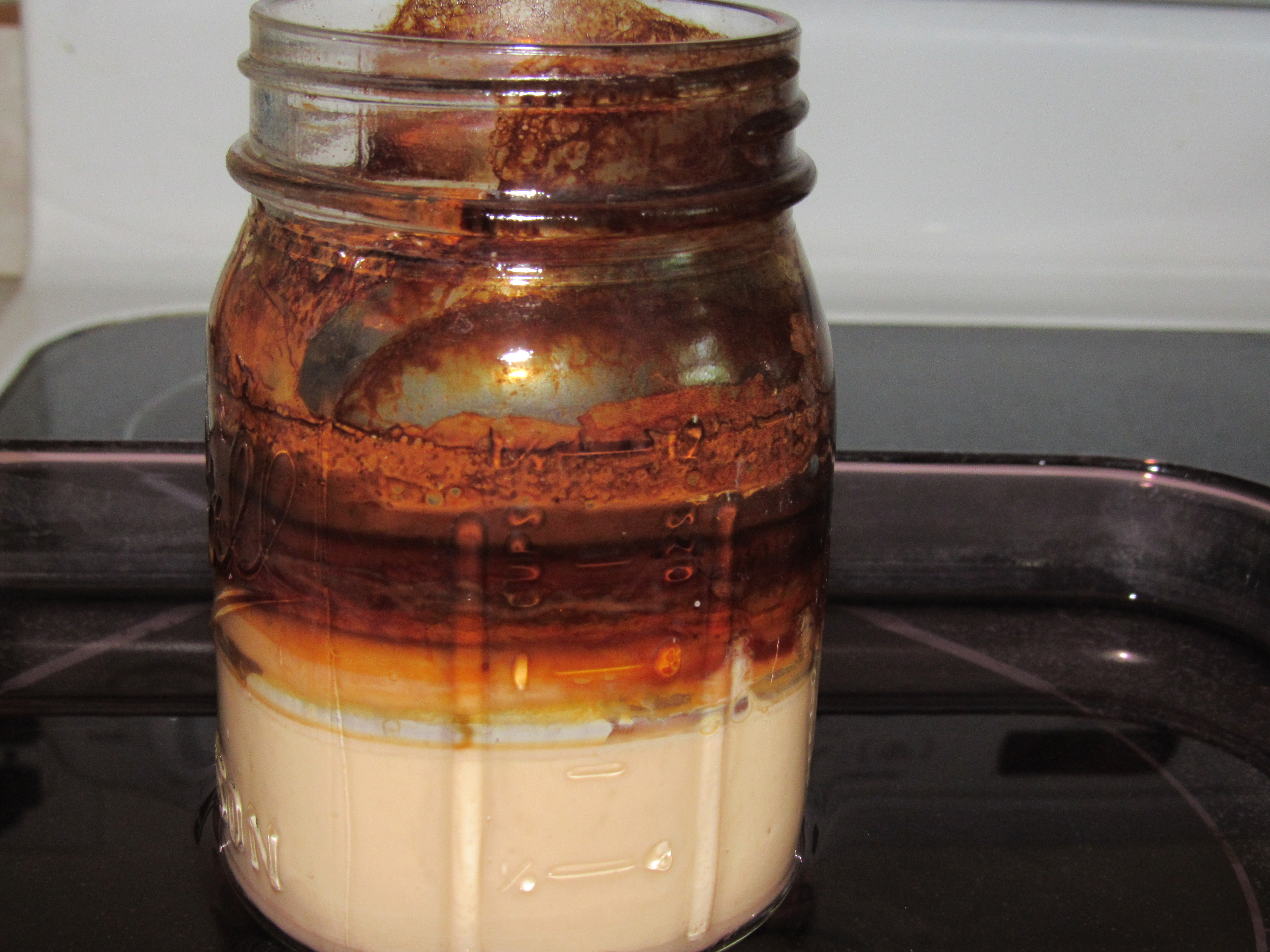
When the jars had cooled, I removed them from the water. The amount of broth in the 2 jars with no added water wasn’t impressive. The third jar that started with about a ¼ cup of water held more broth but not a lot more.

After straining the meat, I measured 1 ¼ cups of Beef Tea. I added ½ teaspoon salt. It tasted and looked like au jus. My husband, who loves his meat, liked the flavor but felt I’d added too much salt. If you try this recipe, maybe start with ¼ teaspoon of salt or season to taste.

I checked online to see if there were other beef tea recipes and found a few that are referenced in the sources. One served patients dry toast with the tea. Another suggested adding chopped raw meat to the drink when serving. Another offered the idea of placing the tea in a bowl over boiling water (double-boiler effect) to warm it before serving.

It may seem like a lot of time for little return. Civil War soldiers too weak to eat received lots of nourishment from this tea.

Good luck! I’d love to hear if you try this recipe.

-Sandra Merville Hart

Sources

“Beef Tea,” Vintage Recipes, 2017/05/10 http://www.vintagerecipes.net/books/plain_cookery_book/beef_tea_6.php.

“Beef Tea,” Vintage Recipes, 2017/05/10 http://www.vintagerecipes.net/books/fifty_soups/beef_tea_4.php.

“Beef Tea,” Vintage Recipes, 2017/05/10 http://www.vintagerecipes.net/books/bookofhouseholdmanagement/beef_tea_3.php.

Compiled from Original Recipes. Buckeye Cookery and Practical Housekeeping, Applewood Books, 1877.