Gumbo Recipe

blog-036

My husband and I invited a few friends over for an “old-fashioned” Christmas party.

I searched for a soup recipe and found one in an 1877 cookbook for Gumbo, submitted by Mrs. E. A. W.

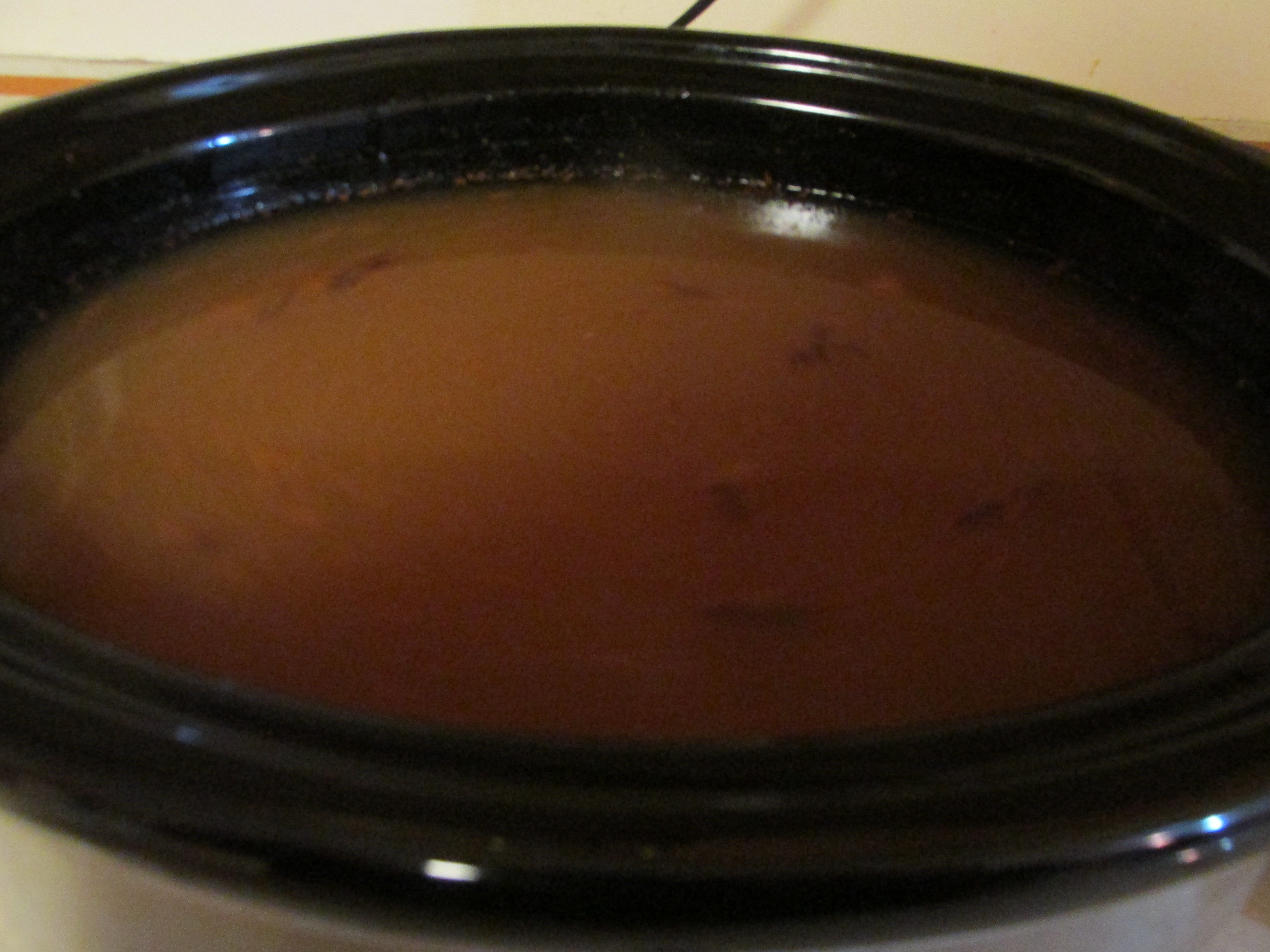
Peel and cut two quarts of tomatoes into bite-sized chunks and set aside.

I couldn’t find a quart of fresh okra in the middle of winter. Frozen cut okra worked well.

Dice a large onion. Fry three strips of bacon in a skillet until they just begin to sizzle. Add the diced onion to the skillet and sauté them together with a wooden spoon.

The bacon should begin to break apart. If it doesn’t, cut it into bite-sized pieces when finished with the sauté.

Pour this mixture into a large stockpot. This recipe filled my 7.5 quart pot. Add tomatoes, okra, two tablespoons parsley flakes, one teaspoon salt, and one teaspoon black pepper. I added chicken stock and then filled the pot the rest of the way with water.

I used medium heat until the gumbo started cooking, which took about thirty minutes at that quantity. Then the heat was lowered a bit to simmer for ninety minutes.

Our guests loved the soup. A dozen people ate a bowl with several returning for seconds. There was still enough gumbo to serve as lunch leftovers for a couple of days.

This is a comforting soup on a cold wintry day. Enjoy!

-Sandra Merville Hart

Sources

Compiled from Original Recipes. Buckeye Cookery and Practical Housekeeping, Applewood Books, 1877.


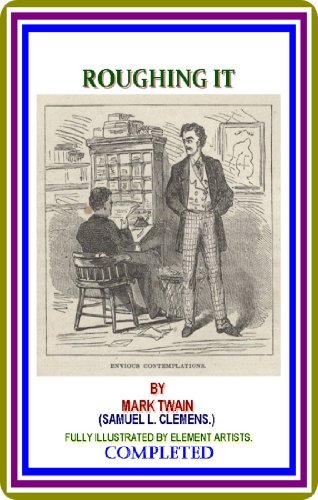
Roughing It by Mark Twain

51fmclac8qlMark Twain, pen name for Samuel Clemens, sets out with his brother in 1861 for the Nevada Territory. The adventures begin right away on a stagecoach trip.

Twain catches “silver fever” that is sweeping through the territory and becomes a miner. His descriptions of characters he encounters and the general attitude of residents in that tough setting makes readers feel as if they joined him in the “Old West.”

His travels take him to San Francisco and Hawaii, a fascinating look at historic locations for modern readers.

Twain uses the fine art of exaggeration in many of the tales found here.

One of my favorite authors!

-Sandra Merville Hart

Amazon

Simple Wassail Recipe

blog-041

My husband and I invited a few friends over for an “old-fashioned” Christmas party.

I wanted to serve wassail but couldn’t find a century-old recipe in any of my cookbooks.

I knew that wassail were warm mulled drinks from earlier research. Beverages became “mulled” when heated with spices and some type of sweetener.

Wassail later was made with mulled cider, cinnamon, nutmeg, ginger, and sugar. The toasted bread that topped the drinks centuries ago didn’t sound very appetizing so I decided against adding it.

Since I didn’t know the amount of spices used, I experimented with the following recipe. It turned out perfectly.

Wassail

1 gallon apple cider

2 sticks of cinnamon

¼ teaspoon ginger

½ teaspoon nutmeg

½ teaspoon whole cloves

Combine ingredients in a crockpot and turned the setting to low heat about two hours before serving. It may need to warm on high the last half hour until it reaches the desired temperature. Then return it to a lower setting to keep it ready to serve during the evening.

This was a yummy beverage on a cold evening!

-Sandra Merville Hart


Nothing that Glitters is Gold

calico-4535_960_720

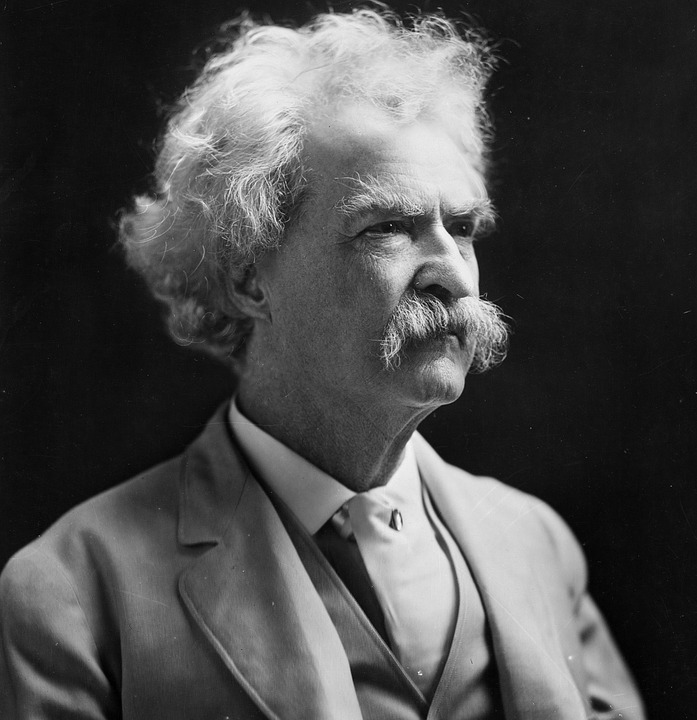
Mark Twain got bit by the fever sweeping the Nevada Territory—silver fever. Reports of great riches in Humboldt County where folks owned feet of silver mines spurred Twain and three other friends to set out on a two-hundred mile journey.

Fifteen days later, they arrived in Unionville during a snowstorm. Eleven cabins and a liberty pole made up the entire village set in a deep canyon. By building a small cabin, they added a twelfth dwelling to the tiny settlement.

minerals-1230032_960_720Twain expected to find silver glittering in the sun. While his companions searched for a mine, he went off on his own. Finally his efforts were rewarded—a stone fragment with shining yellow flecks. He felt almost delirious with joy. He would have been content with silver and he had found gold.

He marked the spot and left in a roundabout way so that anyone watching would not know where he had been. Then he went back to his new mine and picked up a few treasures to show his friends.

Back at the cabin, he couldn’t talk or eat; dreams filled his mind. With monumental news that they would all soon be wealthy, Twain waited for an opportune moment to share his joy with his friends.

He decided to tease them. Hadn’t they been searching for silver and not found any? Did that mean they should give it up and return home?

Mr. Ballou, the oldest and most experienced of the bunch, believed they should try a bit longer.

mark-twain-391112_960_720Twain couldn’t wait to tell them. He offered to show them something certain to interest them and dumped the treasure before them.

His companions scrambled for the stones to hold them close to the candlelight.

Mr. Ballou pronounced his opinion: granite rubbish and glittering mica. The whole pile wasn’t worth ten cents an acre in his estimation.

Twain’s dreams crumbled. They weren’t to be wealthy after all. He commented that all that glittered wasn’t really gold.

Ballou replied that nothing that glittered was gold. Twain learned the hard way that gold in its natural state is dull; only inexpensive metals fool the uninformed with shining outer surfaces.

Twain then observed: “However, like the rest of the world, I still go on underrating men of gold and glorifying men of mica. Commonplace human nature cannot rise above that.”

 -Sandra Merville Hart


Sources

Twain, Mark. Roughing It, Penguin Books, 1981.

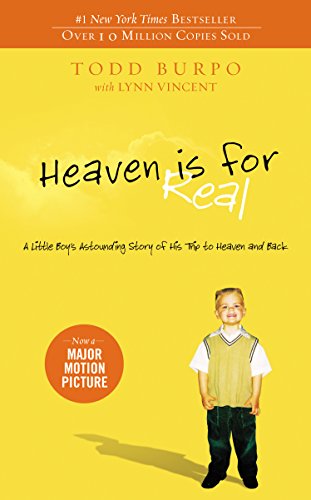
Heaven is for Real by Todd Burpo – a Review

41qkfwb2sqlThis gripping story about Colton, a three-year-old whose heart stopped during an emergency appendectomy, held my attention from start to finish.

After he recovers, Colton begins to talk about meeting Jesus when he died. He tells his dad about seeing him yell at God in the chapel while Colton was still laying on the operating table.

As always, the book provides many details the movie did not include. As much as I loved the movie, I loved reading the story more. This is a wonderful book.

-Review by Sandra Merville Hart

Amazon

The Christmas Truce

trench-62919_960_720

by Sandra Merville Hart

The war had been going on for five long months. Soldiers missed their families, their homes, and those special girls who awaited their return.

They also missed being warm and well-fed on this cold winter’s evening. Earlier in that December of 1914, Pope Benedict XV had suggested the armies suspend fighting temporarily to celebrate Christmas, a request denied by the countries at war.

The soldiers hunched in the long trenches across from their enemy, longing for warmth, longing for something to mark this day as Christmas Eve. No man’s land, the area between opposing armies, was only about 100 feet in places. In those spots, soldiers could hear each other. The smell of meals cooking in the enemy trenches often wafted over.

Then the lonely soldiers heard something unexpected on the moonlit night—not the sounds of rifles or cannons, but singing. The Germans sang a Christmas carol in their own language. Next, Allied troops from opposing trenches sang a Christmas tune. This continued until the Allies began the familiar carol, “O Come, All Ye Faithful.” German soldiers joined in with the Latin words to the song. It must have been extraordinarily comforting.

helmet-1465352_960_720British Captain A.D. Chater was writing a letter to his mom at 10 am the next morning when he witnessed an amazing sight: a German soldier waving his arms before he and a companion, weaponless, entered no man’s land.

A British soldier cautiously approached them. Within five minutes, officers and men from both armies filled the area. They shook hands and exchanged Christmas greetings.

The soldiers kicked around a soccer ball together. Some accounts mention playing football. A German barber cut a British soldier’s hair. They gave each other gifts of plum pudding, cigarettes, and hats. They posed for photos together and exchanged autographs.

Each side also took the opportunity to bury their dead, soldiers who had been laying in no man’s land for weeks.

Around 100,000 soldiers—two-thirds of the men there—shared in the unforgettable Christmas truce.
christmas-1010749_960_720Peace lasted in a few areas until after New Year’s Day.

The Christmas truce never happened again.

The faith and joy of the season crossed enemy lines one lonely Christmas. Fighting ceased for a moment in time.

 

Sources

Bajekal, Naina. “Silent Night: The Story of the World War I Christmas Truce of 1914,” Time Inc., 2016/10/26  http://time.com/3643889/christmas-truce-1914/.

“Christmas Truce of 1914,” History.com, 2016/10/26  http://www.history.com/topics/world-war-i/christmas-truce-of-1914.

Dearden, Lizzie. “Christmas Day Truce 1914: Letter From trenches shows football match through soldier’s eyes for the first time,” The Independent, 2016/10/26  http://www.independent.co.uk/news/uk/home-news/christmas-truce-of-1914-letter-from-trenches-shows-football-match-through-soldiers-eyes-9942929.html.


 

The Christmas Child by Max Lucado

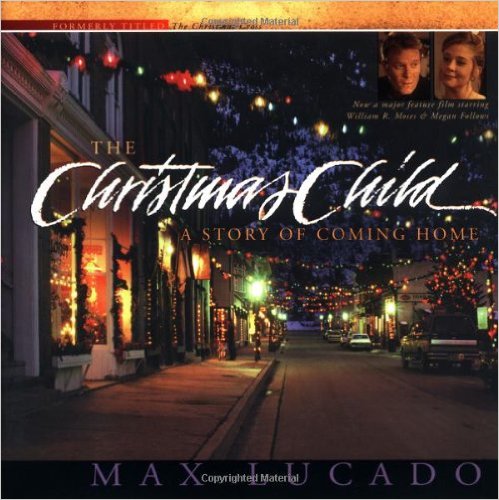
51cqcdm7vhl-_sx497_bo1204203200_I read this book in an hour yet the story touched me.

A photo received by a Chicago man’s father with no explanation and no return address prompts a visit to a small Texas church.

One man on the brink of divorce at Christmas hears the story of another man whose mistakes brought tragedy to the ones he loved most.

Touching book about healing and forgiveness at Christmas.

I’ve loved everything I’ve read by this author. The hardback book makes a nice gift or stocking stuffer.

-Review by Sandra Merville Hart

Amazon