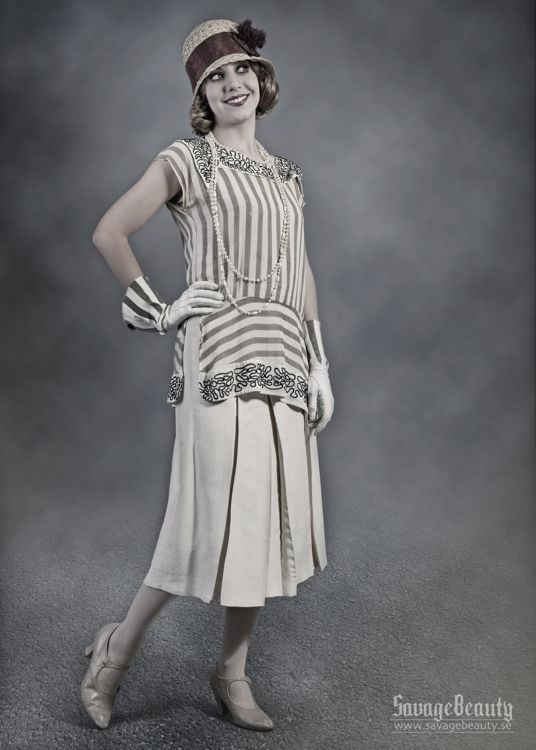
How Fashion Changed Dramatically in 1920

1920 Fashion (002)*** Today’s article was written by guest author, Tamera Lynn Kraft. Welcome to Historical Nibbles, Tamera!


Studying fashion in 1919-1920 for my novella, Resurrection of Hope, was difficult because fashion changed so much in the couple of years leading up to the roaring twenties. Only ten years earlier, women had to contend with bustles and corsets. Hobble skirts that gathered close around the ankles made walking difficult. By the 1915, shirts became full and were just above the ankles. The bustles and corsets that had cursed women for decades were being thrown out. In 1918, straight line dresses were becoming popular, and skirts were actually a few inches above the ankle. The flapper style we know from the roaring 20s was starting to make its appearance.

In 1918, the flapper era started showing up in the cities first. Most women were conservative and wore their skirts a few inches below their knees which was scandalous five years earlier. By 1922, skirts were worn to the knee even in rural areas. The shift or chemise dress with the lowered waistline became popular in 1916 and continued throughout the 1920s. Tailored suits became popular among working women. Most dresses were sleeveless, and women wore sweaters over them on cold days. Jewelry to accessorize the new look became important, and women wore long beaded and pearl necklaces looped around the neck and large bracelets. In the winter, women finished the look with long fur coats.
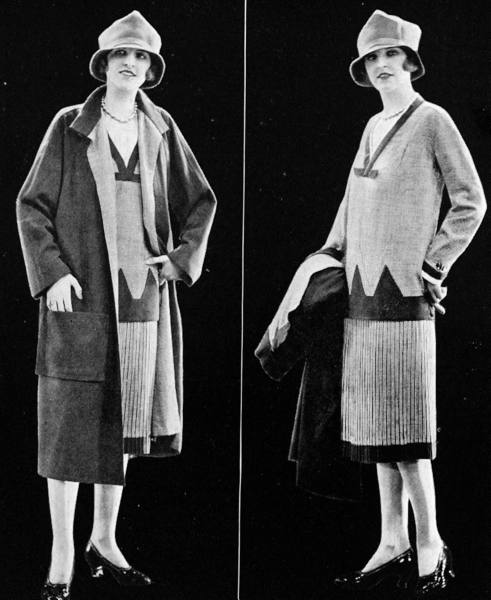
Kraft 1920 Fashion (002)During World War I, many women had to work outside the home. They started to wear bobbed hair styles because they were easier to take care of. By 1920, the style took off and most women bobbed their hair even in more rural areas and conservative areas of the country. Cloche hats that fit tight around the face were becoming popular and went with the new short hair styles.

In the Victorian era, make-up was considered vulgar, but that changed in the early 1900s. By 1900, women started wearing powder to achieve a pale look. Once that became acceptable, women started wearing makeup to look younger without looking like they were actually wearing makeup. Max Factor opened in 1909 with its first makeup counter and supplied makeup to silent movie actresses. In 1917, Theda Bara started a trend by wearing heavy eye makeup in the movie Cleopatra. Women in the city started wearing make-up to look like the actresses on the silent movie screen. It was a few more years before the average farmwife would be seen in public wearing makeup.

-Tamera Lynn Kraft


ResurrectionOfHopeCoverArt72dpiResurrection of Hope

She thought he was her knight in shining armor, but will a marriage of convenience prove her wrong?

After Vivian’s fiancé dies in the Great War, she thinks her life is over. But Henry, her fiancé’s best friend, comes to the rescue offering a marriage of convenience. He claims he promised his friend he would take care of her. She grows to love him, but she knows it will never work because he never shows any love for her.

Henry adores Vivian and has pledged to take care of her, but he won’t risk their friendship by letting her know. She’s still in love with the man who died in the Great War. He won’t risk heartache by revealing his true emotions.

Amazon

Web1Tamera Lynn Kraft has always loved adventures. She loves to write historical fiction set in the United States because there are so many stories in American history. There are strong elements of faith, romance, suspense and adventure in her stories. She has received 2nd place in the NOCW contest, 3rd place TARA writer’s contest, and is a finalist in the Frasier Writing Contest and has other novellas in print. She’s been married for 37 years to the love of her life, Rick, and has two married adult children and two grandchildren.

You can contact Tamera on her website.
Advice on Eating the Right Quantity of Food from an 1840s Cookbook Author

pizza-1150031_960_720

The author of an 1841 cookbook, Sarah Josepha Hale, advised her readers about the proper quantity of food. She observed that the availability of food often leads to overeating.

Hale blamed diet mismanagement on almost half of diseases/deaths in toddlers two and under. That’s a scary, guilt-ridden statistic for moms of that era.

Though it’s easier said than done, stop eating after satisfying your appetite.

Hale saw indigestion and other stomach complaints as wise reminders not to overeat. A body’s digestive power is limited to the amount of gastric juices; outdoor exercise aids their secretion.

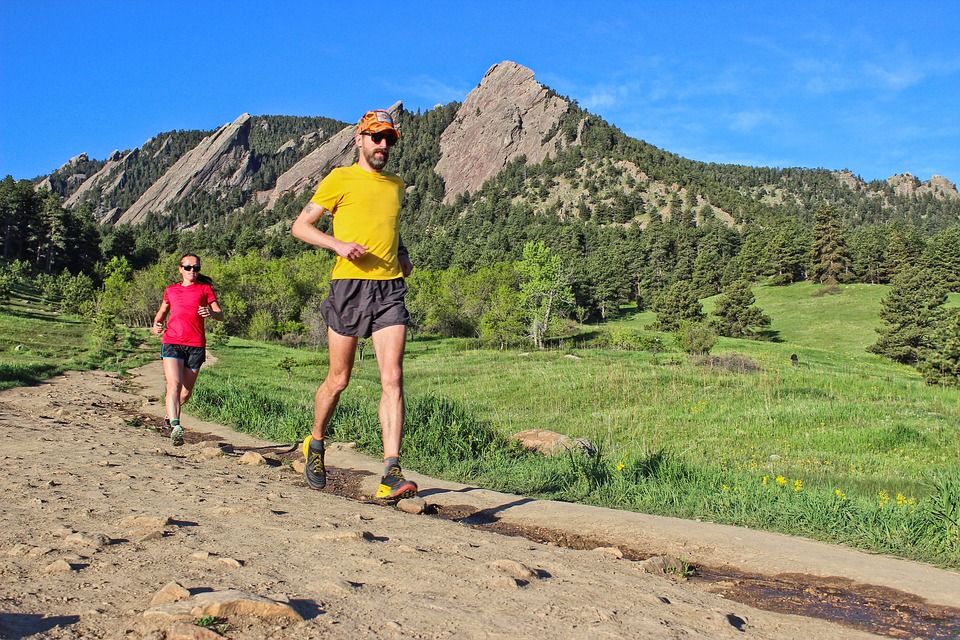
trail-running-1487718_960_720Tailor portion sizes to the amount of exercise. Outdoor activities require more energy so there is less likelihood of overeating. Those who exercise little get indigestion or headaches from eating too much.

Feed active, healthy young people well. If they don’t like plain meals, don’t tempt them with sweets or snacks.

Enjoying a variety of meals benefits our bodies unless it tempts excessive eating.

Hale believed that if something disagreed with the stomach, too much had been eaten.

Though written in 1841, her opinions on food are surprisingly similar to what is taught today.

-Sandra Merville Hart

Source

Hale, Sarah Josepha. Early American Cookery: “The Good Housekeeper.” 1841, Dover Publications, Inc., 1996.


Mark Twain Glimpses a Pony Express Rider on a Delivery

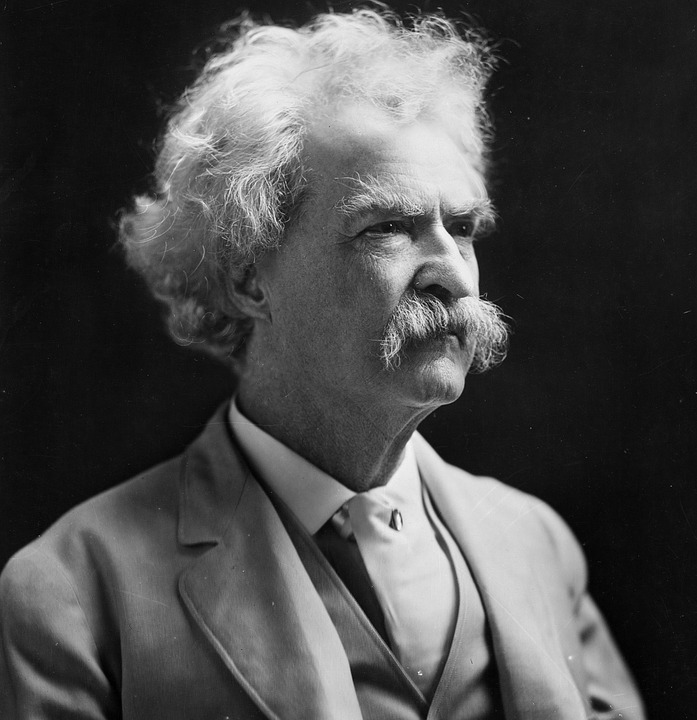
mark-twain-391112_960_720

It can’t be said the Mark Twain met a Pony Express Rider on his stagecoach trip from Missouri to Carson City, Nevada.

He and his brother deeply desired to see a “pony-rider.” A few streaked past during the night, hailing the passengers who didn’t get their heads out the windows quickly enough to catch a glimpse of the man racing by.

But Twain hoped for better luck during daylight hours. The driver alerted his passengers to look behind them.

All Twain saw at first was a moving speck on the prairie. In two seconds, the speck became a horse and rider sweeping closer.

Twain kept his gaze trained on the pony-rider. Hoofs fluttered against the ground as he neared.

The driver whooped and hollered. The rider’s only answer was a wave as he burst past the coach.

Then the man disappeared on the road ahead in a cloud of dust.

It ended so quickly that Twain almost wondered if he actually witnessed the rider racing past.

Twain was about twenty-five at that time and full of adventure. Did that adventurous spirit long to join the ranks of those chosen few?

The author who gave us such characters as Tom Sawyer and Huckleberry Finn probably would have ridden one of the relays if asked.

-Sandra Merville Hart

Sources

Twain, Mark. Roughing It, Penguin Books, 1985.


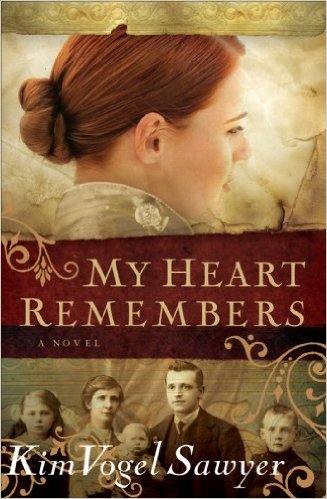
My Heart Remembers by Kim Vogel Sawyer

51D1J33A3pL._SX325_BO1,204,203,200_

After a fire tragically claims their parents’ lives, three orphans are placed on an orphan train for adoption. Maelle, the oldest at eight, hopes to keep her family together but all three are separated.

Maelle won’t give up until she finds her brother and sister.

This story touched me deeply. My heart broke at the struggles faced by each sibling as they become adults and still long to find each other.

With believable, lovable characters, this story remained with me long after I read it.

Highly recommended!

-Review by Sandra Merville Hart

Amazon

The Right Time to Eat

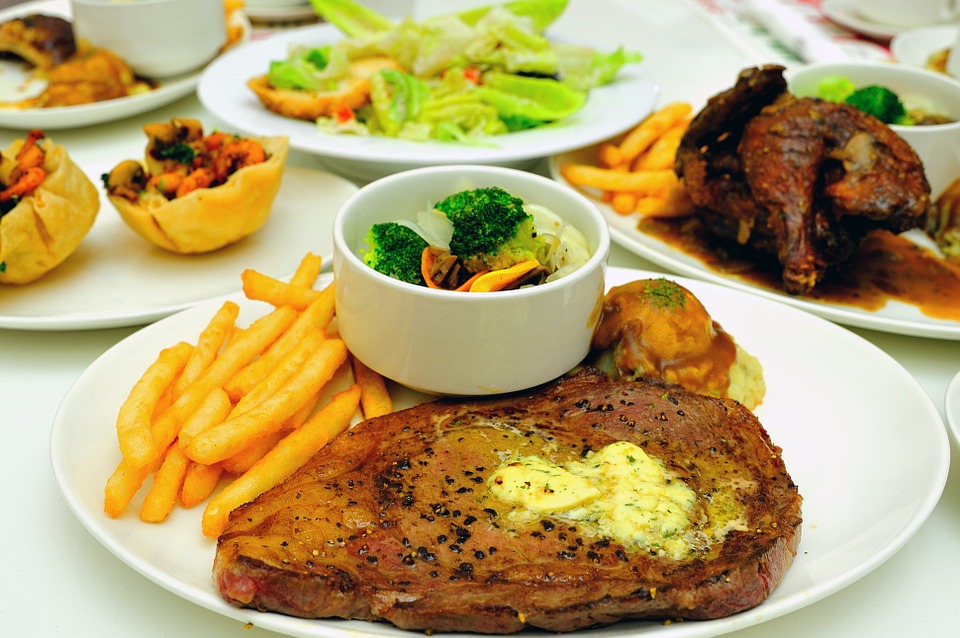
food-826744_960_720

The author of an 1841 cookbook, Sarah Josepha Hale, advised her readers about eating hours. Those on a regular schedule should eat at a set time; those living on irregular schedules should eat when they get hungry.

Laborers need larger meals more often than idle or inactive people.
analog-clock-1295631_960_720Eat meals about five hours apart; active people require food more often.

Young people experiencing growth spurts eat often.

Feed children under seven every three hours. Hale recommended a slice of bread as a healthy lunch.

baby-472922_960_720Don’t set an eating schedule for infants for the first few months because their constitutions vary. Feed the baby when hungry.

Don’t exercise before breakfast if you tend to become sick easily (delicate constitution.)

Never enter the sick room of someone ill with fever before eating breakfast or at least drinking coffee.

Planning an early morning departure? Make sure to eat a light breakfast as protection against weariness and cold.

Don’t eat a big supper right before going to bed.

It’s harmful to eat when overheated or exhausted. Rest about fifteen minutes before dining.

Much of this “1841” advice still rings true today.

-Sandra Merville Hart

Source

Hale, Sarah Josepha. Early American Cookery: “The Good Housekeeper.” 1841, Dover Publications , Inc., 1996.


Mark Twain’s Observations about Pony Express Riders

mark-twain-391112_960_720

Pony Express Riders delivered mail from 1860 – 1861. Mark Twain traveled west by stagecoach during this time and longed to see one of the riders.

Twain and his fellow travelers hoped to spot one of the “pony-riders” on their way from St. Joseph, Missouri, to Sacramento, California. It took a remarkable eight days for letters to travel 1,900 miles, an unheard-of speed.

Before seeing a pony-rider, Twain already had an idea what to expect. Small men filled with spirit and endurance rode fifty miles by day or night.

Splendid horses “fed and lodged like a gentleman” raced at top speeds for ten miles or so until reaching the next relay station. The rider crashed up to two men holding a fresh steed. He mounted the new horse and transferred the precious mailbag “in the twinkling of an eye” and was off again in a cloud of dust.

Riders wore thin, close-fitting clothing and a skull-cap. His pantaloons were tucked into his boots “like a race-rider.” He carried no weapons.

Horses traveled lightly, too. A small racing saddle hid a blanket if one existed.

A child’s primer would fill one of the two mail pockets. Mostly business or newspaper letters filled these mail bags; postage alone was five dollars per letter.

Forty pony-riders rode west toward California at the same time as forty traveled east toward Missouri all day and night, in spite of bad weather.

Stagecoaches traveled between 100 and 125 miles in twenty-four hours; pony-riders managed about 250 miles.

-Sandra Merville Hart

Sources

“Pony Express,” Wikipedia, The Free Encyclopedia, 2016/06/03 https://en.wikipedia.org/wiki/Pony_Express.

Twain, Mark. Roughing It, Penguin Books, 1985.


Blind Dates Can Be Murder by Mindy Starns Clark

41TOogxWSAL._SX315_BO1,204,203,200_

There’s plenty of suspense in this romantic suspense novel!

Jo Tulip blogs about household hints to her many followers but has trouble in the relationship department. Her blind date dies at the restaurant and things escalate dangerously for Jo.

Her best friend, Danny, searches for the best time to reveal his love for Jo, and is frustrated at every turn. Jo and her closest friends befriend a young woman who isn’t the person she represents herself to be.

In fact, many things aren’t as they appear but the danger is real.

I was on the edge of my seat while reading this novel.

Highly recommended!

-Review by Sandra Merville Hart


Amazon