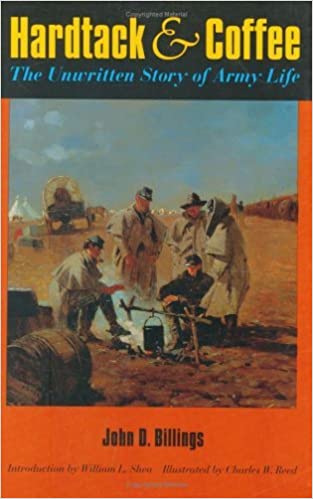
Hard Tack and Coffee by John B. Billings

The Unwritten Story of Army Life

What a treasure this nonfiction book is for readers of Civil War books!

The author, John B. Billings, was a Civil War soldier in the Army of the Potomac. He gave American history lovers a great gift when he wrote about a soldier’s experiences during the war.

He gave details of shelters the Union army used for hospitals. Living in tents in army camps and log huts during winter presented challenges for soldiers.

Billings writes about their rations. Hard tack loses any appeal from his sometimes humorous descriptions yet was a staple in their diet.

I enjoyed the wonderful details of Civil War army life. As an author of Civil War novels, I loved how Billings brought those days to life. This book, written in 1887, helped me gain an understanding of a soldier’s everyday life.

Recommended for those interested in American history, the American Civil War, and military camp life.

Civil War Romances Series with reviews-Sandra Merville Hart

Amazon

Civil War Food Prices Escalate in Richmond

by Sandra Merville Hart

The Confederate Capitol was officially transferred to Richmond, Virginia, on May 21, 1861. Confederate President Jefferson Davis moved there with his family.

Richmond’s prewar population of 38,000 swelled to 100,000 by 1865. This caused food shortages as the war continued.

By early 1862, the cost of food had risen. Bacon was 25 cents a pound. Butter was up to 50 cents a pound. Beef had risen from 13 to 30 cents a pound for poor quality meat. Fish, even shad or rockfish, was expensive.

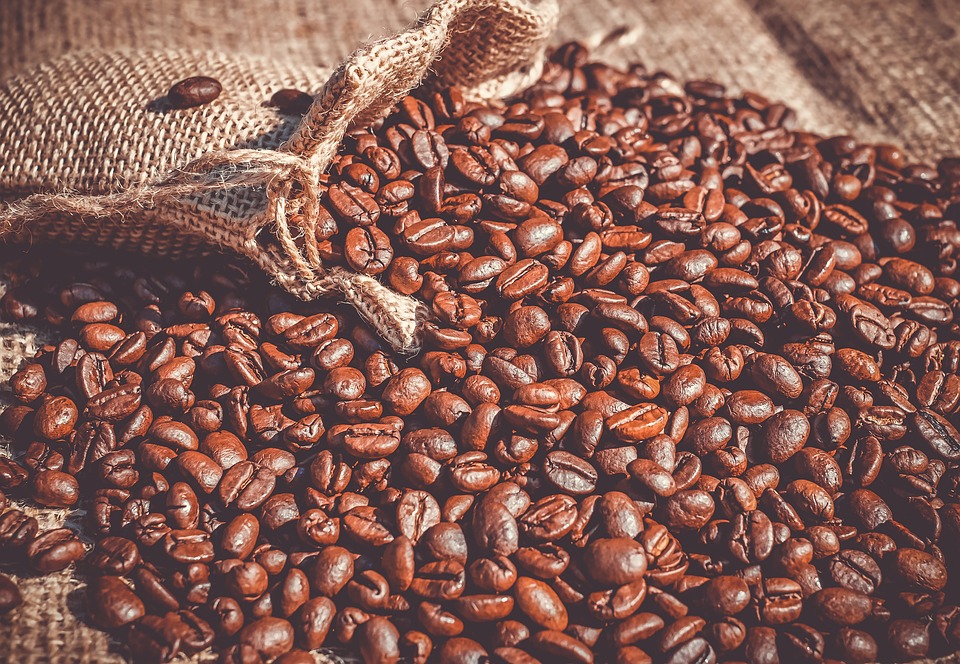
Folks paid $1.50 for a pound of coffee. At that price, ladies used roasted rye or roasted corn as substitutes for coffee. Some used dried willow leaves to replace tea.

As the war continued, some residents resorted to “Dutch treats,” when entertaining guests at dinner parties. Guests attending such dinners provided delicacies like brandied peaches, sardines, or French prunes for the meal.

Oriental’s Bill of Fare dated Monday, December 21, 1863, shows a variety of choices. This Richmond restaurant boasted of “Game of All Kinds (In Season)” and “Meals Furnished at All Hours.”

Here are a few of their menu items and prices:

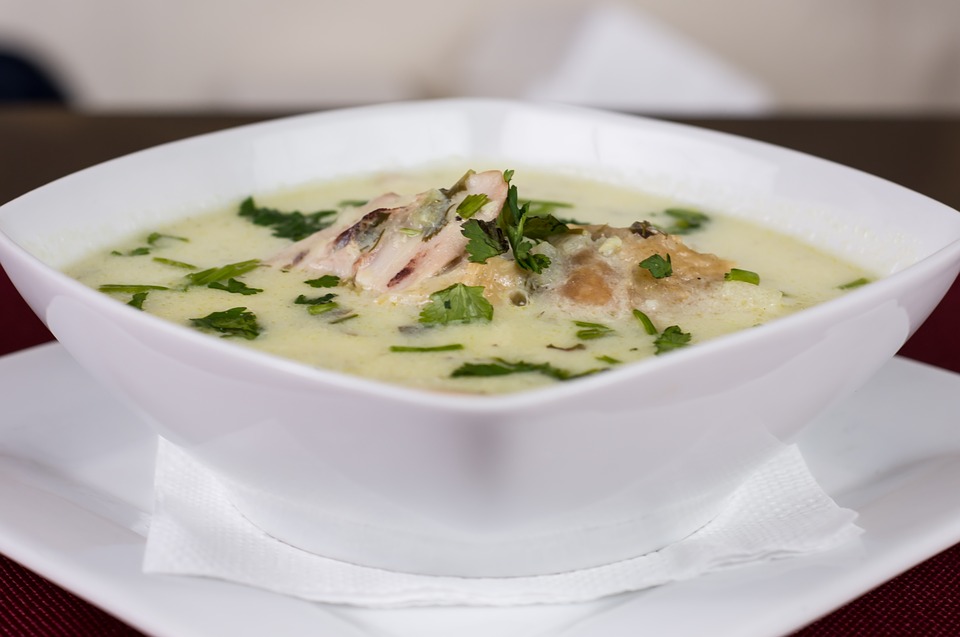
Soups: Beef, Chicken, Vegetable, Clam, Oyster, Terrapin, Turtle, Mock Turtle—$1 each

       Fowls: Roast Turkey, Roast Goose, Roast Ducks, Roast Chicken—$3 per plate

       Fish: Shad, Perch, Herring, Crabs and Lobsters—$3 per plate

       Meats: Roast Beef, Roast Mutton, Roast Lamb, Roast Veal—$3 each

      Steaks: Beefsteaks, Pork Steaks, Mutton Chops, Veal Cutlets, Venison Steaks—$3 each

       Sundries: Ham and eggs, Poached eggs, Scrambled eggs, Fried eggs, Omelets—$3 each

       Oysters: Fried oysters, Scalloped oysters, Raw oysters—$3 each

       Birds: Partridge, Robin, Snipe, Woodcock–$3 per pair

       Vegetables (many choices marked as unavailable): Irish Potatoes, Sweet Potatoes, Cabbage, Lettuce, Onions, Celery—50 cents

      Non-alcoholic beverage choices were Pure coffee—$2.50, Pure tea—$2, Fresh milk—50 cents.

     Wines: Champagne, Madeira, Claret, Port

     Liquors: French Brandy, Apply Brandy, Peach Brandy, Rye Whiskey

     Malt Liquors: Ale, Porter

Even Fine Havana Cigars were on the menu. It’s difficult to read the prices for the alcoholic drinks and determine if it was sold by the bottle or glass. For instance, champagne has $40 marked by it in pen.

In contrast, Corinthian Hall’s Bill of Fare, from March 28, 1864, shows price increases in only three months. These are grouped by price:

     $7.50—Ham and Eggs, Tenderloin Steak, Beefsteak and Onions, Oyster Fried, Oyster Boiled, Oyster Scalloped

       $5—Veal Cutlets, Mutton Chops, Boiled Ham, Fish, Omelet-herb

       $2—Potatoes cream, Potatoes fried, Celery, Toast, Butter

       $4—Coffee per cup

These old menus give us a glimpse back into history—what a treasure!

Sources

“Richmond in the Midst of the Civil War,” Virginia Museum of History & Culture, 2021/02/04 https://www.virginiahistory.org/collections-and-resources/virginia-history-explorer/richmond-midst-civil-war.

Mortimer, Gavin. Double Death: The True Story of Pryce Lewis, the Civil War’s Most Daring Spy, Walker & Company, 2010.
Ohio’s Greatest Natural Disaster Inspires My Story–Surprised by Love

by Sandra Merville Hart

A school event for my daughter took us to Troy, Ohio. The quaint city captivated me from the first visit. It felt like something ought to happen there—and that was before I was writing!

A few years later, an opportunity arose to join fellow Ohio authors in a novella collection set in Ohio locations. My mind raced back to Troy. What could I write about? My husband and I drove there on a mission of discovery.

At the Museum of Troy History I learned about a terrible flood in 1913 that displaced many Troy citizens and even claimed lives of a few. The way the townspeople rallied together to meet the tragedy inspired me and led to the writing of this story.

We walked around the town square, visiting shops. Around About Books is a treasure. I’ve since participated in booksigning events there so this has become a special place to me.

We ate at a lovely diner, K’s Hamburger Shop, a place that has been on Troy’s Main Street since 1935. My story is set in 1913 so it wasn’t there during the flood, but the whole place gave me a feeling of historic nostalgia.

My imagination soared from my research. The first draft of the novella, Surprised by Love, was written in two weeks! That remains the record for me.

Researching The Flood of 1913—Ohio’s greatest natural disaster—and personal visits to Troy inspired this story of love and courage.

I hope you will read this story and all the others set in Ohio locations in “From the Lake to the River. Here’s a blurb for my historical romance, Surprised by Love:

Lottie’s feelings for an old school crush blossom again during the worst flood her town has endured in years.

Lottie shoulders the burden for her siblings after their mother’s death. Her seventeen-year-old brother’s disobedience troubles her, especially since she also cares for the boarders in their home. When the flooding river invades not only the town of Troy but also her home, Lottie and her family need to be rescued.

Desperate circumstances throw Lottie and Joe, her schoolgirl crush, together. Can tragedy unite the couple to make her long-buried dream of winning his love come true?

Amazon

First 100 Animals Sticker Book by Roger Priddy

I normally would not review a children’s sticker book, but I have to make an exception for this one.

I have a four-year-old and a two-year-old in my life who love this book. They have to take turns choosing stickers or they’d fight over it.

We’ve enjoyed finding the animal stickers from the back to place on pages where the animals are grouped by categories like Farm babies, Pets, At the Zoo, On Safari, and several others.

They require help at these ages. I’ve had to help them find the stickers to go with each picture so it’s not exactly a do-it-yourself at 2 and 4, though the four-year-old isn’t too far away from that independence.

I’ll look for more of these fun sticker books!

-Sandra Merville Hart

Amazon

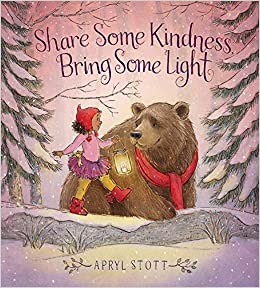
Share Some Kindness by Apryl Stott

Share Some Kindness, Bring Some Light (full title)

This children’s picture book will be easy to read aloud to the preschool and kindergarten-aged children in your life.

Stott’s beautifully illustrated book is about two best friends—a little girl and a bear. Both share an important quality, which is kindness.

The bear is so big that the other animals are afraid of him. They don’t trust in his kind nature, even when he does kind things for them.

The two friends learn together how to show true kindness and shine the light.

A sweet picture book!

-Sandra Merville Hart

Amazon

Feeding the Sick and Wounded in Civil War Richmond

by Sandra Merville Hart

The Confederate Capitol was officially transferred to Richmond, Virginia, on May 21, 1861. Confederate President Jefferson Davis moved there with his family.

The city with a prewar population of 38,000 swelled to 100,000 by 1865.

Soldiers were part of that number, including sick and wounded at over thirty hospitals. The largest of these was Chimbarazo—included in its 120 buildings was a bakery. Winder Hospital had 98 buildings with a farm.

One of the smaller hospitals was Mississippi Hospital No. 7 at Howard’s Grove. The surgeon in charge was William J. Moore in 1862. A patient’s diet could be restricted to “full,” “half,’ or “light” by the doctors. I found a copy of the Bill of Fare for this hospital in 1862.

Choices in a Full Diet included:

Soups: Beef, Chicken, Oyster

       Fish: Perch, Trout, Cat Fish*

       Roasts: Beef, Mutton, Pork, Chicken, Duck

       Boiled: Beef

       Fricassee (stewed or fried meat served in a thick white sauce): Mutton Chops, Beefsteak*, Chicken, Pork Chops, Sausage, Venison, Quail, Eggs

       Vegetables: Irish Potatoes, Sweet Potatoes, Cabbages, Onions, Beets, Carrots, Celery

Choices in a Half Diet included:

Soups: Beef, Chicken, Oyster

       Fish: Perch, Trout, Cat Fish*

       Boiled: Chicken, Eggs

       Vegetables: Irish Potatoes, Sweet Potatoes, Onions

Choices in a Light Diet included:

Butter Toast, Milk Toast, Dry Toast, Roast Apples, Oyster Soup, Beef Tea, Rice Pudding, Rice Boiled, Custard Pudding, Molasses, Soft Boiled Eggs

       Breads: Biscuit, Rolls, Egg Bread, Corn Bread*, Baker’s Bread, Family Bread

Beverage choices were coffee, chocolate, green & black tea, milk.

Surgeons could order extras for patients:

Blanc Mange*, Wine Whey, Calve’s* Feet, Arrow Root Pudding, Oranges, Apples

Food shortages due to the swelled population affected Richmond as the war continued. It’s likely that a later menu wouldn’t contain these same choices.   

*Spelling from 1862 menu

Sources

“10 Facts Richmond Virginia,” American Battlefield Trust, 2021/02/04 https://www.battlefields.org/learn/articles/10-facts-richmond-virginia.

“Richmond in the Midst of the Civil War,” Virginia Museum of History & Culture, 2021/02/04 https://www.virginiahistory.org/collections-and-resources/virginia-history-explorer/richmond-midst-civil-war.

Mortimer, Gavin. Double Death: The True Story of Pryce Lewis, the Civil War’s Most Daring Spy, Walker & Company, 2010.

Experimental Balloon Flight from Cincinnati Ends Badly During Civil War

by Sandra Merville Hart

Before the Civil War started, Thaddeus S.C. Lowe dreamed of flying his hot air balloon on a transatlantic flight. A successful test flight from Philadelphia to New Jersey was made on June 28, 1860. Three months later on September 7th, wind ripped open his balloon, the Great Western, when Lowe attempted a transatlantic flight.

Joseph Henry, secretary of the Smithsonian Institution, suggested a second test over land.

Lowe planned a night flight from Cincinnati, Ohio, to the Chesapeake Bay area on Enterprise, a new balloon. He left Cincinnati the night of April 19-20, 1861. Fort Sumter had been fired on a week earlier, marking the beginning of the Civil War.

Winds unfortunately carried him South. Lowe tried to land near the border between North Carolina and South Carolina. Armed men ordered him to take off again, which he did.

His second landing was even worse. Folks in South Carolina didn’t trust him. They placed his deflated balloon in a wagon and escorted both to Unionville, SC. A local newspaper editor knew of the aeronaut. He wrote a letter of introduction for Lowe to take to leaders in Columbia.

The letter didn’t help. Lowe was arrested. He stayed in jail until government officials released him.

On April 26, 1861, Lowe rode a train back to Cincinnati with his balloon. He reflected on troop movements he’d observed from his flight. It sparked a new idea.

He put his transatlantic flight dream to rest. Serving his country by observing the Confederate army from the air became his goal.

Sources

Fanton, Ben. “Gas Balloons: View From Above the Civil War Battlefield,” History.net, 2021/02/05 https://www.historynet.com/gas-balloons-view-from-above-the-civil-war-battlefield.htm.

Gould, Kevin. “Balloon Corps,” Encyclopaedia Britannica, 2021/02/05 https://www.britannica.com/topic/Balloon-Corps.

“Thaddeus S.C. Lowe,” Wikipedia, 2021/02/05  https://en.wikipedia.org/wiki/Thaddeus_S._C._Lowe.


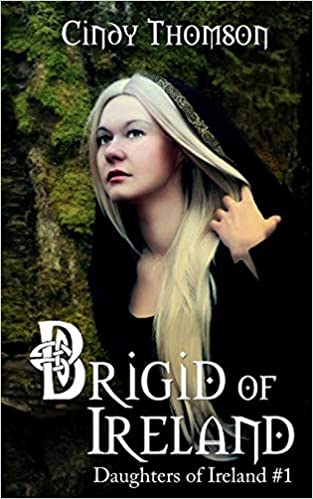
Brigid of Ireland by Cindy Thomson

Brigid was born as the daughter of a slave woman in 5th century Ireland. A druid foretold that she would be a blessing or a curse to Ireland. Her father took her from her mother at the age of five and she grew up missing her mother.

Patrick, a Christian, had been in the area spreading the news about the One God and Jesus, His Son, who had died to save the people from their sins. Brigid met Patrick and became a Christian.

But there’s something unique about Brigid. She has a gift that makes her a target and puts her in danger.

My interest was snagged right away and I didn’t want to put the book down. Many of Brigid’s fellow citizens trusted whatever the druids said and the customs of that day were very different from modern times. There were many surprising twists and turns … and danger, too.

It was a treat to read a novel set during the days of St. Patrick. I enjoyed this story. Recommended for readers of historical fiction and Irish history.

I will look for more books by this author.

-Sandra Merville Hart

Amazon

Love You, Truly by Susan Tuttle

Harlow Tucker isn’t interested in dating Blake Carlton as part of a reality show where he dates several other women. No matter how handsome and famous he is, Harlow has more important things on her mind—like starting her sister’s charity and her nursing career. She already has little time to pursue photography. Yet Mae was the one who suggested she participate in the show … and she’d do anything for her sister.

Blake only agrees to the show to help his mother’s career. He’d do anything in his power to save her from his dad’s fate.

Harlow fights her attraction for him, knowing he is dating a dozen others at the beginning of the show. On the other hand, taking photos in exotic locations fulfills her longing to travel.

The novel gives an inside look at “reality” shows where so much is planned to give the reaction the producer desires. It also demonstrates how hard the competition is on the emotions of the contestants.

Believable characters plunged in the middle of unreal television scenes may be an eye-opener for some readers. Harlow’s strong faith and Blake’s search for authentic love is a strong theme in the story, strengthening the appeal for me.

This contemporary romance kept me interested from beginning to end.

-Sandra Merville Hart

Lighthouse Publishing of the Carolinas

Pizzini Confectioners in Civil War Richmond

by Sandra Merville Hart

Pizzini’s Confectionery Palace, located at 807 Broad Street in Richmond, Virginia, was known as the “Napoleon of Confectioners” by 1852. Famous among city residents for delicious ice creams, Pizzini’s also sold cakes, candy, and fruit.

Advertisements in Richmond’s Daily Dispatch from November 15, 1873 show that Pizzini’s sold Havana oranges, Lisbon grapes, figs, and wine jelly. Malaga grapes were 50 cents a pound. Dates were 25 cents for 2 pounds. Pizzini’s advertised “cocoanut” (coconut) cream candy and “cocoanut” caramels.

The same edition showed they did have competition. Wood & Son’s mineral water depot seemed to specialize in hot soda water. Apparently, the ladies’ favorite was hot soda water with chocolate and cream. It was available with coffee, tea, cream, or chocolate. Healthy, delicious hot soda and chocolate—advertised as recommended by physicians—was only 10 cents a glass.

There were several confectioners, restaurants, and bakeries in Richmond during the Civil War (1861-65.) Some are listed simply under the owner’s name. You may notice a number of female owners in the group.

Here are a few of the confectioners: Mrs. Kate Taylor, confectionary; A. Pizzini, confectionery; Antoni & Catogni, confectioners; Jas Lombardi, confectioner; and Mary Kumpner, confectioner.

Besides the dining rooms of the hotels, there were several restaurants: Tom Griffin, restaurant; John Macpherson, restaurant; “Brandy Station” Restaurant; Phillip White, restaurant; John A. Worsham, restaurant; Manassas Hall, restaurant; Planters’ Eating House; and “Star Saloon,” restaurant.

There were a few bakers: Jefferson Powers, baker; R. Adam, baker; _____ McNaughter, baker; and Ragland & Co., bakers, among others.

Pizzini’s was one of the businesses damaged by fire when the Confederate government evacuated Richmond on April 2, 1865. As the 1873 newspaper ads show, they recovered to thrive once again.

boulevard-of-confusion-coming-soon-meme

Sources

“Daily Dispatch, Volume 45, Number 120, 15 November 1873,” Virginia Chronicle, 2021/02/03 https://virginiachronicle.com/?a=d&d=DD18731115.1.1&e=——-en-20–1–txt-txIN——–.

“Details of the Evacuation, April 8, 1865,” The New York Times, 2021/02/03 https://www.nytimes.com/1865/04/08/archives/details-of-the-evacuation-the-evacuation-of-richmond-by-the.html.

“From the Richmond Examiner, 2/22/1866,” Civil War Richmond, 2021/02/03 https://civilwarrichmond.com/culture/food-supply/6118-1866-02-22-richmond-examiner-notice-that-pizzini-s-confectionery-palace-on-broad-street-does-immense-business-and-he-is-known-as-the-napoleon-of-confectioners.

“From the Richmond Whig, 4/15/1865,” Civil War Richmond, 2021/02/03 http://www.mdgorman.com/Written_Accounts/Whig/1865/richmond_whig_4151865d.htm.

Mortimer, Gavin. Double Death: The True Story of Pryce Lewis, the Civil War’s Most Daring Spy, Walker & Company, 2010.

“Pizzini Celebration at Slash Cottage,” Newspapers.com, 2021/02/03 https://www.newspapers.com/clip/37349473/pizzini-celebration-at-slash-cottage/.