Cornbread Recipe from Mingus Mill Cornmeal

On the way to a North Carolina beach last summer, my husband and I planned to spend a few hours in Cherokee. As we neared Cherokee, we saw a sign for Mingus Mill and decided to explore it. The mill is a short walk from the parking lot. We crossed a foot bridge over a beautiful mountain stream to arrive at the still operating mill.
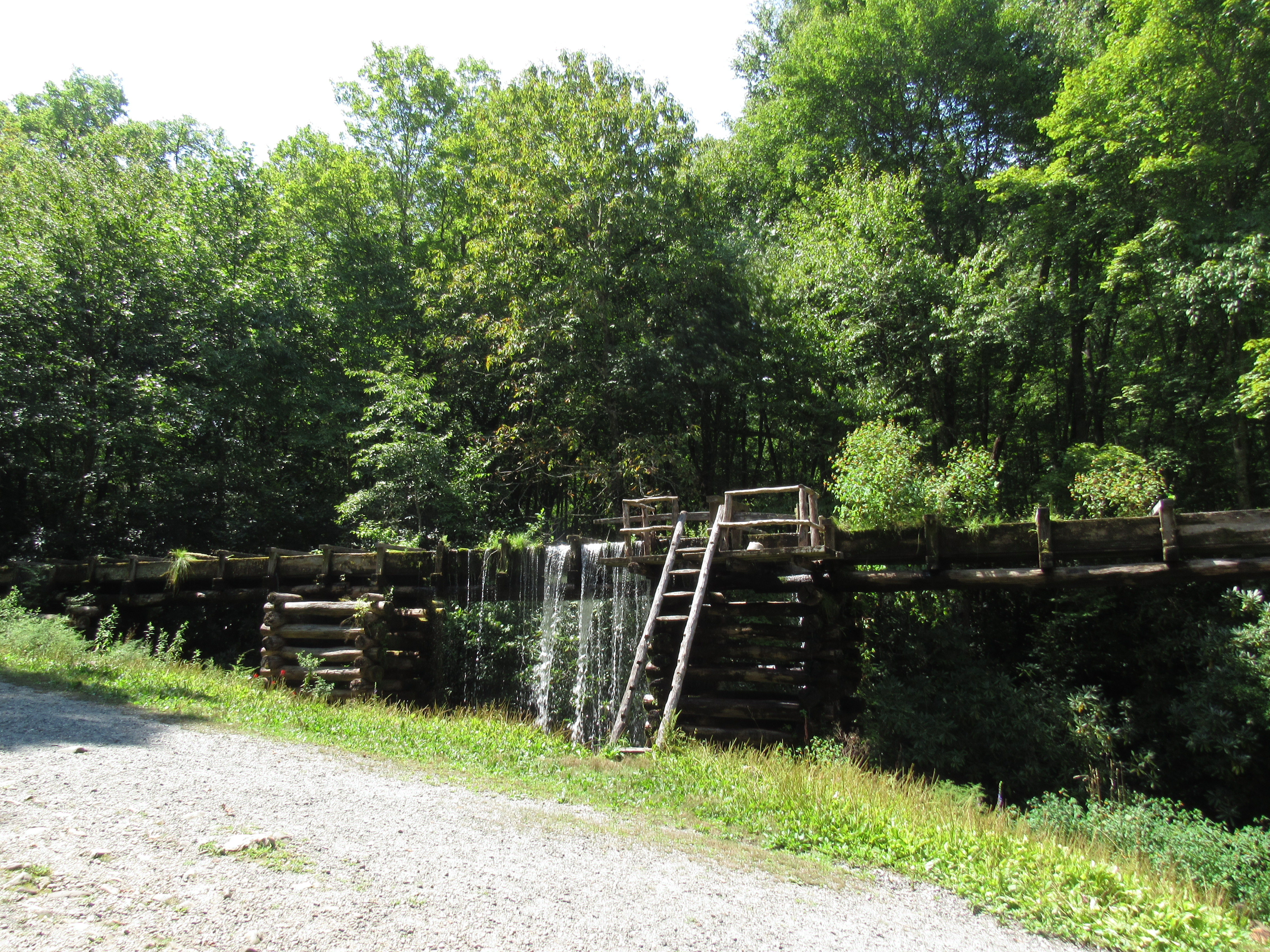
The historic grist mill was built in 1886 at its current location in the Great Smoky Mountains National Park. The mill, which uses a water-powered turbine, is also a museum where visitors can learn about the milling process.

This beautiful, peaceful place is about two miles from Cherokee and is well worth stopping.

Cornmeal and wheat flour are sold at the mill. What a treat to talk with the miller who had milled the cornmeal that morning. I couldn’t resist the temptation and purchased both. How fun to buy meal and flour that is tied shut with a string!

This week I followed their suggested recipe for cornbread and used it to make cornbread dressing.
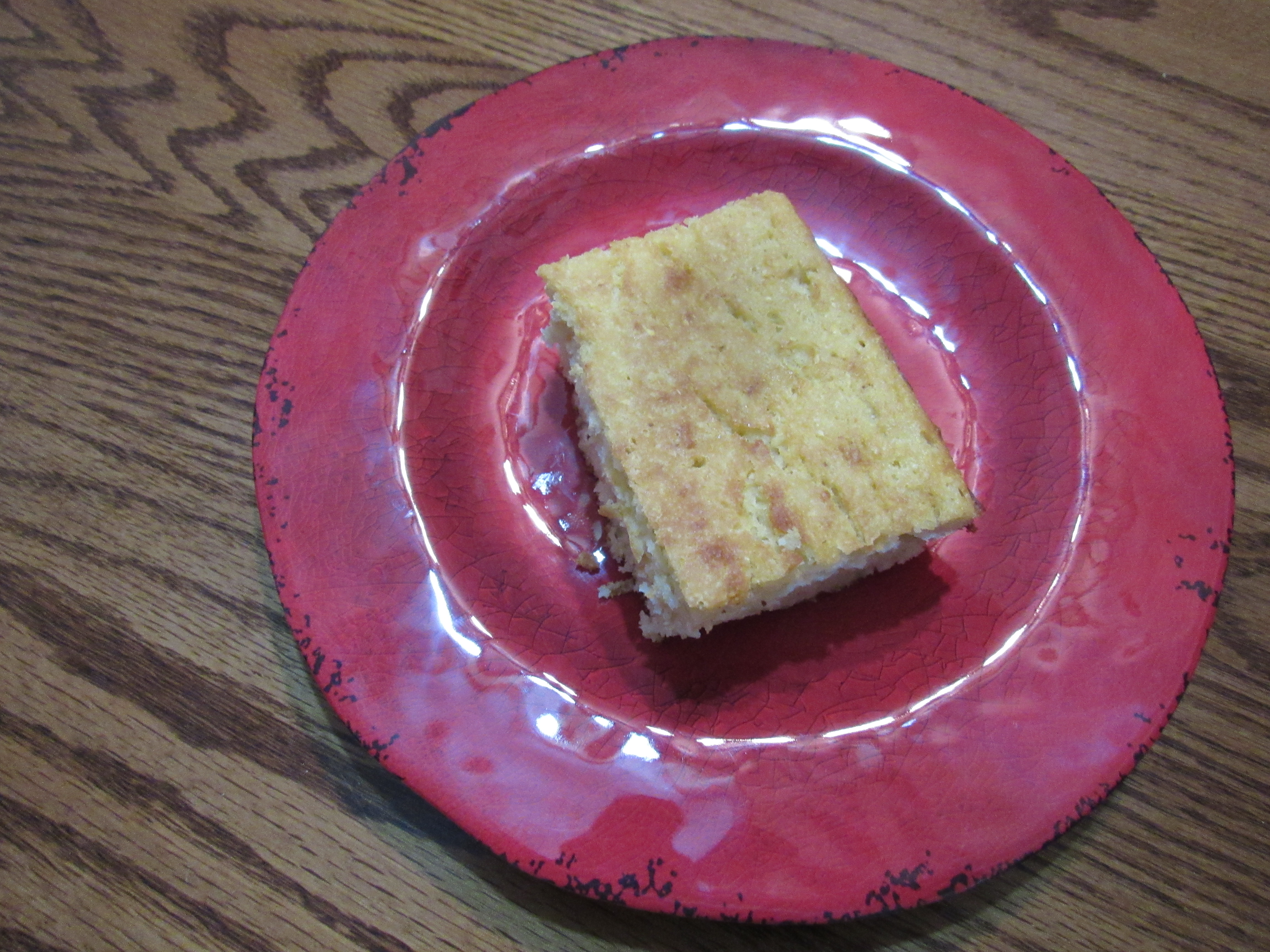
The cornmeal makes a heartier cornbread—and more filling. It was hit at a recent family gathering. The remaining cornmeal went back into storage in the refrigerator so we’ll enjoy cornbread another day.

If you are in the area, stop by. The mill is open daily mid-March through mid-November from 9:00 am to 5:00 pm.

-Sandra Merville Hart

Sources

“Mingus Mill,” Greatsmokies.com, 2018/12/26 https://www.greatsmokies.com/mingus-mill/.

“Mountain Farm Museum and Mingus Mill,” National Park Service, 2018/12/26 https://www.nps.gov/grsm/planyourvisit/mfm.htm.

Civil War Women: Annie Turner Wittenmyer, Diet Kitchen

Annie Turner Wittenmyer, a wealthy widow by the time the Civil War began, threw her efforts into providing hospital supplies needed by Union soldiers. The Iowa resident visited soldiers in army camps.

She established local aid societies throughout Iowa to collect hospital supplies. Her efforts were recognized. She was appointed the leadership of the Iowa State Sanitary Commission in September of 1862.

Annie continued to bring food and blankets to soldiers in army camps, field hospitals, riverboats, and on the battlefields. While there, she saw the food given to soldiers, such as hardtack and greasy bacon, and it distressed her. The men suffered from scurvy and typhoid.

Her brother, David Turner, was in an army hospital in Sedalia, Missouri. While she was with him, David was given fried bacon, bread, and strong coffee. Though she nursed him back to health, the problem of the food given to wounded and sick men remained on her mind.

An idea for a Diet Kitchen at army hospitals came to her in December of 1863. She proposed her idea to Edwin Stanton, Secretary of War, and President Abraham Lincoln.

Receiving charge of kitchens in all Union army hospitals, Annie started in Nashville, Tennessee. She trained female workers to prepare light meals with individual attention to each patient’s needs. By working with each patient’s doctor, the ladies gave nourishing meals.

Over 100 Diet Kitchens, staffed by two trained women, had been established by the end of the Civil War. By then the army’s medical department had generally adopted the Diet Kitchen.

These kitchens offered another way for women to serve.

-Sandra Merville Hart

Sources

“Annie Turner Wittenmyer,” Brittanica.com, 2018/12/28 https://www.britannica.com/biography/Annie-Turner-Wittenmyer.

Longden, Tom. “Annie Wittenmyer,” Des Moines Register, 2018/12/28 https://data.desmoinesregister.com/famous-iowans/annie-wittenmyer.

Williams, Rachel. “The United States Sanitary and Christian Commissions and the Union War Effort,” National Museum of Civil War Medicine, 2018/12/27 http://www.civilwarmed.org/commissions/.


Her Redcoat by Pegg Thomas

Part of The Backcountry Brides Collection – Eight 18th Century Women Seek Love on Colonial America’s Frontier

Set in 1763, this story takes place near Fort Michilimackinac, which was close to the shoreline where Lake Huron and Lake Michigan meet.

Laurette Pettigrew’s father owns the trading post in the settlement outside the fort. He sends her to stay in their cabin to keep her safe from the British soldiers inside the fort. It’s lonely in the wilderness with just her dog.

The crossing on the ship had made Henry Bedlow seasick. Now winter fever kept the British soldier in bed until the army doctor sends him into the dangerous forest outside the fort for daily walks.

There he meets Laurette.

The author drew me right into the story with the beautiful setting, interesting characters, and the sense of danger building in the story.

Recommend!

I’m looking forward to reading more books by this author.

-Sandra Merville Hart

Christianbook.com

Apple Cider Applesauce

I needed to prepare a side dish, a dessert, and a fruit dish for a recent family dinner. I found a recipe for applesauce in an 1877 book, Buckeye Cookery and Practical Housekeeping and decided to try it.

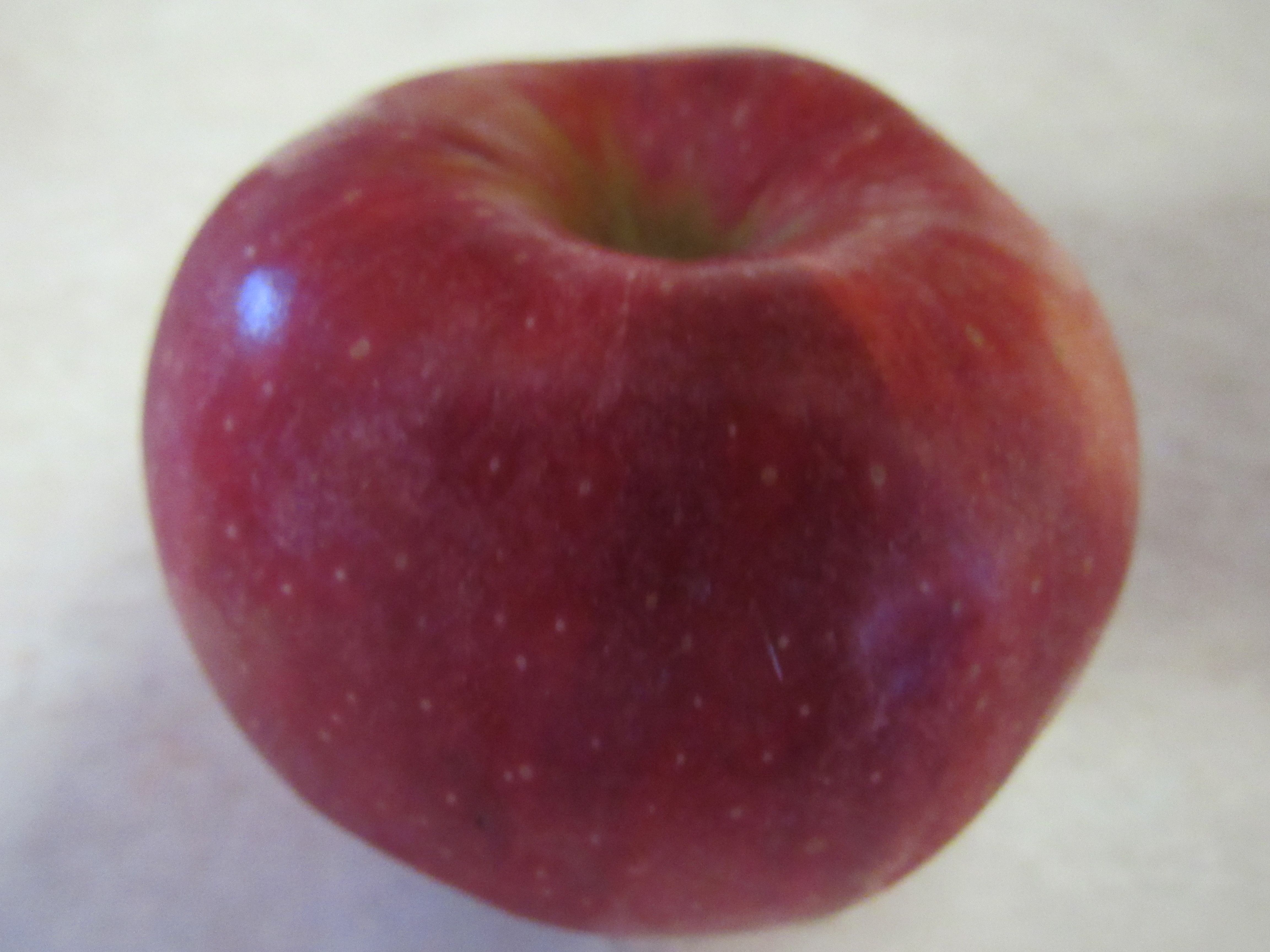
The local grocery store sold several types of apples. I usually choose Granny Smith for pies but didn’t know if that type was best for applesauce. I chose Gala apples. Not only are they my daughter’s favorite brand, but they also are good for cooking and sauces.

Mrs. W. W. W.’s recipe called for enough apples to fill a gallon-sized porcelain kettle. I didn’t need that much so I bought 8 apples.

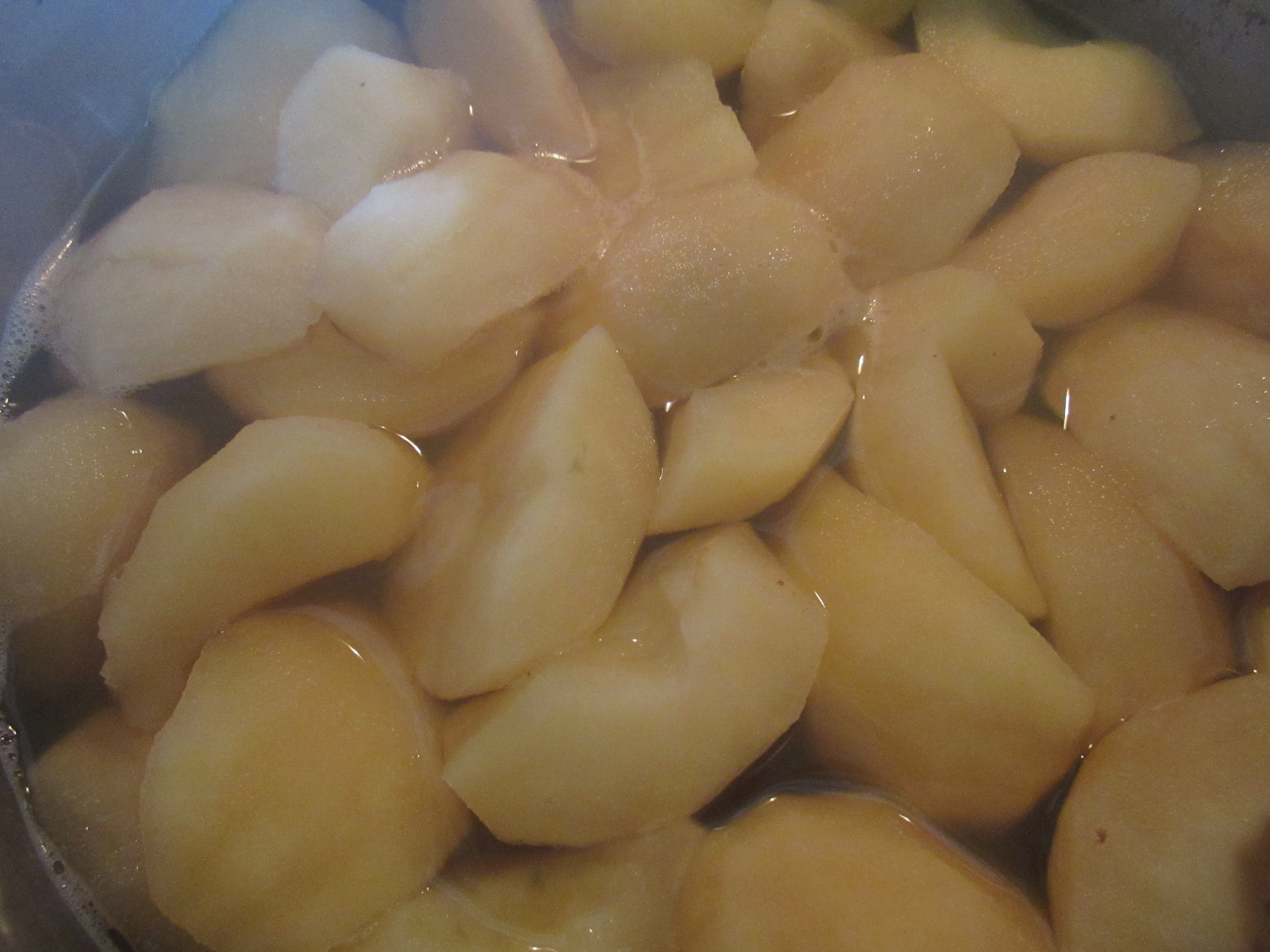
I heated ½ gallon of apple cider in a large kettle to boiling while I peeled, cored, and quartered the fresh apples. Evidently, I’m pretty slow because the cider began to boil before the apples were all quartered. I turned it off until the apples were peeled.

Wash apples and drain. Then add the fresh fruit slowly into the hot cider. Gently boil on a medium heat.

Mrs. W. advised covering the kettle with a plate and keep it on until done. (This keeps the apples from dropping to the bottom and scorching.) I used a plate instead of a lid, allowing an opening for air to escape so the liquid wouldn’t boil over.

Mrs. W. only said to cook the apples until done. I cooked them about 25 minutes when they were very tender. I think they’d have been fine if removed from heat after 20 minutes.

I set them aside to cool. Then the excess cider was drained from the apples. I left about a cup of cider in the cooked apples—you might like more or less.

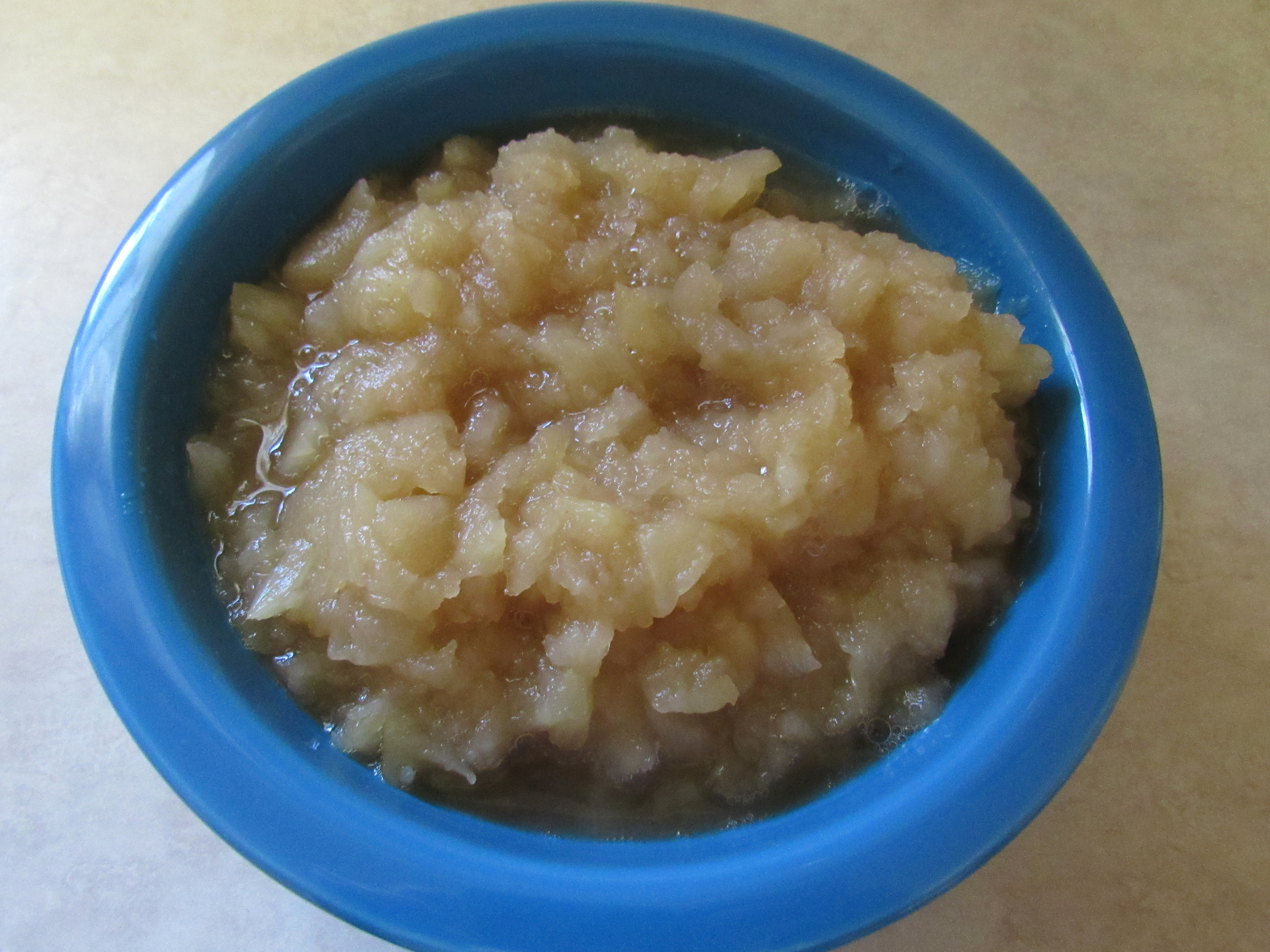
I mashed the apples but left them a little chunky. That was the recipe—no sugar or spices. I fully intended to add brown sugar, cinnamon, and vanilla flavoring.

It didn’t need them. The applesauce tasted sweet and delicious.

I will make this again for my family. Hope your family enjoys it!

-Sandra Merville Hart

Sources

Compiled from Original Recipes. Buckeye Cookery and Practical Housekeeping, Applewood Books, 1877.

Civil War Women: Mrs. A.H. Hoge

Mrs. Abraham Holmes Hoge became a well-known name for her volunteer work with wounded soldiers during the Civil War. Born Jane Currie Blaikie, Mrs. Hoge may be better known for her efforts to fund the United States Sanitary Commission.

Like so many others, Mrs. Hoge believed the war would not last long. When the conflict was still going on in January of 1862, she and her friend, Mary Livermore, began to raise money for the Chicago branch of the United States Sanitary Commission. Their goal was to keep the Commission’s supply shelves filled through these donations.

Mrs. Hoge went to battlefield hospitals, taking supplies she collected and often distributing them directly to wounded or sick soldiers. Her trips to the front lasted from days to weeks.

Mrs. Hoge and Mrs. Livermore traveled to towns throughout the Chicago area. Mrs. Hoge shared her experiences at the front at each community’s ladies’ group. Mrs. Hoge raised money for bandages, sheets, and linens. If the town didn’t have a Soldiers’ Aid Society, she helped them establish one.

Mrs. Hoge originated the first Sanitary Fair in Chicago. The Northwestern Soldiers’ Fair was held from October 27, 1863 to November 7, 1863. A six-mile parade of bands, political leaders, militia, and farmers were part of the fair. A “Curiosity Shop” of war souvenirs was another enticement to attend the fair.

Mrs. Hoge had hoped to raise $25,000 for the U.S. Sanitary Commission. The fair surpassed her hopes and raised $80,000.

After the fair ended, she continued to visit hospitals and speak at other cities.

-Sandra Merville Hart

Sources

“Hoge, Mrs. A.H.,” The Free Dictionary, 2018/12/27 https://encyclopedia2.thefreedictionary.com/Hoge%2C+Mrs.+A.+H.

Moore, Frank. Women of the War, Blue/Gray Books, 1997. (originally published 1866).

“Mrs. A.H. Hoge in Women of the War,” Accessible Archives, 2018/12/27  https://www.accessible-archives.com/2011/03/many-daughters-have-done-virtuously/.

“United States Sanitary Commission,” Wikipedia, 2018/12/27, https://en.wikipedia.org/wiki/United_States_Sanitary_Commission.

Heart of Nantahala by Jennifer Hudson Taylor

Part of The Backcountry Brides Collection – Eight 18th Century Women Seek Love on Colonial America’s Frontier

 This novella is set in the North Carolina Colony in 1757. The Nantahala is in the backwoods mountains next to the Cherokee.

Joseph Gregory runs a sawmill and wants to expand. With the recent death of Nantahala Lumber Mill’s owner, buying the mill is perfect for him.

While grieving the death of her brother, Mabel Walker feels the best way to honor his memory is to retain ownership the mill he built and run it. If she marries, the prosperous business becomes the property of her new husband. It’s difficult to know who to trust.

Joseph travels to Nantahala to make a generous offer for her business.

I loved the setting of this story. The author’s descriptions made me long to see it. I understood Mabel’s reluctance to sell.

Likeable characters in a beautiful setting captured my interest.

I’m looking forward to reading more books by this author.

-Sandra Merville Hart

Christianbook.com

1870s Recipe for Magic Furniture Polish

Ever wonder what folks used to polish their furniture a century or two ago? I found a recipe for Magic Furniture Polish in an 1877 book, Buckeye Cookery and Practical Housekeeping.

Start with a cup of alcohol, which is the only ingredient on this list that I keep at my home.

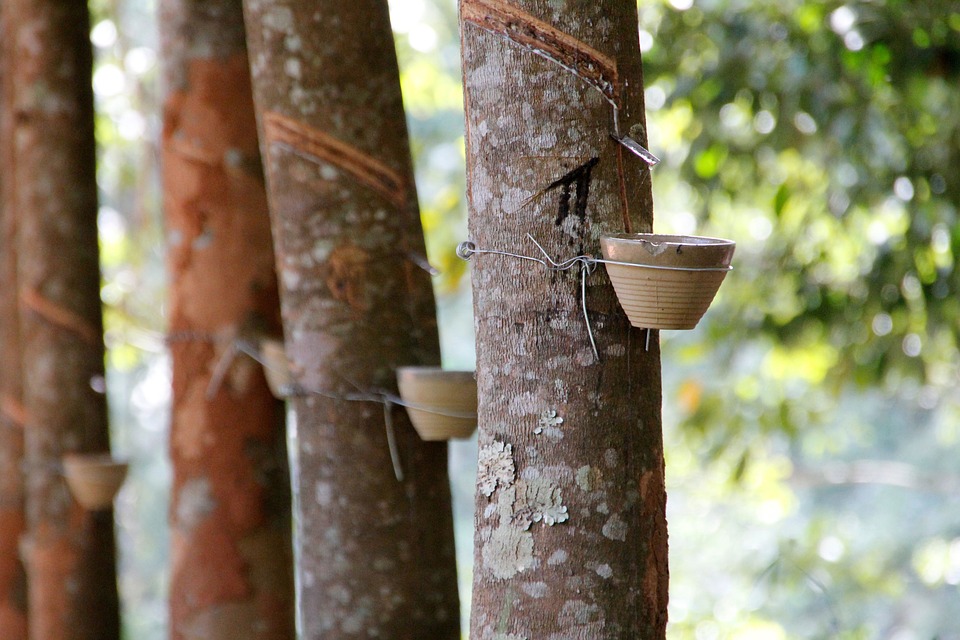
Add one half ounce of resin. (The gum or sap of some trees, such as pine, produces a yellow or brown substance called resin. It is used in medicine and varnishes.)

Next, a half-ounce of gum-shellac is added. (Shellac is purified lac used in varnishes, inks, and paints. Old phonograph records—78 rpm—contained shellac.)

A few drops of aniline brown are then added to the mixture. I’d never heard of this. According to Merriam Webster Dictionary, aniline is a poisonous oily liquid obtained by reducing nitrobenzene.

Let this mixture stand overnight.

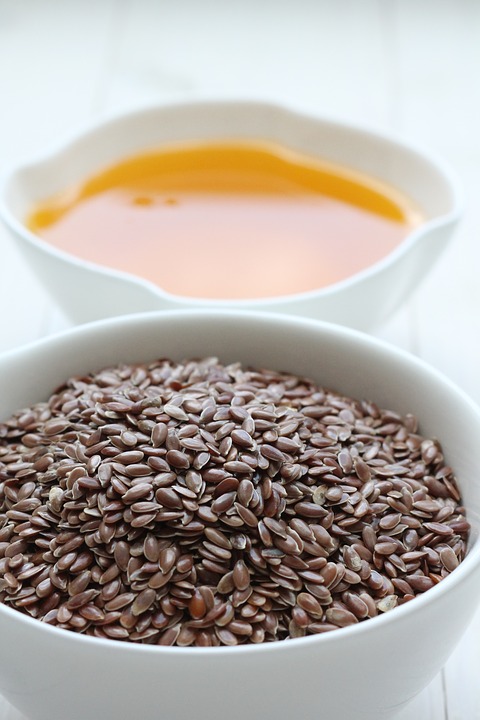
The next day, add the final 2 ingredients—12 ounces of raw linseed oil and 1 cup spirits of turpentine. Linseed oil is yellowish drying oil obtained from flaxseed. It’s used in ink, paint, and varnish. Used as a solvent, spirits of turpentine—also called turpentine and oil of turpentine—is distilled resin from trees.

Shake the mixture well before applying with cotton flannel. Rub dry with a different cloth.

My furniture polish doesn’t list ingredients so I don’t know if these have changed over the years. Kind of fun to find out how folks lived a century or two ago.

-Sandra Merville Hart

Sources

American Heritage® Dictionary of the English Language, Fifth Edition. Copyright © 2016 by Houghton Mifflin Harcourt Publishing Company. Published by Houghton Mifflin Harcourt Publishing Company. All rights reserved.

“Aniline,” Merriam Webster, 2018/12/26 https://www.merriam-webster.com/dictionary/aniline.

Compiled from Original Recipes. Buckeye Cookery and Practical Housekeeping, Applewood Books, 1877.

“Linseed Oil,” Merriam Webster, 2018/12/26 https://www.merriam-webster.com/dictionary/linseed%20oil.

“Resin,” Merriam Webster, 2018/12/26 https://www.merriam-webster.com/dictionary/resin.

“Turpentine,” Wikipedia, 2018/12/26 https://en.wikipedia.org/wiki/Turpentine.

United States Christian Commission


On November 14, 1861, a meeting of the Young Men’s Christian Association (YMCA) established the United States Christian Commission (USCC.) They were concerned with soldiers’ and sailors’ spiritual welfare and wanted to bring them to Christ.

Philadelphia merchant George Hay Stuart was the chairman. John A. Cole was general field agent.

Delegates of USCC helped regimental chaplains in caring for the soldiers. They gave religious tracts, hymnals, Bibles, and pocket testaments to soldiers. They held worship services, prayer meetings, and Bible Studies.

According to Chaplain William R. Eastman, 72nd New York, USCC provided a tent canvas for log chapels in the winter of 1863-64 near Brandy Station, each seating over 100 soldiers. Two daily services were held at City Point, Virginia—a 2:00 prayer meeting and 7:00 preaching service.

USCC also provided for physical needs. They carried no weapons yet went to battlefields, army camps, and hospitals. They worked as nurses. From the winter of 1863 on, they had about 100 Diet Kitchens to provide light meals. They gave stamps and stationery to soldiers for writing those important letters to loved ones back home.

They also provided coffee, a beverage dearly loved by soldiers. Their coffee wagons became popular. These wagons, traveling 8 miles per hour down rows of soldiers, supplied coffee for 1,200 men each hour. Hot coffee must have been quite a treat on a cold winter’s day.

Over 5,000 USCC volunteers traveled with the Union army throughout the South. Dwight Lyman Moody served as a volunteer. He held revival meetings at Confederate prisoner-of-war camps in Chicago, handing out pocket-sized Bibles.

-Sandra Merville Hart

Sources

Frey, Rebecca J. “U.S. Christian Commission,” Encyclopedia.com, 2018/12/28 https://www.encyclopedia.com/history/applied-and-social-sciences-magazines/us-christian-commission.

“United States Christian Commission,” Ohio History Central, 2018/12/28 http://www.ohiohistorycentral.org/w/United_States_Christian_Commission.

“United States Christian Commission,” Wikipedia, 2018/12/28 https://en.wikipedia.org/wiki/United_States_Christian_Commission.

Williams, Rachel. “The United States Sanitary and Christian Commissions and the Union War Effort,” National Museum of Civil War Medicine, 2018/12/27 http://www.civilwarmed.org/commissions/.

Shenandoah Hearts by Carrie Fancett Pagels

Part of The Backcountry Brides Collection – Eight 18th Century Women Seek Love on Colonial America’s Frontier

 This novel captured my interest immediately.

The Prologue opens with Magdalene Sehler working for silversmith Jacob Owens. Magda is a silversmith in 1753. They have a great friendship yet she longs for more. She waits in vain for him to propose as her family plans a move from Philadelphia to Shenandoah Valley.

Jacob loves Magda and longs to marry her. According to her younger brother, Magda does not care for him. He silently watches as she moves to Virginia yet soon lives in a settlement near her.

Native Americans in the area are upset with some of the pioneers.

Magda learns that the wilderness is a dangerous place to live.

The characters in this novella faced both internal and external struggles. As a history lover, the setting kept me turning pages as much as the story.

I’m looking forward to reading more books by this author.

-Sandra Merville Hart

Christianbook.com

Lemon Snaps Recipe from 1877

When my sister asked me to bring lots of cookies to her Super Bowl party, I took that as an invitation to try a few old-fashioned recipes. Mrs. E. L. C. of Springfield is the 1877 baker who shared this cookie recipe.

Though the original baker left out a few important details, I’m happy to say that I only had to make this recipe once—and the cookies were a hit! Or since this was for a Super Bowl party, maybe I should say they were a touchdown. 😊

Dissolve ½ teaspoon of baking soda into 2 teaspoons of hot water. Set aside.

Cream together 1 cup of sugar and 10 tablespoons of butter. Stir in the prepared baking soda.

Mrs. C. simply said to flavor with lemon. I added the zest of 2 lemons, the juice of 1 lemon, and ½ teaspoon of lemon extract to the batter.

Since this was for a Super Bowl party where one of the teams wore yellow, I added yellow food coloring to the batter.

Mrs. C. was another one who advised adding “flour enough to roll thin.” I used 1 ½ cups of flour, blending into the wet ingredients a little at a time.

Lightly flour the counter and rolling pin and then roll out the batter. Cut into desired shapes.

Spray a baking sheet with cooking spray or line with parchment paper. The cookies flatten while baking so allow room between them. Bake cookies at 350 degrees about 9 – 11 minutes.

Delicious! Wonderful lemony flavor really came through. Guests loved the texture and flavor. If you like lemony desserts, this is the cookie for you.

I’d definitely make these again.

I’d love to hear if you try it.

-Sandra Merville Hart

Sources

Compiled from Original Recipes. Buckeye Cookery and Practical Housekeeping, Applewood Books, 1877.