Civil War Food Prices Escalate in Richmond

by Sandra Merville Hart

The Confederate Capitol was officially transferred to Richmond, Virginia, on May 21, 1861. Confederate President Jefferson Davis moved there with his family.

Richmond’s prewar population of 38,000 swelled to 100,000 by 1865. This caused food shortages as the war continued.

By early 1862, the cost of food had risen. Bacon was 25 cents a pound. Butter was up to 50 cents a pound. Beef had risen from 13 to 30 cents a pound for poor quality meat. Fish, even shad or rockfish, was expensive.

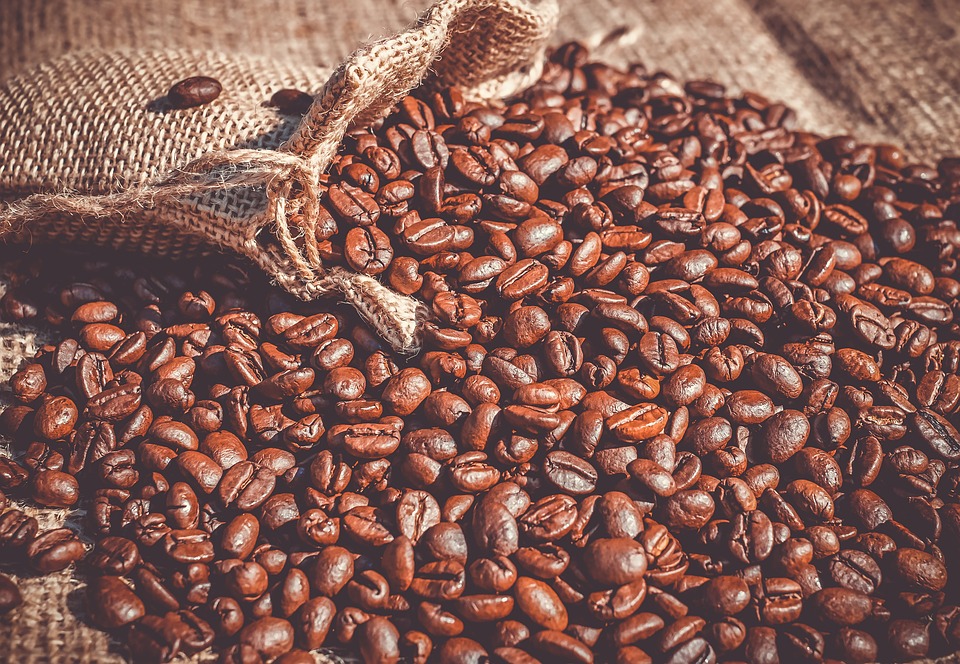
Folks paid $1.50 for a pound of coffee. At that price, ladies used roasted rye or roasted corn as substitutes for coffee. Some used dried willow leaves to replace tea.

As the war continued, some residents resorted to “Dutch treats,” when entertaining guests at dinner parties. Guests attending such dinners provided delicacies like brandied peaches, sardines, or French prunes for the meal.

Oriental’s Bill of Fare dated Monday, December 21, 1863, shows a variety of choices. This Richmond restaurant boasted of “Game of All Kinds (In Season)” and “Meals Furnished at All Hours.”

Here are a few of their menu items and prices:

Soups: Beef, Chicken, Vegetable, Clam, Oyster, Terrapin, Turtle, Mock Turtle—$1 each

       Fowls: Roast Turkey, Roast Goose, Roast Ducks, Roast Chicken—$3 per plate

       Fish: Shad, Perch, Herring, Crabs and Lobsters—$3 per plate

       Meats: Roast Beef, Roast Mutton, Roast Lamb, Roast Veal—$3 each

      Steaks: Beefsteaks, Pork Steaks, Mutton Chops, Veal Cutlets, Venison Steaks—$3 each

       Sundries: Ham and eggs, Poached eggs, Scrambled eggs, Fried eggs, Omelets—$3 each

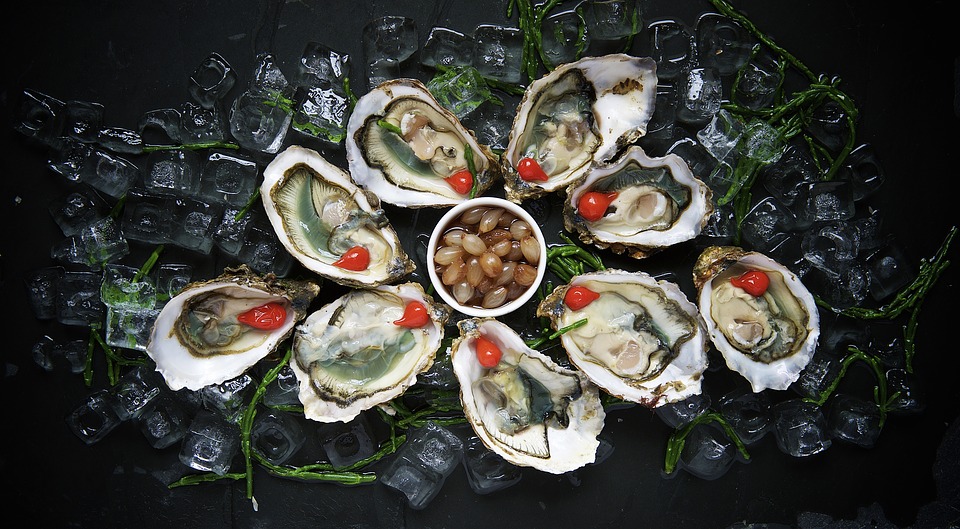
       Oysters: Fried oysters, Scalloped oysters, Raw oysters—$3 each

       Birds: Partridge, Robin, Snipe, Woodcock–$3 per pair

       Vegetables (many choices marked as unavailable): Irish Potatoes, Sweet Potatoes, Cabbage, Lettuce, Onions, Celery—50 cents

      Non-alcoholic beverage choices were Pure coffee—$2.50, Pure tea—$2, Fresh milk—50 cents.

     Wines: Champagne, Madeira, Claret, Port

     Liquors: French Brandy, Apply Brandy, Peach Brandy, Rye Whiskey

     Malt Liquors: Ale, Porter

Even Fine Havana Cigars were on the menu. It’s difficult to read the prices for the alcoholic drinks and determine if it was sold by the bottle or glass. For instance, champagne has $40 marked by it in pen.

In contrast, Corinthian Hall’s Bill of Fare, from March 28, 1864, shows price increases in only three months. These are grouped by price:

     $7.50—Ham and Eggs, Tenderloin Steak, Beefsteak and Onions, Oyster Fried, Oyster Boiled, Oyster Scalloped

       $5—Veal Cutlets, Mutton Chops, Boiled Ham, Fish, Omelet-herb

       $2—Potatoes cream, Potatoes fried, Celery, Toast, Butter

       $4—Coffee per cup

These old menus give us a glimpse back into history—what a treasure!

Sources

“Richmond in the Midst of the Civil War,” Virginia Museum of History & Culture, 2021/02/04 https://www.virginiahistory.org/collections-and-resources/virginia-history-explorer/richmond-midst-civil-war.

Mortimer, Gavin. Double Death: The True Story of Pryce Lewis, the Civil War’s Most Daring Spy, Walker & Company, 2010.
Feeding the Sick and Wounded in Civil War Richmond

by Sandra Merville Hart

The Confederate Capitol was officially transferred to Richmond, Virginia, on May 21, 1861. Confederate President Jefferson Davis moved there with his family.

The city with a prewar population of 38,000 swelled to 100,000 by 1865.

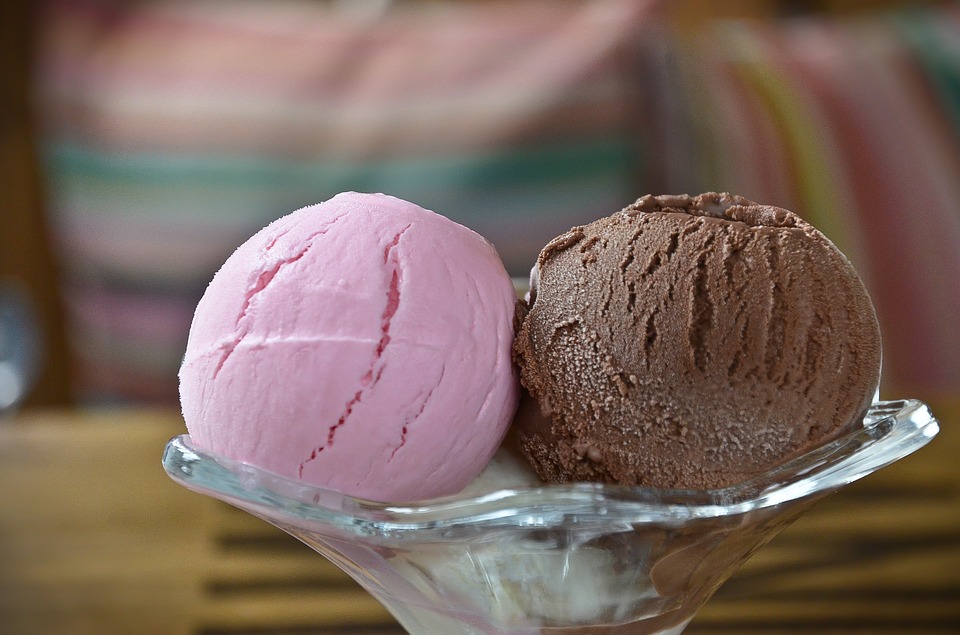
Soldiers were part of that number, including sick and wounded at over thirty hospitals. The largest of these was Chimbarazo—included in its 120 buildings was a bakery. Winder Hospital had 98 buildings with a farm.

One of the smaller hospitals was Mississippi Hospital No. 7 at Howard’s Grove. The surgeon in charge was William J. Moore in 1862. A patient’s diet could be restricted to “full,” “half,’ or “light” by the doctors. I found a copy of the Bill of Fare for this hospital in 1862.

Choices in a Full Diet included:

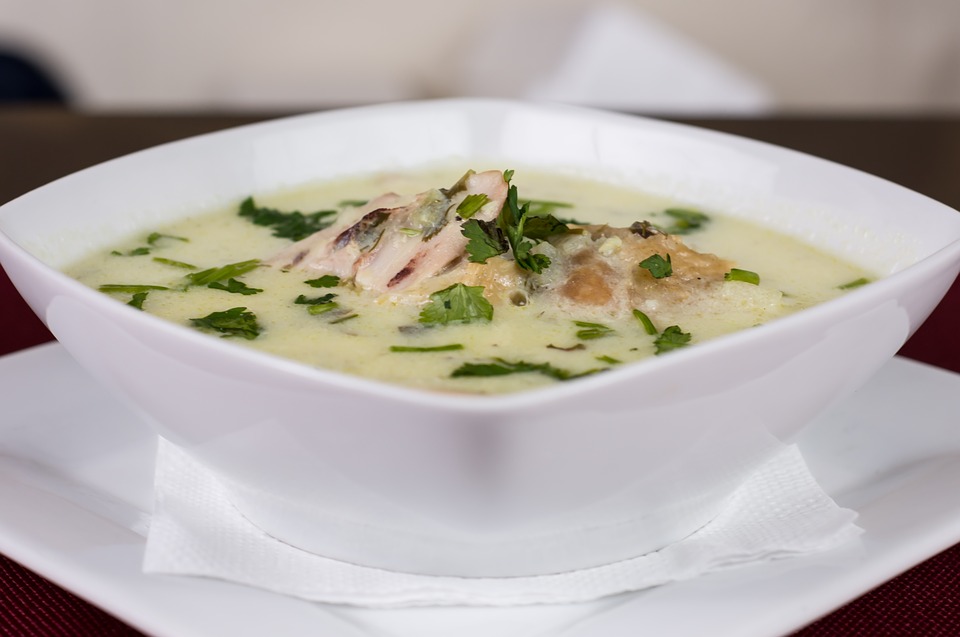
Soups: Beef, Chicken, Oyster

       Fish: Perch, Trout, Cat Fish*

       Roasts: Beef, Mutton, Pork, Chicken, Duck

       Boiled: Beef

       Fricassee (stewed or fried meat served in a thick white sauce): Mutton Chops, Beefsteak*, Chicken, Pork Chops, Sausage, Venison, Quail, Eggs

       Vegetables: Irish Potatoes, Sweet Potatoes, Cabbages, Onions, Beets, Carrots, Celery

Choices in a Half Diet included:

Soups: Beef, Chicken, Oyster

       Fish: Perch, Trout, Cat Fish*

       Boiled: Chicken, Eggs

       Vegetables: Irish Potatoes, Sweet Potatoes, Onions

Choices in a Light Diet included:

Butter Toast, Milk Toast, Dry Toast, Roast Apples, Oyster Soup, Beef Tea, Rice Pudding, Rice Boiled, Custard Pudding, Molasses, Soft Boiled Eggs

       Breads: Biscuit, Rolls, Egg Bread, Corn Bread*, Baker’s Bread, Family Bread

Beverage choices were coffee, chocolate, green & black tea, milk.

Surgeons could order extras for patients:

Blanc Mange*, Wine Whey, Calve’s* Feet, Arrow Root Pudding, Oranges, Apples

Food shortages due to the swelled population affected Richmond as the war continued. It’s likely that a later menu wouldn’t contain these same choices.   

*Spelling from 1862 menu

Sources

“10 Facts Richmond Virginia,” American Battlefield Trust, 2021/02/04 https://www.battlefields.org/learn/articles/10-facts-richmond-virginia.

“Richmond in the Midst of the Civil War,” Virginia Museum of History & Culture, 2021/02/04 https://www.virginiahistory.org/collections-and-resources/virginia-history-explorer/richmond-midst-civil-war.

Mortimer, Gavin. Double Death: The True Story of Pryce Lewis, the Civil War’s Most Daring Spy, Walker & Company, 2010.
Pizzini Confectioners in Civil War Richmond

by Sandra Merville Hart

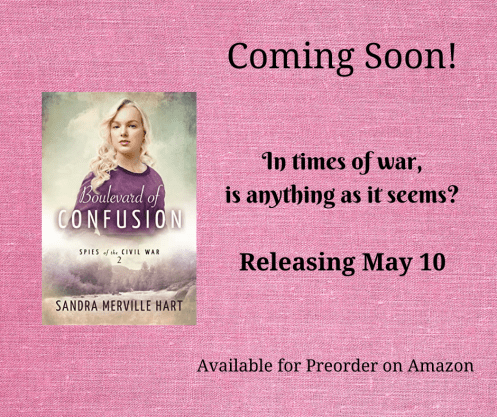
Pizzini’s Confectionery Palace, located at 807 Broad Street in Richmond, Virginia, was known as the “Napoleon of Confectioners” by 1852. Famous among city residents for delicious ice creams, Pizzini’s also sold cakes, candy, and fruit.

Advertisements in Richmond’s Daily Dispatch from November 15, 1873 show that Pizzini’s sold Havana oranges, Lisbon grapes, figs, and wine jelly. Malaga grapes were 50 cents a pound. Dates were 25 cents for 2 pounds. Pizzini’s advertised “cocoanut” (coconut) cream candy and “cocoanut” caramels.

The same edition showed they did have competition. Wood & Son’s mineral water depot seemed to specialize in hot soda water. Apparently, the ladies’ favorite was hot soda water with chocolate and cream. It was available with coffee, tea, cream, or chocolate. Healthy, delicious hot soda and chocolate—advertised as recommended by physicians—was only 10 cents a glass.

There were several confectioners, restaurants, and bakeries in Richmond during the Civil War (1861-65.) Some are listed simply under the owner’s name. You may notice a number of female owners in the group.

Here are a few of the confectioners: Mrs. Kate Taylor, confectionary; A. Pizzini, confectionery; Antoni & Catogni, confectioners; Jas Lombardi, confectioner; and Mary Kumpner, confectioner.

Besides the dining rooms of the hotels, there were several restaurants: Tom Griffin, restaurant; John Macpherson, restaurant; “Brandy Station” Restaurant; Phillip White, restaurant; John A. Worsham, restaurant; Manassas Hall, restaurant; Planters’ Eating House; and “Star Saloon,” restaurant.

There were a few bakers: Jefferson Powers, baker; R. Adam, baker; _____ McNaughter, baker; and Ragland & Co., bakers, among others.

Pizzini’s was one of the businesses damaged by fire when the Confederate government evacuated Richmond on April 2, 1865. As the 1873 newspaper ads show, they recovered to thrive once again.

boulevard-of-confusion-coming-soon-meme

Sources

“Daily Dispatch, Volume 45, Number 120, 15 November 1873,” Virginia Chronicle, 2021/02/03 https://virginiachronicle.com/?a=d&d=DD18731115.1.1&e=——-en-20–1–txt-txIN——–.

“Details of the Evacuation, April 8, 1865,” The New York Times, 2021/02/03 https://www.nytimes.com/1865/04/08/archives/details-of-the-evacuation-the-evacuation-of-richmond-by-the.html.

“From the Richmond Examiner, 2/22/1866,” Civil War Richmond, 2021/02/03 https://civilwarrichmond.com/culture/food-supply/6118-1866-02-22-richmond-examiner-notice-that-pizzini-s-confectionery-palace-on-broad-street-does-immense-business-and-he-is-known-as-the-napoleon-of-confectioners.

“From the Richmond Whig, 4/15/1865,” Civil War Richmond, 2021/02/03 http://www.mdgorman.com/Written_Accounts/Whig/1865/richmond_whig_4151865d.htm.

Mortimer, Gavin. Double Death: The True Story of Pryce Lewis, the Civil War’s Most Daring Spy, Walker & Company, 2010.
“Pizzini Celebration at Slash Cottage,” Newspapers.com, 2021/02/03 https://www.newspapers.com/clip/37349473/pizzini-celebration-at-slash-cottage/.

Mom’s Yellow Cake

by Sandra Merville Hart

My mom has been gone for several years. I always miss her but I find myself thinking of my parents more often during the holidays.

After I got married, I loved being invited to dinner at their house—especially when there was no specific reason. “Come to supper on Thursday,” she’d call me to say. “No need to bring anything since you’ll be working all day. I’ll make a cake.”

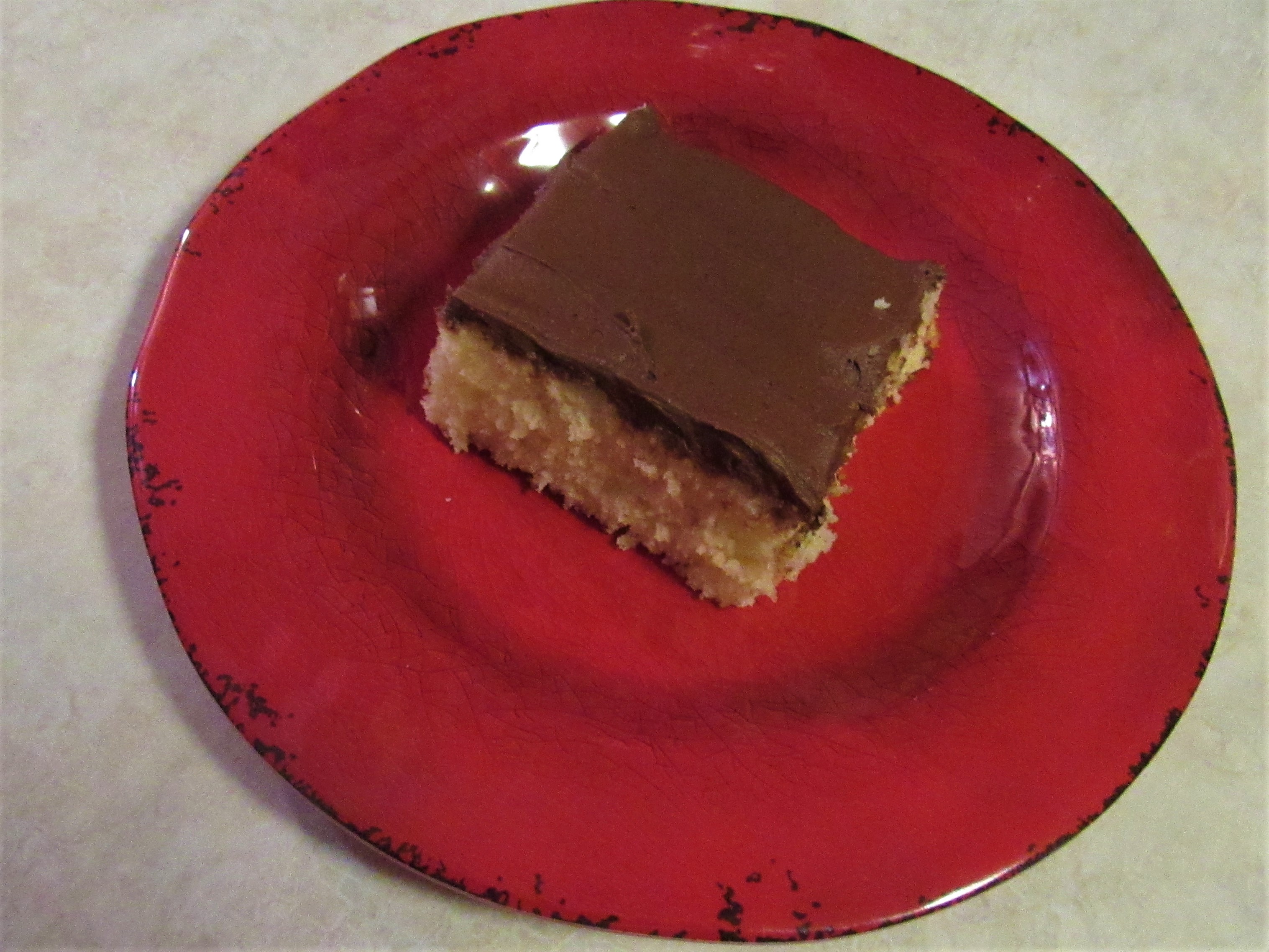
What a precious invitation! No need to worry about supper. My mom was cooking. And she’d make dessert. She often made yellow cake because the ingredients were readily available. I got nostalgic for that cake and recently made it.

Here’s her recipe:

(Makes 2 9-inch layers)

2 ½ cups sifted cake flour

1 tsp. salt

3 ½ tsp. double-acting baking powder

1 2/3 cups sugar

2/3 cup shortening (I use butter)

¾ cup milk

Blend all these ingredients thoroughly by hand or mixer on medium speed for 2 minutes. Add:

½ cup milk

3 eggs

1 tsp. vanilla

Blend by hand or mixer on medium speed for 2 minutes. Spray cake pans with cooking spray and pour the batter into the prepared pans. Bake at 350 degrees about 35 minutes or until lightly browned. If using self-rising flour omit baking powder and salt. Cool and frost.

Just reading the recipe took me back in time to my mom’s kitchen where she blended everything together in her stand mixer. We’d get a spoon of leftover batter from the bowl. Yum!

Hint: I didn’t have cake flour but this is easily remedied. Remove 2 tablespoons of flour per cup of all-purpose flour and replace with 2 tablespoons of cornstarch.

This makes a nice, creamy batter. Remember to sift the flour—it removes any clumps and lightens the batter.

We usually ate unfrosted cakes because we didn’t have confectioners powdered sugar to make the icing. When my mom did make icing, it was either vanilla or chocolate. I no longer have her icing recipe. I made chocolate buttercream frosting.

Delicious! It’s a basic yellow cake yet the flavor took me back to my childhood when desserts were a rare treat. It was my mom’s “go-to” cake when guests arrived unexpectedly.

I hope you enjoy the cake!

Sources

“Chocolate Buttercream Frosting,” Live Well Bake Often, 2020/12/13

https://www.livewellbakeoften.com/chocolate-buttercream-frosting/.

Cherry Cake

by Sandra Merville Hart

I’ve been watching The Great British Baking Show and learning a lot about dishes that are new to me. Even more helpful is The Great British Baking Show Masterclass, where talented bakers Paul Hollywood and Mary Berry demonstrate their own recipes.

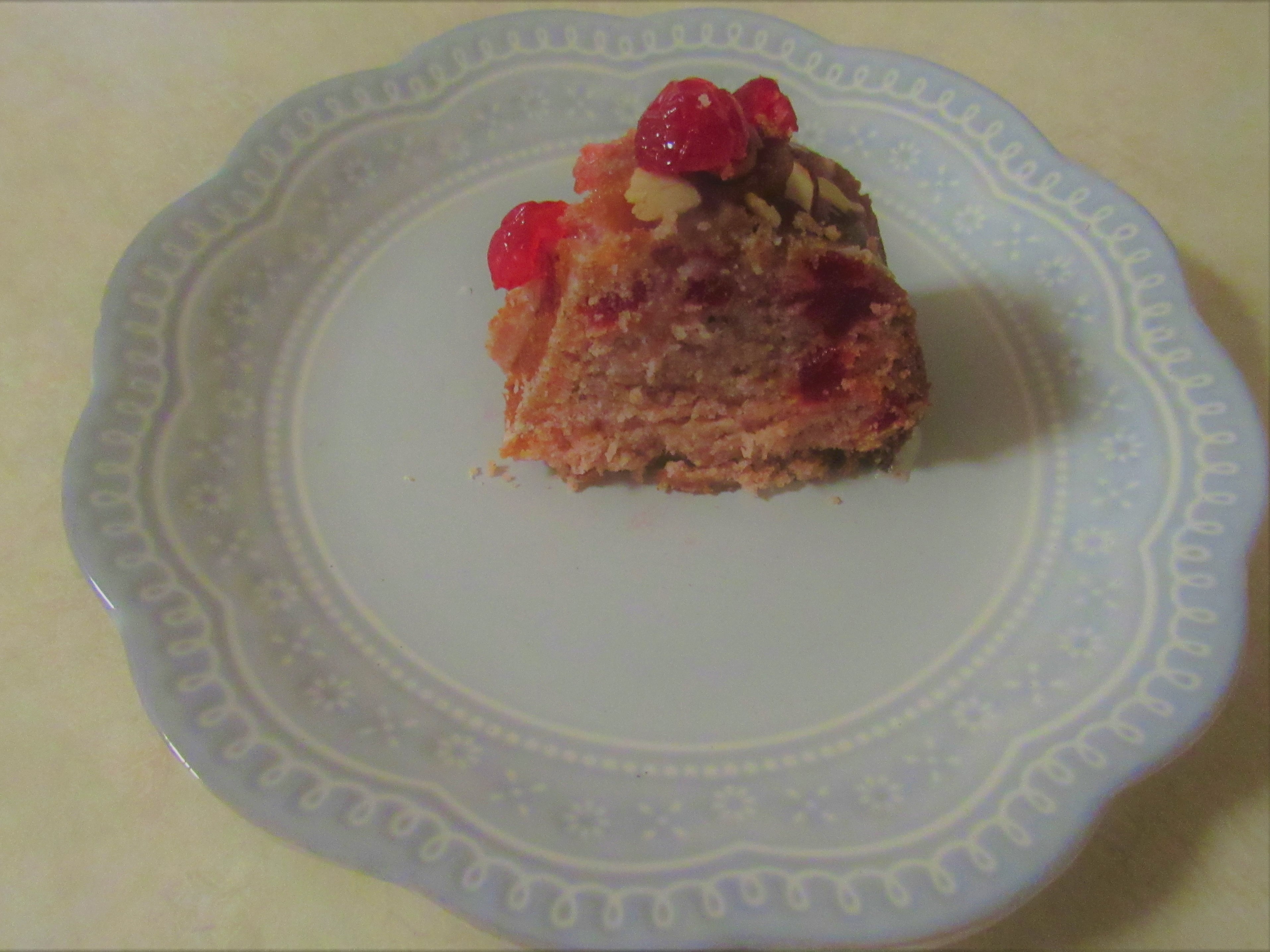
Mary Berry demonstrated a recipe for cherry cake. I watched it a couple of times. It looked so delicious that I had to make it.

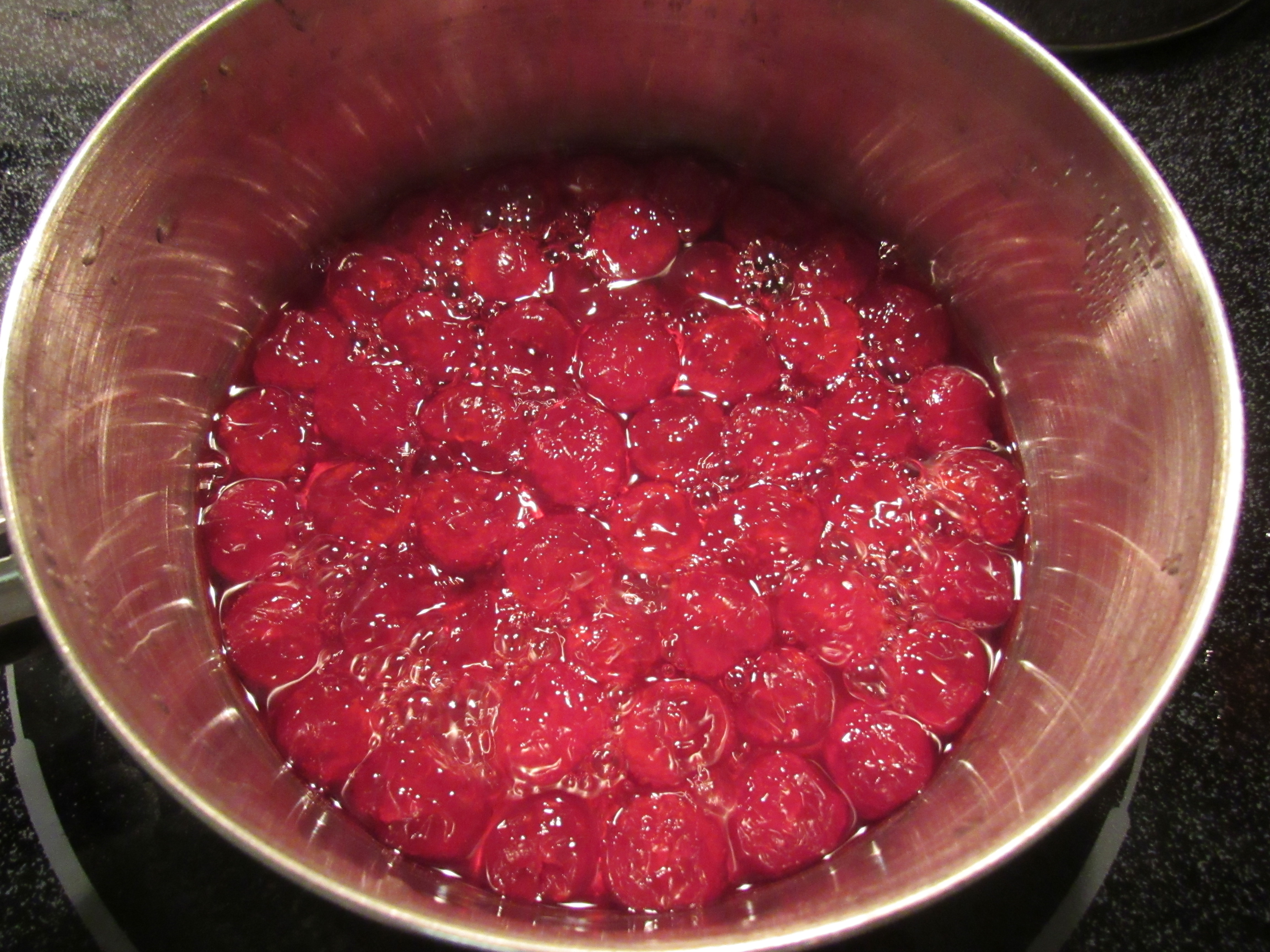
I didn’t find red glace cherries as suggested by Mary’s recipe so I bought maraschino cherries instead. I found a   recipe to make these candied for use in the cake. This took about an hour.

Once the candied fruit was cool, I sliced about a cup of them into quarters. This took a few minutes. I rinsed the quartered fruit, dried them with a paper towel, and then set them aside.

I had extra cherry juice left over from the maraschino cherries so I added ¼ cup of it to the batter. Otherwise, I followed the  recipe.

Unfortunately, my cake stuck to the Bundt pan even though I had buttered it well. Not well enough, apparently. Also, I think the cake needed to cool a few minutes longer so I’ll give it an extra half hour next time before turning it out.

The lemon icing was delicious with the cherry cake. Everyone who tried it enjoyed the flavor of the candied fruit that didn’t overpower the cake.

A very nice cake! I will bake it again.

I’m so glad I tried it. Let me know what you think if you make it.

Sources

“Cherry Cake,” PBS.org, 2020/11/243 https://www.pbs.org/food/recipes/cherry-cake/.

DIY Candied Cherries, King Arthur Baking Company, 2020/11/24

https://www.kingarthurbaking.com/recipes/diy-candied-cherries-recipe.

Keto Chocolate Mousse

by Sandra Merville Hart

I planned to make dessert for a family gathering over the holidays. My son-in-law, who has been following the Keto diet for months, asked me to make something he could eat without cheating.

Since I was making a frozen chocolate mousse pie for everyone else, I decided to make a version for him that he felt good about eating.

Searches online revealed lots of possibilities. I settled on a Quick Keto Chocolate Mousse, partially because I had all the ingredients in my fridge or pantry.

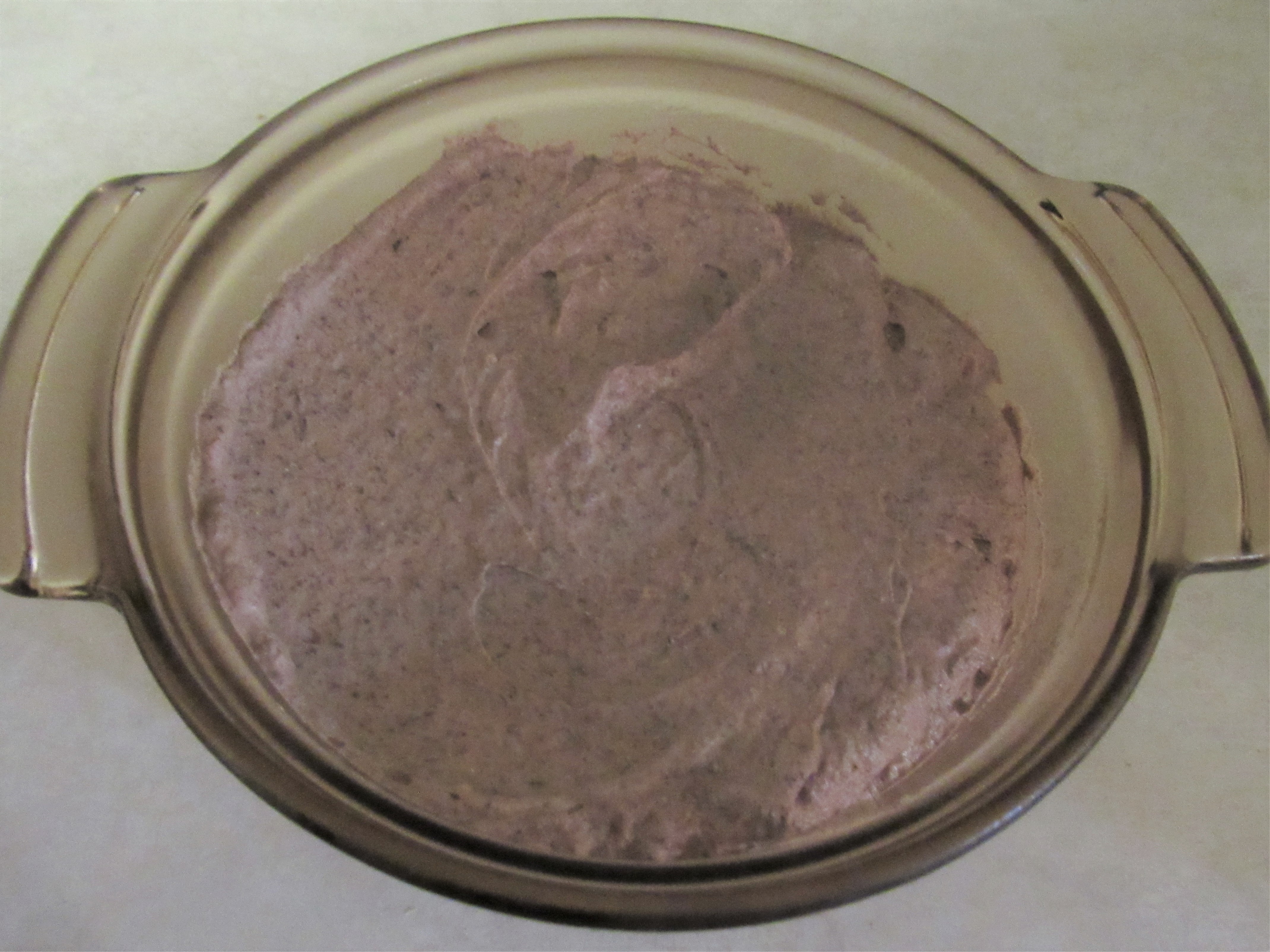
I melted unsweetened baking chocolate and used it instead of cocoa powder. My zero-calorie sweetener was Sweet’N Low because the package contained a great chart showing exactly how many packets equaled ¼ cup, 1/3 cup, ½ cup, and 1 cup of granulated sugar. The original recipe calls for ¼ cup powdered zero-calorie sweetener.

To ensure there was leftover dessert, I tripled the recipe.

What an easy dessert to prepare! My son-in-law was thrilled to enjoy chocolate mousse while everyone else ate pie.

You might prefer a different sweetener.

I’m so glad I tried it. Keto lovers, let me know what you think if you make it.

Sources

“Quick Keto Chocolate Mousse,” Allrecipes, 2020/11/26 https://www.allrecipes.com/recipe/270598/quick-keto-chocolate-mousse/.


Flaounes


by Sandra Merville Hart

I’ve been watching The Great British Baking Show and learning a lot about dishes that are new to me. Even more helpful is The Great British Baking Show Masterclass, where talented bakers Paul Hollywood and Mary Berry demonstrate their own recipes.

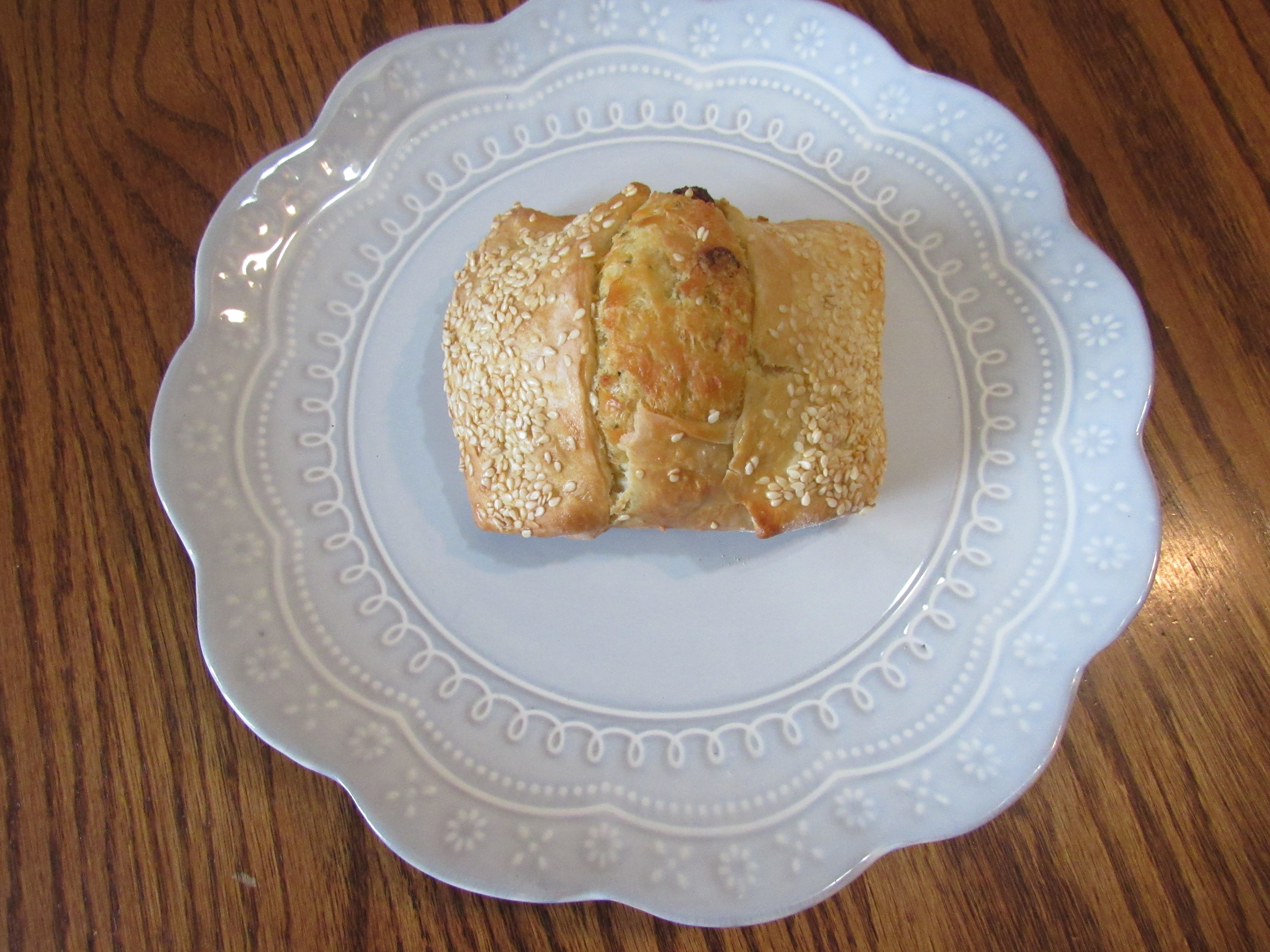
Paul Hollywood demonstrated a recipe for flaounes, a new dish to me. With the cheese filling baked with the pastry, it looked delicious. I watched him prepare the flaounes several times and wrote down all the instructions.

Finding the ingredients for this Cypriot pastry challenged me. I found Pecorino Romano cheese at a cheese shop while on vacation. The shop sold a wide variety of cheeses but I didn’t recall the name of the Halloumi cheese at the time. I found it later at a specialty grocery store.

Semolina flour is a new flour for me. My local grocer carries it.

I wasn’t able to find sultanas, which are made from green seedless grapes. I substituted raisins for sultanas.

Mahlepi, a Greek spice, wasn’t available in specialty grocery stores near more so I left it and the mastic powder out of my recipe. I’m certain this made a difference in the flavor, but I have to say it was delicious without them too.

Other than those differences, I followed his recipe. May I say that I appreciated his skills with pastry more than ever after making the dough. There is something to be said for years of experience.

Flaounes are a completely new flavor for me. The Halloumi cheese, a crumbly wet cheese, was also new to me.

The cheese filling really made the whole dish. It’s a filling lunch. I ate several bites before deciding that I really liked it.

I’m so glad I tried it. Let me know what you think if you make it.

Sources

“Flaounes,” BBC Food, 2020/11/23 https://www.bbc.co.uk/food/recipes/pauls_flaounas_89782.

“Raisins vs Sultanas vs Currants: What’s the Difference?” Healthline, 2020/11/23

https://www.healthline.com/nutrition/raisins-sultanas-currants.

New Year’s Day Dinners in the 1870s

by Sandra Merville Hart

My dad always wanted black-eyed peas as a side dish on New Year’s Day. He said that it brought good luck into the new year. I’ve carried on this tradition for my family.

Looking for ideas for meals to serve on the first day of the year?

Here are some suggestions for New Year’s Day from an 1870s cookbook.

Suggestions for meat dishes:

Raw oysters, mock turtle soup;

Boiled turkey with oyster sauce;

roast haunch of venison, currant jelly;

deviled crabs;

cold sliced ham

There were plenty of side-dishes:

Beets, stuffed cabbage, potato souffle, baked turnips, lima beans, dried corn, canned pease (peas);

Indian bread, French rolls, biscuits, rye bread;

Chicken salad;

Celery, cold slaw garnished with fried oysters, pickled walnuts, variety of pickles;

Plums, peaches, sweet pickled cucumbers, gooseberries, spiced currants

There were lots of dessert choices:

English plum pudding, Bohemian cream; Orange souffle,

Pies—mince, potato, and chess;

Cakes—black, Phil Sheridan, pyramid pound;

Oranges, figs, nuts, raisins

Beverage choices were coffee, tea, and chocolate.

If you are wondering what to serve for New Year’s Day dinner, there are plenty of choices here!

Sources

Compiled from Original Recipes. Buckeye Cookery and Practical Housekeeping, Applewood Books, 1877.


Peppernuts

by Sandra Merville Hart

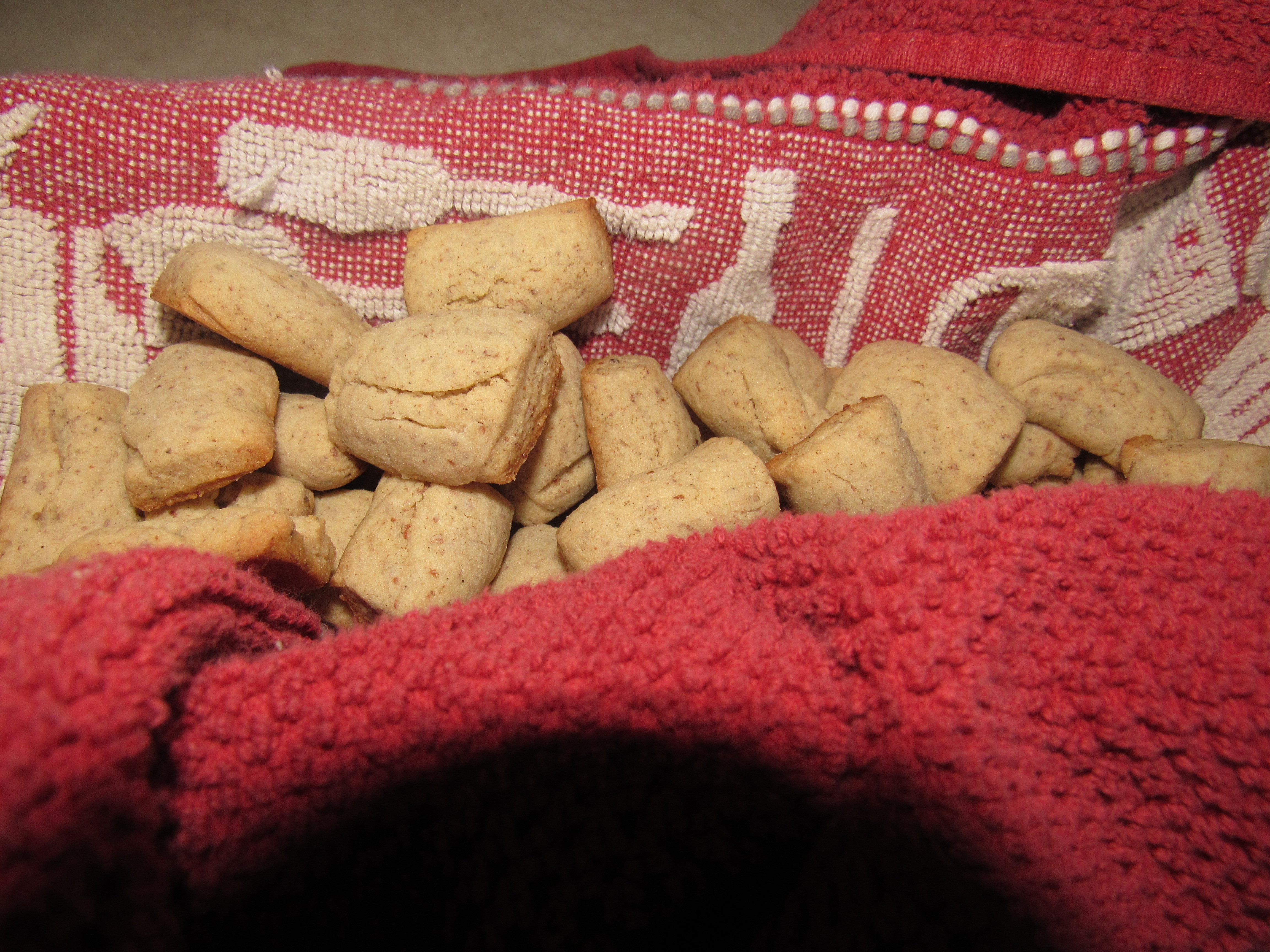
I recently found that Christmas dinner in the 1870s included lots of desserts. One of them was a cookie called peppernuts. This Danish cookie is also known as Pfeffernusse. To my knowledge, I’ve never eaten or even seen this cookie and decided to try it.

There are no nuts or pepper or spices in the 1870s by Mrs. Emma G. Rea, so I imagined the cookie earned its name from being small-sized. I found a modern recipe that contained ground almonds and several spices—cardamom, cinnamon, ground cloves, allspice, and nutmeg. I decided to make both recipes and compare.

For the 1870s recipe, combine 1 cup of sugar with ½ cup butter until completely blended. Stir in 2 beaten eggs and 2 tablespoons of milk.

Mrs. Rea’s recipe then calls for “flour enough to roll.” There’s a lot of guesswork with these historical recipes. I started out with 1 cup of flour and mixed in 1 teaspoon of baking powder with it. Then I added a ¼ cup of flour at a time until it was just “enough to roll,” about 1 ¾ cups in total.

I chilled the dough for about 30 minutes.

I used a method from the modern recipe that suggested rolling the dough into half-inch ropes and slicing into half-inch pieces. This was quick and easy.

Bake at 375 degrees 8 – 10 minutes or until lightly brown.

The cookies flattened out in the baking, so I’ll increase the flour next time I bake them to 2 cups.

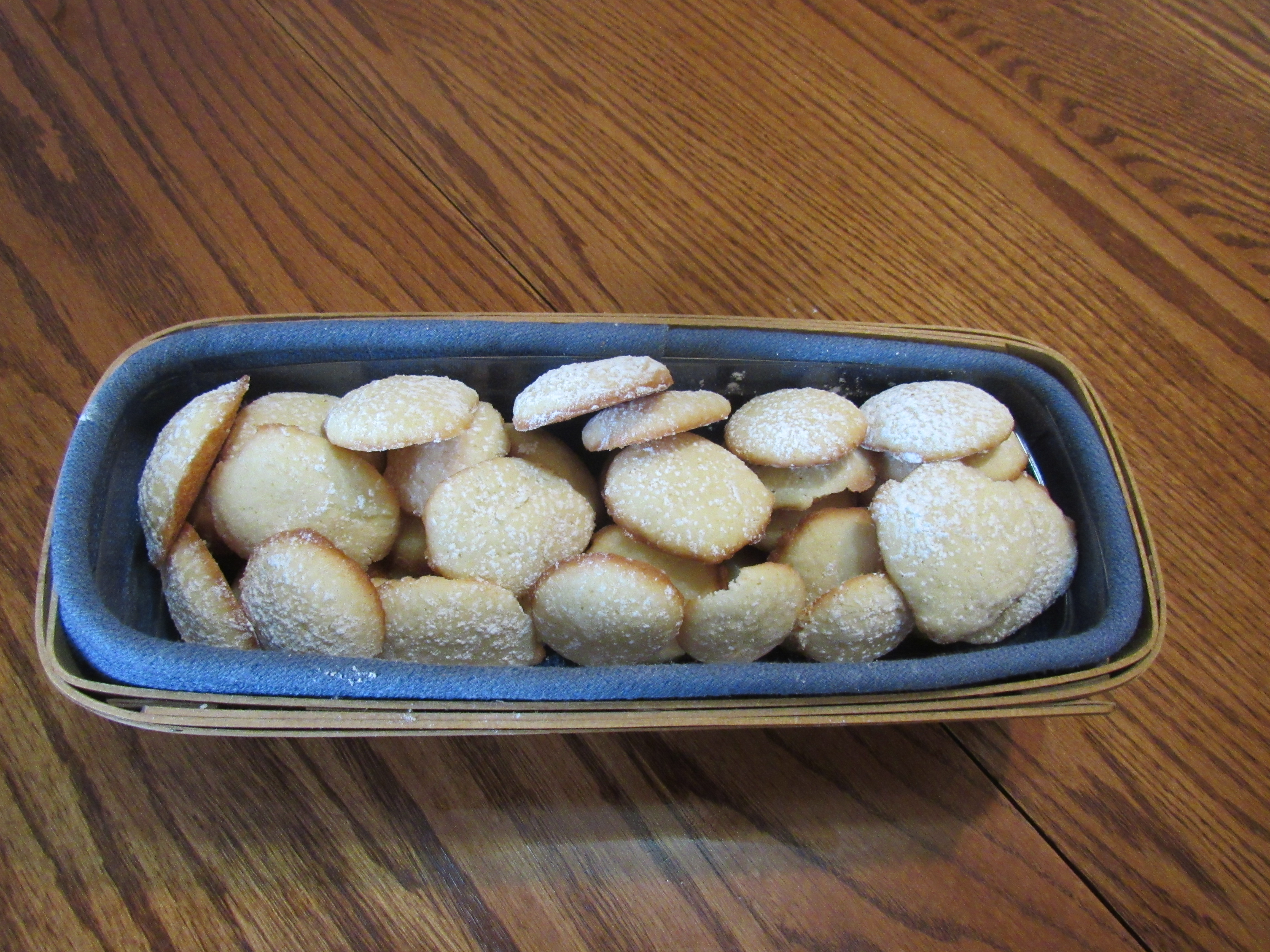
These cookies were delicious! What an easy cookie recipe with ingredients usually kept on hand. The cookies reminded me of vanilla wafers, even though there is no vanilla in them. Family who tried them went back for more again and again.

I then made the modern recipe that used ground almonds and several spices. Delicious! I chilled this dough about 30 minutes the same as the first recipe. These cookies use more flour and retained their shape in the oven.

My husband prefers the old-fashioned recipe. They are so different that it didn’t seem like the same cookie to me. I liked them both.

Sources

Compiled from Original Recipes. Buckeye Cookery and Practical Housekeeping, Applewood Books, 1877.

Ojakangas, Beatrice. “Peppernuts, Food Network, 2020/11/23 https://www.foodnetwork.com/recipes/peppernuts-recipe-1955898.

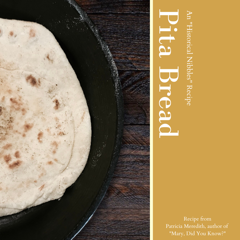
Pita Bread Recipe

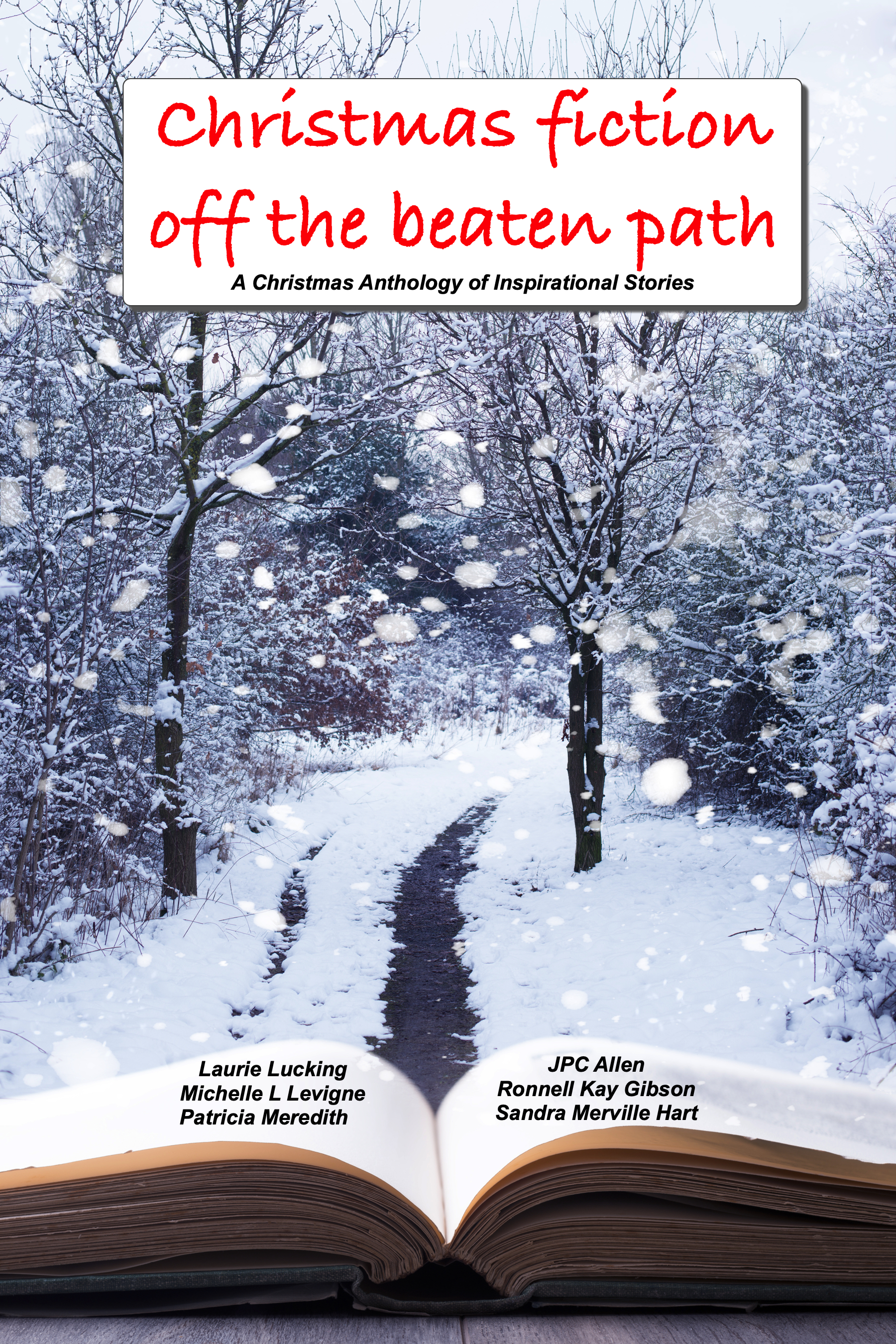
Today’s post is by fellow author, Patricia Meredith. We both have stories in Christmas Fiction off the Beaten Path, a collection of inspirational Christmas stories. Sandra’s nostalgic story is about a hard-working family  man in a difficult place called “Not This Year.” Patricia’s story was inspired by the song “Mary, Did You Know?” Welcome to Historical Nibbles, Patricia!

 by Patricia Meredith

Joseph was working late again, so it was just me and Jesus. I cut up his lamb into small pieces, praying that maybe this time he’d eat the meat without complaint.

Like most children I’d known, he hadn’t yet “acquired a taste” for meat, but it seemed to me the only thing he had acquired a taste for was bread. Bread for every meal. My hands were growing sore with all the kneading.

“You cannot live on bread alone!” I cried when he refused once again to touch anything else before him.

His lips puckered and his eyes widened, and then he shoved in another fistful of bread.

I shook my head. At least he was growing.

                                   — “Mary, Did You Know?” by Patricia Meredith

Like Mary, I love baking bread. One of my favorites is a simple Pita Bread recipe that makes a delicious, chewy bread perfect for wrapping around fresh vegetables and hummus. It’s cooked in a cast-iron skillet, which means if you cook it over an open fire, you get that nice outdoor smell and flavor added to the food, reminiscent of the way Mary might have cooked it in her home.

INGREDIENTS:

1 cup warm water

1 packet (2 ¼ tsp) active dry yeast

2 ½- 3 cups all-purpose flour

2 tsp salt

1 tablespoon olive oil (+1-2 T olive oil for cooking)

DIRECTIONS:

Mix the water and yeast and let stand for about five minutes. Add salt, olive oil, and 2 ½ cups of flour. Mix until combined and then knead with more flour for about 5-7 minutes. The dough should be smooth and elastic. Try to be sparing with the extra flour—less is better.

Run a little olive oil into a clean bowl, roll the dough in the oil, and then let the dough rest in the bowl, covered, until it’s doubled (about 1 hour).

Turn the dough out and divide it into smaller pieces. Depending on how thick you like your pita, you can usually get about 12-16 out of the risen dough. Using a floured rolling pin, roll each piece into a flat circle.

Heat a cast-iron skillet over medium heat. Drizzle oil in the pan. Lay a pita on the skillet and bake 1-2 minutes, until the bubbles start to form, keeping an eye on it. It should get toasted spots on it. Flip again and cook another 1-2 minutes on the other side. It should puff up, forming small pockets.

Remove from heat and cover with a towel. Eat hot and fresh!


About Patricia:

Patricia Meredith is the author of historical and cozy mysteries. She currently lives just outside Spokane, Washington on a farm with peacocks, ducks, guinea fowl, chickens, and sheep. When she’s not writing, she’s playing board games with her husband, creating imaginary worlds with her two kids, or out in the garden reading a good book with a cup of tea. Check out her blog at Patricia-Meredith.com, or follow her on Instagram and Facebook at @pmeredithauthor.

“Mary, Did You Know?” is one of the stories included in the Christmas Fiction Off the Beaten Path anthology. Ask for it at your favorite bookstore.

Amazon