Fannie Farmer’s Tips for Cake Flour

I purchased The Fannie Farmer Cookbook in an antique store. This book was originally published in 1896. Fannie Farmer’s name is still well-known today.

In the chapter for Cakes, the author gives some tips about the ingredients.

It turns out there are a few decisions to make about the flour used in recipes.

Firstly, all flour should be stored in airtight containers.

Secondly, some recipes call for cake flour, which has less gluten and more starch than all-purpose flour. Cake flour makes lighter cakes and can be used in any cake recipe.

Cakes made with all-purpose flour are also good, though sometimes using cake flour makes a significant difference.

Tip: If you don’t have cake flour on hand: for every cup of all-purpose flour, use 2 tablespoons less of flour in the recipe. Alternately, if you have cake flour and want to substitute it for all-purpose flour, use 2 tablespoons more of cake flour for every cup.

Thirdly, don’t use quick-mixing all-purpose flour as a substitute for cake flour. Also, don’t substitute with self-rising flour because it has both leavening and salt.

Fourthly, sifting lightens flour and mixes the dry ingredients. In older recipes, all flour was supposed to be sifted. However, flour is sifted many times during the packaging process today (1896) and the cookbook authors found that this extra step of sifting flour made no difference, except in refined cakes like angel food or sponge cakes because lighter flour makes it easier to fold in beaten egg whites.

When not sifting the flour, scoop it into the measuring cup and the level it off with a knife.

-Sandra Merville Hart

Sources

Revised by Cunningham, Marion and Laber, Jeri. The Fannie Farmer Cookbook, Alfred A Knopf Inc., 1983.


Economical Dinner Suggestions

We all have our “go to” choices for inexpensive suppers when we’re waiting for that next paycheck.

The author of 1877 Cookbook Buckeye Cookery and Practical Housekeeping included several meal choices for economical dinners.

First suggestion:

Spare ribs, cabbage, roast potatoes, rice pudding, and fruit.

Second suggestion:

Codfish, egg sauce, parsnips, horseradish, Lancashire pie, pickles, bread, and custard pie.

Third suggestion:

Boiled pork, beans, greens, potatoes, and green currant pie.

Fourth suggestion:

Fish, baked tomatoes, potato cakes, applesauce, and bread pudding.

Fifth suggestion:

Boiled beef, boiled potatoes, squash, lima beans, sliced tomatoes, and apple tapioca pudding.

Sixth suggestion:

Roast beef and potatoes, meatless bean soup, apple butter, macaroni with cheese, and custard pie.

Seventh suggestion:

Broiled chicken, meatless tomato soup, turnips, fricasseed potatoes, fresh fruit, and tomato toast.

What a list! There are some good ideas here. I had to look up Lancashire pie—it’s a potato and onion pie. I think I’ll have to try this soon.

Chicken is more of a supper staple than fish at our house, but if we lived beside the lake or ocean that might not be the case.

How about you? Did you find any gems in these lists?

-Sandra Merville Hart

Sources

Compiled from Original Recipes. Buckeye Cookery and Practical Housekeeping, Applewood Books, 1877.


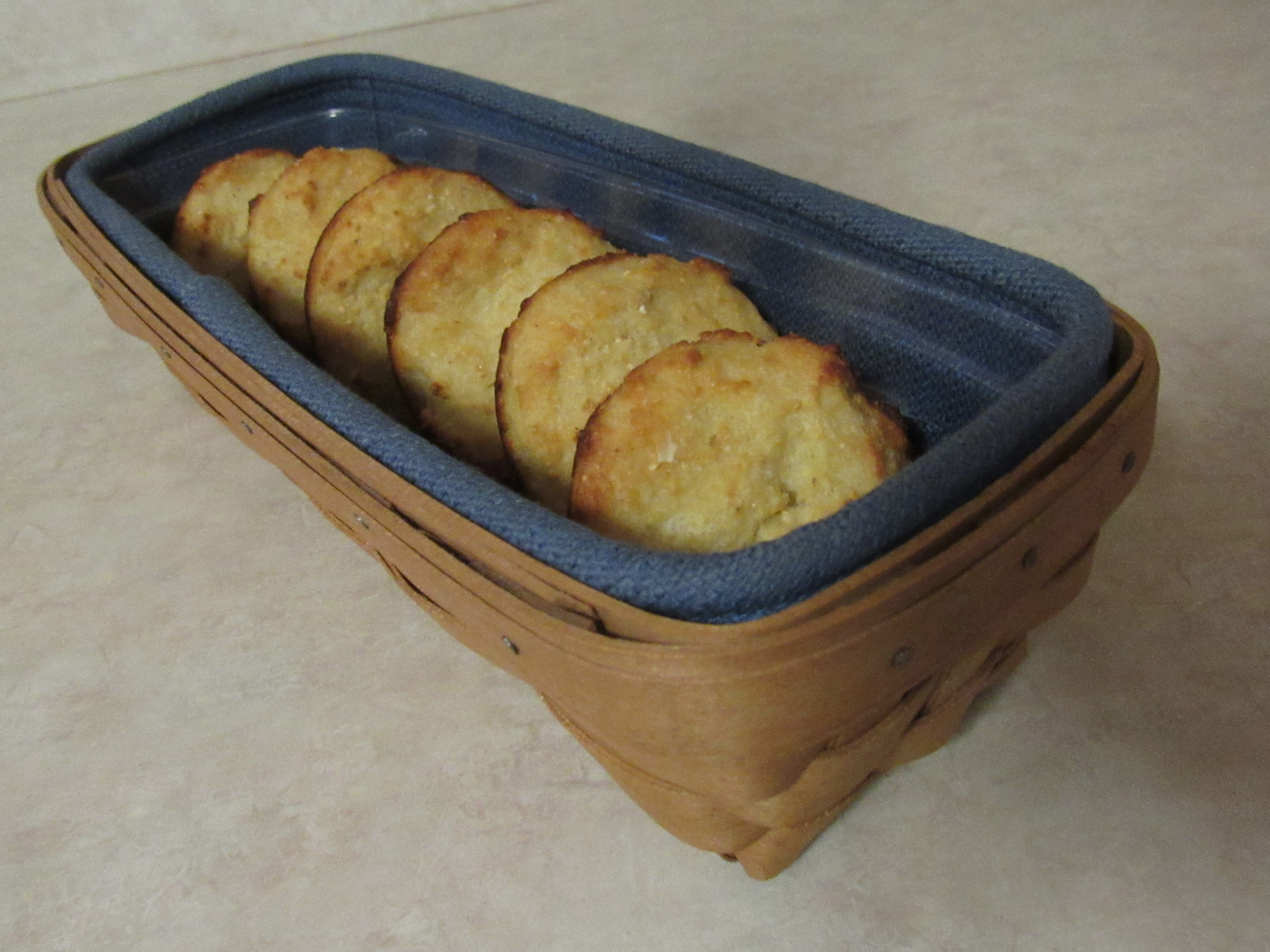
Corn Rolls Recipe

The author of 1877 Cookbook Buckeye Cookery and Practical Housekeeping included meal suggestions. A fall breakfast meal suggestion is: fried trout; Graham mush; beef croquette; pork steak; boiled Irish potatoes; baked sweet potatoes; bread; corn rolls; coffee; and cocoa. I imagine an everyday breakfast did not include all these dishes.

The cookbook includes recipes for some of these. Today I’m sharing one for corn rolls from cook Mrs. Capt. J.P. Rea.

If you happen to own a gem pan, bake these in it.

Preheat oven to 425 degrees. Spray cooking spray on a muffin pan.

Beat 3 eggs and set aside.

Combine 2 cups of corn meal, 2 tablespoons of sugar, and 1 teaspoon of salt in a medium mixing bowl. Mix well.

In a small saucepan, heat 2 cups of milk to boiling. Then add the milk to the corn meal mixture. Allow this to cool and then stir in the eggs.

Spoon the batter into the prepared muffin pan.

Bake at 425 degrees for about 25 minutes.

I tasted a bit of sweetness from the sugar in these rolls so it was slightly sweet corn muffin. It’s a nice, easy recipe that can be prepared from ingredients usually stocked in pantries. Enjoy!

-Sandra Merville Hart

Sources

Compiled from Original Recipes. Buckeye Cookery and Practical Housekeeping, Applewood Books, 1877.


Corn Mush Recipe

The author of 1877 Cookbook Buckeye Cookery and Practical Housekeeping included meal suggestions. A spring breakfast meal suggestion is: fried ham; Graham bread: fried mush; scrambled eggs; radishes; potatoes boiled in jackets; coffee; tea; and chocolate. What time would you have to get up?!? 😊

The cookbook includes recipes for some of these. Today I’m sharing one for corn mush from Mrs. W.W. Woods, the 1877 cook.

Mrs. Woods gave no ingredient measurements so I looked at a few modern recipes to give me an idea how much water to boil.

Preheat oven to 375 degrees. Spray cooking spray or grease a skillet or loaf pan.

Boil 3 cups of water in a large saucepan. Stir in ½ teaspoon of salt.

A LITTLE BIT AT A TIME, add 1 cup of cornmeal to the boiling water. Prevent lumps by sifting the cornmeal through your fingers. Stir constantly over medium high heat until all the cornmeal is added.

Remove from the burner. Because it’s difficult to boil the mush thoroughly enough to cook it without scorching, Mrs. Woods put her kettle directly into the oven and baked it for an hour. Since she recommended stirring the mixture using a 2-foot paddle with a 2-inch blade that was 7 inches long, it’s safe to say she made huge batches at a time. My “paddle” was an ordinary wooden spoon! 😊

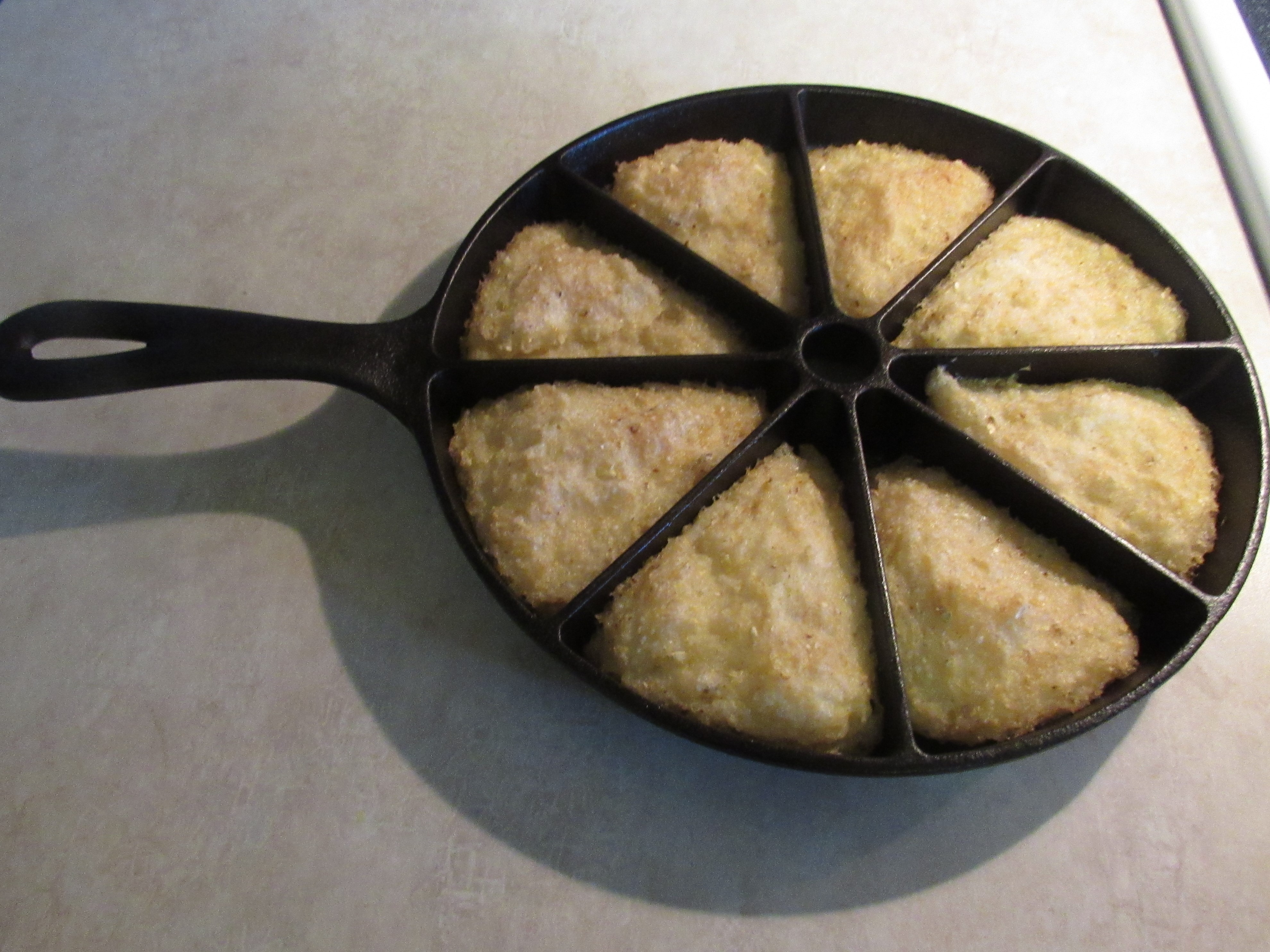
I transferred the mush to a sectioned-skillet for baking and it still took about an hour. I then chilled it in the fridge for frying later. (Baking and chilling the mush in a loaf pan makes it easier to slice for frying.)

Once chilled, beat 2-3 eggs in one bowl. Bread crumbs should go in a different bowl.

While the Crisco or lard heats, dip the mush slices into the egg mixture and then the bread crumbs. Fry until golden brown.

I enjoyed the baked corn mush as a nice side dish. The fried mush was delicious—I liked it better than I imagined I would. Frying the mush enhanced the flavor. I liked it both baked and fried. To save the calories, I’d eat it baked.

-Sandra Merville Hart

Sources

Compiled from Original Recipes. Buckeye Cookery and Practical Housekeeping, Applewood Books, 1877.


Welsh Rarebit Recipe

I found this recipe in my 1877 Cookbook Buckeye Cookery and Practical Housekeeping and was surprised to discover this is really a type of open-faced grilled cheese. Modern recipes used a creamy cheese sauce. This old-fashioned recipe actual talks about both types.

Preheat oven to 425 degrees.

Toast 4 slices of bread. (I used rye bread for myself and white bread for my husband.)

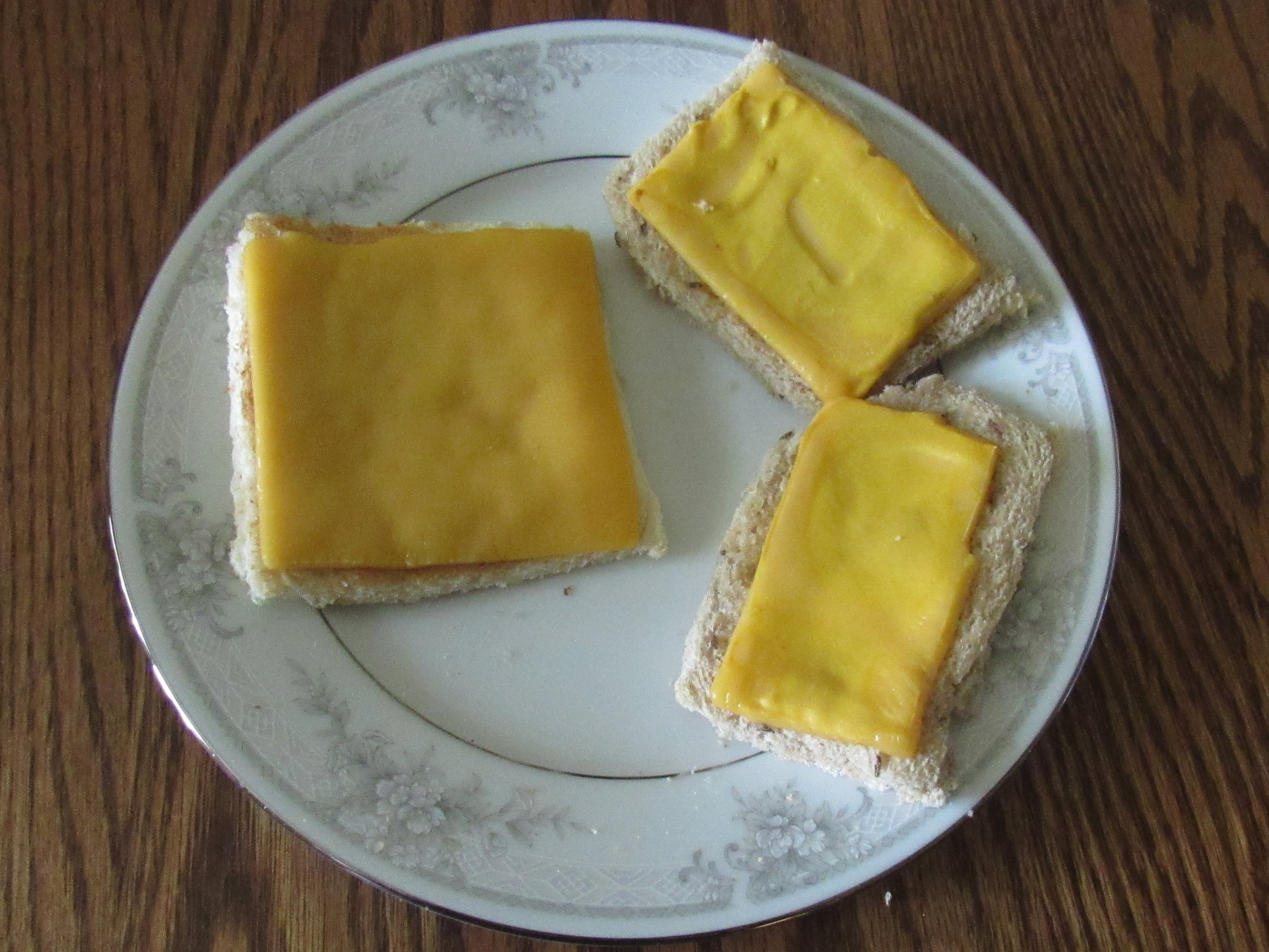
Cut the crusts off the toasted bread. Spread butter over the toast. Add a layer of cheese. (I used American cheese, but vary this for your favorites. Shredded cheeses will also work.)

Spread a thin layer of mustard on top of the cheese. Place the prepared slices on a pie plate or cookie sheet. Heat these in the oven until the cheese melts.

Serve immediately.

This is a tasty, fun way to put a spin on grilled cheese sandwiches.

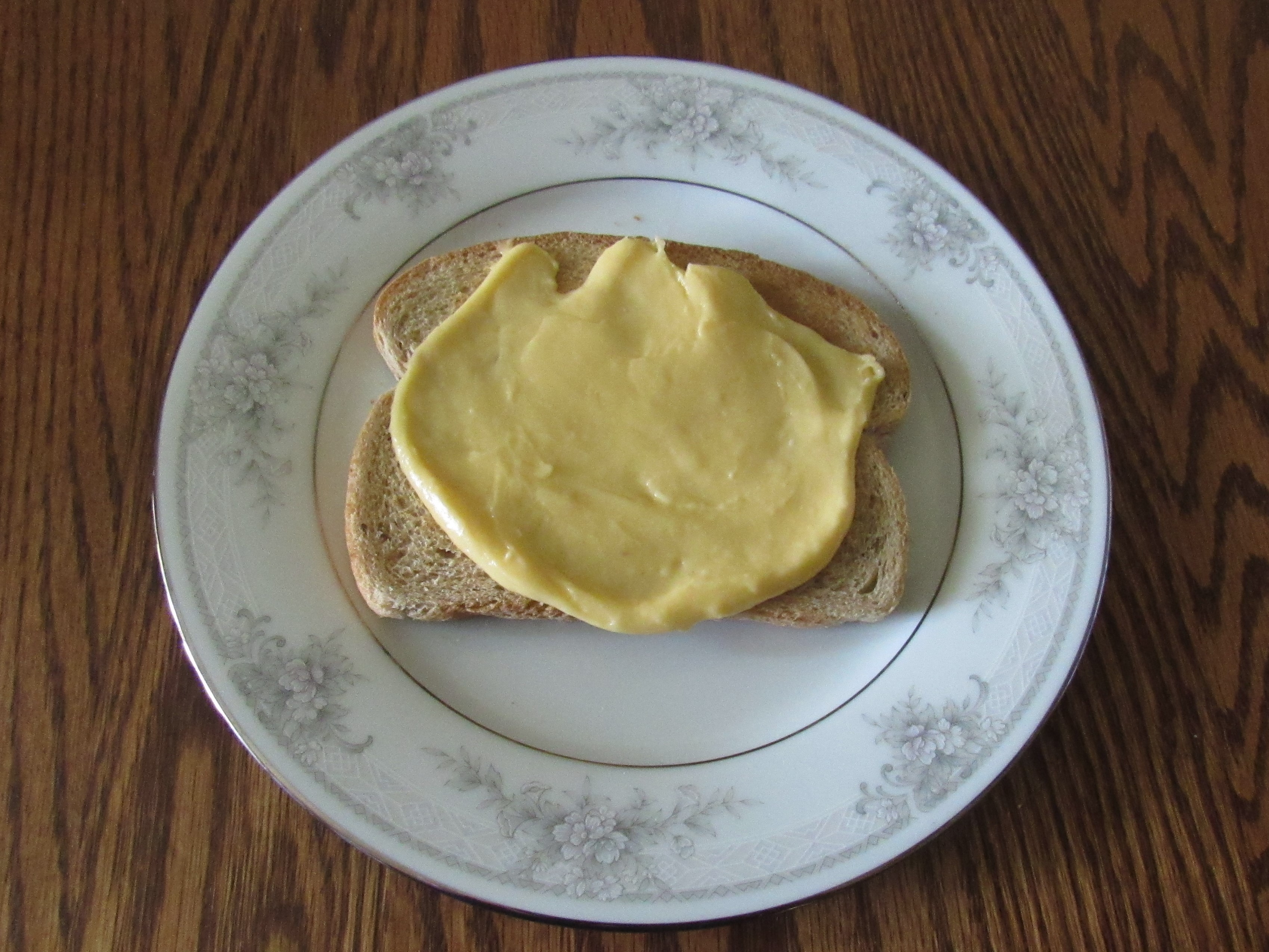
The 1877 cook gave a second option of toasting the bread and adding melted cheese, which seems to be the more modern version. She gave no recipe for this, so I’ll give mine.

Over medium heat, melt 2 tablespoons of butter in a saucepan and then stir in a tablespoon of flour. Pour in ½ cup of cream (makes a thick, creamy sauce or use milk for a thinner sauce.) Stir constantly until it begins to bubble. (It can scorch easily.)

Remove the pan from the burner. Then add about 1/4 cup of cheddar cheese. I added a little American cheese because cheddar doesn’t melt smoothly.

Stir until smooth and spoon over toast.

I liked this second option even better. The creamy cheese was another variation on the classic sandwich—and very filling.

-Sandra Merville Hart

Sources

Compiled from Original Recipes. Buckeye Cookery and Practical Housekeeping, Applewood Books, 1877.


Economical Breakfast Suggestions

A few dishes we might think of today for inexpensive breakfasts include cereal, oatmeal, scrambled eggs, toast, and pancakes.

The author of 1877 Cookbook Buckeye Cookery and Practical Housekeeping included meal choices for economical breakfasts back in her day.

Her first suggestion:

Ham and eggs, baked potatoes, hash, hominy, and Graham gems (Graham muffins) with coffee to drink.

Her second suggestion:

Breakfast stew or fish, tomatoes, fried Graham mush, applesauce, potatoes, and either toast or cornbread. Coffee to drink.

It’s funny how 140 years can change our ideas of breakfast foods. Most of us think of hash browns as an acceptable breakfast side dish but not baked potatoes.

Ham and eggs are still a staple and I serve applesauce for breakfast, but what about hominy? Have you even heard of fried Graham mush?

These are the kind of gems that are hidden in our history—and I love discovering them to include in my novels. 😊

-Sandra Merville Hart

Sources

Compiled from Original Recipes. Buckeye Cookery and Practical Housekeeping, Applewood Books, 1877.


Saratoga Potatoes Recipe

The author of 1877 Cookbook Buckeye Cookery and Practical Housekeeping included meal suggestions. A summertime breakfast suggestion is: nutmeg melons; fried fish; Saratoga potatoes; sliced tomatoes; Minnesota rolls; bread; coffee; tea; and chocolate.

The cookbook includes recipes for some of these. Today I’m sharing one for Saratoga Potatoes from Mrs. Jasper Sager.

I quickly scanned the recipe for what I thought were fried potatoes—a breakfast side dish. I was wrong.

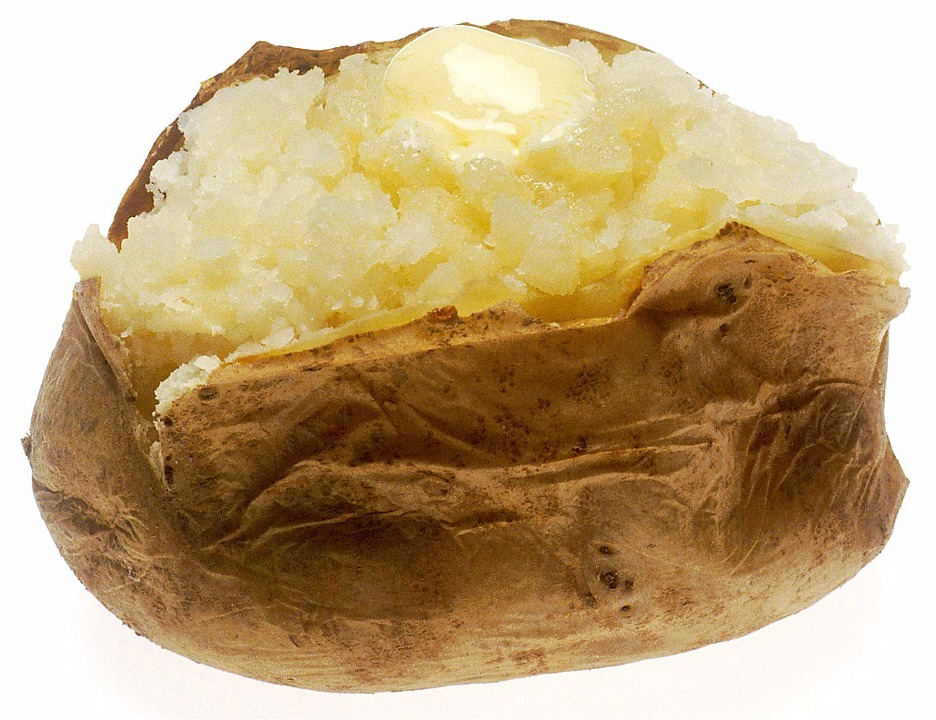
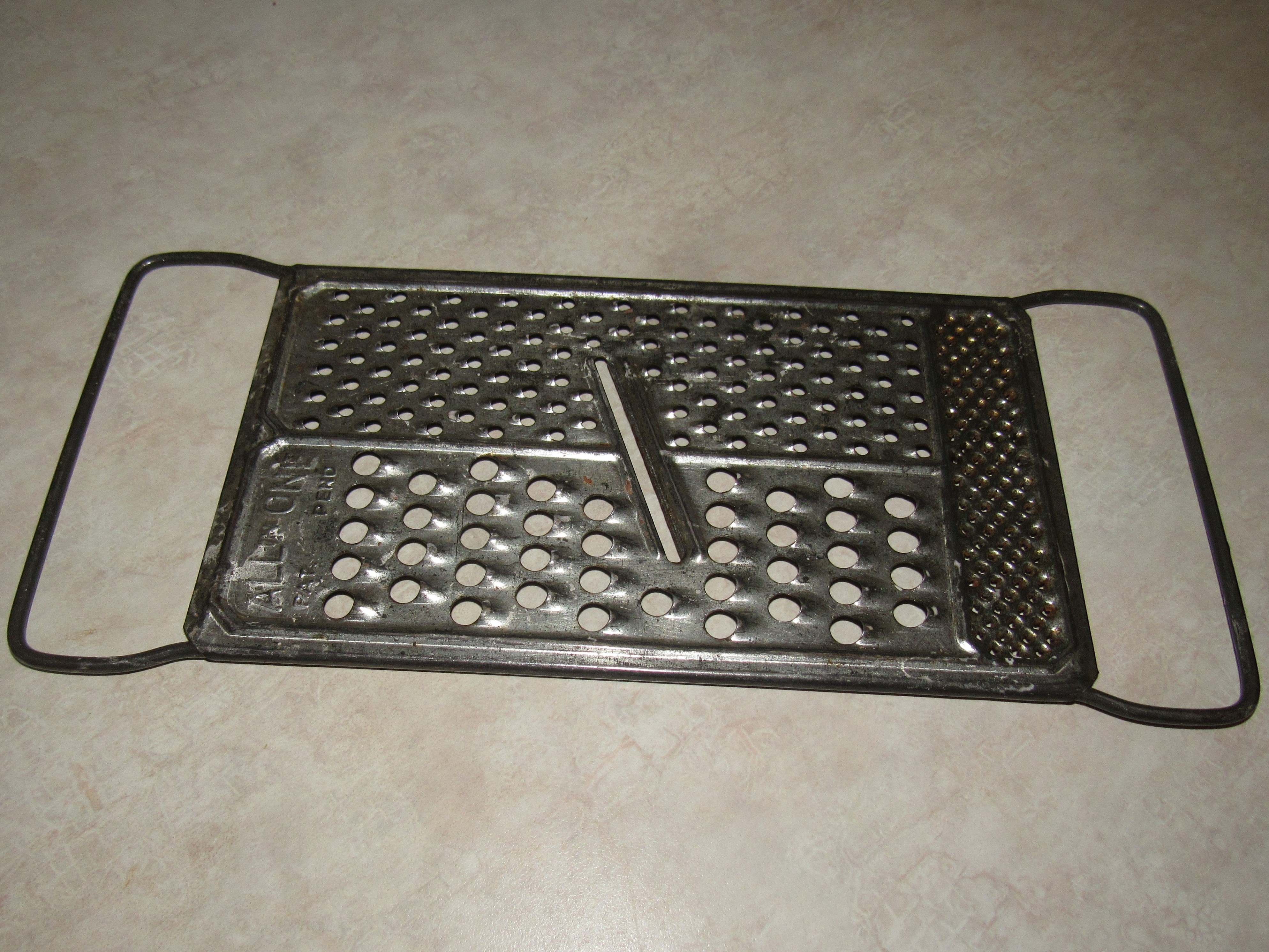
Pare (peel) four large potatoes. Slice them thinly in a slaw cutter. I have my mother’s slaw cutter that we used to shred cabbage, carrots, cheese, etc. It has a slicer in the middle that looked promising for producing thin potato. It worked beautifully.

It wasn’t until I saw the paper-thin slices that I realized I was making potato chips. I’ve eaten Saratoga chips at restaurants but never made them.

Slice the potatoes lengthwise for larger chips.

Place the sliced potatoes in ice water as they can brown quickly when exposed to air.

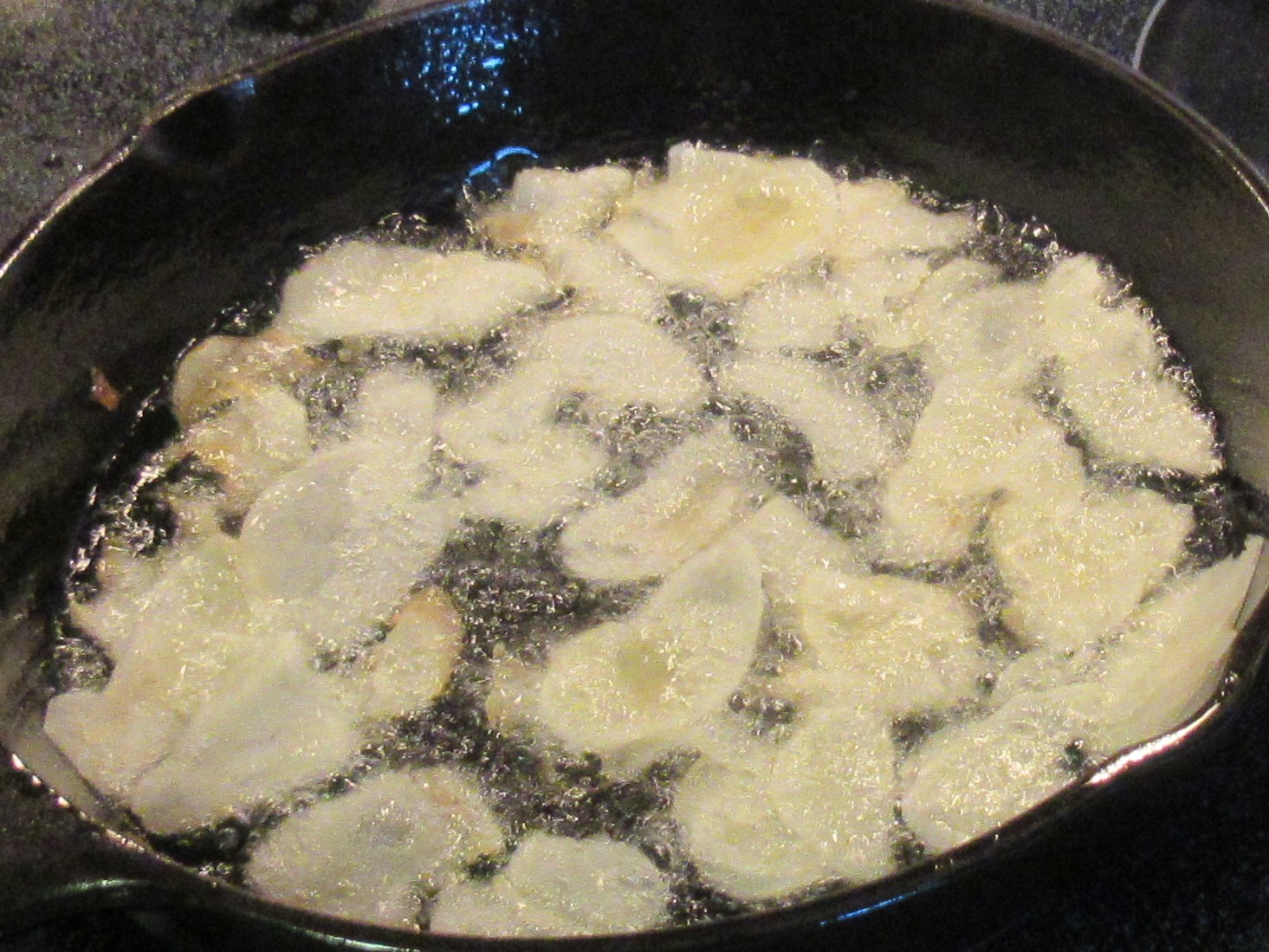
Mrs. Sager used “boiling lard” to fry her potatoes. I don’t own a deep fryer—my cast iron skillet worked fine.

I heated shortening over a medium-high heat. To prevent possible burns, I didn’t allow it to boil.

As the shortening melts, pick up a handful of potatoes and gently squeeze the excess water from them. Then place on a clean towel or paper towel and dry thoroughly. (I went through three towels with this batch.)

When the oil is hot enough, place dried potato slices into the skillet a few at a time. Try not put them on top of each other. Cook carefully on both sides until they are lightly browned. Remove potatoes and drain on paper towels.

I asked my husband to taste the first batch to see if they were overdone, underdone, or just right.

“These are good.” He filled a plate and began munching.

Apparently, they were just right.

Frying them a handful at a time required several batches. As each batch takes a minute or less, these were quickly done.

I took some to my sister’s house a couple of hours later. Her family loved them. They must be eaten soon after frying. I think I’ll make these as a fun novelty dish for an upcoming picnic.

What surprised me most is that potato chips were considered breakfast food in the 1870s! Our teenagers had told us for years that snacks like chips are breakfast food. Did they read this cookbook??? 😊

History is filled with surprises. That’s why I love learning about our past.

-Sandra Merville Hart

Sources

Compiled from Original Recipes. Buckeye Cookery and Practical Housekeeping, Applewood Books, 1877.


Graham Muffins Recipe

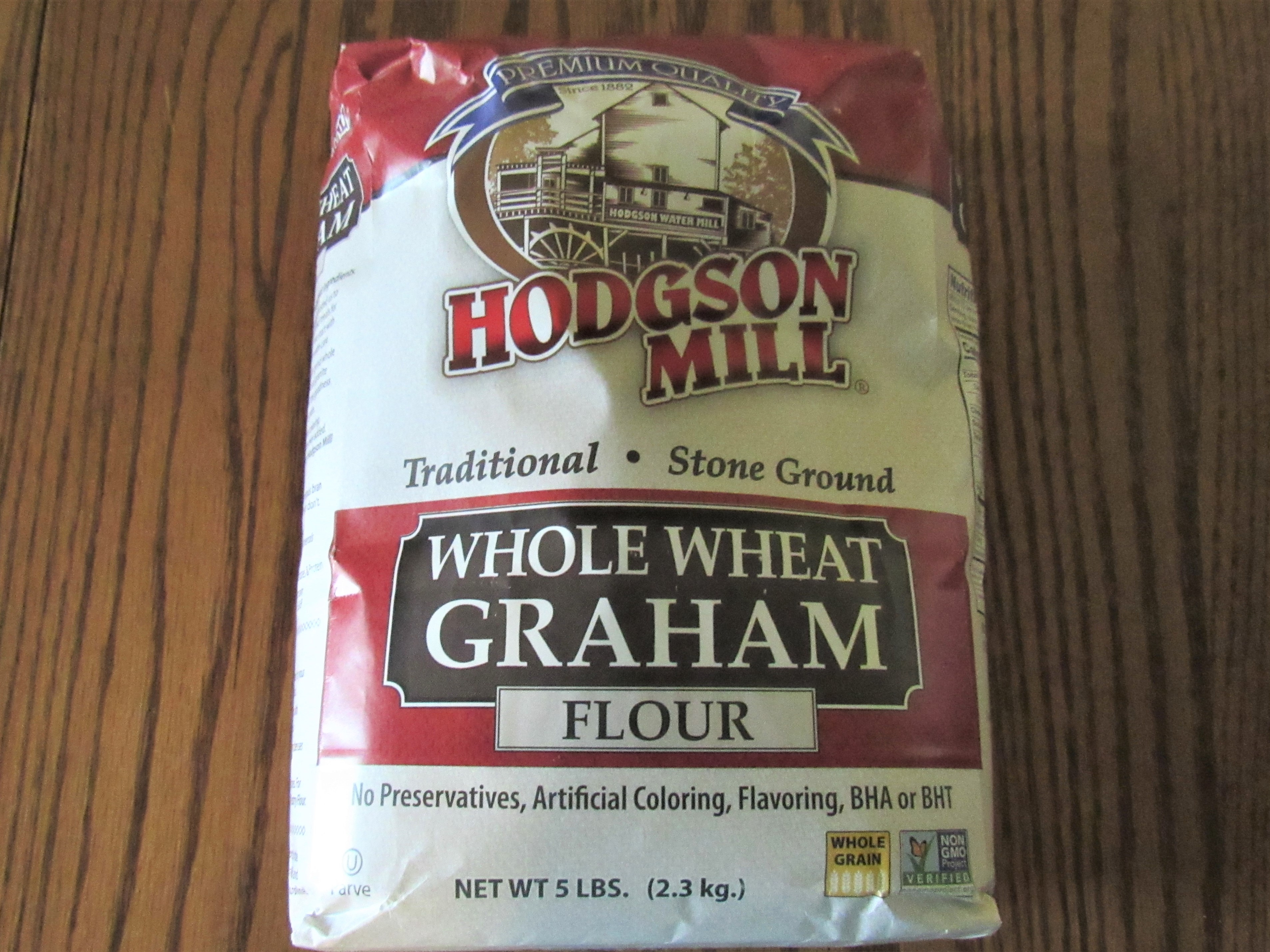
I bought some Whole Wheat Graham Flour for another recipe and had plenty left to try this 1870s recipe for Graham Muffins from Mrs. R. L. Partridge.

Preheat oven to 425 degrees. Spray cooking spray on a muffin pan or use cupcake liners.

The first ingredient is 1 cup of sour milk. To make this, stir 1 tablespoon of vinegar or lemon juice per cup of milk. (If you don’t have either of these, use 1 teaspoon of cream of tartar.) Set it aside to rest for 5 minutes.

In a separate bowl, mix 1 ½ cups Graham flour, ½ teaspoon of baking soda, and ½ teaspoon of salt.

Stir 1 tablespoon of brown sugar into the sour milk.

Add the Graham flour mixture and stir well. Spoon the batter into the prepared muffin pan.

Bake at 425 degrees for 15 minutes.

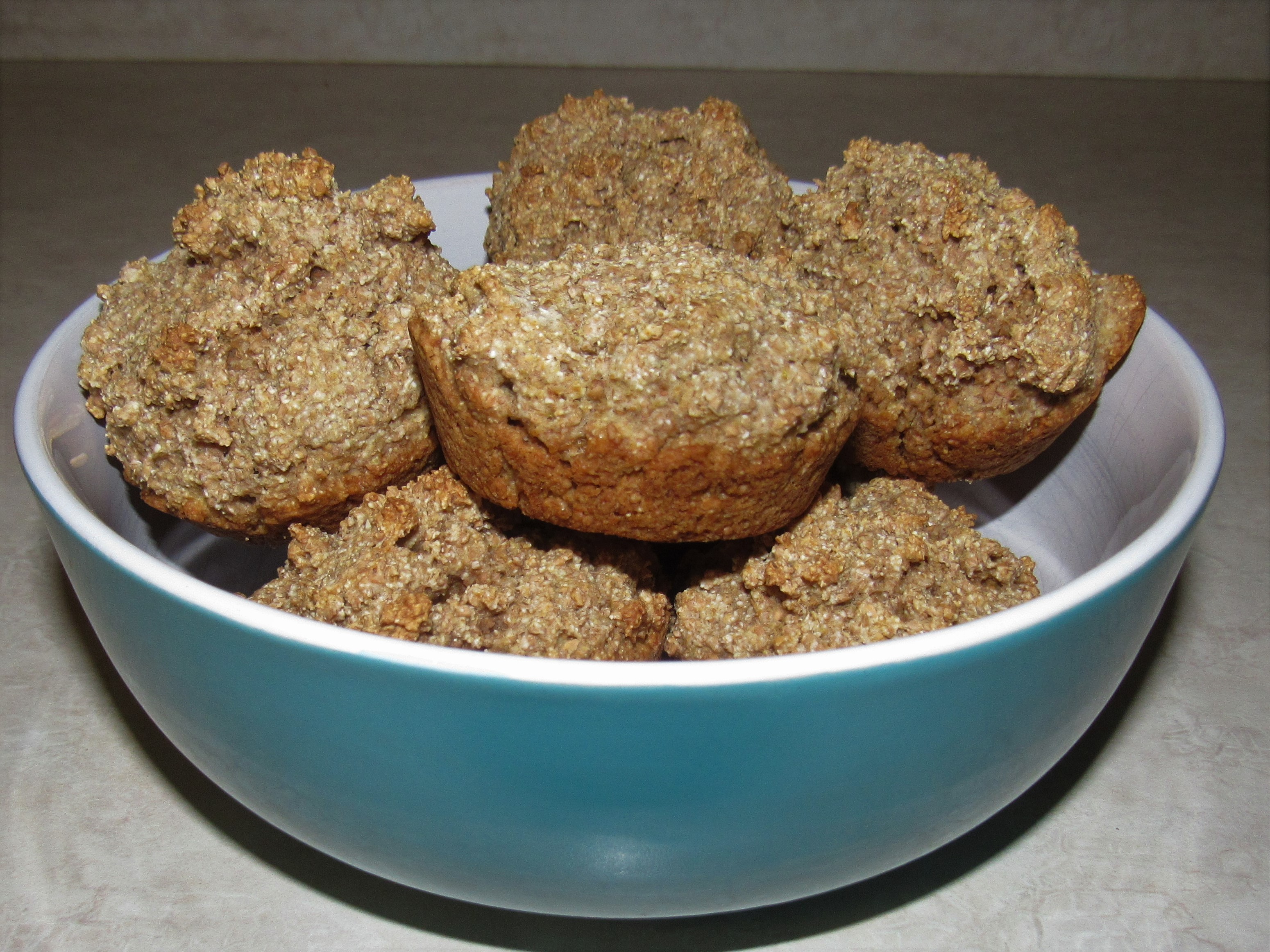
These hearty gems reminded me of bran muffins. They are dense and rather plain. I put apple butter on it, which tasted delicious.

I recently made Good Graham Gems. The recipe has a few more ingredients but these muffins taste very similar to them.

-Sandra Merville Hart

Sources

Compiled from Original Recipes. Buckeye Cookery and Practical Housekeeping, Applewood Books, 1877.

Eating Hearty in 1896

Today’s post was written by fellow author and friend, Linda W. Yezak. I loved learning about the Harvey Girls in Linda’s novella, Loving a Harvey Girl, from the Smitten Collection “The Cowboys.” It’s so wonderful for me to be in this Western romance collection with three other talented authors! Welcome to Historical Nibbles, Linda!

Back when the Atchison, Topeka, and the Santa Fe Railroads were the travel mode of choice, restauranteurs learned how to get more than their fair share of the passengers’ coins. As the train engineers replenished the water for their steam engines, hungry passengers would file to the establishments in search of food and refreshment. But often the locals got dollar signs in their eyes and honesty floated out the window. Special tricks included overcharging the out-of-towners, scraping leftovers together and serving them to the next crowd, and accepting pay in advance for food that wouldn’t be served before the train left the station.

That’s where Fred Harvey came in. Around 1870, he approached the president of the ATSF railway, Charlie Morse, about an idea to open Harvey House restaurants and hotels all along the train’s stops to assure great food at a fair price to the passengers. Within fifteen years, he had seventeen Harvey Houses, all staffed by women he picked, generally from “back east,” and trained in Kansas.

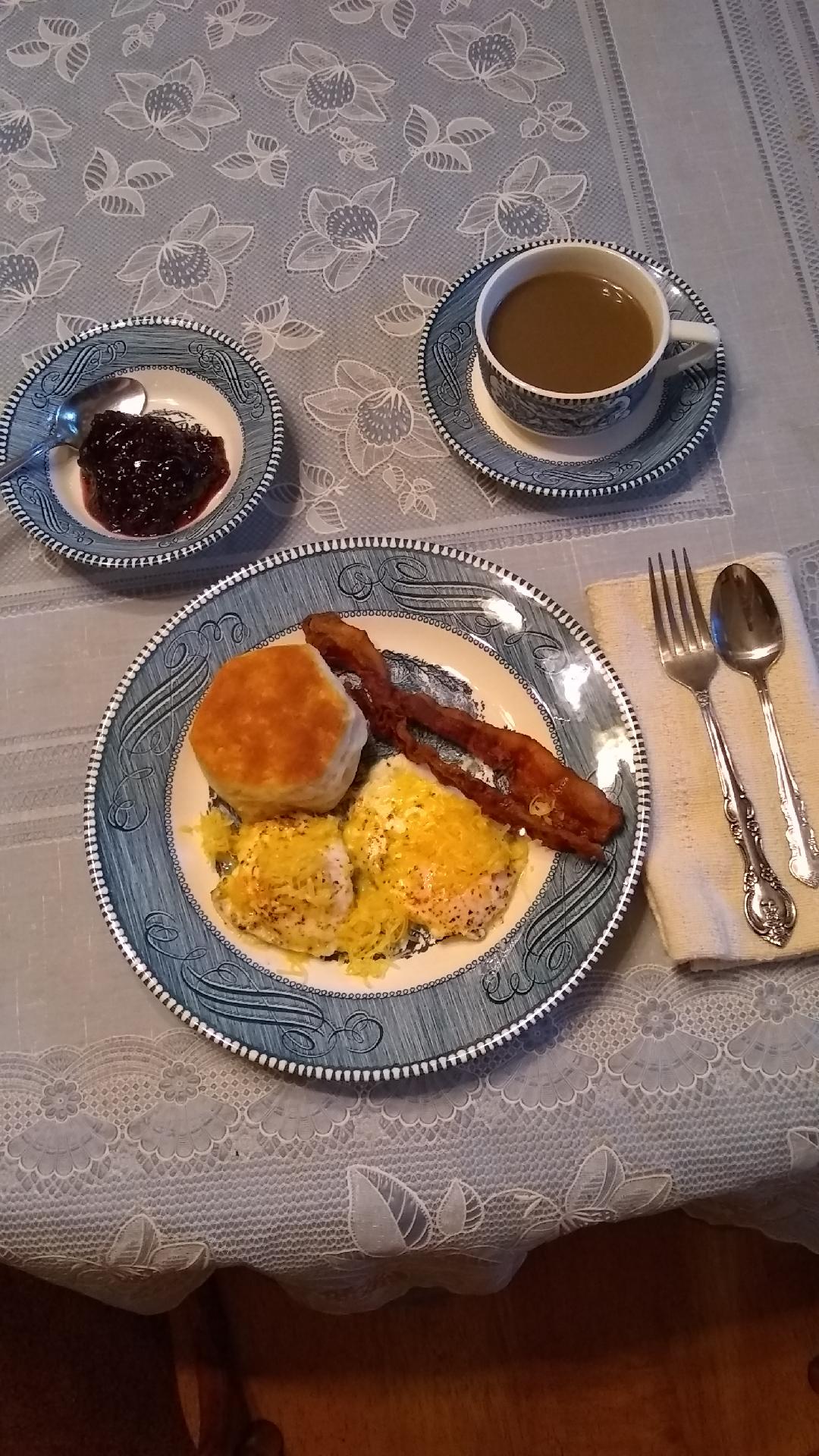
By 1896, Fannie Farmer published her cookbook, The Boston Cooking-School Cookbook, that came complete with actual measurements. Until that point, a pinch of this and a heap of that probably made up the instructions in most recipes. Though the title indicates the cookbook was from Boston, I imagine it became a staple across the nation before long, and it wouldn’t surprise me if ol’ Fred Harvey didn’t use it himself for his restaurants. If he did, I’d be willing to bet “Eggs à la Suisse” would be one of the Harvey Girls’ favorites among the breakfast dishes. Incredibly easy to make, this dish could feed lots of people in no time, but this recipe is just for two—or maybe one, depending on how hungry he is.

4 eggs

½ cup cream

1 tablespoon butter

2 tablespoons shredded cheese

salt

pepper

cayenne

Melt the butter in a small omelet pan, then add the cream. As the cream warms up, slip the eggs in one at a time. Sprinkle with the seasonings. When the whites get firm, top the eggs with cheese and serve hot.

Combine this with bacon and biscuits, and you have a hearty meal.

-Linda Yezak

Linda Yezak

About Linda

Linda W. Yezak lives with her husband and their funky feline, PB, in a forest in deep East Texas, where tall tales abound and exaggeration is an art form. She has a deep and abiding love for her Lord, her family, and salted caramel. And coffee—with a caramel creamer. Author of award-winning books and short stories, she didn’t begin writing professionally until she turned fifty. Taking on a new career every half century is a good thing. Connect with her on her website , Amazon page , and BookBub.
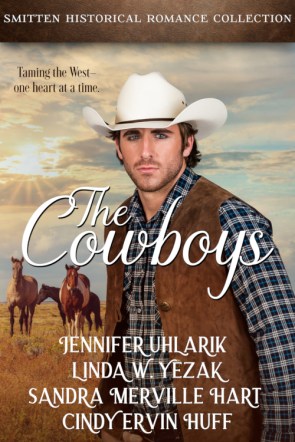
Loving a Harvey Girl by Linda W. Yezak

Eva Knowles can’t imagine why the local preacher doesn’t like Harvey Girls—women who work serving tables instead of finding a husband and falling in love. But if Eva can get the handsome and wayward cowboy Cal Stephens to join her in church, maybe the reverend will accept the girls. Or maybe she’ll forfeit her job for a husband, hearth, and home!

Amazon 

Lighthouse Publishing of the Carolinas  Save money and use coupon code SandraMHart for a 20% discount on Lighthouse Publishing books!
Sour Dough Starter Survived Through the Centuries

Today’s post has been written by fellow author and friend, Cindy Ervin Huff. We’ve both written novellas that are included in “The Cowboys” Smitten collection. Cindy’s story in the collection is a page turner! Welcome to Historical Nibbles, Cindy!

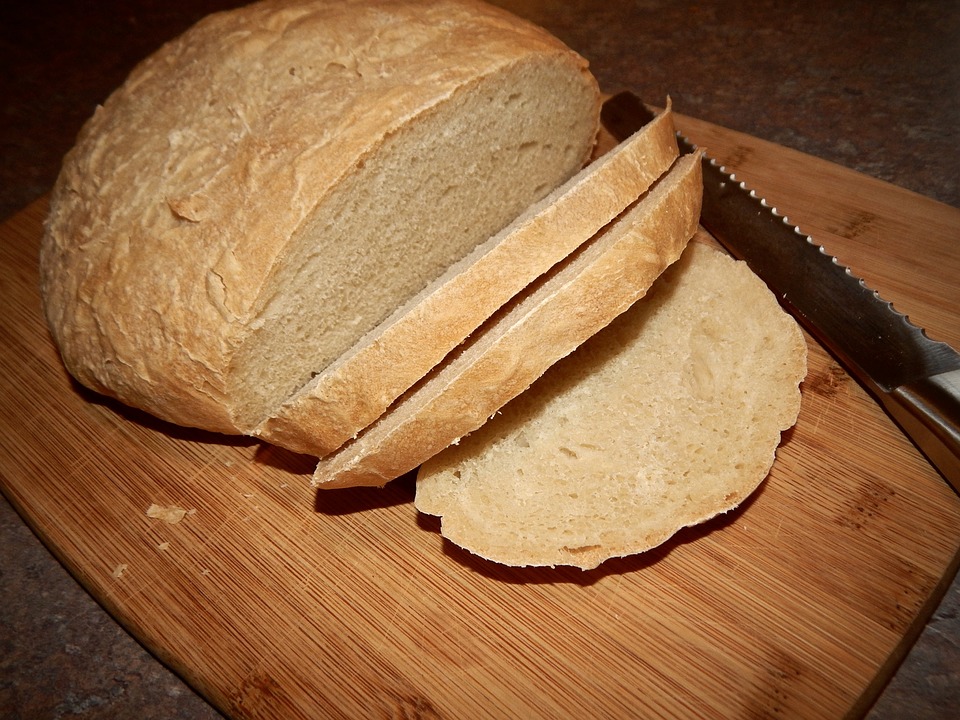
 People often think of sourdough bread as part and parcel of the Old West. You might be surprised to know sourdough bread has been around since ancient Egypt. The naturally occurring yeast in the air is what sours the dough causing fermentation. The fermented goo causes the bread to rise.

Sourdough Bread gets its name from its tangy smell.

Equal parts of flour and water are mixed together and left to ferment to create the mother dough. Salt or sugar are part of the base in some recipes. Each day the mixture is stirred, and more flour and water added. Usually it takes five days before the mixture is bubbly and ready to use. Sourdough starter will live for years if fed daily.

Pioneers heading west kept a crock of sourdough starter secured in their wagon. This hardy starter survived the trail and became a staple in the new homestead. Gifting a neighbor with a cup of sourdough starter was not uncommon. The starters often had different flavors based on their origin. The bacteria in the air in New York is different from the bacteria in San Francisco. Taking a bit of raw dough from the day’s baking and adding it to the starter preserved the unique flavor. It was used for pancakes and other recipes in place of baking powder or yeast.

Most modern sourdough recipes add a teaspoon of yeast to shorten the fermentation time.

Pioneers kept it close at hand and passed the starter down through the generations.

My novella Healing Hearts, part of The Cowboy Collection, is set in 1868. Genny, my heroine, received some starter as a gift from a friend and brought it with her to Kansas.

-Cindy Ervin Huff

About Cindy

Cindy Ervin Huff is a multi-published, award inning author of Historical and Contemporary Romance. She has been featured in numerous periodicals over the last thirty years. Cindy is a member of ACFW, Mentor for Word Weavers. founding member of the Aurora, Illinois, chapter of Word Weavers, and a Christian Writer’s Guild alumni. Visit her on her blog www.jubileewriter.wordpress.com.

Healing Hearts by Cindy Ervin Huff

Lonnie Holt’s external scars remind him of his failures, his internal scars torment him. Genny Collins seeks safety at the ranch once owned by Lonnie’s uncle. When Lonnie and his brother arrive, sparks fly and distrust abounds. While Lonnie and Genny fight the love growing between them, his past haunts him, and her past pays them a visit.

Buy Links to The Cowboys:

Amazon

Lighthouse Publishing of the Carolinas  Save money and use coupon code SandraMHart for a 20% discount on Lighthouse Publishing books!