Cream of Cucumber Soup Recipe

I found The Fannie Farmer Cookbook, originally published in 1896, in an antique store. Fannie Farmer’s name is still well-known today.

Stock, water enriched by the food cooked in it, is an important ingredient in numerous soups. Homemade stock brings full-bodied flavor to recipes. The recipe for the chicken stock used in this recipe is found  here.

To make this soup, finely chop enough onion to give 3 tablespoons and set aside.
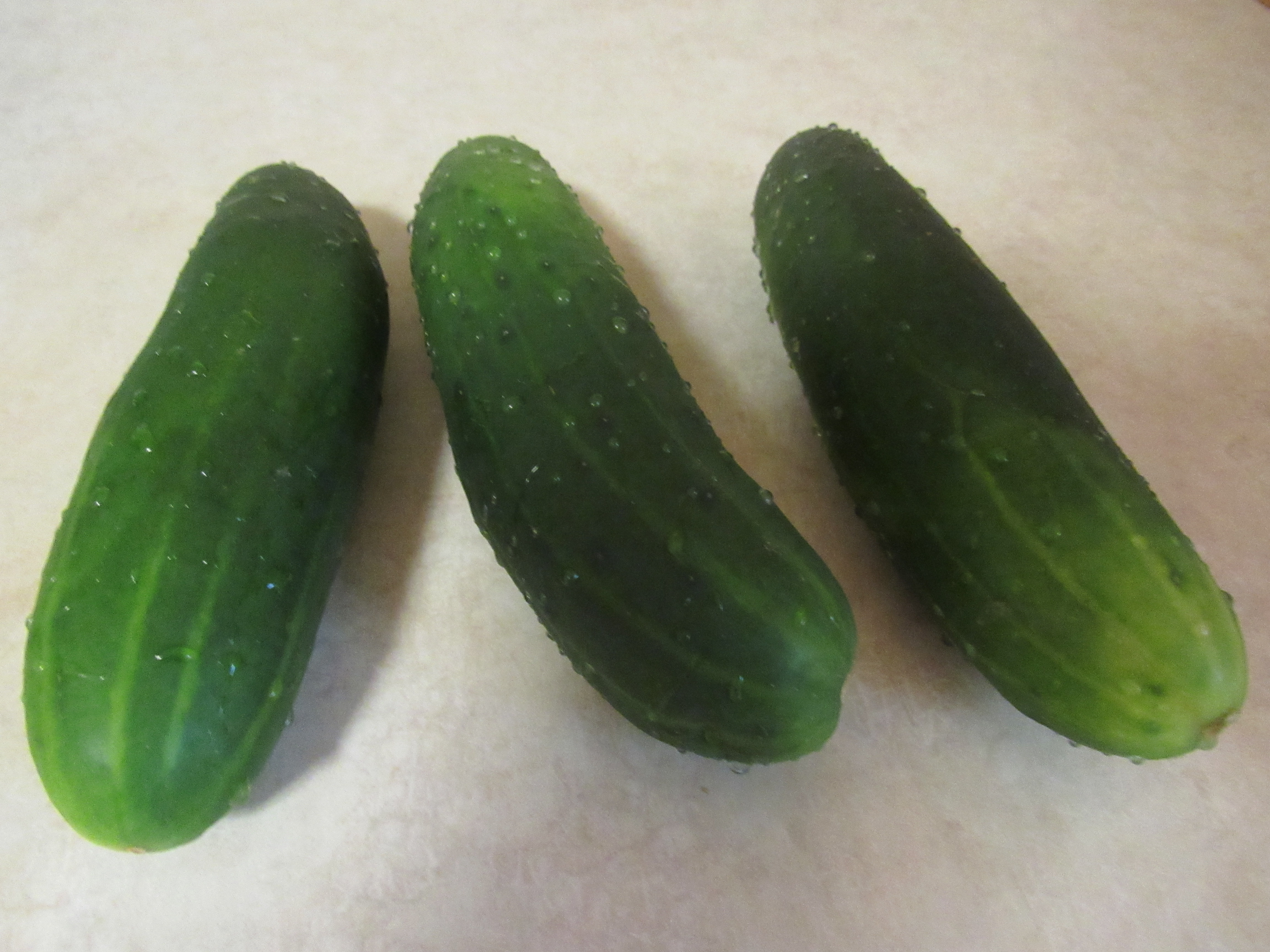
Peel 3 large cucumbers. Remove the seeds and then slice them.

Melt 2 tablespoons of butter in a medium saucepan over low heat. Stir in onion and cucumber. Cook for 10 minutes, stirring frequently.

Stir in 3 tablespoons of flour. Cook about 1 ½ minutes.

Add 3 cups of chicken stock or chicken broth. (I had run out of stock so I used broth instead.) Stir in 1 cup of milk. Turn burner to a medium high heat until soup boils.

Remove from heat. Puree the soup in a blender or food processor. Strain the broth. Rinse the saucepan before returning the strained soup to it.

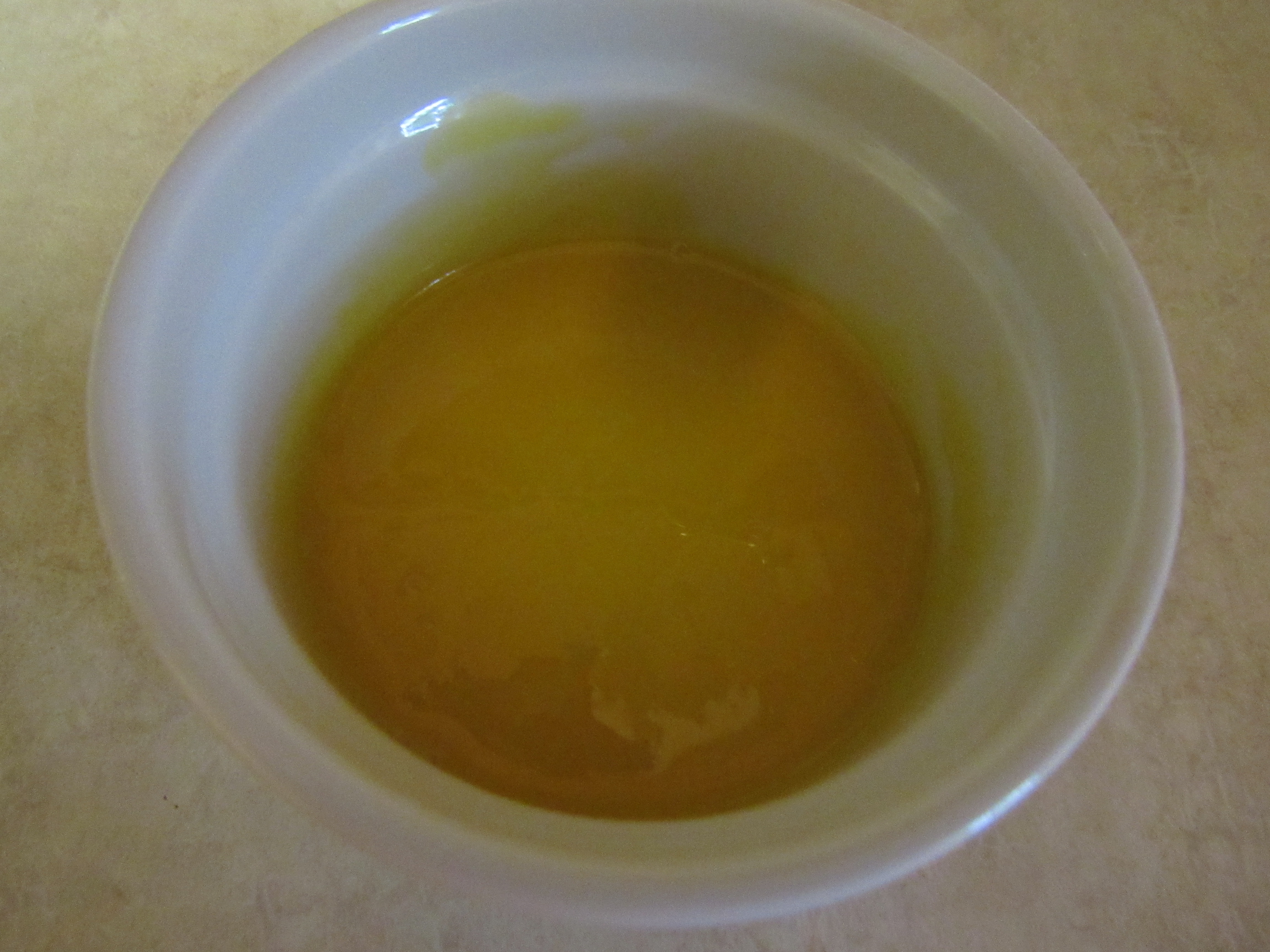
Beat 2 egg yolks. Stir these into the soup. Add ½ cup light or heavy cream (I used heavy cream) and ½ teaspoon salt or salt to taste. Reheat the soup until hot, stirring frequently. Do not boil.

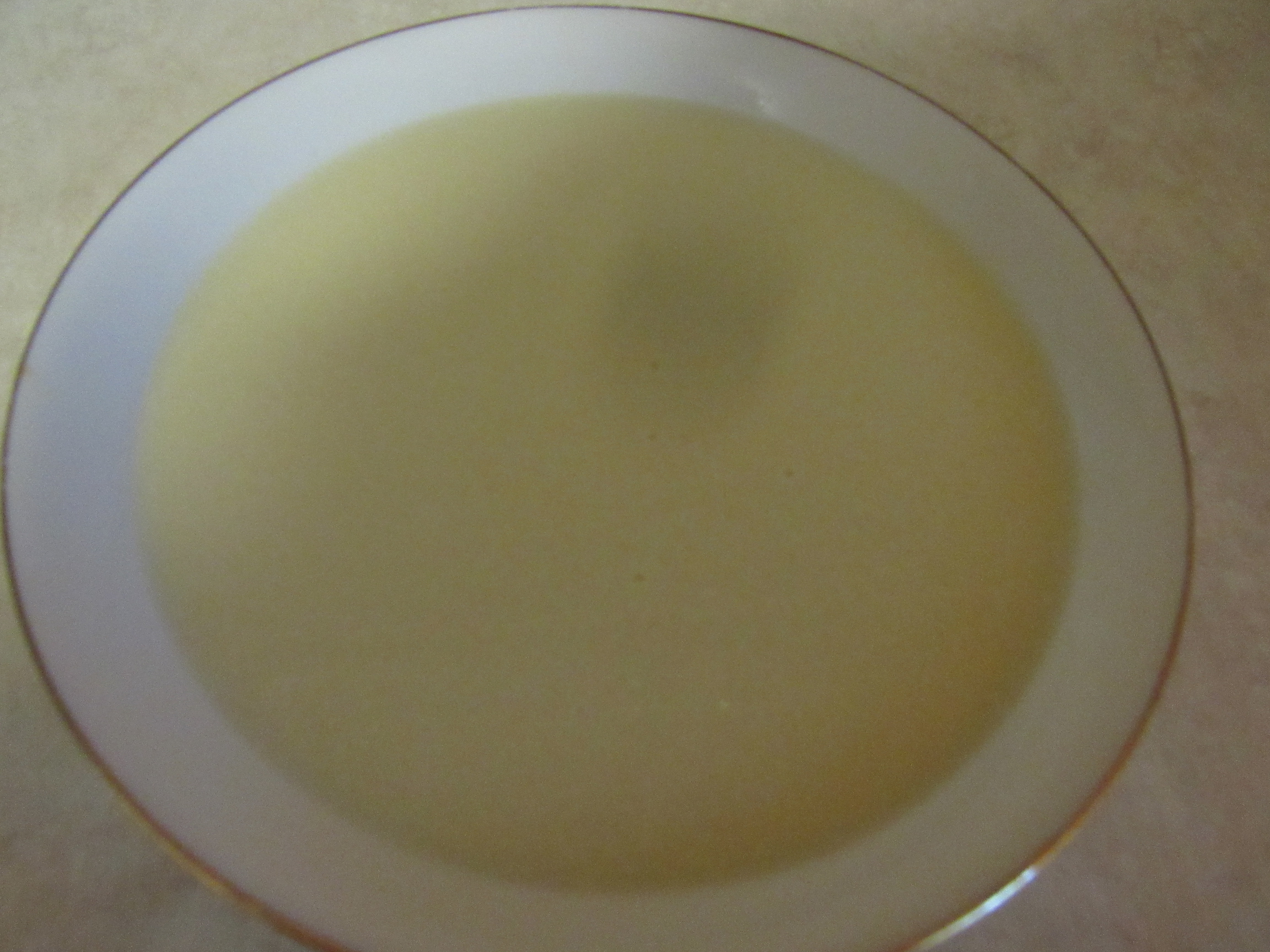
This is the first time I’ve made this type of soup. There is a light, refreshing taste of cucumber. I thought it tasted delicious and will make it again.

This recipe makes 7 one-cup servings.

-Sandra Merville Hart

Sources

Revised by Cunningham, Marion and Laber, Jeri. The Fannie Farmer Cookbook, Alfred A Knopf Inc., 1983.
 

Civil War Wayside Hospitals

Casualties began soon after the Civil War started on April 12, 1861. Southern women established wayside hospitals as small field hospitals to give water, food, shoes, clothing, medicine and bandages to wounded soldiers.

Large buildings—schools, churches, barns—near railroad depots were used to treat the sick and wounded. If the soldier was too ill to continue on his journey, he remained at the wayside hospital until his condition improved enough for him to go home, or to a larger general hospital, or he died.

Women living in North Carolina, at great personal sacrifice, established and served at wayside hospitals in the railroad towns of Charlotte, Fayetteville, Weldon, Greensboro, Tarboro, Wilmington, Goldsboro, Salisbury, and High Point.

Most wayside hospitals offered meals and some nursing. Surgeons worked at larger hospitals with beds for overnight stays.

The Barbee Hotel in High Point was changed into a wayside hospital on September 1, 1863. 5,795 soldiers received care in that village before the hospital closed in May of 1865.

South Carolina’s first wayside hospital opened in Charleston in November of 1861. Raleigh, Orangeburg, Greenville, Sumter, and Florence also had these types of hospitals. Columbia Wayside Hospital, located at the South Carolina Railroad Depot, served about 75,000 soldiers, becoming the largest wayside hospital in the state.

Southern nurses often didn’t have the required medicines on hand to treat the soldiers. They fell back on homemade remedies, such as using jimson weed for fever or blackberry root for dysentery.

-Sandra Merville Hart

Sources

Downey, Tom. “Wayside Hospitals,” South Carolina Encyclopedia, 2017/07/04 http://www.scencyclopedia.org/sce/entries/wayside-hospitals/.

“North Carolina Nursing History,” Appalachian State University, 2017/07/04, https://nursinghistory.appstate.edu/civil-war-and-reconstruction-1861-1876.

Savage, Douglas J. Women in the Civil War, Chelsea House Publishers, 2000.


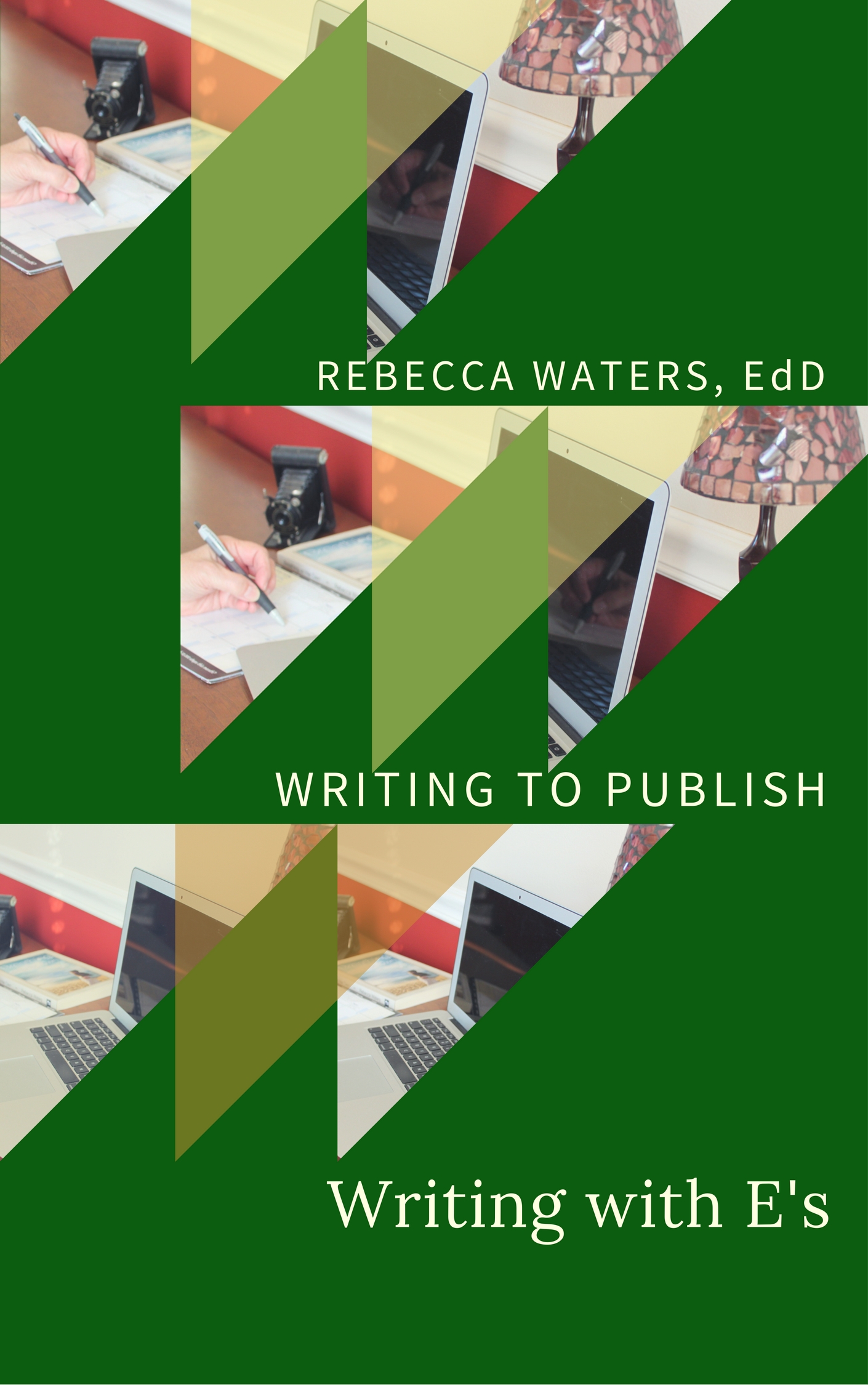
Writing with E’s by Rebecca Waters

This book was written specifically for writers.

Waters has packed this handbook with helpful writing tips for new writers. Experienced authors will also benefit from useful editing tips to prepare those manuscripts for submission.

The author includes several writing exercises that are beneficial to new writers. Sometimes it’s difficult to figure out what to write about when new the craft. Waters provides excellent exercises engineered for practicing and honing writing skills.

Excellent, practical book that will be especially useful for new writers. Recommend!

-Sandra Merville Hart

Amazon

Mulled Buttermilk

“Excellent for convalescing patients” was the way a recipe in an 1877 cookbook described mulled buttermilk.

Given the date of the cookbook, wounded soldiers during Civil War probably received this drink in hospitals. As a historical novelist, I’m always interested in learning tidbits from our history. It’s fun to add authentic details such as this one when a story requires it.

Boil a cup of buttermilk over a medium high heat. The consistency of the milk completely changes. The thick, creamy liquid thins to a grainy consistency of water.

Beat one egg yolk. Temper the yolk by stirring in a couple of tablespoons of the hot buttermilk. Add the tempered yolk to the boiling buttermilk. Stir and allow the mixture to return to a boil. I stirred the mixture while cooking.

Pour into a glass and drink. I allowed it to cool slightly before trying it. One sip was enough. I did not like this.

There is a second recipe for mulled buttermilk.

Forgetting the egg yolk, put a heaping tablespoon of flour into a glass. Pour in 1/3 cup of cold buttermilk and stir well. If this is not enough liquid for the flour to assimilate into the liquid after a brisk stir, add more buttermilk—a tablespoon at a time—until it is combined into a thick,  pourable liquid. Set this aside.

When the cup of buttermilk initially boils, add the buttermilk thickening to the saucepan. Return to a boil, cooking an additional minute to make sure the flour is done.

I really liked this second alternative. The thicker beverage tasted better to me.

And it is good for patients. If you lived one hundred fifty years ago, you would have drunk mulled buttermilk when you were sick.

Good luck! I’d love to hear if you try this recipe.

-Sandra Merville Hart

Sources

Compiled from Original Recipes. Buckeye Cookery and Practical Housekeeping, Applewood Books, 1877.


Civil War U.S. Christian Commission

The War Between the States began in 1861. To meet the spiritual needs of Federal soldiers facing death, the Young Men’s Christian Association (YMCA) established the United States Christian Commission on November 14, 1861.

The Commission distributed thousands of New Testaments and prayer books to Union soldiers. They gave tracts and pamphlets. They operated portable libraries for the men. The organization also furnished free envelopes with their stamp and “Soldier’s letter” in one corner.

Commission workers were not paid. More than 5,000 gave freely of their time to serve as field volunteers to aid the chaplains ministering to soldiers. Citizens stitched clothes, raised money, and put kits together for Northern and Southern soldiers.

The Commission raised $3,000,000. Commission delegates requested donations of supplies.

Christian Commission workers provided medical supplies to field hospitals and were at Gettysburg after the battle.

The Ladies Christian Commission started in 1864. Louisa May Alcott, author of Little Women, was one of these workers. Georgia McClellan also served on this commission. Georgia’s sister, Jenny Wade, had been killed during the Battle of Gettysburg.

-Sandra Merville Hart

Sources

Billings, John D. Hard Tack and Coffee, George M. Smith & Co., 1887.

“Civil War Christian Commission Was Formed,” Christianity.com, 2017/07/04  http://www.christianity.com/church/church-history/timeline/1801-1900/civil-war-christian-commission-was-formed-11630528.html.

Davis, William C. The Illustrated Encyclopedia of the Civil War: The Soldiers, Generals, Weapons, and Battles, The Lyons Press, 2001.

“United States Christian Commission,” Wikipedia, 2017/07/04 https://en.wikipedia.org/wiki/United_States_Christian_Commission.


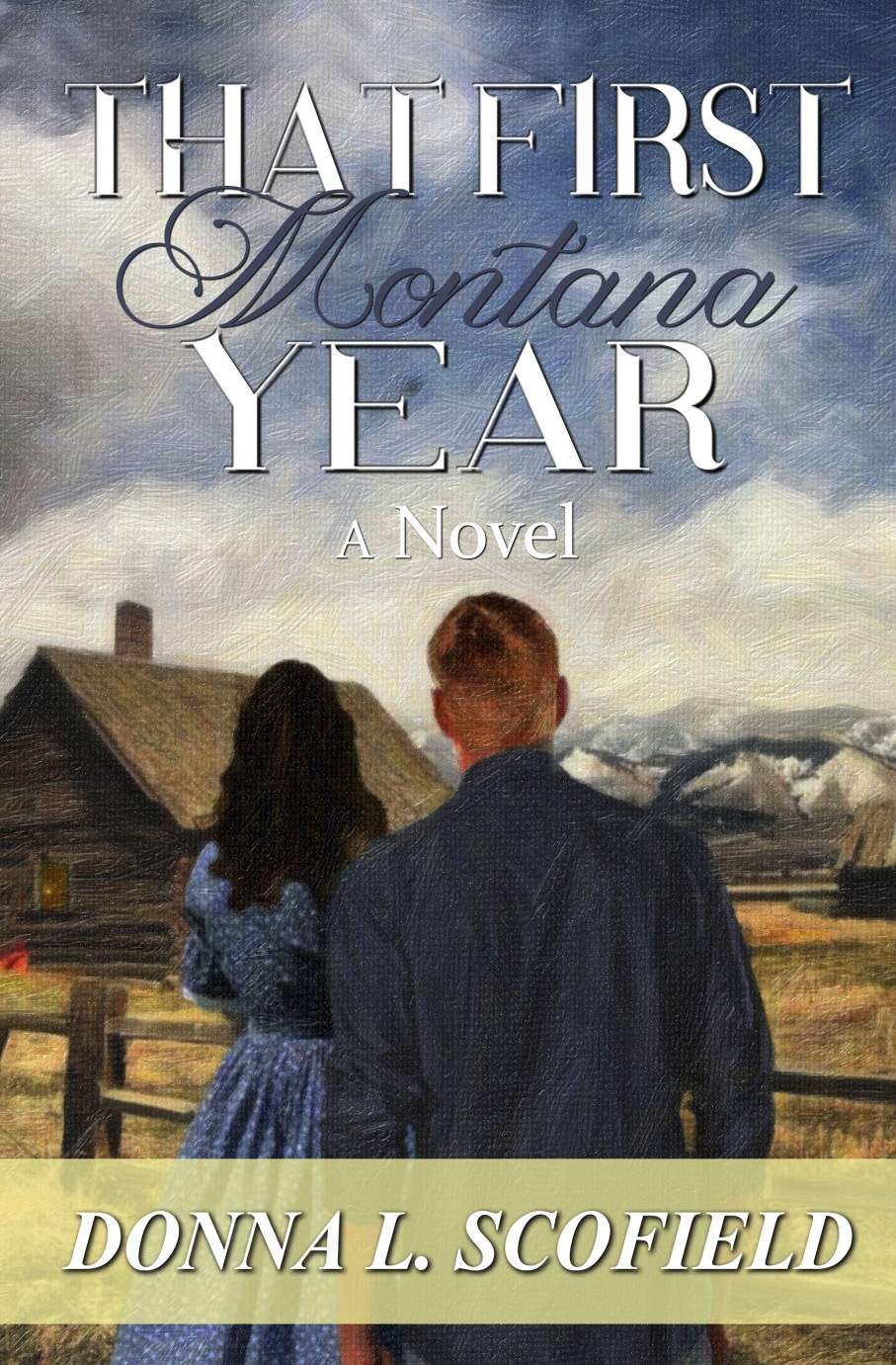
That First Montana Year by Donna L. Scofield

This historical romance captured my attention on the first page.

B’Anne regrets what happened when the snowstorm isolated her with Will, her old beau, even as he courted a beautiful new girl. He cast B’Anne aside in the morning.

But B’Anne’s morning sickness exposes their secret. Their families arrange a quick marriage and the young couple soon find themselves in a wagon bound for Montana. B’Anne is sad to leave her family in Iowa to stay with Will’s uncle until they claim their own property.

B’Anne has always loved Will and hates that he’s been forced to marry her when he loves another woman. Certain that he will resent her and the baby, she worries about the future. Can he learn to love B’Anne?

Very interesting story that shows the difficulties faced by homesteaders in Montana. The author also shows how they lived, describing the 1880s lifestyle so well that I felt like I had been transported back to another era.

Great book! I will look for other novels written by this author.

-Sandra Merville Hart

Lighthouse Publishing of the Carolinas    Use coupon code SandraMHart for a 20% discount on Lighthouse Publishing books!


A New Interview on Another Blog Tour Stop!

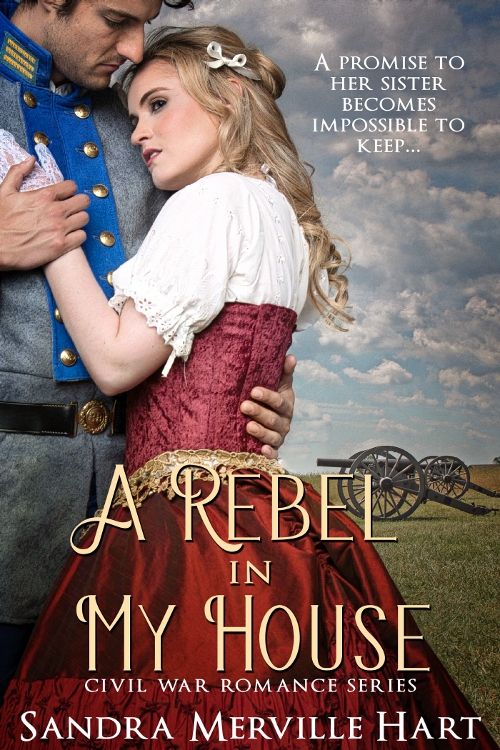
I am so happy to be a guest today on Kathy Rouser’s wonderful blog! Stop by to read this interview. Busy people–and isn’t that all of us?–can relate to having a schedule that never empties no matter how hard you work. Leave a comment on Kathy’s blog  for a chance to win a Kindle copy of my latest release, A Rebel in My House!

Bran Biscuit Recipe

This is Mrs. L.S. Williston’s yummy recipe for Bran Biscuits. It was found in an 1877 cookbook under “Food for the Sick.”

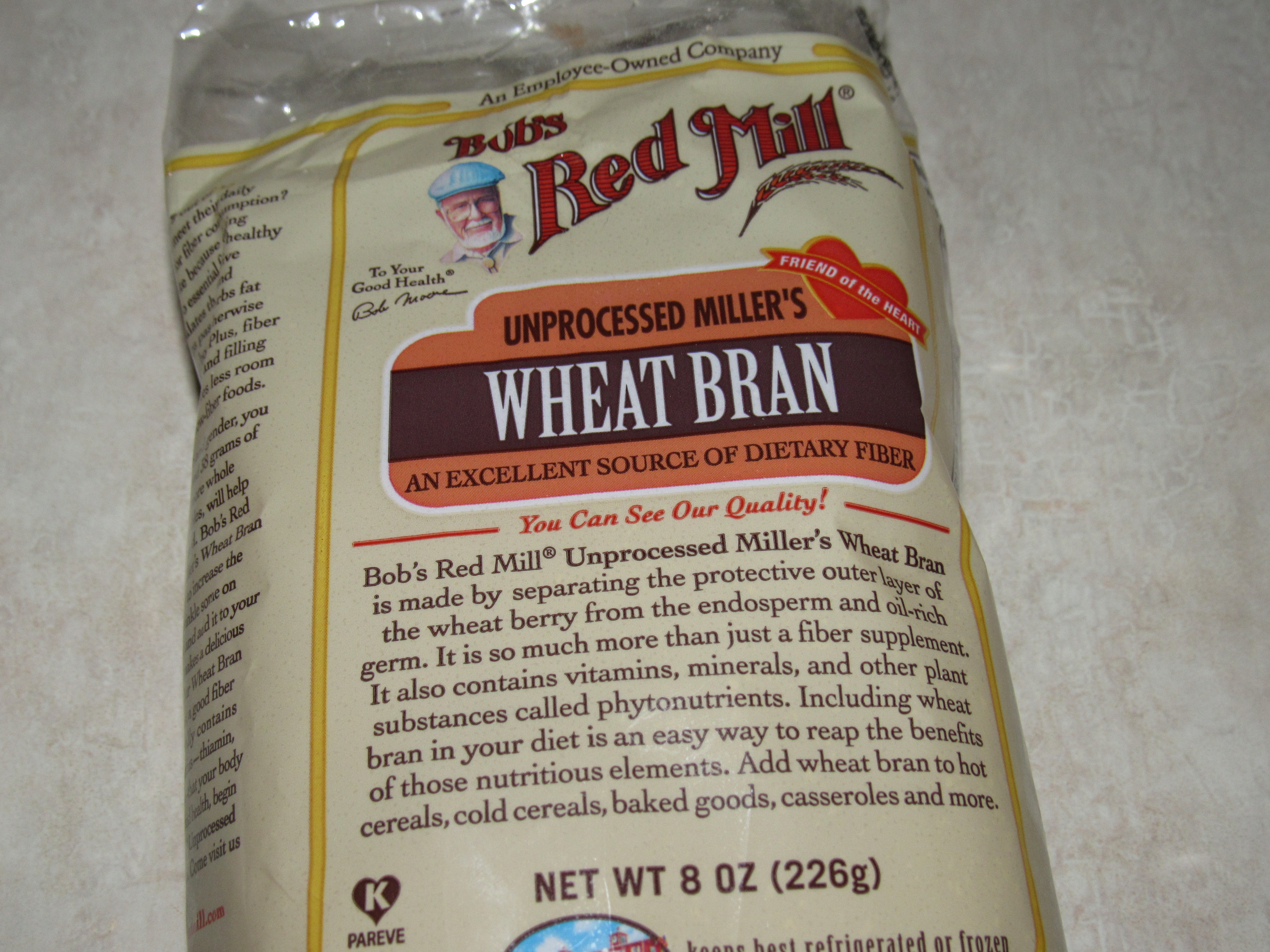
Mrs. Williston lived in Jamestown, New York. She recommended buying Davis & Taylor’s wheat bran and even provided their street address in Boston. She served these biscuits for breakfast. If any remained, they were toasted to serve for tea or “split for dinner.”

Preheat oven to 425 degrees.

Measure 5 cups of flour in a large mixing bowl and scoop a well in the center.

Scald one cup of wheat bran with one cup of boiling water. When the bran cools, spoon it into the well at the center of the flour.

A “half cup of good yeast” was Mrs. Williston’s next ingredient. As I’ve discovered by making other historical recipes, yeast was a little different 150 years ago. I added 1 tablespoon of yeast on top of the wheat bran, but 2 teaspoons would also be fine.

Add 2 tablespoons of sugar and 1 teaspoon of salt. Add 1 ¾ milk. You may need a little more—just enough to make a soft dough. It will be thicker than batter.

Cover. Place in a warm place and allow it to rise. Mrs. Williston allowed her dough to rise overnight; mine had almost doubled in 1 ½ hours.

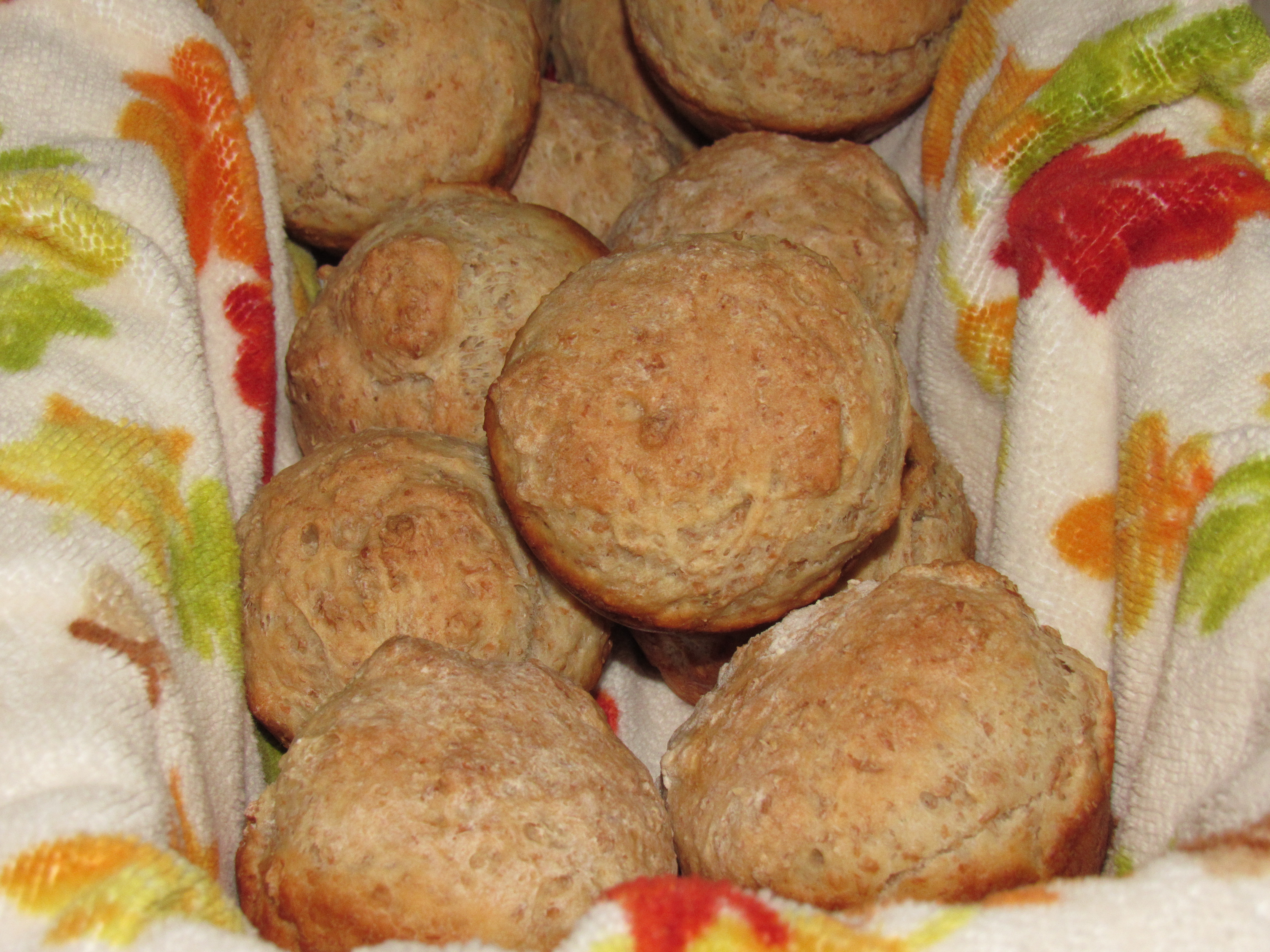
Mrs. Williston baked her biscuits in a patty pan or a gem pan—similar to a cupcake/muffin pan. Heat an empty cupcake pan. Then spoon dough into the cupcake holders. (I found it much easier to do this by hand. Tip—rinse your hands in warm water frequently when working with this type of dough.)

Bake at 425 for 20 to 25 minutes or until lightly browned. Mine baked perfectly at 23 minutes.

I baked a dozen biscuits and put the rest of the dough in a bread pan. The bread dough continued to rise while the biscuits baked.

Bake bread at 425 for about 25 minutes.

The delicious aroma had me eating a biscuit while still pretty warm. Yummy! These were a big hit at my house. I’ll have to make them again.

I’d love to hear if you try this. Enjoy!

-Sandra Merville Hart

Sources

Compiled from Original Recipes. Buckeye Cookery and Practical Housekeeping, Applewood Books, 1877.