Egg Gruel

A recipe in an 1877 cookbook for Egg Gruel claimed to be good for treating a cold. It was included in a section titled “Food for the Sick.”

As a historical novelist, I’m always interested in learning tidbits from our history. Gruels were given to Civil War soldiers in hospitals.

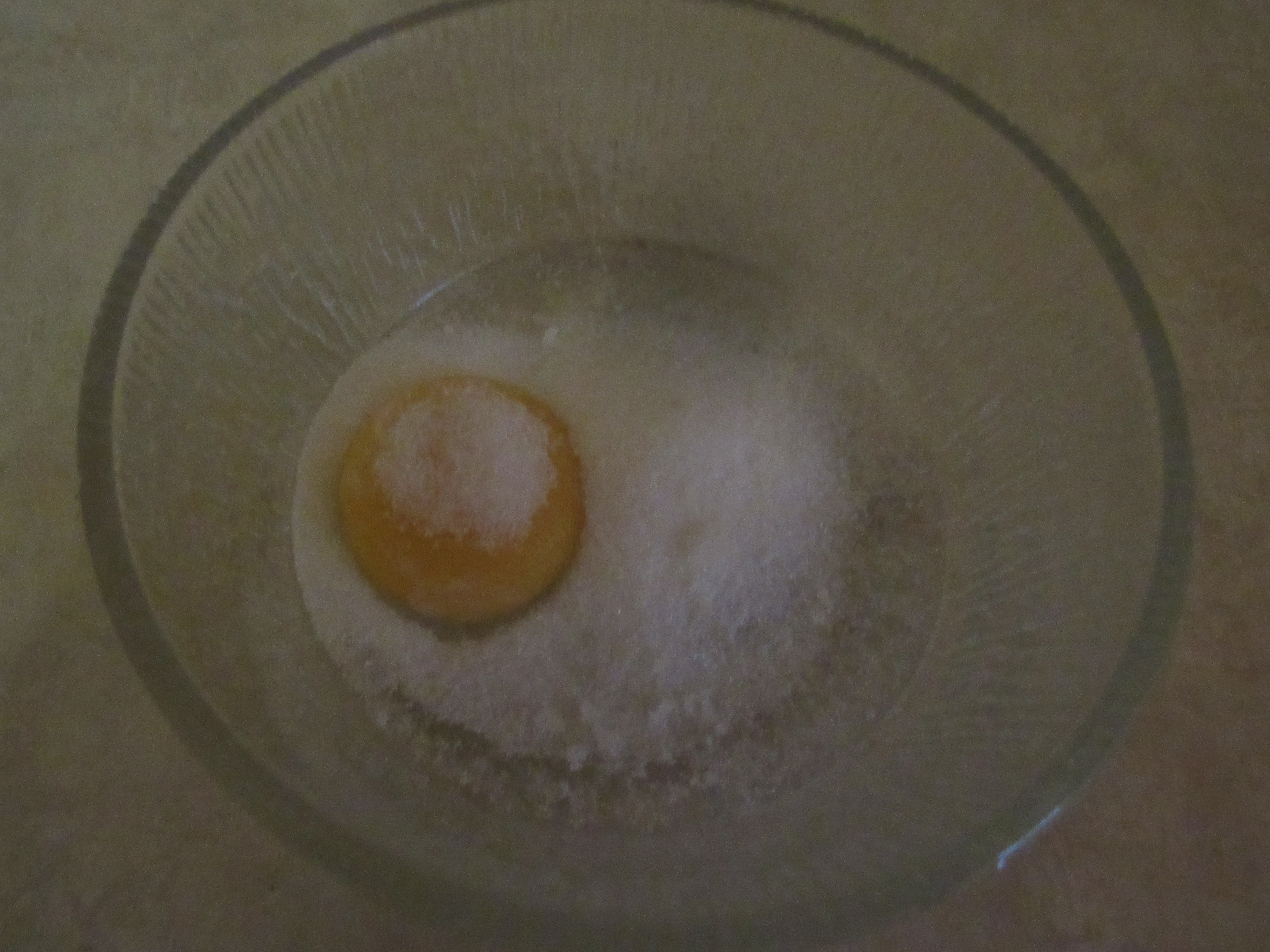
To make the gruel, take one egg and separate the egg yolk and white. Add a tablespoon of sugar to the egg yolk and beat.

Whisk the egg white separately. As there were no guidelines, I whisked until frothy. This worked well.

Stir a cup of boiling water into the yolk mixture.

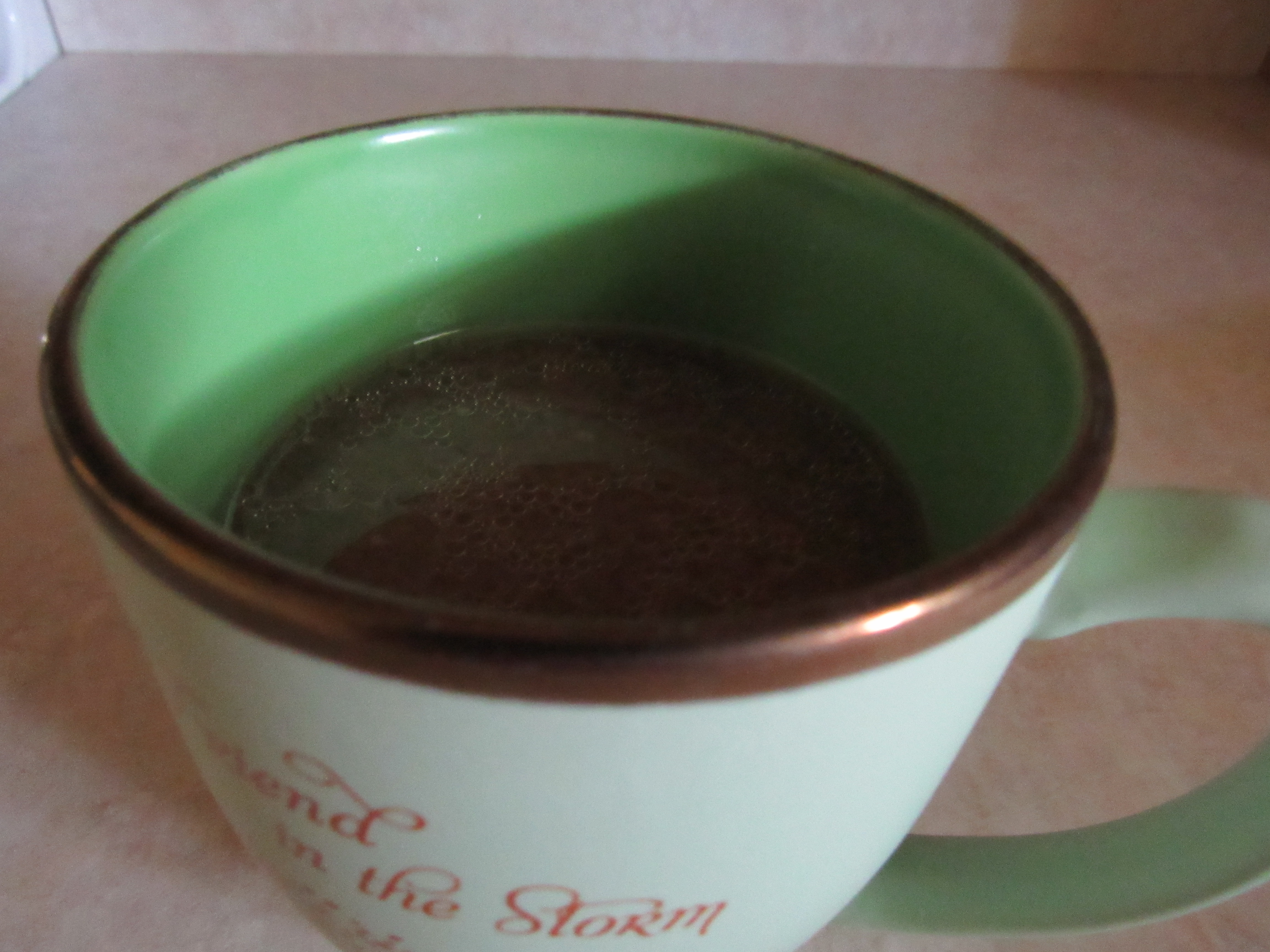
Add the egg white. Add any seasoning you desire. I sprinkled salt over the mixture and stirred it once more.

It looked far more appealing than expected but I didn’t taste it. I don’t have a cold at the moment or I might have been tempted.

Good luck! I’d love to hear if you try this recipe.

-Sandra Merville Hart

Sources

Compiled from Original Recipes. Buckeye Cookery and Practical Housekeeping, Applewood Books, 1877.


Confederate Generals Hill and Heth Doubt Pettigrew’s Report

Confederate First Lieutenant Louis G. Young, aide to Brigadier General James J. Pettigrew, accompanied his commander on reconnaissance on June 30, 1863. They planned to search Gettysburg for shoes and other army supplies.

Major General Henry Heth, Pettigrew’s Division commander, ordered him not to attack any portion of the Army of the Potomac. If he encountered a home guard, he could drive them away easily.

While on his way to Gettysburg, a spy of General Longstreet’s warned Pettigrew that Brigadier General John Buford’s Federal cavalry division held the town.

Pettigrew sent a message to General Heth requesting instructions. Heth reiterated his previous orders yet expressed doubt that the Army of the Potomac was in the area. Pettigrew withdrew.

He left Young, his aide, and Lieutenant Walter H. Robertson in the rear to watch Buford’s Cavalry, who followed their retreat from a distance.

Young easily watched them follow on the rolling countryside. The two officers hid on ridges where they could see and not be seen until the Union cavalry was 300 to 400 yards away. Then the pair rode into the open. Union troops halted until the Confederate soldiers rode away before following again.

This happened several times. Both sides observed the other without attacking.

Pettigrew reported what he’d seen to Heth and to Lieutenant General A.P. Hill, the corps commander. Neither believed that their enemy was nearby in force.

They called in Young to question him. He verified that the troops he saw were well-trained.

They didn’t believe him either.

The two generals’ disbelief was so emphatic that Young doubted any of the other commanders believed Pettigrew—including General Archer, who led Heth’s Division with his Tennessee Brigade to Gettysburg the following morning, July 1st.

-Sandra Merville Hart

Sources

Gragg, Rod. The Illustrated Gettysburg Reader: An Eyewitness History of The Civil War’s Greatest Battle, Regnery History, 2013.


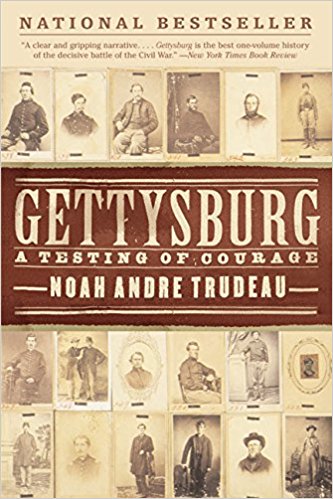
Gettysburg: A Testing of Courage by Noah Andre Trudeau

This nonfiction book tells the story of the Battle of Gettysburg. Military events are recorded along with what happened in and near Gettysburg in the days leading up to the famous battle.

So much happened during the three-day battle that the author includes each day in a single chapter, taking events in chronological order—sometimes in hourly increments.

The chapter for the second day’s fighting, for example, is well over one hundred pages. Lots of wonderful details! There are many helpful maps showing troop movements throughout the book.

Great book for history lovers and anyone interested in the Battle of Gettysburg and the Civil War.

-Sandra Merville Hart

Civil War Beef Tea

I’ve often read of nurses giving Beef Tea to severely wounded Civil War patients in my research so I was thrilled to find a recipe for it in an 1877 cookbook under the section “Food for the Sick.”

As a historical novelist, I’m always interested in learning tidbits from our history. It’s fun to add authentic details such as this one when a story requires it.

The recipe called for a pound of the best lean steak. I asked my butcher if stew beef was a type of steak. He explained that while it wasn’t a grilling steak, their stew beef was a type of steak taken from the shoulder so I used this.

The instructions were to put the beef in a glass jar, cover it tightly, and boil it slowly in water for 3 to 4 hours.

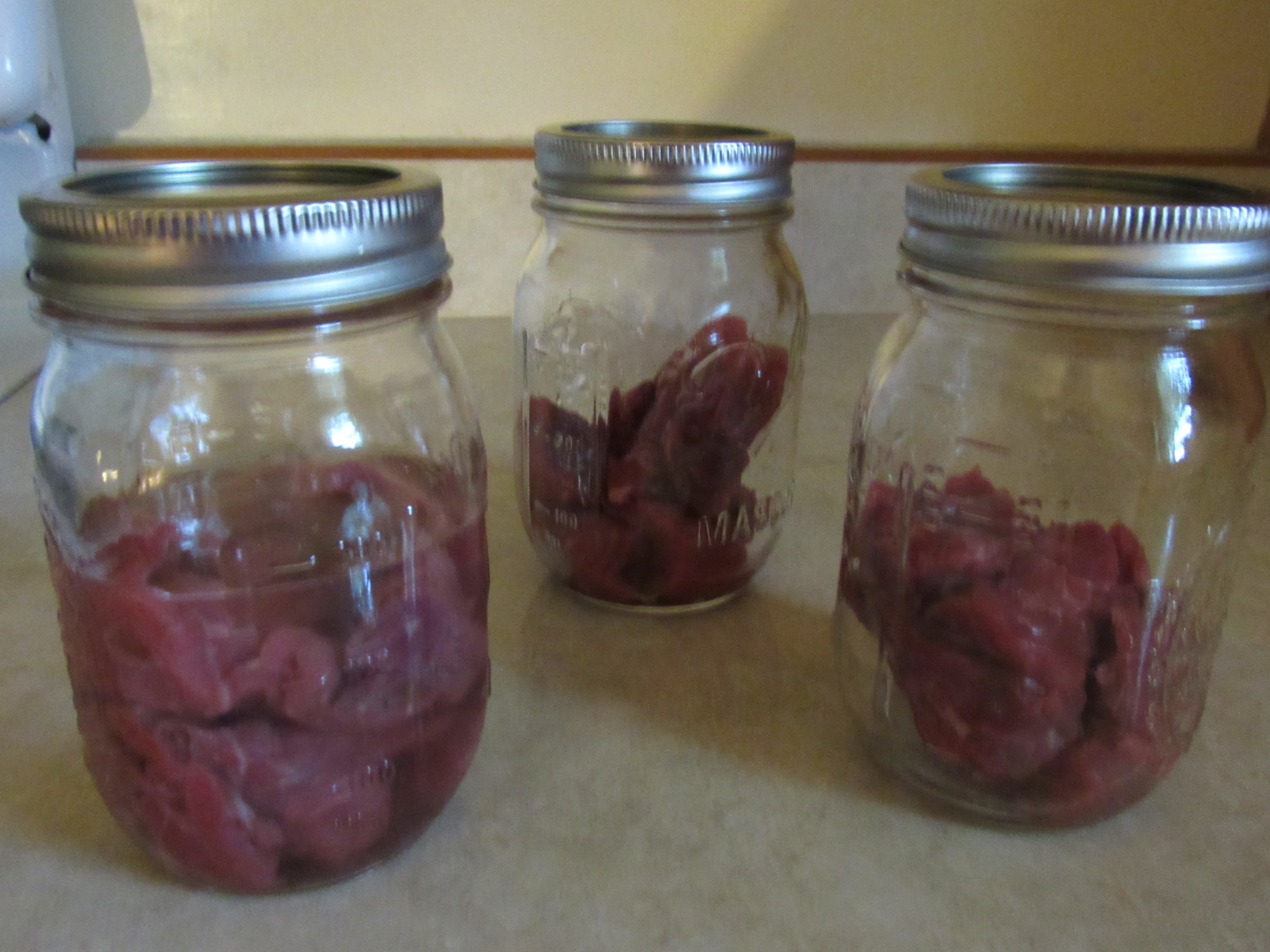
I divided the meat into 3 pint-sized Mason jars. It didn’t say anything about adding water to the meat. As an experiment, I added enough water to cover the beef in one jar only.
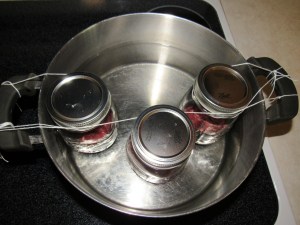
The lids were put on top. I half-filled a stewpot with cold water and placed the jars in the water. They toppled sideways. The 1877 cook advised tying them in place. I tied them to the handles individually.

I turned them on a medium heat, refilling with hot water occasionally as it boiled down. After 4 hours, the meat didn’t look like “white rags” as the recipe advised. It didn’t appear that way after 4 ½ hours of gently boiling in a jar.

I turned off the heat anyway and let it cool undisturbed.

When the jars had cooled, I removed them from the water. The amount of broth in the 2 jars with no added water wasn’t impressive. The third jar that started with about a ¼ cup of water held more broth but not a lot more.

After straining the meat, I measured 1 ¼ cups of Beef Tea. I added ½ teaspoon salt. It tasted and looked like au jus. My husband, who loves his meat, liked the flavor but felt I’d added too much salt. If you try this recipe, maybe start with ¼ teaspoon of salt or season to taste.

I checked online to see if there were other beef tea recipes and found a few that are referenced in the sources. One served patients dry toast with the tea. Another suggested adding chopped raw meat to the drink when serving. Another offered the idea of placing the tea in a bowl over boiling water (double-boiler effect) to warm it before serving.

It may seem like a lot of time for little return. Civil War soldiers too weak to eat received lots of nourishment from this tea.

Good luck! I’d love to hear if you try this recipe.

-Sandra Merville Hart

Sources

“Beef Tea,” Vintage Recipes, 2017/05/10 http://www.vintagerecipes.net/books/plain_cookery_book/beef_tea_6.php.

“Beef Tea,” Vintage Recipes, 2017/05/10 http://www.vintagerecipes.net/books/fifty_soups/beef_tea_4.php.

“Beef Tea,” Vintage Recipes, 2017/05/10 http://www.vintagerecipes.net/books/bookofhouseholdmanagement/beef_tea_3.php.

Compiled from Original Recipes. Buckeye Cookery and Practical Housekeeping, Applewood Books, 1877.



Civil War Union Captain’s Thoughts While Marching to Pennsylvania

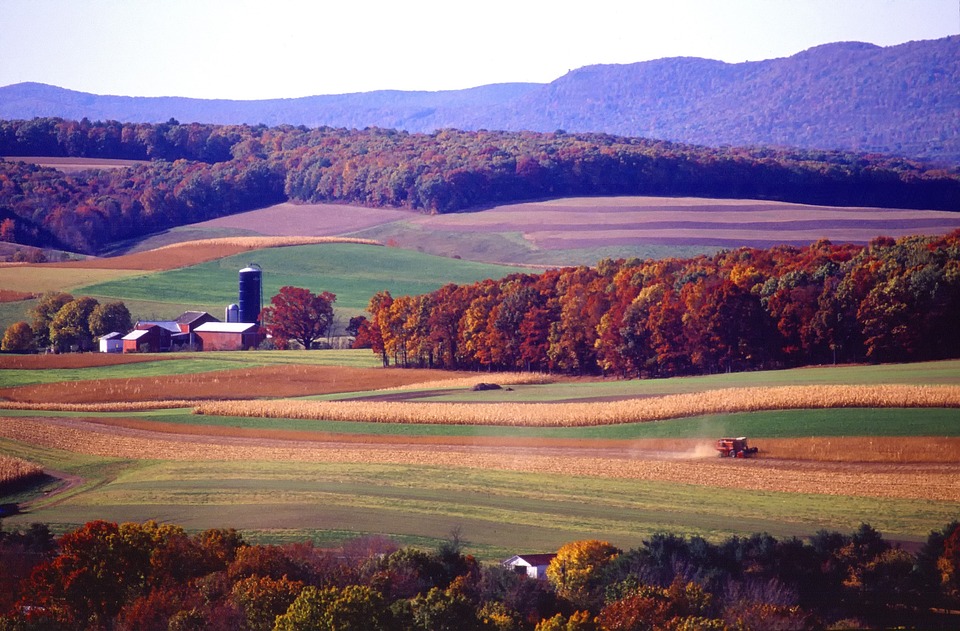
From Observation Tower at Oak Ridge, Gettysburg Battlefield

Confederate General Robert E. Lee began moving his Army of Northern Virginia toward Pennsylvania in June of 1863.

President Abraham Lincoln appointed Major General George Gordon Meade as commander of the Army of the Potomac. Meade issued his first orders on June 28, 1863.

Meade’s army marched north the following rainy morning on muddy roads. Captain Samuel W. Fiske, 14th Connecticut Infantry, wrote of the march across Maryland into Pennsylvania, his account a bit nostalgic.

Fiske didn’t know where his army was heading when he heard the bugle call to strike tents and begin the journey. He and his comrades didn’t know how long it would take to arrive—they had to blindly trust.

Fiske tried to enjoy each hour, always ready for either a skirmish or a picnic. He never knew when he’d be called to picket, bivouac, or retreat.

He reasoned that no other occupation required more faith than soldiering: faith in his own strength; faith in his army’s joint strength; faith in his commanders’ experience and watchfulness; faith in their country’s cause; and faith in God’s care and protection.

Captain Fiske enjoyed Maryland’s beauty after the war-ravaged sights in Virginia. He hated to see war roll over the peaceful countryside yet felt a battle on Northern soil might end the war.

Fiske hoped that Pennsylvania citizens weren’t so afraid that it prevented them from defending their homes. A newspaper article that he read that day told of the “chief burgess” of York looking for someone to surrender to eight to ten miles outside his city. Fiske didn’t believe that leader represented his city well.

When the captain considered his army’s recent losses, he felt he was part of “the unfortunate ‘grand army’” that couldn’t reasonably make big promises. Yet since that army would once again stand in front of Confederates, they deserved their country’s respect and support.

At the time his writing, Fiske and his comrades dealt with fatigue from marching for sixteen days. Though their numbers were depleted by the expiration of service terms, these experienced veterans had become a formidable army.

-Sandra Merville Hart

Sources

Gragg, Rod. The Illustrated Gettysburg Reader: An Eyewitness History of The Civil War’s Greatest Battle, Regnery History, 2013.


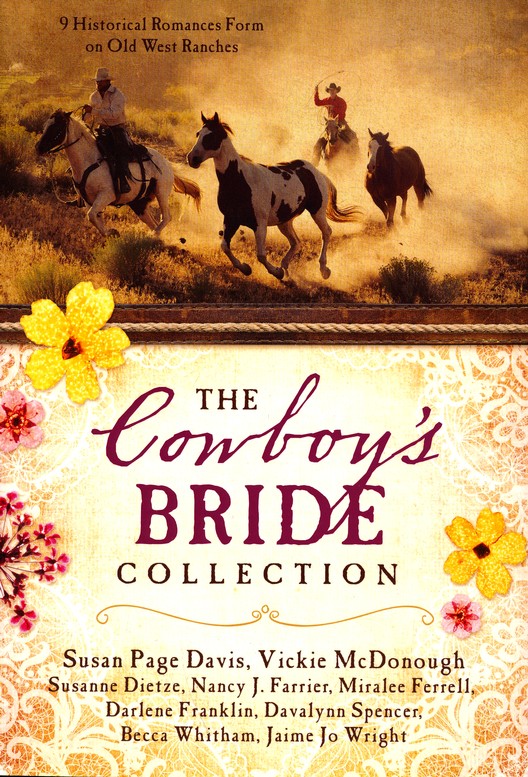
A Texan’s Surprise by Vickie McDonough

Sadie Hunter, a recent widow, and her two daughters travel to a Texas ranch with Ella Carpenter, who plans a two-month visit with her son, Trey. Sadie’s family has been living with Ella and knows that can’t continue. She must marry. Her heart longs for a love she never knew in her first marriage. Trey kindness to her family soon sparks the love she dreams of, but she fears he sees her presence at his ranch as a nuisance.

Trey doesn’t like surprises. He has detailed plans to prosper his ranch before he’ll think of marrying. Sadie sure is sweet. Pretty, too. And he loves her cooking. But he has years of work ahead before he can start a family.

Ella also a plan. Can this matchmaking mother work a miracle before another lonely rancher proposes to Sadie?

I loved learning a bit about Texas ranches in the midst of this enjoyable historical romance.

This novella is part of The Cowboy’s Bride Collection published by Barbour.

-Sandra Merville Hart

Christianbook.com

Cream of Asparagus Soup

I found this recipe in The Fannie Farmer Cookbook, a book originally published in 1896. Fannie Farmer’s name is still well-known today.

Stock, water enriched by the food cooked in it, is an important ingredient in numerous soups. Homemade stock brings full-bodied flavor to recipes. The recipe for the chicken stock used in this recipe is found here.

To make this soup, finely chop enough onion to give 2 tablespoons and set aside.

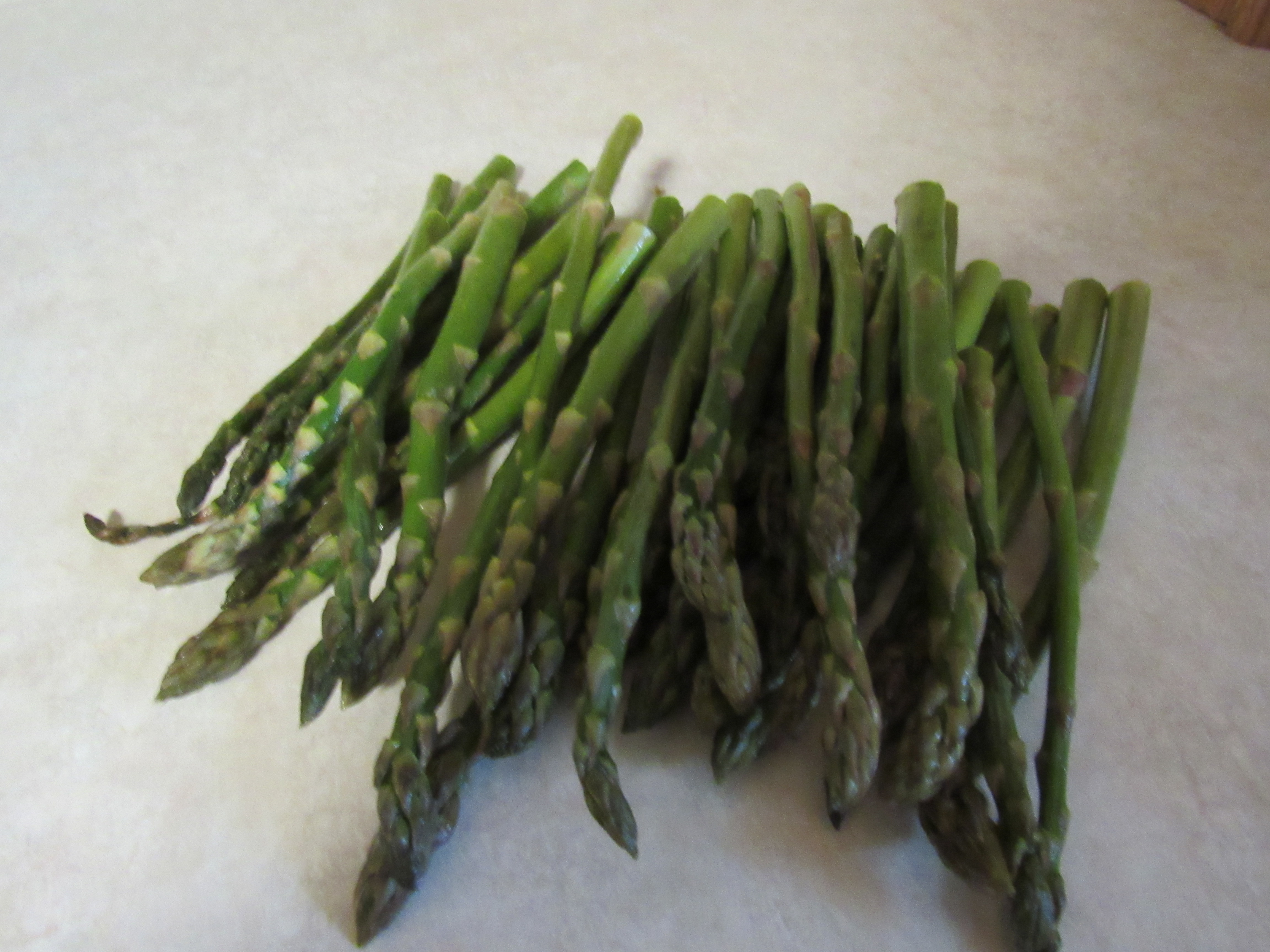
I used a pound of fresh asparagus, but frozen asparagus is also good. If using fresh, wash the vegetable and then chop off the coarse ends (about two inches from the end of the spear) and discard.

Boil 3 cups of water. Chop each asparagus spear a second time and drop the vegetables into boiling water. I cooked my asparagus for 4 minutes—about 1 minute too long as a few spears were limp. Next time I will boil them for 3 minutes.

Put a colander into a medium bowl and drain the asparagus. Reserve one cup of this water. The green liquid is filled with nutrients and flavor.

Cut off the asparagus tops. Chop them and set aside.

Pour the reserved water and 1 ½ cups of chicken stock or chicken broth into a large saucepan. (I used chicken stock.) Add 2 tablespoons of chopped onion to the liquid. Cook over a high heat until it begins to boil. Add the asparagus (without the reserved tops) and lower the heat to simmer for 5 minutes.

Remove from heat. Puree the asparagus with the broth in a blender or food processor. I used a blender and had to divide it into two batches to puree.

Run the pureed mixture through a colander one more time for a creamier soup. After rinsing the used saucepan, pour the soup inside. Add 1 cup of milk or heavy cream. (I used milk. Use cream if you prefer thicker soup.)

Salt and pepper to taste. A half teaspoon of salt wasn’t enough so I added more. A teaspoon of salt was about right for me, but this is purely a personal preference.

Heat the soup over a medium heat until hot.

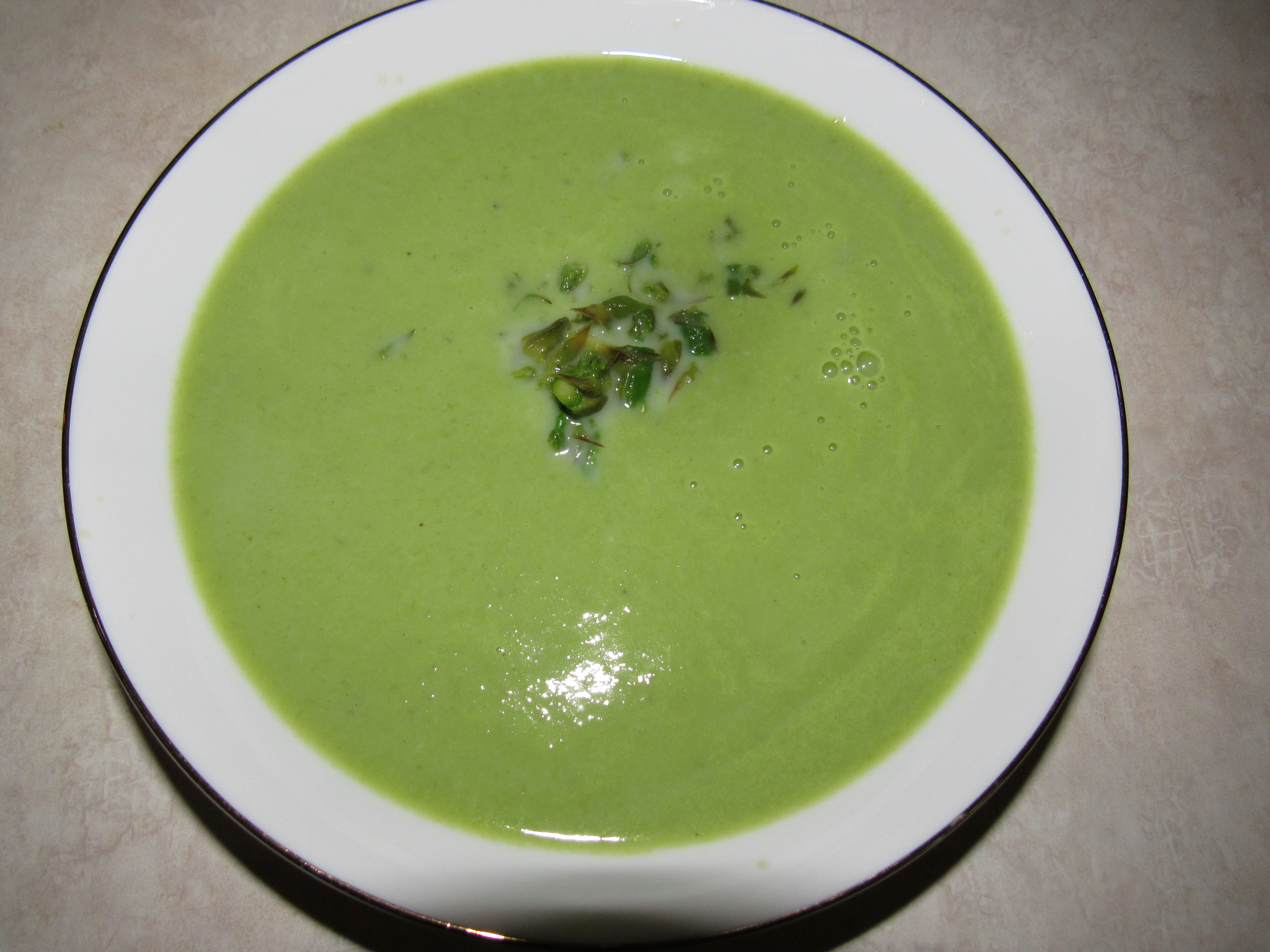
Garnish the creamy soup with the reserved chopped asparagus tops. I thought it tasted delicious and will make it again.

This recipe makes 5 one-cup servings.

-Sandra Merville Hart

Sources

Revised by Cunningham, Marion and Laber, Jeri. The Fannie Farmer Cookbook, Alfred A Knopf Inc., 1983.