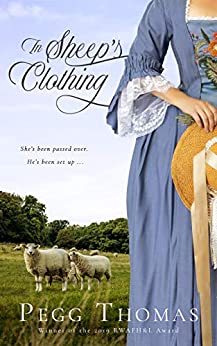
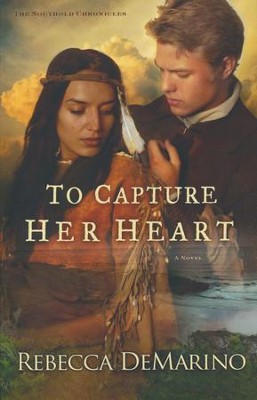
When the handsome bachelor Peter Maltby, a journeyman fuller, comes to town, no one believes Yarrow will capture his attention.
Both have secrets that plague them.
I loved this gentle historical romance! The struggles of the main characters tugged at my heart. Honest, with some unexpected twists. I also loved learning about a little-known law passed by the Crown in the colonies that placed great hardship on colonists.
This novella is a short, satisfying book that can be read in a few hours.
I’ve read other books by this author and will look for more!
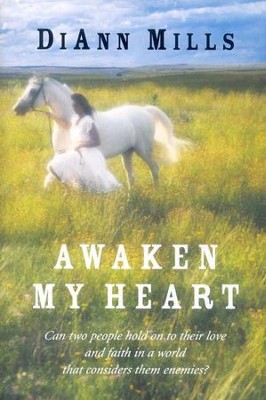
Marianne Phillips is mortified by her wealthy father’s plan to force out those who had lived first in the Texas valley where he built his ranch. Her fear grows as she learns he will use weapons and his Virginia friends to remove the Mexicans from La Flor because his cattle need their land to graze.
Then Marianne is kidnapped in exchange for La Flor by members of the rebel band led by Armando Garcia, angering him. They acted without his knowledge. He insists on guarding Marianne himself, who is soon captivated by the man’s bravery. Yet there could be no future for these feelings for her father’s enemy, especially after he arranges for her to marry a man older than himself.
Innocent characters on both sides of the book’s conflict quickly snagged my sympathy. There is action and adventure throughout the novel with a love story that tugged at my heart.
This book was a page turner for me. I learned much about the struggles in the early history of Texas before it became a state. Recommended for historical romance readers.
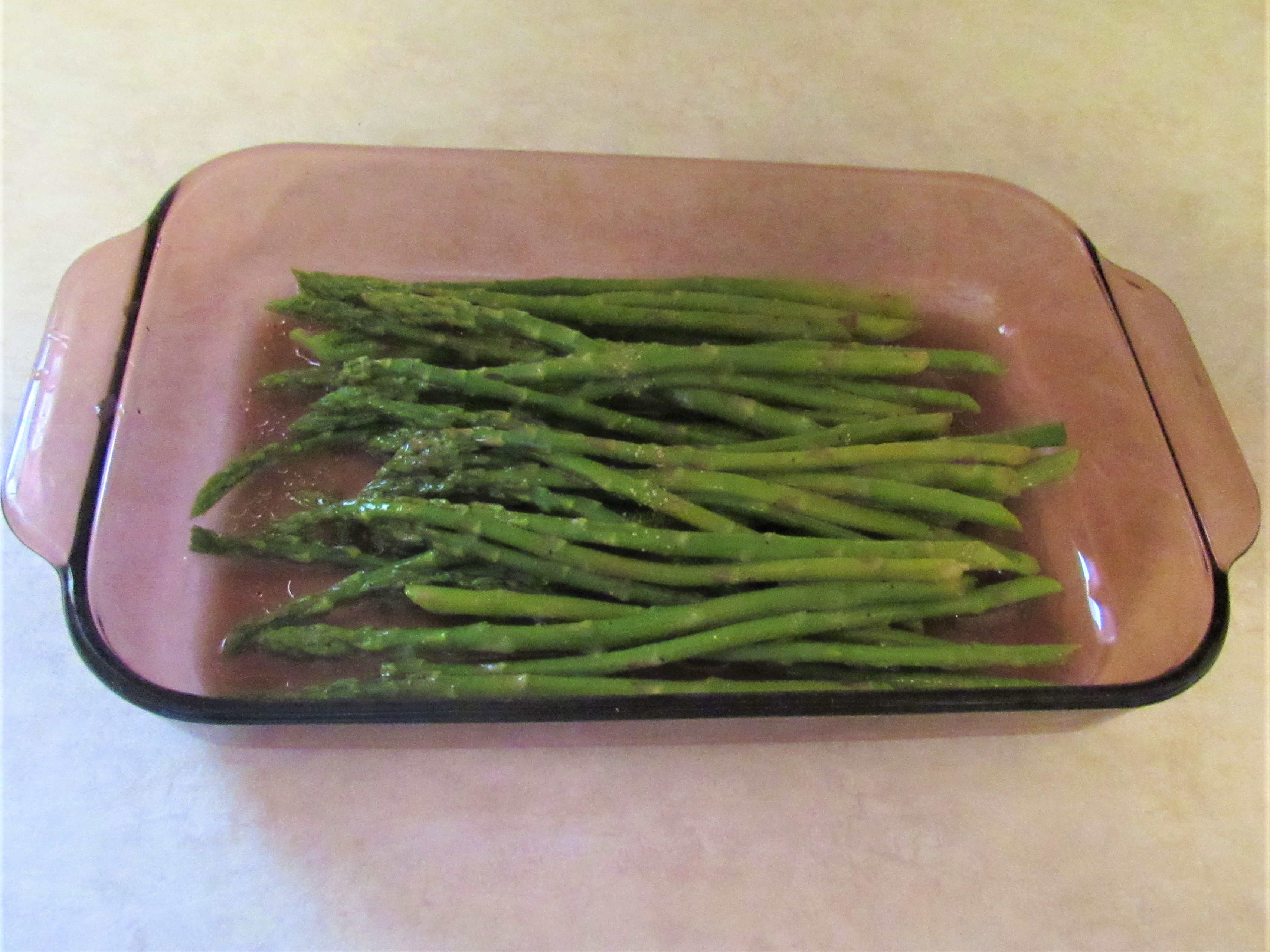
I had about a pound of asparagus in my fridge so I checked my 1877 cookbook, Buckeye Cookery and Practical Housekeeping, for recipe ideas. The one that snagged my attention was for asparagus salad. It was almost time for supper and this quick and easy recipe sounded delicious.
Mrs. Lewis Brown, an 1877 cook, provided this recipe. She gave no measurements.
Wash the asparagus and set on paper towels or a cloth towel to drain. Slice off the bottom third of each asparagus spear to remove those tough, fibrous section.
Boil water to blanch the vegetables. Add a teaspoon of salt to the water.
Place the asparagus in the boiling water. Cover and cook for 2 – 3 minutes for desired tenderness. I cooked them for 3 minutes.
Remove the vegetables from the water immediately. Add ¼ teaspoon pepper, ½ teaspoon salt, and 3 tablespoons of apple cider vinegar. Mrs. Brown suggested using strong cider vinegar. I had raw apple cider vinegar on hand and used that.
Once the asparagus has cooled, place it in a serving dish. Whisk 3 tablespoons of olive oil with the vinegar that the vegetables marinated in and pour over the top. (Mrs. Brown’s recipe says that you can replace the olive oil with melted butter—your choice.)
As mentioned, Mrs. Brown provided no measurements so I guessed at quantities. I used a 1:1 ratio for vinegar and olive oil. Next time I will reduce the oil to 2 tablespoons to allow a stronger vinegar taste.
I really enjoyed this salad. The vinegar flavor enhanced the dish with a nice snap. The olive oil added a smooth texture.
It could have used a bit of crunch. Next time I will toast some almonds and sprinkle them on top of the salad.
A quick and easy summer salad!
Sources
Compiled from Original Recipes. Buckeye Cookery and Practical Housekeeping, Applewood Books, 1877.
I am thrilled to announce that I have signed 2 three-book series contracts with Wild Heart Books! You read that right—2 contracts for 2 different series for a total of 6 books!
The first series is a Civil War Spy series. Avenue of Betrayal is the first book and is set in Washington DC (still commonly known as Washington City in the 1860s.) The whole series deals with the spying that happened during the war. Book 2, Boulevard of Confusion, and Book 3, Byway to Danger, are set in Richmond, Virginia, the Confederate capital. Spying went on in that city as well.
The Civil War series will be released first. I’ll share more about release dates as I learn them. Book 1 of this series is written and will soon be delivered to the editor. I’m currently writing the second book and need to squeeze in another research trip now that museums are open.
The second series begins with Book 1, In Ginny’s Shadow. It’s a marriage of convenience story set in three Ohio locations. Most stories lose their intensity in your imagination after you’ve written it. This one never left me so I am excited that it found a home. There are turbulent days for two characters from In Ginny’s Shadow in Book 2 as they attend college in Cincinnati in 1883-84. Then Book 3 follows one of these characters on a train to the West where the adventure starts on the trip. More about these later.
Thanks for joining me on this publishing adventure! I’ll update you when I learn more about release dates.
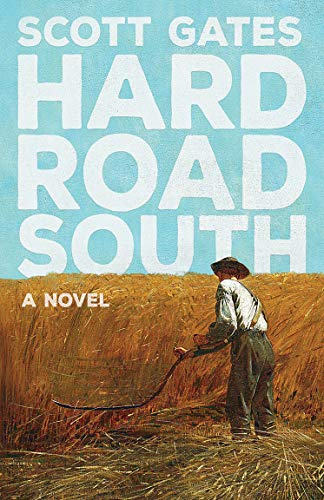
The War Between the States has been over four years. Solomon Dykes, a former officer in the Union army, longs to move south to the beautiful country in Virginia he fell in love with as a soldier.
Jeb Mosby farms his Virginia land once again. The war took so much from him and his family but he doesn’t want to dwell on those painful losses. He is willing to give Dykes a chance as his new neighbor.
There are those in town who are not as forgiving.
I was transported to the difficult days following the Civil War by this story, when Carpetbaggers and soldiers were an unwelcome presence in the South. This story is mostly set in the beautiful Virginia valleys and I could see them again through the author’s descriptions.
Likeable, authentic characters tell a story of tough times, of wounds that fester. I loved learning more about the struggles beyond the war. The story caught and held my interest.
Recommended for those interested in American history and the American Civil War.
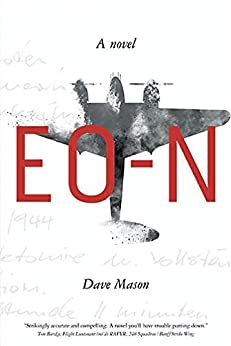
A boy discovers a sharp metal object buried in the snow that leads to the unearthing of a World War II plane crash, a plane that Alison Wiley’s missing grandfather had flown.
Alison, sorting through her recently-deceased mother’s files, discovers a telegram informing her grandmother that her husband was missing in action. The family mystery of what happened to him tugs at her. What happened to her grandfather?
I was pulled into the mystery along with the characters in this time-slip novel with the careful insertion of scenes from the war. At first these scenes feel unrelated yet are masterfully woven together in a way that grips a reader’s attention and builds suspense.
Readers will be shocked at the cruelty of some leaders and heartbroken by the tragedy others suffered at their hands. There is violence and language in this story.
This book is a page-turner from beginning to end. Highly recommend for readers of World War II historical novels.
Fellow author and friend Shelia Stovall shares a family recipe from her novel with us today. Welcome to Historical Nibbles, Shelia!
by Shelia Stovall
Thank you, Sandra, for the opportunity to share my recipe for Southern Fried Blackberry pies.
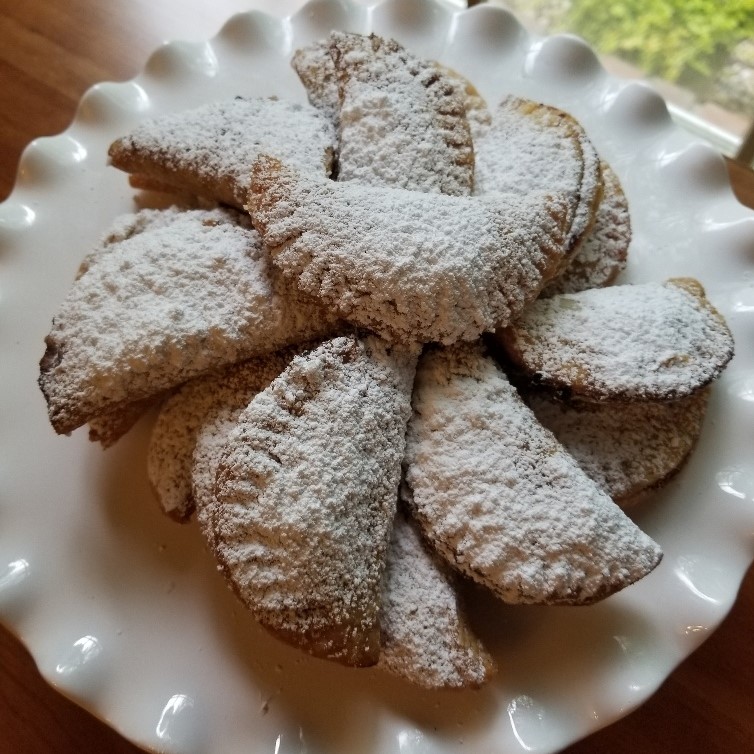
According to Wikipedia, fried pies were known as “Crab Lanterns” in the American South. This term dates back to at least 1770. It may originate from crabapple pies that had slits for ventilation, thus resembling a lantern.
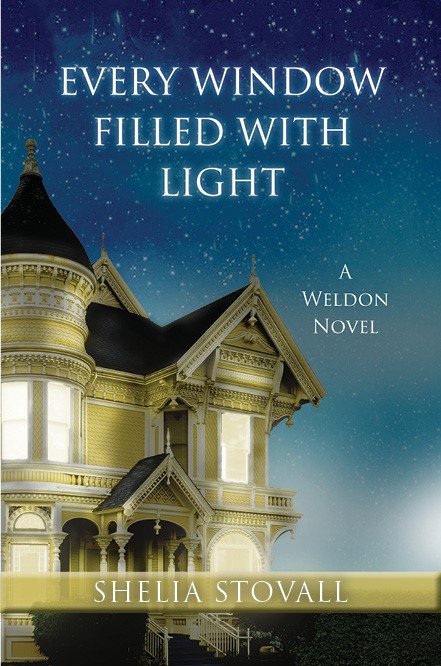
In my book, Every Window Filled with Light, Mrs. Dot, the owner of Dot’s Deluxe Diner, features a different flavor of fried fruit pie each week. The idea to do this in my novel came to me while I waited in line at Habegger’s Amish Market. My mouth watered as I stared at their fried pie display. In Every Window Filled with Light, blackberry is Pastor Bob’s favorite fried pie. So, I’m sharing my mom’s recipe for Southern Fried Blackberry Pies. I’m sure she never bought a blackberry in her life. We picked wild blackberries in late June.
Mama made her pie crusts with lard, but I buy pie crusts. It needs to be at room temperature or the crust might crack.
I sprinkle powdered sugar on my cooled pies to hide flaws while mom served them plain.
Ann’s Southern Fried Blackberry Pie
Ingredients:
3 cups blackberries
1 teaspoon lemon juice
¾ cup brown sugar
2 tablespoons salted butter
¼ cup water (to dissolve corn starch)
1 tablespoon corn starch
Vegetable oil
Sifted powdered sugar
1 box rolled pie crust from the refrigerated section of your grocery.
Filling:
Combine blackberries, lemon juice, brown sugar, melted butter. Mash berries, bring the mixture to a boil, and then stir in dissolved corn starch and simmer until thickened. (About 5 minutes.) Set aside until completely cool. (About an hour.) It’s okay to store in the refrigerator overnight.
Unroll the pie crust on waxed paper.
Cut into 3 ½ inch circles with cookie cutter or glass.
Place 1 teaspoon of cooled blackberry mixture in the center of each circle. Moisten edges of pastry; fold in half, making sure edges are even. Press pastry edges together firmly with a fork dipped in flour.
Heat 1 to 2 inches of oil in a skillet to 375° (I prefer an iron skillet). Cook 4 to 5 pies at a time until golden brown on both sides, turning once. (About 2 minutes on each side.)
Drain well on a wire rack on a cookie sheet for at least 15 minutes and then sprinkle with powdered sugar.
Depending on the size of your pies, this recipe will make about 12 – 14 pies. You will have about a cup of filling left. I usually refrigerate this and use it on toast. Yummy!
I believe there’s a fruit for every season of life. I hope you’ll try my recipe and let me know what you think.
“ 22 But the fruit of the Spirit is love, joy, peace, patience, kindness, goodness, faithfulness, 23 gentleness, self-control; against such things there is no law. Galatians 5:22-23 ESV.
About Shelia:
Shelia Stovall is the director of a small-town library in southern Kentucky, where only strangers mention her last name, and the children call her Miss Shelia.
Missionary travels are taking her to Africa—again. She’s the self-proclaimed worst missionary ever, but is glad God continues to send her.
Shelia and her husband Michael live on a farm. Spending time with family, especially her grandchildren, is her all-time favorite thing. The only hobby Shelia loves more than reading uplifting stories of hope is writing them.
Welcome to Weldon, Kentucky, where the only things the locals love more than fried pies are gossip and match-making.
Librarian Emma Baker, a young and childless widow, believes her dream to build a family is over. It’s been two years since a student accidentally stabbed Emma’s husband to death, and her grief has stifled any interest in romance—until she meets Pastor Luke Davis. But when Emma learns Luke is counseling her husband’s killer fresh out of jail, her temper gets in the way.
Meanwhile, Emma discovers twelve-year-old Harley, abandoned by her drug-addict mother, hiding in the library, and takes the girl in as her foster mom. Then a young mother is made homeless by an apartment fire, and Emma opens her home again. One person and one prayer at a time, Emma begins to discover hope.
Aeronaut Thaddeus Lowe’s test flight on April 19, 1861, from Cincinnati didn’t go as planned. Instead of landing in the Chesapeake Bay area, winds took his balloon south to South Carolina. He was arrested as a possible spy. He was released after being recognized by a local citizen. What started out as a catastrophe ended with Lowe and his balloon on a northbound train to Cincinnati.
Lowe was now determined that he and his balloons would serve the Union army. He took his balloon Enterprise to Washington D.C.
The Columbia Armory occupied the area where the National Air and Space Museum now stand. It was on this spot, in sight of the White House where President Abraham Lincoln lived, that Lowe launched the Enterprise with American Telegraph Company representatives on June 17, 1861.
They ascended to a height of 500 feet. Lowe telegraphed a message to President Lincoln from the air that he could see 50 miles from his position.
President Lincoln met with Lowe that evening in the White House. Though Lowe wasn’t the only aeronaut hoping to serve the army, he had convinced Lincoln that reconnaissance from the balloon would help his generals. Lowe became the chief aeronaut in the U.S. Army Balloon Corps.
Several Federal officers ascended in these balloons, including John Reynolds, Joe Hooker, George McClellan, Fitz John Porter, Baldy Smith, John Sedgwick, and George Custer.
Heather Flower’s captors tied her to a tree. She doesn’t want them to return. They had forced her to watch them kill her husband at their wedding feast and then kidnapped her and several other women.
Lieutenant Dirk Van Buren rescues Heather Flower for her family on Long Island. Aware she survived a terrible tragedy, he fights his attraction for the beautiful, brave woman.
Benjamin Horton is also a good man and an old friend. Heather Flower knows he loves her and wants to marry her.
Two good men care for her. Which should she choose? She can’t stop worrying about the women who were kidnapped with her. Are they alive?
This story, set in 1653, captivated me from the beginning. I fell in love with the characters. I love books where I learn some history as a natural part of reading the story. I enjoyed this book, a page-turner for me, and recommend it for historical romance readers.
Sequel to Healing Hearts, Cindy Ervin Huff’s novella in “The Cowboys,” a Smitten Historical Romance Collection
Jed Holt recognizes the desperate fear in Delilah James’s eyes. His days as a chaplain during the recent War Between the States taught him to tread lightly when a desperate person held a gun.
Delilah’s house lay in charred ruins. Her husband lay dead among the ashes of the small building that had never been the safe haven. She couldn’t mourn the man who’d treated her so cruelly.
Never would she trust another man … no matter how kindly he treated her. Experience had taught her it didn’t last.
Even as Jed’s compassionate heart grows to love the widow who now works for his sister-in-law, he has ghosts from his own past—remnants of the war he can’t overcome.
This novel, set on an 1870 Kansas ranch, tells a story of abuse and the difficulty of trusting again that will resound with many readers.
Likeable characters tug at the heart in this emotional story filled with plenty of twists and turns. Huff has written a spell-binding tale of budding romance with road blocks at every turn.
I first met some of these courageous characters in Healing Hearts in “The Cowboys” Smitten Collection, and fell in love with them there.
This novel is even more compelling. I couldn’t put it down. A page turner from beginning to end for me!