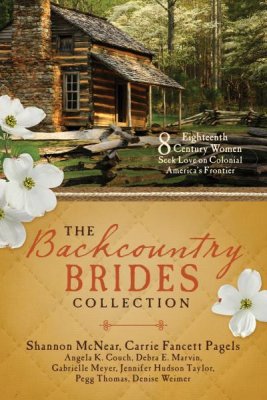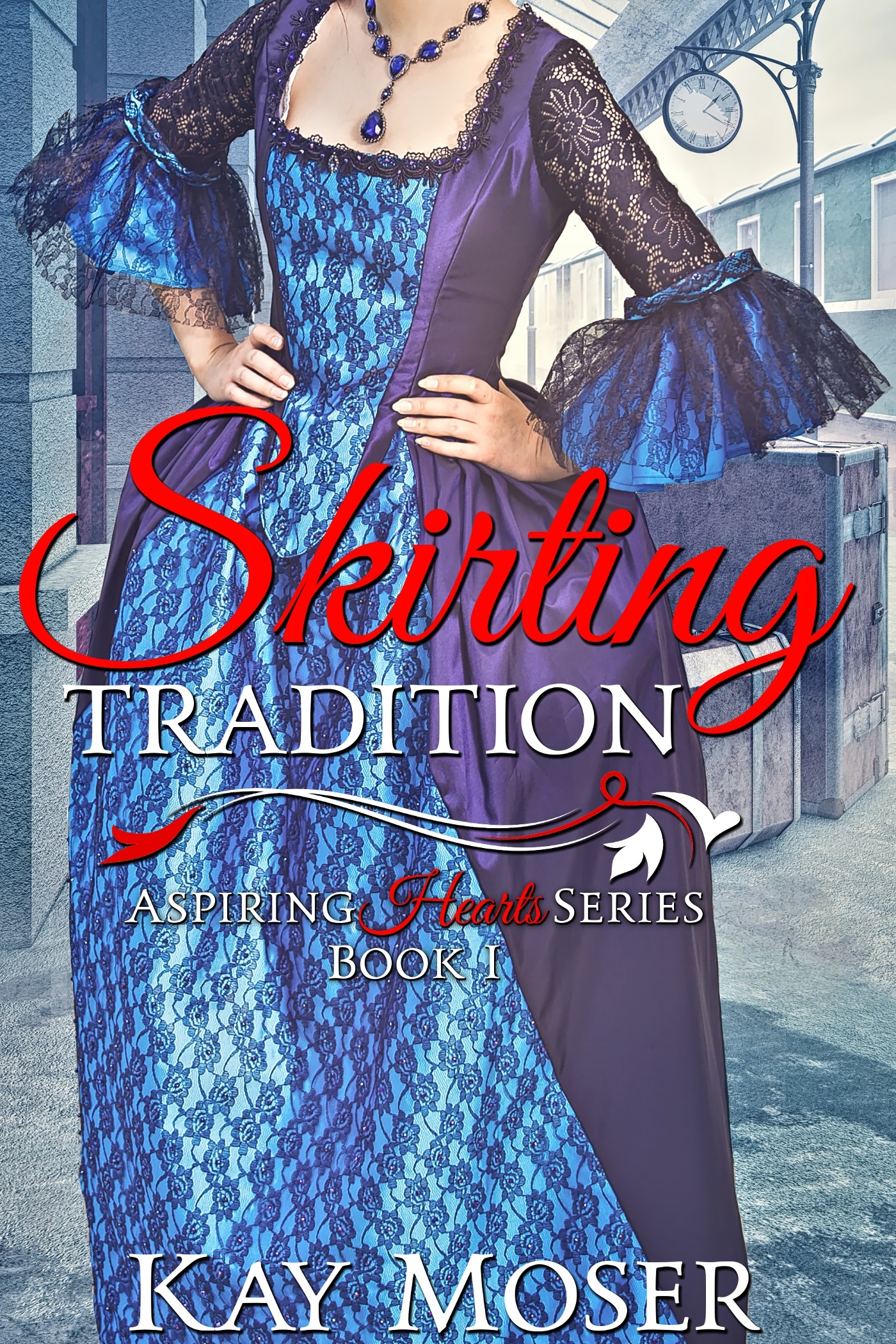
Home of Our Hearts by Robin Jones Gunn

Christy & Todd: The Married Years Series, Book 2

Sometimes it’s hard to keep a promise.

Christy had promised her best friend that she’d be at her wedding—only it’s in Kenya.

Todd’s long ago promise that he’d be at his dad’s wedding is now coming true. The problem is that the ceremony is in the Canary Islands where his dad will live with his bride. Thousands of miles will separate Todd from his father in the future but that’s not all—the Todd and Christy had been living in his father’s home that must now be sold.

Loss of jobs, financial difficulties, and serious illness of a family member plague the young couple expecting their first child.

This young adult novel is an easy read. Lovable characters easily drew me into their world. They made me want to spend more time with them so it’s great that this is a series.

I enjoyed this story.

-Sandra Merville Hart

Christianbook.com

1870s Liquid Measures

Leafing through a cookbook from 1877, I found a great table of liquid measures. Some of these are common measures today while others were better known by our great-great grandparents.

1 teaspoon full = 45 drops of pure water at 60 degrees Fahrenheit. (This measure was included due to the varied sizes of teaspoons.)

1 teaspoon = about 1 fluid drachm

4 teaspoons = 1 tablespoon or ½ fluid ounce (today’s measures are 3 teaspoons = 1 tablespoon so this shows the change in measuring spoon size over the years)

1 ounce = 8 fluid drachms (1/4 gill)

1 pint = 16 fluid ounces (4 gills)

16 tablespoons = ½ pint

1 tea-cup = 8 fluid ounces (2 gills)

4 tea-cups = 1 quart

1 common-sized tumbler holds about ½ pint (8 ounces)

4 gills (gi.) = 1 pint

2 pints = 1 quart

4 quarts = 1 gallon

The cookbook author mentions old French measures for liquids used “1 tea-cup equals 4 fluid ounces or 1 gill.” The author does not say how many years ago that measure had been used. The tea-cup was about twice that size in the 1870s.

These important variations make it challenging to figure out ingredient measurements for historic recipes.

Interesting!

Has anyone run across recipe measuring in gills or drachms?

-Sandra Merville Hart

Sources

Compiled from Original Recipes. Buckeye Cookery and Practical Housekeeping, Applewood Books, 1877.

Civil War Women: Mary Ann Clark as Henry Clark

Mary Ann Clark’s marriage hadn’t been easy. Her husband deserted her and her two children to go to California. According to her mother, Mary Ann suffered two nervous breakdowns when he wrote her that he was returning with a new wife. She divorced him.

At some point, she turned over the care of her two children, Caroline Elizabeth and Gideon P. Walker, to the care of Rev. Father Brady. Then Mary Ann disguised herself as a man (Henry Clark) and joined the Confederate army under General Braxton Bragg.

Clark was wounded at the Battle of Richmond, Kentucky, on August 30, 1862, captured, and imprisoned. Her identity was discovered while in prison. Union troops provided her a dress and asked her to swear to return to civilian life as a lady. Mary Ann agreed and wrote a letter to friends before leaving the prison, asking that they inform her mother of all that had happened to her.

Once free, she made her way back to the Confederate army—with one change. This time she rejoined as a female officer.

Southern newspapers called Mary Ann a heroine, yet they reported her story incorrectly. In their articles, they wrote that she followed her husband into the Battle of Shiloh where he was killed. The article went on to say that she buried him herself and then fought until she was captured.

Mary Ann didn’t follow her husband into war nor did she fight in the Battle of Shiloh.

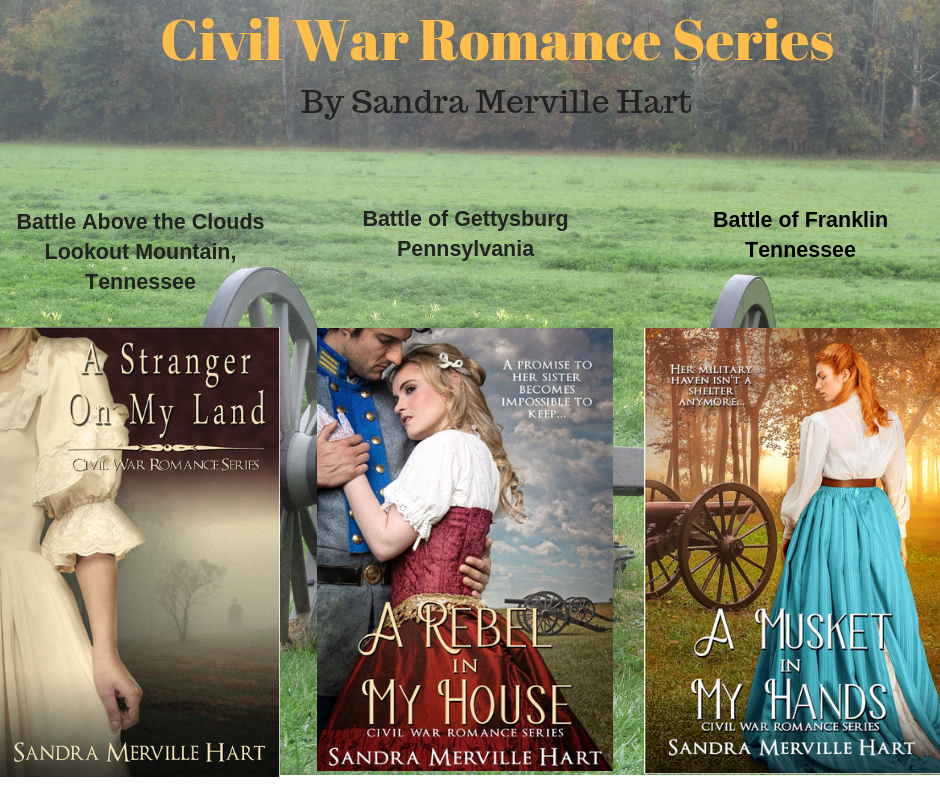
In my Civil War novel, A Musket in My Hands, an ultimatum from their father forces two sisters to disguise themselves as men to muster into the Confederate army in the fall of 1864—just in time for events and long marches to lead them to the tragic Battle of Franklin.

-Sandra Merville Hart

Sources

Al-Jumaily, Sunshine. “’Tell Her What a Good Rebel Soldier I Have Been:’ Mary Ann Clark Disguised During the Civil War,” Kentucky Historical Society, 2018/12/10 http://history.ky.gov/landmark/tell-her-what-a-good-rebel-soldier-i-have-been-mary-ann-clark-disguised-during-the-civil-war/.

Blanton, DeAnne and Cook, Lauren M. They Fought Like Demons, Louisiana State University Press, 2002.

Howe, Robert F. “Covert Force,” Smithsonian.com, 2018/12/10 https://www.smithsonianmag.com/history/covert-force-70629819/.

“Mary Ann Clark, Confederate Soldier,” Civil War Talk, 2018/12/10 https://civilwartalk.com/threads/mary-ann-clark-confederate-soldier.104262/.


House of Secrets by Ramona Richards

This Love Inspired Suspense novel kept me on the edge of my seat!

June Eaton is a strong woman, a leader in her community because of her deceased husband’s position as pastor of the church. She moved from the parsonage after his death three years ago, though longing to stay in the Victorian home with all its hidden rooms and compartments.

Sheriff Ray Taylor cares about June—and those feelings shift into overdrive when she finds the new pastor murdered at the parsonage. June is in constant danger from the murderer because she interrupted the pair. Yet the danger opens old wounds for her that are difficult to overcome.

This book is a page turner! I was constantly worried for June and what would happen next. The parsonage fascinated me. Loved these believable characters. The sheriff is a true hero in a tough situation.

Well-written. Recommend!

-Sandra Merville Hart


I’ve Brought some Corn for Popping


“I’ve brought some corn for popping.” This line from the beloved Christmas carol “Let it Snow” started me wondering when the tradition of popping corn began.

People have known how to pop corn for thousands of years. Ears of popcorn were discovered in the Bat Cave in New Mexico that are about 4,000 years old. Found in 1948 and 1950, a penny is larger than the smallest of these ears while others are about 2 inches long.

Popcorn remnants discovered in Mexico have been dated to around 3600 BC.

Surprising, right?

One-thousand-year-old popcorn kernels found in North Chile still pop.

Aztec Indians in the 16th century used popcorn for ceremonial headdresses and necklaces. Young women danced a popcorn dance wearing popcorn garlands on their heads.

Pearls or Nonpareil were names that the kernels were sold under on the United States eastern coast in the 19th century.

Popcorn ground with cream or milk was a popular dish for breakfast in the late 19th and early 20th centuries.

Popcorn balls became beloved Christmas gifts in the 19th century. These were also used in decorating mantles and Christmas trees. Stringing popcorn was also popular as garland.

Street vendors pushed carts with steam or gas-powered poppers to sell popcorn at fairs and parks. The aroma alone must have sold the treat at outdoor festivities.

Popcorn was so inexpensive—5 or 10 cents a bag—that sales actually increased during the Great Depression. Selling popcorn at movie theaters increased the snack’s popularity.

Microwave popcorn made the snack a modern convenience since the 1980s.

Sources

“Early Popcorn History,” Popcorn.org, 2018/11/02

https://www.popcorn.org/Facts-Fun/History-of-Popcorn.

“Popcorn,” Wikipedia, 2018/11/02 https://en.wikipedia.org/wiki/Popcorn.

Ten Songs that Mention Snow


by Sandra Merville Hart

It’s that time of year again. Shops play Christmas tunes as background music to get customers in the mood for shopping.

These songs help to set the mood for me. There are several songs that mention snow—not my favorite. But I do love snowy scenes on Christmas cards. And I love watching it snow when everyone I love is safe at home, so snowy Christmas songs still work for me.

Here’s a list of ten traditional Christmas songs that mention snow:

  • “Silver Bells” – Hear the snow crunch
  • “It’s Beginning to Look a Lot like Christmas” – The sturdy kind that doesn’t mind the snow
  • “Let it Snow”
  • “I’ll Be Home for Christmas” – Please have snow and mistletoe
  • “Winter Wonderland” – In the lane, snow is glistening
  • “Jingle Bells” – Dashing through the snow
  • “Frosty the Snowman”
  • “Over the River and through the Woods” – Through white and drifted snow
  • “Sleigh Ride” – Outside the snow is falling
  • “White Christmas” – To hear sleigh bells in the snow

Can you think of others?


https://www.amazon.com/Sandra-Merville-Hart/e/B00OBSJ3PU/

The Silent Noisy Night by Jill Roman Lord

This children’s picture book is a sweet story of the night Jesus was born.

With all the stable animals making noises and the angels singing their praises to God, it wasn’t a very “silent” night at all.

I loved this book and bought it to read to my two-year-old grandson. He loves books about animals and children—I can’t wait to read it to him.

Children up to age six will enjoy this story.

-Sandra Merville Hart

Christianbook.com

What Did the Magi Eat on their Journey?


by Sandra Merville Hart

The Bible tells us in Matthew 2:1 that Magi from the east came to Jerusalem after Jesus was born in Bethlehem. It doesn’t give an exact location. Yet northern Arabia, Syria, and Mesopotamia were considered the “east” by the Jews.

If, as some have suggested, the wise men traveled from the same area as Balaam, that area between Aleppo and Carchemish was a journey of about 400 miles. This might have taken 2 to 3 weeks on camels—longer if walking. Nighttime travel to follow the star would have required more time.

Some experts believe the  wise men’s journey was much longer than 400 miles and took from 6 months to 2 years to complete. This makes sense because the Magi talked with King Herod when they were still searching for the child. Herod asked them when they first saw the star and asked them to return to him once they found the young king. The wise men were warned in a dream not to return to Herod, who then ordered all the boys two and under in Bethlehem and its vicinity to be killed. (Matthew 2:1-18) The 6-month to 2-year range makes more sense in light of the boys’ ages in Herod’s terrible ruling.

What might they have eaten along the way? Nuts, dates, and figs would have kept well on the journey and were easy to pack on camels. They also needed to bring food and grain for their camels. Some people believe the Magi traveled on sand dunes and desert for many miles.

They’d also follow the rivers and streams as much as possible so they and their camels could find plenty to drink. Folks living in the region undoubtedly gave them with water from their wells.

When going through towns, they’d take advantage of opportunities to buy fresh bread, meat, fruits, and vegetables for the journey ahead. Stews and soups would have provided hot meals and stretched their supplies.

These Wise Men brought three gifts for Jesus.

They gave him gold. This gift affiliated with kings was given to Jesus, the New-Born King.

They gave him frankincense, an aromatic oil sometimes used in worship. Christians worship Jesus as God’s Son.

They gave him myrrh, a fragrance used in preparation of dead bodies, symbolizing Jesus’ persecution and death.

Sources

Bible Study Tools Staff. “Three Wise Men – Bible Story,” Bible Study Tools, 18/11/02

https://www.biblestudytools.com/bible-stories/three-wise-men.html.

“How far did the Magi Travel to see Jesus?” BibleAsk, 18/11/02

http s://bibleask.org/far-magi-travel-see-jesus/.

Wise Men Trivia: Christmas Fun for Kids, Barbour Publishing, 2013.

Holiday Homecoming by Jean C. Gordon

Part of The Donnelly Brother Series

This Love Inspired novel is a Christmas romance!

Natalie Delacrioix had turned down Connor Donnelly’s marriage proposal at Christmas several years ago to pursue career opportunities in broadcasting. Only things didn’t go as planned. She’s out of a job and back at home helping her mother recover from health issues … and wondering how her first glimpse of Conner since rejecting his proposal will go.

Conner, now the pastor of a congregation, hopes that Natalie volunteering to lead the Christmas pageant as choir director will mend the breach between them … somehow. He can’t forget her rejection of his Christmas proposal. Will he be disappointed again?

I enjoy novels set during the holidays. This lighthearted romance took me to the snowy New England area of the United States. I enjoyed the story.

-Sandra Merville Hart

Pumpkin Pie: A Holiday Tradition


by Sandra Merville Hart

Hurrah for pumpkin pie is a line from a song often sung at Christmas— “Over the River and Through the Woods.” Originally published in 1844, this song shows the long-standing tradition of eating pumpkin pie during the holidays.

December 25th is National Pumpkin Pie Day!

The Church’s observation of meatless days led to eating more pie at the Christmas season—often fish pies. Fruit pie became popular in the 1500s with the lowering of sugar prices. The nobility enjoyed them on holidays and special occasions.

Others soon began to eat pies but kept the custom of baking them on holidays and other special occasions.

Pumpkin pie recipes are found in English cookbooks from the seventeenth century though American cookbooks generally didn’t have them until the early 1800s. Pumpkin pie soon became a staple at Thanksgiving.

Pumpkins are harvested in the fall, making them a natural addition to holiday dinners. Our family has pumpkin pie at both Thanksgiving and Christmas.

The world’s largest pumpkin pie was baked on September 25, 2010 at the New Bremen Pumpkinfest in Ohio. The pie had a diameter of 20 feet!

I am including a link to the recipe for my mom’s delicious pumpkin pie.

Enjoy!

Sources

“History of Pie: Why do we eat Pie During the Holidays?” Marie Callenders, 2018/11/05 https://www.mariecallendersmeals.com/articles/history-pie-why-do-we-eat-pie-during-holidays.

“National Pumpkin Pie Day,” Holiday Insights, 2018/11/05 http://holidayinsights.com/moreholidays/December/pumpkinpieday.htm.

“Pumpkin Pie,” Wikipedia, 2018/11/05 https://en.wikipedia.org/wiki/Pumpkin_pie.