Battle at Fort Michilimackinac

Today’s post was written by talented editor and author, Pegg Thomas. The location of her book is a place I’ve longed to visit. Reading and loving one of her stories,  Embattled Hearts, has made me look forward to reading this newest novella.  Welcome to Historical Nibbles, Pegg!

 First, let me help you pronounce that fort, it’s mish-ee-lee-mack-in-aw. Right. Exactly how it’s spelled.

This fort sits at the top of Michigan’s Lower Peninsula, at the point where the two peninsulas are the closest. It’s called the Straits of Mackinac and today is spanned by the very impressive 5-mile-long Mackinac Bridge. The fort has been rebuilt on its original foundation and is the longest ongoing archeological dig in the United States. It’s open for tourists and staffed with a good crew of reenactors to make the experience memorable.
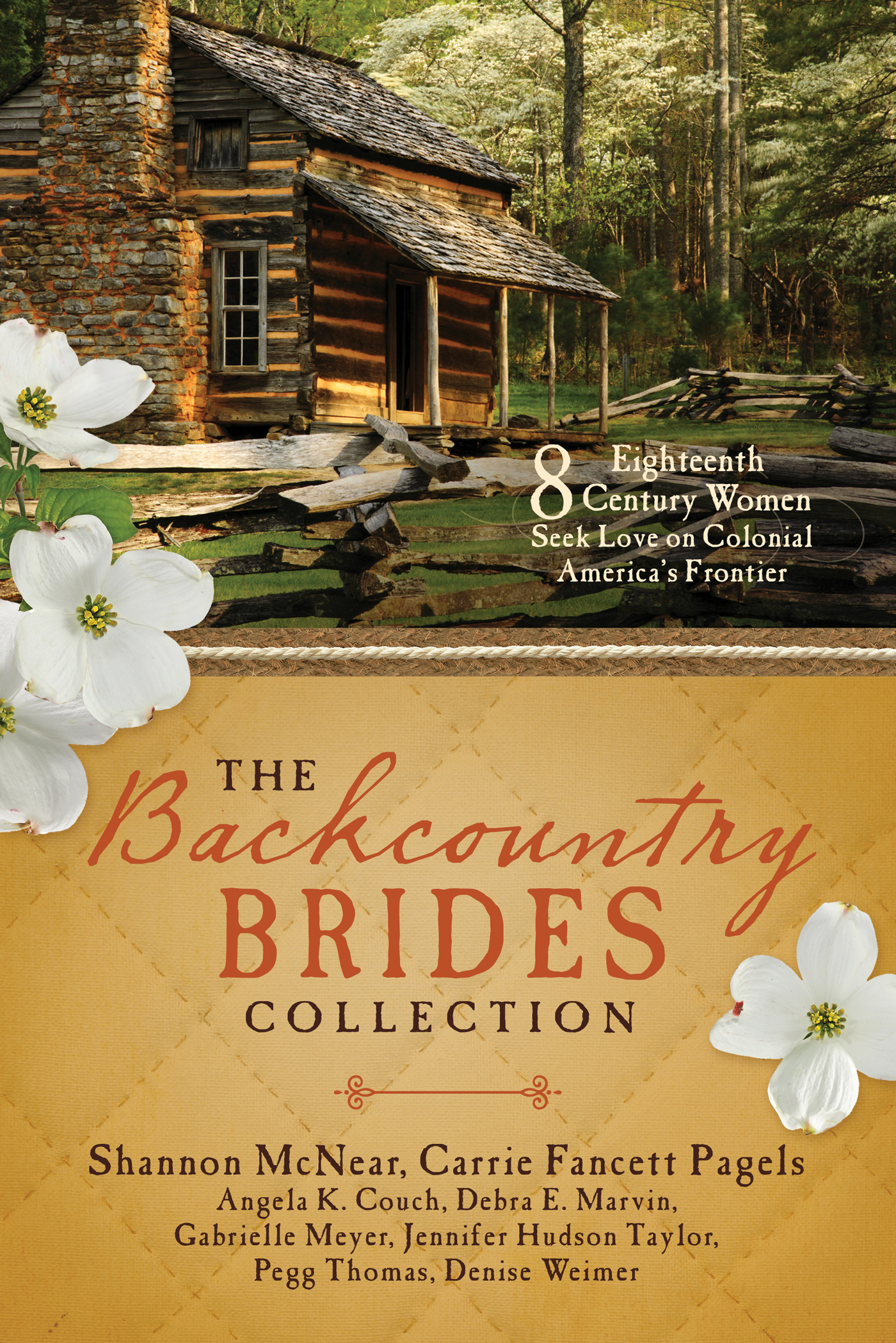
My May release, Her Redcoat, which is part of The Backcountry Brides collection, takes place here in 1763 during the Indian uprising, Pontiac’s Rebellion. While Pontiac organized multiple tribes and led the uprising against Fort Detroit, other Indians who supported him also attacked Fort Pitt and Fort Niagara. Those major forts stood against the attacks, while eight smaller forts were overrun. Including Fort Michilimackinac.

Pontiac and his followers had been used to the level-handed relationship they’d built with the French fur traders. When the British ousted the French and moved into their forts, the Indians rebelled against the arrogant and heavy-handed methods of the British.

In the background of my story is the history of Fort Michilimackinac. The British commander with his forty-some troops was vastly outnumbered by upwards of five hundred warriors. But in his full British arrogance, the commander could not see the danger all around him. He could not believe that savages—as he thought of them—could best the mightiest military in the world.

They did.

The results were devastating. Most of the regular soldiers were slaughtered. The officers were captured and held for ransom. There was one man, a British fur trader, who escaped the attack. He wrote his first-hand account of the story which has been made into the book Attack at Michilimackinac 1763. If you’re interested in this time period and the unrest in the backcountry of Britain’s American colonies, you’ll enjoy this book.

-Pegg Thomas

Bio:

Pegg Thomas lives on a hobby farm in Northern Michigan with Michael, her husband of *mumble* years. A life-long history geek, she writes “History with a Touch of Humor.” When not working or writing, Pegg can be found in her barn, her garden, her kitchen, or sitting at her spinning wheel creating yarn to turn into her signature wool shawls.

Her Redcoat teaser:

Laurette Pettigrew grew up in the northern frontier. Henry Bedlow arrived against his will. Their chance meeting changes everything. Will a deadly clash of cultures keep them from finding happiness?

Buy her book on Amazon or Christianbook.com.

Subscribe to Pegg’s Newsletter.
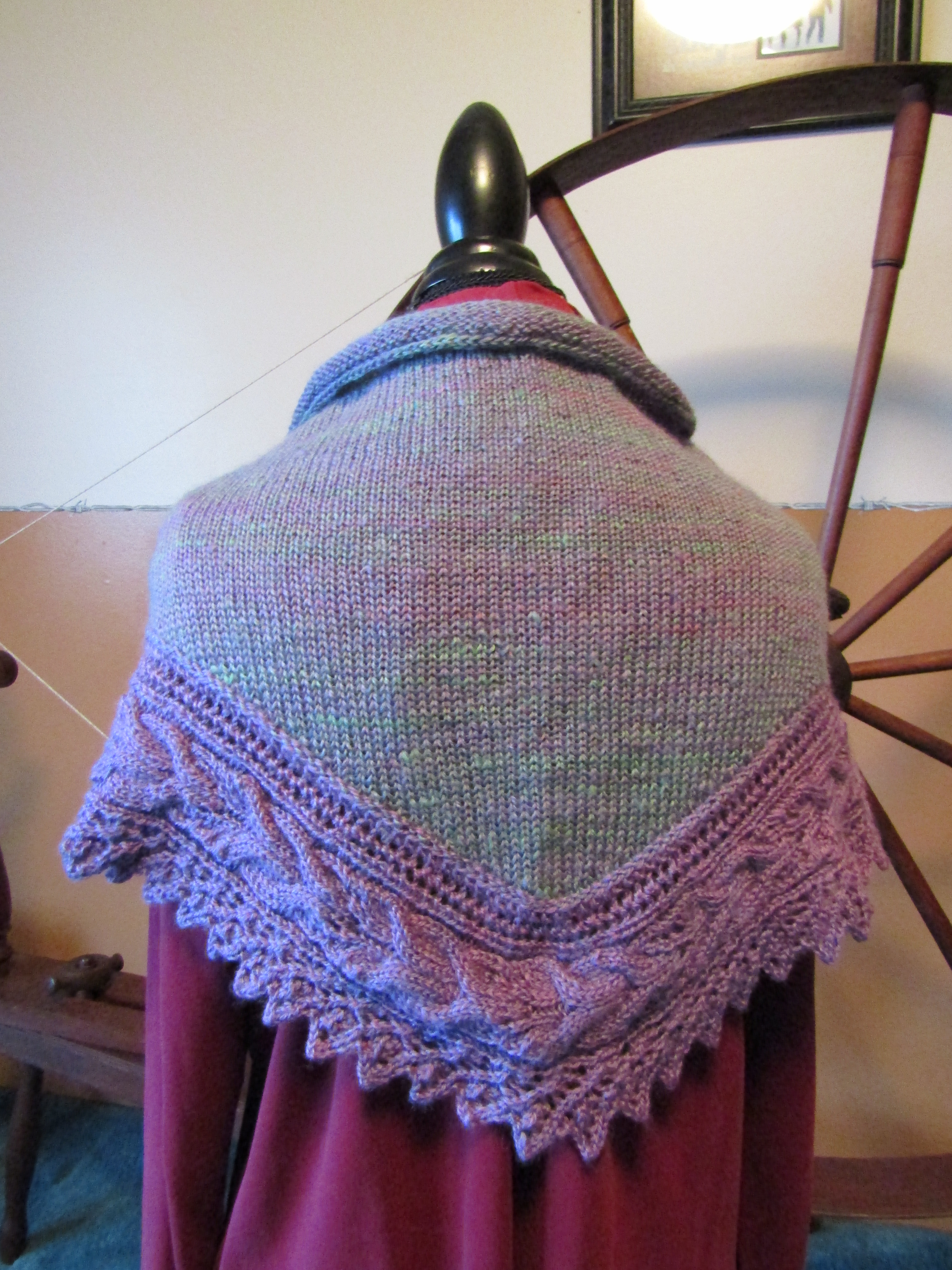
Enter Pegg’s Giveaway for this beautiful shawl by subscribing to her newsletter!

Pegg gives away one of her signature handspun, handknit, wool shawls with the release of each new story. To celebrate the release of Her Redcoat, Pegg is giving away the shawl Northern Lilacs. The Straits of Mackinac are known for their abundance of lilacs each spring and this shawl showcases their varied and gorgeous colors. Everyone who subscribes to Pegg’s newsletter is automatically entered in the drawing.
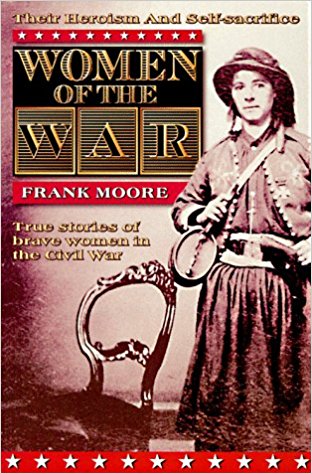
 

Women of the War by Frank Moore

Their Heroism and Self-sacrifice

True Stories of brave women in the Civil War

This nonfiction resource book shows the many different ways that women served in the Civil War effort.

There are examples of women as soldiers, such Anna Etheridge and Kady Brownell.

Women worked in the Sanitary and Christian Commissions, serving the soldiers.

The women of Philadelphia volunteered at The Cooper’s Shop Saloon, preparing food for Union soldiers passing through the city. There was also a hospital where they received medical care.

Women also traveled to Gettysburg to help with thousands of wounded.

Originally published in 1866, the book includes many examples of women going above and beyond to help soldiers.

Great book for Civil War research and history lovers.

I read this book to learn more about women who served in the Civil War as soldiers as part of my research for my upcoming November release, A Musket in My Hands.

-Sandra Merville Hart

Amazon

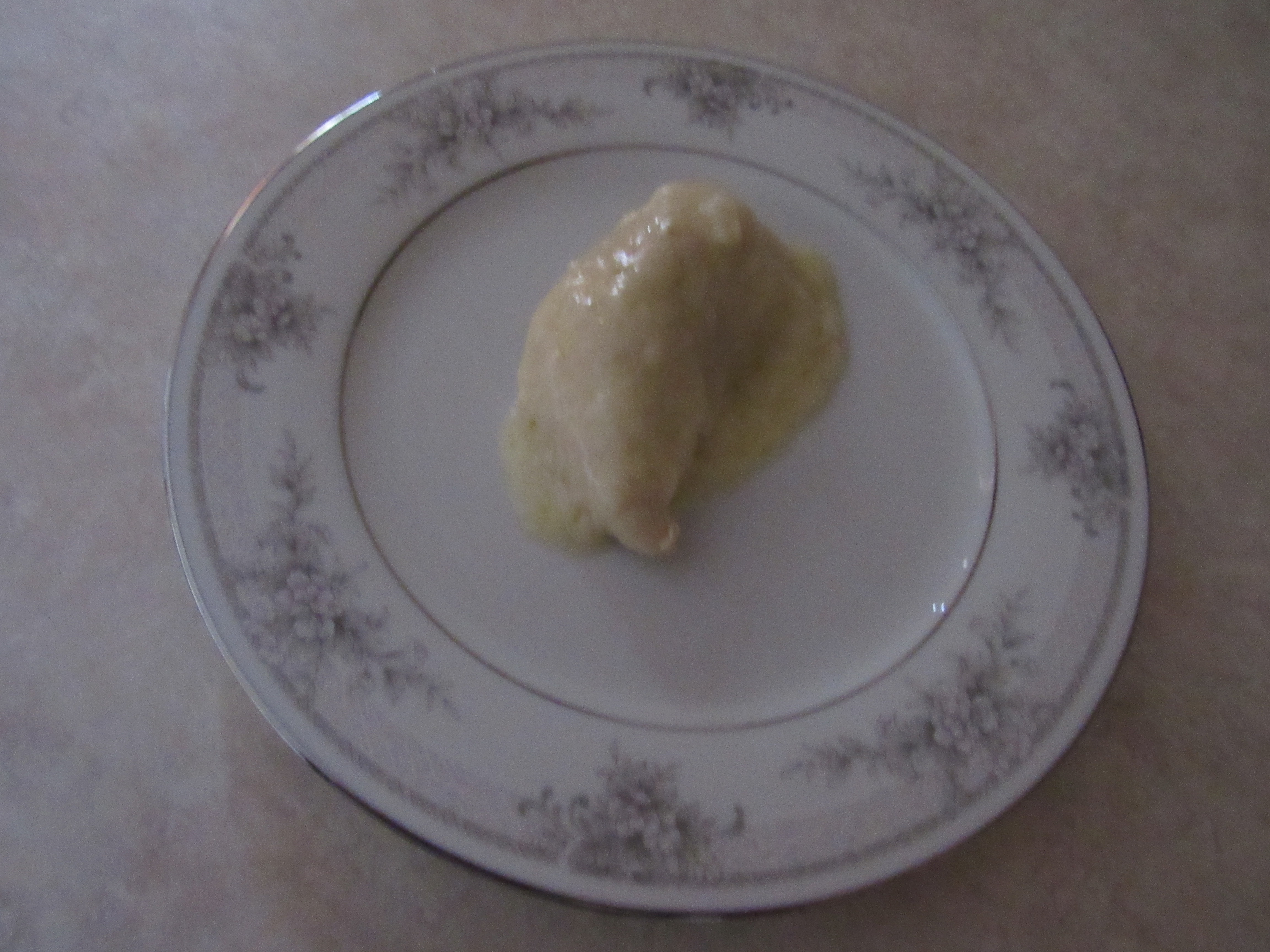
Melted Butter Recipe from 1841

I thought melted butter was simply … melted butter.

It was so fun to find this recipe listed under “Gravies” in an 1841 cookbook. I had to try it.

The cook advises to always use the best quality of sweet butter.

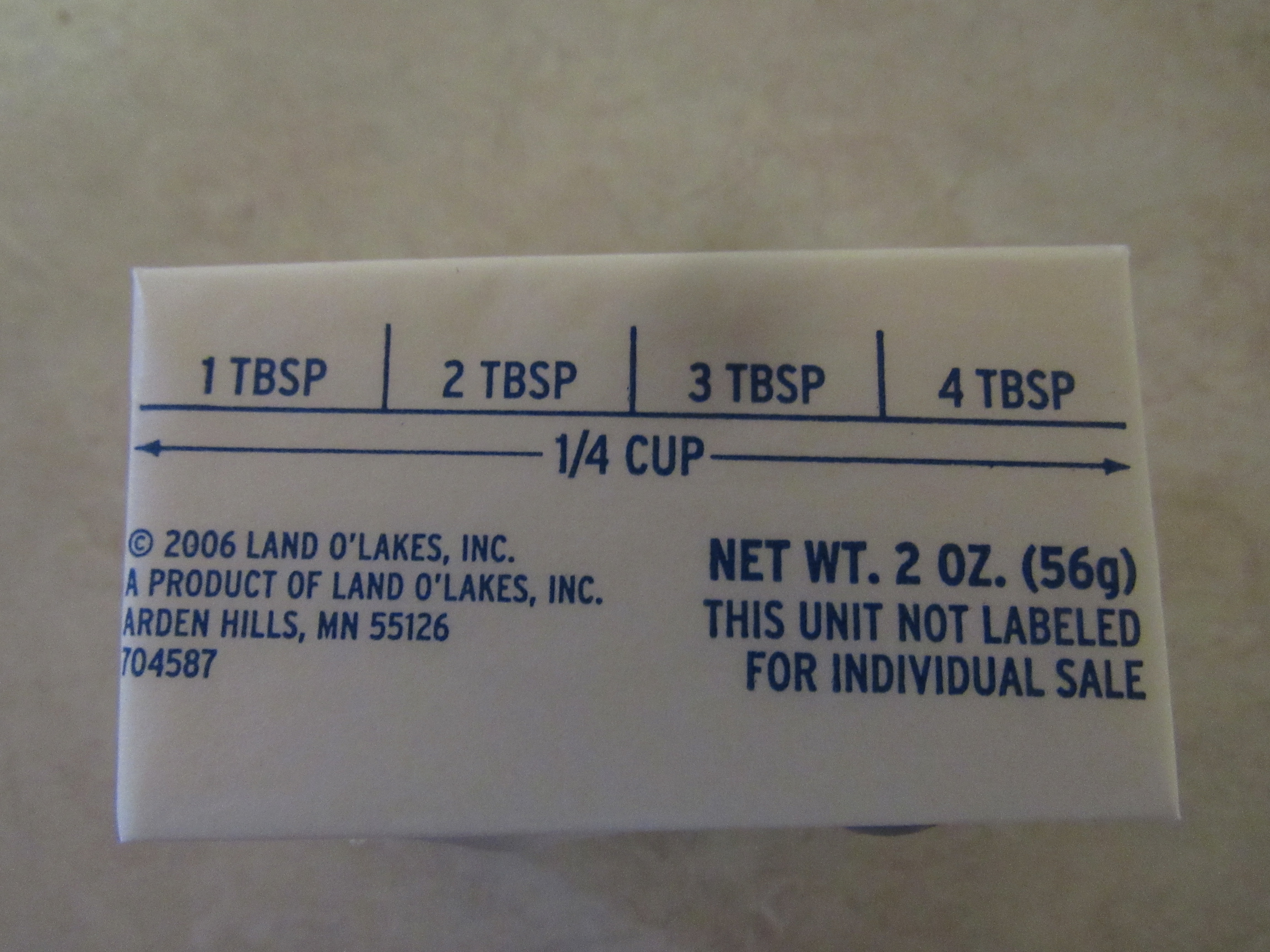
Cut a ¼ cup of butter into small pieces. Put these in small saucepan with a heaping teaspoon of flour and 1 tablespoon of milk.

Stir the ingredients and melt on a medium heat.

Once melted, add 6 tablespoons of water and stir.

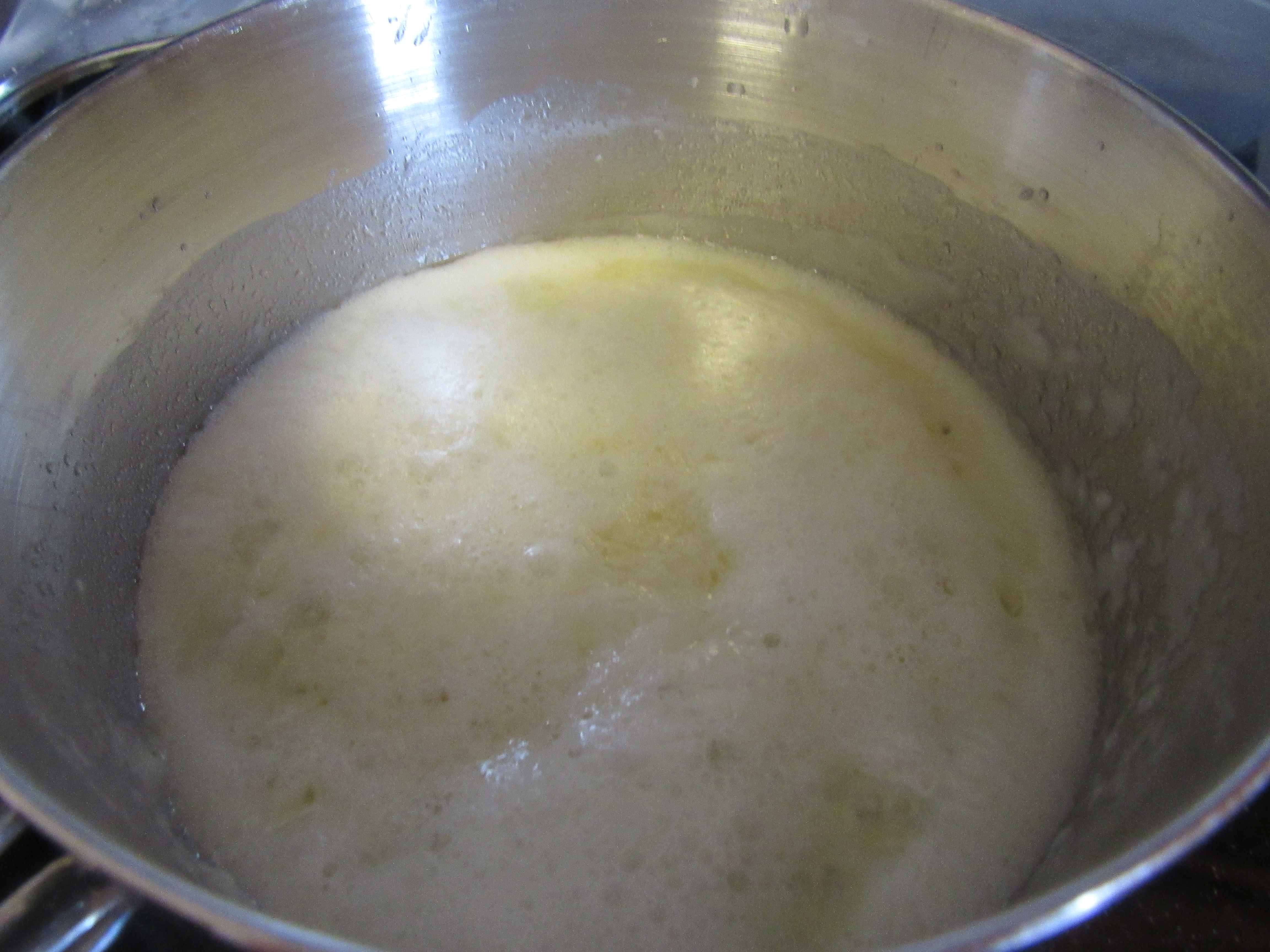
Let the mixture cook without stirring for 1 minute. Then pick up the pan and let the melted butter roll around the pan. Set it back on the burner and leave it alone for another minute. Roll the mixture again.

Repeat this until it begins to simmer, probably two or three times. Then do nothing until the mixture boils. (Mine took about 2 minutes.) It will be as thick as cream when done.

My husband and I tried this on chicken. Yummy! My husband is a picky eater and he found it delicious, too.

Yay! We found a new idea for dinners simply by adding this butter.

I’d love to hear if you try it.

-Sandra Merville Hart

Sources

Hale, Sarah Josepha. Early American Cookery, Dover Publications, Inc., 1996.


Signed my Fourth Book Contract!

Thrilled to sign my fourth book contract with Lighthouse Publishing of the Carolinas! This one is for my novella, Trail’s End, that will be part of “Smitten Novella Collection – The Cowboys” with Pegg Thomas as editor. This collection releases on August 1, 2019.

My other three books are Civil War romances. The third one, A Musket in My Hands, follows two sisters who disguise themselves as Confederate soldiers and join the Confederate army in the fall of 1864. I’m so excited that this novel releases on November 30th, the anniversary date of the Battle of Franklin, Tennessee—the novel’s major battle! More about that later!

I’ve finished the bulk of my research for my cowboy hero who meets my heroine in the wild cowtown of Abilene, Kansas. Now to the fun part–writing it!

-Sandra Merville Hart

Son of Former President Surrenders Confederate Command

Confederate Lieutenant General Richard Taylor, son of President Zachary Taylor and brother-in-law of Confederate President Jefferson Davis, began the war as Colonel of the 9th Louisiana Infantry. He fought in the Battle of Bull Run and slowly rose through the ranks.

By April of 1865, he commanded the Confederate Department of Alabama, Mississippi, and East Louisiana. Taylor, leading about 10,000 troops, knew the Confederacy was collapsing when news of Lee’s surrender at Appomattox reached him.

Taylor was honest with his 10,000 troops. He felt that while General Joseph Johnston was still in the fight, they must support him. He also worried for the safety of President Davis and other Government authorities who might need their protection.

His men, including General Nathan Bedford Forrest, joined him in remaining vigilant.

Then Taylor learned that Johnston surrendered to Union General Sherman.

Taylor agreed to meet with Union Major General Edward Canby. The meeting took place north of Mobile, Alabama. They agreed to a 48-hour truce during their May 2nd conversation. The two generals then ate lunch together and enjoyed lively music.

Taylor agreed to the same terms as Lee and Grant. On May 4th, he surrendered at Citronelle, Alabama. Located along the railroad, Citronelle was between Canby’s Mobile headquarters and Taylor’s headquarters in Meridian, Mississippi.

A few days later, Forrest surrendered his cavalry corps.

There is a small park with markers and picnic tables at the location of Taylor’s surrender. More information can be found at the Citronelle Historical Museum.

-Sandra Merville Hart

Sources

“Conclusion of the American Civil War,” Wikipedia.com, 2018/03/21 https://en.wikipedia.org/wiki/Conclusion_of_the_American_Civil_War.

“Richard Taylor,” Civil War Trust, 2018/03/22 https://www.civilwar.org/learn/biographies/richard-taylor.

Plante, Trevor K. “Ending the Bloodshed,” National Archives, 2018/03/21

https://www.archives.gov/publications/prologue/2015/spring/cw-surrenders.html.

“Surrender at Citronelle,” ExploreSouthernHistory.com, 2018/03/22 http://www.exploresouthernhistory.com/citronelle.html.


Hometown Hero’s Redemption by Jill Kemerer

Drew Gannon, firefighter, has taken on the guardianship of Wyatt, his best friend’s son. Wyatt’s father is in prison and his mother is dead. Drew feels like he’s in over his head. He needs a babysitter to stay with Wyatt while he’s working.

Lauren Pierce’s former job as a social worker makes her a perfect fit—except he and his friends have an unfortunate history with her from high school.

Lauren is battling her past as well. Is she the best choice for Wyatt after all her failures? Can she be perfect for anyone?

This is a touching romance where two people battle past failures and heartache to give a little boy an anchor to hold during his own storms.

I enjoyed this Love Inspired romance. The characters are believable and likable. This is the first time I’ve read this author and I will read more by her.

-Sandra Merville Hart

Christianbook.com

Delicate Cake Recipe from 1877

Delicate cakes sound as if they are light and airy. I found this recipe in an 1877 cookbook and decided to try it.

Since the original recipe called for 6 eggs, I halved the ingredients.

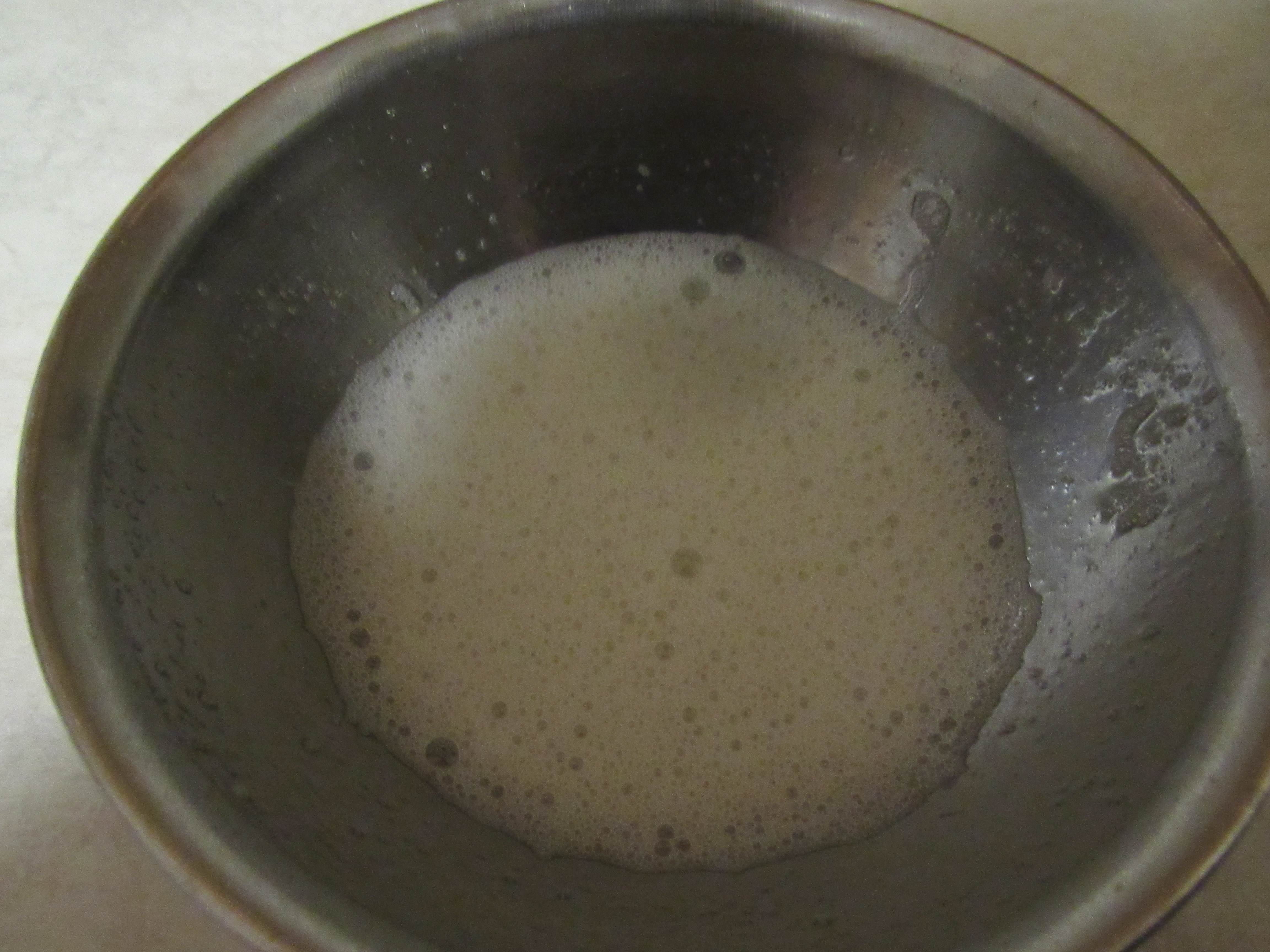
Cream ¼ cup butter with 1 cup sugar. Whisk 3 egg whites until frothy and add to the mixture. Add the zest of one orange or lemon. (I used an orange.)

In a separate bowl, combine 1 ½ cups flour, ½ teaspoon cream of tartar, and ¼ teaspoon baking soda. (The recipe doesn’t call for salt but add ½ teaspoon of salt if using all-purpose flour.)

Stir flour mixture into wet ingredients, alternating with 1/3 cup milk + 1 tablespoon.

Prepare a springform baking pan with cooking spray. Add batter and bake at 350 until done, about 25 to 30 minutes.

I drizzled a glaze (powdered sugar mixed with a little water) on each serving. This is a delicious cake with a delicate hint of orange. I plan to make it again.

This recipe is from Miss Mary E. Miller.

I’d love to hear if you try it.

-Sandra Merville Hart

Sources

Compiled from Original Recipes. Buckeye Cookery and Practical Housekeeping, Applewood Books, 1877.


The “Gray Ghost” Disbands His Troops

Confederate Colonel John S. Mosby commanded the 43rd Virginia Cavalry, which used guerrilla warfare. These troops were called “Mosby’s Raiders.” Mosby’s raids on Union supply lines happened quickly and then he disappeared again, earning him the nickname of “The Gray Ghost.”

Mosby wasn’t ready to give up the fight when Lee surrendered at Appomattox on April 9, 1865. Requesting a cease-fire, he agreed to meet with Union General Hancock. In the wake of President Lincoln’s assassination, Hancock instead sent Brigadier General George Chapman to the meeting.

Mosby asked that the cease-fire be extended two additional days, which Chapman granted. A further request for a ten-day extension was denied.

Not wanting to surrender, Mosby wrote a letter to his troops. It was read to them on April 21st.  His letter disbanded the unit.

About 380 of his men, including most of the officers, surrendered at Winchester. They signed paroles and kept their horses. Others turned themselves in at Virginia towns.

Because Mosby didn’t surrender, Hancock offered $2,000 for his capture and soon raised it to $5,000.

Mosby hid near his father’s property outside Lynchburg with his brother, William.

A local provost marshal assured William in June that his brother would be paroled if he surrendered. Mosby went to the authorities the next day to find that Union leaders had canceled the offer of parole.

A few days later, General Grant stepped in. Mosby learned on June 16th that he’d be paroled, which happened at following day in Lynchburg.

-Sandra Merville Hart

Sources

“Conclusion of the American Civil War,” Wikipedia.com, 2018/03/21 https://en.wikipedia.org/wiki/Conclusion_of_the_American_Civil_War.

Golden, Kathleen. “Meet John S. Mosby, ‘Gray Ghost’ of the Confederacy, Smithsonian National Museum of American History, 2018/03/21 http://americanhistory.si.edu/blog/2013/12/meet-john-s-mosby-the-gray-ghost-of-the-confederacy.html.

“John Singleton Mosby,” Civil War Trust, 2018/03/21 https://www.civilwar.org/learn/biographies/john-singleton-mosby.

Plante, Trevor K. “Ending the Bloodshed,” National Archives, 2018/03/21

https://www.archives.gov/publications/prologue/2015/spring/cw-surrenders.html.


Embattled Hearts by Pegg Thomas

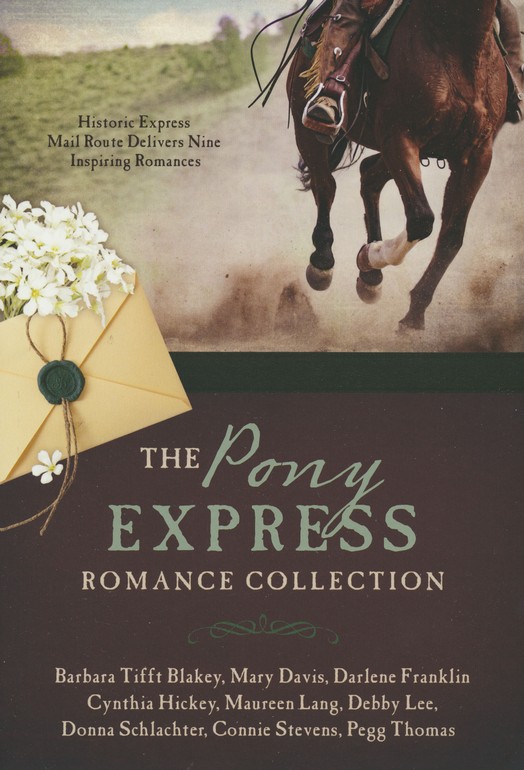
The Pony Express Romance Collection

Alannah Fagan and her brother, Conn, are running for their lives. Still grieving the recent death of her mother, Alanna can’t take another beating from her stepfather.

Stewart McCann works at a relay station on the Pony Express route, a lonely job in the middle of nowhere. When he discovers Alanna and Conn hiding, he knows from the bruises on her face and the fear in her eyes that helping them comes with a cost.

The story pulled me in from the first paragraph. I had to keep coming back to the book to find out what happened next. I felt like I was there on the lonesome Pony Express station with the characters. The story moves quickly as danger escalates. Well-written story!

Looking forward to reading other books by this author!

-Sandra Merville Hart

Christianbook.com

Hard Money Cake Recipe from 1877

I’d never heard of money cakes until finding this recipe in an 1877 cookbook. Photos of money cakes on the Internet show rolled up singles fashioned in the shape of a cake and given at weddings and graduations.

This cake is made of two batters—one represents gold, the other represents silver.

Since the original recipe called for 8 eggs, I calculated the portions for using 2 eggs. This smaller portion still made an 8 x 8 cake.

To make the sour milk required for this recipe, pour a cup of milk into a glass and stir in 1 teaspoon of vinegar. Set aside until needed.

Gold batter:

Cream ¼ cup butter with 1/2 cup sugar. Add yolk of 2 eggs, ½ teaspoon of lemon extract, and ½ teaspoon of vanilla extract.

In a separate bowl, combine 1 cup flour and ¼ teaspoon baking soda, and 1 teaspoon cornstarch powder. (The recipe doesn’t call for salt but add ½ teaspoon of salt if using all-purpose flour.)

Stir flour mixture into wet ingredients, alternating with 1/4 cup sour milk. This makes thick batter. If you prefer, add more milk, teaspoon by teaspoon, until it is the desired consistency.

Set batter aside while making the silver portion.

Silver batter:

Cream ¼ cup butter with 1/2 cup sugar. Whisk 2 egg whites until frothy and add to the mixture. Add ½ teaspoon of almond extract or peach extract. (I used almond extract.)

In a separate bowl, combine 1 cup flour and ¼ teaspoon baking soda, and 1 teaspoon cornstarch powder. (The recipe doesn’t call for salt but add ½ teaspoon of salt if using all-purpose flour.)

Stir flour mixture into wet ingredients, alternating with 1/4 cup sour milk. This batter is white (not silver!) and thinner than the gold batter because of the frothy egg whites.

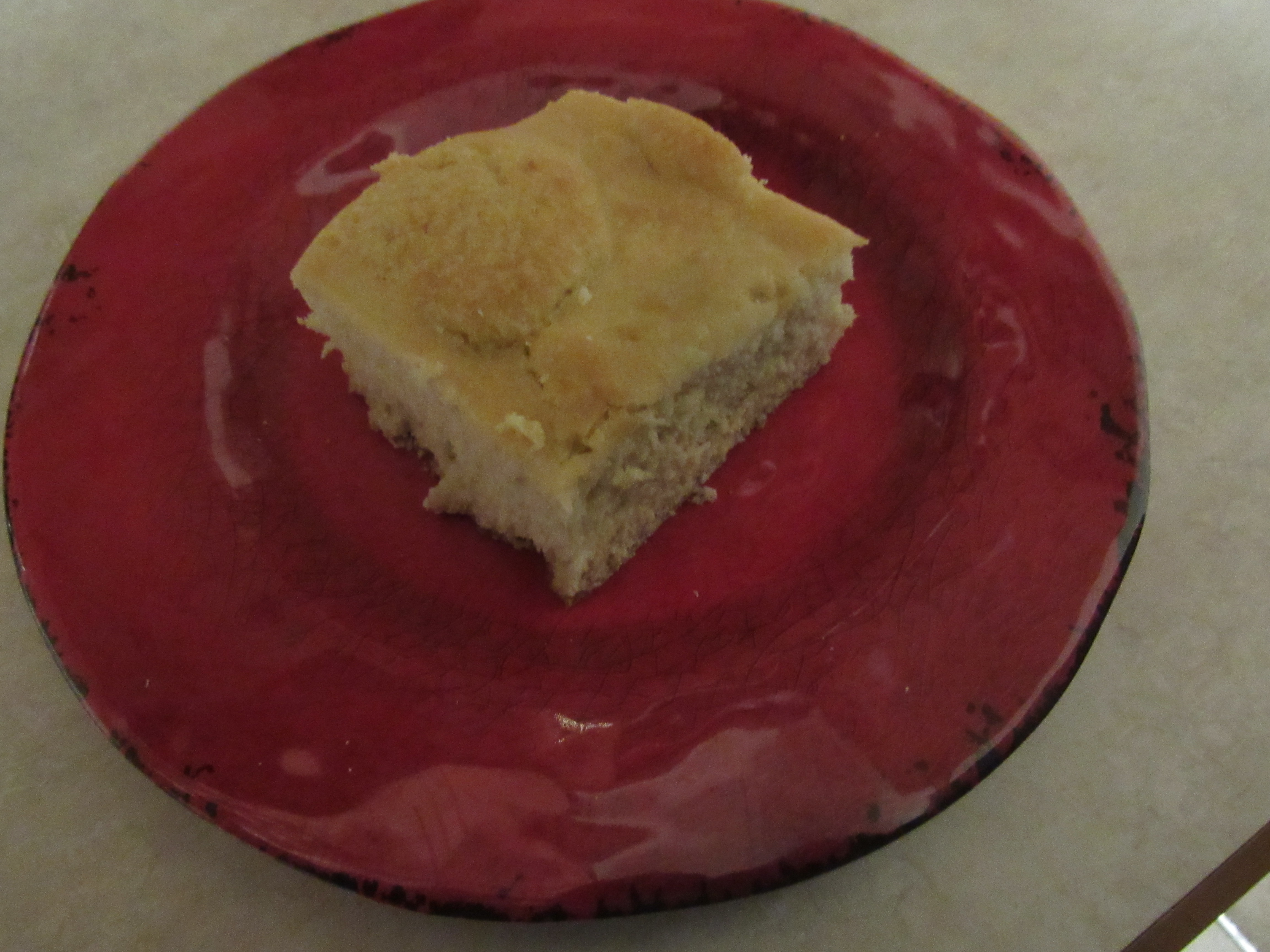
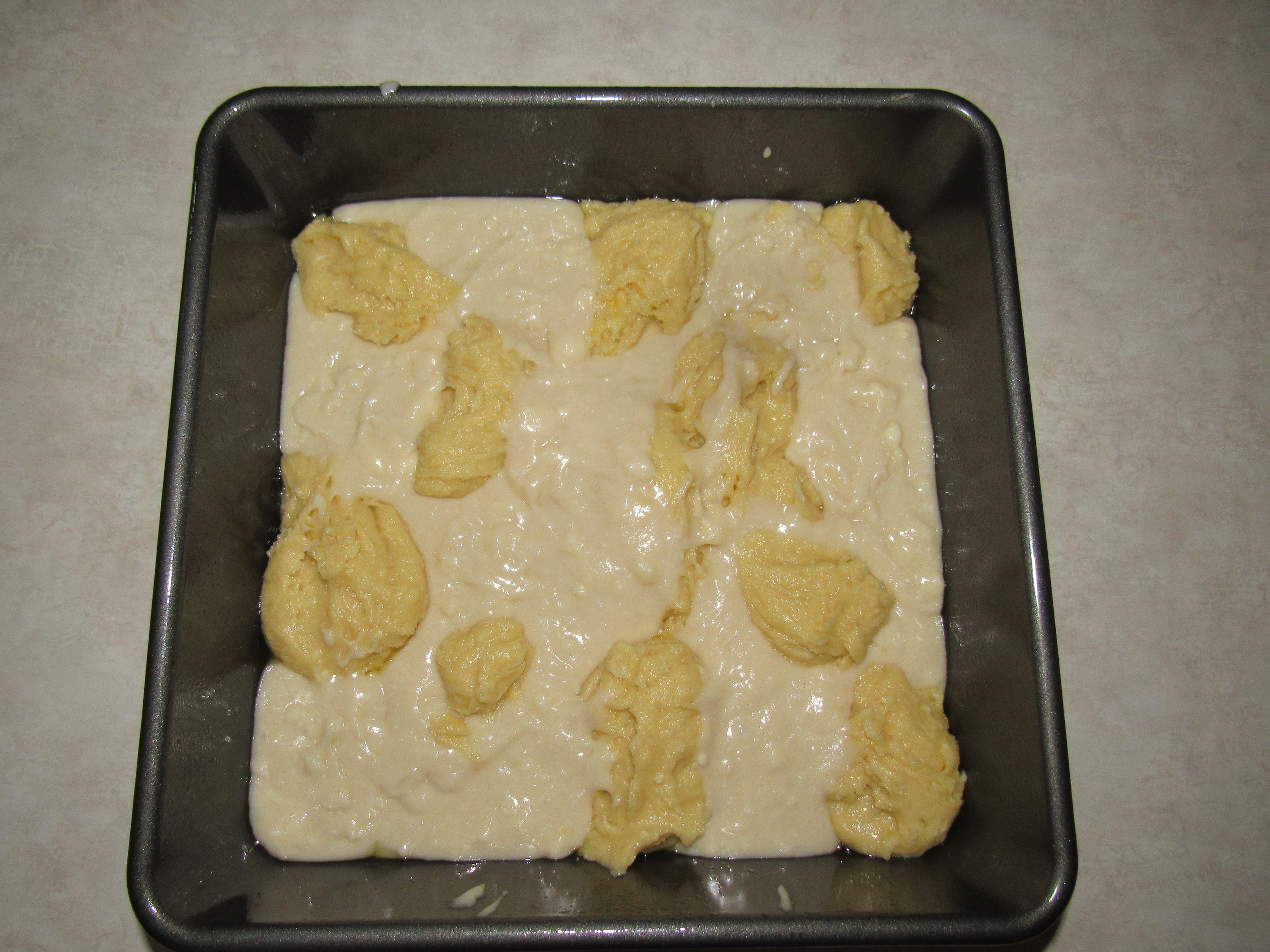
Spray an 8 x 8 baking pan with cooking spray. Spoon in the batter, alternating gold and silver.

Bake at 350 until done, about 25 to 30 minutes.

This cake needs no icing. If you choose, drizzle on a glaze (powdered sugar mixed with a little water.)

Yummy!

Hard money cakes are more of a coffee cake consistency. With one bite having an almond flavor and the next tasting of lemon, it is a delicious cake. The colors of the baked cake weren’t gold and silver, but food coloring in the batters can enhance this.

This can be a fun cake for celebrations of graduations or job promotions.

This recipe is from Miss Emma Fisher, 1877 cook.

I’d love to hear if you try it.

-Sandra Merville Hart

Sources

Compiled from Original Recipes. Buckeye Cookery and Practical Housekeeping, Applewood Books, 1877.