Civil War Federal Soldiers’ Homes

The first U.S. home for disabled veterans and orphans of soldiers was founded by Benjamin Fitch of Darien, Connecticut. He paid for almost all the expenses of the home built while the Civil War still raged in 1864. The facility was renamed “Fitch’s Home for Soldiers” when control was handed over the state in 1887.

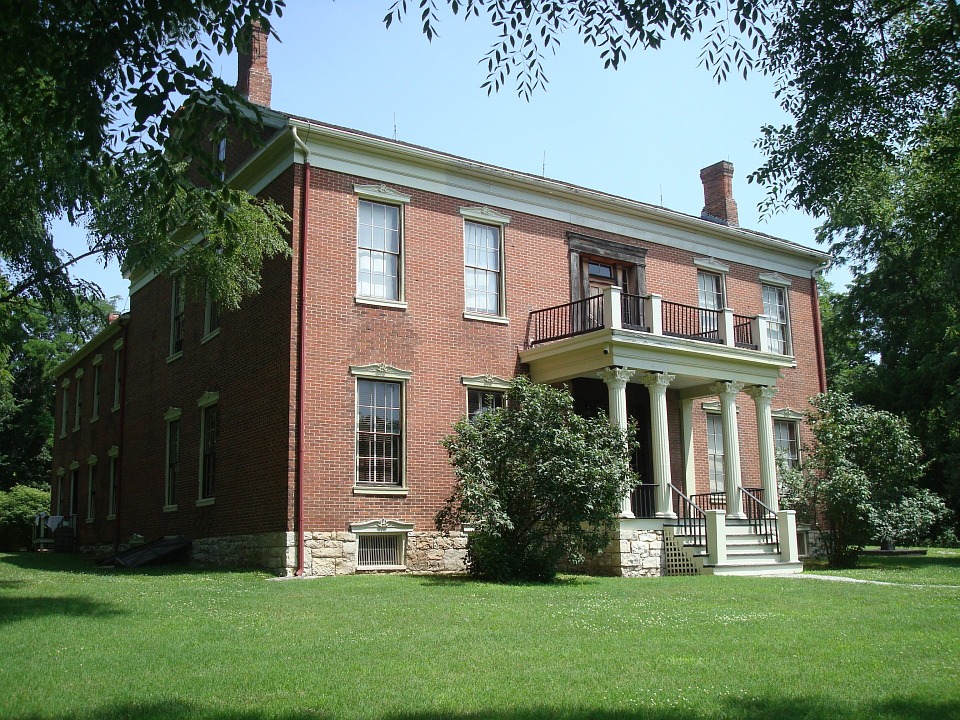
The U.S. government bought the Togus Springs Hotel in 1866. The Maine hotel became the Eastern Branch of the National Asylum For Disabled Volunteer Veterans. Read more about this home here.

A building was erected in Minneapolis to provide a soldiers’ home in 1888. One cottage for women and five cottages for men were on the Minnesota Soldiers’ Home property near Minnehaha Falls by 1911.

The beautiful Minnesota land was meant to be a peaceful place. Soldiers didn’t receive medical care at the facility. World War I changed that policy, but didn’t make it a priority.

Colonel George Washington Steele introduced legislation in 1888. He hoped to establish a national home in Grant County, Indiana. Despite Steele’s worry that it wouldn’t pass, Congress approved it that year. Indiana citizens in Marion celebrated the passing of the bill on July 30, 1888, the city’s largest crowd ever.

The National Home for Disabled Volunteer Soldiers, Marion Branch, opened in 1890. The facility, also known as Marion National Home, enrolled 586 veterans that year. They built a hospital to treat patients there, hiring Cincinnati female nurses as part of the staff.

The facility grew beyond capacity with veterans sleeping on the floor in 1892. New buildings were erected. The need heightened with World War I veterans and about 60 new structures had been added by 1919. Among these were additional living quarters, warehouses, supply buildings, greenhouses, a fire station, and memorials.

White veterans and United States Colored Troops were welcomed into the homes.

Federal soldiers’ homes did not allow Confederate veterans.

-Sandra Merville Hart
Sources

“A Home for Volunteers: Togus and the National Soldiers’ Homes,” The Gettysburg Compiler, 2017/07/04 https://gettysburgcompiler.org/2017/05/29/a-home-for-volunteers-togus-and-the-national-soldiers-homes/.

“History of Darien, Connecticut,” Wikipedia, 2017/07/04 https://en.wikipedia.org/wiki/History_of_Darien,_Connecticut.

“Minnesota Veterans Home,” Wikipedia, 2017/07/04  https://en.wikipedia.org/wiki/Minnesota_Veterans_Home.

“National Home for Disabled Volunteer Soldiers, Marion Branch,” Wikipedia, 2017/07/04  https://en.wikipedia.org/wiki/National_Home_for_Disabled_Volunteer_Soldiers,_Marion_Branch.

“Togus, Maine,” Wikipedia, 2017/07/04  https://en.wikipedia.org/wiki/Togus,_Maine.
 

Civil War Federal Soldiers’ Home at Togus, Maine

The U.S. government bought the Togus Springs Hotel in 1866. The Maine hotel became the Eastern Branch of the National Asylum For Disabled Volunteer Veterans.

The hotel already had a bathing house, large pool, bowling alley, race track, and a stable. New barracks, a chapel, and a hospital were being erected for the 200 veterans living there by the middle of 1867 with three dormitories and recreation building following in 1868.

When the asylum opened, only Union soldiers able to prove that their injury was connected with their service were allowed to stay. Then War of 1812 and Mexican War veterans were accepted if they didn’t fight for the Confederacy. The facility never opened its doors to Confederate soldiers.

Togus residents wore blue army uniforms available from a surplus. It operated much like the military with military discipline and guardhouse confinements. The veteran’s entire pension was signed over to the home in payment for their care.

The National Home for Disabled Volunteer Soldiers constructed a bakery, brickyard, fire station, carpentry shop, sawmill, butcher shop, boot and shoe factory, blacksmith shop, soap works, store, library, harness shop, and an opera house theater. Residents earned money by working at the farm or shops if physically able.

The highest number of veterans living there was about 2,800 in 1904.

Civilians enjoyed the recreations at Togus. Large crowds flocked for military band concerts, baseball games, performances at the opera house, and even a zoo.

-Sandra Merville Hart

Sources

“A Home for Volunteers: Togus and the National Soldiers’ Homes,” The Gettysburg Compiler, 2017/07/04 https://gettysburgcompiler.org/2017/05/29/a-home-for-volunteers-togus-and-the-national-soldiers-homes/.

“Togus, Maine,” Wikipedia, 2017/07/04  https://en.wikipedia.org/wiki/Togus,_Maine.
 

Civil War Confederate Soldiers’ Homes

Soldiers’ Homes were established for Civil War veterans who could no longer care for themselves. A few states provided separate homes for Union and Confederate veterans. The federal government didn’t provide funds for the Confederate soldiers. This obligation fell on the states.

Confederate veteran Jefferson Manly Falkner founded what became known as the Alabama Confederate Soldiers Home in 1901. Falkner wanted to provide a home for veterans and their wives. Widows were allowed to live there after 1915.

Falkner donated 80 acres in the summer resort area of Mountain Creek where between 650 to 800 people found a home. The home’s last veteran died in 1934. Five widows remained until October of 1939 when the home closed.

Atlanta’s Confederate Soldiers’ Home, built in 1890, was also known as the Old Soldiers’ Home. Henry W. Grady raised funds for the home at 410 East Confederate Avenue through subscriptions until it finally opened in 1900. Fire destroyed the building in 1901, but it was rebuilt on the same location a year later. The home’s last veteran died in 1941.

The old Kentucky Confederate Home was the former Villa Ridge Inn just outside the Pewee Valley Confederate Cemetery. There was a hospital, entertainment, and religious services. There was housing for 350 veterans and a total of 700 former Confederate soldiers eventually called it home.

There were a few prerequisites to living at the Kentucky home. Besides being a former Confederate soldier, residents had to be mentally stable, a resident of the state for at least 6 months, and not an alcoholic.

-Sandra Merville Hart

Sources

“Alabama Confederate Soldiers Home,” Wikipedia, 2017/07/04 https://en.wikipedia.org/wiki/Alabama_Confederate_Soldiers_Home.

“Confederate Soldiers’ Home,” Wikipedia, 2017/07/04 https://en.wikipedia.org/wiki/Confederate_Soldiers%27_Home.

“Old Soldiers’ Home,” Wikipedia, 2017/07/04 https://en.wikipedia.org/wiki/Old_soldiers%27_home.

“Peewee Valley Confederate Cemetery,” Wikipedia, 2017/07/04 https://en.wikipedia.org/wiki/Pewee_Valley_Confederate_Cemetery.


Cornmeal Gruel Recipe

This is Dr. Davenport’s recipe, found in an 1877 cookbook under “Food for the Sick.”

Dr. Davenport, Milford Center, Ohio, used this recipe thirty years earlier. He shared this “old and very valuable recipe” with 1877 cooks. Gruels were often given to sick or wounded Civil War soldiers.

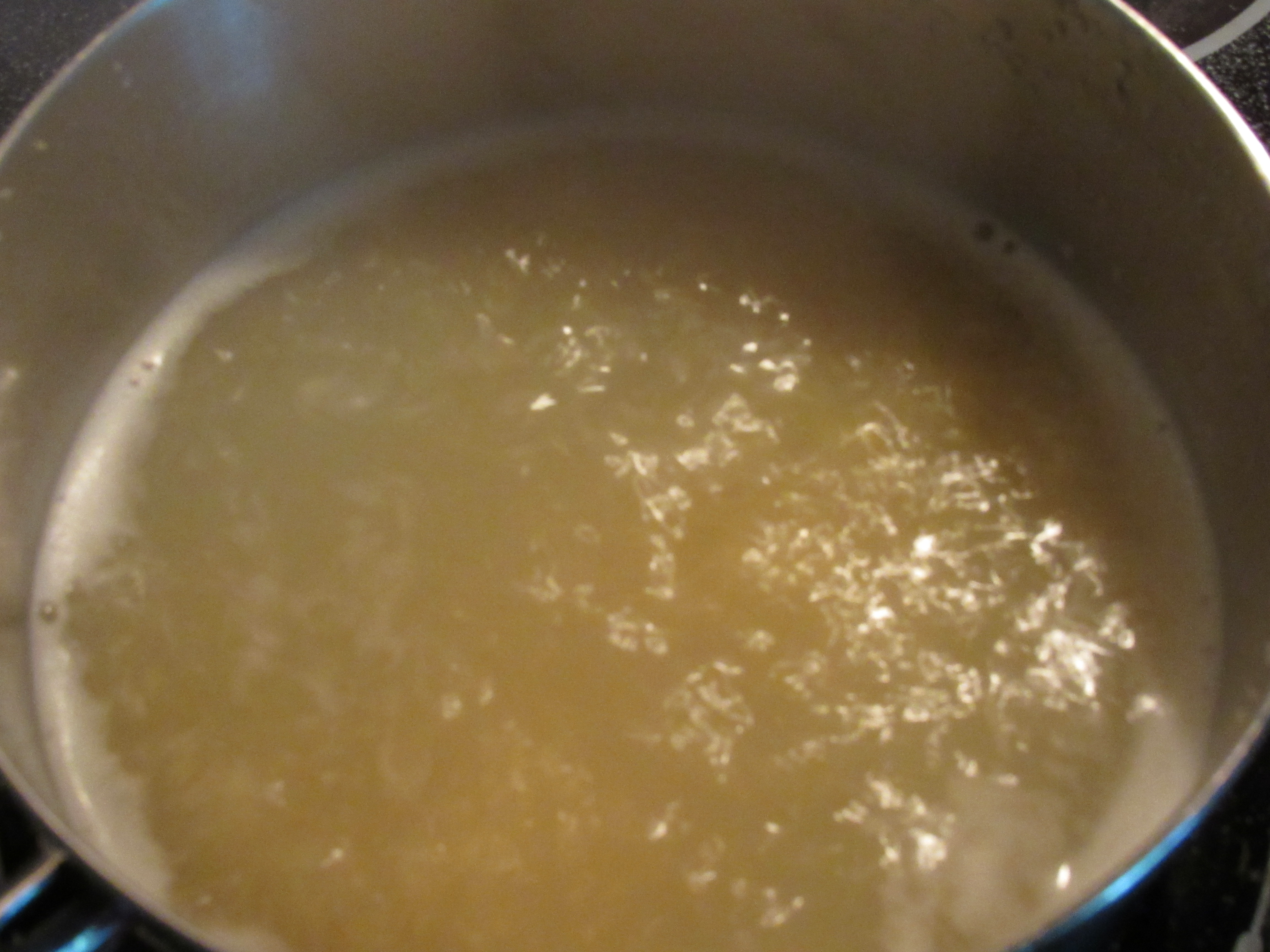
Boil 3 pints of water.

Stir 2 tablespoons of cold water into 2 tablespoons of cornmeal. Add to the boiling water with a pinch of salt.

Reduce to medium heat and cook for 20 minutes.

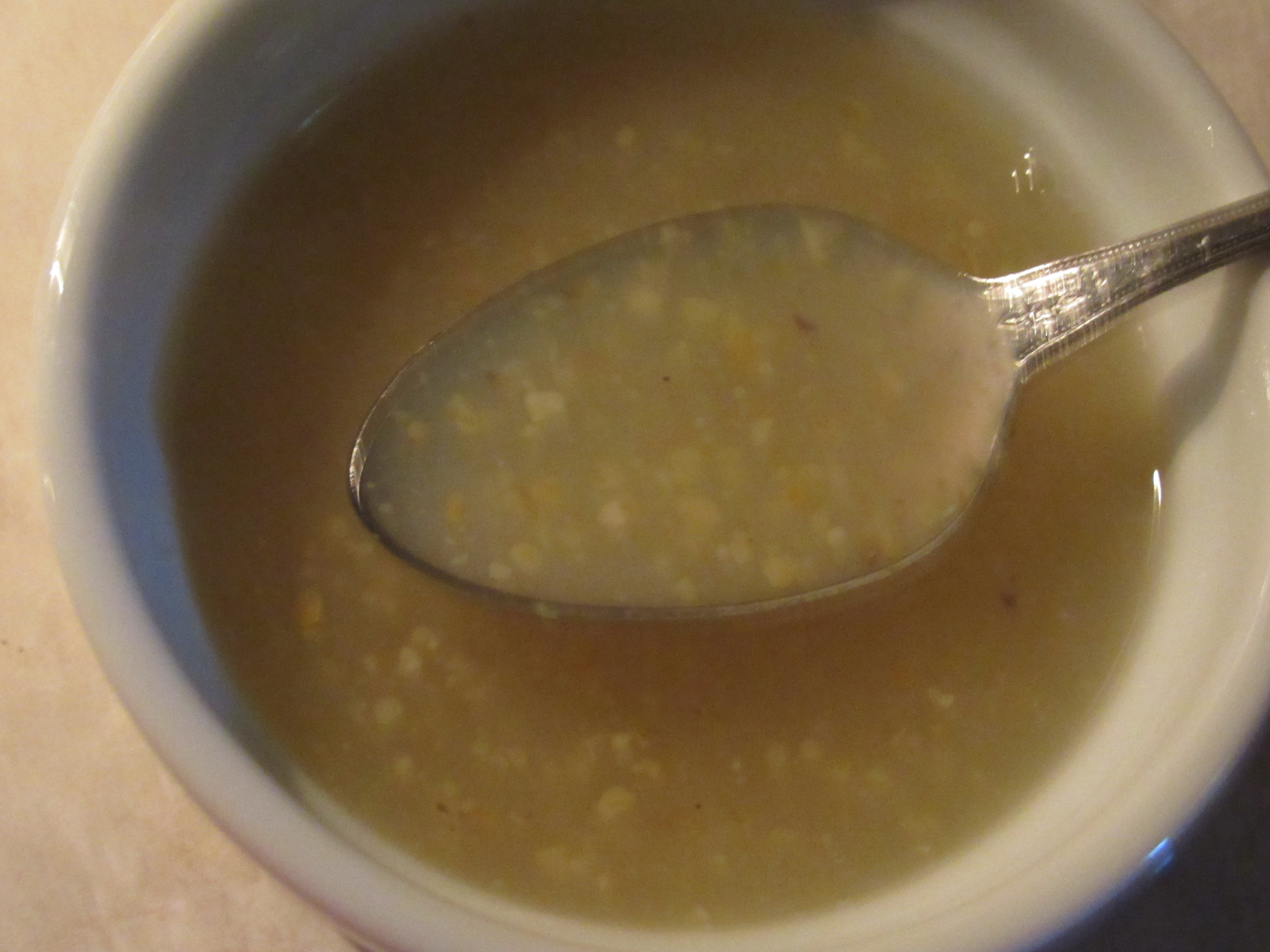
Remove from heat. Let it settle. If the patient is very sick, pour off the water on top and serve this way. The broth is grainy and a bit thicker than might be expected.

It tasted okay.

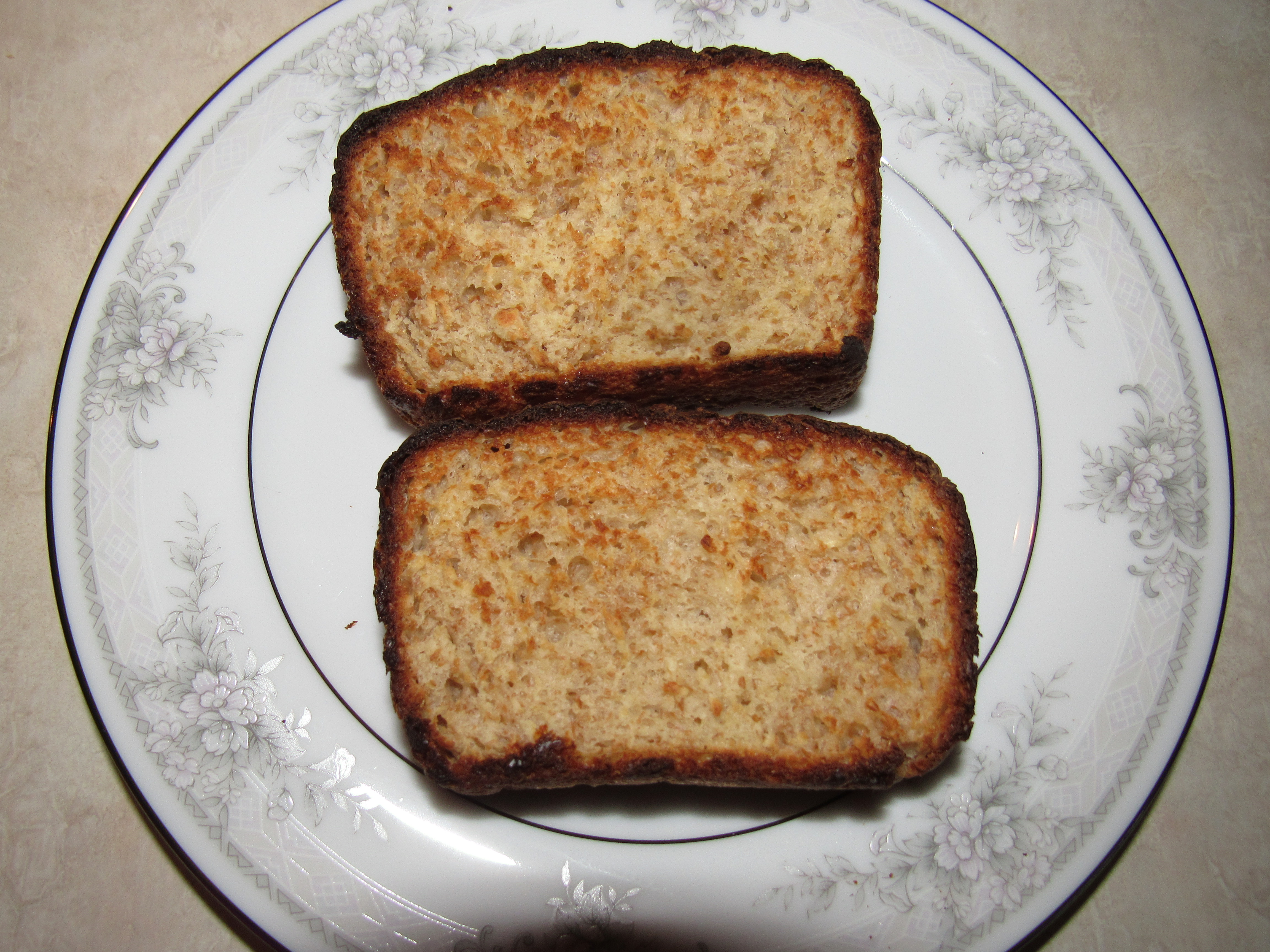
If this broth will be given to a convalescing patient, toast a piece of bread. They ate hearty breads 150 years ago, so buy a dense bread such as Italian bread. I made my own. I baked some delicious  Bran bread  and toasted two slices for this gruel.

Pour the broth into a bowl. Add 2 tablespoons of light or heavy cream, 2 teaspoons of sugar, ½ teaspoon of cinnamon, and 1/8 teaspoon of ginger. Nutmeg can be substituted for the ginger. Stir well.

Break the toast into pieces and add to the gruel.

Eat immediately.

The broth has a pleasant, sweet taste. I’m not a cereal lover, but broths with bread added have a little in common with cereals.

Dr. Davenport found these to be a nourishing meal for those on a laxative diet. Hmm. Maybe just eat this in moderation.

I’d love to hear if you try this. Enjoy!

-Sandra Merville Hart

Sources

Compiled from Original Recipes. Buckeye Cookery and Practical Housekeeping, Applewood Books, 1877.


Civil War Southern General Hospitals

Around 1,000 Southern women nursed ill or wounded Confederate soldiers during the Civil War, most of them working in their own towns and neighborhoods.

These resourceful women started wayside hospitals near railroad depots to care for ailing or wounding soldiers. The Confederacy soon took over all military hospitals.

Seeing the benefit of women serving in hospitals, the Confederacy passed laws to designate women in positions at military hospitals.

Two matrons were given oversight of the hospital’s food and medicine, each woman earning $40/month. Two assistant matrons laundered patients’ bedding and clothing for $35/month. Two ward matrons served each ward by feeding, administering medications, and bathing patients. Earning $30/month, ward matrons also assisted in letter writing. Nurses received $25/month.

There were 13 general hospitals in North Carolina by war’s end. Fairgrounds Hospital in Raleigh was the first general hospital established in the state, but it later became known as General Hospital #7, with a total of 3 in Raleigh.

Other cities/towns with general hospitals were Kittrell Springs, Fayetteville, Salisbury, Greensboro, Charlotte, Wilmington, Goldsboro, and Wilson.

Pettigrew Hospital (General Hospital #13) in Raleigh was specifically built as a hospital, the only one in North Carolina with this distinction. It had 400 beds, a bathhouse, guardhouse, dispensary, laundry, and stable.

Pastors often announced when several cars of wounded were expected at churches and then gave the congregation an intermission so that those who wanted to leave and prepare food for the soldiers could do so.

-Sandra Merville Hart

Sources

Downey, Tom. “Wayside Hospitals,” South Carolina Encyclopedia, 2017/07/04 http://www.scencyclopedia.org/sce/entries/wayside-hospitals/.

“North Carolina Nursing History,” Appalachian State University, 2017/07/04, https://nursinghistory.appstate.edu/civil-war-and-reconstruction-1861-1876.


Civil War Wayside Hospitals

Casualties began soon after the Civil War started on April 12, 1861. Southern women established wayside hospitals as small field hospitals to give water, food, shoes, clothing, medicine and bandages to wounded soldiers.

Large buildings—schools, churches, barns—near railroad depots were used to treat the sick and wounded. If the soldier was too ill to continue on his journey, he remained at the wayside hospital until his condition improved enough for him to go home, or to a larger general hospital, or he died.

Women living in North Carolina, at great personal sacrifice, established and served at wayside hospitals in the railroad towns of Charlotte, Fayetteville, Weldon, Greensboro, Tarboro, Wilmington, Goldsboro, Salisbury, and High Point.

Most wayside hospitals offered meals and some nursing. Surgeons worked at larger hospitals with beds for overnight stays.

The Barbee Hotel in High Point was changed into a wayside hospital on September 1, 1863. 5,795 soldiers received care in that village before the hospital closed in May of 1865.

South Carolina’s first wayside hospital opened in Charleston in November of 1861. Raleigh, Orangeburg, Greenville, Sumter, and Florence also had these types of hospitals. Columbia Wayside Hospital, located at the South Carolina Railroad Depot, served about 75,000 soldiers, becoming the largest wayside hospital in the state.

Southern nurses often didn’t have the required medicines on hand to treat the soldiers. They fell back on homemade remedies, such as using jimson weed for fever or blackberry root for dysentery.

-Sandra Merville Hart

Sources

Downey, Tom. “Wayside Hospitals,” South Carolina Encyclopedia, 2017/07/04 http://www.scencyclopedia.org/sce/entries/wayside-hospitals/.

“North Carolina Nursing History,” Appalachian State University, 2017/07/04, https://nursinghistory.appstate.edu/civil-war-and-reconstruction-1861-1876.

Savage, Douglas J. Women in the Civil War, Chelsea House Publishers, 2000.


Mulled Buttermilk

“Excellent for convalescing patients” was the way a recipe in an 1877 cookbook described mulled buttermilk.

Given the date of the cookbook, wounded soldiers during Civil War probably received this drink in hospitals. As a historical novelist, I’m always interested in learning tidbits from our history. It’s fun to add authentic details such as this one when a story requires it.

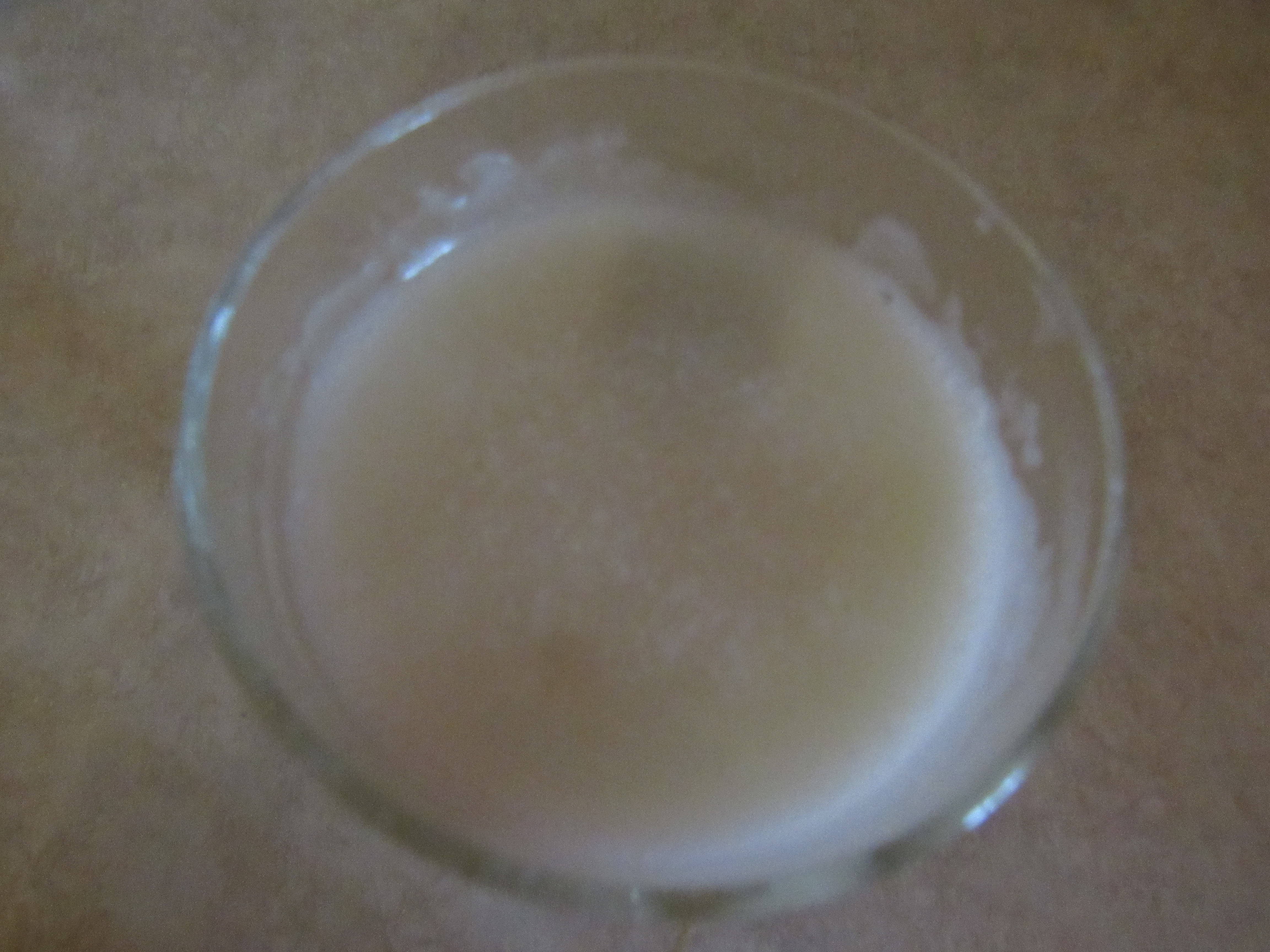
Boil a cup of buttermilk over a medium high heat. The consistency of the milk completely changes. The thick, creamy liquid thins to a grainy consistency of water.

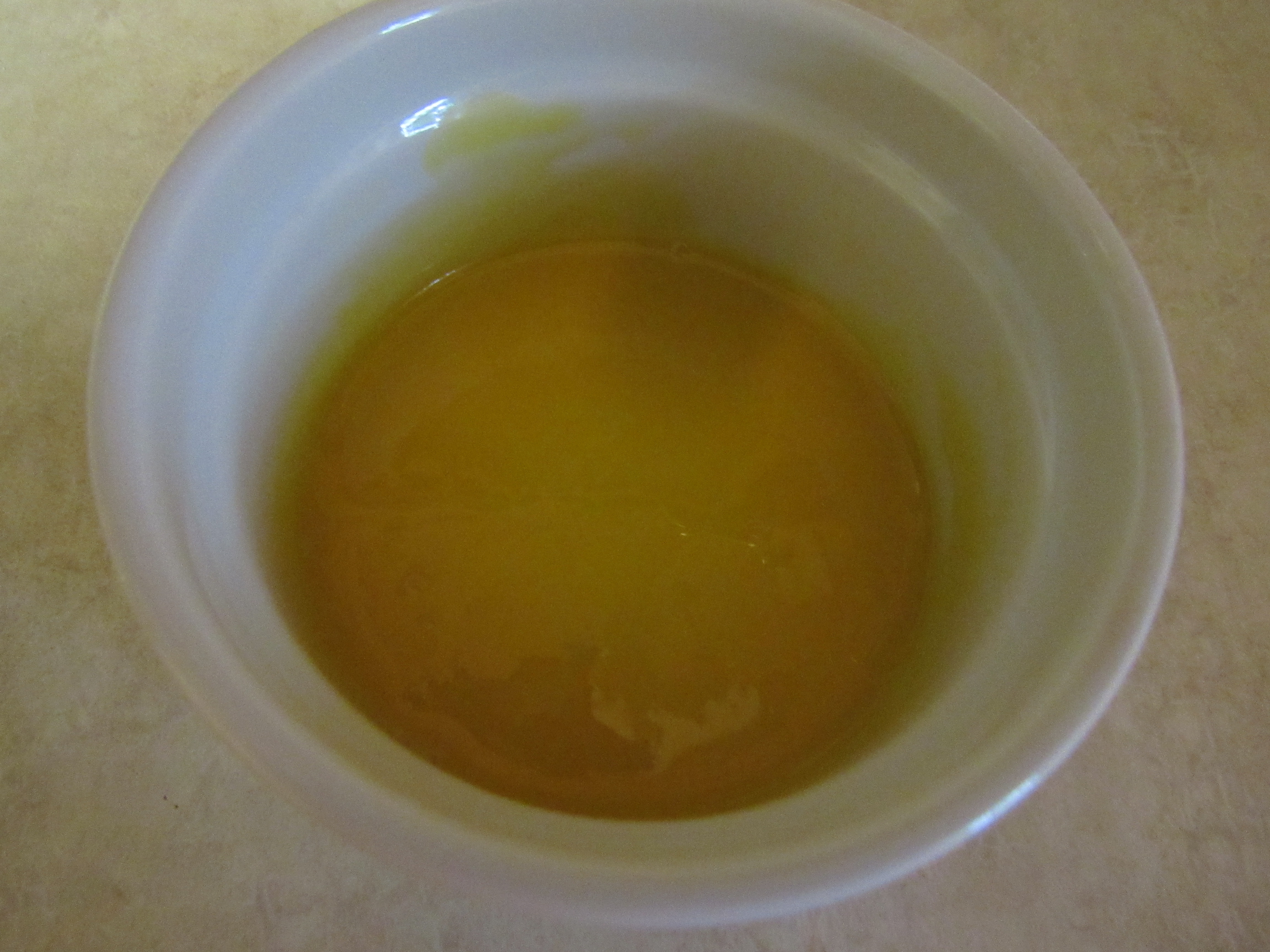
Beat one egg yolk. Temper the yolk by stirring in a couple of tablespoons of the hot buttermilk. Add the tempered yolk to the boiling buttermilk. Stir and allow the mixture to return to a boil. I stirred the mixture while cooking.

Pour into a glass and drink. I allowed it to cool slightly before trying it. One sip was enough. I did not like this.

There is a second recipe for mulled buttermilk.

Forgetting the egg yolk, put a heaping tablespoon of flour into a glass. Pour in 1/3 cup of cold buttermilk and stir well. If this is not enough liquid for the flour to assimilate into the liquid after a brisk stir, add more buttermilk—a tablespoon at a time—until it is combined into a thick,  pourable liquid. Set this aside.

When the cup of buttermilk initially boils, add the buttermilk thickening to the saucepan. Return to a boil, cooking an additional minute to make sure the flour is done.

I really liked this second alternative. The thicker beverage tasted better to me.

And it is good for patients. If you lived one hundred fifty years ago, you would have drunk mulled buttermilk when you were sick.

Good luck! I’d love to hear if you try this recipe.

-Sandra Merville Hart

Sources

Compiled from Original Recipes. Buckeye Cookery and Practical Housekeeping, Applewood Books, 1877.


Civil War U.S. Christian Commission

The War Between the States began in 1861. To meet the spiritual needs of Federal soldiers facing death, the Young Men’s Christian Association (YMCA) established the United States Christian Commission on November 14, 1861.

The Commission distributed thousands of New Testaments and prayer books to Union soldiers. They gave tracts and pamphlets. They operated portable libraries for the men. The organization also furnished free envelopes with their stamp and “Soldier’s letter” in one corner.

Commission workers were not paid. More than 5,000 gave freely of their time to serve as field volunteers to aid the chaplains ministering to soldiers. Citizens stitched clothes, raised money, and put kits together for Northern and Southern soldiers.

The Commission raised $3,000,000. Commission delegates requested donations of supplies.

Christian Commission workers provided medical supplies to field hospitals and were at Gettysburg after the battle.

The Ladies Christian Commission started in 1864. Louisa May Alcott, author of Little Women, was one of these workers. Georgia McClellan also served on this commission. Georgia’s sister, Jenny Wade, had been killed during the Battle of Gettysburg.

-Sandra Merville Hart

Sources

Billings, John D. Hard Tack and Coffee, George M. Smith & Co., 1887.

“Civil War Christian Commission Was Formed,” Christianity.com, 2017/07/04  http://www.christianity.com/church/church-history/timeline/1801-1900/civil-war-christian-commission-was-formed-11630528.html.

Davis, William C. The Illustrated Encyclopedia of the Civil War: The Soldiers, Generals, Weapons, and Battles, The Lyons Press, 2001.

“United States Christian Commission,” Wikipedia, 2017/07/04 https://en.wikipedia.org/wiki/United_States_Christian_Commission.


Civil War Refreshment Saloons

Barzilai Brown, a grocer at the corner of Washington Avenue and Swanson Street in South Philadelphia, had a heart for weary Union soldiers marching past his store in the spring of 1861. He saw a lot of them from his location near the Navy Yard at the waterfront and also departing for the South on the Philadelphia, Wilmington & Baltimore Railroad.

Brown decided to do something. He gave food to traveling soldiers. His generosity grew and on May 27, 1861, the Union Volunteer Refreshment Saloon was established to distribute drinks, food, paper, and stamps. Seeing a need to not only feed troops, the saloon added a hospital to its services in September, 1861.

Another saloon also established in 1861, Cooper Shop Volunteer Refreshment Saloon, was located at 1009 Otsego Street near the railroad.

These volunteer establishments provided soldiers far from their loved ones with comforts of home: washing facilities, meals, writing materials, sleeping areas, directions, information on places of interest, army contacts, and hospital care. Dining halls contained long tables and dining bars where soldiers stood to eat.

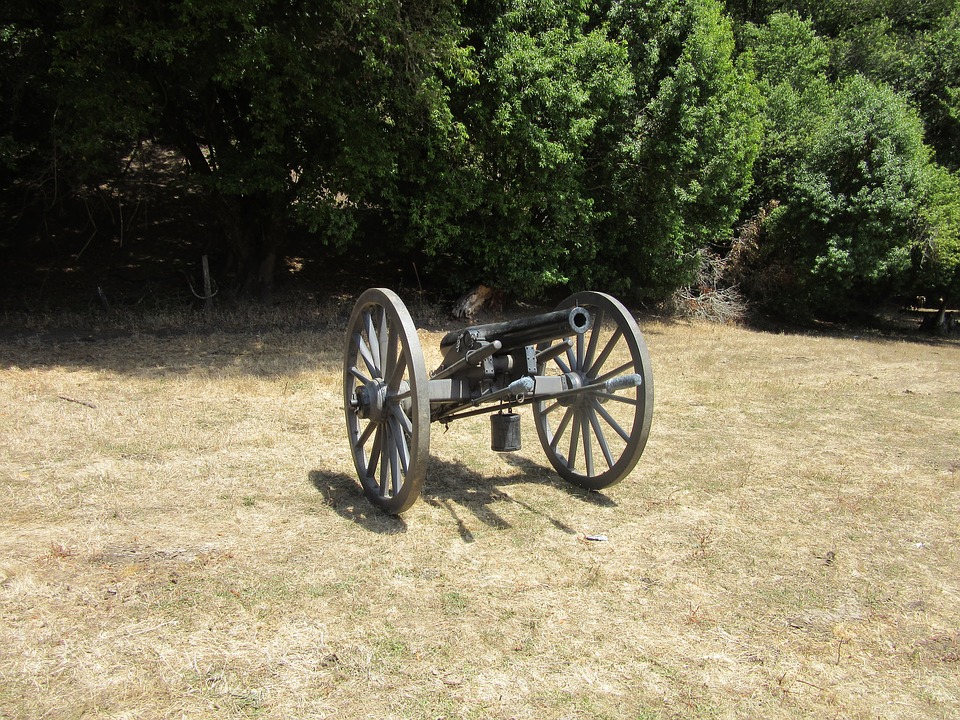
Troops passed through Philadelphia at all hours of the day and night. “Fort Brown,” a cannon outside the Union Volunteer Refreshment Saloon, fired a signal shot to call women volunteers living near the Navy Yard to the saloon when regiments were expected.

Most of these ladies, though responsible for their households, came to the refreshment saloons to cook meals and wash dishes. They worked long hours—often all night—to feed soldiers, sailors, freedmen, and refugees.

The Cooper Shop Refreshment Saloon fed 400,000 men and cared for about 7,500 patients. Union Volunteer Refreshment Saloon served 1,025,000 meals to over 800,000 men with nearly 15,000 hospital patients. All this was paid for with donations—no government funds.

To think that one man started all this by doing what he could to meet the needs of exhausted troops. They were hungry—he had food in his grocery store.

Barzilai Brown sought to feed heroes … and became one himself.

-Sandra Merville Hart

Sources

Brockett, L.P. MD and Vaughan, Mary C. Woman’s Work in the Civil War: A Record of Heroism, Patriotism and Patience, Zeigler, McCurdy & Co., 1867.

“Civil War Volunteer Refreshment Saloons,” The Library Company of Philadelphia, 2017/07/03 http://digital.librarycompany.org/islandora/object/Islandora%3ACVVRS?display=list.

“Samuel B. Fales collection of Union Volunteer Refreshment Saloon papers,” The Historical Society of Pennsylvania, 2017/07/03  http://hsp.org/sites/default/files/legacy_files/migrated/findingaid1580fales.pdf.


Baked Milk

“Weak persons” can drink baked milk, according to a recipe in an 1877 cookbook under “Food for the Sick.”

Nurses probably gave this beverage to wounded soldiers during Civil War. As a historical novelist, I love to add authentic details like this when a story requires it.

Since this was totally new to me, the brief recipe instructions left me wondering. I did an Internet search. According to Wikipedia, room temperature storage for baked milk is safe up to 40 hours.

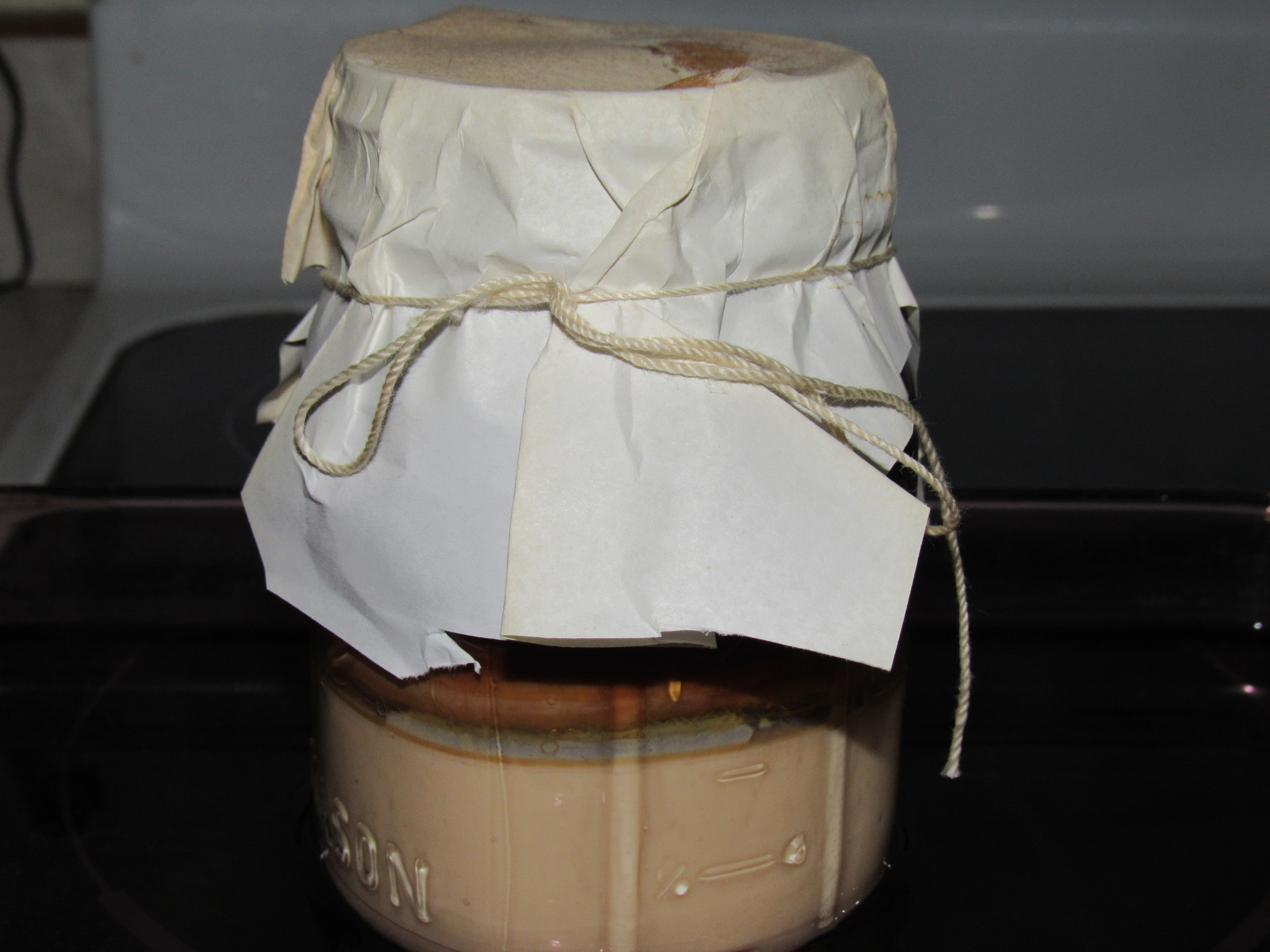
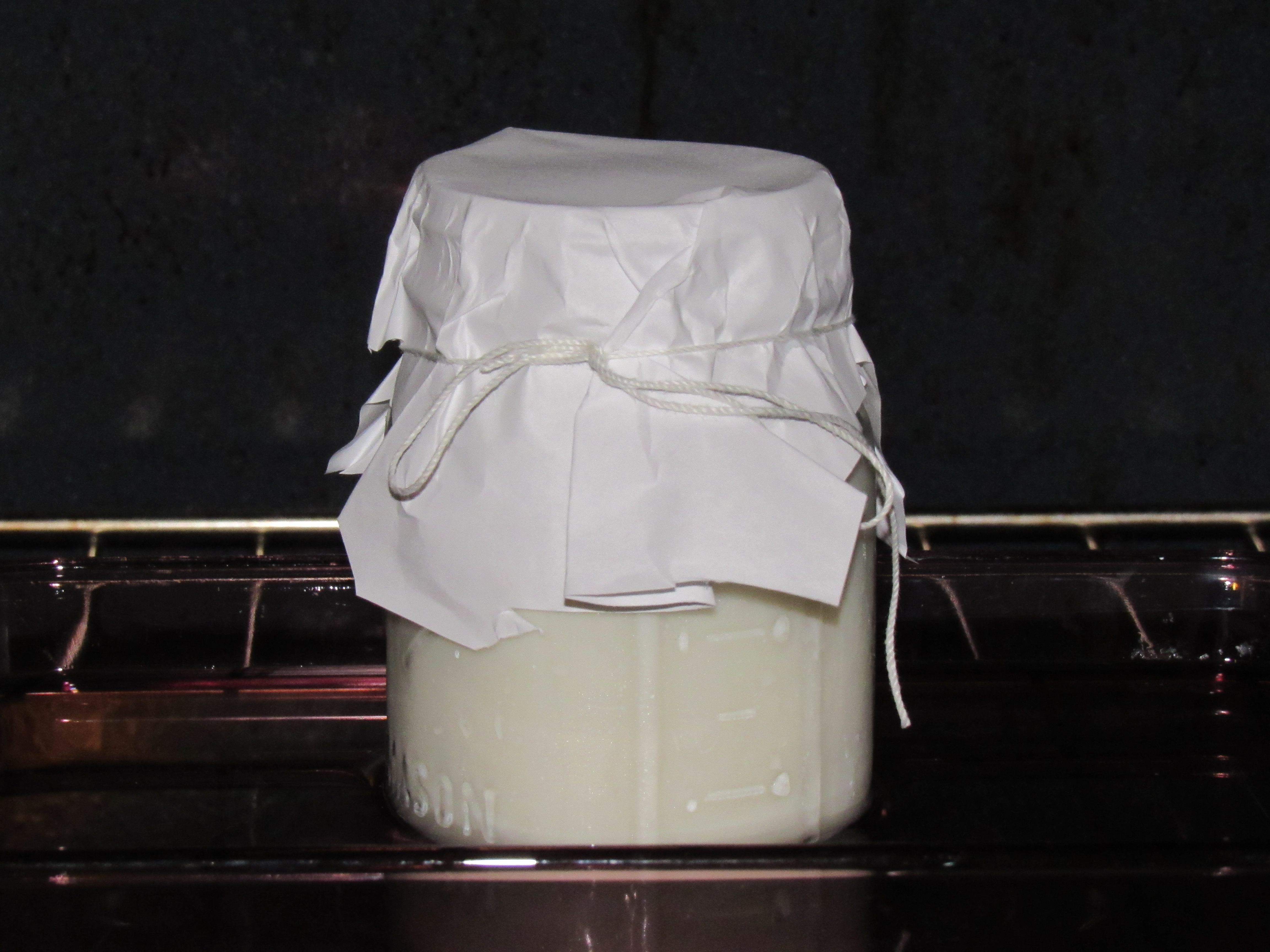
The 1877 recipe called for baking 2 quart jars of milk for 8 to 10 hours. I used 2 pint jars. Early cooks tied writing paper over the mouth of the jars.

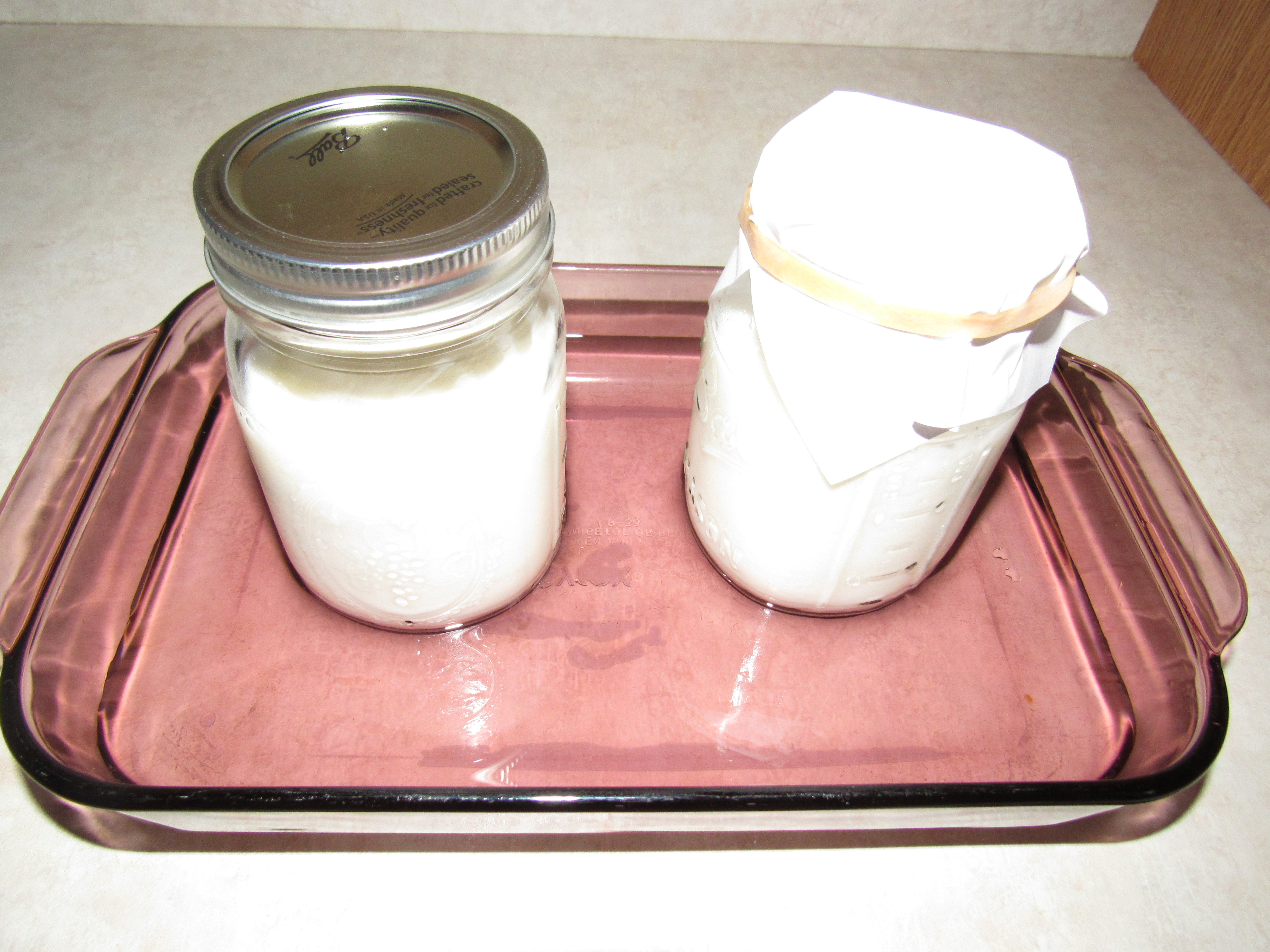
I experimented. One Mason pint jar opening was covered with copier paper fastened by a rubber band. I closed the other with a Mason jar lid.

To allow room for the milk to boil, I added only 1 ½ cups of milk to each jar. These were placed inside a dish with about 2 inches of cold water.

I placed this inside the oven and then turned it on, setting the temperature to 350 degrees.

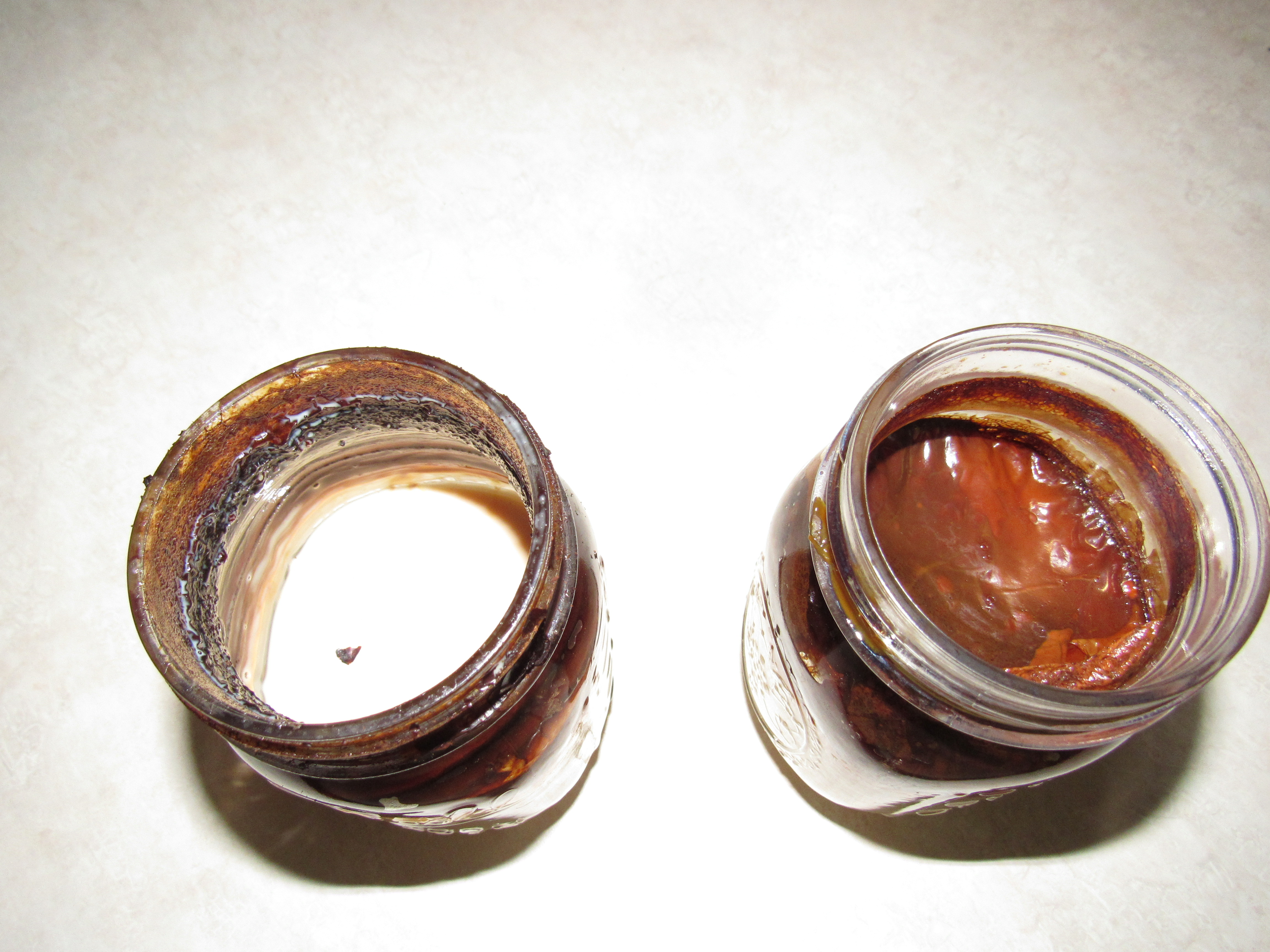
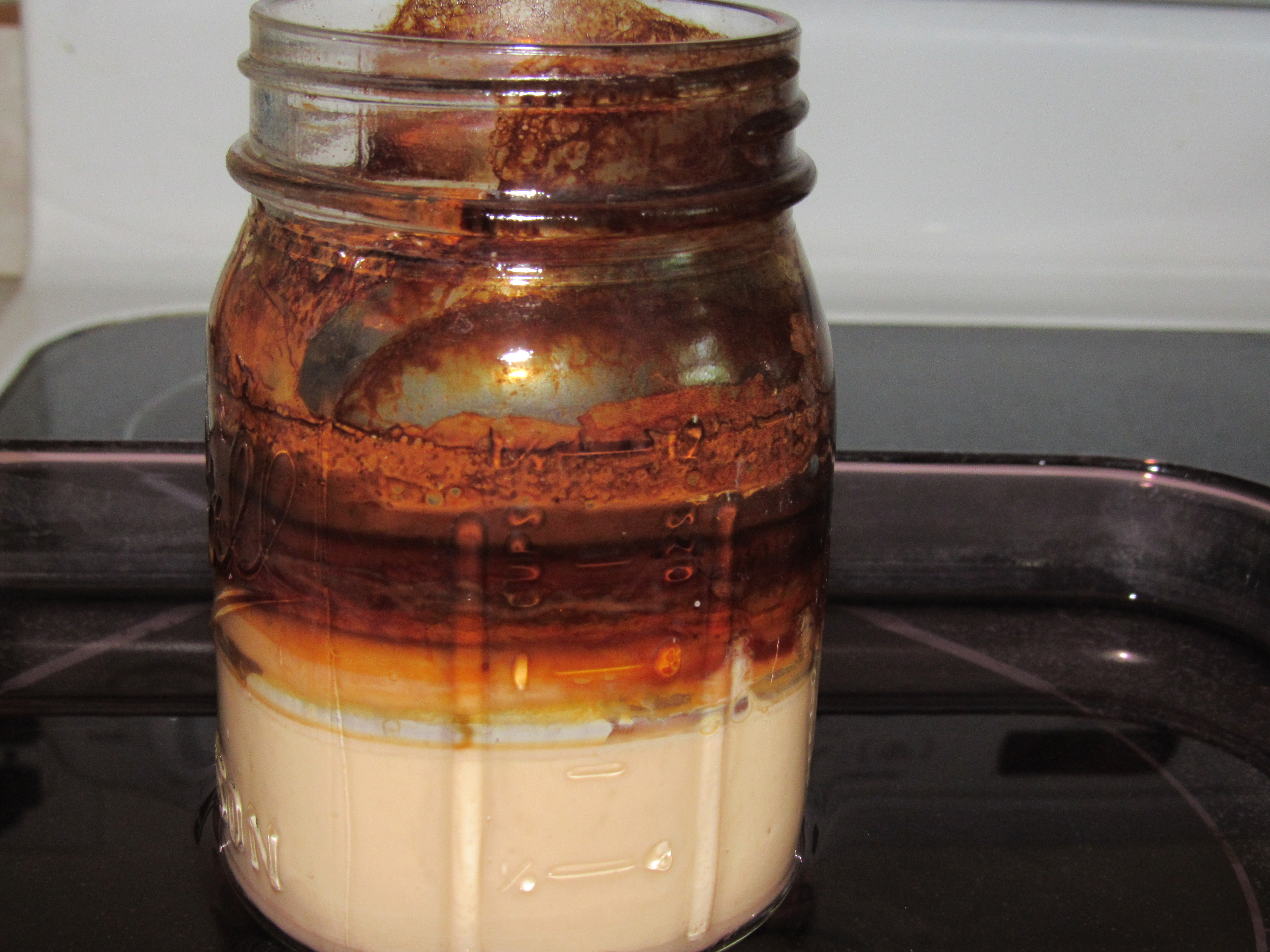
The liquid slowly reduced. A layer of brown grew around the rim. After 4 hours, a burning smell alerted me. They were removed from the oven.

Milk in the lidded jar had burned and tasted burned. I removed a layer of brown crust in the papered jar—missing from the lidded jar—and tasted the now beige liquid. Not bad, but it wasn’t “thick as cream” as the recipe suggested.

I tried again. I used the same amount of milk—12 ounces—and used another paper covering. This time I tied it on with string. (Not surprisingly, the rubber band melted on the first one. It was quicker to put on, but not the best idea.)

I cooked it for 8 hours in a 350-degree oven. It was baked inside a dish half-filled with water. As the water level receded, it was slowly refilled with water almost boiling hot.

Turn off oven after 8 hours. Allow the jar to cool.

The milk reduced to about half in that time, with the same brown rings and layer as previously. The tan liquid wasn’t as thick as expected, but tasted surprisingly good. I’m not a fan of white milk, but I liked it prepared this way.

It’s been sitting on my kitchen counter for 40 hours and still looks good. I refrigerated the beverage and liked it even better.

Milk was baked for weak persons. Convalescing patients. I’m not a health professional, but that suggests that baked milk is easier to digest.

I’d love to hear from you if you try this dish. Enjoy!

-Sandra Merville Hart

Sources

“Baked Milk,” Wikipedia, 2017/05/09 https://en.wikipedia.org/wiki/Baked_milk.

Compiled from Original Recipes. Buckeye Cookery and Practical Housekeeping, Applewood Books, 1877.