Civil War Food Prices Escalate in Richmond

by Sandra Merville Hart

The Confederate Capitol was officially transferred to Richmond, Virginia, on May 21, 1861. Confederate President Jefferson Davis moved there with his family.

Richmond’s prewar population of 38,000 swelled to 100,000 by 1865. This caused food shortages as the war continued.

By early 1862, the cost of food had risen. Bacon was 25 cents a pound. Butter was up to 50 cents a pound. Beef had risen from 13 to 30 cents a pound for poor quality meat. Fish, even shad or rockfish, was expensive.

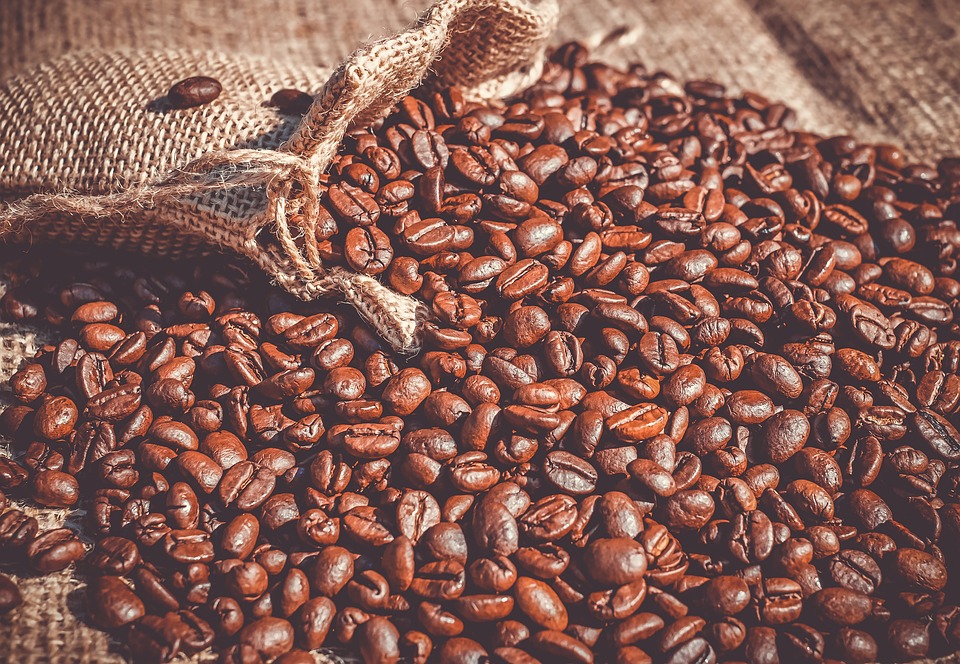
Folks paid $1.50 for a pound of coffee. At that price, ladies used roasted rye or roasted corn as substitutes for coffee. Some used dried willow leaves to replace tea.

As the war continued, some residents resorted to “Dutch treats,” when entertaining guests at dinner parties. Guests attending such dinners provided delicacies like brandied peaches, sardines, or French prunes for the meal.

Oriental’s Bill of Fare dated Monday, December 21, 1863, shows a variety of choices. This Richmond restaurant boasted of “Game of All Kinds (In Season)” and “Meals Furnished at All Hours.”

Here are a few of their menu items and prices:

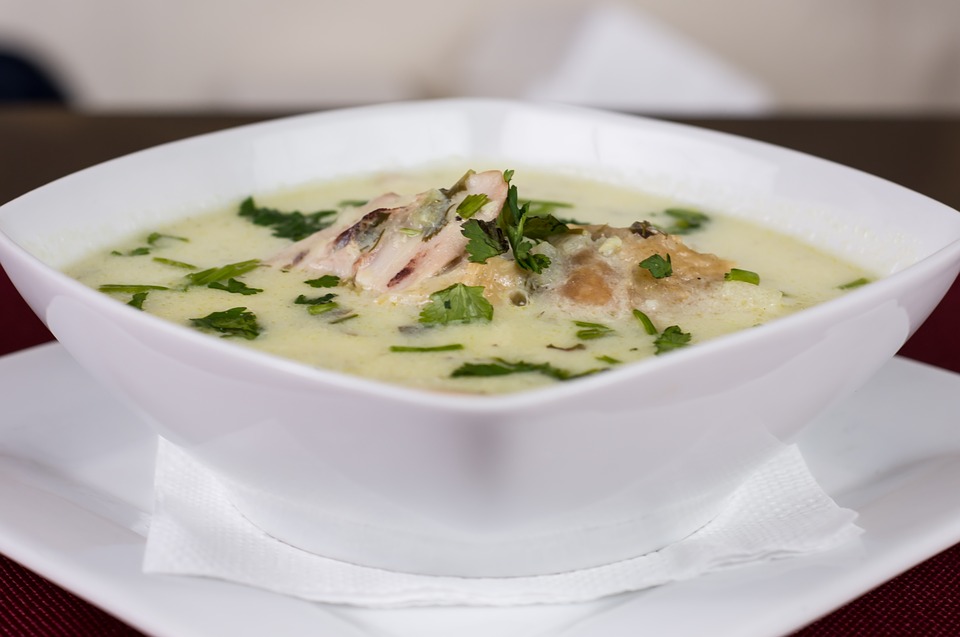
Soups: Beef, Chicken, Vegetable, Clam, Oyster, Terrapin, Turtle, Mock Turtle—$1 each

       Fowls: Roast Turkey, Roast Goose, Roast Ducks, Roast Chicken—$3 per plate

       Fish: Shad, Perch, Herring, Crabs and Lobsters—$3 per plate

       Meats: Roast Beef, Roast Mutton, Roast Lamb, Roast Veal—$3 each

      Steaks: Beefsteaks, Pork Steaks, Mutton Chops, Veal Cutlets, Venison Steaks—$3 each

       Sundries: Ham and eggs, Poached eggs, Scrambled eggs, Fried eggs, Omelets—$3 each

       Oysters: Fried oysters, Scalloped oysters, Raw oysters—$3 each

       Birds: Partridge, Robin, Snipe, Woodcock–$3 per pair

       Vegetables (many choices marked as unavailable): Irish Potatoes, Sweet Potatoes, Cabbage, Lettuce, Onions, Celery—50 cents

      Non-alcoholic beverage choices were Pure coffee—$2.50, Pure tea—$2, Fresh milk—50 cents.

     Wines: Champagne, Madeira, Claret, Port

     Liquors: French Brandy, Apply Brandy, Peach Brandy, Rye Whiskey

     Malt Liquors: Ale, Porter

Even Fine Havana Cigars were on the menu. It’s difficult to read the prices for the alcoholic drinks and determine if it was sold by the bottle or glass. For instance, champagne has $40 marked by it in pen.

In contrast, Corinthian Hall’s Bill of Fare, from March 28, 1864, shows price increases in only three months. These are grouped by price:

     $7.50—Ham and Eggs, Tenderloin Steak, Beefsteak and Onions, Oyster Fried, Oyster Boiled, Oyster Scalloped

       $5—Veal Cutlets, Mutton Chops, Boiled Ham, Fish, Omelet-herb

       $2—Potatoes cream, Potatoes fried, Celery, Toast, Butter

       $4—Coffee per cup

These old menus give us a glimpse back into history—what a treasure!

Sources

“Richmond in the Midst of the Civil War,” Virginia Museum of History & Culture, 2021/02/04 https://www.virginiahistory.org/collections-and-resources/virginia-history-explorer/richmond-midst-civil-war.

Mortimer, Gavin. Double Death: The True Story of Pryce Lewis, the Civil War’s Most Daring Spy, Walker & Company, 2010.

Feeding the Sick and Wounded in Civil War Richmond

by Sandra Merville Hart

The Confederate Capitol was officially transferred to Richmond, Virginia, on May 21, 1861. Confederate President Jefferson Davis moved there with his family.

The city with a prewar population of 38,000 swelled to 100,000 by 1865.

Soldiers were part of that number, including sick and wounded at over thirty hospitals. The largest of these was Chimbarazo—included in its 120 buildings was a bakery. Winder Hospital had 98 buildings with a farm.

One of the smaller hospitals was Mississippi Hospital No. 7 at Howard’s Grove. The surgeon in charge was William J. Moore in 1862. A patient’s diet could be restricted to “full,” “half,’ or “light” by the doctors. I found a copy of the Bill of Fare for this hospital in 1862.

Choices in a Full Diet included:

Soups: Beef, Chicken, Oyster

       Fish: Perch, Trout, Cat Fish*

       Roasts: Beef, Mutton, Pork, Chicken, Duck

       Boiled: Beef

       Fricassee (stewed or fried meat served in a thick white sauce): Mutton Chops, Beefsteak*, Chicken, Pork Chops, Sausage, Venison, Quail, Eggs

       Vegetables: Irish Potatoes, Sweet Potatoes, Cabbages, Onions, Beets, Carrots, Celery

Choices in a Half Diet included:

Soups: Beef, Chicken, Oyster

       Fish: Perch, Trout, Cat Fish*

       Boiled: Chicken, Eggs

       Vegetables: Irish Potatoes, Sweet Potatoes, Onions

Choices in a Light Diet included:

Butter Toast, Milk Toast, Dry Toast, Roast Apples, Oyster Soup, Beef Tea, Rice Pudding, Rice Boiled, Custard Pudding, Molasses, Soft Boiled Eggs

       Breads: Biscuit, Rolls, Egg Bread, Corn Bread*, Baker’s Bread, Family Bread

Beverage choices were coffee, chocolate, green & black tea, milk.

Surgeons could order extras for patients:

Blanc Mange*, Wine Whey, Calve’s* Feet, Arrow Root Pudding, Oranges, Apples

Food shortages due to the swelled population affected Richmond as the war continued. It’s likely that a later menu wouldn’t contain these same choices.   

*Spelling from 1862 menu

Sources

“10 Facts Richmond Virginia,” American Battlefield Trust, 2021/02/04 https://www.battlefields.org/learn/articles/10-facts-richmond-virginia.

“Richmond in the Midst of the Civil War,” Virginia Museum of History & Culture, 2021/02/04 https://www.virginiahistory.org/collections-and-resources/virginia-history-explorer/richmond-midst-civil-war.

Mortimer, Gavin. Double Death: The True Story of Pryce Lewis, the Civil War’s Most Daring Spy, Walker & Company, 2010.

Experimental Balloon Flight from Cincinnati Ends Badly During Civil War

by Sandra Merville Hart

Before the Civil War started, Thaddeus S.C. Lowe dreamed of flying his hot air balloon on a transatlantic flight. A successful test flight from Philadelphia to New Jersey was made on June 28, 1860. Three months later on September 7th, wind ripped open his balloon, the Great Western, when Lowe attempted a transatlantic flight.

Joseph Henry, secretary of the Smithsonian Institution, suggested a second test over land.

Lowe planned a night flight from Cincinnati, Ohio, to the Chesapeake Bay area on Enterprise, a new balloon. He left Cincinnati the night of April 19-20, 1861. Fort Sumter had been fired on a week earlier, marking the beginning of the Civil War.

Winds unfortunately carried him South. Lowe tried to land near the border between North Carolina and South Carolina. Armed men ordered him to take off again, which he did.

His second landing was even worse. Folks in South Carolina didn’t trust him. They placed his deflated balloon in a wagon and escorted both to Unionville, SC. A local newspaper editor knew of the aeronaut. He wrote a letter of introduction for Lowe to take to leaders in Columbia.

The letter didn’t help. Lowe was arrested. He stayed in jail until government officials released him.

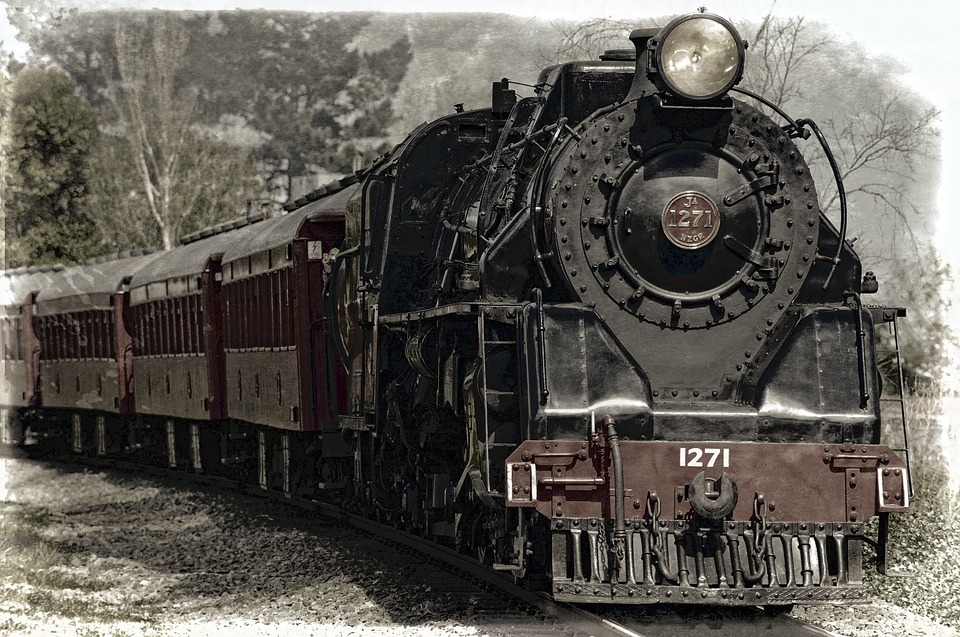
On April 26, 1861, Lowe rode a train back to Cincinnati with his balloon. He reflected on troop movements he’d observed from his flight. It sparked a new idea.

He put his transatlantic flight dream to rest. Serving his country by observing the Confederate army from the air became his goal.

Sources

Fanton, Ben. “Gas Balloons: View From Above the Civil War Battlefield,” History.net, 2021/02/05 https://www.historynet.com/gas-balloons-view-from-above-the-civil-war-battlefield.htm.

Gould, Kevin. “Balloon Corps,” Encyclopaedia Britannica, 2021/02/05 https://www.britannica.com/topic/Balloon-Corps.

“Thaddeus S.C. Lowe,” Wikipedia, 2021/02/05  https://en.wikipedia.org/wiki/Thaddeus_S._C._Lowe.


Pizzini Confectioners in Civil War Richmond

by Sandra Merville Hart

Pizzini’s Confectionery Palace, located at 807 Broad Street in Richmond, Virginia, was known as the “Napoleon of Confectioners” by 1852. Famous among city residents for delicious ice creams, Pizzini’s also sold cakes, candy, and fruit.

Advertisements in Richmond’s Daily Dispatch from November 15, 1873 show that Pizzini’s sold Havana oranges, Lisbon grapes, figs, and wine jelly. Malaga grapes were 50 cents a pound. Dates were 25 cents for 2 pounds. Pizzini’s advertised “cocoanut” (coconut) cream candy and “cocoanut” caramels.

The same edition showed they did have competition. Wood & Son’s mineral water depot seemed to specialize in hot soda water. Apparently, the ladies’ favorite was hot soda water with chocolate and cream. It was available with coffee, tea, cream, or chocolate. Healthy, delicious hot soda and chocolate—advertised as recommended by physicians—was only 10 cents a glass.

There were several confectioners, restaurants, and bakeries in Richmond during the Civil War (1861-65.) Some are listed simply under the owner’s name. You may notice a number of female owners in the group.

Here are a few of the confectioners: Mrs. Kate Taylor, confectionary; A. Pizzini, confectionery; Antoni & Catogni, confectioners; Jas Lombardi, confectioner; and Mary Kumpner, confectioner.

Besides the dining rooms of the hotels, there were several restaurants: Tom Griffin, restaurant; John Macpherson, restaurant; “Brandy Station” Restaurant; Phillip White, restaurant; John A. Worsham, restaurant; Manassas Hall, restaurant; Planters’ Eating House; and “Star Saloon,” restaurant.

There were a few bakers: Jefferson Powers, baker; R. Adam, baker; _____ McNaughter, baker; and Ragland & Co., bakers, among others.

Pizzini’s was one of the businesses damaged by fire when the Confederate government evacuated Richmond on April 2, 1865. As the 1873 newspaper ads show, they recovered to thrive once again.

boulevard-of-confusion-coming-soon-meme

Sources

“Daily Dispatch, Volume 45, Number 120, 15 November 1873,” Virginia Chronicle, 2021/02/03 https://virginiachronicle.com/?a=d&d=DD18731115.1.1&e=——-en-20–1–txt-txIN——–.

“Details of the Evacuation, April 8, 1865,” The New York Times, 2021/02/03 https://www.nytimes.com/1865/04/08/archives/details-of-the-evacuation-the-evacuation-of-richmond-by-the.html.

“From the Richmond Examiner, 2/22/1866,” Civil War Richmond, 2021/02/03 https://civilwarrichmond.com/culture/food-supply/6118-1866-02-22-richmond-examiner-notice-that-pizzini-s-confectionery-palace-on-broad-street-does-immense-business-and-he-is-known-as-the-napoleon-of-confectioners.

“From the Richmond Whig, 4/15/1865,” Civil War Richmond, 2021/02/03 http://www.mdgorman.com/Written_Accounts/Whig/1865/richmond_whig_4151865d.htm.

Mortimer, Gavin. Double Death: The True Story of Pryce Lewis, the Civil War’s Most Daring Spy, Walker & Company, 2010.

“Pizzini Celebration at Slash Cottage,” Newspapers.com, 2021/02/03 https://www.newspapers.com/clip/37349473/pizzini-celebration-at-slash-cottage/.

Civil War Women: Rebecca Littlepage Thwarts a General

by Sandra Merville Hart

Confederate General Henry Wise replaced Colonel Christopher Tompkins as commander of the Kanawha forces. Marching from Richmond, he arrived in Kanawha County on June 26, 1861. Wise soon stayed in Kanawha House Hotel’s best room.

Fort Sumter had been fired upon two and half months earlier.

The small Virginia town of Charleston was of strategic importance to Wise. He decided to claim a stone mansion surrounded by a thousand acres of farmland as his headquarters.

He should have run the idea by the lady of the house, Mrs. Rebecca Littlepage.

Confederate troops camped near a farm owned by the Littlepage family. Soldiers used the farm’s grain, sugar, bacon, molasses, and horses.

Wise strode to the home and told Mrs. Littlepage he intended to take her mansion as his headquarters. The spunky woman refused to release her home. The general threatened to blow the house down.

He returned with artillery. A crowd followed. Rebecca stood on the front step with her children around her. Wise told her to leave. She refused.

The general ordered his soldiers-some of them family friends—to fire upon the house. The men refused his command. Wise left that day.

Instead of taking over the home, his soldiers camped on the family’s property. Fort Fife, a one-hundred-square foot fort, was built on a hill overlooking the stone mansion. The location gave wonderful views of the Kanawha Turnpike, its junction with the road to Parkersburg, and the James River.

Adam Littlepage, Rebecca’s husband, became the quartermaster officer of the 21st Virginia. He died in a duel and never returned to the stone mansion home that his wife fought so bravely to preserve.

Sources

Egnatoff, Daniel et. al. “Littlepage Mansion-Charleston Civil War Trail.” Clio: Your Guide to History. September 19, 2019. Accessed February 1, 2021. https://theclio.com/entry/4901.

Mortimer, Gavin. Double Death: The True Story of Pryce Lewis, the Civil War’s Most Daring Spy, Walker & Company, 2010.


Last Confederate Surrender

by Sandra Merville Hart

Most people believe the Civil War ended when Confederate General Robert E. Lee surrendered his Army of Northern Virginia to Union General Ulysses S. Grant at Appomattox on April 9, 1865. Not exactly. There were several other Confederate armies that had to surrender.

Rather than surrender, Colonel John S. Mosby, leader of “Mosby’s Raiders,” disbanded his cavalry troops on April 21, 1865.

General Joseph E. Johnston’s Army of Tennessee surrendered at the Bennett Place to Union General Sherman with the final agreement signed on April 26, 1865.

Lieutenant General Richard Taylor surrendered his  Department of Alabama, Mississippi, and East Louisiana to Union Major General Edward Canby at Citronville, Alabama, on May 4, 1865.

Major General Dabney Maury surrendered his  Confederate District of the Gulf  to Union Major General Edward Canby at Citronville, Alabama, on May 4, 1865.

Brig. General M. Jeff Thompson surrendered his  Sub-District of Northwest Arkansas at two Arkansas locations, Wittsburg and Jacksonport, on May 11, 1865.

Brig. General William T. Wofford surrendered his Department of North Georgia    to Union Brigadier General Henry M. Judah in Kingston, Georgia, on May 12, 1865.

Lieutenant General Edmund Kirby Smith, commander of Trans-Mississippi Department, signed a surrender aboard the USS Fort Jackson just outside Galveston Harbor on June 2, 1865.

Cherokee General Stand Watie surrendered his First Indian Brigade at Doaksville on June 23, 1865.

After General Lee’s surrender, the other Confederate armies soon followed.

Yet the last surrender may surprise you, for this one didn’t even take place in the United States.

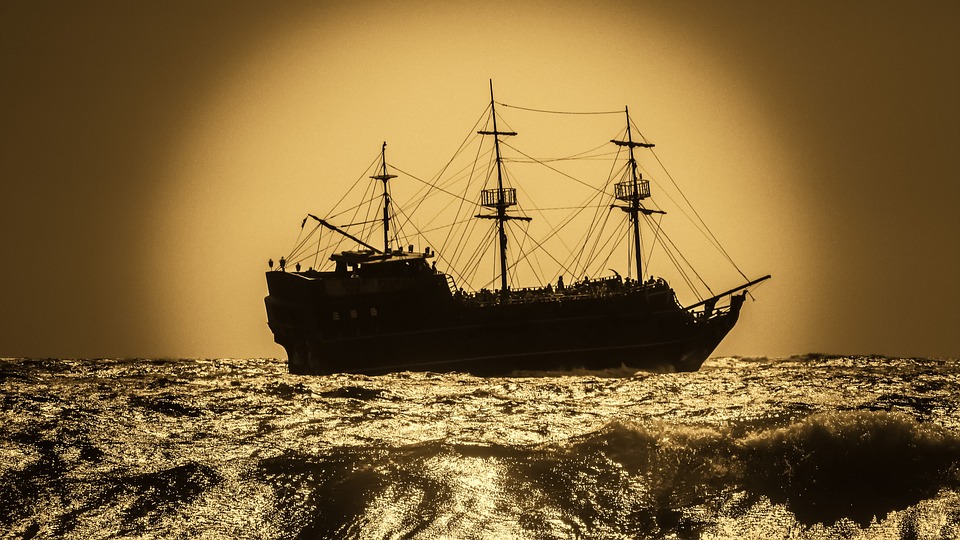
The CSS Shenandoah was purchased in England for the Confederate States Navy in 1864. Formerly the Sea King, the ship was converted to a warship in the Atlantic Ocean near the Spanish coast. Confederate Lt. James Iredell Waddell commanded the ship.

Waddell renamed the ship CSS Shenandoah. It required at least 150 men to sail and operate the warship. When he left the coast of Spain, he had only recruited 43 men for his crew. Since the ship’s task was to disrupt Union shipping, Waddell and his officers decided to increase its crew from the capture of Union ships.

They sailed toward the Cape of Good Hope and then toward Melbourne, Australia, successfully capturing Union ships, cargo, and crews. Some ships were burned or sunk and others were ransomed. The officers and crew of CSS Shenandoah had been quite successful in pursuing Union merchant ships when they had to stop for repairs on January 25, 1865, in Melbourne, Australia.

The crew grew from captured crew members just as Waddell had hoped.

After repairs were completed, Waddell sailed the Pacific Ocean in search of the American whaling fleet and captured ships near the equator in April. The CSS Shenandoah had set sail for the Bering Sea when General Robert E. Lee surrendered at Appomattox on April 9, 1865, though Waddell, being in the middle of the ocean, was unaware of this first of several surrenders. He continued his pursuit of Union merchant ships.

Upon reaching the Bering Sea on June 21st, the CSS Shenandoah captured two whalers the next day. Captain Francis Smith of the William Thompson informed Waddell that the war had ended. Waddell didn’t believe him and burned both the William Thompson and the Euphrates as Union ships.

If the war had ended as Captain Smith claimed, future capture of Union ships risked a charge of piracy. Unconvinced, Waddell continued his mission.

Thirty-eight ships had been captured or destroyed by the CSS Shenandoah when Waddell learned of the war’s end from a source he trusted. The crew of the Barracouta, a British ship, gave him the news on August 2, 1865.

Hoping to escape being charged with piracy and hung, Waddell sailed for Liverpool, England. The 9,000-mile voyage took three months. The ship’s crew, fearing capture if it replenished supplies at a port, never stopped. Union ships pursued the CSS Shenandoah the whole journey.

Waddell surrendered in Liverpool to the HMS Donegal on November 6, 1865. It was the final surrender of the Civil War.

Sources

History.com Editors. “CSS Shenandoah learns the war is over,” A&E Television Networks, 2020/12/28 https://www.history.com/this-day-in-history/css-shenandoah-learns-the-war-is-over.

Marcello, Paul J. “Shenandoah 1864-1865,” Naval History and Heritage Command, 2020/12/28 https://www.history.navy.mil/research/histories/ship-histories/confederate_ships/shenandoah.html.

Plante, Trevor K. “Ending the Bloodshed,” Prologue Magazine National Archives, 2021/01/04 https://www.archives.gov/publications/prologue/2015/spring/cw-surrenders.html.


Sandra Merville Hart’s Interview about the Western Theater

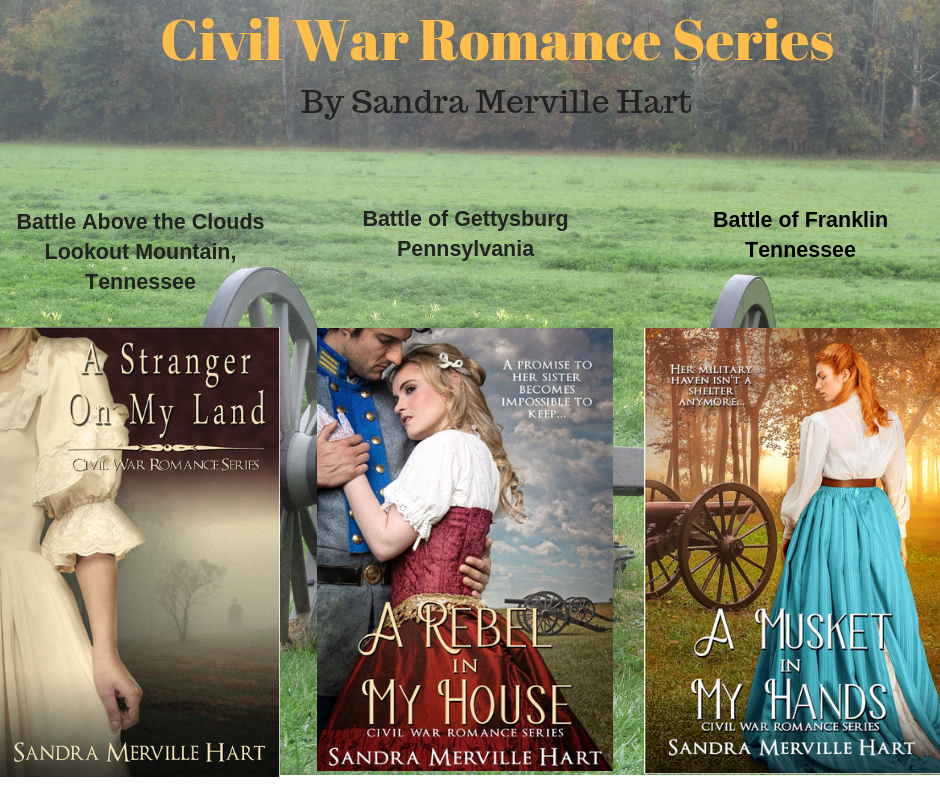
Recently, I was invited to interview for The Western Theater in the Civil War website with questions about my inspiration for writing historical novels and the Civil War in the Western Theater. The Battle of Franklin, Tennessee, which was such a tragic loss of life for the Southerners, is also highlighted.

I also answered questions about women disguising themselves as men to pose as Civil War soldiers, an important aspect of  A Musket in My Hands,  which is set in Tennessee, Georgia, Alabama, and Mississippi in 1864.

You can read the interview  here!


Ford’s Theatre

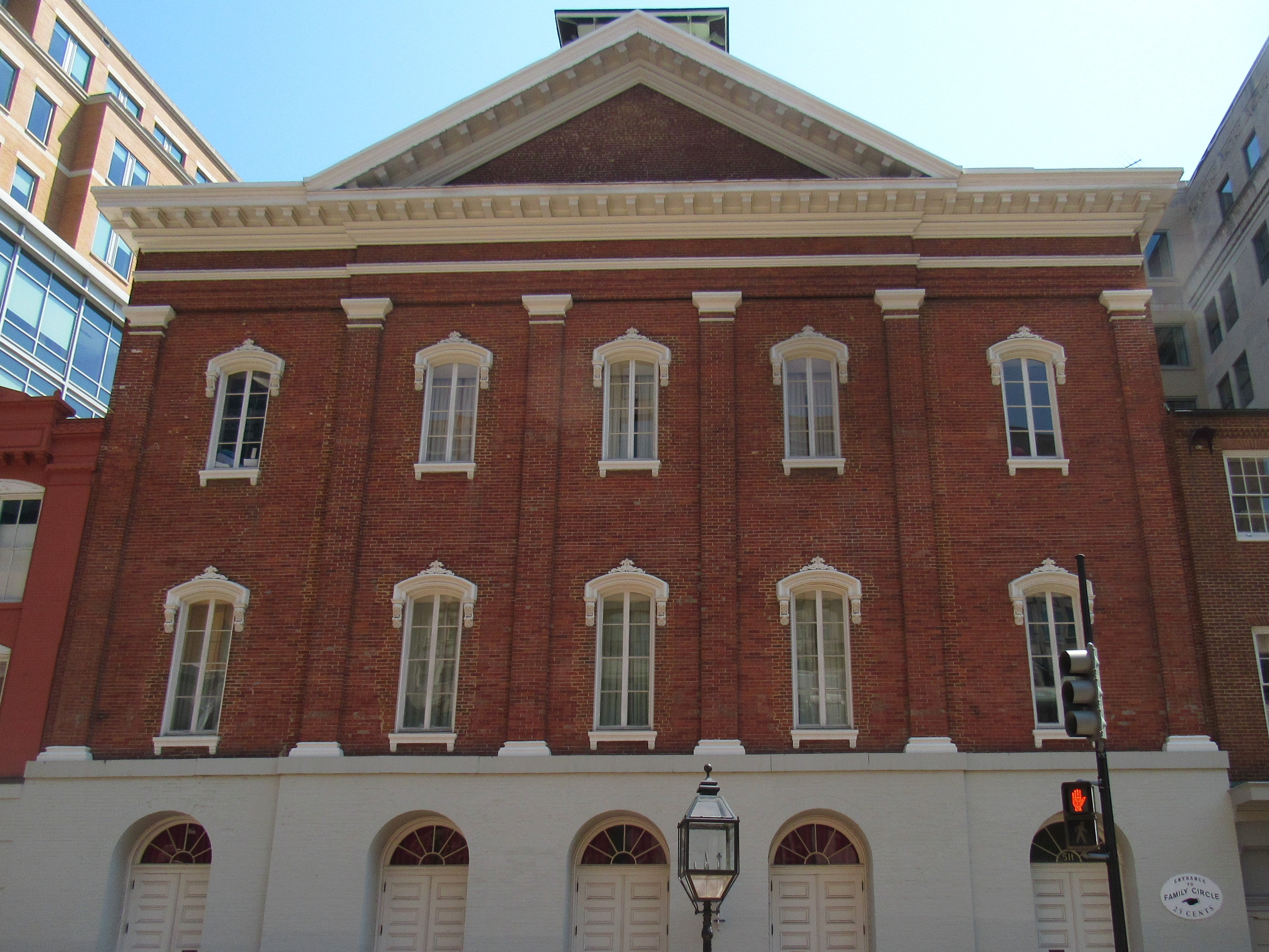
John T. Ford, a successful theatrical entrepreneur, leased the First Baptist Church on Tenth Street in 1861. He turned it into a music hall. The building burned in December of 1862. Ford raised money to rebuild and the first performance in the new Ford’s Theatre was August 27, 1863.

President Abraham Lincoln and Mrs. Mary Todd Lincoln arrived at Ford’s Theatre around 8:30 pm with their guests, Major Henry Reed Rathbone and Clara Harris, on April 14, 1865. Our American Cousin was playing and Lincoln enjoyed going to the theater.

This night was different.

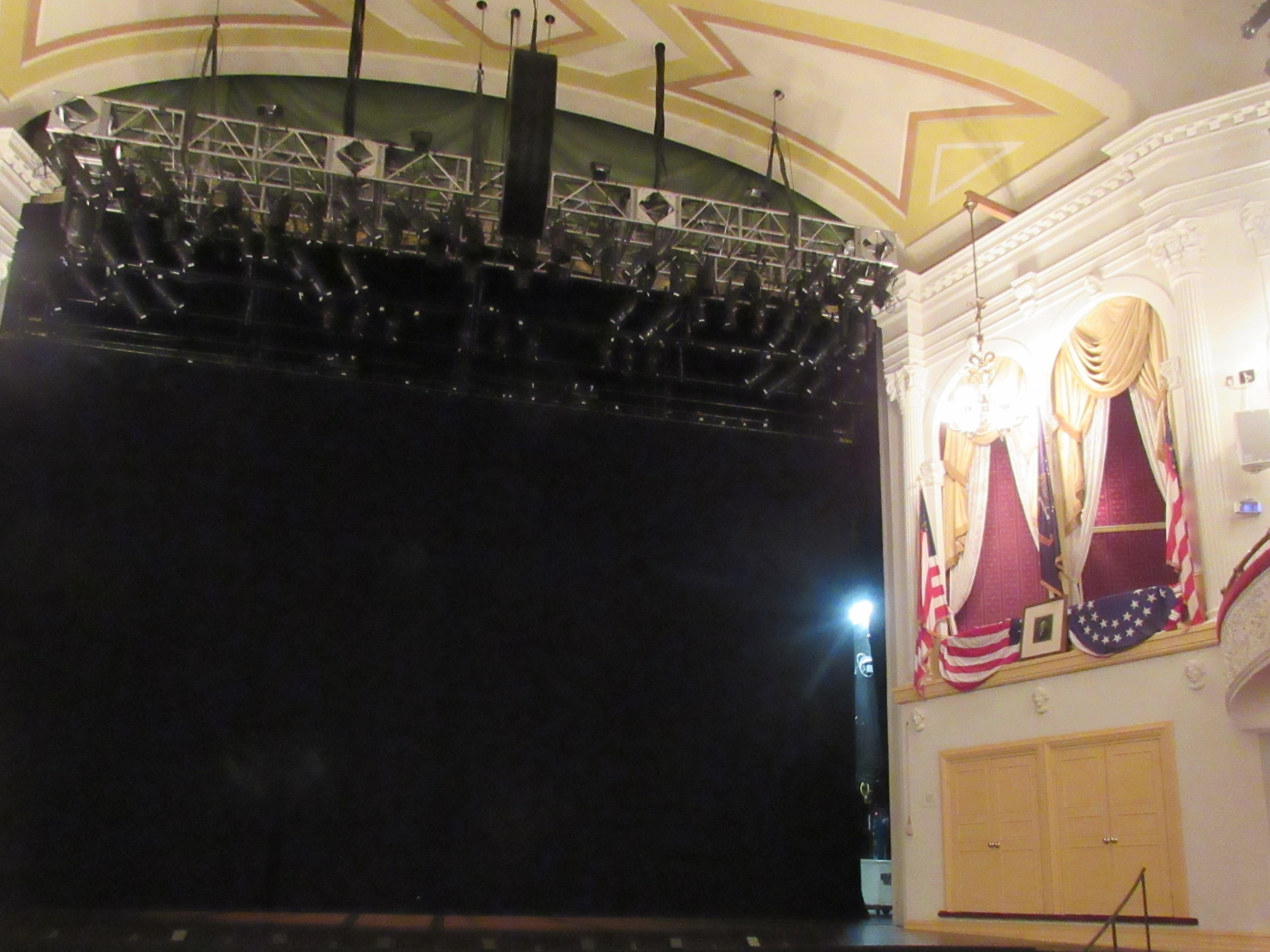
John Wilkes Booth stepped into the Presidential Box around 10:15 pm and shot Lincoln. Booth stabbed Major Rathbone and then leaped onto the stage and escaped.

Dr. Charles Augustus Leale was the first person inside the box. He removed a blood clot from Lincoln’s head wound to release pressure and allow him to breathe. Dr. Leale knew it was a mortal wound.

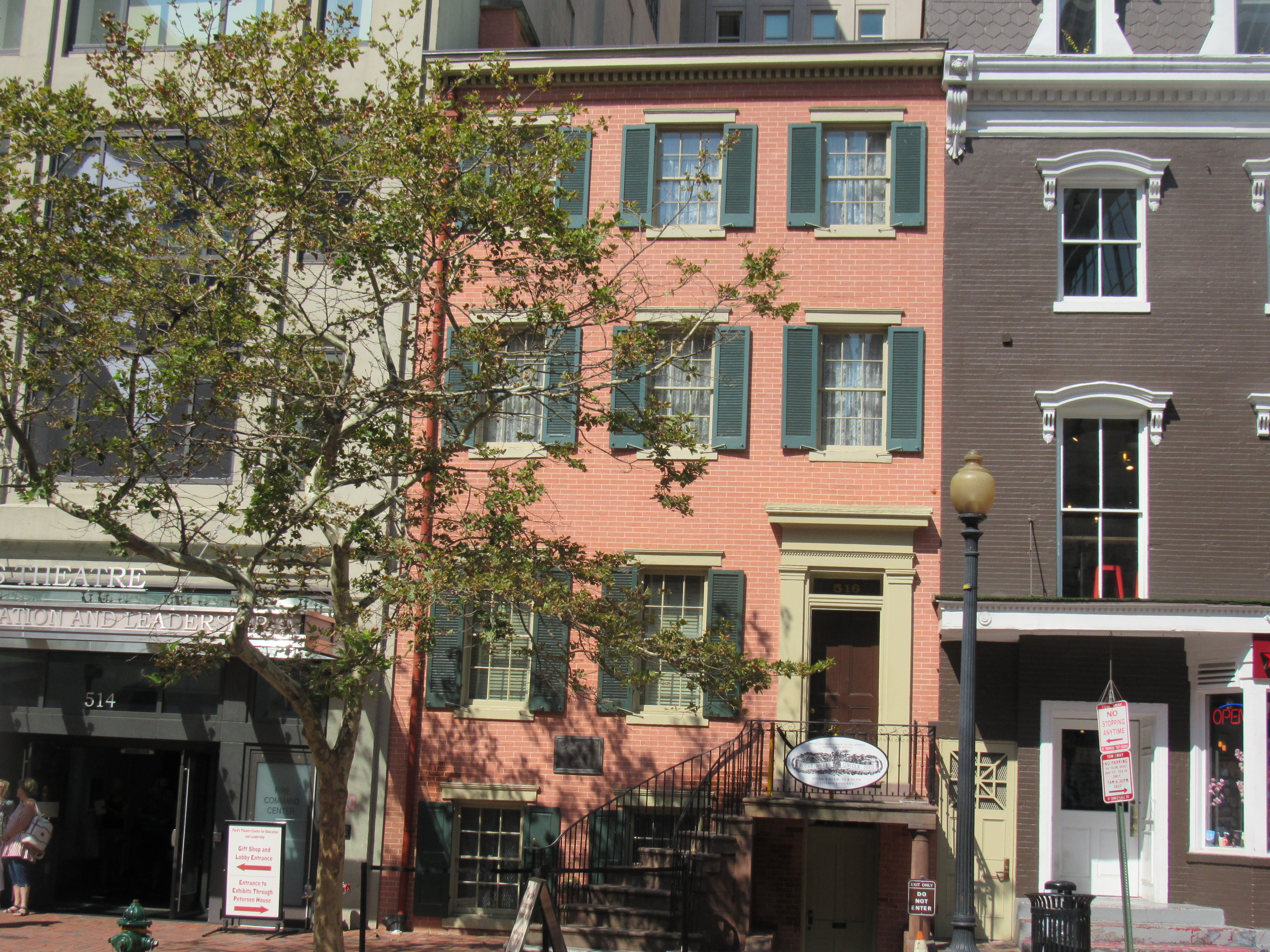
Soldiers carried their President down the stairs and onto Tenth Street. William and Anna Petersen’s boarding house was across the street. They placed the dying President in Willie Clark’s room, who was out celebrating the war’s ending.

It was a dark, gloomy morning. It had started to rain earlier. Large groups of people gathered outside the Petersen house, praying for Lincoln to live … yet fearing the worst.

Throughout that long, tragic night, First Lady Mary Lincoln sometimes sat beside her dying husband with her oldest son nearby. Other times she went to the Front Parlor. Neither family member was in the crowded room when Lincoln died at 7:22 am.

The country that had seen so much death and dying for the past four years experienced a deep tragedy. Leaders turned their attention to apprehending John Wilkes Booth, the assassin, and his conspirators.

Ford’s Theatre was closed by the federal government for the investigation. The owner received permission to reopen after the trial. When threats were made if the theatre reopened, the War Department closed it. They leased the building, in August of 1865, to convert it to an office building and bought it a year later.

Three interior floors collapsed in 1893. Twenty-two clerks were killed and sixty-eight people injured. It was repaired and used again by the government for offices.

Today, about 650,000 visitors tour Lincoln’s Museum, Ford’s Theatre, the Petersen House, and Aftermath Exhibits each year.

Ford’s Theatre still has performances and tours are closed during rehearsals and matinees.

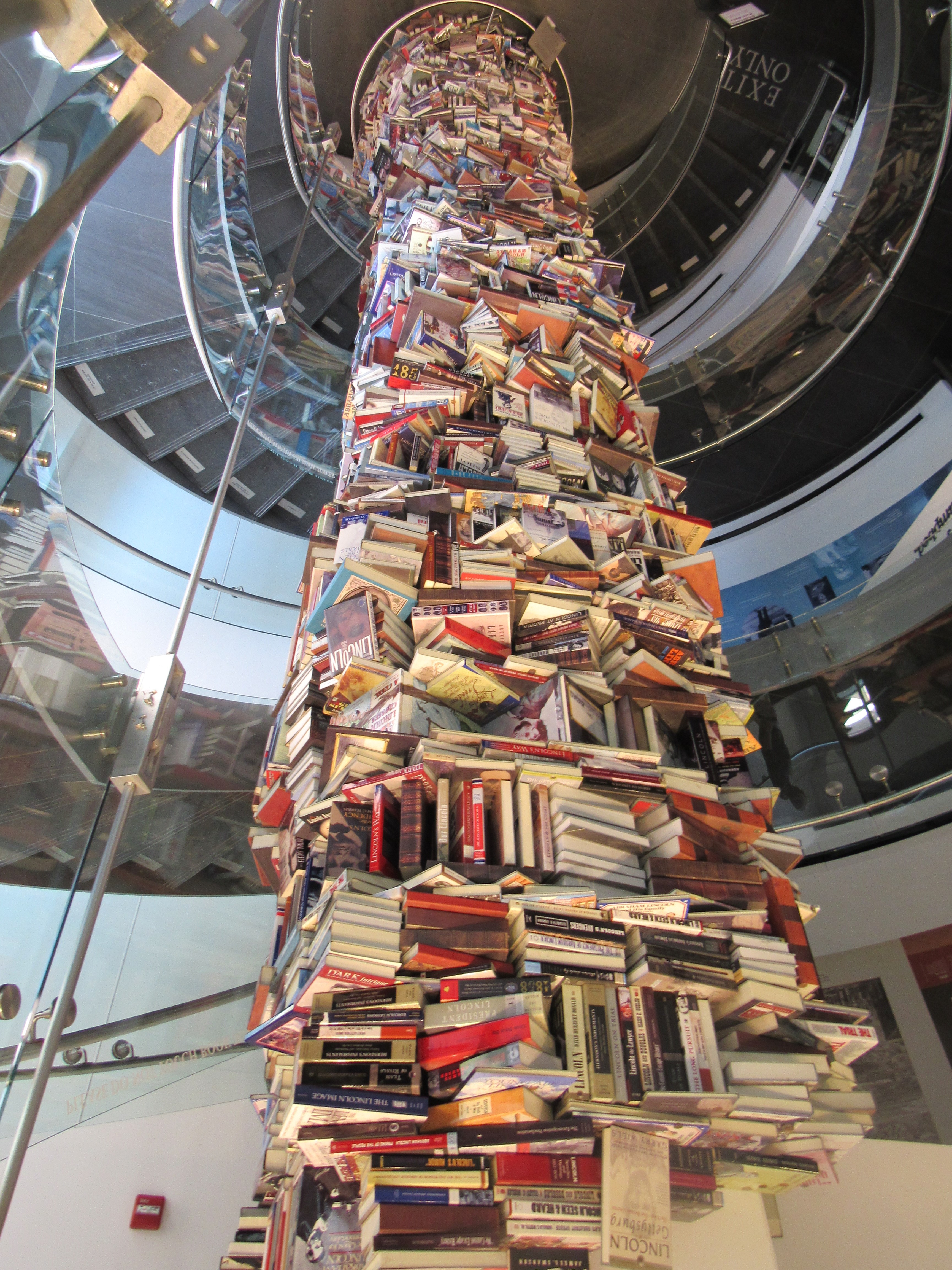
Lincoln has inspired many authors to write books about him. A 34-foot tower of these books stands beside a winding staircase at The Ford’s Theatre Center for Education and Leadership.

-Sandra Merville Hart

Sources

“Ford’s Theatre,” National Park Service, 2020/01/02 https://www.nps.gov/foth/index.htm.

“Ford’s Theatre Yesterday and Today,” Ford’s Theatre Pamphlet, Last Updated 2008.

“Lincoln’s Death,” Ford’s Theatre, 2020/01/01 https://www.fords.org/lincolns-assassination/lincolns-death/.

First Union Soldiers in Washington Welcomed at the White House

Union troops poured into Washington near the end of April, 1861. Before long, twenty thousand men added to the city’s prewar population of sixty thousand. The city had 33 militia units with armories where they drilled—not nearly enough to accommodate so many additional soldiers. And where were they to sleep?

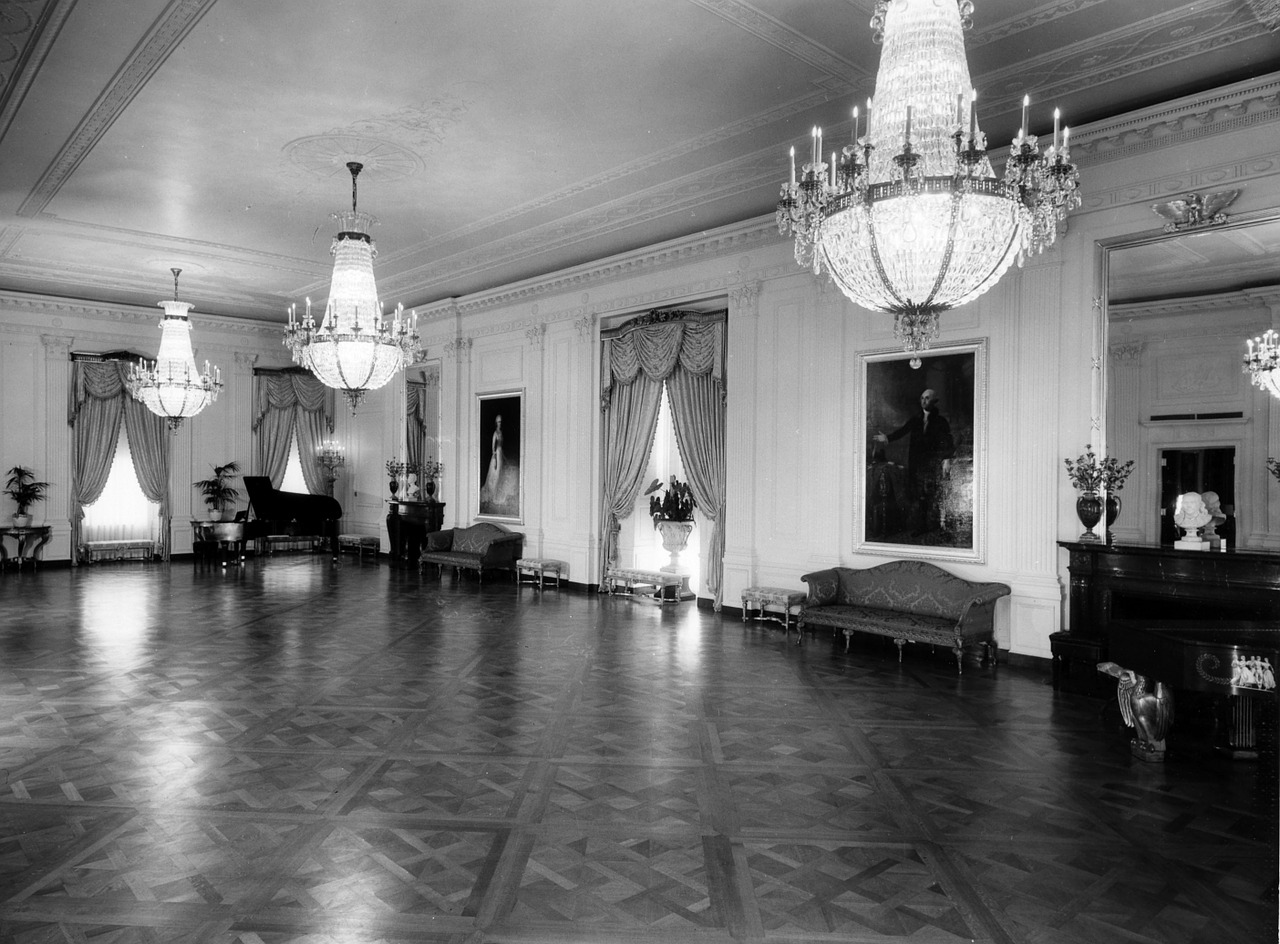
President Abraham Lincoln welcomed the first troops as honored guests. On April 18th, Major Hunter took Jim Lane’s Kansas Warriors into the East Room of the White House and allowed them to stay there.

Soon troops were camped on the White House lawn, at the Capitol, and the Washington Arsenal. Area churches as well as schools like Georgetown College and Columbian College.

The government rented other buildings for the soldiers.

Seven thousand troops were in the Capitol, occupying Senate and House chambers, committee rooms, galleries, and halls. This brought its own problems of cleanliness. Congress was set to convene on July 4th —before this meeting, grease, tobacco, and other filth had to be scrubbed from the areas.

Soldiers’ tents surrounded the Capitol for a radius of three miles. Troops bivouacked and drilled in the inaugural ballroom, which was a temporary building near City Hall.

Many of these troops received training in the city and soon marched off to war. Others remained to defend the nation’s capital. Sixty-eight forts had been built around Washington by 1865, and these housed Union troops. The city was protected by these forts that had a combined ninety-three batteries, seven blockhouses, and twenty miles of rifle pits. There were thirty miles of military roads.

The forts were built to last for the war’s duration and many of them are gone now. Traces remain of a few of them, including Fort Chaplin, Fort Davis, Fort DeRussy, Fort Foote, and Fort Stevens.

– Sandra Merville Hart

Sources

“Civil War Defenses of Washington,” Wikipedia, 2019/12/26 ttps://en.wikipedia.org/wiki/Civil_War_Defenses_of_Washington.

Selected by Dennett, Tyler. Lincoln and the Civil War In the Diaries and Letters of John Hay, Dodd, Mead & Company, 1939.

“The capital can’t be taken!” Civil War Defenses of Washington, National Park Service, 2019/12/26 ttps://www.nps.gov/cwdw/index.htm.

Winkle, Kenneth J. Lincoln’s Citadel: The Civil War in Washington, DC, W.W. Norton & Company, 2013.


Civil War Women: Clara Judd, Confederate Spy

Clara Judd, a Northerner, had moved to Winchester, Tennessee, in 1859 with her husband and eight children. He and one of their children was killed in an accident two years later. The widow found jobs at a government factory for her older sons.

Union armies controlled Winchester five times during the first two years of the Civil War (1861-1862) and Clara hosted them. A Union officer warned her that they’d been ordered to destroy her crops “except enough to last six weeks” and that she should leave.

Losing her possessions probably embittered her toward the Union soldiers.

She eventually ended up leaving her children with her sister in Louisville. Obtaining Union passes to travel to Atlanta to visit her son and Louisville to visit her youngest children enabled Clara to learn troop movements and other military information for the Confederacy.

Confederate Brig. Gen. John Hunt Morgan, while planning his famous raid, contacted Clara in December of 1862. He asked her to discover Union troop locations and strength of those controlling the railroad. She agreed.

While traveling north, she was stopped in Murfreesboro and had to wait three days for a pass to Nashville. Unable to find transportation, she walked.

Delos Thurman Blythe, a Northern counterespionage agent posing as Southern paroled prisoner, offered her a ride in his buggy. Blythe’s pass into Nashville was accepted but not Clara’s. He overheard a Confederate soldier giving her information about getting through Union lines and became suspicious.

Clara received a pass to visit her children and then told Blythe everything. He promised to help her.

His pretense of loyalty to the South had worked. He reported her to Union authorities yet advised them to give her the passes she requested.

They traveled north by train. Clara, from her window, asked folks at each station about troops in the area. In Louisville, Blythe escorted her in all her errands and took her to dinner. She fell in love with him. Meanwhile, Blythe asked the authorities to arrest him and Clara in Mitchelsville, Tennessee.

On their return trip, military police arrested them in Mitchelsville. Goods and drugs for the Confederate army were found in her bags—quinine, nitrate of silver, and morphine.

Placed under guard in a Nashville hotel shortly before Christmas, Clara told her captors that Blythe was innocent. She didn’t know that he had already been released or that loving her had been an act.

Charged with espionage, she went to prison in Alton, Illinois for about eight months before being paroled due to poor health.

-Sandra Merville Hart


Sources

McCurry, Stephanie. “Clara Judd and the Laws of War,” HistoryNet, 2019/08/16 https://www.historynet.com/clara-judd-laws-war.htm.

Winkler, H. Donald. Stealing Secrets, Cumberland House, 2010.