by Sandra Merville Hart
Thomas Paine lived in England until traveling to the colonies in 1774. He wrote articles about issues of the day, such as slavery and women’s rights, for the Pennsylvania Magazine.
It was a time of unrest in the colonies. There was growing dissatisfaction with Great Britain. After the Battle of Lexington and Concord in April of 1775, George Washington was appointed as commander-in-chief of the Continental Army. Though already at war with England, many colonists hesitated to split from England.
On January 10, 1776, Thomas Paine published an important pamphlet called Common Sense. Written in clear, easy-to-read language, it quickly sold about 500,000 copies, becoming an overnight best-seller. Many newspapers around the country reprinted quotes from this pamphlet.
In Common Sense, Paine argued for separation from England and urged the colonists to declare independence. He also stated that he’d never met a man in America or England who didn’t believe the two countries would eventually part ways, but they couldn’t agree on the timing. Paine wrote that “the time hath found us.”
People praised his work, and it convinced many to act immediately. Paine volunteered for the army and served as aide-de-camp to General Nathanael Greene.
Washington’s army had been badly defeated in the Battle of Long Island in August of 1776. The soldiers’ confidence took a beating.
Paine noticed everyone’s dejected spirits. He sat beside a campfire near Newark, New Jersey, and wrote another article encouraging people not to lose their courage in this time of crisis. The Pennsylvania Journal published it on December 19, 1776. It was the first article in a series of writings that became known as The Crisis. This is part of his opening lines:
“These are the times that try men’s souls: The summer soldier and the sunshine patriot will, in this crisis, shrink from the service of his country; but he that stands it now, deserves the love and thanks of man and woman. Tyranny, like hell, is not easily conquered; yet we have this consolation with us, that the harder the conflict, the more glorious the triumph. What we obtain too cheap, we esteem too lightly.”
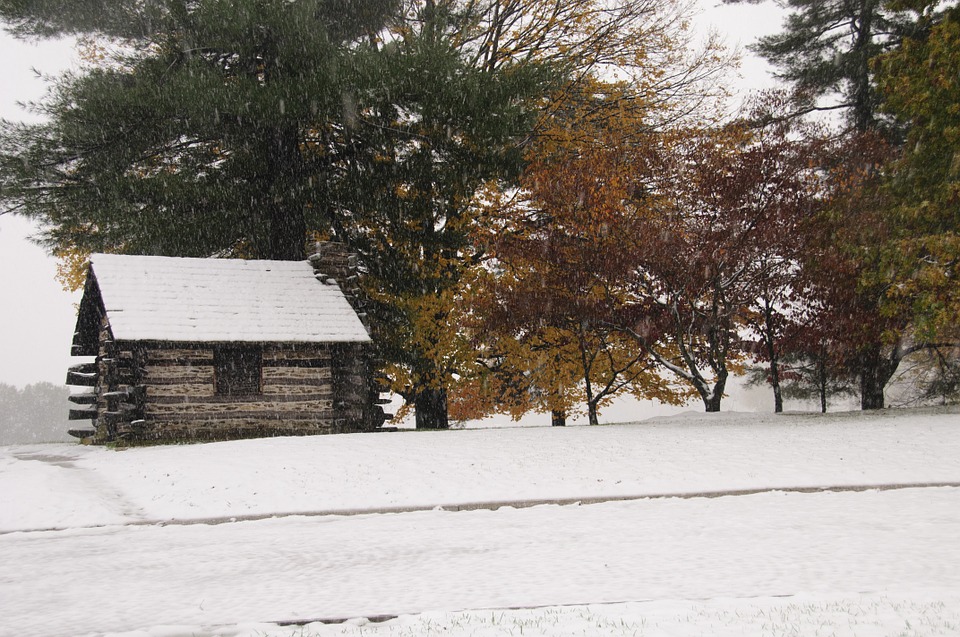
Impressed and encouraged by Paine’s article, General George Washington had it read to his soldiers. It inspired those brave men. They crossed the Delaware River during a snowstorm that turned to sleet on Christmas night in 1776. The American army surrounded the British forces at Trenton and won the battle, earning citizens’ trust in Washington’s leadership. Their victory restored the soldiers’ confidence.
Paine’s article stated his agreement that times were tough. As he said, the harder the fight, the happier we feel when we win.
His words encouraged the new nation.
Sources
“Ft. Washington Captured – Washington Retreats through N.J -1776,” History Central, 2015/07/27 http://www.historycentral.com/Revolt/Retreatnj.html.
Paine, Thomas. “The Crisis,” USHistory.org 2015/07/24 http://www.ushistory.org/paine/crisis/c-01.htm.
“Thomas Paine,” Encyclopaedia Britannica, 2020/06/29 https://www.britannica.com/biography/Thomas-Paine.
“Thomas Paine,” USHistory.org 2015/07/24 http://www.ushistory.org/paine/.
“Thomas Paine Publishes American Crisis,” History.com, 2015/07/28 http://www.history.com/this-day-in-history/thomas-paine-publishes-american-crisis.
 Sandra Merville Hart