Civil War Camp Letterman: Caring for Gettyburg’s Wounded

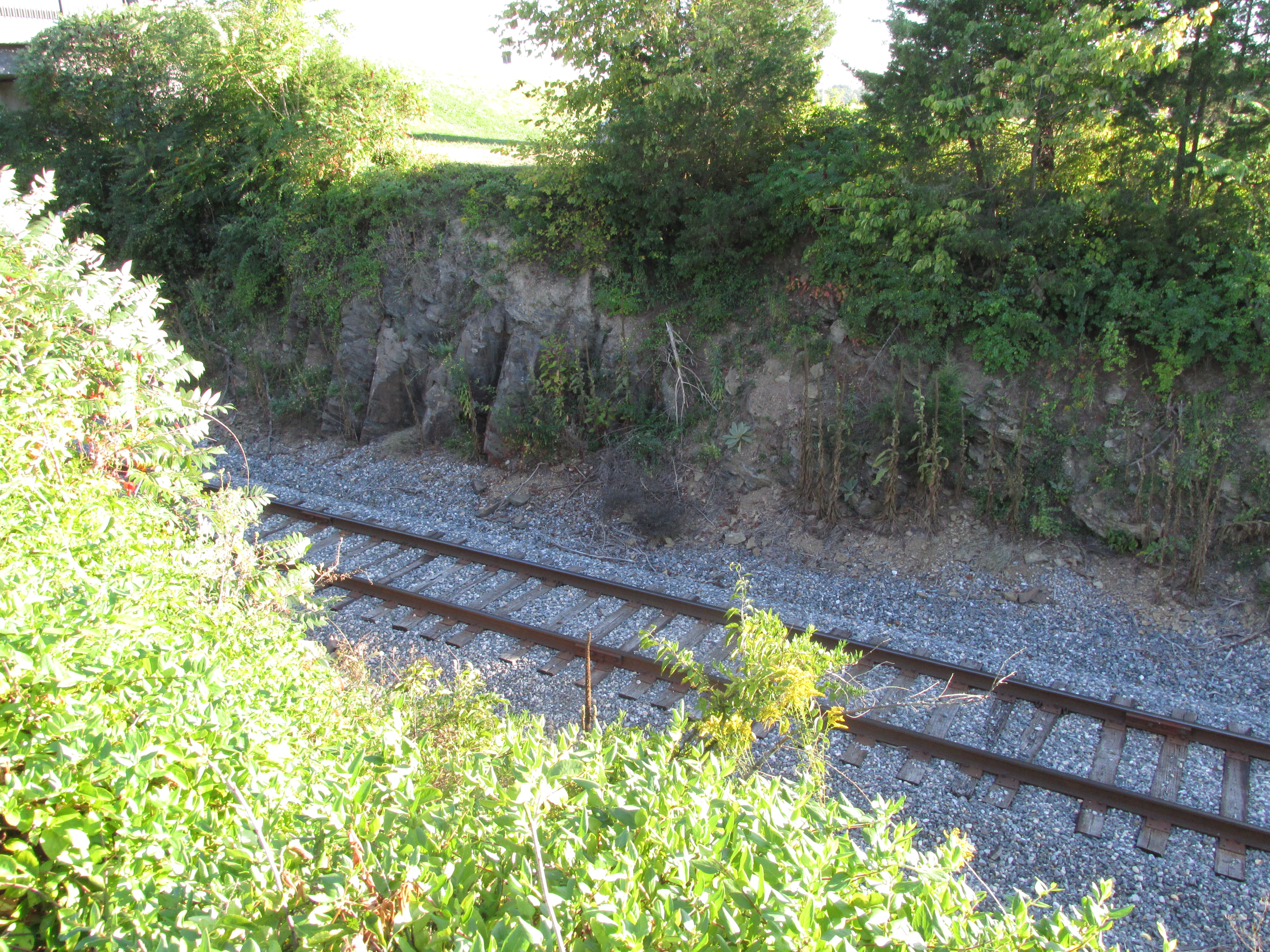
Railroad cut, Gettysburg battle, July 1, 1863

Medical Director Jonathan Letterman shipped tents, supplies, and provisions to Adams County—where Gettysburg resides—on the evening of July 1, 1863, the first day of the Battle of Gettysburg. He ordered that a general hospital be established there on July 5th. Confederate and Union wounded would be provided transportation to the hospital for treatment.

The army erected tents on George Wolf’s farm on York pike approximately one and a half miles east of Gettysburg. Railroad tracks adjacent to the property made it easy to deliver supplies and transport patients to Washington, Philadelphia, and Baltimore.

Surgeons, nurses, supply clerks, quartermasters, and cooks staffed the general hospital, known as Camp Letterman, when it was ready in mid-July. Infantry guarded Confederate patients and supplies.

Almost forty folding cots each with mattresses and linens fit in rows of tents. Camp Letterman held five hundred white tents with only ground as the floor. Trains brought supplies to warehouse tents set up near the railroad. A large cookhouse in the middle of camp gave cooks a place to prepare nutritious meals such as soup and bread.

Wounded from both sides arrived at camp in ambulances where they were assigned beds. The hospital camp was filled by late July. It housed over 1,600 wounded soldiers. Hundreds more continued to receive medical care in temporary hospitals in Gettysburg.

A morgue and cemetery near camp were established by the army. An army chaplain gave them a Christian burial.

Yet most of Camp Letterman’s patients survived. Surgeons worked around the clock while treating the seriously wounded. When patients recovered enough to travel to city hospitals, Sanitary Commission workers assisted the army in transporting them to the railroad depot. They waited a long time for the single Gettysburg railroad line.

-Sandra Merville Hart

Sources

Sheldon, George. When the Smoke Cleared at Gettysburg: The Tragic Aftermath of the Bloodiest Battle of the Civil War, Cumberland House, 2003.
 

Tamarind Water

The Battle of Gettysburg took place in the small Pennsylvania town on July 1-3, 1863. After the fighting stopped, wounded soldiers filled the homes, churches, barns, and courthouse.

There were so many that soldiers from both sides lay in the fields where they were shot until someone found them. Citizens rallied heroically to meet the monumental challenge.

Folks from the U.S. Sanitary Commission and the Christian Commission arrived in Gettysburg to help. They provided supplies for the hospitals and the town’s citizens. A general tent hospital, Camp Letterman, was set up in mid-July to care for Union and Confederate wounded.

One of the Sanitary Commissioners wrote of volunteering at Camp Letterman. He remembered that the wounded arrived to the newly-established hospital thirsty. Volunteers gave them tamarind water from pails. The soldiers loved the “beautiful drink.”

The only recipe I could find for tamarinds in my 1877 cookbook was “Tamarind Whey,” which used milk. The same recipe stated that a tablespoon of tamarinds could be added to water instead of milk.

Being new to tamarinds, I needed a bit more information. I found a recipe for Tamarind Water on the Foot Network site that I followed.

My husband found dried tamarinds at a specialty food store. The outer layer must be peeled off before cooking. The fruit inside is sticky.

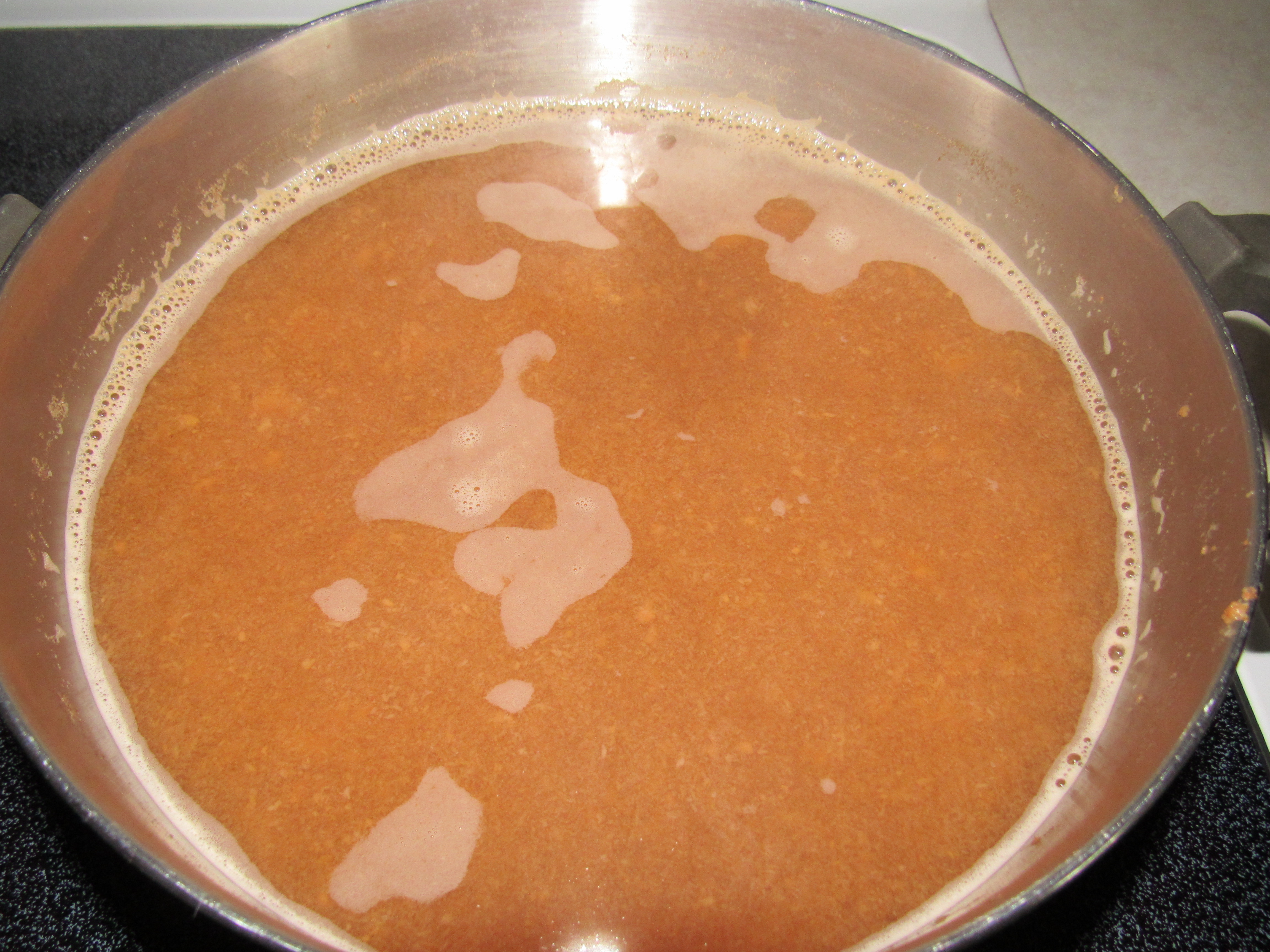
I cooked the fruit as directed and let it cool. I drained it first in a colander and then a second time in a wire strainer.

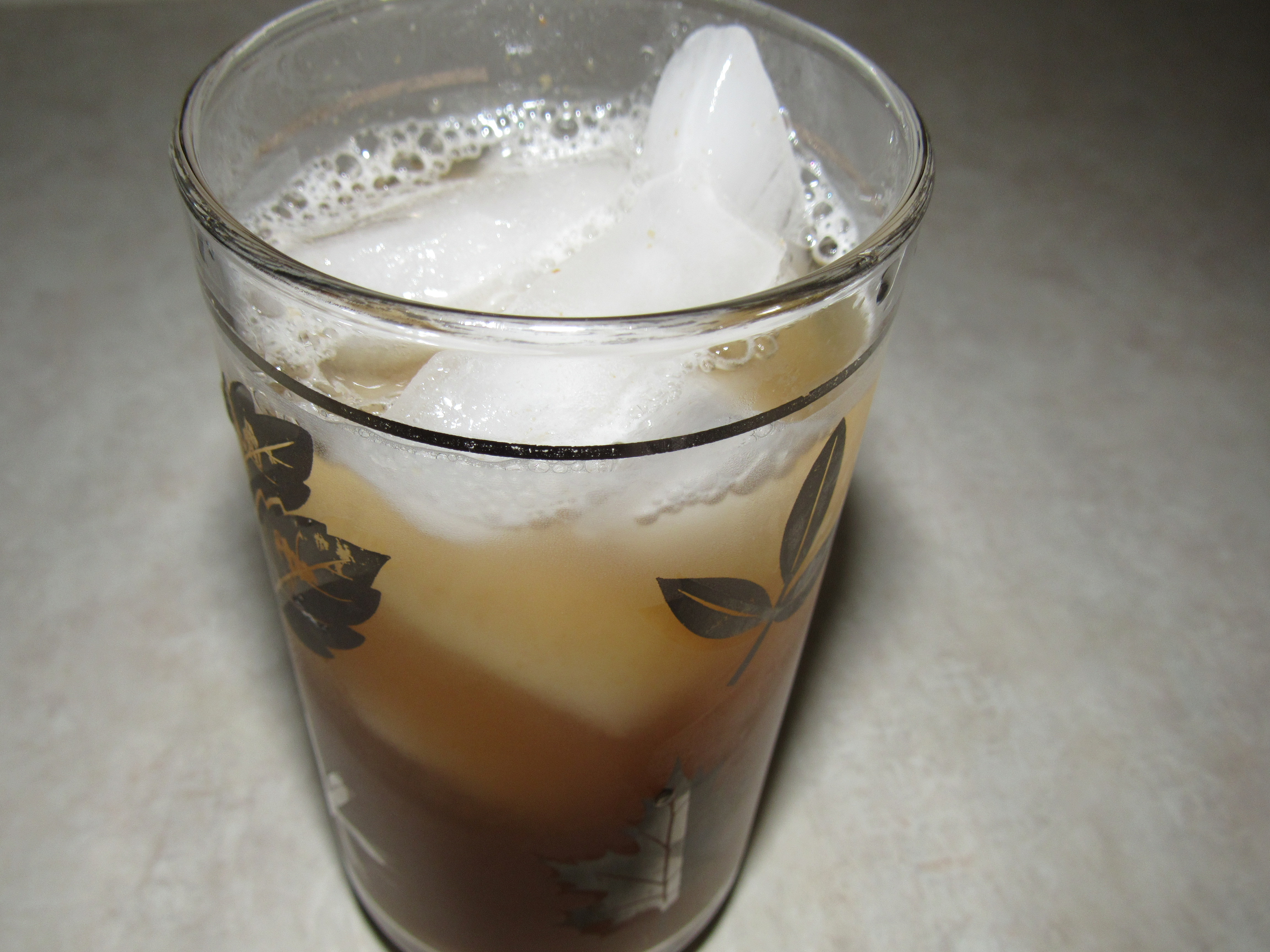
The drink, when iced, resembles the color of iced tea. The unfamiliar flavor was too strong for me. I didn’t really like the beverage.

Using perhaps half the amount of tamarinds would be enough for my taste. A tablespoon for 2 quarts of water—now that I know how to prepare it—might be too weak.

The taste reminds me of a very strong tea. I haven’t tasted anything else that compares to it. Several people tried the drink. One person liked it. He downed the drink, saying that it reminded him of a special blend of tea.

I can well believe that this drink comforted parched Civil War soldiers on a hot summer’s day.

-Sandra Merville Hart

Sources

Compiled from Original Recipes. Buckeye Cookery and Practical Housekeeping, Applewood Books, 1877.


Milliken, Mary Sue & Feniger, Susan. “Tamarind Water,” Food Network, 2017/05/11 http://www.foodnetwork.com/recipes/tamarind-water-recipe.


Sheldon, George. When the Smoke Cleared at Gettysburg, Cumberland House, 2003.