
by Sandra Merville Hart
We sing the familiar Christmas tune, “We Wish You a Merry Christmas,” every year. I realized that I had never eaten Figgie Pudding at the holidays or on any other occasion.
Searching through my cookbooks written in the 1800s didn’t produce a recipe for the pudding, which made me wonder when folks sang the song originally. Yet if carolers refused to leave until they received a serving, the dessert must taste delicious.
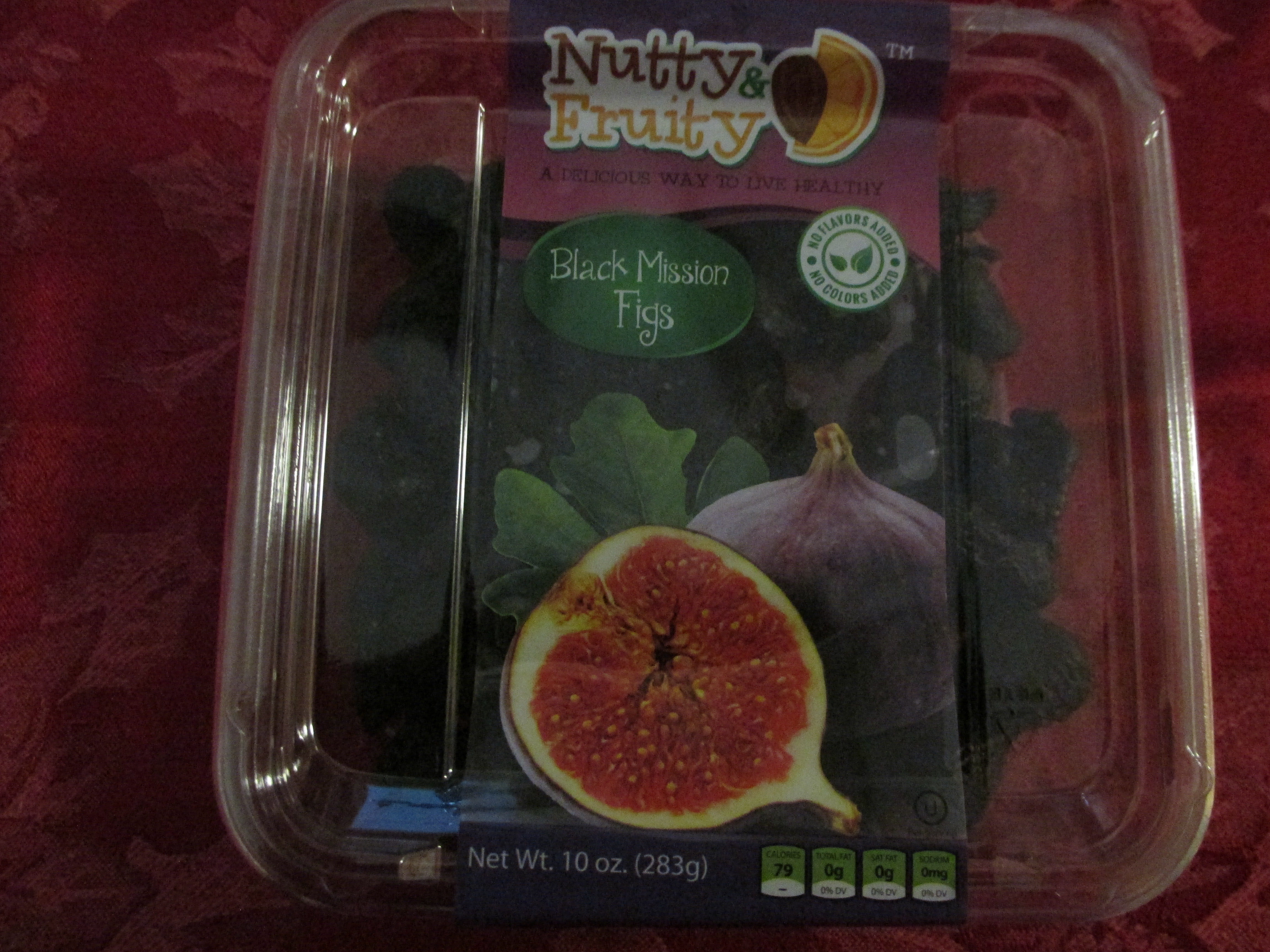 The song is believed to date back to England in the 1500s. Carolers sang to their neighbors with greetings of the season. They hoped wealthy citizens would give them a treat, such as figgy pudding, to reward their entertainment.
The song, “Here We Come A-wassailing,” asked for a drink from rich neighbors’ wassail bowl, an invitation to warm themselves around the fire, and maybe a pork pie. “We Wish You a Merry Christmas” issues a specific request—Figgie Pudding.
Apparently, the tradition of making this dessert at Christmas had faded by the nineteenth century, but I was still wanted to make the pudding.
I found a modern recipe on the Food Network site. Click here to see the recipe.
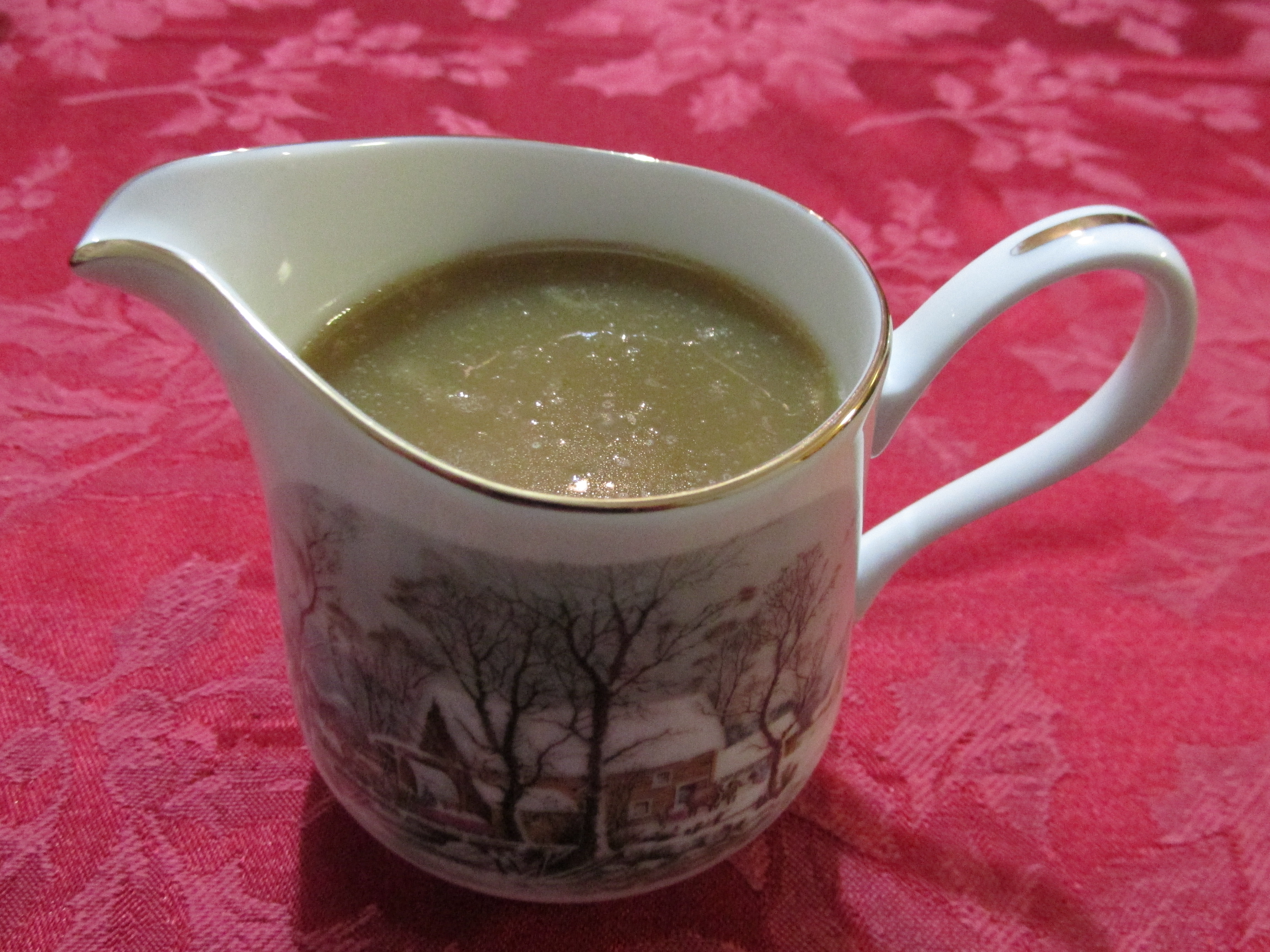 I made the pudding as directed. The cook said that the ratio of ingredients half-filled eight ramekins. Mine hold six ounces, so I’m not sure what size ramekins the cook used because there was a lot of batter leftover. The remaining batter went into a casserole dish, so this recipe will feed about a dozen guests.
My husband and I both enjoyed the rich pudding with a hint of chocolate. The creamy sauce on top enhanced the flavor. The dates and figs flavored every bite.
If you try this, I’d love to hear about it.
“We Wish You a Merry Christmas and a Happy New Year!”
 Sources
“Warm Sticky Figgy Pudding,” Television Food Network GP, 2016/10/25 http://www.foodnetwork.com/recipes/warm-sticky-figgy-pudding-recipe.html
“We Wish You a Merry Christmas,” Carols.org.uk, 2016/10/25 https://www.carols.org.uk/we_wish_you_a_merry_christmas.htm.
“We Wish You a Merry Christmas,” Wikipedia, 2016/10/25 https://en.wikipedia.org/wiki/We_Wish_You_a_Merry_Christmas.
 Sandra Merville Hart