by Sandra Merville Hart
The French and Germans hung evergreen trees upside down from the ceiling in the twelfth century, a practice that continued for about 200 years.
In December, fir trees, called “paradise trees,” were placed outside Catholic churches during medieval times in Europe’s Baltic region. Apples were hung on its branches for a play about Adam and Eve.
Fir trees were displayed on the ground in homes instead of the ceiling by late in the 16th century.
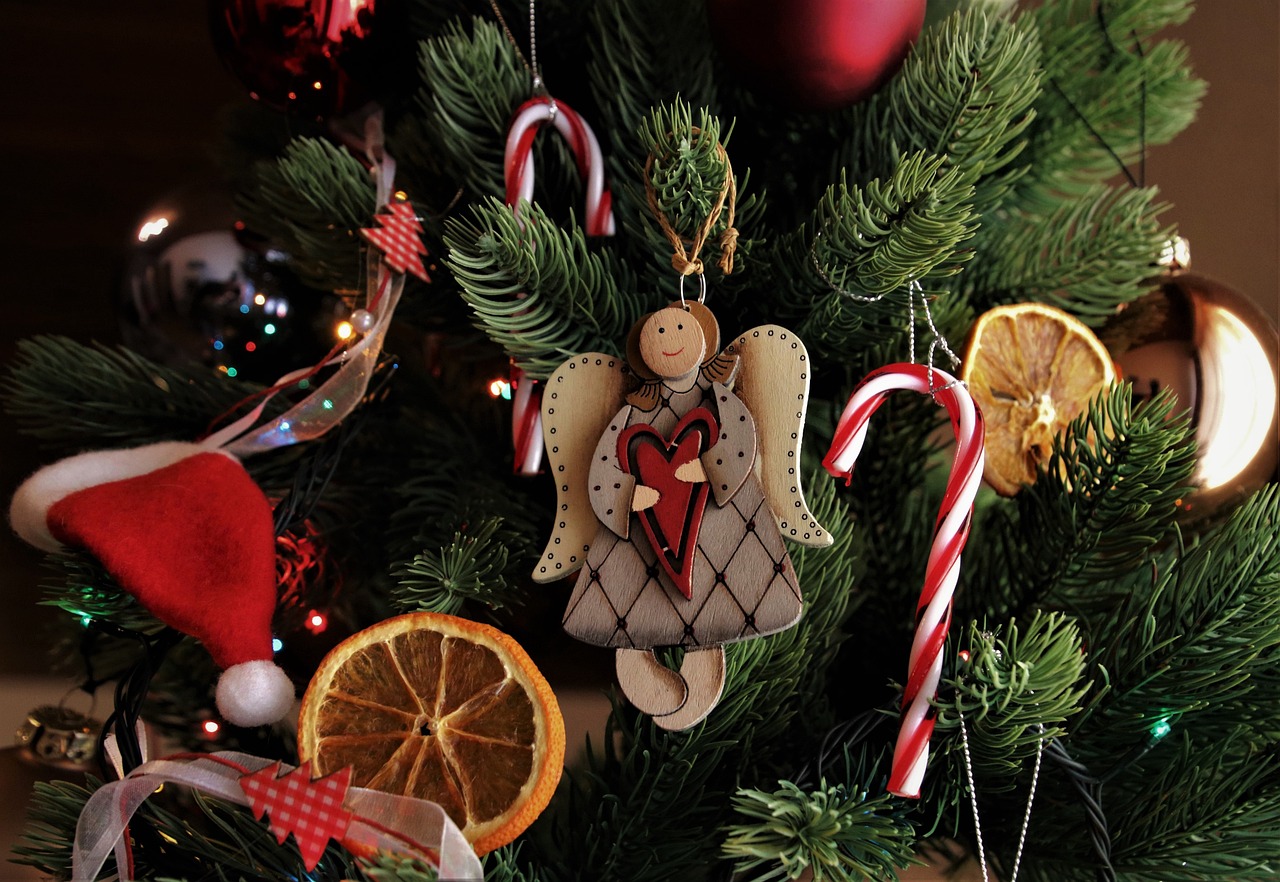
Martin Luther, after a walk in the forest on a moonlit night, is generally credited with placing the first lit candles on a Christmas tree. To him the evergreen tree represented God’s everlasting love for us. The hope that the birth of Jesus brought into the world was symbolized by the candles or lights on the tree.
Americans of German descent living in Pennsylvania in the 1820s are said to have brought the tradition of Christmas trees to the United States to stay. It took the marriage of Prince Albert of Germany to Queen Victoria of England for the tradition to really take hold in the United States.
Toys, candy, popcorn, and candles decorated those Victorian trees.
As an author of inspirational historical romances, I love discovering when holiday traditions began and incorporating them into my novels when possible.
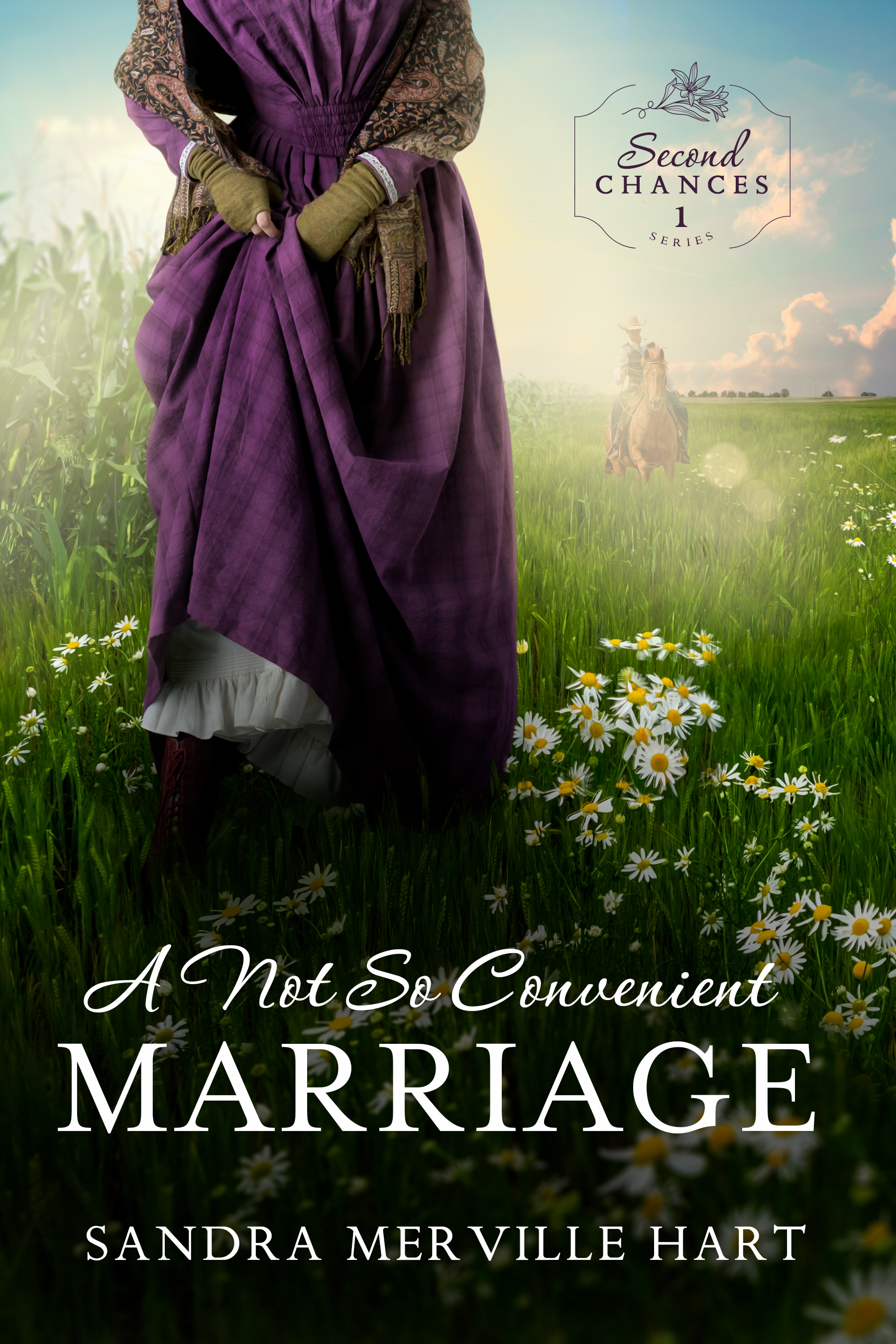
For instance, part of A Not So Convenient Marriage, Book 1 in my Second Chances Series set in Ohio in 1877, takes place at Christmas. A nostalgic scene where the characters string popcorn and hang ribbons and bows on the tree is an example of historical traditions or events that add authenticity to my stories.
Sources
“Christmas Trees,” Encyclopaedia Britannica, 2020/11/12 https://www.britannica.com/print/article/115737.
Collins, Ace. Stories Behind the Great Traditions of Christmas, Zondervan, 2003.
Kennedy, Lesley. “How 25 Christmas Traditions Got Their Start,” History, 2020/11/12





 Sandra Merville Hart