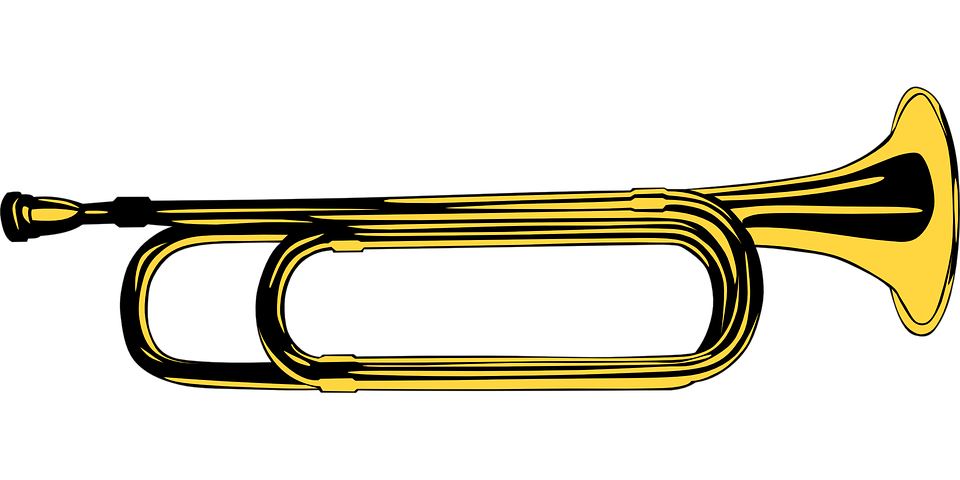
Commands were often given musically during the Civil War. That is to say, by bugle or drum. A general’s voice only carried so far—especially over the din of battle. Soldiers soon learned specific bugle tunes signified that it was time to get up in the morning, for example.
John D. Billings, Union soldier, wrote about a typical day in camp in Hardtack & Coffee.
The first bugle call of the day was “Assembly of Buglers.” It came around 5 am in the summer and 6 am in the winter. Men knew it was time to roll out of their blankets. This unwelcome song always brought grumbling.
“Assembly” came fifteen minutes later. Unless ill or on guard duty, every enlisted man had to be present for his company’s roll call.
When everyone finally stood in line, the bugler played “Reveille.” Soldiers made up words to this song:
I can’t get ’em up, I can’t get ’em up,
I can’t get ’em up this morning;
I can’t get ’em up, I can’t get ’em up,
I can’t get ’em up today.
After this, “Stable Call” was played. Company drivers went to the picket ropes where they fed and groomed their horses.
“Breakfast Call” came next. Soldiers prepared and ate their breakfast or ate rations provided at the company cookhouse.
“Sick Call” sounded at 8 am. Men who were sick and required medicine proceeded to the surgeon’s tent. Quinine was given for many ailments including headache, stomachache, toothache, coughing, lameness, fever, and ague.
Next came the “Watering Call,” where cavalry and drivers watered their horses and mules. To learn more about the difficulties of watering thousands of animals, click here.
Soldiers cleaned camp, gathered wood and water, built stables, buried horses, and washed gun carriages for “Fatigue Call.”
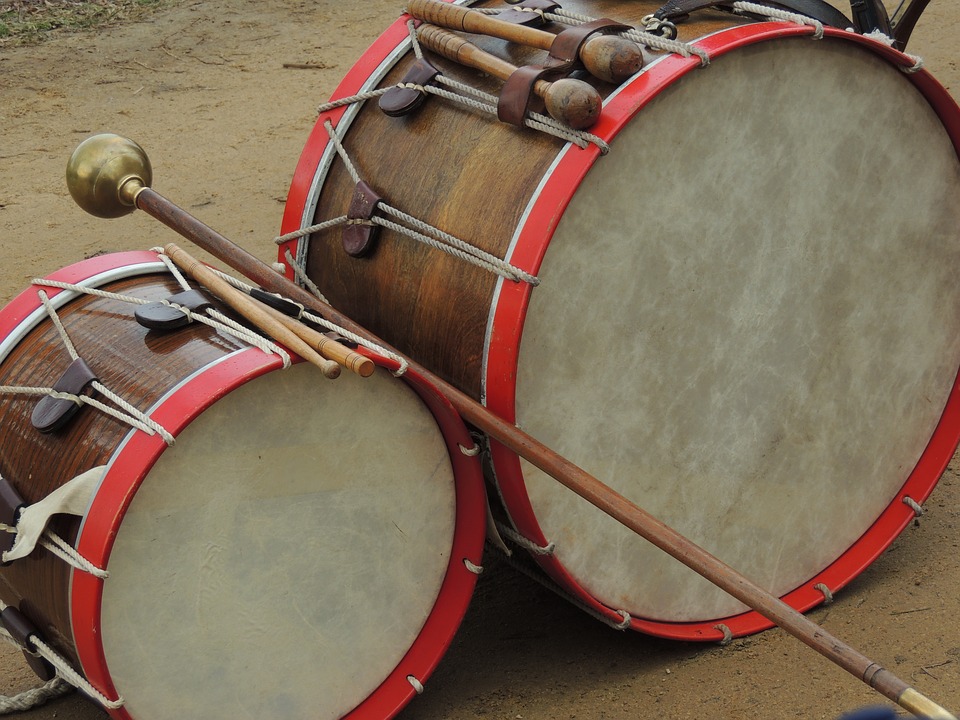 Next, drum or bugle brought the “Drill Call” where men practiced artillery and other skills. This was practiced much more earlier in the war.
Cannoneers and drivers responded to “Boots and Saddles” as a battery drill.
“Dinner Call” sounded at noon.
Buglers played “Water Call” around 4 pm.
“Stable Call” was blown as a reminder to return horses to the stable.
“Attention” was blown at 5:45 pm, followed by “Assembly” where the soldiers fell in for “Retreat” roll call.
“Assembly of Guard” called soldiers to guard duty. A brass band or fife-and-drum-corps usually followed.
The bugler played “Attention” at 8:30 pm and then “Assembly.” Companies formed lines for the day’s final roll call, “Tattoo.”
Men then had thirty minutes to get ready for bed at 9 pm when “Taps” was played. A drummer then played to end the day.
Follow this link if you’d like to listen to a few of these.
-Sandra Merville Hart
Sources
Billings, John D. Hardtack & Coffee, University of Nebraska Press, 1993.
Villanueva, Jari. “Civil War Bugles Calls,” www/tapsbuglar.com, 2017/03/15 https://archive.org/details/CivilWarBugleCalls/20+Dan+Butterfield.mp3.
Villanueva, Jari. “Twenty Bugles Calls,” United States Air Force Band, 2017/03/14 http://www.usafband.af.mil/shared/media/document/AFD-150220-028.pdf.

 Sandra Merville Hart