Cream Soup Recipe

This recipe for Cream Soup was found in an 1877 cookbook under “Food for the Sick.”

A few common ingredients made this an easy recipe for cooks and nurses to give to patients. It was probably given to wounded soldiers during Civil War.

The main ingredient is toasted bread, which was heartier 150 years ago than white bread readily available on grocery store shelves. I made a loaf of white bread in my bread machine and baked it in the oven. This gave me bread slices with denser consistency.

I toasted sliced bread “very brown” under the oven broiler. It felt more authentic than sliding them into a toaster.

Pour two cups of boiled water into a medium-sized serving bowl. Add ½ cup of heavy cream and ¼ teaspoon of salt and stir.
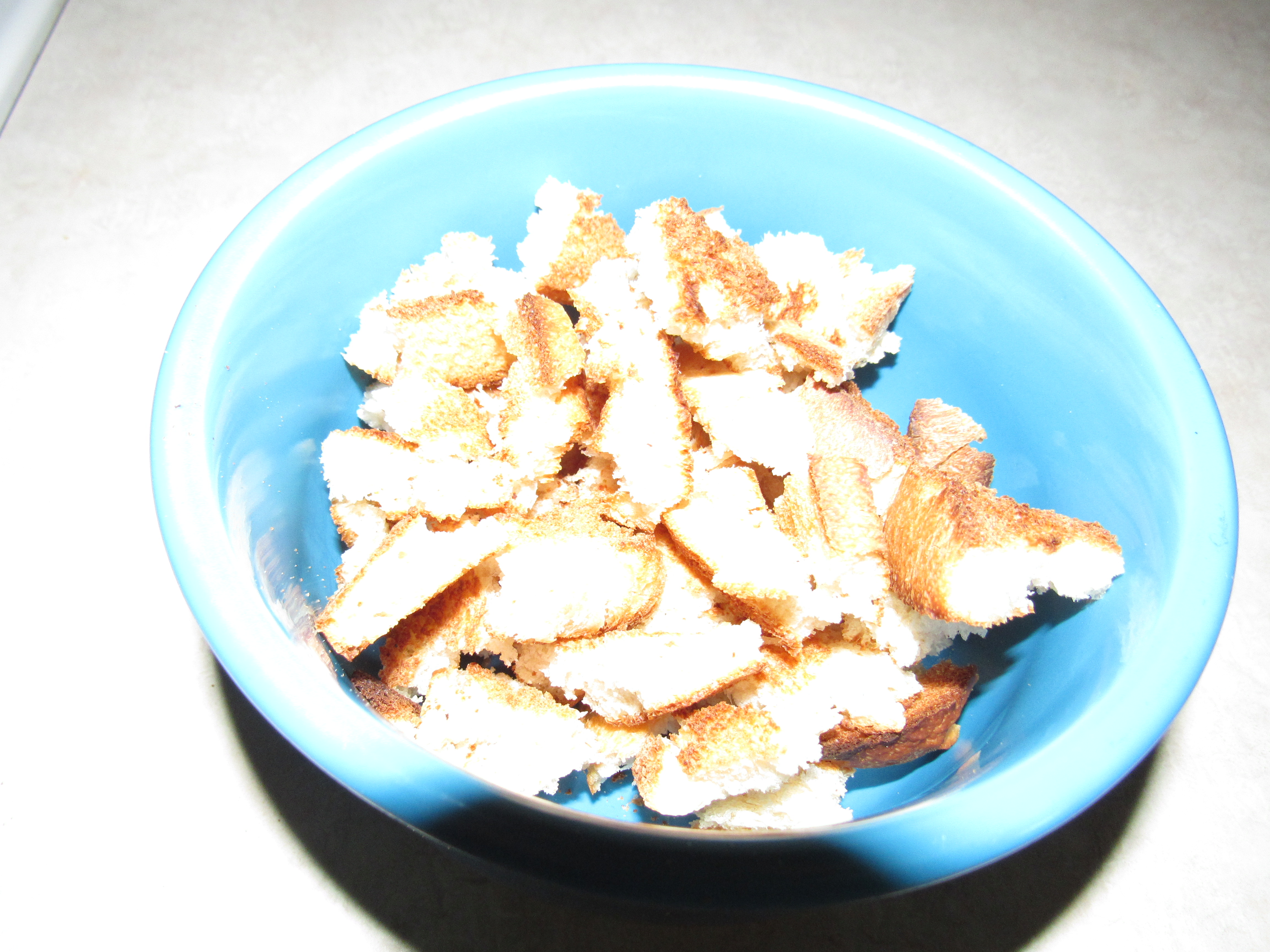
Break two slices of toast into pie. Pour the cream broth over the pieces in a serving bowl.

Eat immediately.

I tasted this soup. It surprised me how much I like it—possibly because I really like the homemade bread.

For this reason, I feel that any of the hearty breads you love would work well in this soup. Feel free to experiment with your favorite breads. If you buy the bread, this soup can be ready to eat in about 10 minutes.

I’ve often eaten toast when sick as well as serving it to my daughter. Cream and nourishing bread—I understand why this was given to convalescing patients.

I’d love to hear from you if you try this dish. Enjoy!

-Sandra Merville Hart

Sources

Compiled from Original Recipes. Buckeye Cookery and Practical Housekeeping, Applewood Books, 1877.



Crust Coffee Recipe

Not a drop of coffee in this recipe for Crust Coffee!It was found in an 1877 cookbook under “Food for the Sick.”

The ingredients make this an easy recipe for cooks and nurses to give to patients. It was probably given to wounded soldiers during Civil War.

The first ingredient is toasted bread, which was heartier 150 years ago than white bread readily available on grocery store shelves. I made a loaf of white bread in my bread machine and baked it in the oven. This gave me bread slices with denser consistency.

I toasted sliced bread “very brown” under the oven broiler. It felt more authentic than sliding them into a toaster.

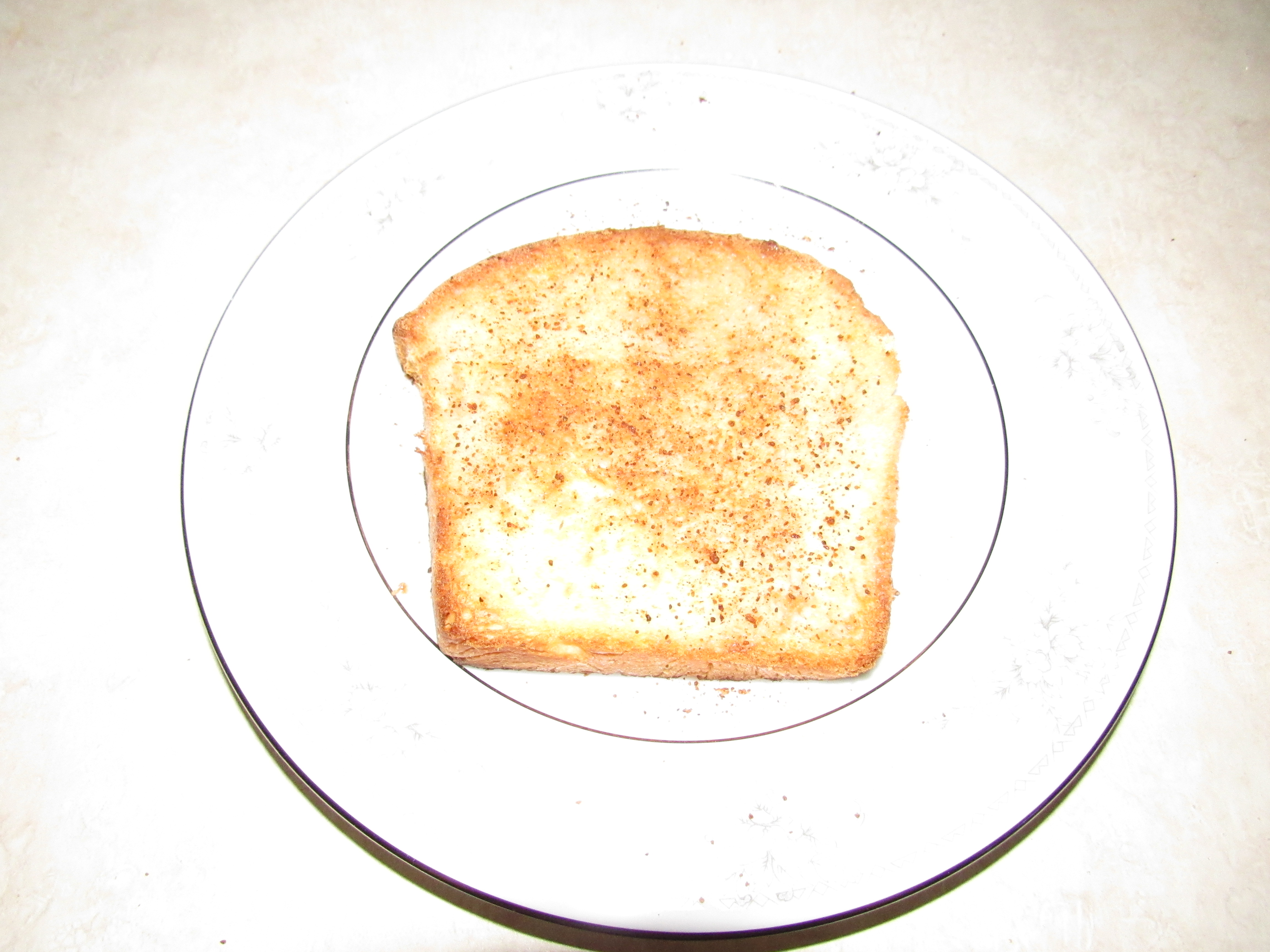
I boiled water and poured a couple of tablespoons of it on the toasted bread. (Sounds very unappetizing—I agree. That’s one reason a denser bread is necessary.) Drain the excess.

Stir 1 teaspoon of sugar into 1 tablespoon of heavy cream. Pour the mixture over the bread.

Sprinkle on some nutmeg and enjoy.

It was actually pretty tasty.

I had followed a historical recipe for Baked Milk.  I wanted to try Crust Coffee with baked milk.

I made the Crust Coffee again, exchanging heavy cream for baked milk. Not bad. I liked the familiar flavor of heavy cream better, but the other is also good.

I’ve often given my daughter toast when she was ill. I can definitely understand why this was given to convalescing patients. It seems like a treat with the sugar and nutmeg.

I’d love to hear from you if you try this dish. Enjoy!

-Sandra Merville Hart

Sources

Compiled from Original Recipes. Buckeye Cookery and Practical Housekeeping, Applewood Books, 1877.
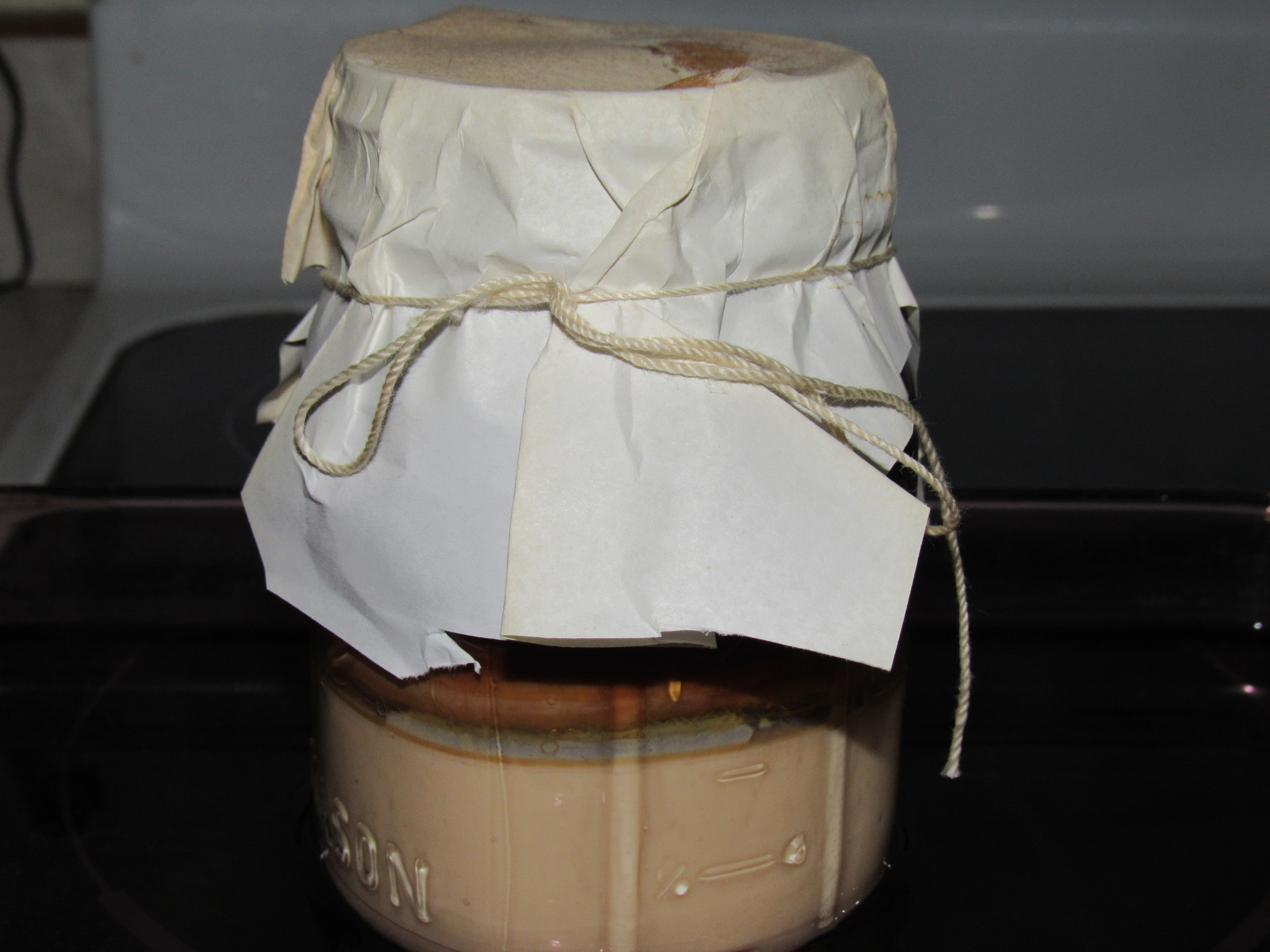
 

Baked Milk

“Weak persons” can drink baked milk, according to a recipe in an 1877 cookbook under “Food for the Sick.”

Nurses probably gave this beverage to wounded soldiers during Civil War. As a historical novelist, I love to add authentic details like this when a story requires it.

Since this was totally new to me, the brief recipe instructions left me wondering. I did an Internet search. According to Wikipedia, room temperature storage for baked milk is safe up to 40 hours.

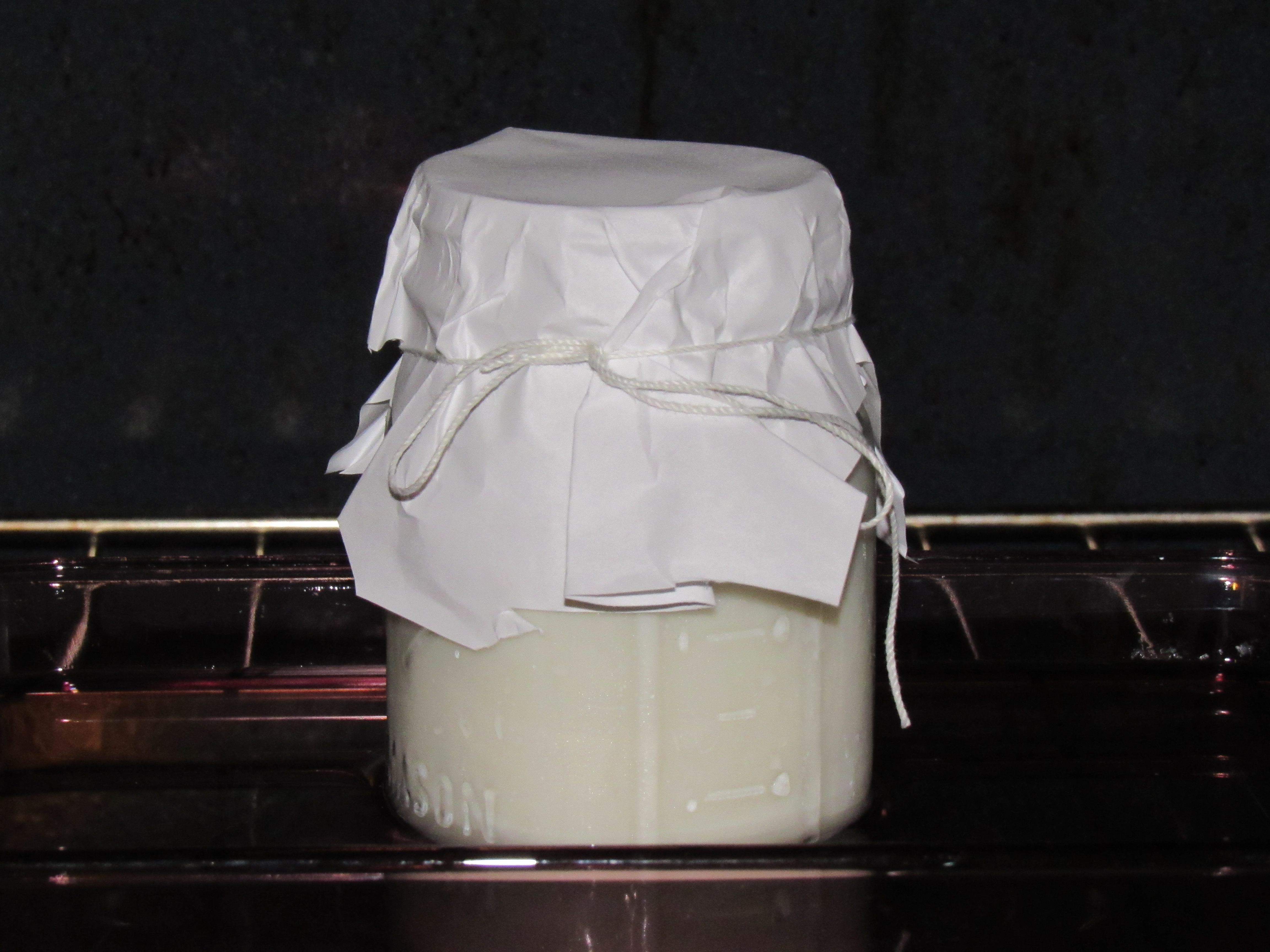
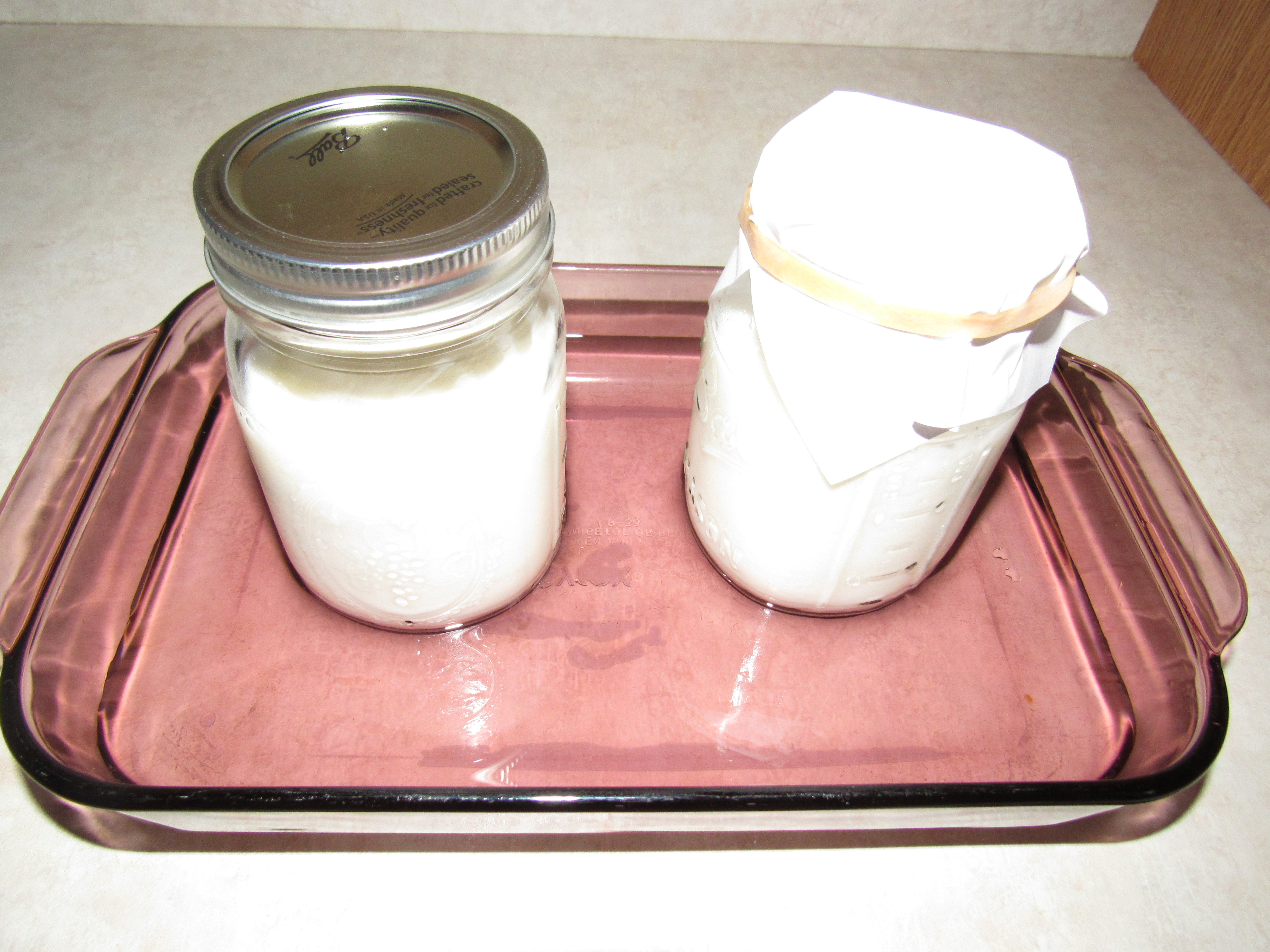
The 1877 recipe called for baking 2 quart jars of milk for 8 to 10 hours. I used 2 pint jars. Early cooks tied writing paper over the mouth of the jars.

I experimented. One Mason pint jar opening was covered with copier paper fastened by a rubber band. I closed the other with a Mason jar lid.

To allow room for the milk to boil, I added only 1 ½ cups of milk to each jar. These were placed inside a dish with about 2 inches of cold water.

I placed this inside the oven and then turned it on, setting the temperature to 350 degrees.

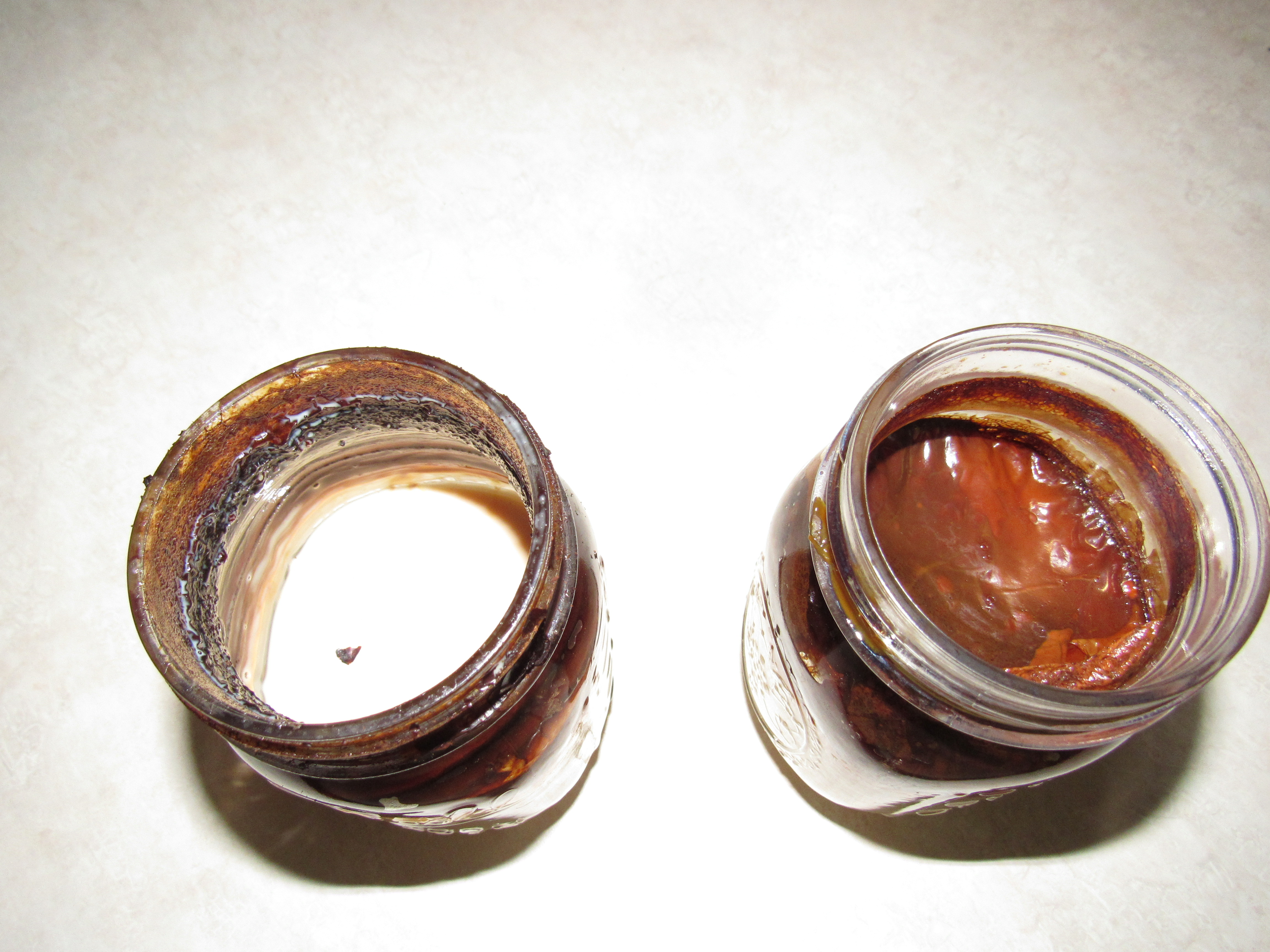
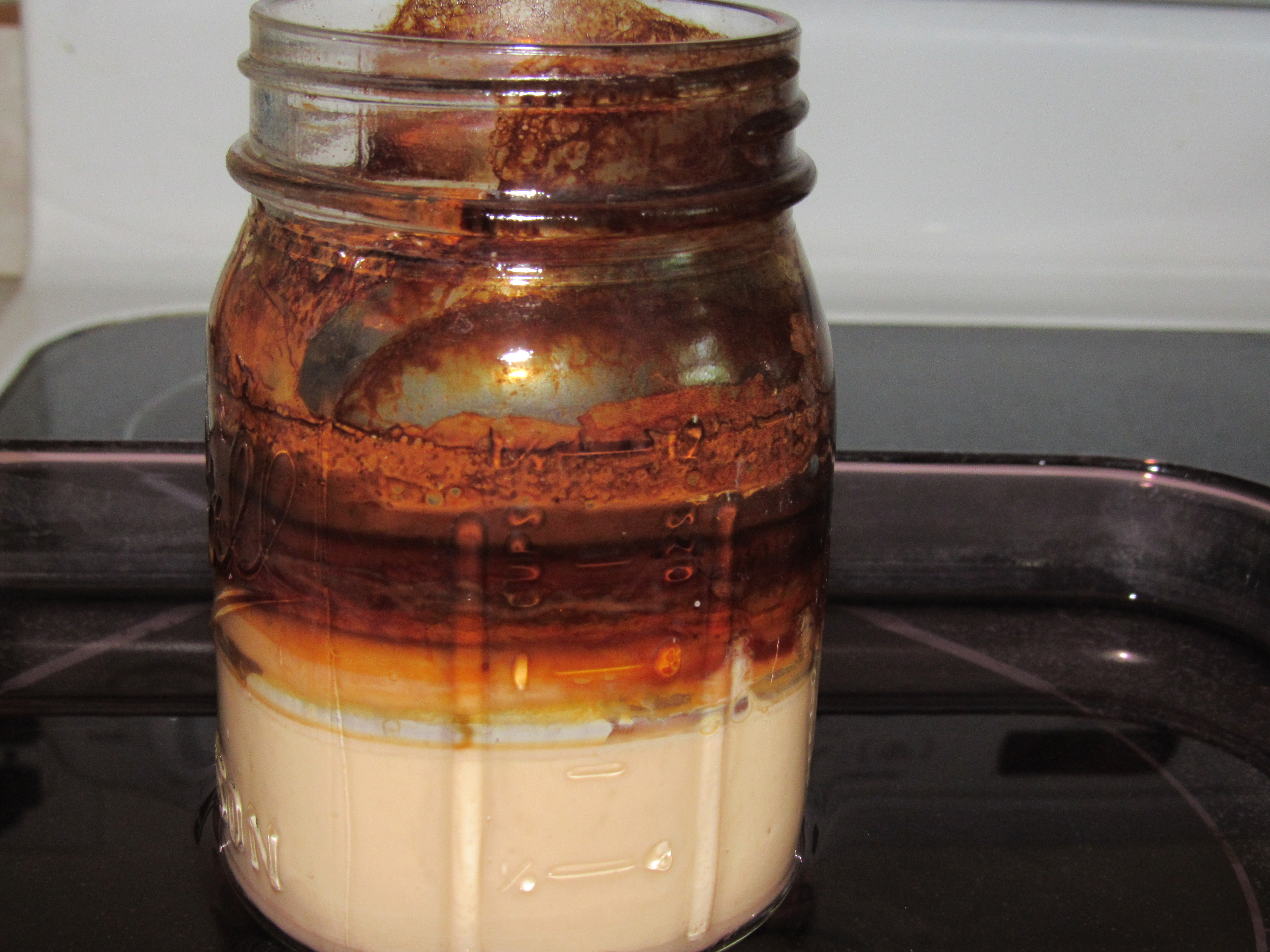
The liquid slowly reduced. A layer of brown grew around the rim. After 4 hours, a burning smell alerted me. They were removed from the oven.

Milk in the lidded jar had burned and tasted burned. I removed a layer of brown crust in the papered jar—missing from the lidded jar—and tasted the now beige liquid. Not bad, but it wasn’t “thick as cream” as the recipe suggested.

I tried again. I used the same amount of milk—12 ounces—and used another paper covering. This time I tied it on with string. (Not surprisingly, the rubber band melted on the first one. It was quicker to put on, but not the best idea.)

I cooked it for 8 hours in a 350-degree oven. It was baked inside a dish half-filled with water. As the water level receded, it was slowly refilled with water almost boiling hot.

Turn off oven after 8 hours. Allow the jar to cool.

The milk reduced to about half in that time, with the same brown rings and layer as previously. The tan liquid wasn’t as thick as expected, but tasted surprisingly good. I’m not a fan of white milk, but I liked it prepared this way.

It’s been sitting on my kitchen counter for 40 hours and still looks good. I refrigerated the beverage and liked it even better.

Milk was baked for weak persons. Convalescing patients. I’m not a health professional, but that suggests that baked milk is easier to digest.

I’d love to hear from you if you try this dish. Enjoy!

-Sandra Merville Hart

Sources

“Baked Milk,” Wikipedia, 2017/05/09 https://en.wikipedia.org/wiki/Baked_milk.

Compiled from Original Recipes. Buckeye Cookery and Practical Housekeeping, Applewood Books, 1877.


Egg Gruel

A recipe in an 1877 cookbook for Egg Gruel claimed to be good for treating a cold. It was included in a section titled “Food for the Sick.”

As a historical novelist, I’m always interested in learning tidbits from our history. Gruels were given to Civil War soldiers in hospitals.

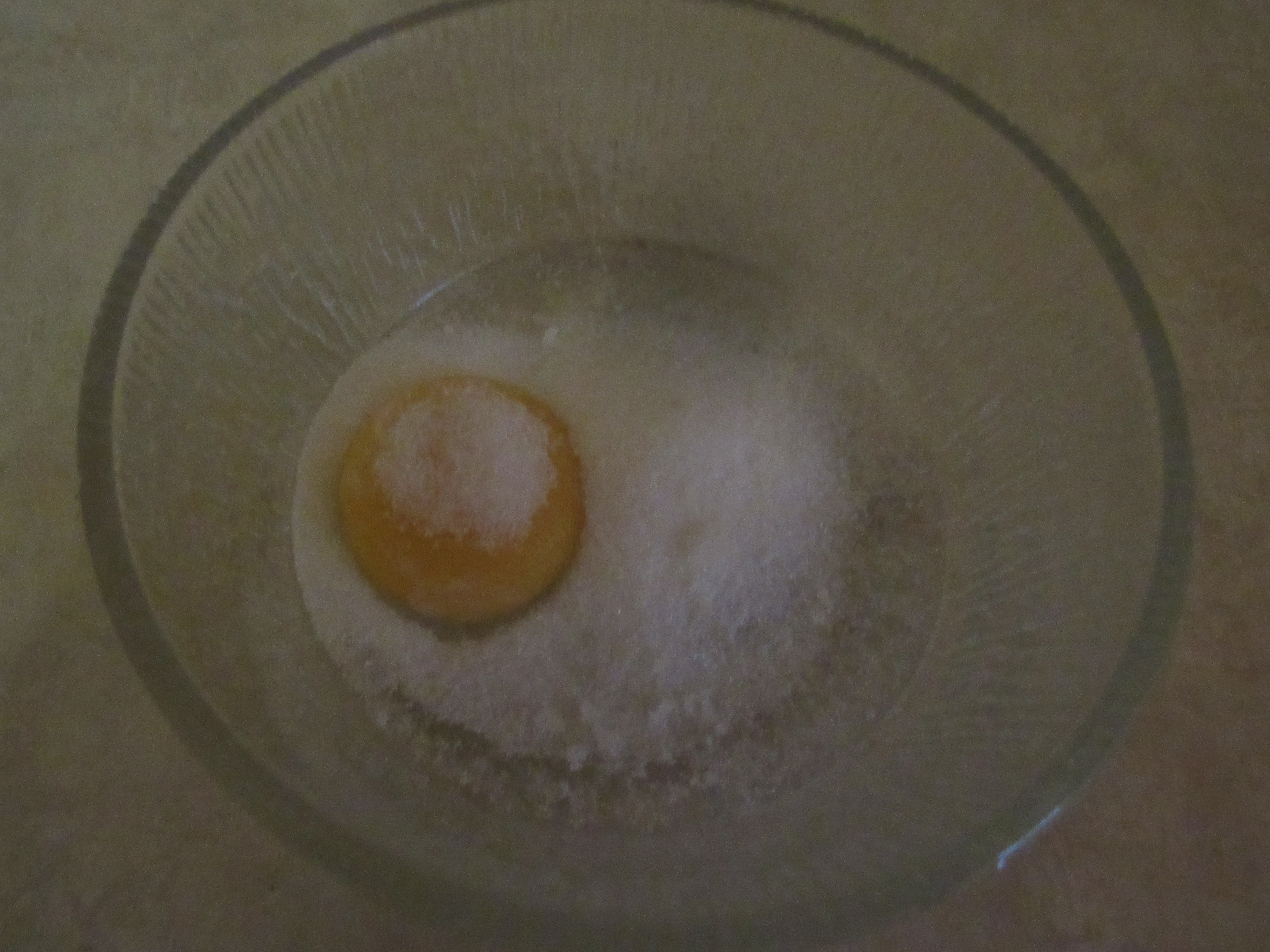
To make the gruel, take one egg and separate the egg yolk and white. Add a tablespoon of sugar to the egg yolk and beat.

Whisk the egg white separately. As there were no guidelines, I whisked until frothy. This worked well.

Stir a cup of boiling water into the yolk mixture.

Add the egg white. Add any seasoning you desire. I sprinkled salt over the mixture and stirred it once more.

It looked far more appealing than expected but I didn’t taste it. I don’t have a cold at the moment or I might have been tempted.

Good luck! I’d love to hear if you try this recipe.

-Sandra Merville Hart

Sources

Compiled from Original Recipes. Buckeye Cookery and Practical Housekeeping, Applewood Books, 1877.


Civil War: Union Army Rations

camp-1786750_960_720

John D. Billings was a Union Army soldier. Billings served as a private in the Tenth Massachusetts Battery for three years. He wrote Hardtack & Coffee, a wonderful book originally published in 1887.

These are the normal rations he received as a private:

Salt pork, fresh beef, salt beef

Ham or bacon were rarely issued

Hard bread, soft bread, flour

Potatoes, occasionally an onion

Beans, rice, split pease (peas)

Dried apples, dried peaches

Desiccated vegetables

Sugar, molasses

Coffee, tea

Vinegar

Salt, pepper

Candles, soap

Soldiers didn’t receive all these rations at the same time. Only one meat was issued at a time and that was usually pork. Soldiers received either hard bread, soft bread, or flour. They drew beans or rice or peas.

Soldiers were entitled to the following as a single day’s rations:

12 oz. pork (or bacon) or 20 oz. salt beef or fresh beef;

22 oz. soft bread (or flour) or 16 oz. hard bread or 20 oz. corn meal

For every hundred rations (soldiers received a share of these):

One peck of pease (peas) or beans;

10 pounds of rice or hominy;

10 pounds of green coffee or 8 pounds of roasted ground coffee or 1 ½ pounds of tea

15 pounds of sugar

20 oz. of candles

4 pounds of soap

2 quarts of salt

4 quarts of vinegar

4 oz. of pepper

Half bushel of potatoes when practicable

1 quart of molasses

In addition, desicatted vegetables were also issued. These were large round cakes of compressed vegetables, about two inches thick. They had to be soaked to be edible and even then, there was some doubt about the wisdom of eating it. Soldiers dubbed them “desecrated vegetables.”

According to Abner Small, 16th Maine, none of his comrades could figure out what was in it. Charles E. Davis, 13th Massachusetts, thought it tasted, when cooked, like herb tea.

Pickled cabbage, dried fruits, vegetables, and pickles were sometimes included in rations to prevent scurvy.

According to Billings, these were the rations given to the rank and file soldiers, as privates were sometimes called.

-Sandra Merville Hart

Sources

Billings, John D. Hardtack & Coffee, University of Nebraska Press, 1993.

“Hungry? How about worm castles and desecrated vegetables?” CivilWar.org, 2017/02/08 http://www.civilwar.org/education/pdfs/civil-war-curriculum-food.pdf.


Civil War: Hardtack and Salt Horse

camp-1569046_960_720

John D. Billings, a Union Army soldier, served as a private in the Tenth Massachusetts Battery for three years. He taught school after the war. He also wrote Hardtack & Coffee, a book originally published in 1887.

Billings talks about food rations. As a soldier in the Army of the Potomac, he did not remember being without rations more than a day or so. Wagon trains were often several hours behind when on the march or in battle. Soldiers generally had advance notice of a delay in receiving their rations and ate sparingly of food they still had in their haversack.

The quality of the food left something to be desired. Armies served quantities of stale beef or salted beef (soldiers referred to salted meat as “salt horse”) or unwholesome pork.

Hardtack, a plain flour-and-water biscuit, was often so hard that soldiers couldn’t bite it. A strong fist blow could break them. According to Billings, soaking hardtack didn’t soften it. Instead the soaked cracker eventually turned elastic like gutta-percha, a tough plastic material resembling rubber. Yuck!

Another problem with hardtack is that they were sometimes moldy and wet when privates received them. Billings believed the crackers had been packaged too soon, perhaps still warm from the oven. Hardtack also got damp in wet weather when stacked at railroad depots awaiting trains to take them to army camps. Billings blamed inspectors’ negligence for food, ruined by rain or sleet, reaching the army camps.

It gets worse. You may want to skip the next paragraph.

Hardtack sometimes became infested with weevils and maggots in storage. This problem wasn’t usually enough to keep them from being distributed. Soldiers still drew the infested crackers as rations.

Nine pieces of hardtack were a single ration for some regiments while ten pieces were given in others. It was usually not a problem either way; there was enough for those who wanted a larger number because some soldiers refused to accept them at all.

-Sandra Merville Hart

Sources

Billings, John D. Hardtack & Coffee, University of Nebraska Press, 1993.

“Gutta-Percha,” Merriam-Webster, Incorporated, 2017/02/08 https://www.merriam-webster.com/dictionary/gutta%E2%80%93percha.

“Salt Horse,” Merriam-Webster, Incorporated, 2017/02/08 https://www.merriam-webster.com/dictionary/salt%20horse.