Chimborazo Hospital-Largest Civil War Hospital in the South

by Sandra Merville Hart

Wounded Civil War soldiers often went to temporary hospitals set up in tents, homes, churches, public buildings, and barns during and immediately after battles. Many ended up on trains headed to the capital cities—Washington DC in the North and Richmond, Virginia, in the South.

In Richmond, barracks originally intended to be comfortable winter quarters for up to 10,000 Southern soldiers were converted into Chimborazo Hospital in the fall of 1861. One-story wooden building covered a plateau at the eastern end of Broad Street and overlooked the scenic James River. A deep gulch called Bloody Run separated Chimborazo Hill from the affluent Church Hill neighborhood.

Samuel P. Moore, chief surgeon at Chimborazo Hospital, appointed James B. McCaw as physician. The hospital’s 150 one-story, white washed buildings became patient wards and were arranged in rows. A wide avenue separated each row to provide plenty of fresh air. Each building could care for 40 – 60 patients each. In addition to the one-story buildings, patients were also housed in 100 tents. At Chimborazo, wounded soldiers were housed with others from their state, such as Virginia, Georgia, and North Carolina.

Under McCaw’s management, the hospital was a well-organized one. It owned hundreds of goats and milk cows that grazed nearby. Canal boats brought fresh produce from the country. There was also a large garden on a nearby farm. The hospital had its own kitchens, bake houses, 5 ice houses, guard house, bathhouse, chapel, and a large stable. Blacksmith, carpenter, and apothecary shops were also located on the 40-acre plateau.  

During the Civil War, Richmond had 44 hospitals of various sizes. Winder Hospital, located at Richmond’s western border, was almost as large as Chimborazo.

Unfortunately, even all these weren’t always enough to care for the wounded that poured into the city after a battle. So many wounded came into the city in late June/early July of 1862 that Chimborazo erected tents for them. It wasn’t enough space, so the patients were laid around the tents.

Almost 78,000 Confederate soldiers were cared for at Chimborazo Hospital. Of these, between 6,500 – 8,000 died.

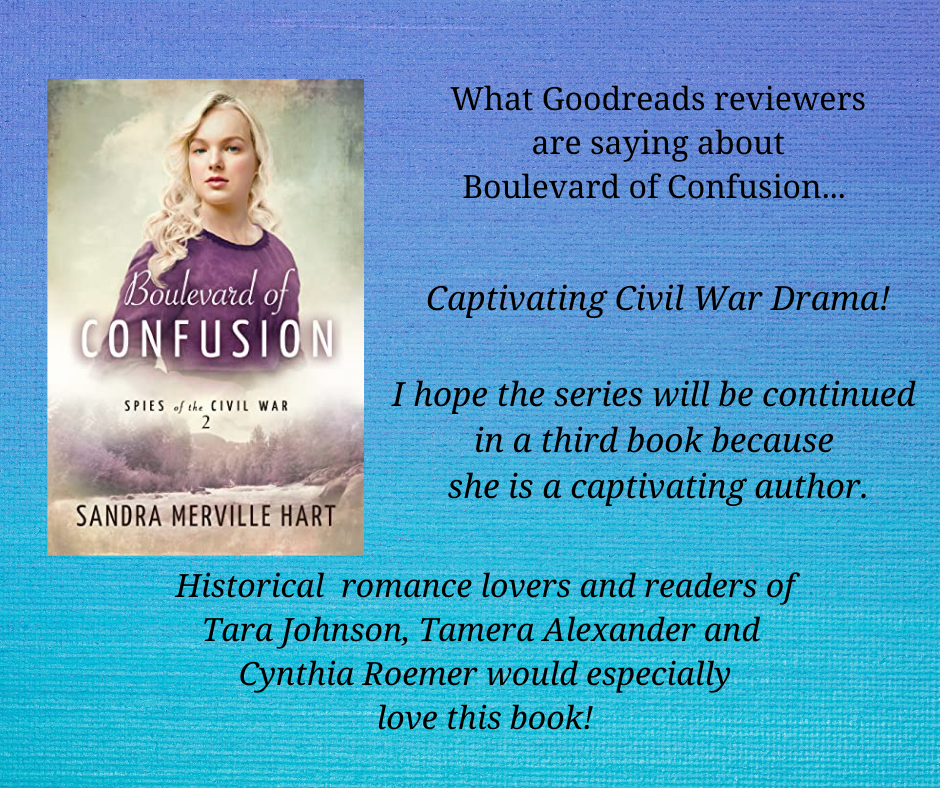
In Boulevard of Confusion, Book 2 in my “Spies of the Civil War” series, two cousins volunteer at Chimborazo Hospital. The soldiers they care for are from Tennessee.
Sources

“Chimborazo Hospital,” Civil War Richmond, 2021/07/05 https://www.civilwarrichmond.com/hospitals/chimborazo-hospital.

“Chimborazo Hospital,” Encyclopedia Virginia, 2021/07/05 https://encyclopediavirginia.org/entries/chimborazo-hospital/.

“Chimborazo Hospital,” U.S. National Park Service, 2021/07/05 https://www.nps.gov/rich/learn/historyculture/chimborazo.htm.

Ferguson, Ernest B. Ashes of Glory: Richmond at War, Alfred A. Knopf, 1996.

The Richmond Enquirer, 10/2/1861, p. 3, c. 3., 2021/07/05

https://www.civilwarrichmond.com/military-organizations/military-camps.

The Richmond Daily Whig, 11/01/1861, 2021/07/05 https://www.civilwarrichmond.com/military-organizations/military-camps.

Thomas, Emory M. The Confederate State of Richmond, Louisiana State University Press, 1998.
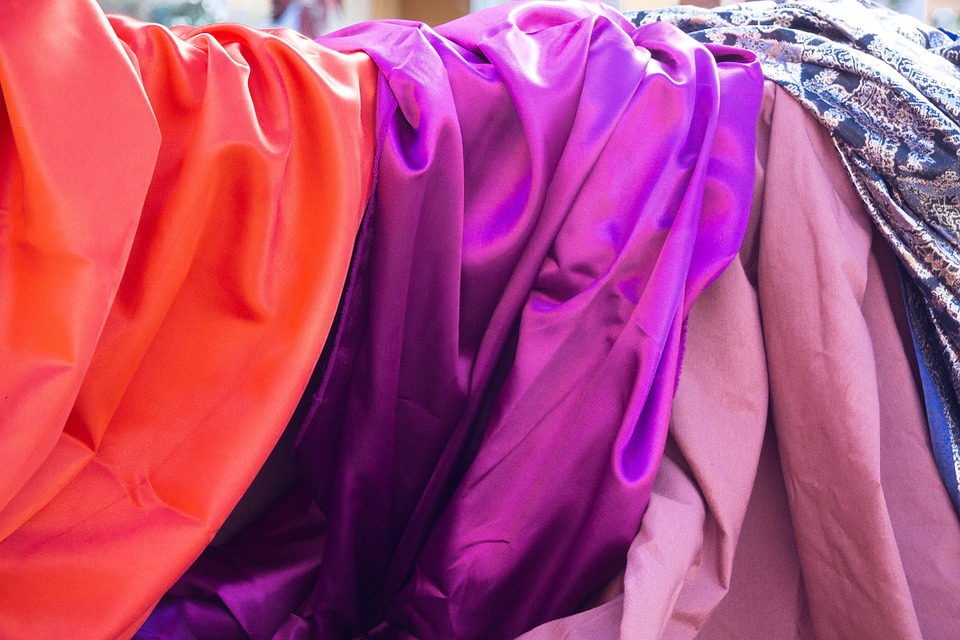
Civil War Silk Dress Balloon

by Sandra Merville Hart

The U.S. Balloon Corps began in the summer of 1861. Aeronaut Thaddeus Lowe and members of his corps made numerous balloon flights to discover Confederate troop movements from the air.

Confederate General James Longstreet wrote that their army longed for a balloon to use in observations but didn’t have the money.

Captain Langdon Cheves* bought silk in Savannah and Charleston in lengths of 40 feet. This fabric, normally used for women’s dresses, was sewn together and then varnished. Because various colors were used, the balloon made from the silk was beautiful. The balloon’s official name was Gazelle.

The “Silk Dress Balloon,” as it came to be called, was sent to Richmond. Confederates were unable to get pure hydrogen gas. Instead, ordinary illuminating gas from Richmond Gas Works—the same type that lit gas lamps—filled the balloon.

It was moved, full of air, to the battlefield by train. The colorful Silk Dress Balloon was first used by the Confederates at the Battle of Gaines Mill. General Edward Porter Alexander ascended several times to observe the fighting from two miles away. Actual troops were difficult to see yet rising smoke showed him where to direct Slocum’s Division to reinforce Porter’s troops. Night ascensions showed enemy campfires for estimates of troop numbers.

Inability to fill the balloon in the field hampered their efforts. Gas from the Gas Works limited flights to 6-7 hours. They didn’t use Lowe’s three captured portable gas generators.

Confederates were happy enough with the results to take the balloon onto the Teaser, an armed tug boat. When necessary, the balloon was sailed along the James River to Richmond for refilling. On July 3, 1862, the U.S.S. Maratanza captured the Teaser on the James River. The balloon went to Thaddeus Lowe, who cut the fabric for souvenirs.

Another balloon was made in Savannah by Charles Cevor, a balloonist. It was used for the next year in the Charleston and Savannah area until the Second Battle of Charleston Harbor, when it was lost in the summer of 1863.

The Confederates didn’t try again. By then, the U.S. Balloon Corps had dissolved.

A rumor has survived from the war. In 1886, General Longstreet wrote in an article published in Century magazine. He said that a request was made that the ladies donate their silk dresses to make the balloon. It paints a lovely picture of sacrifice that Southern women made throughout the war—and they did sacrifice abundantly—but this particular one doesn’t appear to be factual. Articles that mention Longstreet’s quote also write about the forty-foot lengths of silk purchased by Cheves to make the balloon.

*One source gives the name of Dr. Edward Cheves instead of Langdon Cheves.


Sources

“Civil War Ballooning,” American Battlefield Trust, 2021/02/05 https://www.battlefields.org/learn/articles/civil-war-ballooning.

Clifford, Command Sergeant Major James, USA-Ret. “Balloon Operations in the Peninsula Campaign,” The Army Historical Foundation, 2021/02/05 https://armyhistory.org/balloon-operations-in-the-peninsula-campaign/.


Fanton, Ben. “Gas Balloons: View from Above the Civil War Battlefield,” History.net, 2021/02/05 https://www.historynet.com/gas-balloons-view-from-above-the-civil-war-battlefield.htm.

Paone, Thomas. “The Most Fashionable Balloon of the Civil War,” Smithsonian National Air and Space Museum, 2021/02/08 https://airandspace.si.edu/stories/editorial/most-fashionable-balloon-civil-war.

Civil War Food Prices Escalate in Richmond

by Sandra Merville Hart

The Confederate Capitol was officially transferred to Richmond, Virginia, on May 21, 1861. Confederate President Jefferson Davis moved there with his family.

Richmond’s prewar population of 38,000 swelled to 100,000 by 1865. This caused food shortages as the war continued.

By early 1862, the cost of food had risen. Bacon was 25 cents a pound. Butter was up to 50 cents a pound. Beef had risen from 13 to 30 cents a pound for poor quality meat. Fish, even shad or rockfish, was expensive.

Folks paid $1.50 for a pound of coffee. At that price, ladies used roasted rye or roasted corn as substitutes for coffee. Some used dried willow leaves to replace tea.

As the war continued, some residents resorted to “Dutch treats,” when entertaining guests at dinner parties. Guests attending such dinners provided delicacies like brandied peaches, sardines, or French prunes for the meal.

Oriental’s Bill of Fare dated Monday, December 21, 1863, shows a variety of choices. This Richmond restaurant boasted of “Game of All Kinds (In Season)” and “Meals Furnished at All Hours.”

Here are a few of their menu items and prices:

Soups: Beef, Chicken, Vegetable, Clam, Oyster, Terrapin, Turtle, Mock Turtle—$1 each

       Fowls: Roast Turkey, Roast Goose, Roast Ducks, Roast Chicken—$3 per plate

       Fish: Shad, Perch, Herring, Crabs and Lobsters—$3 per plate

       Meats: Roast Beef, Roast Mutton, Roast Lamb, Roast Veal—$3 each

      Steaks: Beefsteaks, Pork Steaks, Mutton Chops, Veal Cutlets, Venison Steaks—$3 each

       Sundries: Ham and eggs, Poached eggs, Scrambled eggs, Fried eggs, Omelets—$3 each

       Oysters: Fried oysters, Scalloped oysters, Raw oysters—$3 each

       Birds: Partridge, Robin, Snipe, Woodcock–$3 per pair

       Vegetables (many choices marked as unavailable): Irish Potatoes, Sweet Potatoes, Cabbage, Lettuce, Onions, Celery—50 cents

      Non-alcoholic beverage choices were Pure coffee—$2.50, Pure tea—$2, Fresh milk—50 cents.

     Wines: Champagne, Madeira, Claret, Port

     Liquors: French Brandy, Apply Brandy, Peach Brandy, Rye Whiskey

     Malt Liquors: Ale, Porter

Even Fine Havana Cigars were on the menu. It’s difficult to read the prices for the alcoholic drinks and determine if it was sold by the bottle or glass. For instance, champagne has $40 marked by it in pen.

In contrast, Corinthian Hall’s Bill of Fare, from March 28, 1864, shows price increases in only three months. These are grouped by price:

     $7.50—Ham and Eggs, Tenderloin Steak, Beefsteak and Onions, Oyster Fried, Oyster Boiled, Oyster Scalloped

       $5—Veal Cutlets, Mutton Chops, Boiled Ham, Fish, Omelet-herb

       $2—Potatoes cream, Potatoes fried, Celery, Toast, Butter

       $4—Coffee per cup

These old menus give us a glimpse back into history—what a treasure!

Sources

“Richmond in the Midst of the Civil War,” Virginia Museum of History & Culture, 2021/02/04 https://www.virginiahistory.org/collections-and-resources/virginia-history-explorer/richmond-midst-civil-war.

Mortimer, Gavin. Double Death: The True Story of Pryce Lewis, the Civil War’s Most Daring Spy, Walker & Company, 2010.

Feeding the Sick and Wounded in Civil War Richmond

by Sandra Merville Hart

The Confederate Capitol was officially transferred to Richmond, Virginia, on May 21, 1861. Confederate President Jefferson Davis moved there with his family.

The city with a prewar population of 38,000 swelled to 100,000 by 1865.

Soldiers were part of that number, including sick and wounded at over thirty hospitals. The largest of these was Chimbarazo—included in its 120 buildings was a bakery. Winder Hospital had 98 buildings with a farm.

One of the smaller hospitals was Mississippi Hospital No. 7 at Howard’s Grove. The surgeon in charge was William J. Moore in 1862. A patient’s diet could be restricted to “full,” “half,’ or “light” by the doctors. I found a copy of the Bill of Fare for this hospital in 1862.

Choices in a Full Diet included:

Soups: Beef, Chicken, Oyster

       Fish: Perch, Trout, Cat Fish*

       Roasts: Beef, Mutton, Pork, Chicken, Duck

       Boiled: Beef

       Fricassee (stewed or fried meat served in a thick white sauce): Mutton Chops, Beefsteak*, Chicken, Pork Chops, Sausage, Venison, Quail, Eggs

       Vegetables: Irish Potatoes, Sweet Potatoes, Cabbages, Onions, Beets, Carrots, Celery

Choices in a Half Diet included:

Soups: Beef, Chicken, Oyster

       Fish: Perch, Trout, Cat Fish*

       Boiled: Chicken, Eggs

       Vegetables: Irish Potatoes, Sweet Potatoes, Onions

Choices in a Light Diet included:

Butter Toast, Milk Toast, Dry Toast, Roast Apples, Oyster Soup, Beef Tea, Rice Pudding, Rice Boiled, Custard Pudding, Molasses, Soft Boiled Eggs

       Breads: Biscuit, Rolls, Egg Bread, Corn Bread*, Baker’s Bread, Family Bread

Beverage choices were coffee, chocolate, green & black tea, milk.

Surgeons could order extras for patients:

Blanc Mange*, Wine Whey, Calve’s* Feet, Arrow Root Pudding, Oranges, Apples

Food shortages due to the swelled population affected Richmond as the war continued. It’s likely that a later menu wouldn’t contain these same choices.   

*Spelling from 1862 menu

Sources

“10 Facts Richmond Virginia,” American Battlefield Trust, 2021/02/04 https://www.battlefields.org/learn/articles/10-facts-richmond-virginia.

“Richmond in the Midst of the Civil War,” Virginia Museum of History & Culture, 2021/02/04 https://www.virginiahistory.org/collections-and-resources/virginia-history-explorer/richmond-midst-civil-war.

Mortimer, Gavin. Double Death: The True Story of Pryce Lewis, the Civil War’s Most Daring Spy, Walker & Company, 2010.