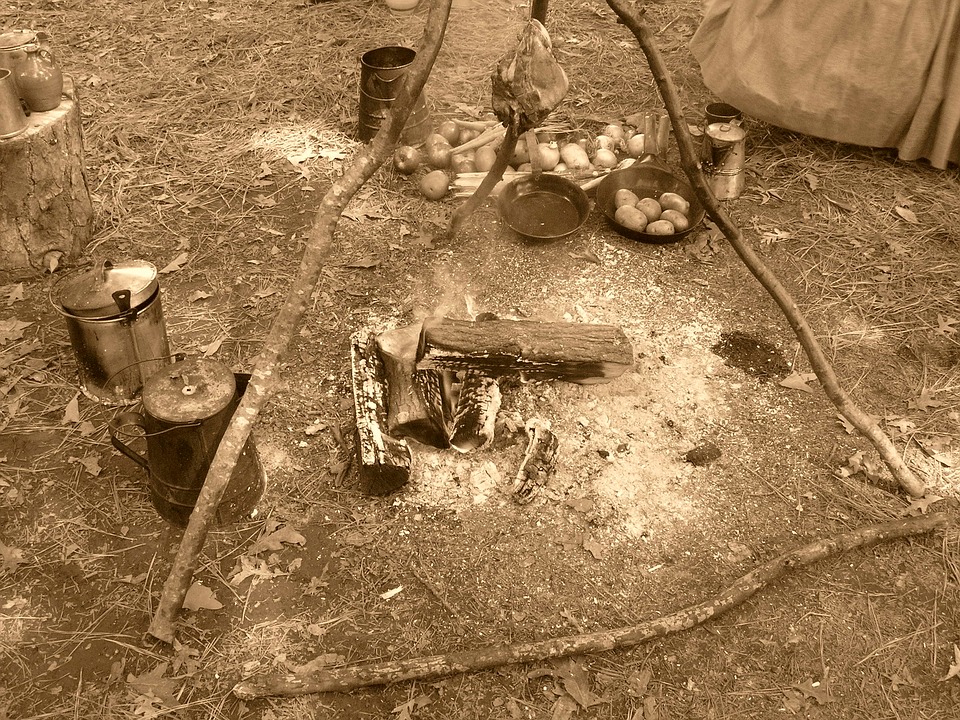
Rye Coffee

As the Civil War continued, food became scarce for folks in the South. Southerners also had a hard time obtaining coffee. They seemed to be just addicted to the beverage—especially soldiers—as people are today so they searched for substitutes. Rye was one of the substitutes.
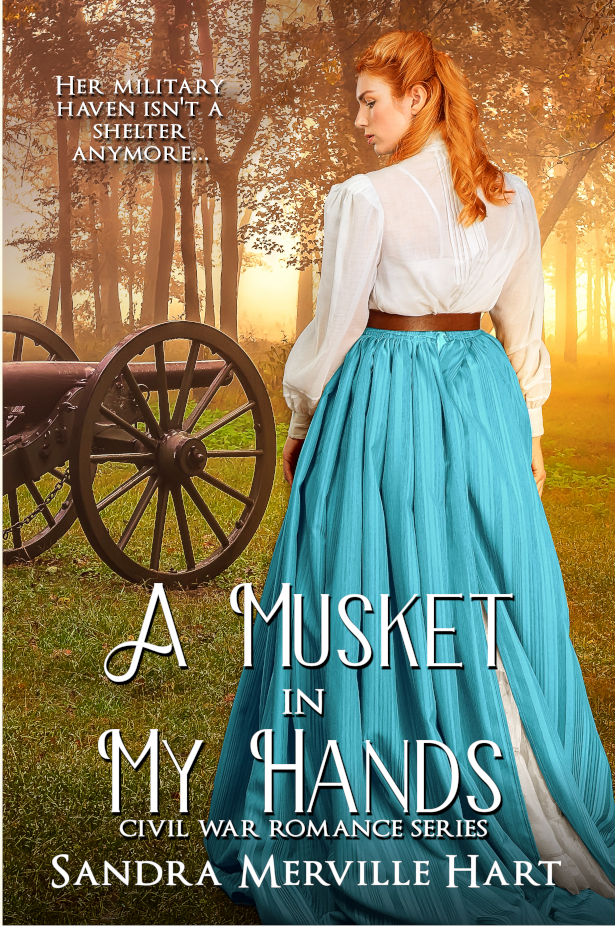
In an early scene in my Civil War romance, A Musket in My Hands, the protagonist, Callie, does not have coffee beans to make her pa a cup of coffee. Instead she offers to fix him a cup from rye that she’d boiled and dried.

Though I am not a coffee drinker, I wanted to prepare rye for coffee. There is a recipe in Confederate Home Cooking.
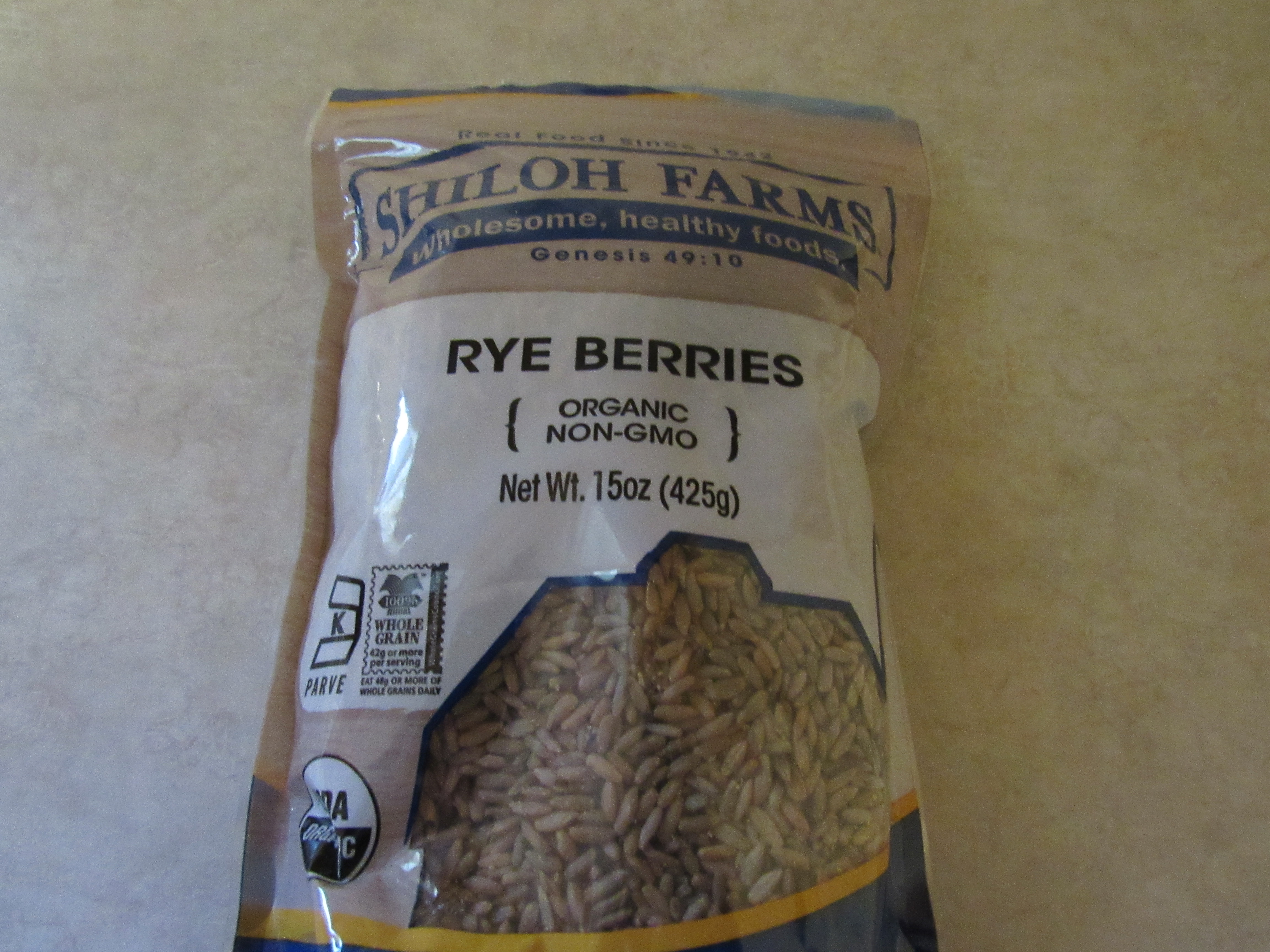
Finding rye berries was the greatest challenge. A specialty food store near me sells them.

I’ve never seen or tasted rye coffee so this was a learning process. The recipe mentioned “parching” after drying, so I reached out to Southern cooks for help with this term. Parching means roasting, which makes sense. (Thanks, Charlotte and Debra!)

I boiled ¼ cup of rye on a medium high heat for 10 minutes. By experimenting, I discovered that longer than 10 minutes begins to split the grain, which the recipe advises against.

Boiling softened the grain, expanding it over double the original size. The water was a clear, brown broth.

The rye was drained and then set aside while I lined a cookie sheet with parchment paper. The oven was preheated to 275 degrees to dry the rye.

After spreading a thin layer of rye over the parchment paper, I set the cookie sheet into the oven, stirring the rye every five minutes. After 10 minutes, most of the grain was dry. After 15 minutes, it was removed from the oven.

While the oven preheated to 450 degrees, the rye was transferred onto a fresh piece of parchment paper on the cookie sheet.

Because the oven was so hot, I kept a close eye on the roasting process, checking the rye every 2 minutes. After 10 minutes, I removed them from the oven.

Many homes in the Civil War era had coffee grinders. I don’t own one so I ground the roasted rye with a rolling pin. Worked pretty well.

Then I experimented with how soldiers in camp might have made the coffee. Using 1 teaspoon of ground rye in each case, I tried the following:

1) Poured boiling water into a cup with the rye and let it steep about 5 minutes.  (left side of main photo)

2) Boiled water with rye—strongest coffee flavor. (middle)

3) NOT the way soldiers made coffee but applicable for folks today—a single-serving coffee maker. (right side of main photo)

All of these tasted like coffee to me. Granted, I am not a coffee drinker, but I agree that this probably worked well as a coffee substitute for soldiers. Though #2 made the strongest coffee, the others tasted almost as strong.

Tasting the beverage made me wonder if roasting it 2 minutes less would enhance the flavor. I will try roasting for only 8 minutes next time.

This was a fun experiment! I’d love to hear if you try it.

-Sandra Merville Hart
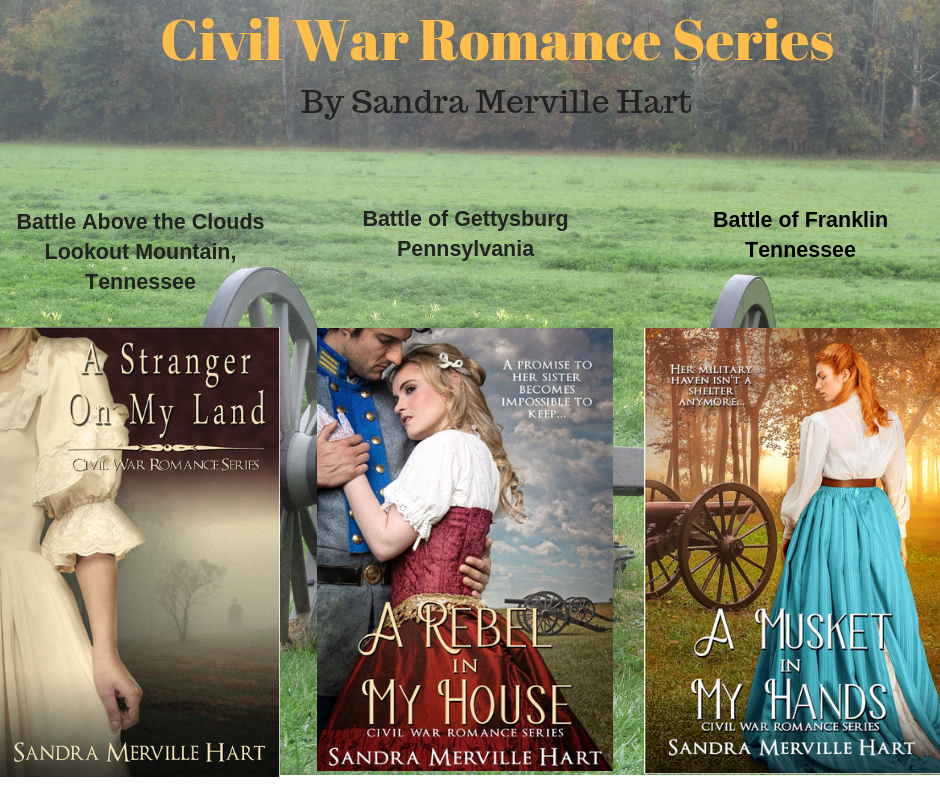
Sources

Mitchell, Patricia B. Confederate Home Cooking, 2014.
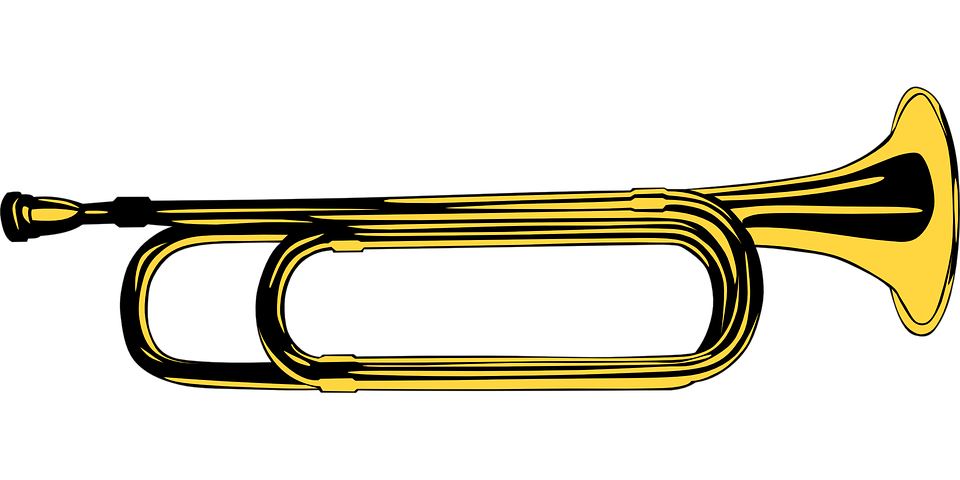
Civil War Bugle Calls

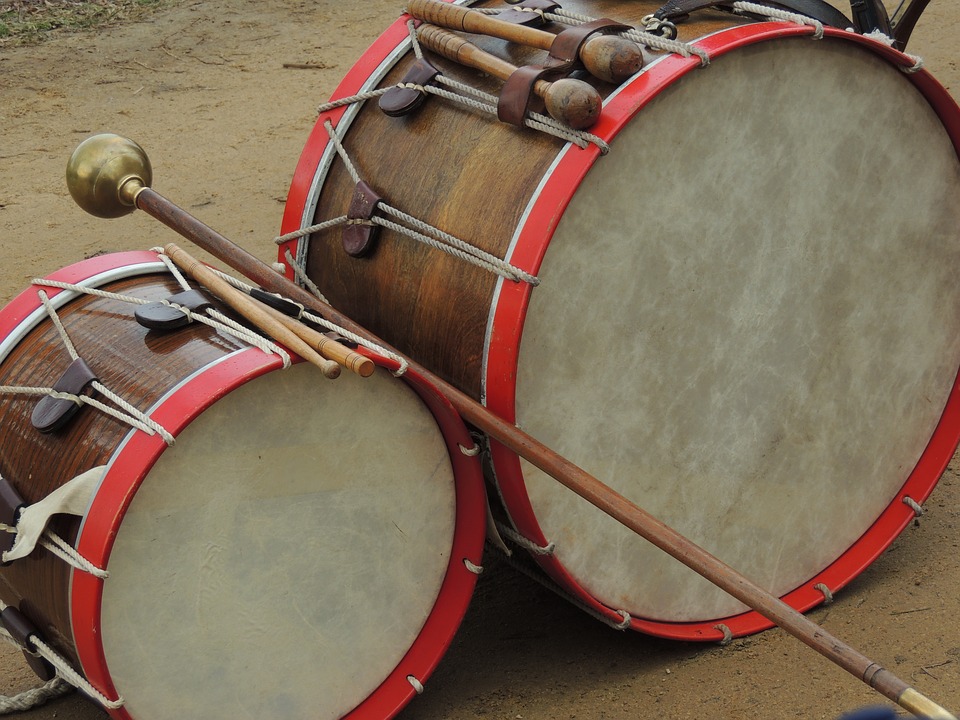
Commands were often given musically during the Civil War. That is to say, by bugle or drum. A general’s voice only carried so far—especially over the din of battle. Soldiers soon learned specific bugle tunes signified that it was time to get up in the morning, for example.

John D. Billings, Union soldier, wrote about a typical day in camp in Hardtack & Coffee.

The first bugle call of the day was “Assembly of Buglers.” It came around 5 am in the summer and 6 am in the winter. Men knew it was time to roll out of their blankets. This unwelcome song always brought grumbling.

“Assembly” came fifteen minutes later. Unless ill or on guard duty, every enlisted man had to be present for his company’s roll call.

When everyone finally stood in line, the bugler played “Reveille.” Soldiers made up words to this song:

       I can’t get ’em up, I can’t get ’em up,

       I can’t get ’em up this morning;

       I can’t get ’em up, I can’t get ’em up,

       I can’t get ’em up today.

After this, “Stable Call” was played. Company drivers went to the picket ropes where they fed and groomed their horses.

“Breakfast Call” came next. Soldiers prepared and ate their breakfast or ate rations provided at the company cookhouse.

“Sick Call” sounded at 8 am. Men who were sick and required medicine proceeded to the surgeon’s tent. Quinine was given for many ailments including headache, stomachache, toothache, coughing, lameness, fever, and ague.

Next came the “Watering Call,” where cavalry and drivers watered their horses and mules. To learn more about the difficulties of watering thousands of animals, click here.

Soldiers cleaned camp, gathered wood and water, built stables, buried horses, and washed gun carriages for “Fatigue Call.”

Next, drum or bugle brought the “Drill Call” where men practiced artillery and other skills. This was practiced much more earlier in the war.

Cannoneers and drivers responded to “Boots and Saddles” as a battery drill.

“Dinner Call” sounded at noon.

Buglers played “Water Call” around 4 pm.

“Stable Call” was blown as a reminder to return horses to the stable.

“Attention” was blown at 5:45 pm, followed by “Assembly” where the soldiers fell in for “Retreat” roll call.

“Assembly of Guard” called soldiers to guard duty. A brass band or fife-and-drum-corps usually followed.

The bugler played “Attention” at 8:30 pm and then “Assembly.” Companies formed lines for the day’s final roll call, “Tattoo.”

Men then had thirty minutes to get ready for bed at 9 pm when “Taps” was played. A drummer then played to end the day.

Follow this link if you’d like to listen to a few of these.

-Sandra Merville Hart

Sources

Billings, John D. Hardtack & Coffee, University of Nebraska Press, 1993.

Villanueva, Jari. “Civil War Bugles Calls,” www/tapsbuglar.com, 2017/03/15 https://archive.org/details/CivilWarBugleCalls/20+Dan+Butterfield.mp3.

Villanueva, Jari. “Twenty Bugles Calls,” United States Air Force Band, 2017/03/14   http://www.usafband.af.mil/shared/media/document/AFD-150220-028.pdf.


Soldier’s Letter – Civil War

american-civil-war-316987_960_720

Civil War soldiers loved to receive letters from home. Wives, mothers, and sweethearts also sent care packages to their soldiers. Even if a pie didn’t survive postal delivery intact, men still devoured every edible crumb with a thankful heart.

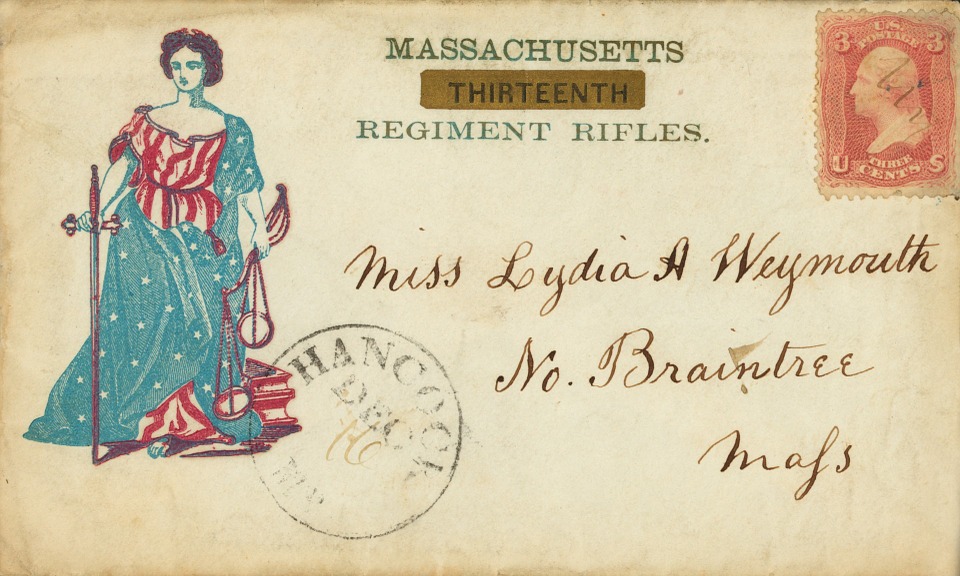
Soldiers purchased envelopes to send their replies back home. One of the fun traditions of the time was that these envelopes were decorated by those who manufactured them.

Flags, patriotic scenes, portraits of Union generals, and army camp scenes were printed on the envelopes, or “covers” as they were also called.

John D. Billings, Union soldier and author of Hardtack and Coffee, wrote of a young man who collected over 7,000 decorated envelopes from the war—each with a unique design.

Some featured specific regiments, listing battles where they fought.

Billings kept a few envelopes from his days in the war. One contained a 34-star border, a star for every state in the Union at the time. An eagle held a shield and a streamer which read, “Love one another.”

Another from his collection showed a drawing of the earth with “United States” printed on it and an American eagle above it. The inscription was “What God has joined, let no man put asunder.”

A third was a sketch of a man with moneybags riding horseback at breakneck speed. The inscription: “Floyd off for the South. All the Seceding States ask is to be let alone.”

One showed President Washington’s portrait with the inscription of “A Southern Man with Union Principles.”

images-1194186_960_720Billings wrote that the designs expressed the feelings of Northerners.

Union soldiers received envelopes from the U.S. Christian Commission with their organization’s stamp and the words “Soldier’s Letter.”

The Postmaster General allowed soldiers to send letters without stamps, representing prepayment, beginning in 1864. They had to write “Soldier’s Letter” on the envelope.

One soldier wrote the following verse for the Postmaster General:

Soldier’s letter, nary red,

       Hardtack and no soft bread,

       Postmaster, please put it through,

       I’ve nary cent, but six months due.”

-Sandra Merville Hart

Sources

“American Civil War Soldier Letters Home,” Americancivilwar.com, 2017/02/08 http://americancivilwar.com/kids_zone/soldiers_letters_civil_war.html.

Billings, John D. Hardtack & Coffee, University of Nebraska Press, 1993.


Civil War: Union Army Rations

camp-1786750_960_720

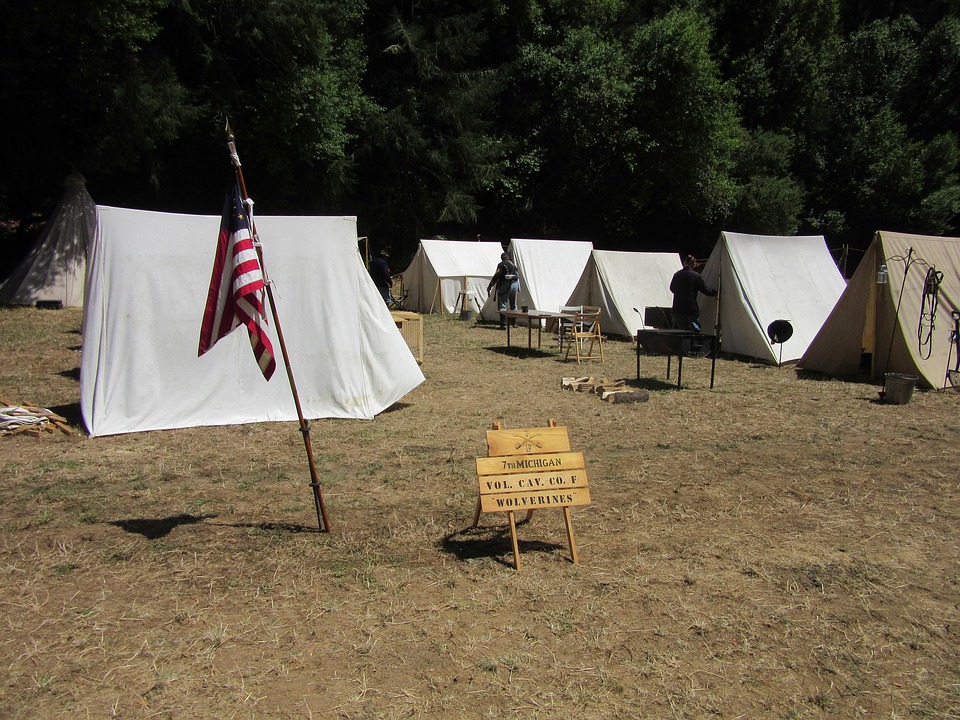
John D. Billings was a Union Army soldier. Billings served as a private in the Tenth Massachusetts Battery for three years. He wrote Hardtack & Coffee, a wonderful book originally published in 1887.

These are the normal rations he received as a private:

Salt pork, fresh beef, salt beef

Ham or bacon were rarely issued

Hard bread, soft bread, flour

Potatoes, occasionally an onion

Beans, rice, split pease (peas)

Dried apples, dried peaches

Desiccated vegetables

Sugar, molasses

Coffee, tea

Vinegar

Salt, pepper

Candles, soap

Soldiers didn’t receive all these rations at the same time. Only one meat was issued at a time and that was usually pork. Soldiers received either hard bread, soft bread, or flour. They drew beans or rice or peas.

Soldiers were entitled to the following as a single day’s rations:

12 oz. pork (or bacon) or 20 oz. salt beef or fresh beef;

22 oz. soft bread (or flour) or 16 oz. hard bread or 20 oz. corn meal

For every hundred rations (soldiers received a share of these):

One peck of pease (peas) or beans;

10 pounds of rice or hominy;

10 pounds of green coffee or 8 pounds of roasted ground coffee or 1 ½ pounds of tea

15 pounds of sugar

20 oz. of candles

4 pounds of soap

2 quarts of salt

4 quarts of vinegar

4 oz. of pepper

Half bushel of potatoes when practicable

1 quart of molasses

In addition, desicatted vegetables were also issued. These were large round cakes of compressed vegetables, about two inches thick. They had to be soaked to be edible and even then, there was some doubt about the wisdom of eating it. Soldiers dubbed them “desecrated vegetables.”

According to Abner Small, 16th Maine, none of his comrades could figure out what was in it. Charles E. Davis, 13th Massachusetts, thought it tasted, when cooked, like herb tea.

Pickled cabbage, dried fruits, vegetables, and pickles were sometimes included in rations to prevent scurvy.

According to Billings, these were the rations given to the rank and file soldiers, as privates were sometimes called.

-Sandra Merville Hart

Sources

Billings, John D. Hardtack & Coffee, University of Nebraska Press, 1993.

“Hungry? How about worm castles and desecrated vegetables?” CivilWar.org, 2017/02/08 http://www.civilwar.org/education/pdfs/civil-war-curriculum-food.pdf.


Civil War: Hardtack and Salt Horse

camp-1569046_960_720

John D. Billings, a Union Army soldier, served as a private in the Tenth Massachusetts Battery for three years. He taught school after the war. He also wrote Hardtack & Coffee, a book originally published in 1887.

Billings talks about food rations. As a soldier in the Army of the Potomac, he did not remember being without rations more than a day or so. Wagon trains were often several hours behind when on the march or in battle. Soldiers generally had advance notice of a delay in receiving their rations and ate sparingly of food they still had in their haversack.

The quality of the food left something to be desired. Armies served quantities of stale beef or salted beef (soldiers referred to salted meat as “salt horse”) or unwholesome pork.

Hardtack, a plain flour-and-water biscuit, was often so hard that soldiers couldn’t bite it. A strong fist blow could break them. According to Billings, soaking hardtack didn’t soften it. Instead the soaked cracker eventually turned elastic like gutta-percha, a tough plastic material resembling rubber. Yuck!

Another problem with hardtack is that they were sometimes moldy and wet when privates received them. Billings believed the crackers had been packaged too soon, perhaps still warm from the oven. Hardtack also got damp in wet weather when stacked at railroad depots awaiting trains to take them to army camps. Billings blamed inspectors’ negligence for food, ruined by rain or sleet, reaching the army camps.

It gets worse. You may want to skip the next paragraph.

Hardtack sometimes became infested with weevils and maggots in storage. This problem wasn’t usually enough to keep them from being distributed. Soldiers still drew the infested crackers as rations.

Nine pieces of hardtack were a single ration for some regiments while ten pieces were given in others. It was usually not a problem either way; there was enough for those who wanted a larger number because some soldiers refused to accept them at all.

-Sandra Merville Hart

Sources

Billings, John D. Hardtack & Coffee, University of Nebraska Press, 1993.

“Gutta-Percha,” Merriam-Webster, Incorporated, 2017/02/08 https://www.merriam-webster.com/dictionary/gutta%E2%80%93percha.

“Salt Horse,” Merriam-Webster, Incorporated, 2017/02/08 https://www.merriam-webster.com/dictionary/salt%20horse.