Civil War Silk Dress Balloon

by Sandra Merville Hart

The U.S. Balloon Corps began in the summer of 1861. Aeronaut Thaddeus Lowe and members of his corps made numerous balloon flights to discover Confederate troop movements from the air.

Confederate General James Longstreet wrote that their army longed for a balloon to use in observations but didn’t have the money.

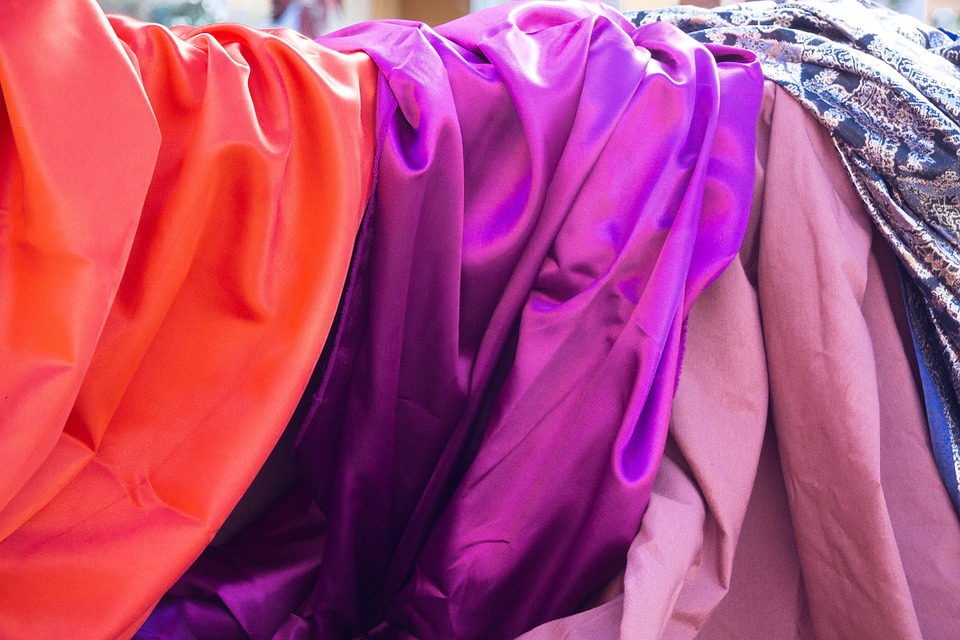
Captain Langdon Cheves* bought silk in Savannah and Charleston in lengths of 40 feet. This fabric, normally used for women’s dresses, was sewn together and then varnished. Because various colors were used, the balloon made from the silk was beautiful. The balloon’s official name was Gazelle.

The “Silk Dress Balloon,” as it came to be called, was sent to Richmond. Confederates were unable to get pure hydrogen gas. Instead, ordinary illuminating gas from Richmond Gas Works—the same type that lit gas lamps—filled the balloon.

It was moved, full of air, to the battlefield by train. The colorful Silk Dress Balloon was first used by the Confederates at the Battle of Gaines Mill. General Edward Porter Alexander ascended several times to observe the fighting from two miles away. Actual troops were difficult to see yet rising smoke showed him where to direct Slocum’s Division to reinforce Porter’s troops. Night ascensions showed enemy campfires for estimates of troop numbers.

Inability to fill the balloon in the field hampered their efforts. Gas from the Gas Works limited flights to 6-7 hours. They didn’t use Lowe’s three captured portable gas generators.

Confederates were happy enough with the results to take the balloon onto the Teaser, an armed tug boat. When necessary, the balloon was sailed along the James River to Richmond for refilling. On July 3, 1862, the U.S.S. Maratanza captured the Teaser on the James River. The balloon went to Thaddeus Lowe, who cut the fabric for souvenirs.

Another balloon was made in Savannah by Charles Cevor, a balloonist. It was used for the next year in the Charleston and Savannah area until the Second Battle of Charleston Harbor, when it was lost in the summer of 1863.

The Confederates didn’t try again. By then, the U.S. Balloon Corps had dissolved.

A rumor has survived from the war. In 1886, General Longstreet wrote in an article published in Century magazine. He said that a request was made that the ladies donate their silk dresses to make the balloon. It paints a lovely picture of sacrifice that Southern women made throughout the war—and they did sacrifice abundantly—but this particular one doesn’t appear to be factual. Articles that mention Longstreet’s quote also write about the forty-foot lengths of silk purchased by Cheves to make the balloon.

*One source gives the name of Dr. Edward Cheves instead of Langdon Cheves.


Sources

“Civil War Ballooning,” American Battlefield Trust, 2021/02/05 https://www.battlefields.org/learn/articles/civil-war-ballooning.

Clifford, Command Sergeant Major James, USA-Ret. “Balloon Operations in the Peninsula Campaign,” The Army Historical Foundation, 2021/02/05 https://armyhistory.org/balloon-operations-in-the-peninsula-campaign/.


Fanton, Ben. “Gas Balloons: View from Above the Civil War Battlefield,” History.net, 2021/02/05 https://www.historynet.com/gas-balloons-view-from-above-the-civil-war-battlefield.htm.

Paone, Thomas. “The Most Fashionable Balloon of the Civil War,” Smithsonian National Air and Space Museum, 2021/02/08 https://airandspace.si.edu/stories/editorial/most-fashionable-balloon-civil-war.
Civil War U.S. Balloon Corps

by Sandra Merville Hart

On June 17, 1861, Aeronaut Thaddeus Lowe’s balloon flight from the Columbia Armory (current location of the National Air and Space Museum) snagged the attention of President Abraham Lincoln when he received a telegraphed message from Lowe—from the balloon in flight at a height of 500 feet!

Lowe’s balloon was tethered to the White House lawn that evening while the two met. Lincoln supported the use of balloons in surveilling Confederate troops from the air.

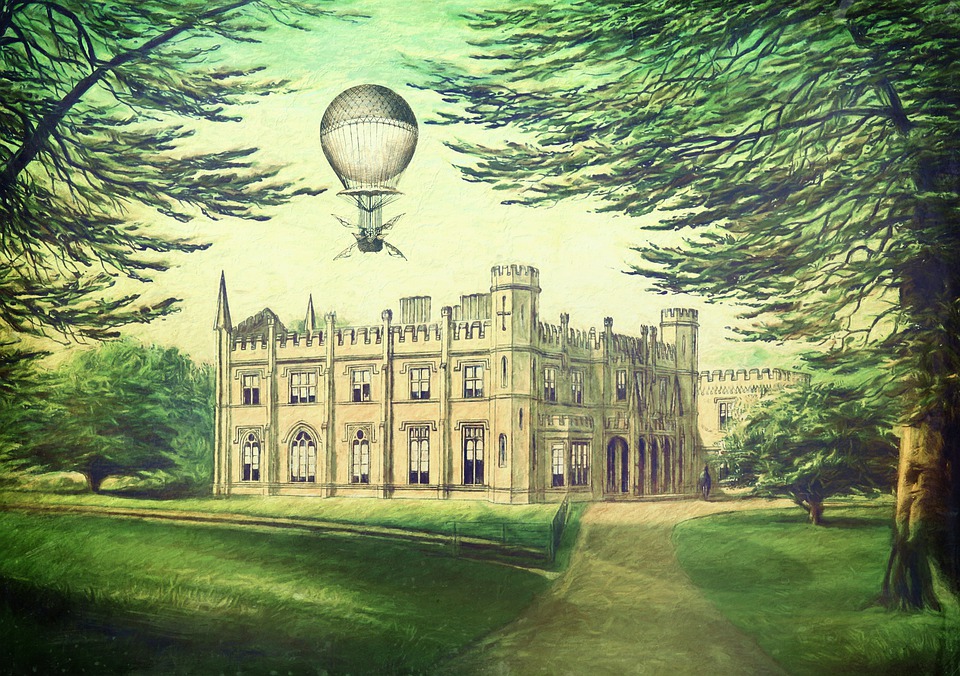
Lowe became the chief aeronaut in the U.S. Army Balloon Corps. The War Department built military balloons for the corps. The first one was ready in August.

Union and Intrepid could carry 5 people and were the largest balloons used by the Union army. United States and Constitution held 3 people. A couple, Eagle and Excelsior, were manned by one person. The larger balloons had room for telegraphers, an important advantage.

Lowe became a member of Major General George B. McClellan’s staff. In September of 1861, Lowe directed artillery fire from his balloon at Falls Church, Virginia.

The U.S. Balloon Corps had several members: Corporal James Starkweather, Privates William A. Hodges, Albert Trunbull, W.H. Welch, Francis Barrington, Robert Wardell, James F. Case, George W. Fisher, John H. Hall, and Lawrence M. Chickey. Civilians also worked in the corps. Among these were Aeronauts James Allen, John La Mountain, and John Wise, who was considered the “Father of American Aeronautics.” Lowe also hired his father Clovis.

Balloons were used at Washington D.C., Seven Days’ Battle, the Peninsular Campaign, Battle of Seven Pines, and Fort Monroe in Virginia, to name a few.

Also, La Mountain made a tethered balloon ascent on August 3, 1861. It is significant to history because it was launched from the steam-powered gunboat Fanny. There are scholars who believe this first flight to be a precursor of the aircraft carrier.

Confederates shot at the ascended balloons. Fortunately, none were shot down. Their height usually kept them out of range. That didn’t prevent the Southerners from shooting. In fact, Lowe earned the dubious title of “the most shot-at man in the war.”

Several Federal officers ascended in these balloons, including John Reynolds, Joe Hooker, George McClellan, Fitz John Porter, Baldy Smith, John Sedgwick, and George Custer.

Unfortunately, problems with aeronauts receiving pay from the army led to resignations. Conservative generals preferred intelligence from spies, scouts, prisoners, and deserters. Vague reports from aeronauts frustrated field commanders. To top it off, Lowe didn’t get along with his staff supervisor Captain Cyrus B. Comstock and resigned on May 7, 1863.

James and Ezra Allen were then the last members of the U.S. Balloon Corps. They reported Confederate movement from Fredericksburg toward the Blue Ridge Mountains as they marched toward Gettysburg in June. The Balloon Corps ceased to exist in the summer of 1863.

Sources

“Civil War Ballooning,” American Battlefield Trust, 2021/02/05 https://www.battlefields.org/learn/articles/civil-war-ballooning.

“Civil War Ballooning,” Smithsonian National Space & Air Museum, 2021/02/05 https://airandspace.si.edu/learn/highlighted-topics-/flight/civil-war-ballooning.

Clifford, Command Sergeant Major James, USA-Ret. “Balloon Operations in the Peninsula Campaign,” The Army Historical Foundation, 2021/02/05 https://armyhistory.org/balloon-operations-in-the-peninsula-campaign/.

Fanton, Ben. “Gas Balloons: View from Above the Civil War Battlefield,” History.net, 2021/02/05 https://www.historynet.com/gas-balloons-view-from-above-the-civil-war-battlefield.htm.

Gould, Kevin. “Balloon Corps,” Encyclopaedia Britannica, 2021/02/05 https://www.britannica.com/topic/Balloon-Corps.

Mortimer, Gavin. Double Death: The True Story of Pryce Lewis, the Civil War’s Most Daring Spy, Walker & Company, 2010.

“Thaddeus S.C. Lowe,” Wikipedia, 2021/02/05  https://en.wikipedia.org/wiki/Thaddeus_S._C._Lowe.