This Week in History: Greencastle, Pennsylvania and the Gettysburg Campaign

Monday, June 15, 1863

The fall of Martinsburg, Virginia, (now West Virginia) on June 14th encouraged Confederate Lieutenant Hermann Schuricht, Fourteenth Virginia Cavalry. He was happy that the glorious battle ended with the Southerners in possession of the city and several thousand bushels of grain. It was the first Battle of Martinsburg.

Buglers sounded orders to mount their horses around 2 am. By breakfast time Schuricht and his comrades were in Williamsport, Maryland, where the residents kindly set up tables in the streets stocked with meat, bread, and milk. Schuricht and other hungry troops ate quickly before remounting.

They received an enthusiastic welcome from the ladies in Hagerstown, Maryland, at noon. The women gave flowers to the soldiers. The children shouted, “Hurrah for Jeff Davis!”

They rode to Greencastle, Pennsylvania. General Albert G. Jenkins divided his brigade. Schuricht, along with others in the right wing who intimidated locals by waving muskets and pistols, rode his horse over ditches and fences to take the town. Federal cavalry there all escaped except one lieutenant.

The Confederates cut telegraph wires and destroyed the railroad depot in Greencastle.

Their day wasn’t over.

By 11 pm, an exhausted Schuricht entered Chambersburg, Pennsylvania, with his companions. They camped on the eastern outskirts of town.

Confederates occupied Greencastle from mid-June until early July. Federal cavalry led by Captain Ulric Dahlgren rode into the town square on July 2nd. The Union troops captured several Confederate cavalry troops in the square while a bigger battle took place in another part of Pennsylvania.

Gettysburg.  

-Sandra Merville Hart

Sources

Gragg, Rod. The Illustrated Gettysburg Reader, Regnery History, 2013.

“Greencastle, Pennsylvania,” Wikipedia, 2017/05/01 https://en.wikipedia.org/wiki/Greencastle,_Pennsylvania.

Long, E.B with Long, Barbara. The Civil War Day by Day: An Almanac 1861-1865, A Da Capo Paperback, 1971.

Noyalas, J. A. “Martinsburg during the Civil War.” Encyclopedia Virginia. Virginia Foundation for the Humanities, 27 Oct. 2015. Web. 1 May. 2017.
This Week in History: Civil War Battle of Brandy Station, Virginia

Tuesday, June 9, 1863

Confederate General Robert E. Lee decided to fight the battle above the Mason-Dixon. He began marching his army west from Fredericksburg toward Culpeper Court House. Lee wanted the protection of the Shenandoah Valley and asked General J.E.B. Stuart to mask the army’s movements with his cavalry.

Stuart had about 9,500 cavalry troops at Brandy Station—a small crossroads between the Rappahannock River and Culpeper—on June 8, 1863. Lee ordered Stuart to lead a raid across the river on June 9th to create a diversion.

Federal General Joseph Hooker, having guessed Stuart’s plan, deployed his cavalry under General Alfred Pleasonton to attack on June 9th. His men surprised Confederate pickets at Beverly’s Ford at 4:30 am and chased them back to their camp near St. James Church on the road to Brandy Station.

Confederates suffered until their artillery was ready to fire on Union troops at the church. Union General Buford ordered his troops to charge. They were repulsed.

In the meantime, Union General David Gregg brought his cavalry behind Stuart’s men with Fleetwood Hill blocking them. Union artillery fired on Fleetwood Hill, startling Stuart but he rallied in time to fight the Union’s charge.

After almost five hours of hard fighting, Pleasonton received reports of Confederate reinforcements and withdrew at 5 pm. Union casualties totaled 866 with 81 killed. Confederate casualties were 523.

The infantry used to joke, “Whoever saw a dead cavalryman?”

The fierce battle at Brandy Station ended that.

The Union cavalry was respected after the battle.

And the battle hid the Confederate march northward.

-Sandra Merville Hart


Sources

“Brandy Station,” Civil War Trust, 2017/05/01, http://www.civilwar.org/battlefields/brandy-station.html?tab=facts.

Long, E.B with Long, Barbara. The Civil War Day by Day: An Almanac 1861-1865, A Da Capo Paperback, 1971.


Civil War Bugle Calls

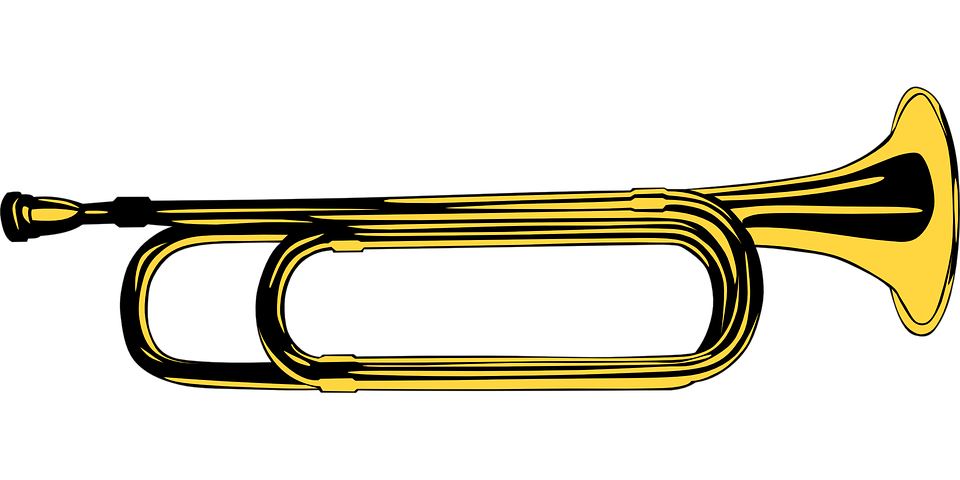
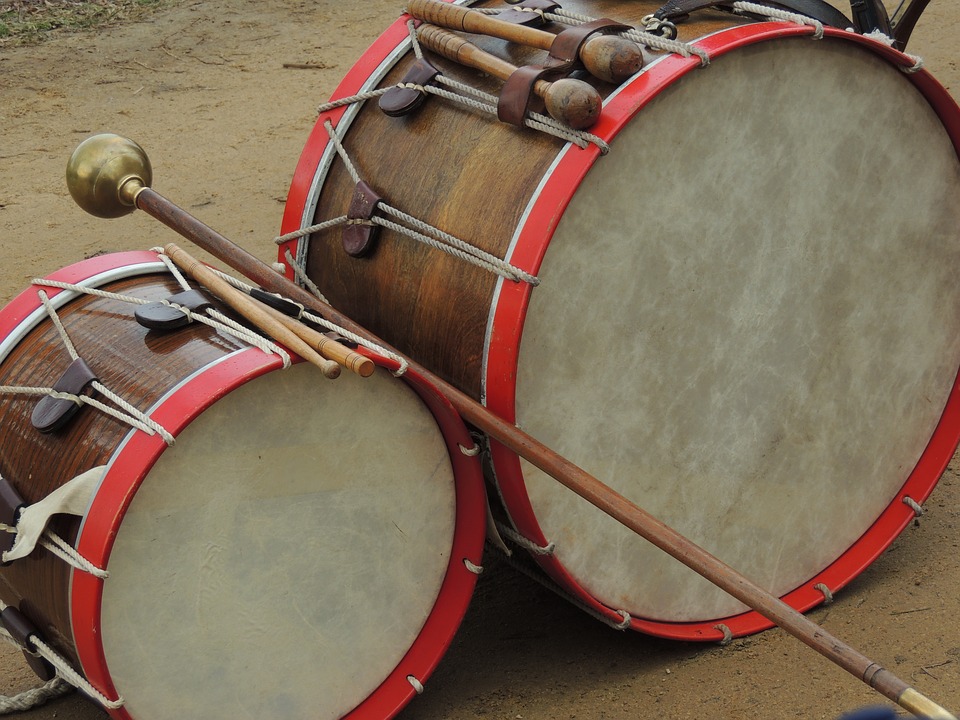
Commands were often given musically during the Civil War. That is to say, by bugle or drum. A general’s voice only carried so far—especially over the din of battle. Soldiers soon learned specific bugle tunes signified that it was time to get up in the morning, for example.

John D. Billings, Union soldier, wrote about a typical day in camp in Hardtack & Coffee.

The first bugle call of the day was “Assembly of Buglers.” It came around 5 am in the summer and 6 am in the winter. Men knew it was time to roll out of their blankets. This unwelcome song always brought grumbling.

“Assembly” came fifteen minutes later. Unless ill or on guard duty, every enlisted man had to be present for his company’s roll call.

When everyone finally stood in line, the bugler played “Reveille.” Soldiers made up words to this song:

       I can’t get ’em up, I can’t get ’em up,

       I can’t get ’em up this morning;

       I can’t get ’em up, I can’t get ’em up,

       I can’t get ’em up today.

After this, “Stable Call” was played. Company drivers went to the picket ropes where they fed and groomed their horses.

“Breakfast Call” came next. Soldiers prepared and ate their breakfast or ate rations provided at the company cookhouse.

“Sick Call” sounded at 8 am. Men who were sick and required medicine proceeded to the surgeon’s tent. Quinine was given for many ailments including headache, stomachache, toothache, coughing, lameness, fever, and ague.

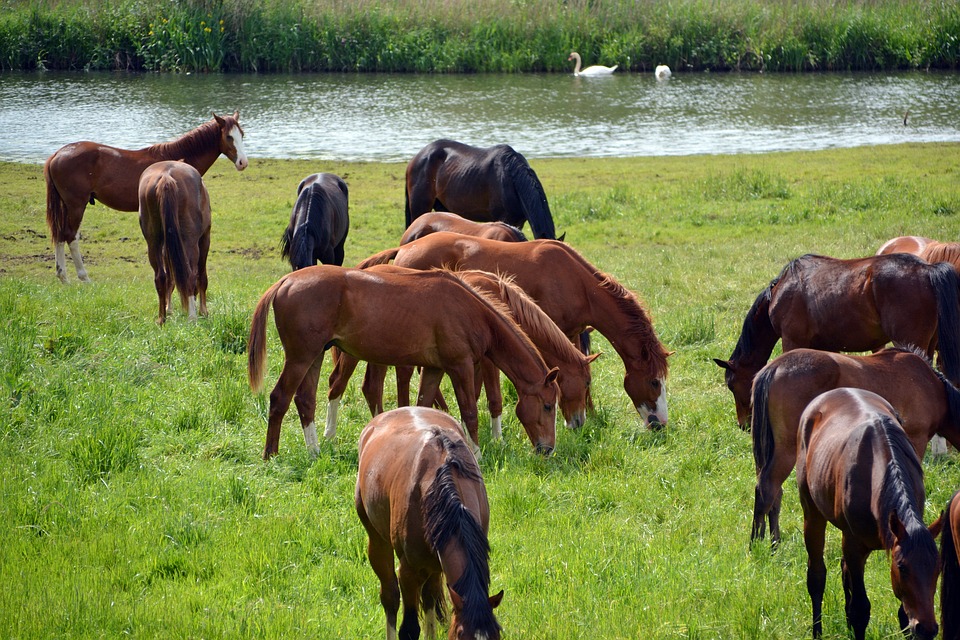
Next came the “Watering Call,” where cavalry and drivers watered their horses and mules. To learn more about the difficulties of watering thousands of animals, click here.

Soldiers cleaned camp, gathered wood and water, built stables, buried horses, and washed gun carriages for “Fatigue Call.”

Next, drum or bugle brought the “Drill Call” where men practiced artillery and other skills. This was practiced much more earlier in the war.

Cannoneers and drivers responded to “Boots and Saddles” as a battery drill.

“Dinner Call” sounded at noon.

Buglers played “Water Call” around 4 pm.

“Stable Call” was blown as a reminder to return horses to the stable.

“Attention” was blown at 5:45 pm, followed by “Assembly” where the soldiers fell in for “Retreat” roll call.

“Assembly of Guard” called soldiers to guard duty. A brass band or fife-and-drum-corps usually followed.

The bugler played “Attention” at 8:30 pm and then “Assembly.” Companies formed lines for the day’s final roll call, “Tattoo.”

Men then had thirty minutes to get ready for bed at 9 pm when “Taps” was played. A drummer then played to end the day.

Follow this link if you’d like to listen to a few of these.

-Sandra Merville Hart

Sources

Billings, John D. Hardtack & Coffee, University of Nebraska Press, 1993.

Villanueva, Jari. “Civil War Bugles Calls,” www/tapsbuglar.com, 2017/03/15 https://archive.org/details/CivilWarBugleCalls/20+Dan+Butterfield.mp3.

Villanueva, Jari. “Twenty Bugles Calls,” United States Air Force Band, 2017/03/14   http://www.usafband.af.mil/shared/media/document/AFD-150220-028.pdf.


Civil War: Confederate Remedy for Dysentery

As a writer of historical novels, I love to run across remedies used in past centuries. A wonderful book, Confederate Receipt Book, contains a few cures from the Civil War era.

A soldier’s remedy for dysentery (severe diarrhea) used only three everyday ingredients which were reported to be “efficacious” for these cases.

Dysentery killed more Civil War soldiers than any other diseases so it was a serious matter.

At that time, doctors often prescribed opium (paregoric, laudanum, or Dover’s powder) to treat dysentery.

Other medicines given to treat the disease were copper sulfate, oil of turpentine, lead acetate, and aromatic sulfuric acid. Surprisingly, laxatives were also used in the treatment—Epsom salts, calomel, ipecac, castor oil, and sulfate of magnesia. Calomel, also known as mercurous chloride, had terrible side effects: profuse salivation, loss of teeth, or—in severe cases—“mercurial gangrene.”

Strong medicines with unfortunate or fatal side effects could have led Confederate soldiers to search for a better cure. Or the lack of medical supplies might be the reason for trying a common cure. It’s also possible this simple cure had been around for years.

Whatever the case, the Confederate remedy for dysentery seems remarkably simple when compared to medicines listed above.

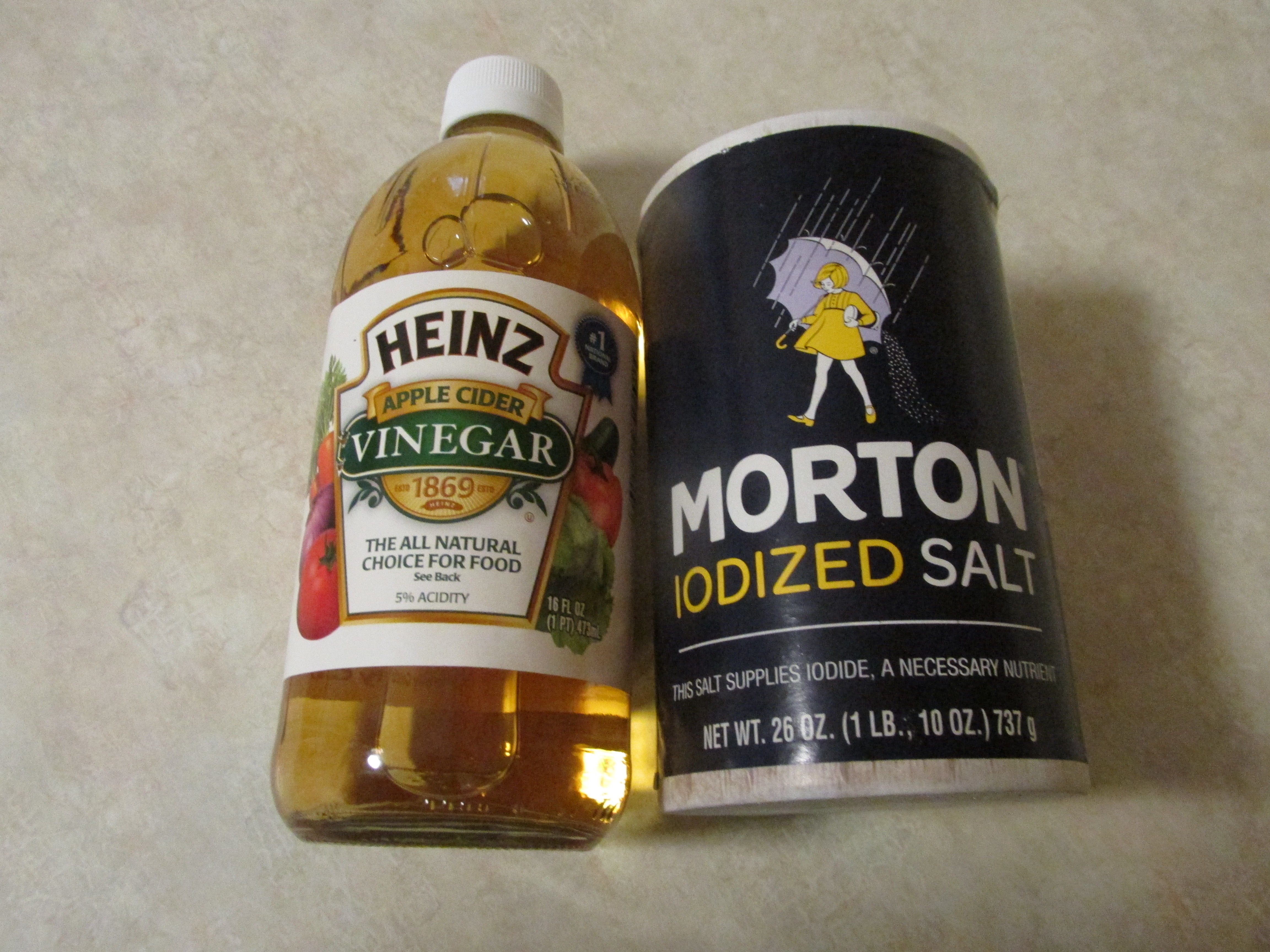
The instructions stipulate pure vinegar. The apple cider vinegar in my cabinet is diluted with water so that changes the experiment. This is merely a fun learning exercise since I’m not planning on treating dysentery, so this is not an issue.

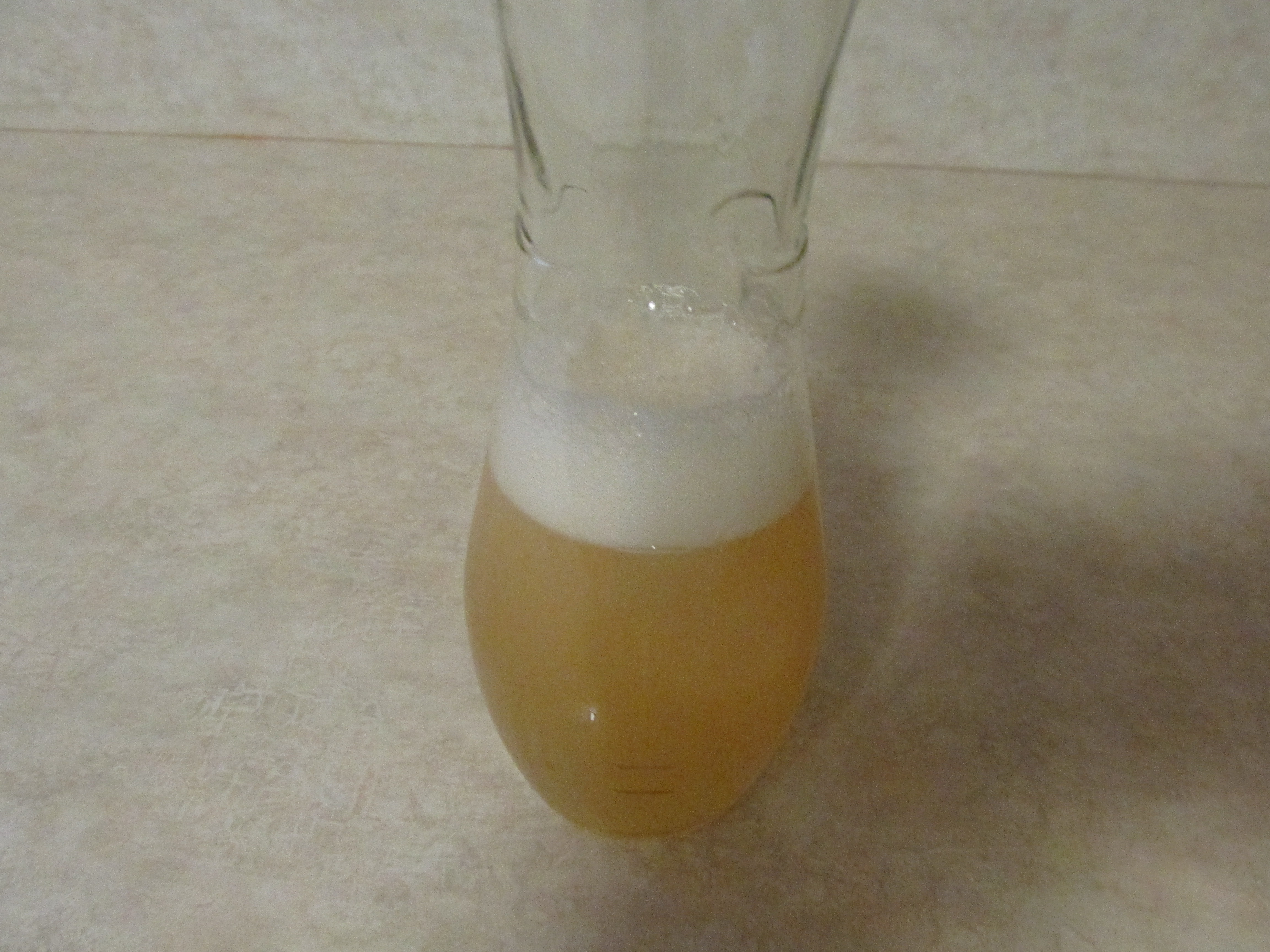
I took a cup of apple cider vinegar and poured it into a salad dressing cruet. (Use any jar that can be tightly closed.) I then added salt, a teaspoon at time. The soldiers’ recipe advises to add as much salt as the vinegar can ferment and work clear.

My vinegar didn’t foam until shaking it. I used 6 teaspoons of salt, but it might have held more.

The soldiers corked the salty vinegar liquid and set it aside. When needed, they boiled a gill of water (4 ounces), added a large spoonful of the medicine, and drank it. It was supposed to be effective for cholic (colic) and dysentery.

As always, consult physicians before using this medicinally.

I use these old cures only in my historical writing. I made this recipe but will not be taking it. I’m not recommending it. This is merely meant to be fun and educational.

-Sandra Merville Hart

Sources

A Compilation of Over One Hundred Receipts, Adapted to the Times. Confederate Receipt Book, Applewood Books, 1863.

Oates, Stephen B. A Woman of Valor: Clara Barton and the Civil War, The Free Press, 1994.


Watering Thousands of Horses During the Civil War

According to John D. Billings, author of Hardtack & Coffee, one of the typical daily bugle calls was a Watering Call. Upon hearing this call, artillery drivers and all cavalry rank and file went to the picket rope to water their horses.

This was a simple task when the army camped near a river, which was often the case. When it wasn’t, thirsty horses were ridden a mile or two—sometimes longer—to find a pond or stream.

Finding a sufficient amount of water for thousands of animals was no small task.

General McClellan had about 38,800 horses and mules after the Battle of Antietam in September of 1862. 56,499 horses and mules were in the army’s care when they crossed the Rapidan River in 1864.

All animals weren’t taken to the same stream for watering because troops spread out for miles.

A drought in the summer of 1864 brought serious problems. No rain fell for several weeks. Soldiers were hard-pressed to find enough water for themselves. They’d find an old stream where only mud remained. Scooping out holes in the mud, soldiers patiently waited for “warm, milky-colored fluid to ooze from the clay.” The water came a drop at a time until it filled a dipper for the thirsty soldier.

Hundreds of men carried empty canteens through forests and valleys in search of water.

When the drought continued, Union soldiers dug wells. To their relief, they found an abundance of water 10-12 feet below ground. These wells met the needs of soldiers and their animals.

-Sandra Merville Hart

Sources

Billings, John D. Hardtack & Coffee, University of Nebraska Press, 1993.

Villanueva, Jari. “Twenty Bugles Calls,” The United States Air Force Band, 2017/03/14   http://www.usafband.af.mil/shared/media/document/AFD-150220-028.pdf.

Civil War: Confederate Soldier’s Way To Relieve Asthma

As a writer of historical novels, I love to run across remedies used in past centuries. A wonderful book, Confederate Receipt Book, contains a few cures from the Civil War era.

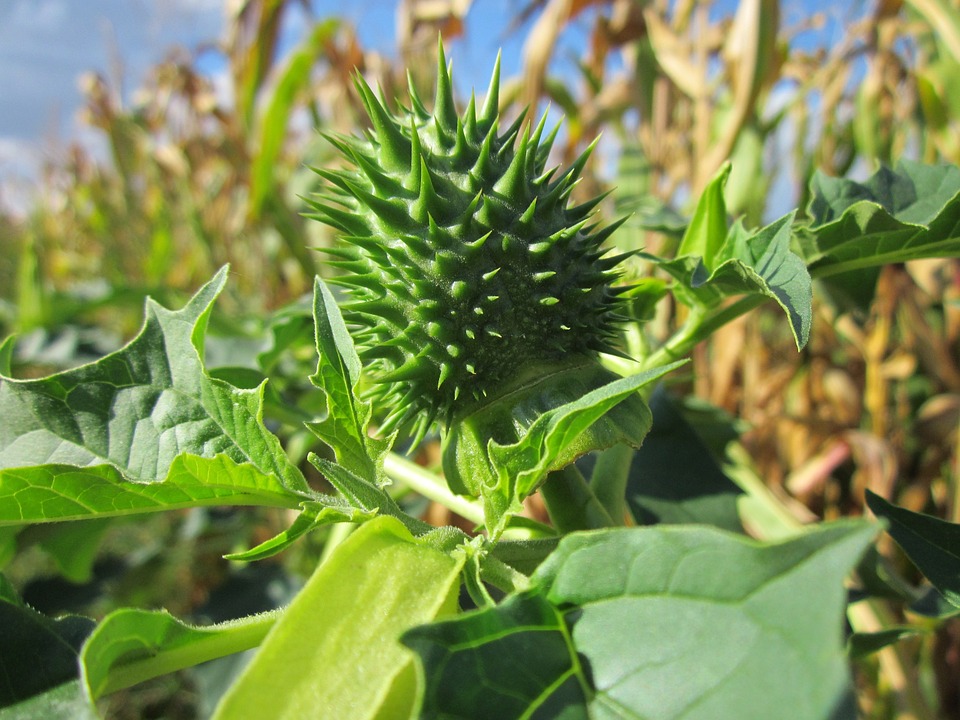
A recipe to relieve asthma called for stramonium leaves (also known as Jamestown weed) to be gathered before the frost and dried in the shade.

The dried leaves were then saturated in a “pretty strong solution of saltpetre.” There is no indication given as to how much saltpeter (a white powder with a salty taste) makes a strong solution. According to the Cambridge Dictionary, saltpetre is used in the preservation of meat as well as in the production of explosives and fertilizers.

The Confederate soldiers then smoked the saturated leaves. Inhaling the vapors helped loosen lung congestion. The soldiers cautioned that the fumes could strangle the patient if “taken too freely.”

It is not stated whether the soldiers rolled the leaves into a cigarette or inhaled them over a fire.

I wanted to know if stramonium was still being used to treat asthma these days.

This plant is considered poisonous if improperly prepared. In modern times, the juice is taken from the plant before seeds and flowers sprout. Then the juice goes through a process of dilution process. This removes the poisonous part.

It is used today to treat a variety of complaints, including asthma. It relieves chest tightness and a wheezy cough.

The home remedy sites stress that the plant is poisonous and must be prepared properly.

The soldiers also gave specific instructions about stramonium, such as drying the leaves in the shade and gathering them before the frost. They seemed to realize that the plant must be handled carefully to work best.

I don’t suggest following the soldiers’ recipe. There are too many warnings about the poisonous plant. As always, consult physicians before using this medicinally.

I use these old cures only in my historical writing. I have not followed this recipe or tried the cure. I’m not recommending it. This is merely meant to be fun and educational.

-Sandra Merville Hart

Sources

A Compilation of Over One Hundred Receipts, Adapted to the Times. Confederate Receipt Book, Applewood Books, 1863.

“Homeopathy: Stramonium, Thorn Apple/Devil’s-apple,” Herbs2000.com, 2017/03/11  http://www.herbs2000.com/homeopathy/stramonium.htm.

“Saltpetre,” Cambridge University Press, 2017/03/11 http://dictionary.cambridge.org/us/dictionary/english/saltpetre.

“Stramonium/Stram,” Home Remedy Central, 2017/03/11  http://www.homeremedycentral.com/en/homeopathic-remedies/homeopathy/stramonium.html.


Civil War – Union Shelters

cannon-144552_960_720

Barracks were often built to house Union soldiers in training camps, such as the one at Camp Cameron. These were long buildings similar to bowling alleys of the day. Barracks held a double row of stacked bunk beds separated by a center aisle. They were designed to hold a company, which was one hundred soldiers.

Most camps, though, sheltered their soldiers in tents. One of the popular designs was the Sibley tent, also known as the Bell Tent due to its resemblance to a bell. Supported by a single pole, these tents were twelve feet high and eighteen feet in diameter.

Sibley tents were large enough to house a dozen men. A cone-shaped stove warmed them in cold weather from the center. A small circular opening allowed for the stove pipe and for ventilation. This type of tent became too cumbersome for field camps and was used mainly in instruction camps.

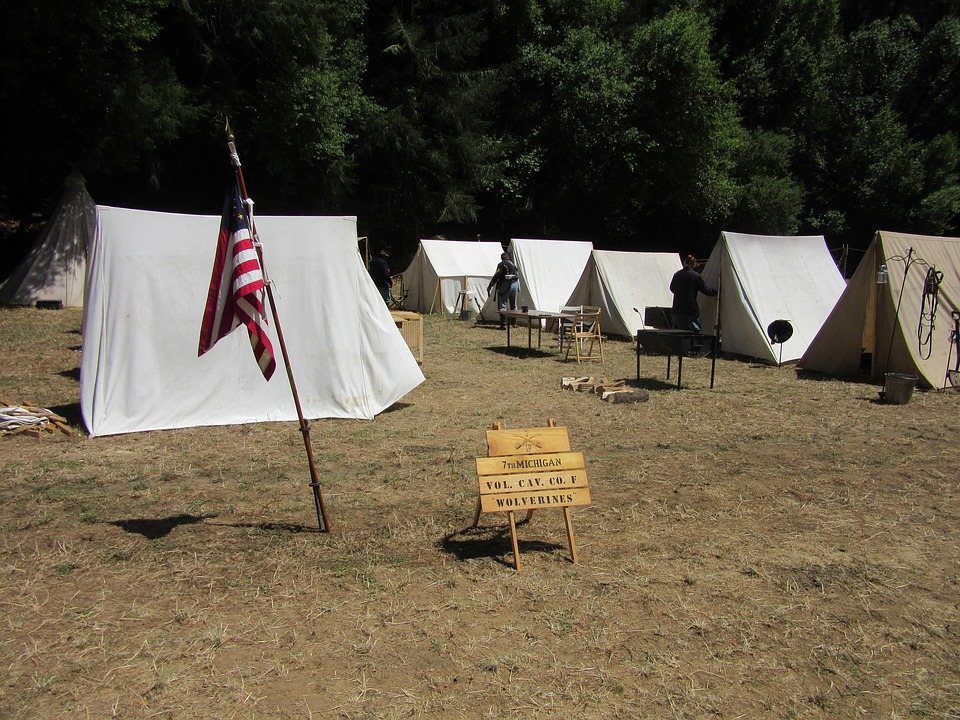
camp-1786750_960_720The A tent (also called Wedge tent) was a canvas tent stretched over a six-foot horizontal bar, supported by two upright posts. This tent resembles the letter “A.” The area inside is about 7 square feet. It was intended to sleep four. The number sometimes grew to five or six men, which made for tight sleeping quarters.

Another type was the Hospital or Wall tent. These had four upright sides and came in different sizes. Those used in field hospitals held 6 to 20 patients. These tents were often joined together to increase space by ripping the center seams.

All of these shelters were widely used by troops in training before they left their state.

Shelter tents were invented early in the war for the rank and file (privates) who carried half the tent on the march. These halves were about five feet by four and a half feet with a single row of buttons and buttonholes. These were made into a whole tent by buttoning the half shelter to a comrade’s half shelter to make a roof.

Armies on marches didn’t take the trouble to put up tents in good weather. If cold or rainy, comrades placed two muskets with bayonets in an upright position the distance of the half shelter apart. They stretched a rope between the trigger guards to make a tent ridge pole.

The infantry got so much practice that it didn’t take long to put up the tent—even after a long day of marching.

-Sandra Merville Hart

Sources

Billings, John D. Hardtack & Coffee, University of Nebraska Press, 1993.


Civil War: Confederate Remedy for Chills

As a writer of historical novels, I love to run across remedies used in past centuries. A wonderful book, Confederate Receipt Book, contains a few cures from the Civil War era.

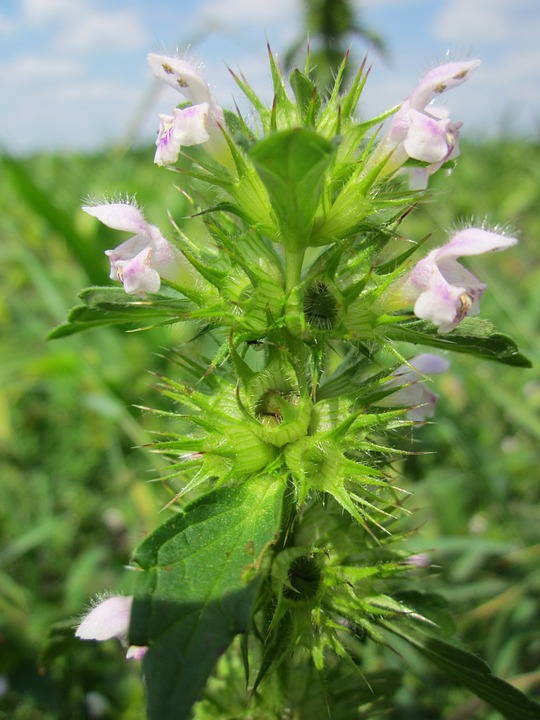
A common cure for chills was horehound, spelled hoarhound in the book. The soldiers believed that horehound, boiled in water and drunk as tea, was a “certain cure.”

People are usually running a fever when chilling. This leads me to believe that Confederate soldiers used the tea to reduce fever.

Is the herb still used medicinally today? Did the soldiers boil the leaves to make tea? The roots? The recipe does not say so I began researching.

Horehound is a bitter herb from the mint family. According to Mountain Rose Herbs, the part of the plant that is above the ground is dried and cut for use in teas and tinctures.

An article from Drugs.com supports this. Home remedies use the flower tops and leaves in bitter tonics to relieve the common cold.

The FDA ruled in 1989 that it didn’t find horehound, among others, to be useful in cough and cold medicines so products containing these ingredients had to be removed from the market.

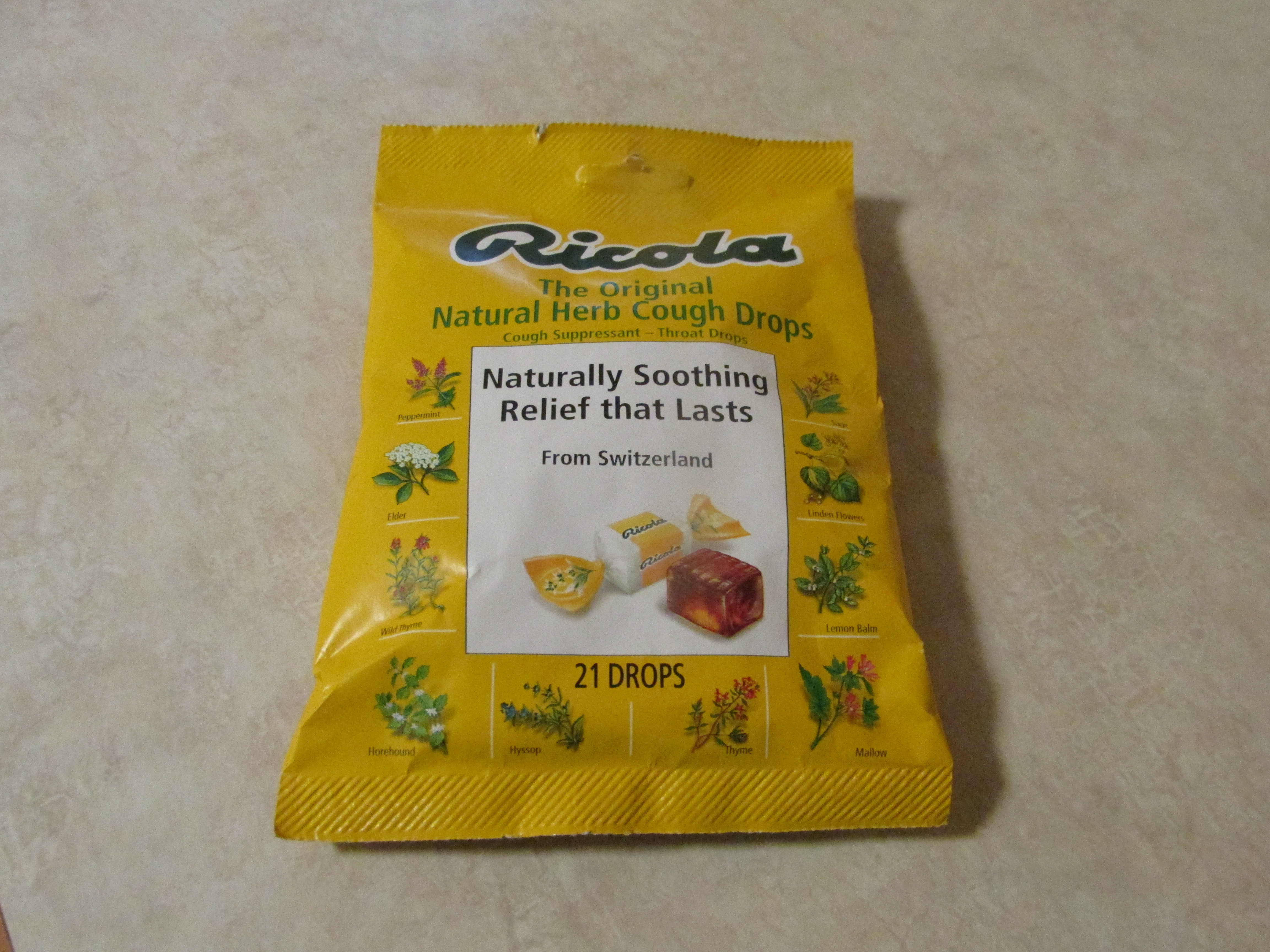
Ricola, a cough suppressant made outside the United States, contains the herb and is sold in the US.

In modern times, horehound may be found in candies, liqueurs, and cough drops.

The articles I read suggest that more research is required to evaluate the safety of horehound and is not recommended for pregnant and nursing women. Physicians should be consulted before using this medicinally.

I love to find these old cures so that I can use them in my writing. Those who volunteer as Civil War reenactors may also enjoy this information. I have not tried this tea as a cure for cold or fever and I’m not recommending it. This is merely meant to be fun and educational.

-Sandra Merville Hart


Sources

A Compilation of Over One Hundred Receipts, Adapted to the Times. Confederate Receipt Book, Applewood Books, 1863.

“Horehound,” Drugs.com, 2017/03/11 https://www.drugs.com/npc/horehound.html.

“Horehound,” Mountain Rose Herbs, 2017/03/11 https://www.mountainroseherbs.com/products/horehound/profile.

“Horehound Herb,” Naturalremedies.org, 2017/03/11 http://www.naturalremedies.org/horehound/.


Civil War – Enlisting

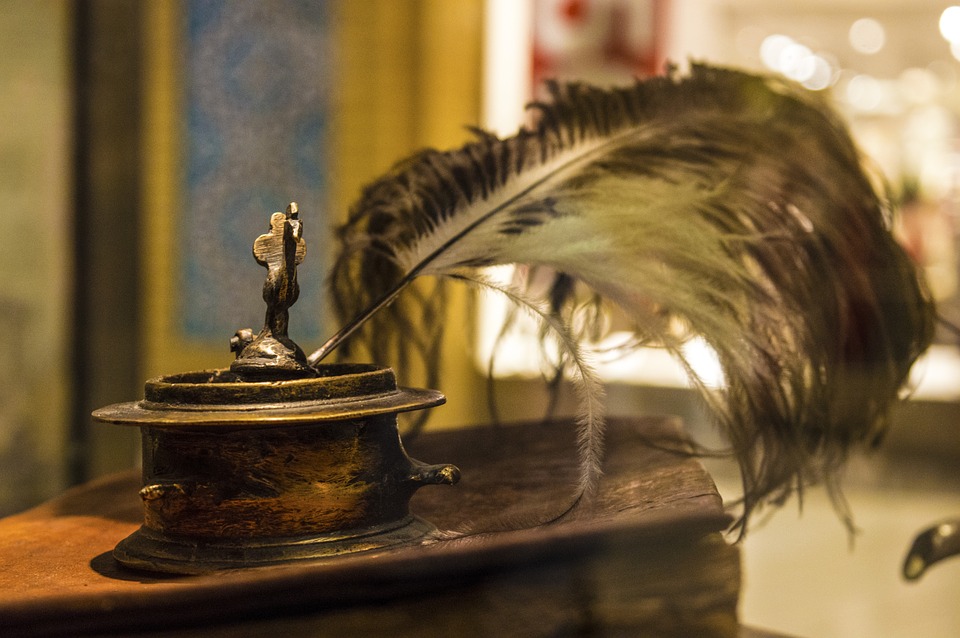
pen-1035081_960_720

President Abraham Lincoln saw early in the war that the three months originally asked of Union soldiers wasn’t long enough and put out a call for three-year volunteers on May 3, 1861. Thousands responded.

The War Department assigned a quota for additional troops to each state in 1862. The states then informed cities and towns how many men each must furnish to meet the quota.

Towns held outdoor war meetings where orators encouraged men to enlist. Musicians performed. Choirs sang “Red, White, and Blue” and “Rallied ’Round the Flag.” Veteran soldiers who fought in 1812 fired up the crowds by saying they’d enlist again if not so old. A woman, waving a handkerchief, said she’d fight if she was a man.

Some man usually offered to enlist if a certain (higher than expected) number of others signed up. John Billings, Union soldier, witnessed one man issuing such a challenge who, when the number was met, crept away without signing as townspeople jeered.

american-flag-1911633_960_720Flags waved. Choirs continued to sing. The patriotic fever-pitch prompted many to sign. Once the first hero signed his name and was led to a platform in front of a cheering crowd, a second man stepped forward. Soon there was a line in front of the enlistment roll.

After signing the roll, recruits submitted to a medical examination to determine fitness to serve. The men, naked, were examined with thumps to the chest and back. They jumped, bent over, and kicked to determine soundness. Teeth and eyesight were checked. A certificate was given when passing the test.

Then he went to the recruiting station to sign the company or regimental roll that he was entering. With his signature, the recruit included his height, complexion, and occupation.

After this, a guard accompanied him to an examining surgeon to determine his soundness to serve.

These soldiers trained in camps for several weeks for new regiments. If they joined an existing regiment, they were usually fighting much sooner.

Before leaving the state, soldiers were mustered into service. Here is the oath of muster:

“I, (name), do solemnly swear that I will bear true allegiance to the United States of America, and that I will serve them honestly and faithfully against all their enemies and opposers whatsoever, and observe and obey the orders of the President of the United States, and the orders of the officers appointed over me according to the rules and articles for the government of the armies of the United States.”

-Sandra Merville Hart

Sources

Billings, John D. Hardtack & Coffee, University of Nebraska Press, 1993.


Sagamite – Confederate Soldier Recipe

blog-143

Recipes used to be called ‘receipts.’ Confederate soldiers published a fun book of recipes in 1863 called Confederate Receipt Book. I tried their recipe for Sagamite.

Actually, the recipe is called Indian Sagamite because it uses Indian meal. I was unable to find that type of meal at the grocery store.

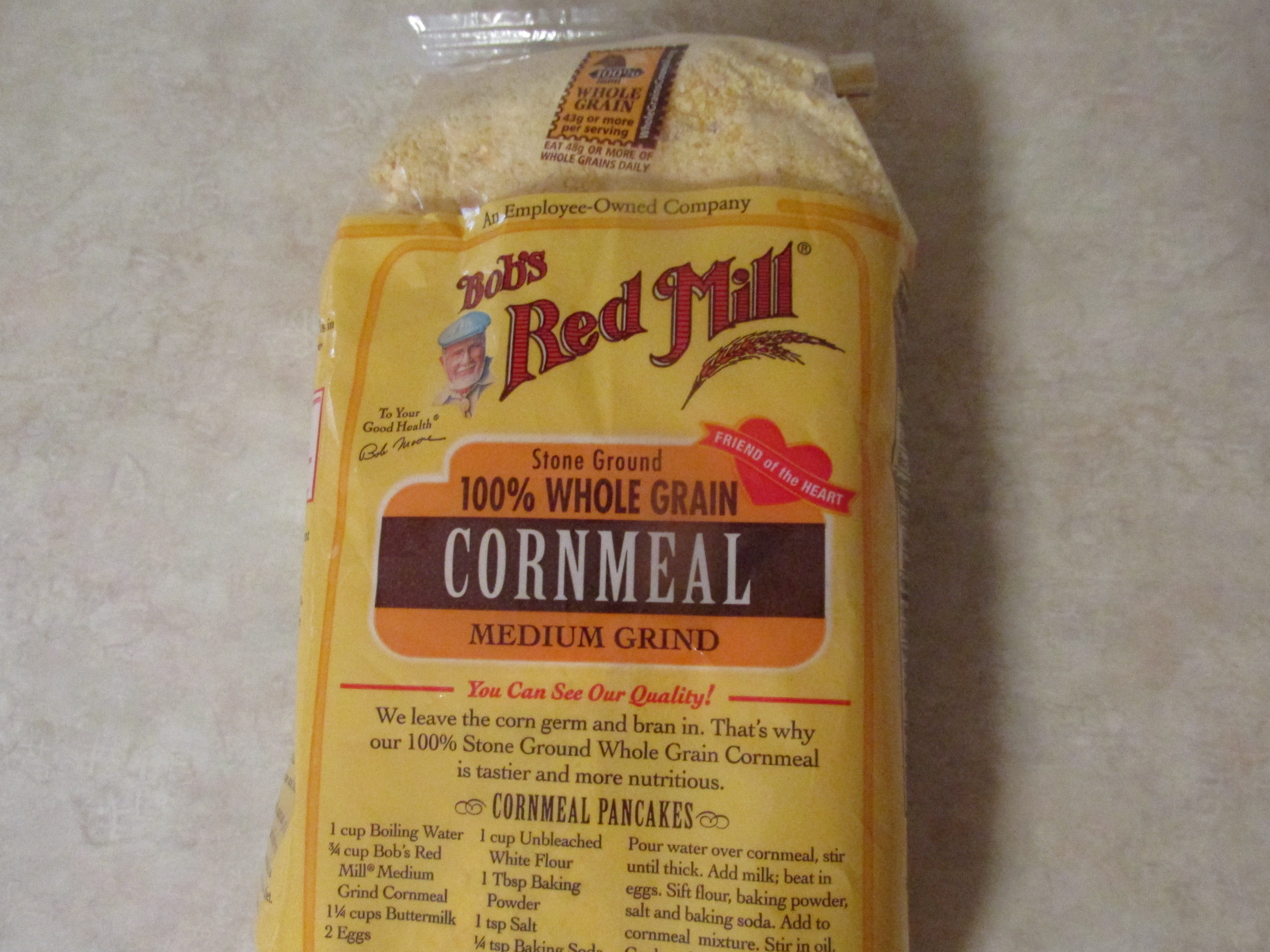
blog-132Thinking that self-rising meals weren’t something the soldiers had on hand, I chose whole grain corn meal. This meal is a little coarse and grainy—possibly closer to what the Confederates used.

Combine 1 ½ cups of meal and ½ cup of brown sugar.

Those were the only ingredients listed. Since the recipe called for browning it over the fire, I knew something else had to be added to make this into a cake. (Or perhaps they ate it as crumbs, but that seems unlikely.)

I considered adding milk, water, or butter to the mixture. I decided on water because soldiers didn’t often have milk or butter.

I added ½ cup of water. This made it a bit runny, so next time I will add ¼ cup of water to make thicker cakes.

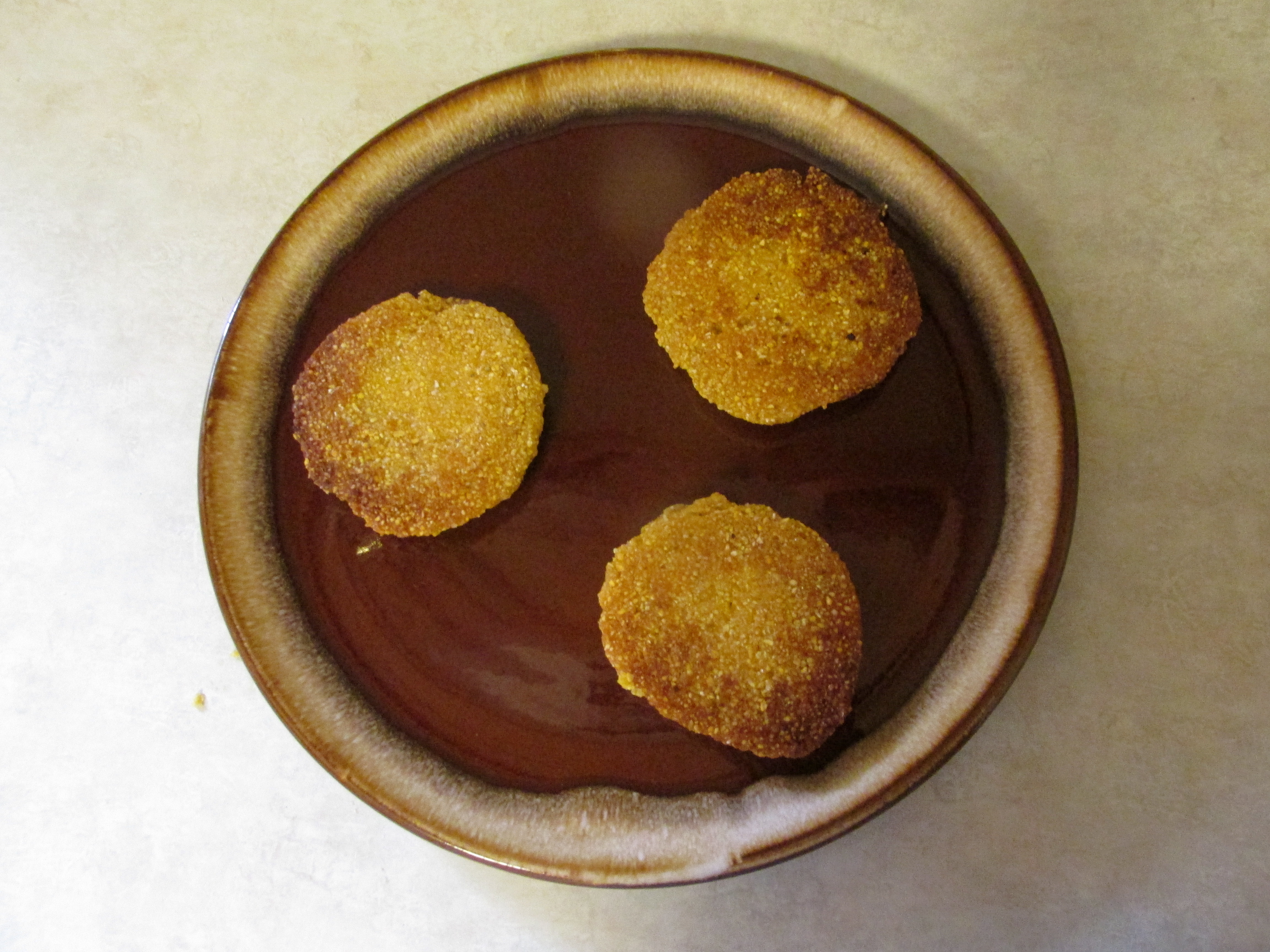
blog-139Add about a tablespoon of shortening to a skillet. Can use more if needed. When shortening melts, fry the cakes for 2 to 3 minutes on both sides over medium heat.

I enjoyed the flavor. It tastes like sweet, fried cornbread.

Soldiers ate small quantities of this while scouting—and probably on long marches. It didn’t require much to appease hunger and had the added benefit of satisfying thirst. I ate half of one of these cakes for lunch and noticed that it satisfied both my hunger and thirst. I ate a few bites of soup only because it was already cooked and didn’t need anything else. I was amazed that such a small amount of food made a meal.

If you try this, I’d love to hear if you had the same experience.

I imagined these cornbread cakes were handy on days of battle and added a scene with Sagamite in my upcoming Civil War novel, A Rebel in My House, that releases in July.

-Sandra Merville Hart

Sources

A Compilation of Over One Hundred Receipts, Adapted to the Times. Confederate Receipt Book, Applewood Books, 1863.