Civil War Women: Major Pauline Cushman, Actress to Spy

Harriet Wood became an actress a few years before the Civil War began and changed her name to Pauline Cushman, touring the country for various plays.

While Civil War battles raged early in 1863, a role led her to Wood’s Theater in Union-controlled Louisville, Kentucky. There were paroled Confederate officers in the area. Pauline’s beauty captured their attention and one asked her to toast Confederate President Jefferson Davis from the stage.

Her adventurous spirit aroused, Pauline met with Union Colonel Moore, Louisville’s provost marshal. The colonel, seizing the opportunity for her to gain the Southerners’ trust, advised her to accept the challenge.

While on stage the next evening, Pauline raised her glass in a toast. “Here’s to Jeff Davis and the Southern Confederacy. May the South always maintain her honor and her rights.”

Her impromptu toast appalled Union supporters in the crowd and thrilled Southern sympathizers. Pauline was fired and sent to the South.

Pauline traveled to Nashville where she met with Union Colonel William Truesdail, the Chief of Army Police. Truesdail asked to her to learn what she could about the Confederates, though he warned that, if caught spying, she’d be hanged.

She soon gained the trust of the Southerners. While at Confederate General Braxton Bragg’s army camp, she found his battle plans. The Southerners became suspicious of her. Pauline’s quick thinking and acting skills nearly saved her—until the battle plans were discovered in her shoe.

At a trial, she was found guilty and sentenced to death. Pauline then became seriously ill—or employed her acting skills to seem so—delaying her hanging. Then, at the end of June, she heard a loud commotion outside. The Confederates abandoned the camp, leaving Pauline behind. To her great joy, the sound of Union bugles blared in the camp and she was rescued.

Both President Abraham Lincoln and General James A. Garfield (future President) praised Pauline. General Garfield gave her the rank of major as thanks for her suffering while in secret service.

Before the Civil War ended, Pauline began touring as Miss Major Cushman, speaking about her adventures and performing one-woman plays about them.

-Sandra Merville Hart
Sources

Biography.com Editors. “Pauline Cushman Biography,” Biography.com, 2019/03/17 https://www.biography.com/people/pauline-cushman.

Moore, Frank. Women of the War: True Stories of Brave Women in the Civil War, Blue Gray Books, 1997.

“Pauline Cushman,” NPS.gov, 2019/03/17 https://www.nps.gov/people/pauline-cushman.htm.
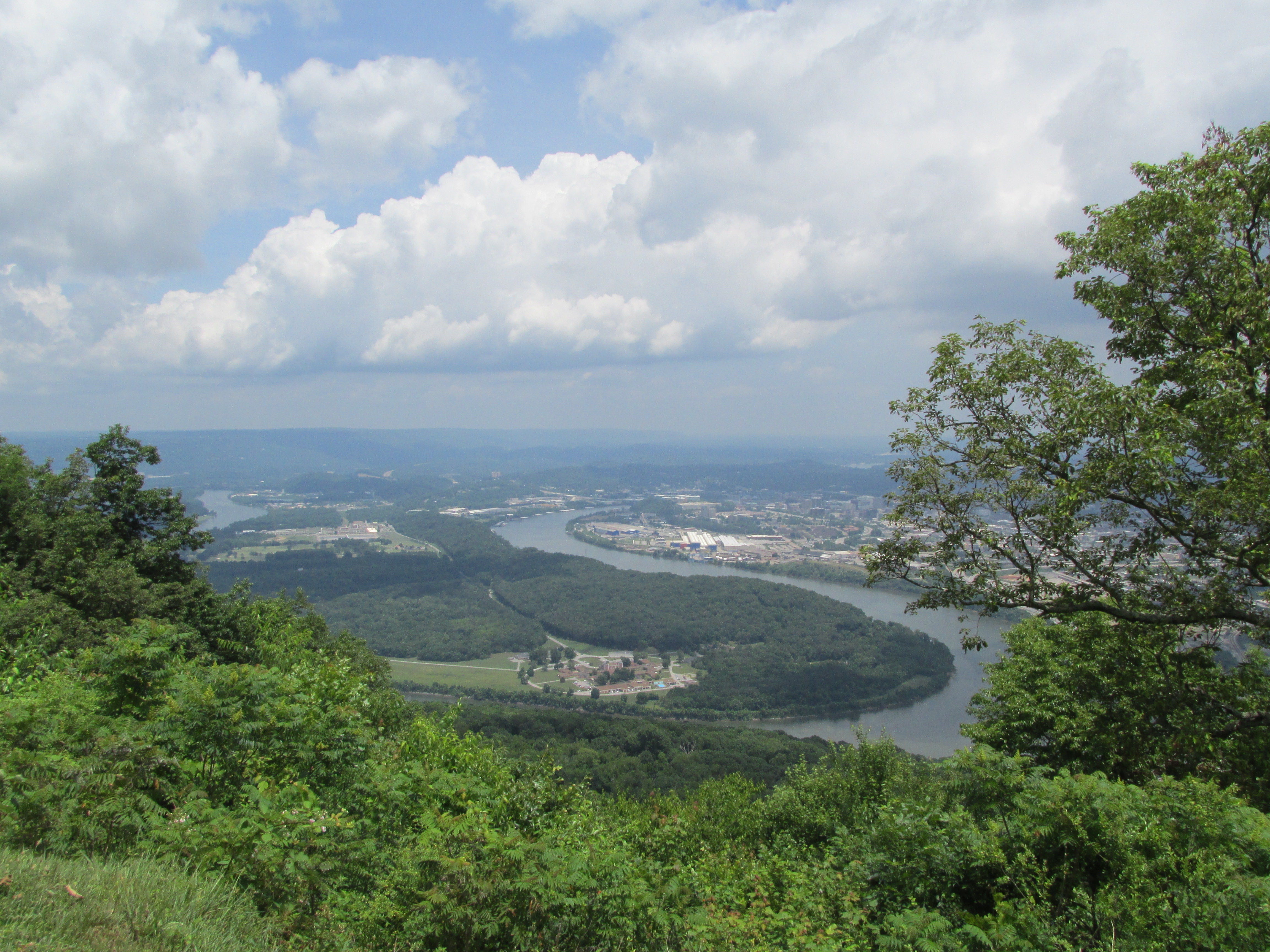
 

Siege of Chattanooga

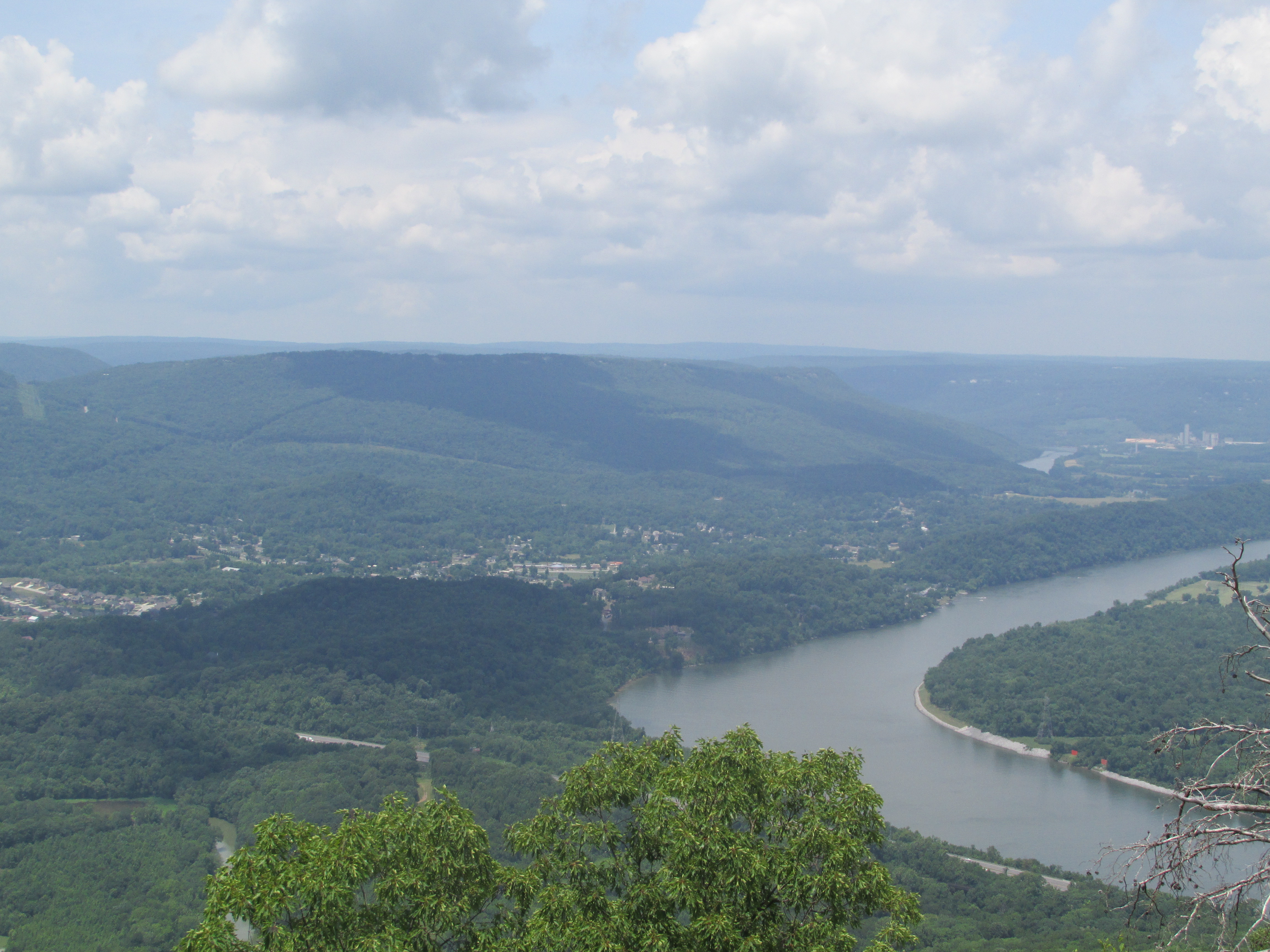
Beautiful view of the Tennessee River and Chattanooga from Point Park on Lookout Mountain

Beautiful view of the Tennessee River and Chattanooga from Point Park on Lookout Mountain

After the Confederates won the Battle of Chickamauga in September of 1863, Union generals anticipated an attack in Chattanooga. Those not working to build up fortifications waited in lines of battle to ward off an attack.

Another major battle didn’t come though some fighting erupted as the two armies met again. Southern soldiers took up positions on Missionary Ridge, which rose to about six hundred feet and formed a wall on the east side of Chattanooga. On the west side of the valley stood the impressive Lookout Mountain. Union General Rosecrans withdrew his troops from this mountain on September twenty-fourth.

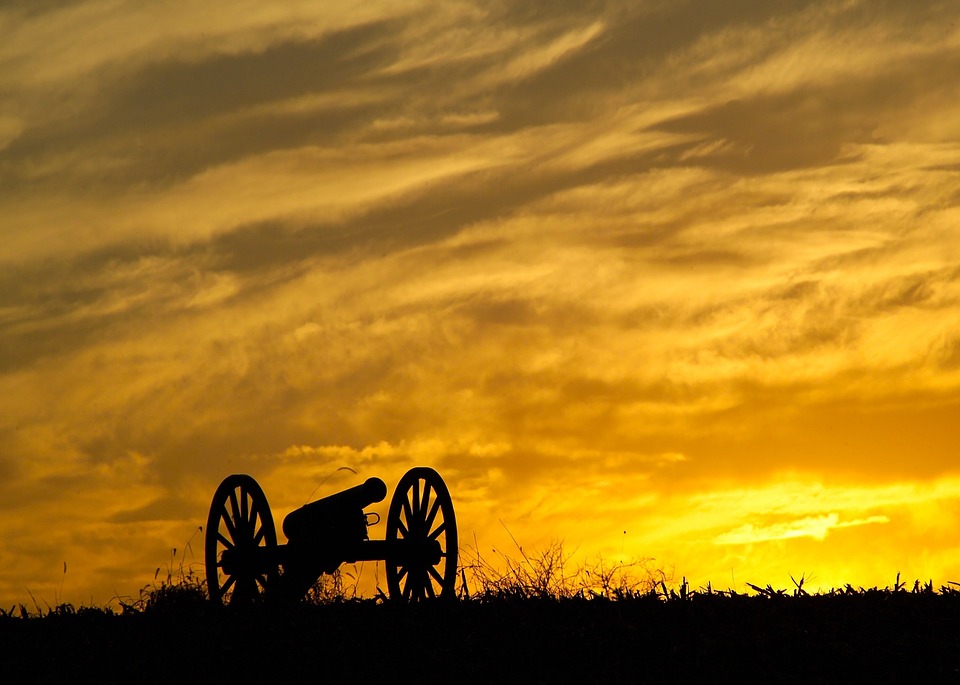
Confederate cannons at Point Park Lookout Mountain with a view of Chattanooga and the Tennessee River in the background

Confederate cannons at Point Park Lookout Mountain with a view of Chattanooga and the Tennessee River in the background

The Confederate Army immediately occupied the dominant mountain that rose over two thousand feet above sea level. The southerners placed sharpshooters and artillery along the Tennessee River valley.

This blocked the flow of supplies to the Union Army in Chattanooga and placed them under siege.

Union soldiers waited anxiously for a truce to retrieve the wounded from Chickamauga and bury the dead. Confederate General Bragg allowed Union General Rosecrans to send ambulances and hospital supplies to the thousands of Northern wounded. These ambulance wagons crossed into Confederate lines where southern soldiers took over, picked up the wounded, and returned them as paroled prisoners of war.

Those who stood guard on the picket lines of both sides agreed not to fire on each other. This truce brought about socializing between the soldiers of both lines. They began trading coffee and tobacco or swapping newspapers. Soldiers crossed picket lines to play cards together, building tentative friendships that couldn’t last.

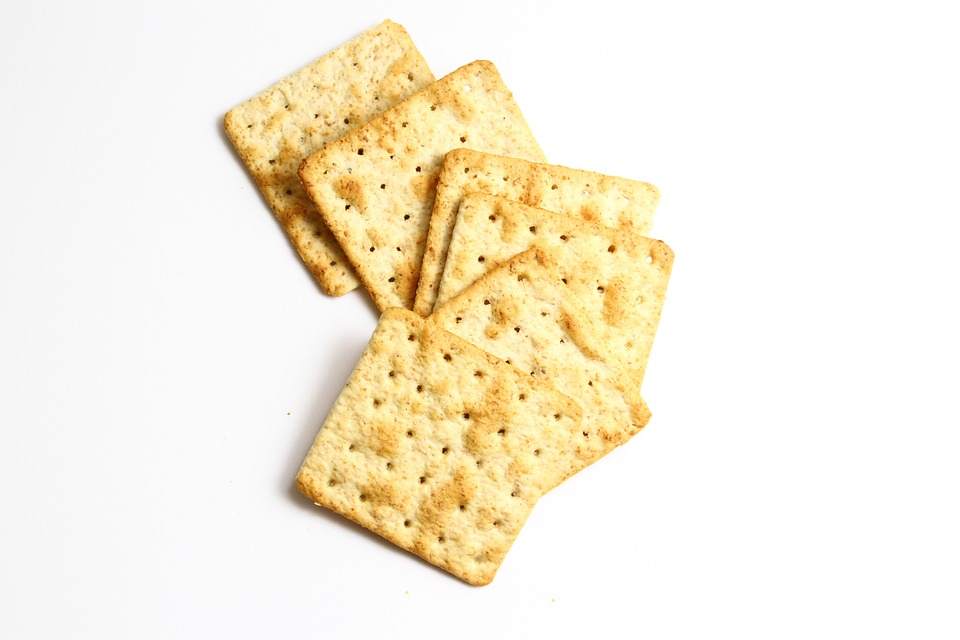
biscuit-crackers-973915_960_720Union supplies dwindled. Soldiers received half-rations of food. They built fortifications and worked harder than normal, but no one received sufficient food. This affected the animals. Mules and horses, so important in moving artillery and supply wagons, started dying by the dozens.

When the food was cut to quarter-rations, many wondered if they would all starve to death in Tennessee. Men lost too much weight to be healthy.

Ipresident-391121_960_720n mid-October, leaders in Washington combined the Departments of the Ohio, the Tennessee, and the Cumberland into the Military Division of the Mississippi and chose General Ulysses S. Grant to command it. Rosecrans was relieved of his command. Maybe Grant could unlock the siege and open supply lines.

IMG_0127After Union troops captured Brown’s Ferry, a supply route to provide food opened. The soldiers called it the “Cracker Line” for the hard squares of bread known as hard tack, a staple in their diet. A few days later, jubilant soldiers drew full rations. Only after stomachs were satisfied did some realize their dire circumstances. Before the shipment arrived, only four boxes of hard tack remained in the commissary warehouses.

Only then did they realize how close to starving the Union Army had come.

-Sandra Merville Hart

Sources

Korn, Jerry. The Fight for Chattanooga: Chickamauga to Missionary Ridge, Time-Life Books, 1985.

Sword, Wiley. Mountains Touched with Fire: Chattanooga Besieged, 1863, St. Martin’s Press, 1995.

Woodworth, Steven E. Six Armies in Tennessee: The Chickamauga and Chattanooga Campaigns, University of Nebraska Press, 1998.


This Week In History: Battle of Perryville

landscape-1259711_960_720

Wednesday, October 8, 1862

Confederate General Braxton Bragg led his army into Kentucky, a border state, in the summer of 1862. The largest battle fought in that state happened near Perryville at the Chaplin Hills; therefore, it is called the Battle of Perryville and the Battle of Chaplin Hills.

Buell’s Union troops in the rear didn’t hear cannons and musket fire from the front lines because of an atmospheric phenomenon that masked the noise. Buell didn’t hear the familiar combat sounds that would have prompted him to send in reserve soldiers.

This phenomenon also affected Bragg. Though the Southerners won, being outnumbered more than two-to-one and low on supplies prompted him to retreat.

This ended the Confederate invasion of Kentucky.

-Sandra Merville Hart

Sources

Long, E.B with Long, Barbara. The Civil War Day by Day: An Almanac 1861-1865, A Da Capo Paperback, 1971.

“Perryville,” Civil War Trust, 2016/08/03 http://www.civilwar.org/battlefields/perryville.html.