Civil War Women: Rose O’Neal Greenhow, Confederate Spy

Rose O’Neal Greenhow lived in Washington D.C. when the Civil War began. When many other Southerners left, the widow remained with her eight-year-old daughter, Rose. Union Colonel Thomas Jordan had decided to resign the U.S. Army and fight for the South. Before he left the city, he asked Rose to be an agent. Spying to uncover troop movements and government communications gave her a significant way to serve the South. She agreed to send messages based on a cipher he provided.

Coded messages were sent on a “Secret Line,” which involved several couriers in a chain that passed on messages in common places such as docks, taverns, and farmhouses.

Rose’s spy network from Boston to New Orleans was the largest in the war—48 women and 2 men. She learned battle plans for Bull Run and passed this vital information to Confederate General Beauregard, leading to a Confederate victory at the First Battle of Bull Run.

Several other messages about Washington’s defenses and troop information were sent from Rose to Beauregard. Thomas A. Scott, Assistant Secretary of War, asked Allan Pinkerton, head of Lincoln’s Intelligence Service, to find Confederate spies and put Greenhow under surveillance.

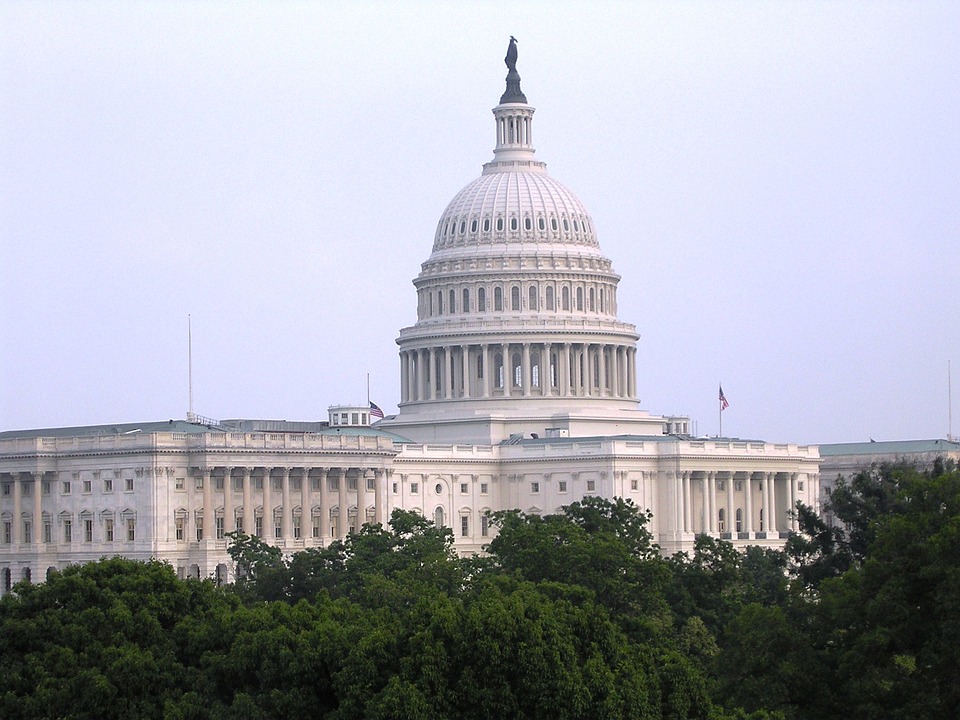
About a month after the Battle of Bull Run, Pinkerton discovered incriminating evidence. The home was searched. Rose and her daughter were placed under arrest at her home. Because she still managed to get other secret messages out, they were moved to Washington’s Old Capitol prison. The Federals then decided to send her South.

On June 4, 1862, she arrived in Richmond, where she was taken to the best hotel. Confederate President Jefferson Davis called her the next day, saying, “But for you there would have been no battle of Bull Run.” Rose wrote that his words made up for all she’d endured.

The following year President Davis sent her to Europe. She took letters from him to France and England. She received money from them to aid the South.

In October 1, 1864, Rose returned on the Condor, a blockade runner. Unfortunately, the USS Niphon, a Union gunboat, came close to the Condor’s position on Cape Fear River. While Confederate soldiers from nearby Fort Fisher fired on the Union gunboat, Rose asked the captain for a lifeboat for herself and two other Confederate agents. Two hundred yards of rough waters were between the boat and the shore. Despite his initial refusal, she finally convinced the captain to provide a boat.

A powerful wave overturned the lifeboat. They swam for shore. Unfortunately, Rose had a bag of gold sovereigns tied around her waist underneath a heavy silk dress. Though she was a good swimmer, she drowned due to the extra weight while her companions made it to safety.

Her body washed ashore the next day. A Confederate soldier found the bag of gold and took it. A search party later found the body. When the soldier discovered Rose’s identity, he returned the sovereigns.

She was buried in Oakdale Cemetery in Wilmington with full military honors.

-Sandra Merville Hart

Sources

Monson, Marianne. Women of the Blue & Gray, Thorndike Press, 2018.

Winkler, H. Donald. Stealing Secrets, Cumberland House, 2010.

Zeinert, Karen. Those Courageous Women of the Civil War, The Millbrook Press, 1998.
 

Son of Former President Surrenders Confederate Command

Confederate Lieutenant General Richard Taylor, son of President Zachary Taylor and brother-in-law of Confederate President Jefferson Davis, began the war as Colonel of the 9th Louisiana Infantry. He fought in the Battle of Bull Run and slowly rose through the ranks.

By April of 1865, he commanded the Confederate Department of Alabama, Mississippi, and East Louisiana. Taylor, leading about 10,000 troops, knew the Confederacy was collapsing when news of Lee’s surrender at Appomattox reached him.

Taylor was honest with his 10,000 troops. He felt that while General Joseph Johnston was still in the fight, they must support him. He also worried for the safety of President Davis and other Government authorities who might need their protection.

His men, including General Nathan Bedford Forrest, joined him in remaining vigilant.

Then Taylor learned that Johnston surrendered to Union General Sherman.

Taylor agreed to meet with Union Major General Edward Canby. The meeting took place north of Mobile, Alabama. They agreed to a 48-hour truce during their May 2nd conversation. The two generals then ate lunch together and enjoyed lively music.

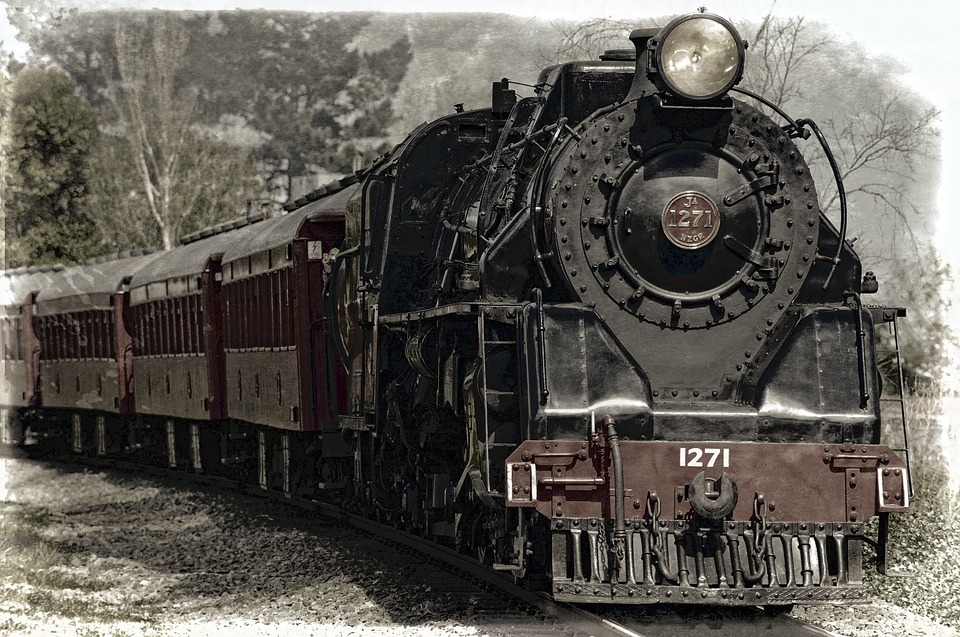
Taylor agreed to the same terms as Lee and Grant. On May 4th, he surrendered at Citronelle, Alabama. Located along the railroad, Citronelle was between Canby’s Mobile headquarters and Taylor’s headquarters in Meridian, Mississippi.

A few days later, Forrest surrendered his cavalry corps.

There is a small park with markers and picnic tables at the location of Taylor’s surrender. More information can be found at the Citronelle Historical Museum.

-Sandra Merville Hart

Sources

“Conclusion of the American Civil War,” Wikipedia.com, 2018/03/21 https://en.wikipedia.org/wiki/Conclusion_of_the_American_Civil_War.

“Richard Taylor,” Civil War Trust, 2018/03/22 https://www.civilwar.org/learn/biographies/richard-taylor.

Plante, Trevor K. “Ending the Bloodshed,” National Archives, 2018/03/21

https://www.archives.gov/publications/prologue/2015/spring/cw-surrenders.html.

“Surrender at Citronelle,” ExploreSouthernHistory.com, 2018/03/22 http://www.exploresouthernhistory.com/citronelle.html.


Confederate General Joseph E. Johnston’s Surrender

Confederate General Joseph E. Johnston was in a tough position in early April of 1865. He had retreated to Smithfield after the Battle of Bentonville in late March. From there, he’d observe the route taken by the Union.

On the morning of April 10th, Johnston’s three corps began marching to Raleigh. He hoped to protect the city from an attack by Sherman. Johnston camped 14 miles east of Raleigh that night.

He then went to Greensboro and met with Confederate President Jefferson Davis and the cabinet. Their meetings spanned two days, but Lee’s surrender was the deciding factor for Davis. They’d surrender.

Johnston sent a note to Sherman, suggesting a meeting to discuss terminating the existing war. While awaiting a reply, he marched his army to Greensboro.

The generals met on Hillsboro road at the small farmhouse of James Bennett, west of Durham. The weather was warm. The breeze carried pleasant smell of apple blossom, lilac, and pine for the April 17th meeting. While at the Bennett Place, they learned of President Lincoln’s assassination.

Johnston wanted to restore permanent peace. He proposed restoring the rights and privileges of Southerners. Sherman left the meeting with questions about granting amnesty to President Davis and his cabinet. They met again the next morning and Sherman wrote the terms.

Davis approved the terms but Lincoln’s cabinet rejected it. The final agreement, signed on April 26, was a military surrender without the earlier agreed-upon terms.

Not waiting for the formal surrender, some Confederate soldiers left for home in small bands. For the rest, paroles and stacking of arms was completed on May 3rd.

The Army of Tennessee lost 12,000 killed and 65,000 wounded on Civil War battlefields.

The army made one final march in corps formation. They marched 50 miles to Salisbury.

-Sandra Merville Hart

Sources

Connelly, Thomas Lawrence. Autumn of Glory: The Army of Tennessee, 1862-1865, Louisiana State University Press, 1971.

Daniel, Larry J. Soldiering in the Army of Tennessee, The University of North Carolina Press, 1991.

“Johnston’s Surrender at Bennett Place on Hillsboro Road,” Wadehamptoncamp.org, 2018/03/19 http://www.wadehamptoncamp.org/hist-js.html.


Civil War General Lee Sends a Frightening Message


Confederate President Jefferson Davis and his family lived in the executive mansion in Richmond, Virginia. Citizens grew accustomed to hearing artillery fire in nearby Petersburg after months of fighting. With General Robert E. Lee in command, they felt safe.

Confederate President Jefferson Davis didn’t feel quite as secure. By the morning of April 2, 1865, he had already sent his family away from the city.

Still, when Davis received a message during church services on Sunday morning, April 2, color drained from his face. He immediately exited the church, leaving the congregation to wonder what momentous event had occurred to warrant his haste.

The telegram was from General Lee. He advised Davis to leave Richmond that night.

Davis issued orders to evacuate the Confederate government, though citizens were not given notice for hours. However, the sight of official documents burning in front of government buildings warned of terrible events.

Citizens learned that the government was evacuating at 4 pm. Officials and other prominent citizens abandoned the city rapidly. They exited by train. They rode out on horseback, carts, and carriages. They boarded canal barges and boats to avoid the Union soldiers.

Davis arranged to leave by train at 8:30 pm yet continued to hope it wouldn’t be necessary. He and three cabinet members delayed leaving until 11 pm. Confederate soldiers crossed the river on pontoon boats.

Chaos reigned in Richmond. City officials ordered men to destroy kegs and bottles of liquor from saloons and warehouses. They poured them into street drains, attracting crowds. Folks scooped up whiskey in boots and hats to gulp it down.

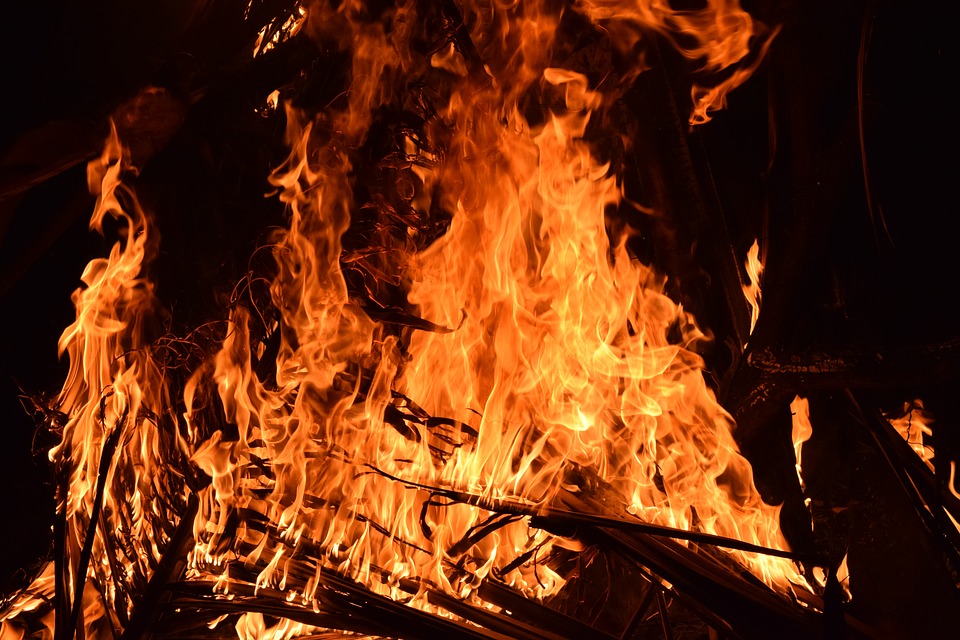
Richmond’s military commander, Lieutenant General Richard Ewell, stayed behind with a few soldiers to burn the city’s supplies of cotton, tobacco, and food. These were set afire inside buildings with the fire department nearby to keep it under control.

The stocks of meat, coffee, and other staples enraged starving citizens. They grabbed the food and then began looting stores. Fires blazed out of control. Arsenals on ships exploded.

Fires still burned the next morning when Union cavalry arrived.

-Sandra Merville Hart

Source

“Reaction to the Fall of Richmond,” Civil War Trust, 2017/10/29 https://www.civilwar.org/learn/articles/reaction-fall-richmond.


Civil War Home of Confederate President Jefferson Davis

Confederate President Jefferson Davis moved his family to the former  home of Dr. John Brockenbrough in Richmond, Virginia. This home served as the executive mansion from August, 1861, until April 2, 1865.

The capital of Virginia became the Confederate capital. The once quiet city changed into a transportation hub. Military headquarters, hospitals center for wounded soldiers, and a prison for captured Union soldiers increased the city’s population. Richmond also boasted of industries such as the Tredegar Iron Works.

Citizens grew accustomed to changes the war brought to their city though they didn’t enjoy knowing the Union army saw Richmond as a target.

Davis held important meetings with his generals at the executive mansion. Richmond citizens and military leaders often gathered in Davis’s parlor, where Varina, his wife, participated in war discussions.

Meticulous with details, Davis had a difficult time delegating. His family lay tucked in bed long after he still worked. His dignified demeanor coupled with his military and political career made him popular in the beginning. His impatience with folks who didn’t see eye-to-eye with him soon chipped away at his popularity.

His family also suffered personal tragedy while living at the White House of the Confederacy. His five-year-old son, Joseph, fell and died in 1864.

-Sandra Merville Hart

Sources

“Biography: Jefferson Davis,” Civil War Trust, 2017/10/29

https://www.civilwar.org/learn/biographies/jefferson-davis.

“Jefferson Davis,” Wikipedia, 2017/10/29 https://en.wikipedia.org/wiki/Jefferson_Davis.

“The White House and Museum of the Confederacy,” American Civil War Museum, 2017/10/29 https://acwm.org/about-us/our-story/museum-white-house-confederacy.

Civil War Confederate President Jefferson Davis

Confederate President Jefferson Davis and his family lived in the home of Dr. John Brockenbrough in Richmond, Virginia. This home served as the executive mansion from August, 1861, to April 2, 1865.

Davis had suffered from many personal losses before he stepped into the foyer of the impressive Federal style mansion in Richmond.

He fell in love with Zachary Taylor’s daughter, Sarah, while the future President Taylor was still a Colonel. Recognizing the difficulties of frontier army life, Taylor refused to allow Sarah to become a military wife.

His reasons swayed Davis to resign from his post. The couple married on June 17, 1835. Two months later, the newlyweds traveled to his sister’s home in Louisiana. Sadly, they both fell ill with malaria. Sarah died. Davis’s family feared that malaria would also take Jefferson’s life, but he slowly recovered.

He lived on his Mississippi cotton plantation for about eight years before meeting Varina Howell, a guest at his brother’s home. He proposed and married the eighteen-year-old in 1845.

Samuel Emory, their oldest son, was born in 1852 and died a month shy of his second birthday. Margaret Howell was born in 1855—Davis’s only child who married. Jefferson Davis, Jr., was born in 1857. A third son, Joseph,  was two when the Davis family moved to Richmond.

Varina was pregnant with William Howell in August of 1861.

When Davis crossed the threshold into his new home, he didn’t know that his son, Joseph, would fall to his death at age five in 1864. Or that Varina Anne “Winnie” would be born two months after Joseph’s death. Winnie, born during the war, became known as the Daughter of the Confederacy.

In addition to his personal sorrows, Davis suffered from old battle wounds, recurring bouts of malaria, a chronic eye infection, and trigeminal neuralgia, a painful nerve disorder.

Davis was selected as President for a six-year term, a job he didn’t want. With his training at West Point and his army experience, he preferred a military command. As President, he had little patience for folks who disagreed with him.

No, Davis could not know all the difficulties that awaited him as he stepped into the mansion in Richmond. His courage might have failed had he been able to see into the future.

-Sandra Merville Hart

Sources

“Biography: Jefferson Davis,” Civil War Trust, 2017/10/29

https://www.civilwar.org/learn/biographies/jefferson-davis.

“Jefferson Davis,” Wikipedia, 2017/10/29 https://en.wikipedia.org/wiki/Jefferson_Davis.

“The White House and Museum of the Confederacy,” American Civil War Museum, 2017/10/29 https://acwm.org/about-us/our-story/museum-white-house-confederacy.

“White House of the Confederacy,” NPS.gov, 2017/10/29 https://www.nps.gov/nr/travel/richmond/WhiteHouse_of_theConfederacy.html.


Civil War Post-War Home of Confederate President Jefferson Davis

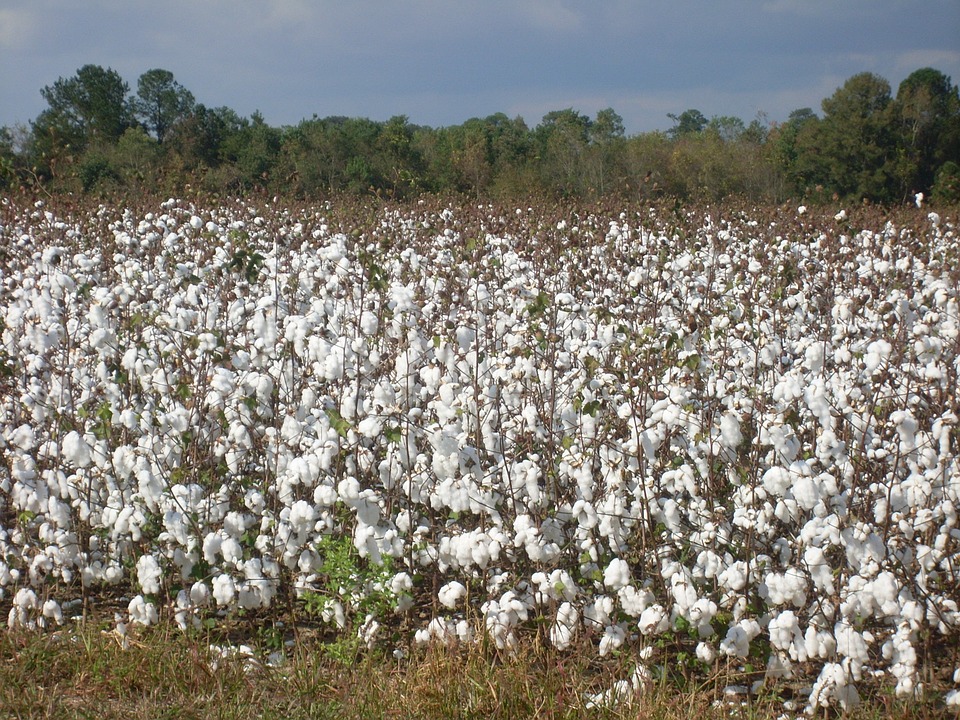
Widow Sarah Dorsey invited former Confederate President Jefferson Davis to stay at Beauvoir, her 608-acre cotton plantation in Biloxi, Mississippi. She provided a cottage for Davis to live in with his wife, Varina, and their daughter, Winnie.

Sarah, a novelist and author of biography of Louisiana Governor Henry Watkins Allen, aided Davis in writing his memoir. She organized notes and took dictation. Davis’s book, The Rise and Fall of the Confederate Government, published in 1881, two years after Sarah died.

Sarah willed her plantation to Davis and his daughter, Winnie.

The Davis family moved into the main house after the inheritance, where Davis lived until his dead in 1889. Varina wrote Jefferson Davis: A Memoir (1890) and then moved to New York City with her daughter in 1891.

After Winnie died in 1898, Varina owned Beauvoir. She sold a large portion to the Mississippi Division of the Sons of Confederate Veterans. It was to be a home for Confederate veterans and widows and then as a memorial to Davis.

The Sons of Confederate Veterans built a hospital, 12 barracks, and a chapel. About 2,500 veterans and their families lived there from 1903 to 1957.

Today this site is a Confederate Soldier Museum. Visitors will also see the former Confederate Veterans’ Home, cottage plantation home, the Jefferson Davis Presidential Library and Museum, historic Confederate cemetery with a Tomb of the Unknown Confederate Soldier.

-Sandra Merville Hart

Sources

“Beauvoir (Biloxi, Mississippi,)” Wikipedia, 2017/07/04

https://en.wikipedia.org/wiki/Beauvoir_(Biloxi,_Mississippi).