Sagamite – Confederate Soldier Recipe

blog-143

Recipes used to be called ‘receipts.’ Confederate soldiers published a fun book of recipes in 1863 called Confederate Receipt Book. I tried their recipe for Sagamite.

Actually, the recipe is called Indian Sagamite because it uses Indian meal. I was unable to find that type of meal at the grocery store.
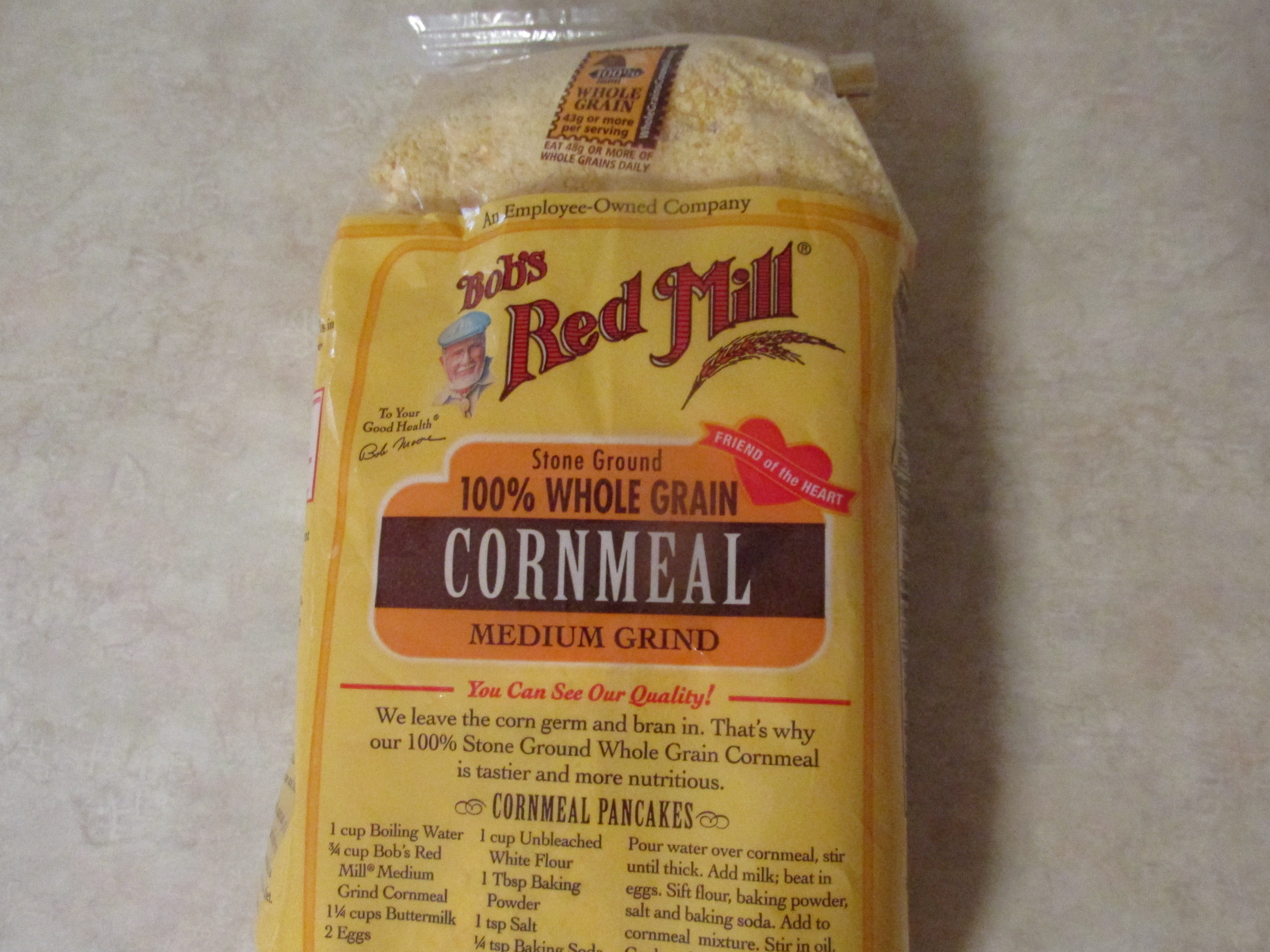
blog-132Thinking that self-rising meals weren’t something the soldiers had on hand, I chose whole grain corn meal. This meal is a little coarse and grainy—possibly closer to what the Confederates used.

Combine 1 ½ cups of meal and ½ cup of brown sugar.

Those were the only ingredients listed. Since the recipe called for browning it over the fire, I knew something else had to be added to make this into a cake. (Or perhaps they ate it as crumbs, but that seems unlikely.)

I considered adding milk, water, or butter to the mixture. I decided on water because soldiers didn’t often have milk or butter.

I added ½ cup of water. This made it a bit runny, so next time I will add ¼ cup of water to make thicker cakes.

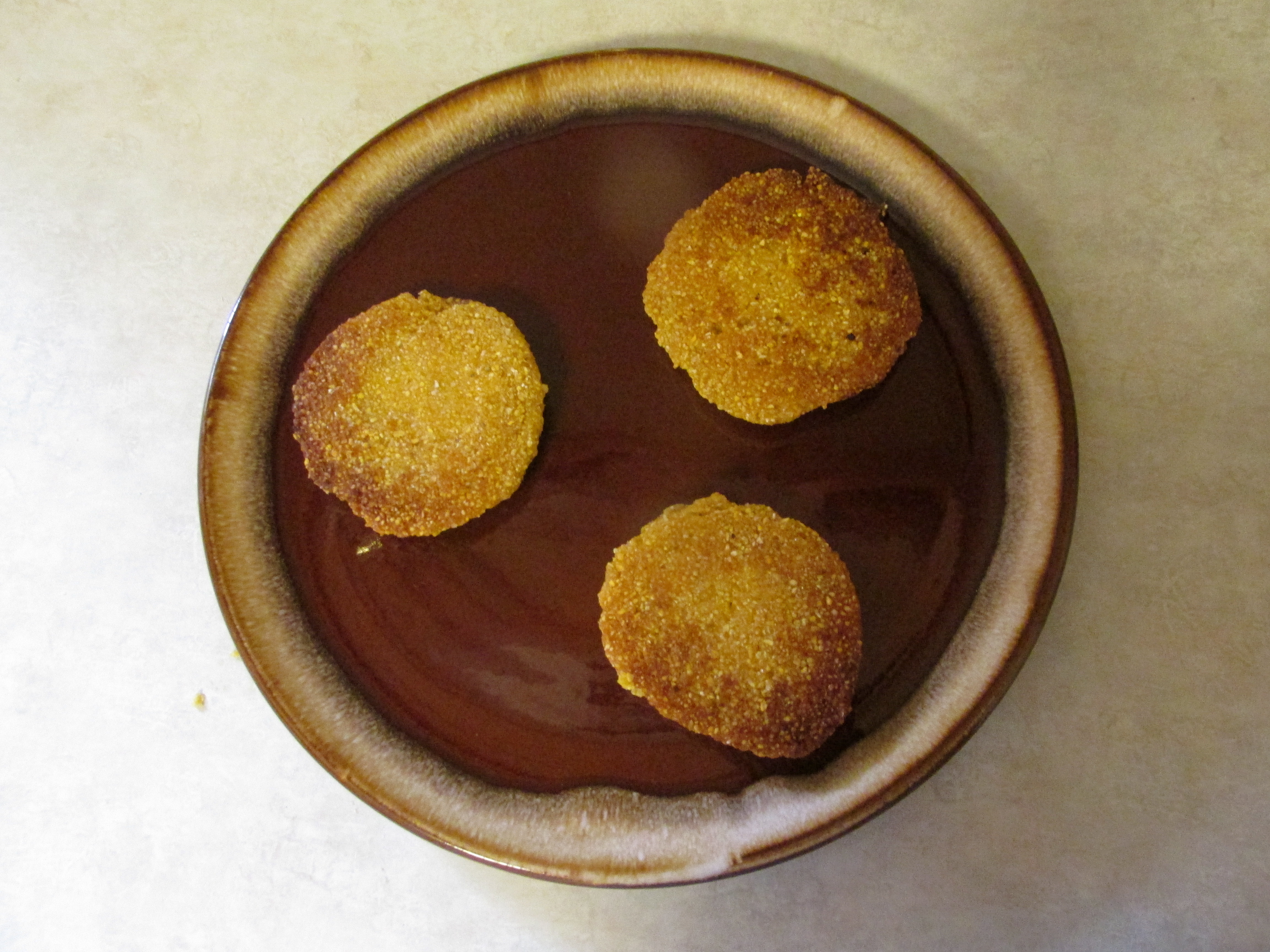
blog-139Add about a tablespoon of shortening to a skillet. Can use more if needed. When shortening melts, fry the cakes for 2 to 3 minutes on both sides over medium heat.

I enjoyed the flavor. It tastes like sweet, fried cornbread.

Soldiers ate small quantities of this while scouting—and probably on long marches. It didn’t require much to appease hunger and had the added benefit of satisfying thirst. I ate half of one of these cakes for lunch and noticed that it satisfied both my hunger and thirst. I ate a few bites of soup only because it was already cooked and didn’t need anything else. I was amazed that such a small amount of food made a meal.

If you try this, I’d love to hear if you had the same experience.

I imagined these cornbread cakes were handy on days of battle and added a scene with Sagamite in my upcoming Civil War novel, A Rebel in My House, that releases in July.

-Sandra Merville Hart

Sources

A Compilation of Over One Hundred Receipts, Adapted to the Times. Confederate Receipt Book, Applewood Books, 1863.
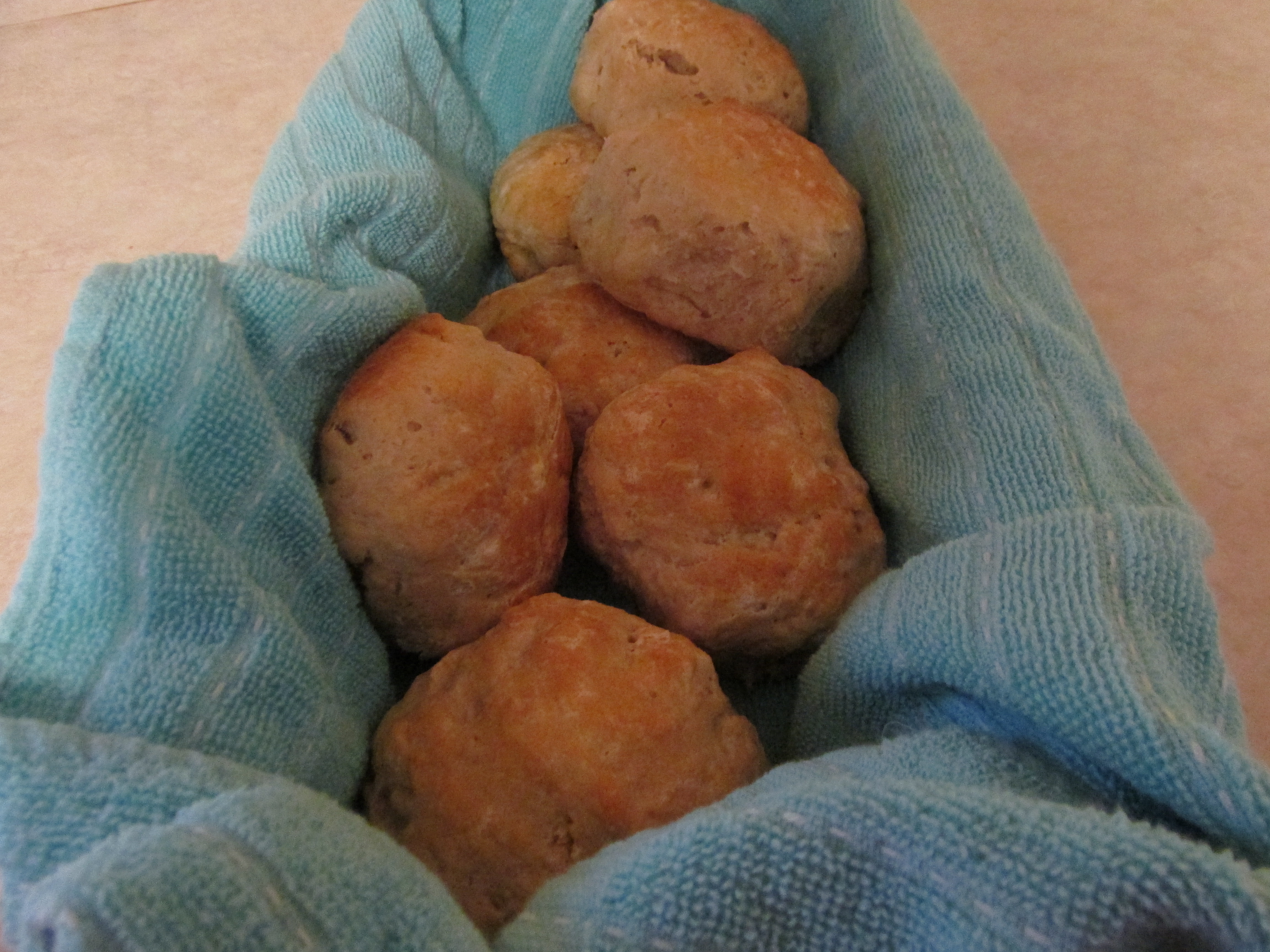
Biscuit Recipe Used by Confederate Soldiers

blog-124

by Sandra Merville Hart

Confederate soldiers were often low on supplies and food rations. They had to make do with ingredients found nearby.

Confederates published a fun book of recipes in 1863 called Confederate Receipt Book. I tried one of the biscuit recipes.

In reading the recipe before starting, one thing that struck me was that they used cream of tartar. Other food recipes called for tartaric acid. I hadn’t used that in biscuits and wondered if it was a readily-available ingredient for Southern soldiers.

A little research showed that many plants, including grapes, have tartaric acid, which is an organic acid. The process of making wine creates cream of tartar. It is a leavening agent.

Since food supplies were often scarce for Southern soldiers, it makes sense that they used whatever they had on hand and adapted it.

blog-110Measure 4 cups of all-purpose flour into a mixing bowl. Add 3 teaspoons of cream of tartar and mix thoroughly.

Add 2 tablespoons of shortening. Use a fork to cut the shortening into the flour mixture. It won’t look much differently after combined because it’s not a lot of shortening. Most modern recipes call for ½ cup or ¾ cup of shortening (or butter) but I wanted to try the Confederate soldiers’ recipe so I didn’t alter it.

Dissolve 1 teaspoon of baking soda into about 1 ½ cups of warm water. Stir and add to the dry ingredients to make a dough. If more water is needed, add a little at a time until the dough is the right consistency.

You may notice, as I did, that there is no salt in this recipe. I didn’t add any.

I imagined that soldiers baked their biscuits in a skillet. I greased the skillet with shortening—not cooking spray because the men in Civil War camps didn’t have that.

I baked my biscuits in a 425 oven for twenty minutes and then increased the temperature to 450 for another 4 or 5 minutes because they were taking longer than normal. I usually bake food at 425 if the recipe calls for 450 because it’s easy to burn. Next time I will bake these biscuits at 450 for 12 to 14 minutes or until lightly browned.

blog-117They rose nicely in the oven, almost doubling. They looked great. The consistency was really nice, but I missed the salt. It would have tasted better with a teaspoon of salt in the flour mixture.

I wondered at first if salt was often in short supply. Maybe that was the reason for omitting salt from biscuits.

Then another possibility occurred to me. Salting meat was a way of preserving it before refrigeration. If the meat was already salty, the soldier probably didn’t need it in the biscuits, too.

Most Civil War soldiers didn’t know much about cooking at the beginning of the war. Mothers, wives, and sisters usually did the cooking and baking back at home. The men adapted pretty well . . . and even published a few of their recipes!


Amazon page for Sandra Merville Hart


Sources

A Compilation of Over One Hundred Receipts, Adapted to the Times. Confederate Receipt Book, Applewood Books, 1863.

“Tartaric Acid,” Wikipedia.com, 2017/02/06 https://en.wikipedia.org/wiki/Tartaric_acid.

Charcoal Tooth Powder

toothpaste-1786388_960_720

Recipes used to be called ‘receipts.’ Confederate soldiers were often low on supplies and had to make do with ingredients found nearby.

Confederates published a fun book of recipes in 1863 called Confederate Receipt Book. It contains a variety of recipes for many things needed in an army camp. One of them is a recipe for making tooth powder from charcoal.

Charcoal is made by burning wood, so Confederate soldiers would have had an abundance of this in their army camps.

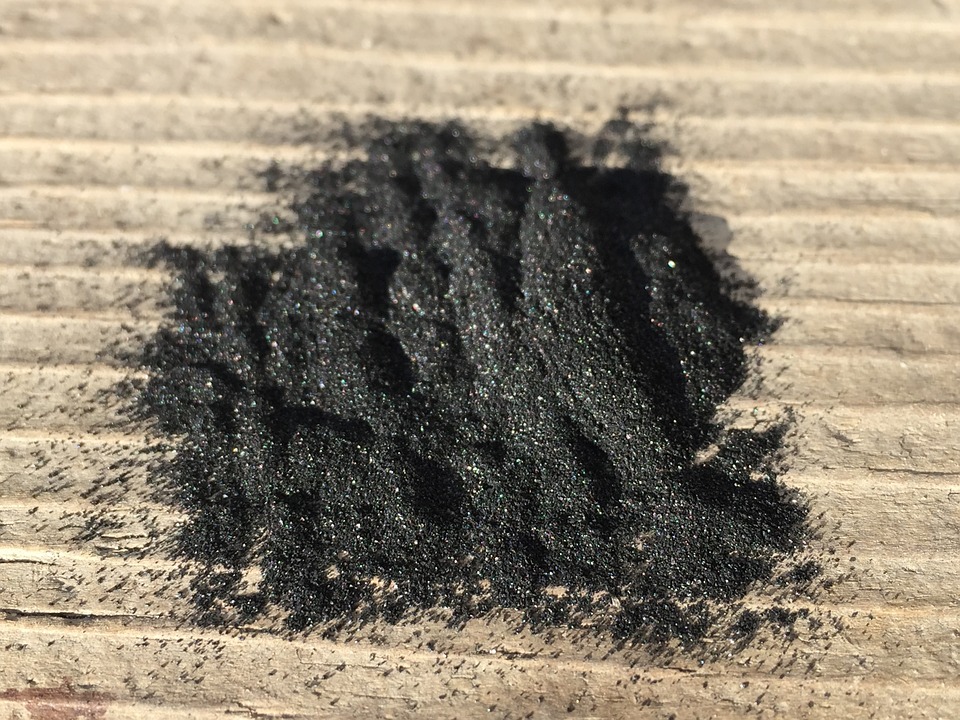
charcoal-powder-1053836_960_720To make tooth powder, pound charcoal in a mortar as finely as possible, or it could be ground in a mill. Sift it well.

Apply to teeth twice a week. According to Confederate soldiers, it kept teeth a beautiful white and also freshened breath. Gums also benefited from the treatment as it made them “firm and comfortable.”

Grinding charcoal in a mortar using small amounts of water kept the dust from flying around. It was also easier to use when stored in water.

There are currently charcoal toothpastes on the market. This old-fashioned tradition for cleaning teeth seems to be making a come-back but experts warn they don’t know the long-term effects.

Still, it’s fun to watch wisdom from the past making a reappearance from history.

-Sandra Merville Hart

Sources

A Compilation of Over One Hundred Receipts, Adapted to the Times. Confederate Receipt Book, Applewood Books, 1863.

“Charcoal,” Merriam-Webster, 2017/02/03 https://www.merriam-webster.com/dictionary/charcoal.

Mulpeter, Kathleen. “Is it safe to Whiten your Teeth with Activated Charcoal Toothpaste?” Health, 2017/02/03 http://www.health.com/oral-health/charcoal-toothpaste.


Making Soap

soap-1215027_960_720

Recipes used to be called ‘receipts.’ Confederate soldiers were often low on supplies and had to make do with ingredients found nearby.

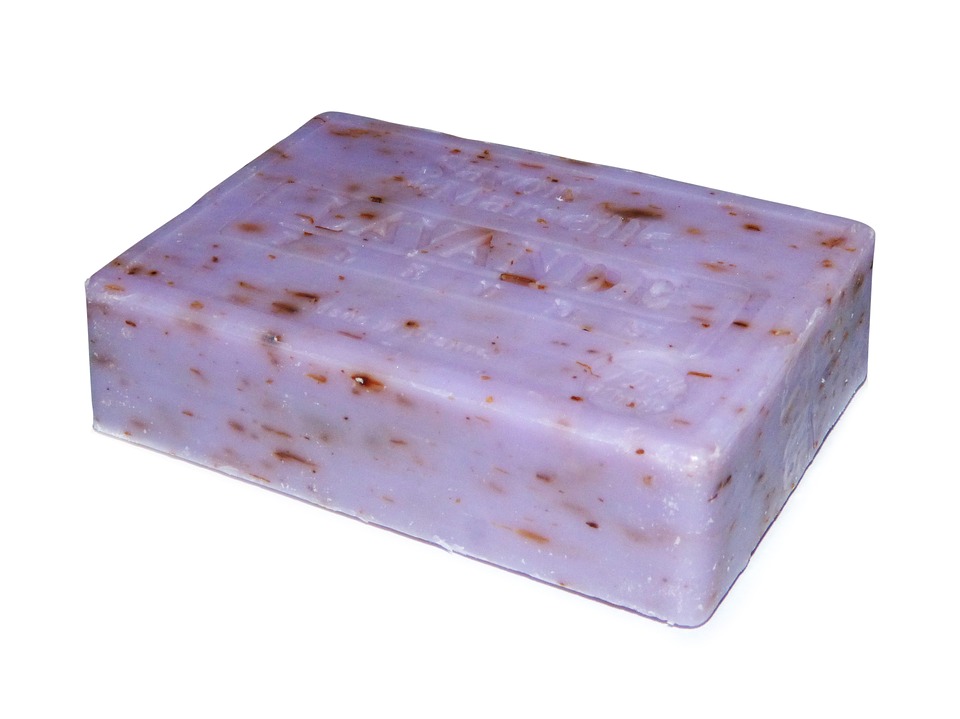
Confederates published a fun book of recipes in 1863 called Confederate Receipt Book. It contains a variety of recipes for many things needed in an army camp. One of them is a recipe for making soap.

Boil 12 quarts of water and pour it over 5 pounds of “unslacked lime.” Terms and spellings of words changed over 150 years. I looked up unslaked lime, which is a white crystalline oxide.

Set aside the lime and water.

laundry-666487_960_720Boil another 12 quarts of water. Dissolve 5 pounds of washing soda in the boiling water. Baking soda, known as sodium bicarbonate, becomes washing soda by heating it.

Once the soda is dissolved, combine the mixtures together. Let it stand for 12 to 24 hours to allow chemicals to react.

After it sets for a day, carefully pour off all clear liquid without disturbing the sediment.

Add 3 ½ pounds of clarified grease and 3 or 4 ounces of rosin, which is a solid resin from pines.

Boil the whole mixture together for an hour. Pour to cool into pans.

Slice into bars for use.

There is no mention how much soap this recipe makes, but it seems like enough for many soldiers to walk away with a bar of soap.

-Sandra Merville Hart

Sources

A Compilation of Over One Hundred Receipts, Adapted to the Times. Confederate Receipt Book, Applewood Books, 1863.

“How do you turn Baking Soda into Washing Soda,” Reference.com, 2017/02/03  https://www.reference.com/home-garden/turn-baking-soda-washing-soda-9d1fdee9f330c19.

“Rosin,” Wikipedia, 2017/02/03 https://en.wikipedia.org/wiki/Rosin.

“Unslaked Lime,” WordNet Dictionary, 2017/02/03 http://www.webster-dictionary.org/definition/unslaked%20lime.