
As a writer of historical novels, I love to run across remedies used in past centuries. A wonderful book, Confederate Receipt Book, contains a few cures from the Civil War era.
A soldier’s remedy for dysentery (severe diarrhea) used only three everyday ingredients which were reported to be “efficacious” for these cases.
Dysentery killed more Civil War soldiers than any other diseases so it was a serious matter.
At that time, doctors often prescribed opium (paregoric, laudanum, or Dover’s powder) to treat dysentery.
Other medicines given to treat the disease were copper sulfate, oil of turpentine, lead acetate, and aromatic sulfuric acid. Surprisingly, laxatives were also used in the treatment—Epsom salts, calomel, ipecac, castor oil, and sulfate of magnesia. Calomel, also known as mercurous chloride, had terrible side effects: profuse salivation, loss of teeth, or—in severe cases—“mercurial gangrene.”
Strong medicines with unfortunate or fatal side effects could have led Confederate soldiers to search for a better cure. Or the lack of medical supplies might be the reason for trying a common cure. It’s also possible this simple cure had been around for years.
Whatever the case, the Confederate remedy for dysentery seems remarkably simple when compared to medicines listed above.
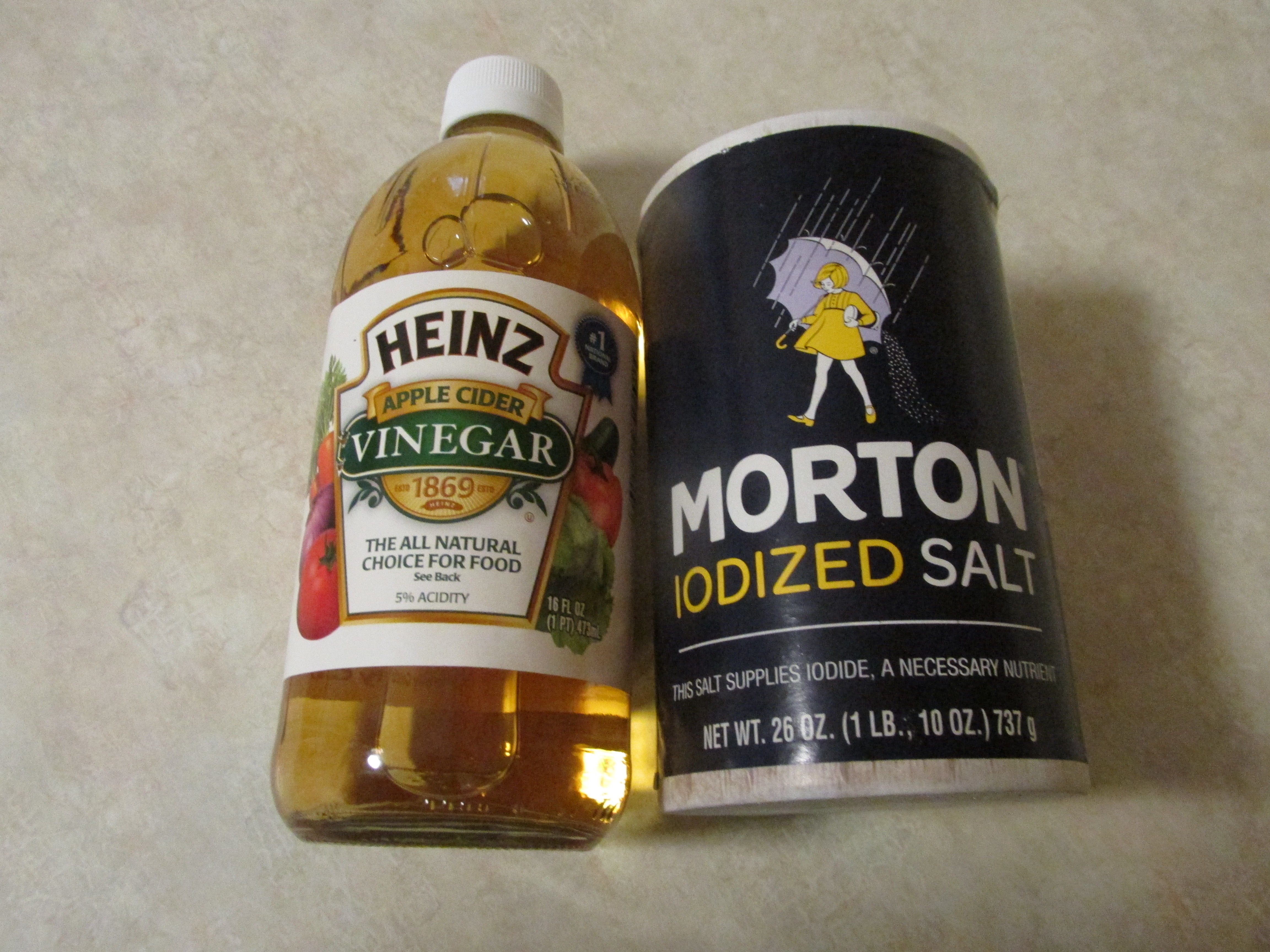 The instructions stipulate pure vinegar. The apple cider vinegar in my cabinet is diluted with water so that changes the experiment. This is merely a fun learning exercise since I’m not planning on treating dysentery, so this is not an issue.
I took a cup of apple cider vinegar and poured it into a salad dressing cruet. (Use any jar that can be tightly closed.) I then added salt, a teaspoon at time. The soldiers’ recipe advises to add as much salt as the vinegar can ferment and work clear.
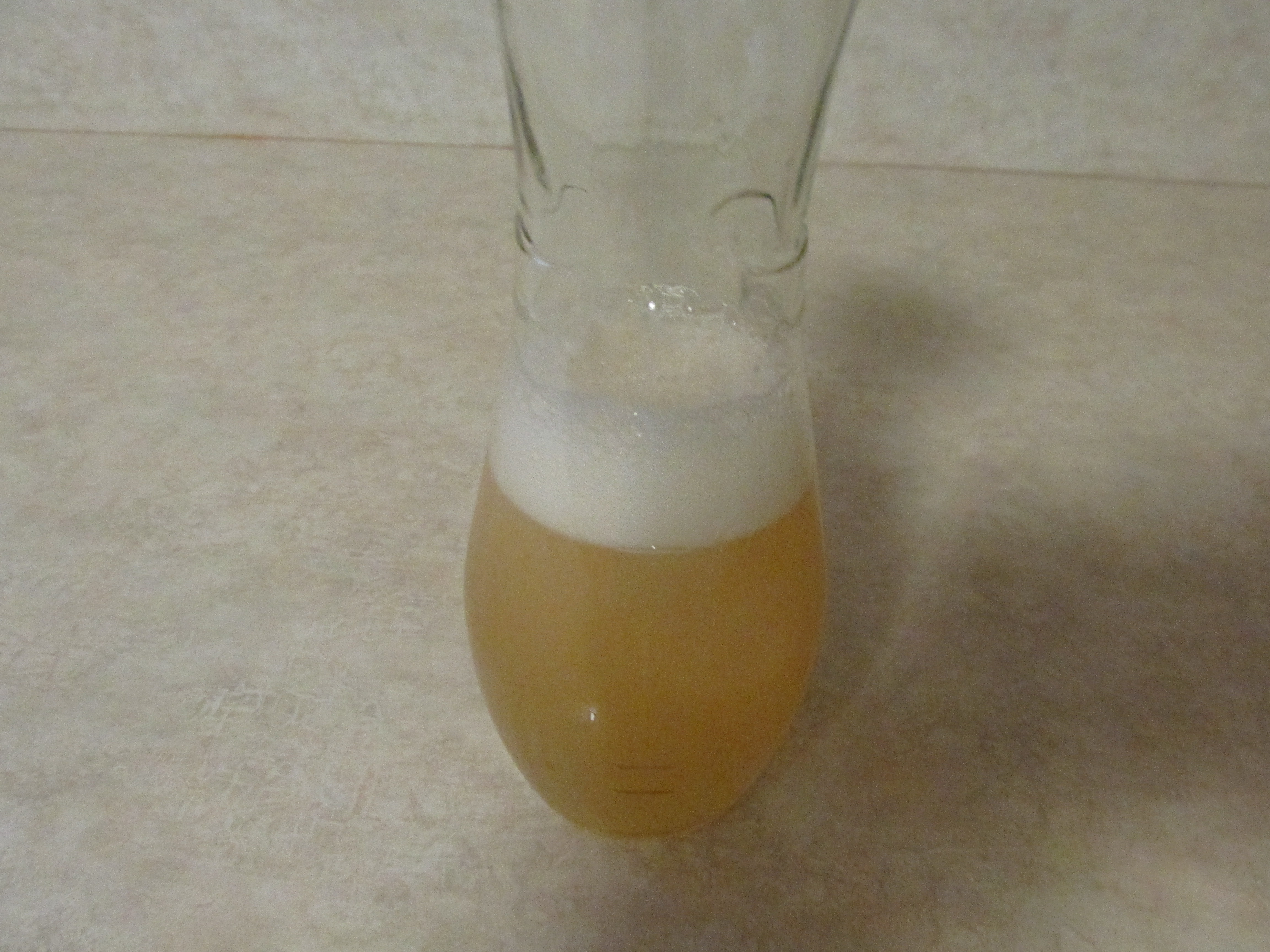 My vinegar didn’t foam until shaking it. I used 6 teaspoons of salt, but it might have held more.
The soldiers corked the salty vinegar liquid and set it aside. When needed, they boiled a gill of water (4 ounces), added a large spoonful of the medicine, and drank it. It was supposed to be effective for cholic (colic) and dysentery.
As always, consult physicians before using this medicinally.
I use these old cures only in my historical writing. I made this recipe but will not be taking it. I’m not recommending it. This is merely meant to be fun and educational.
-Sandra Merville Hart
Sources
A Compilation of Over One Hundred Receipts, Adapted to the Times. Confederate Receipt Book, Applewood Books, 1863.
Oates, Stephen B. A Woman of Valor: Clara Barton and the Civil War, The Free Press, 1994.

 Sandra Merville Hart