Miss Kay’s Banana Pudding Recipe

A couple of years ago, one of my Christmas gifts was a cookbook that I’d placed on my wish list—Miss Kay’s Duck Commander Kitchen by Duck Dynasty’s Kay Robertson.

Miss Kay dedicates chapters to favorite recipes for her husband, her sons, her grandchildren. She has chapters on Louisiana cooking, Christmas, and cooking wild game. I love reading her introductions and her tips. She allows cooks to get to know a bit about her and the family she loves to cook for. It’s one of the best cookbooks I’ve used!

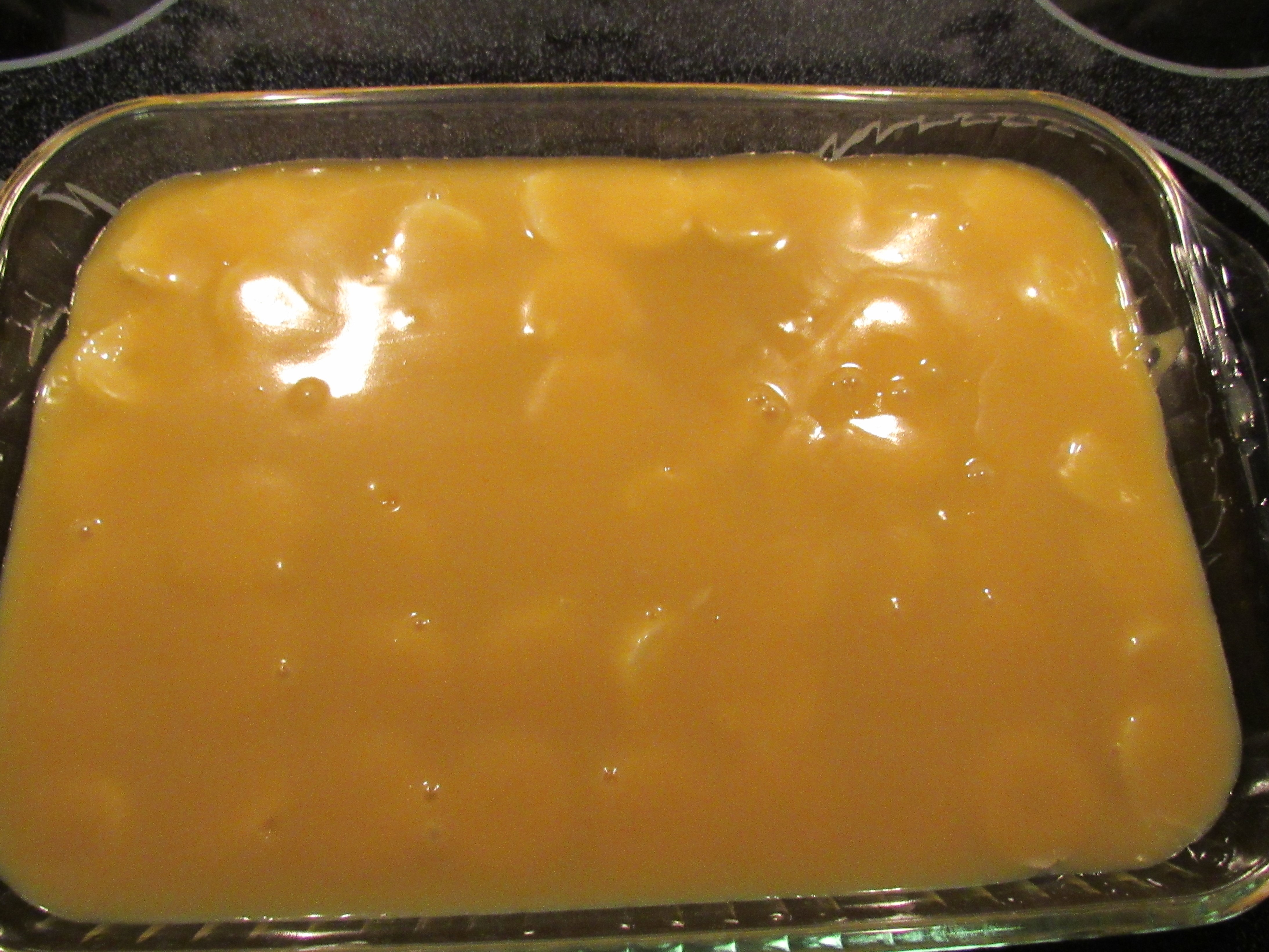
My favorite recipe so far is for banana pudding. Delicious! It’s the best banana pudding I’ve tasted—and coming from a family of Southern cooks, that’s saying something.

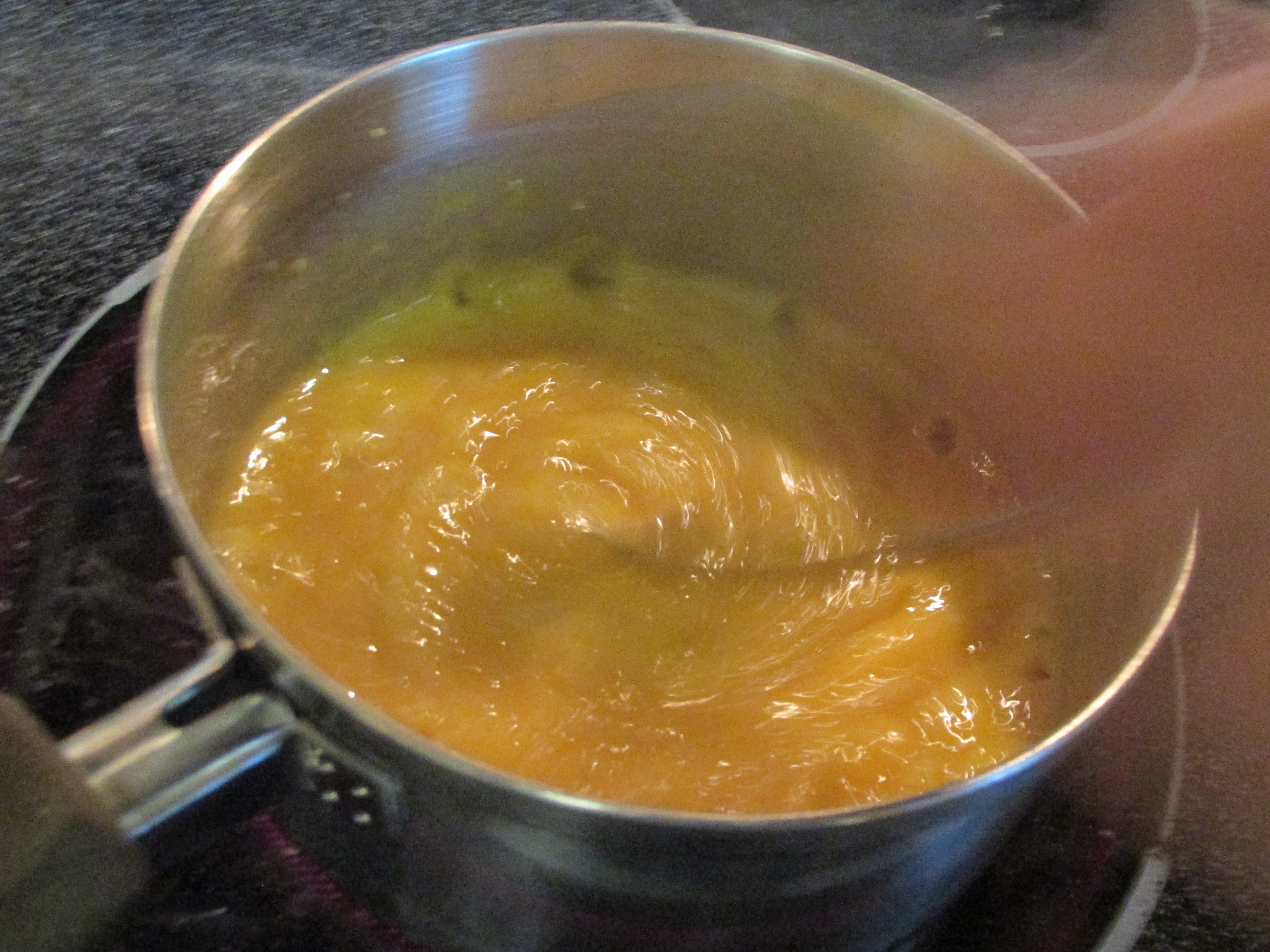
This pudding is not difficult to make but it is time consuming. Allow at least an hour and a half. Gathering and combining like ingredients ahead of time will help as you need to stir the pudding the whole time it cooks. The pudding becomes very thick and creamy from cooking slowly in a double boiler. (I don’t have a double boiler … a metal mixing bowl over a simmering pan of water works well.)

Just before serving, I add dollops of whipped topping. I used the kind from a can because it looks prettier.

I recently attended a funeral. I doubled this recipe and brought this to the gathering afterward. One guest told me it was the best pudding she’d ever eaten—“and I’m old so I’ve tasted a lot of puddings!”

Blessing a member of the grieving family made it worth the time.

This is a great dessert to take to summer picnics and family gatherings.

This is only one of the wonderful recipes found in Kay Robertson’s cookbook—well worth having on your shelf!

-Sandra Merville Hart


Sources

“Ms. Kay’s Banana Pudding Recipe,” Louisiana Culinary Trails, 2018/05/15 https://www.louisianatravel.com/culinary/recipes/ms-kays-banana-pudding-recipe.

Robertson, Kay with Chrys Howard. Miss Kay’s Duck Commander Kitchen, Howard Books, 2013.


Apple Pie Recipe Without Apples used by Confederate Soldiers

blog-130

Recipes used to be called ‘receipts.’ Confederate soldiers were often low on supplies and had to make do with ingredients found nearby.

I found an intriguing recipe called “Apple Pie Without Apples” in an 1863 book, Confederate Receipt Book. I had to make this one.

The main ingredient is crackers. Civil War soldiers ate hard tack, which John D. Billings describes in his book, Hard Tack and Coffee, as “a plain flour-and-water biscuit.”

Billings, a Civil War soldier, had two of these crackers while writing his book that published in 1887. (It doesn’t say if the hard tack was baked during the war.) When measured, he found they were 3 1/8 inches by 2 7/8 inches and almost ½ inch thick.

This apple pie recipe uses crackers. The soldiers would have used hard tack because that was available.

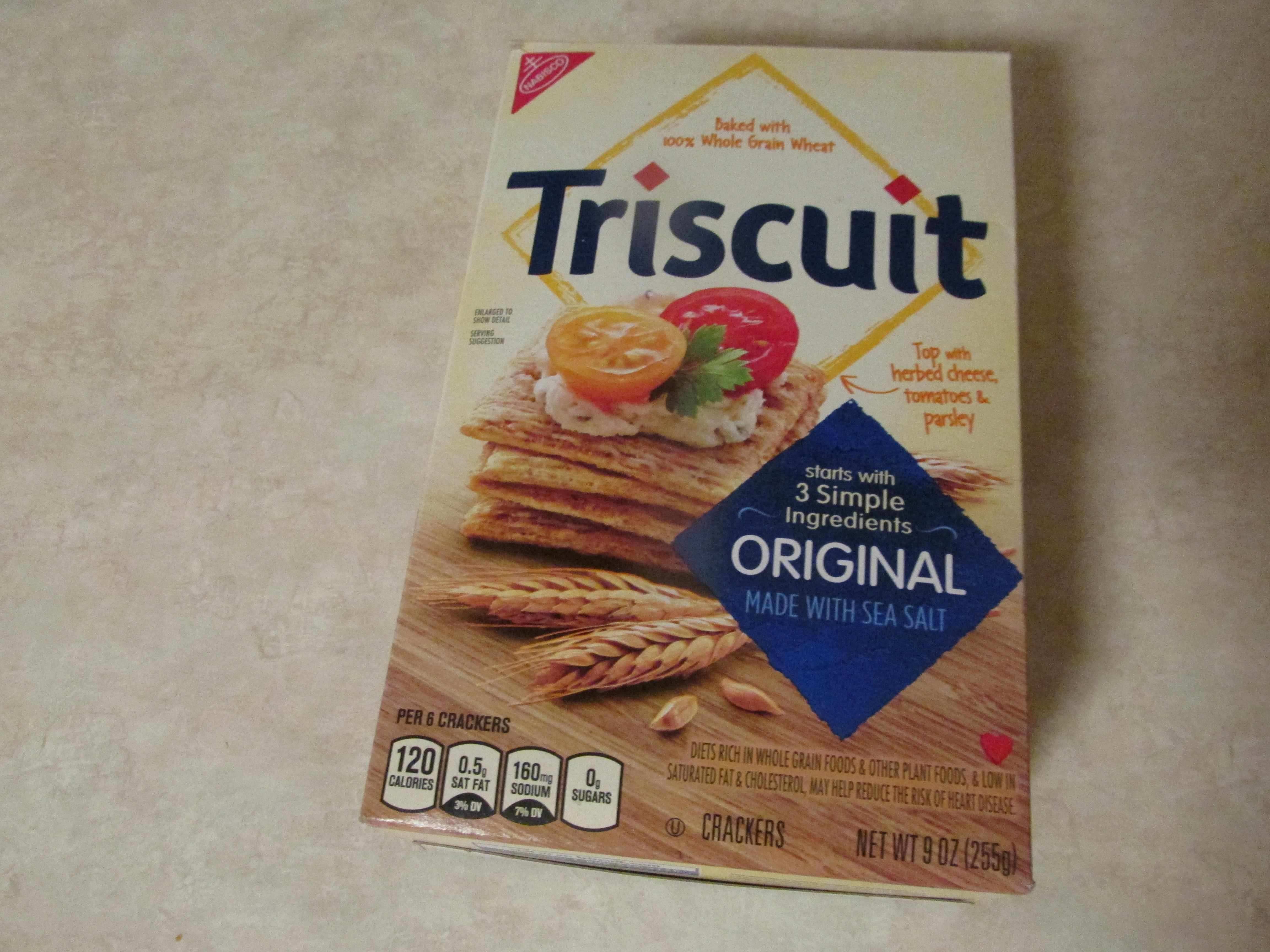
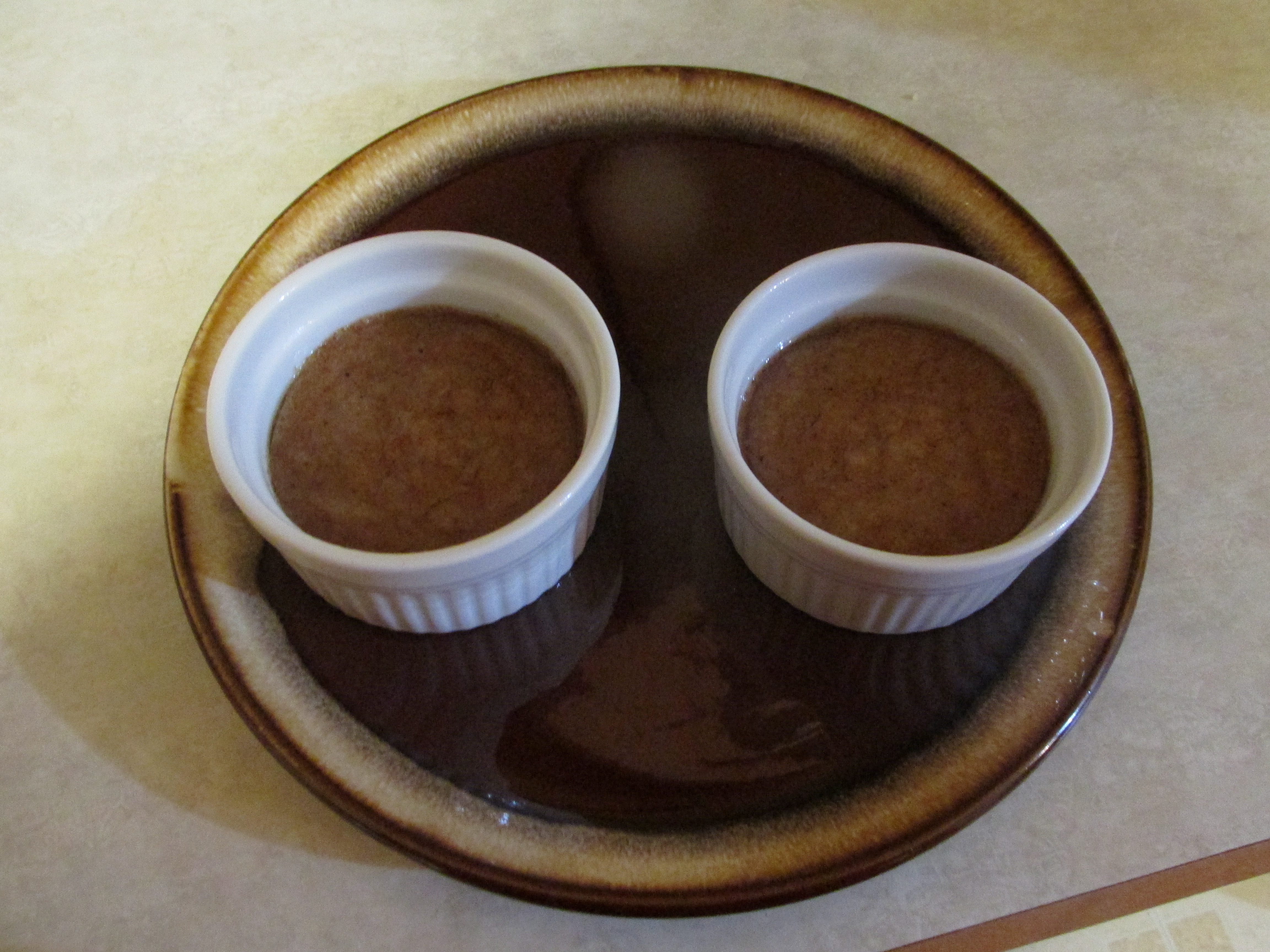
blog-127Place crackers in a small bowl. (Not having hard tack on hand, I thought Triscuits might be an acceptable substitute.  I used 20 of these crackers. Regular crackers would also be fine.) Soak these in water until soft. For our modern crackers, this takes about five minutes. I can’t imagine how long soldiers soaked the hard tack.

Empty excess water. Mash the softened crackers.

Add 1 teaspoon cream of tartar, ¼ cup sugar, 2 tablespoons melted butter, and ½ teaspoon nutmeg to the crackers. Mix together.

Spray ramekins with cooking spray. Spoon mixture into ramekins until about 2/3 full and bake at 350 degrees for 15-20 minutes.

My husband tried it first. “It’s strange. It doesn’t taste like apple pie.”

I had to agree. This recipe does not taste like apple pie. I didn’t really care for it.

Soldiers probably didn’t have cinnamon too often in camp but this spice would definitely enhance the flavor. In the next batch I added a teaspoon of cinnamon along with the nutmeg.

Both my husband and I agreed that cinnamon improved the “appleless” pie. Though it was a strange and unfamiliar dessert, I’m happy I tried it. It would make a fun dish at Civil War reenactments.

For the Confederate soldier starving for his mother’s apple pie, eating this dessert probably gave him a nostalgic taste of home.

-Sandra Merville Hart

Sources

A Compilation of Over One Hundred Receipts, Adapted to the Times. Confederate Receipt Book, Applewood Books, 1863.

Billings, John D. Hardtack & Coffee, University of Nebraska Press, 1993.


Old-Fashioned Stack Cake Recipe

blog-046

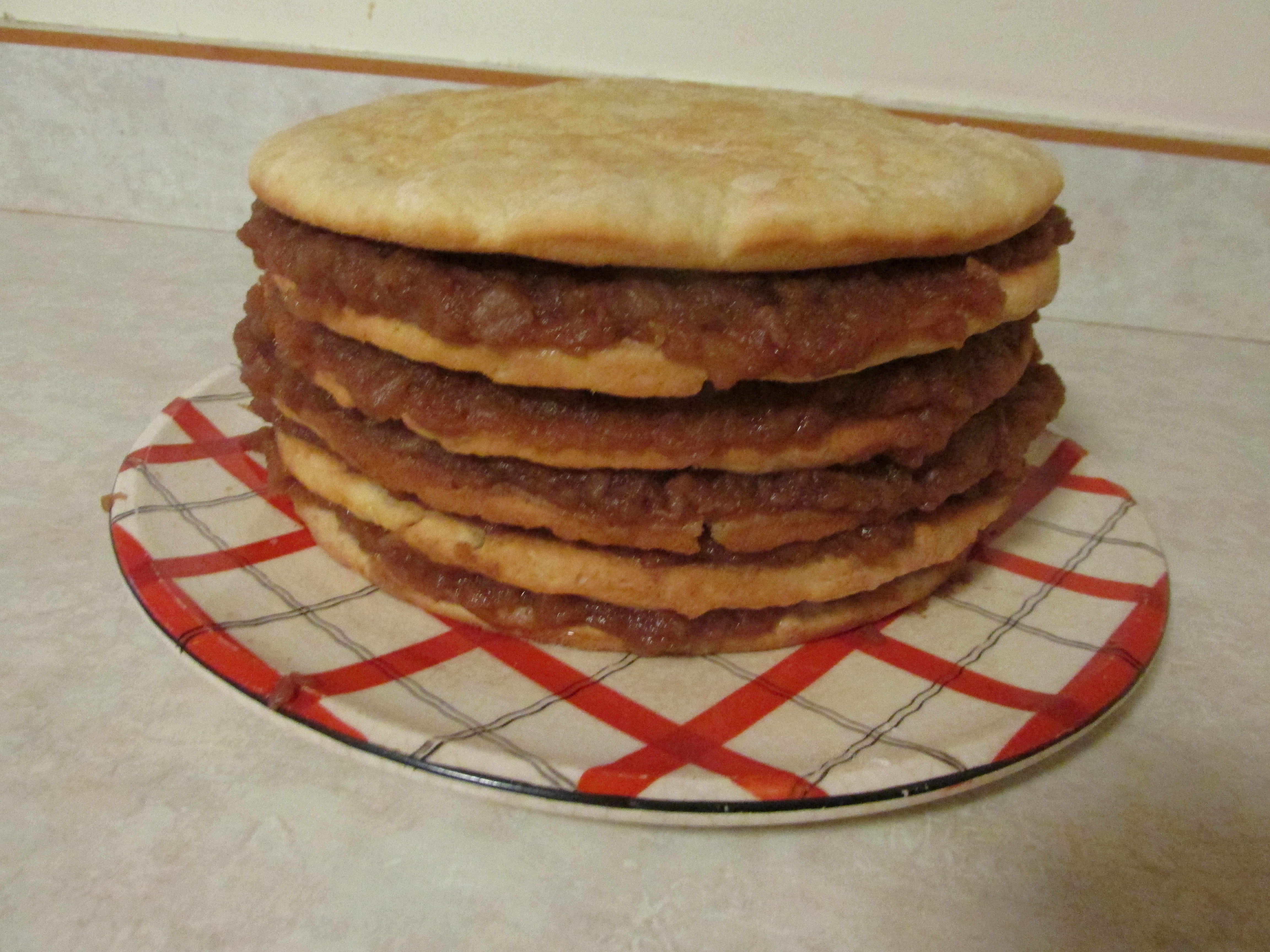
My grandmother made stack cakes every year at Christmas when I was little. She was an excellent cook and baker but wasn’t blessed with enough patience to teach her daughters and granddaughters how to make them.

She never measured anything. Cakes, biscuits, and pies were all made by sight and touch. She held salt in her hand to know how much to add. She rarely guessed wrong.

Unfortunately, she shooed us from the kitchen if we asked too many questions about how to make something. We tried to observe quietly but it was difficult to learn how to cook that way.

When she died, I feared that her wonderful recipe was gone forever. I tried to make it from memory and came fairly close on the apple filling but not the cake layers. I remembered them being thin, like a big soft cookie.

Both my sister and I found the recipe while visiting the Smokies.

blog-015For the apple filling between layers:

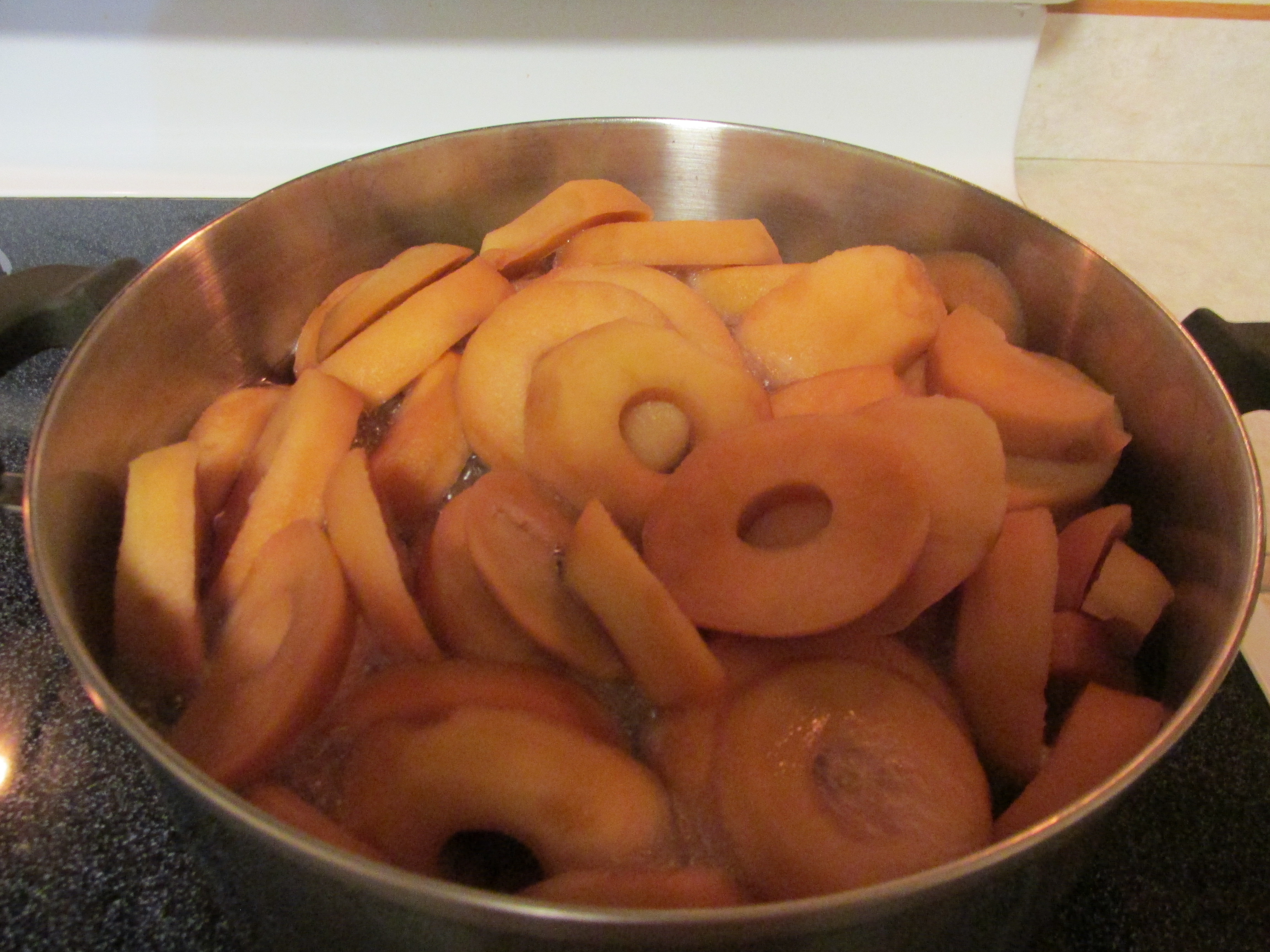
Arrange a pound of dried tart apples in a large kettle. Cover the apples with boiling water to soften. This make take a few hours or allow to sit overnight. I drained this water but I’m not sure it’s necessary.

Add enough water to almost cover the apples and cook over medium low heat about an hour or until tender. Drain almost all the water from the cooked apples and then mash. I kept about a cup of water in the pot with the fruit.

blog-018Add a cup of brown sugar, ¾ cup sugar, 3 teaspoons cinnamon, ½ teaspoon ground cloves, ½ teaspoon allspice, and stir well.

To make six cake layers:

Sift 3 ¾ cups all-purpose flour into a medium bowl. Add a cup of sugar, 4 teaspoons baking powder, ½ teaspoon baking soda, and 1 teaspoon salt. Mix together.

Beat two eggs in separate bowl and add to flour mixture. Then add a ½ cup soft butter, a cup of buttermilk, and 2 teaspoons of vanilla.

Mix into a soft dough and divide it into 6 parts. Spread about a ¼ cup of flour over a surface to roll out each layer. (The layers are so thin that I rolled it to about half the size needed, placed the dough into a cake pan prepared with cooking spray, and used my fingers to pat it to the sides.)

blog-029The instructions suggested baking in a 450-degree oven but I baked at 425 until lightly brown, about 11 to 12 minutes.

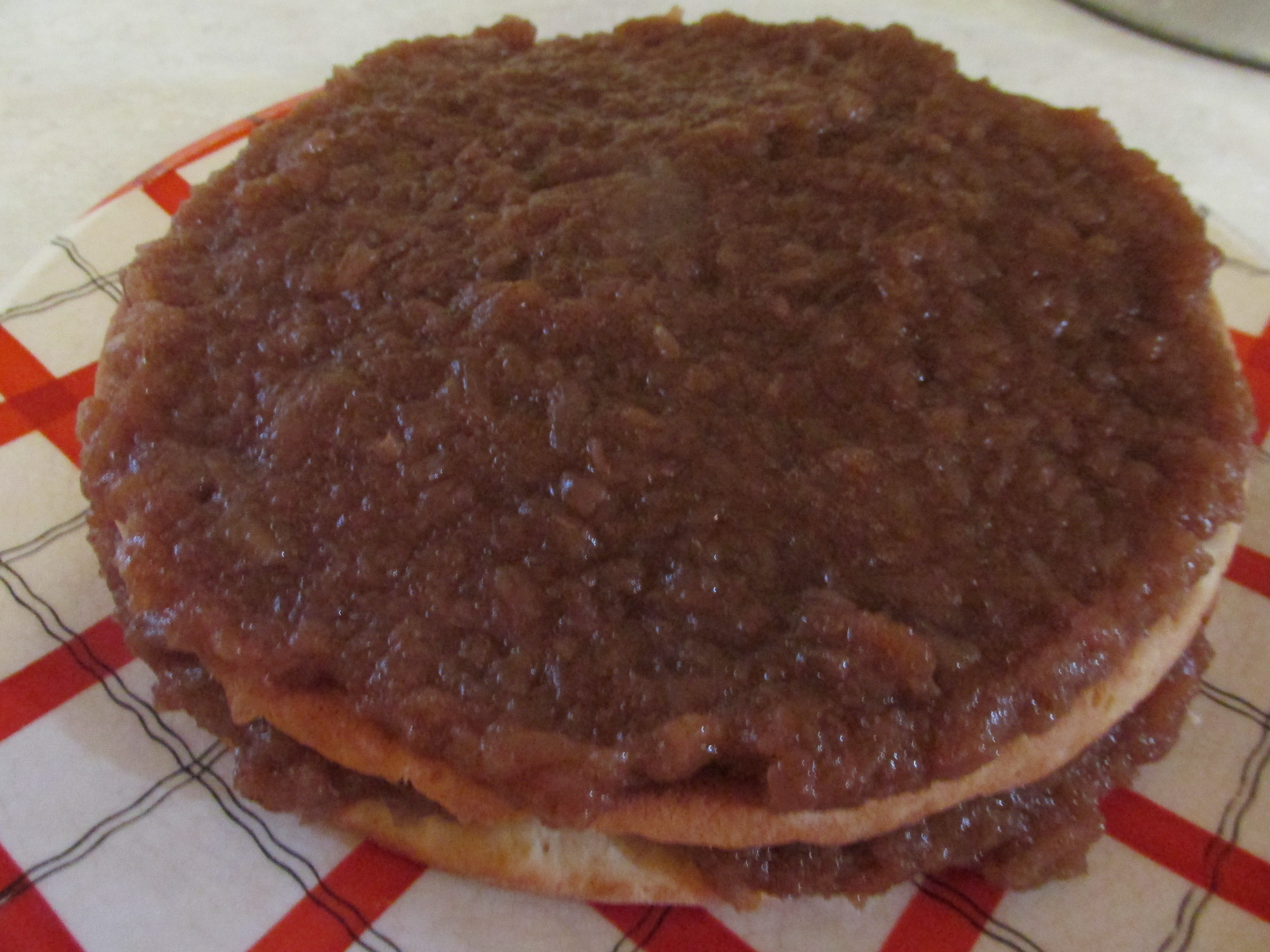
Spread each layer with the apple filling except the top layer. Cover and store at least half a day before serving.

My grandmother wrapped her cake in plastic wrap. Then she covered them with towels and stored them in a cool place about two days before slicing. I did the same in her honor.

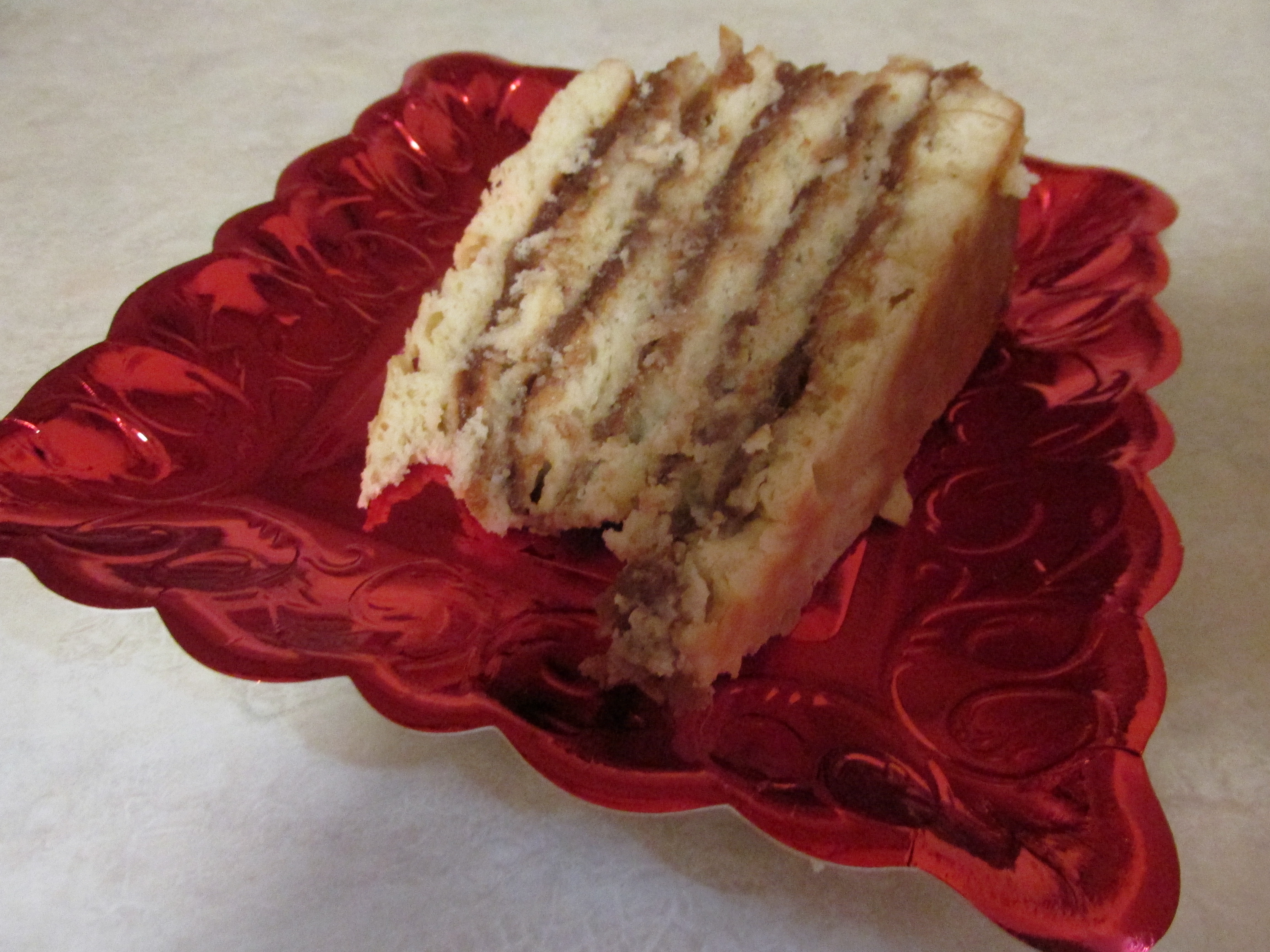
blog-032My guests enjoyed the cake. It felt good to carry on my grandmother’s tradition.

-Sandra Merville Hart

Sources

The Tates. Hillbilly Cookin, C & F Sales, Inc., 1968.


Gumbo Recipe

blog-036

My husband and I invited a few friends over for an “old-fashioned” Christmas party.

I searched for a soup recipe and found one in an 1877 cookbook for Gumbo, submitted by Mrs. E. A. W.

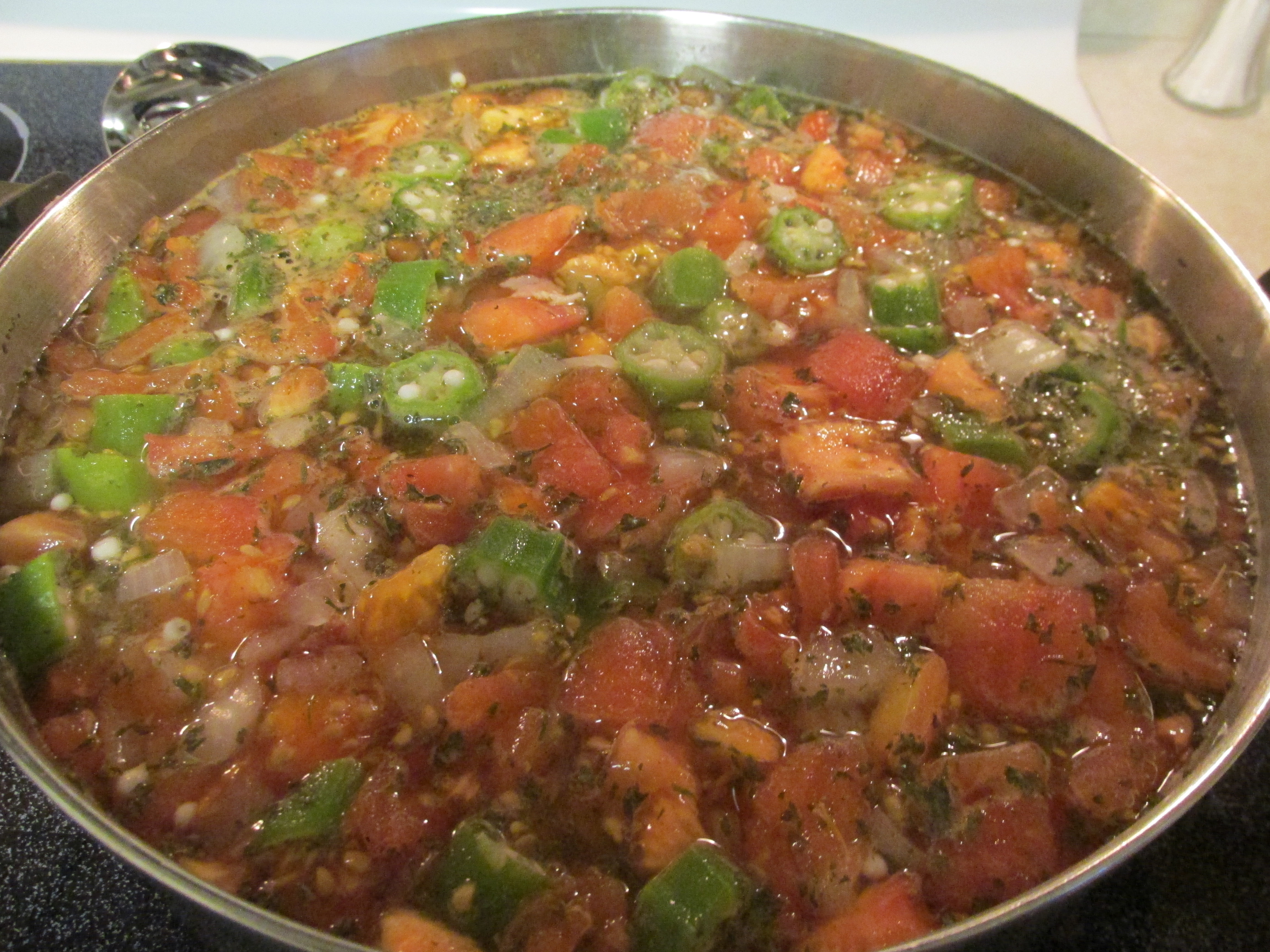
Peel and cut two quarts of tomatoes into bite-sized chunks and set aside.

I couldn’t find a quart of fresh okra in the middle of winter. Frozen cut okra worked well.

Dice a large onion. Fry three strips of bacon in a skillet until they just begin to sizzle. Add the diced onion to the skillet and sauté them together with a wooden spoon.

The bacon should begin to break apart. If it doesn’t, cut it into bite-sized pieces when finished with the sauté.

Pour this mixture into a large stockpot. This recipe filled my 7.5 quart pot. Add tomatoes, okra, two tablespoons parsley flakes, one teaspoon salt, and one teaspoon black pepper. I added chicken stock and then filled the pot the rest of the way with water.

I used medium heat until the gumbo started cooking, which took about thirty minutes at that quantity. Then the heat was lowered a bit to simmer for ninety minutes.

Our guests loved the soup. A dozen people ate a bowl with several returning for seconds. There was still enough gumbo to serve as lunch leftovers for a couple of days.

This is a comforting soup on a cold wintry day. Enjoy!

-Sandra Merville Hart

Sources

Compiled from Original Recipes. Buckeye Cookery and Practical Housekeeping, Applewood Books, 1877.


Simple Wassail Recipe

blog-041

My husband and I invited a few friends over for an “old-fashioned” Christmas party.

I wanted to serve wassail but couldn’t find a century-old recipe in any of my cookbooks.

I knew that wassail were warm mulled drinks from earlier research. Beverages became “mulled” when heated with spices and some type of sweetener.

Wassail later was made with mulled cider, cinnamon, nutmeg, ginger, and sugar. The toasted bread that topped the drinks centuries ago didn’t sound very appetizing so I decided against adding it.

Since I didn’t know the amount of spices used, I experimented with the following recipe. It turned out perfectly.

Wassail

1 gallon apple cider

2 sticks of cinnamon

¼ teaspoon ginger

½ teaspoon nutmeg

½ teaspoon whole cloves

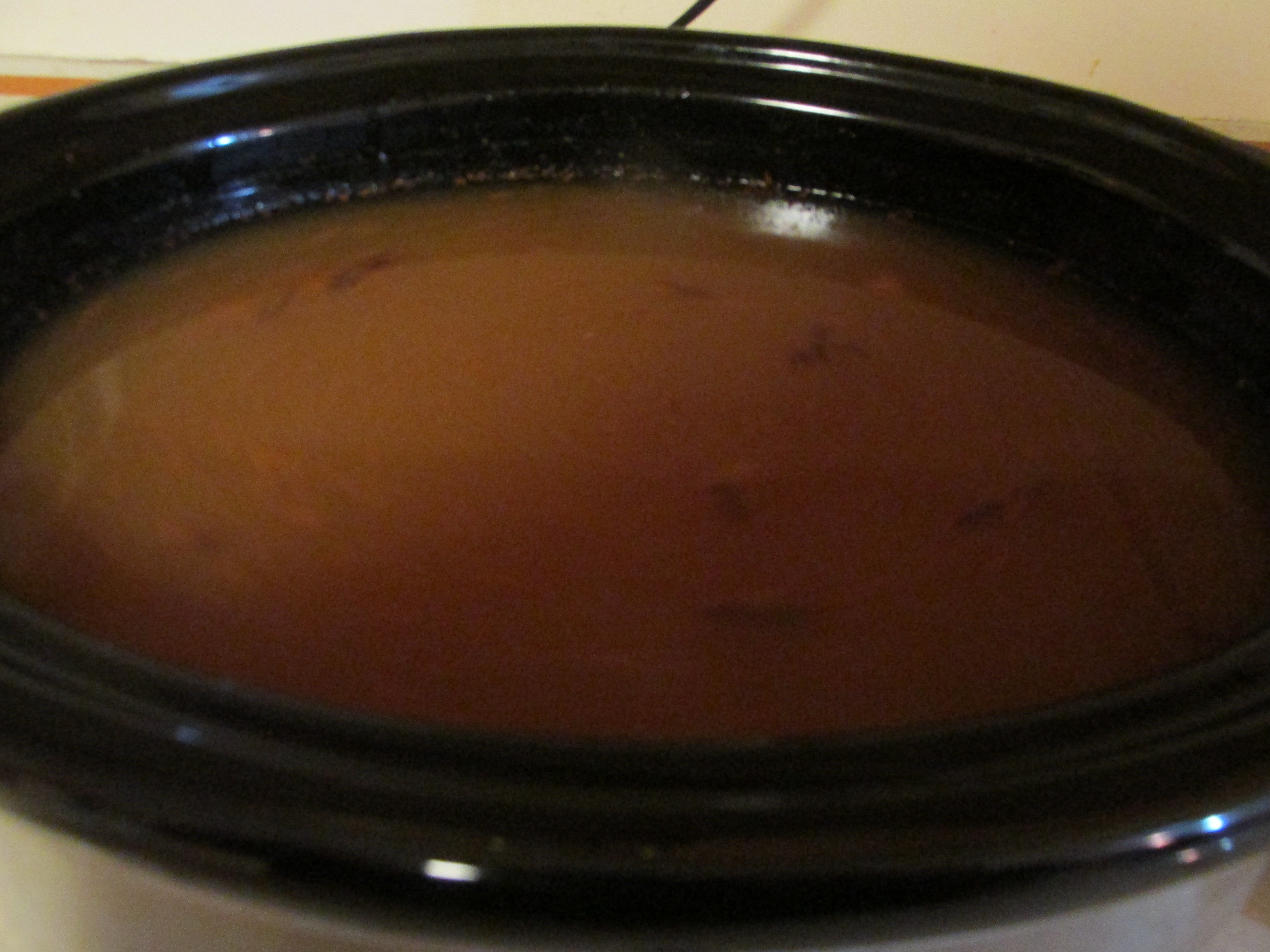
Combine ingredients in a crockpot and turned the setting to low heat about two hours before serving. It may need to warm on high the last half hour until it reaches the desired temperature. Then return it to a lower setting to keep it ready to serve during the evening.

This was a yummy beverage on a cold evening!

-Sandra Merville Hart


Lemon Butter

img_2376

A recipe in an 1877 cookbook for Apple Butter called for a barrel of new cider and three bushels of apples. At a loss to make that a workable size for a family, I kept searching and saw a recipe for Lemon Butter.

To my knowledge, I’ve never tasted this or even seen this sold in stores.

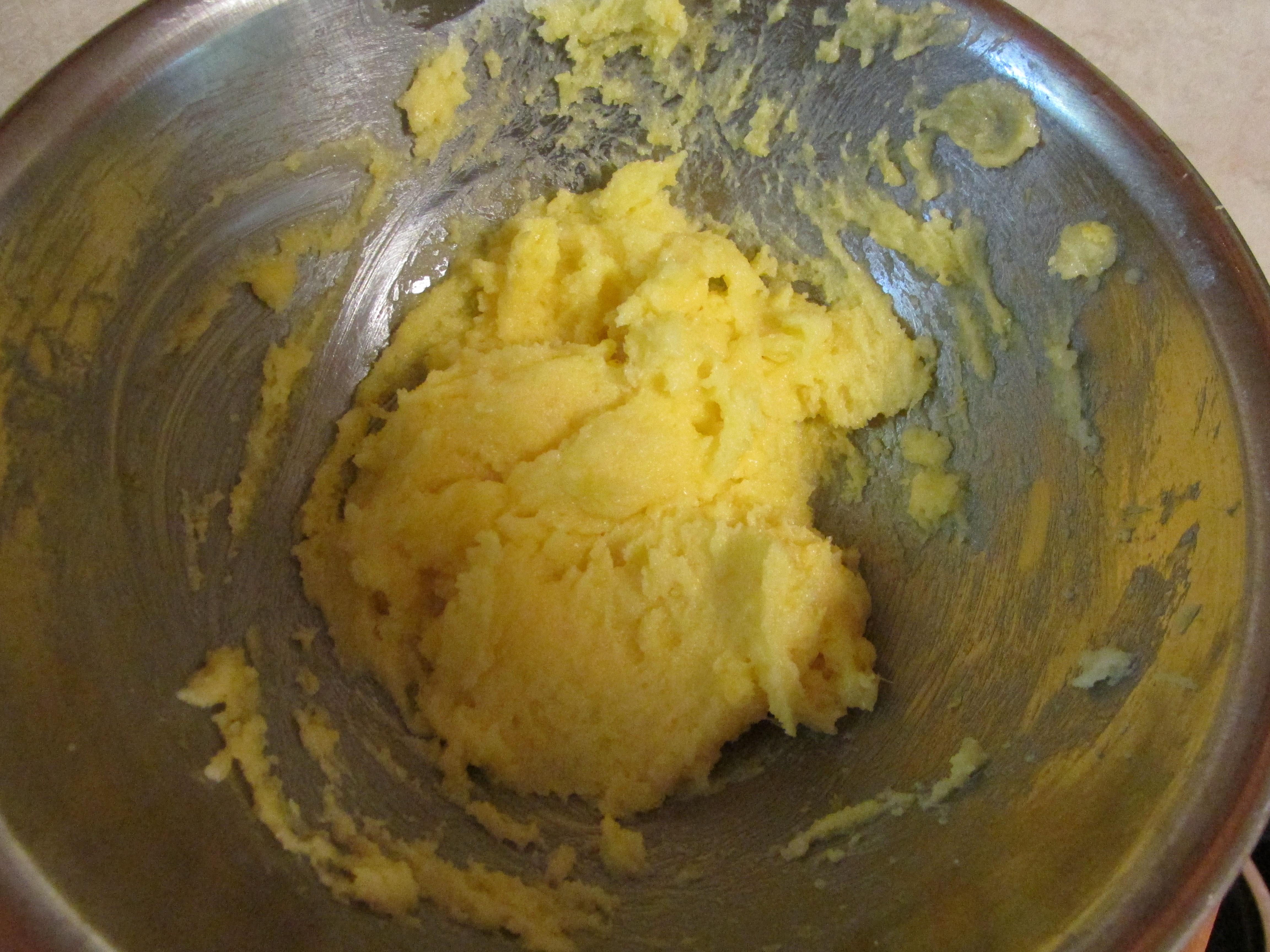
I combined ½ cup of sugar with two egg yolks. The zest and juice of one lemon was added to this mixture and placed in a kettle.

I used 4 tablespoons of butter for an amount “the size of two eggs.” In reality, it was probably twice that amount but we modern cooks love to cut down on fat and calories. I hoped it was enough.

img_2364The unmelted butter was added to the kettle. The instructions were to boil the mixture ten minutes so I set the burner to a medium high heat.

Bad idea.

Even with constant stirring, what started out as a pleasant yellow batter quickly scorched. After five minutes of boiling, the contents of the pan more resembled chocolate pudding. Needless to say, the whole mess ended up in the garbage with the pan soaking in the sink.

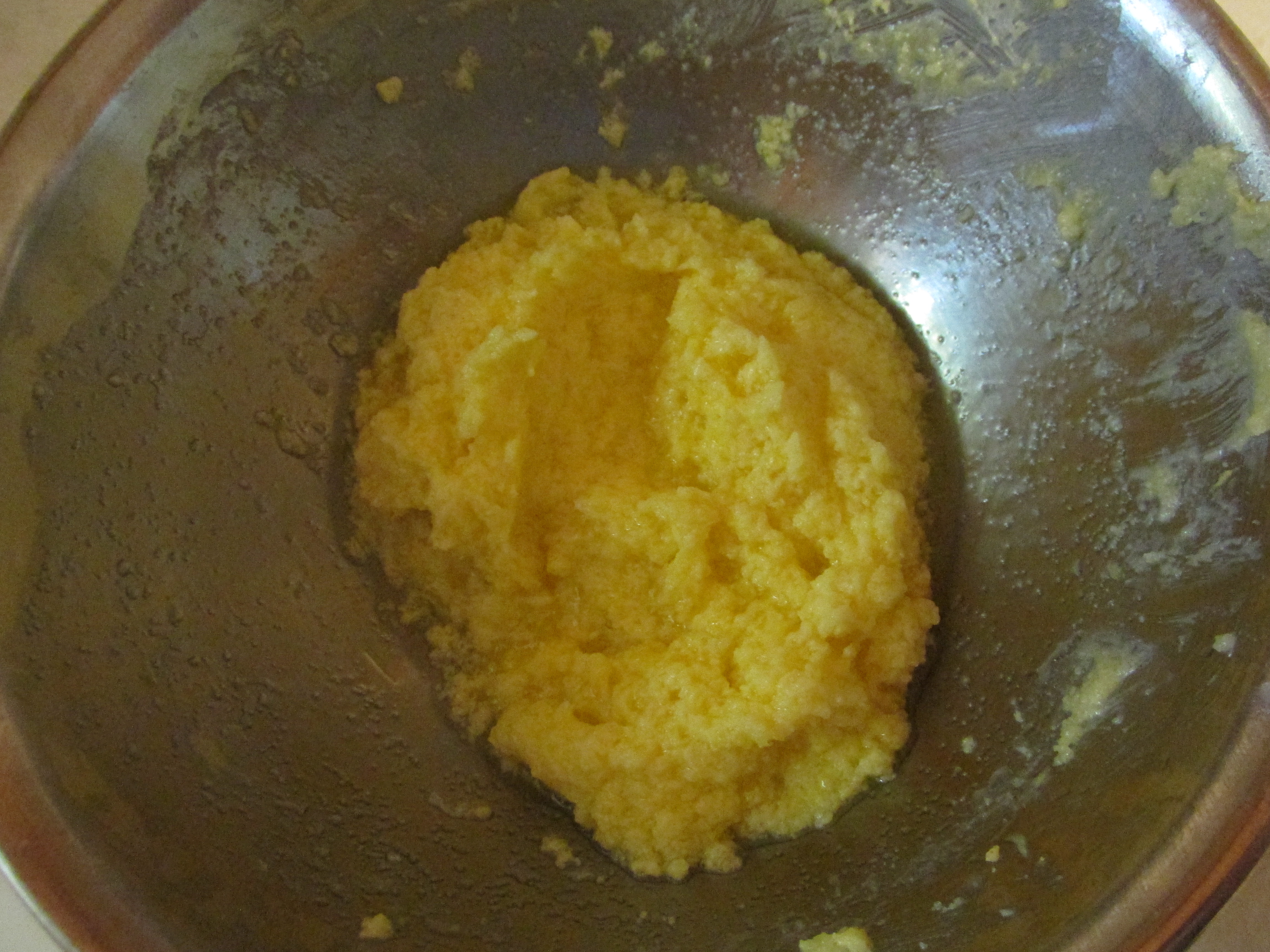
img_2368My second try saw a couple of changes. The ratio of ingredients was kept exactly the same. This time I creamed the sugar and butter together first. Beaten egg yolks were then added. After that, the zest and juice of one lemon were stirred into the mixture.

The burner started on a medium heat until the lemon butter began to bubble gently. Stirring constantly, the heat was lowered to maintain gentle simmering every time it started boiling harder. I cooked it for five minutes.

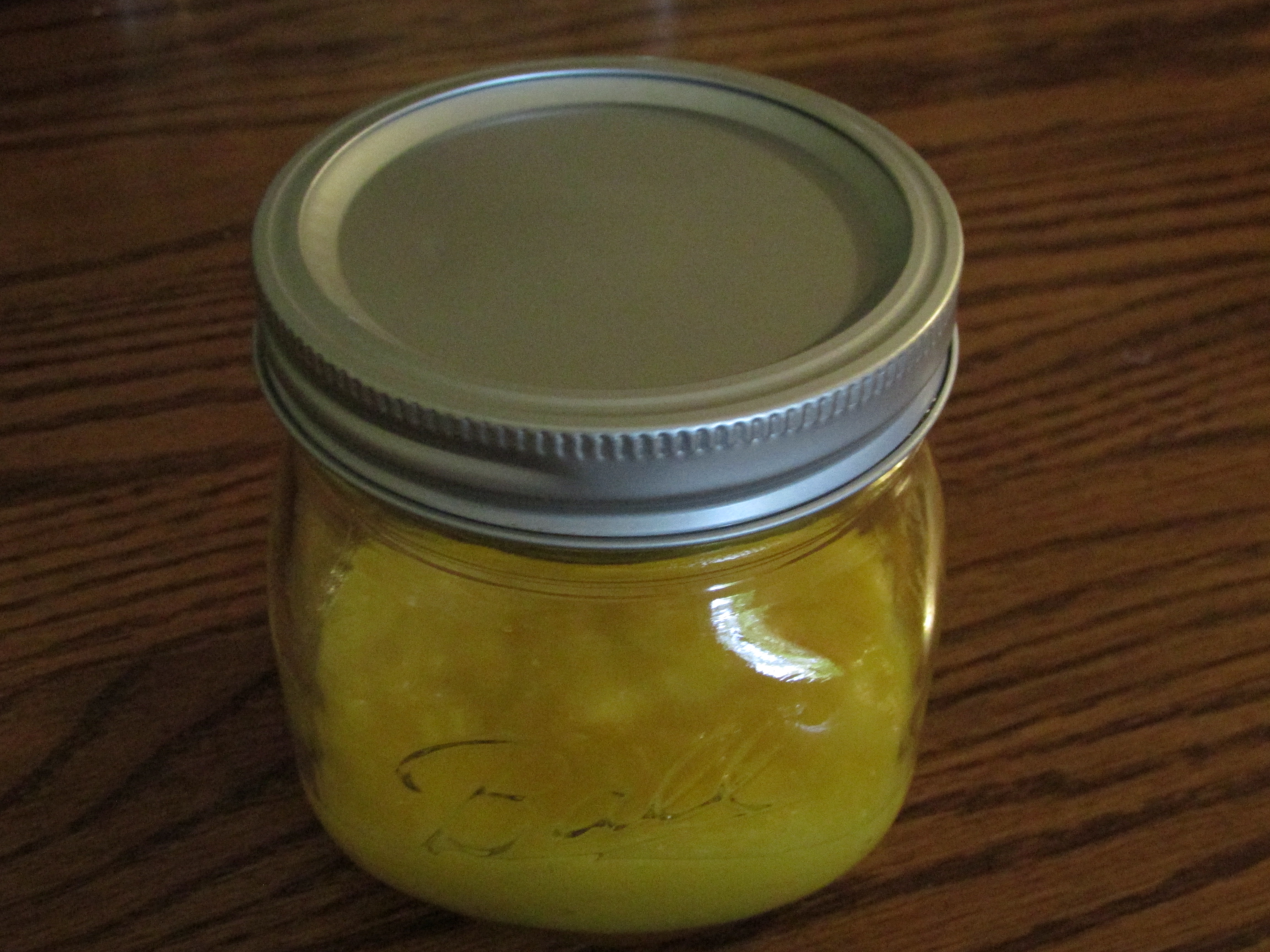
The butter didn’t scorch this time. I poured it into a pint-sized jar as it apparently keeps a long time. As you can see from the photo, it did not make a large quantity. The recipe suggested using lemon butter in tarts; this quantity would make one small tart.

img_2371Though the thick butter tastes delicious, I will double the butter added to the recipe the next time I make it. The lemon juice enhances the flavor yet loosens the batter. The extra butter should improve the consistency.

Good luck! I’d love to hear if you try this recipe.

-Sandra Merville Hart

Sources

Compiled from Original Recipes. Buckeye Cookery and Practical Housekeeping, Applewood Books, 1877.