Preparing Beef Stock

I recently ran across The Fannie Farmer Cookbook in an antique store. This book was originally published in 1896.

Fannie’s advised that making beef stock from bones without meat lacks flavor. Use marrow bones from the butcher if available. Request that these be cut into two-inch pieces.
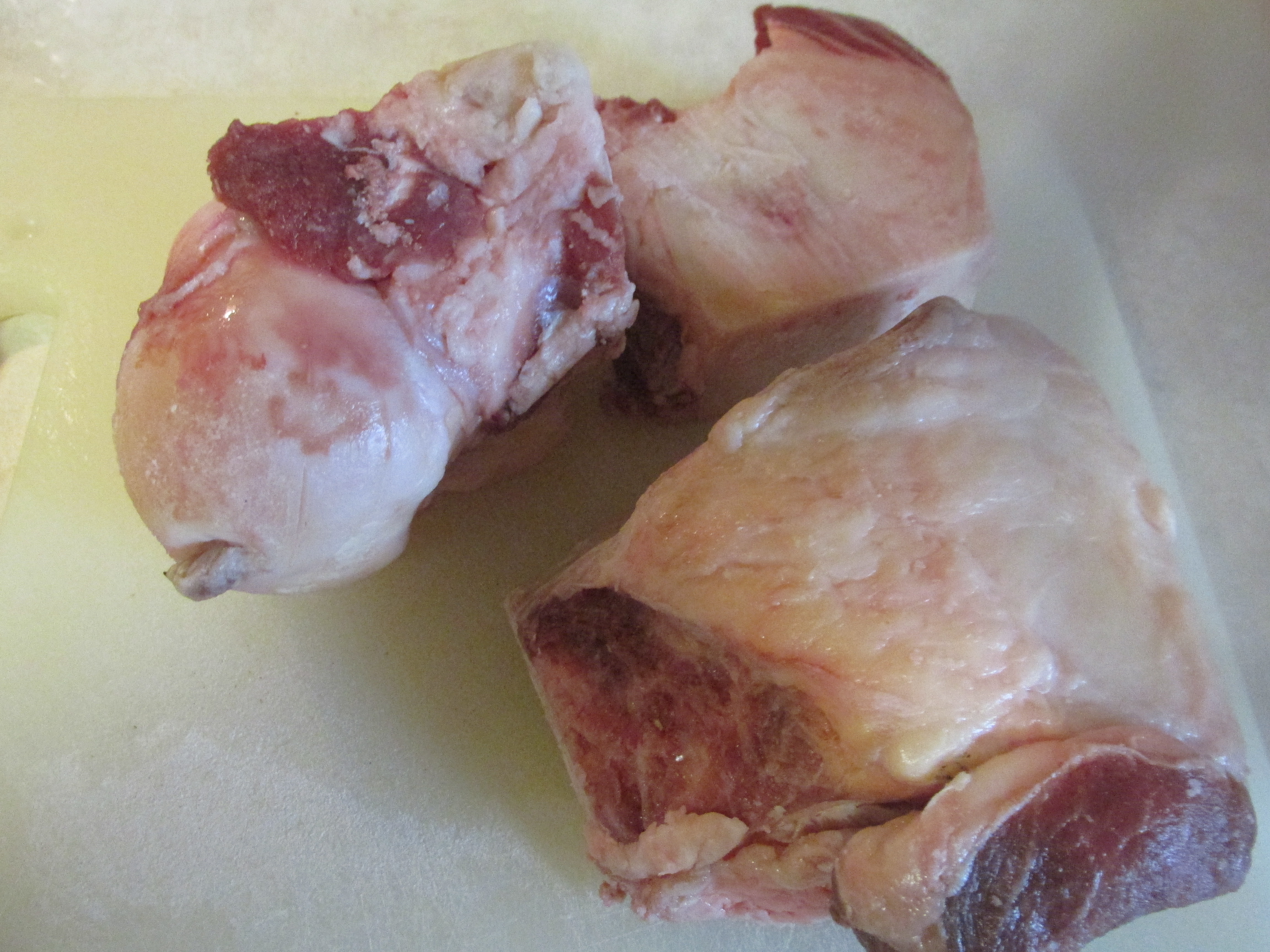
My local butcher didn’t have any marrow bones on hand, so he cut another bone into three chunks about the size of my palm. They weighed less than two pounds—the recipe called for two and half pounds with an equal amount of lean stew beef. I took what they had and purchased two and half pounds of stew beef.

Preheat oven to 450 degrees to brown meat, bones, and vegetables. According to Fannie, browning all these ingredients before cooking adds flavor and color to the stock.
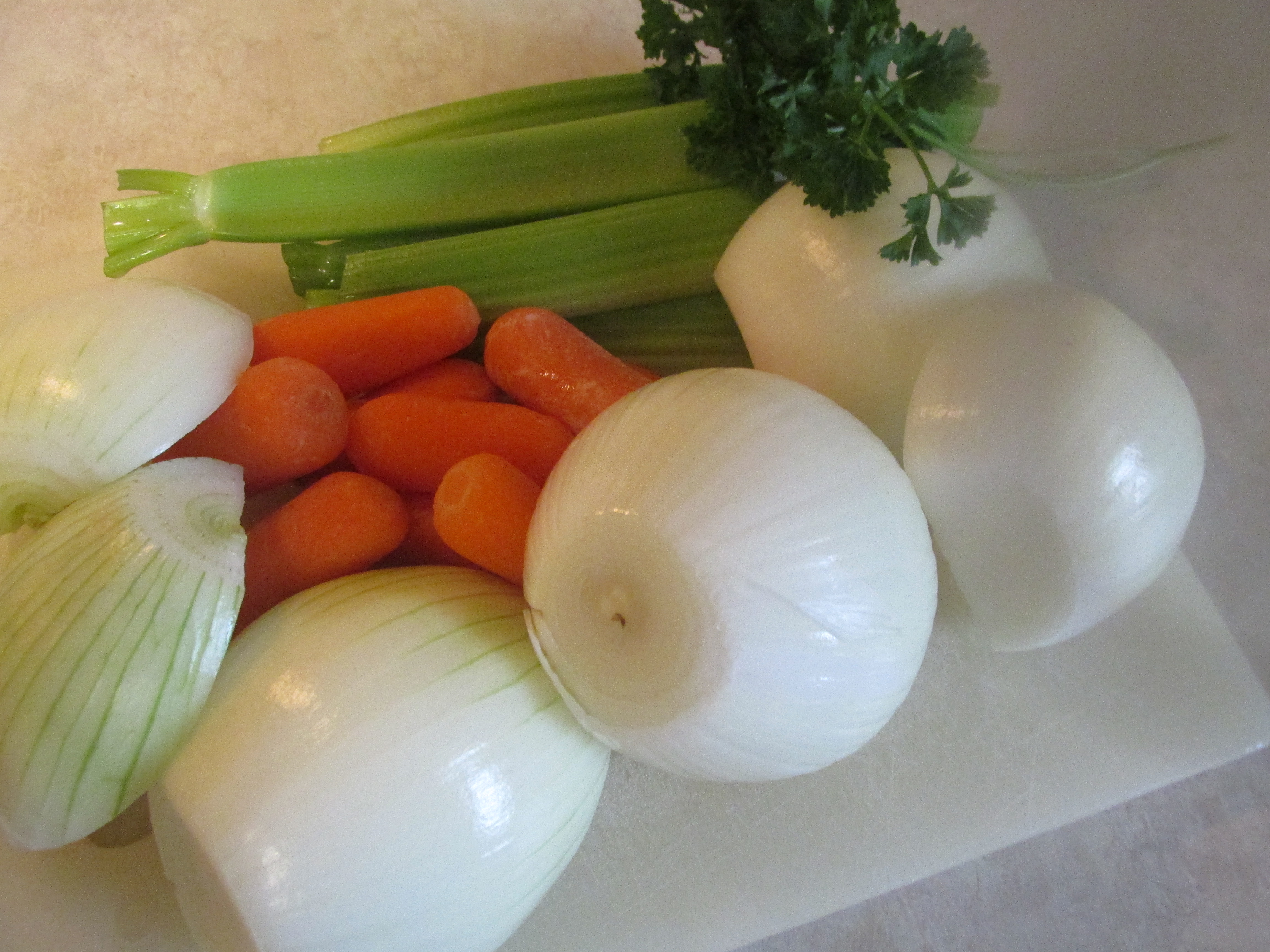
The recipe calls for 3 sliced onions. Having already made chicken stock, I knew that vegetables are discarded at the end as they are limp from the cooking process. I decided to save time and cut the onions in halves. Three celery stalks were cut in half. I set aside the onions, celery, and nine baby carrots.

Fannie suggested using a roasting pan to brown the meat and vegetables in the preheated oven. In hindsight, that would be quicker because everything will fit at once. I used a cast iron skillet where all the ingredients didn’t fit. It took three different browning sessions to cook everything.

Heat 2 tablespoons of shortening or oil in the roasting pan or skillet. Add the bones and stew beef. Stir and turn these frequently. Add the celery, carrots, and onions after 10 minutes. Stir the vegetables and watch so that they don’t scorch. When the meat is browned, remove everything from the oven.
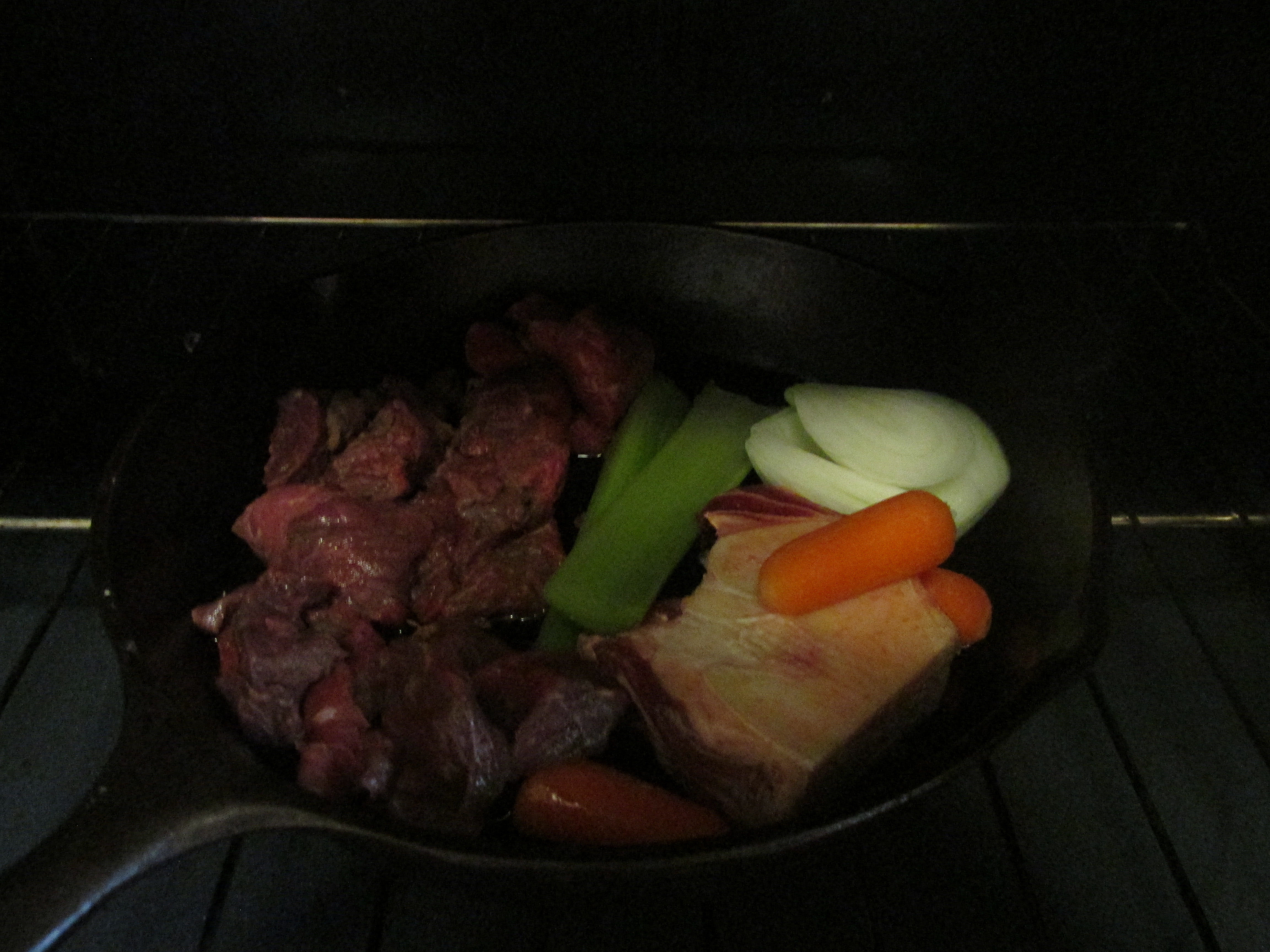
Carefully transfer meat, vegetables, and bones to a stock pot or large kettle.

Add a cup of boiling water to the roasting pan and stir to get all the scrapings off the pan. Then add this to the stock pot.

Add 1 teaspoon of dried thyme, a bay leaf, 2 sprigs of parsley, and 6 crushed peppercorns to the pot. Add 4 quarts of cold water.

Cook on medium high heat until water begins to boil then reduce to simmer. Partially cover and simmer for 2 ½ hours. If you plan to use the stew beef in another recipe, remove it now and refrigerate for later use. I used a slotted spoon to take out the beef and scalded my hands a couple of times, so be careful.

Continue simmering for another 1 ½ to 2 ½ hours. The total simmering time is four to five hours.

Fannie suggests waiting to add salt until using the stock in a recipe. This allows for salty flavors of other ingredients.

Should you choose to season the stock itself, add salt to taste just before it is done.

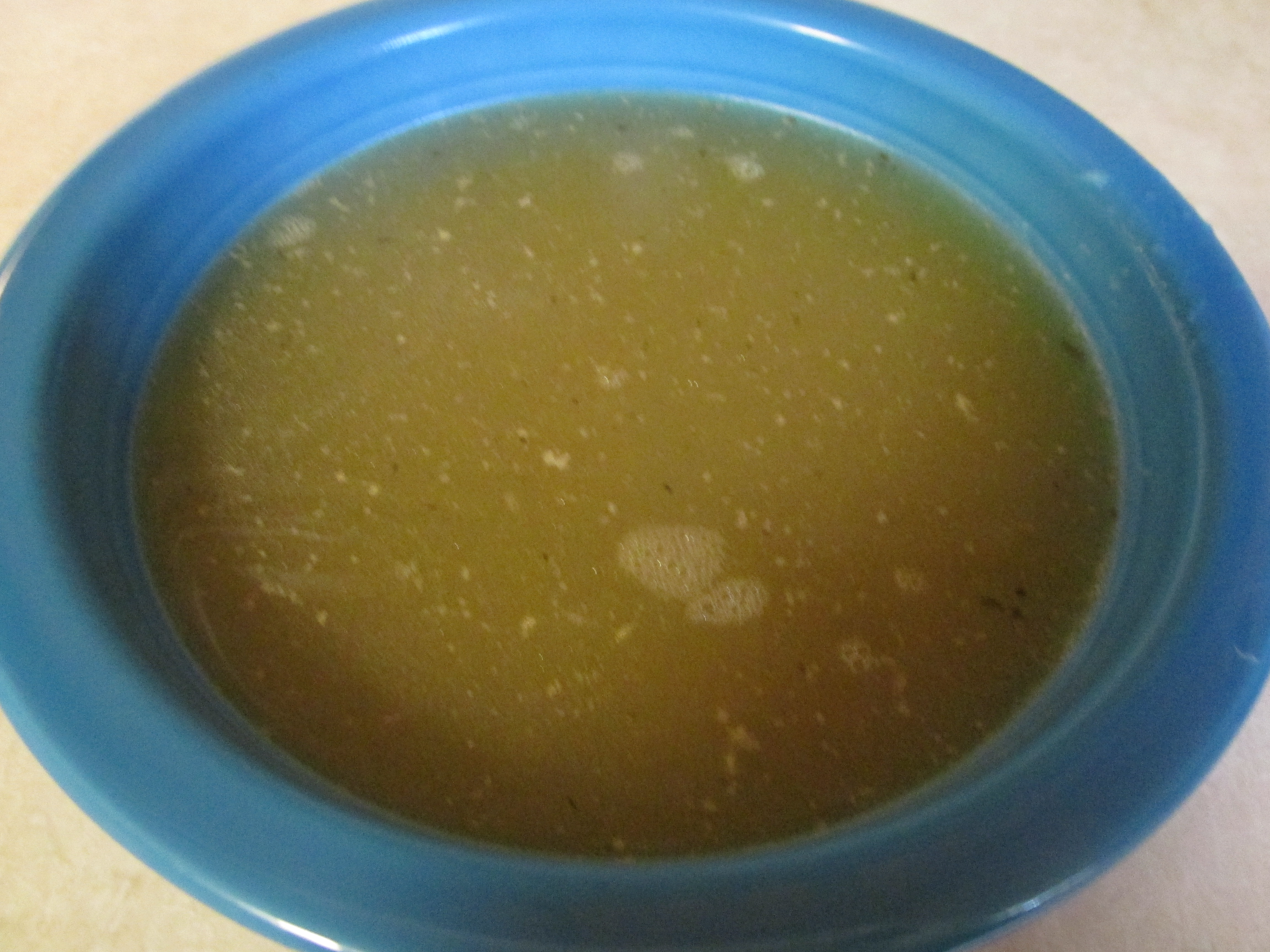
Strain the stock and allow to cool, uncovered. Refrigerate or freeze until ready to use.

I don’t generally use a lot of onion in my recipes. I will only use one onion the next time I make beef stock, but I wanted to try Fannie’s recipe her way.

This stock is very aromatic while cooking. I will let you know how I use the stock and the beef in a future recipe and I’d love to hear from you, too!

-Sandra Merville Hart

Sources

Revised by Cunningham, Marion and Laber, Jeri. The Fannie Farmer Cookbook, Alfred A Knopf Inc., 1983.


Preparing Chicken Stock

I recently ran across The Fannie Farmer Cookbook in an antique store. This book was originally published in 1896. Fannie Farmer’s name is still well-known today.

Reading Fannie Farmer’s recipe for stock intrigued me. I’ve made chicken broth from chicken but realized that is different from Fannie’s chicken stock.

Instead of making stock using chicken wings, necks, backs, and bones, I decided to use a whole chicken. This gave me boiled chicken to make soup for an easy supper the following day.

A local butcher cut up the chicken for me. Included in the package were the neck, heart, gizzard, and back. I used the legs, breasts, thighs, wings, neck, and back and discarded the rest.

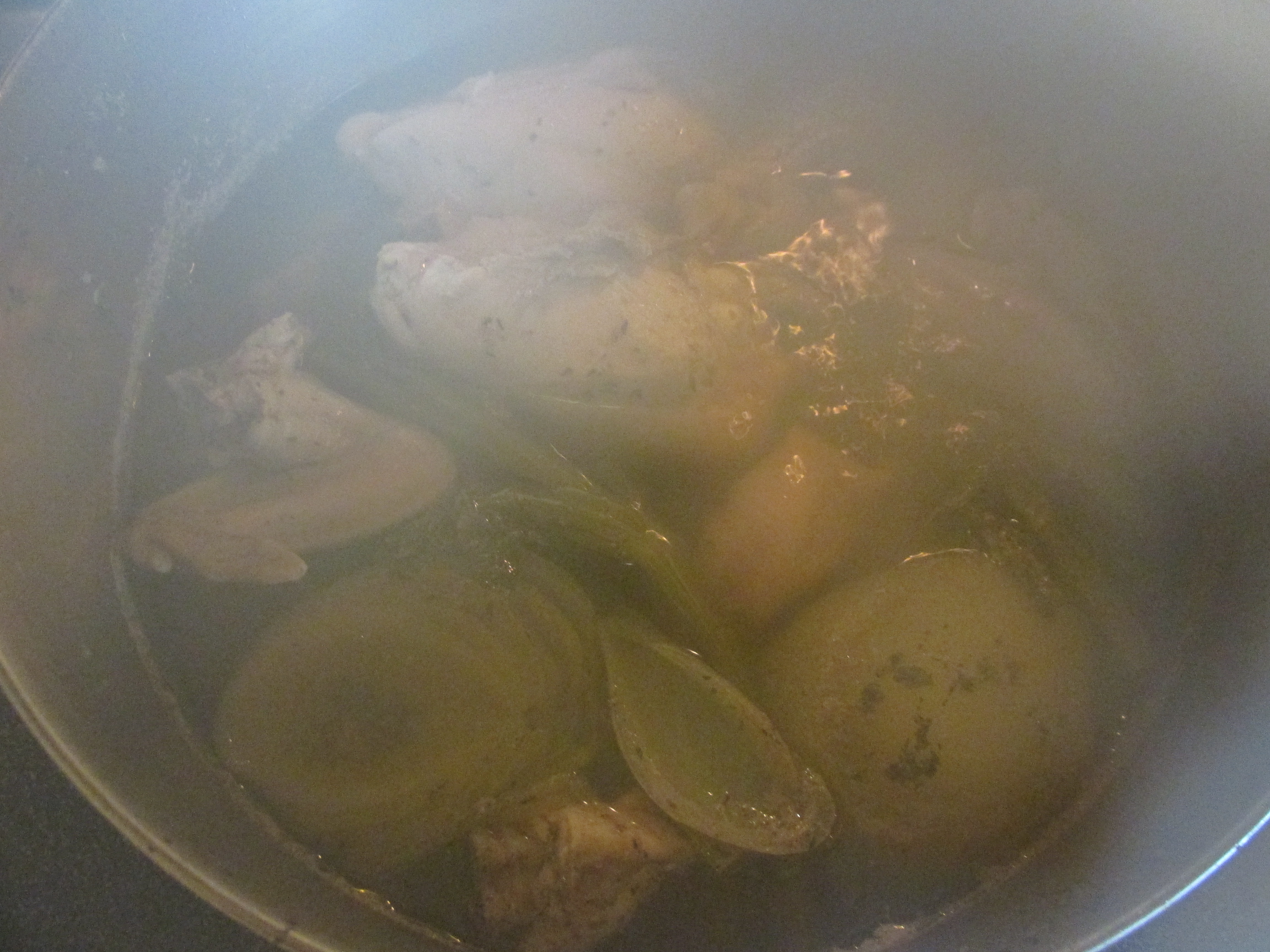
Wash the chicken and put into a large pot, holding out the breasts and wings to be added later. Add eight cups of cold water. Cut one peeled onion in half and place in the pot. Add six baby carrots or peel two carrots and cut them into thirds.

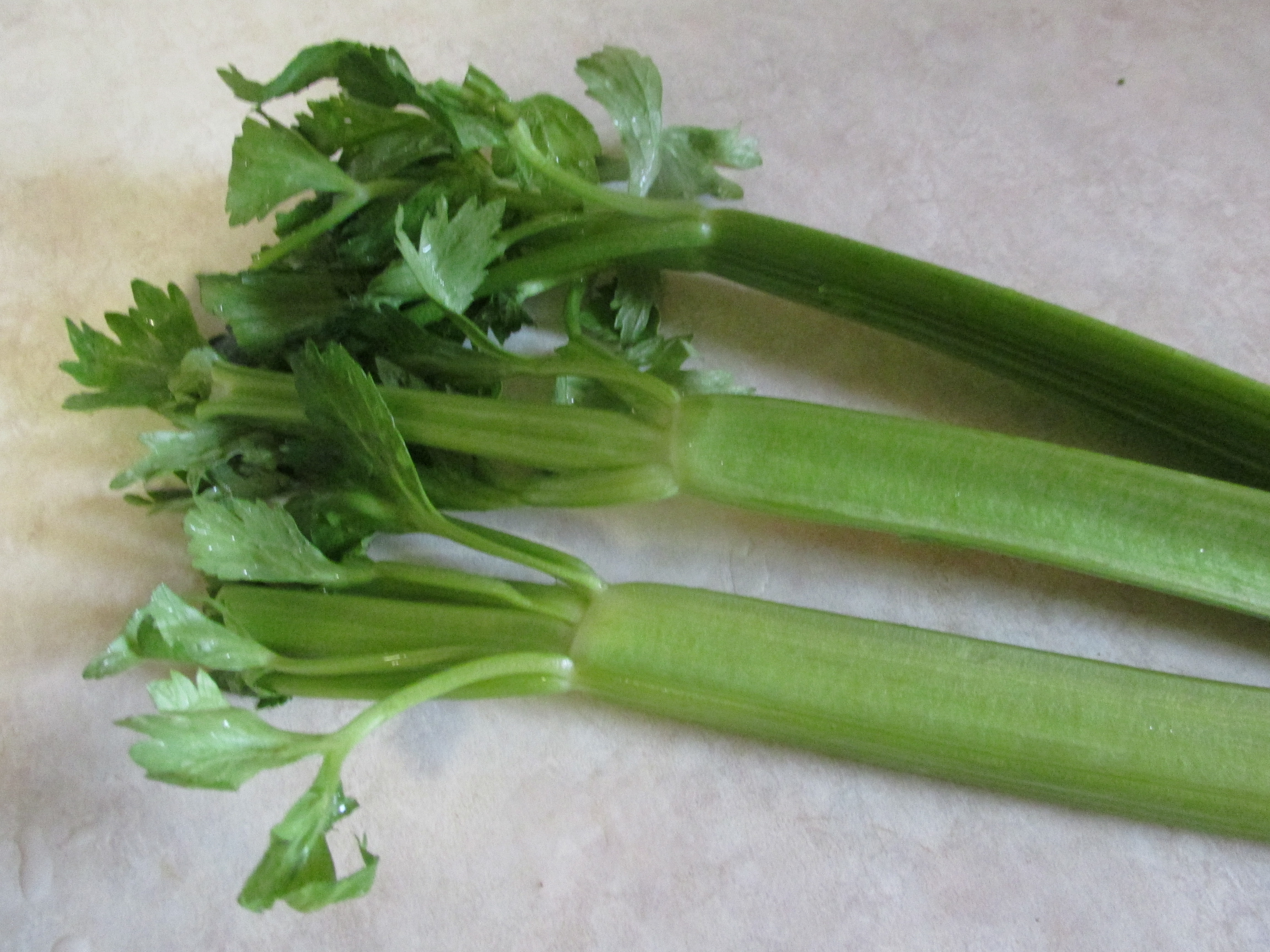
Slice in half three celery stalks, including the leaves. Add a bay leaf, a teaspoon dried thyme, and six crushed peppercorns.

Cook on medium high heat until water begins to boil then reduce to simmer. Since white meat cooks more quickly than dark meat, add breasts and wings after the stock has simmered for twenty minutes.

Cover and simmer until chicken is done. Mine was ready in about an hour. Remove chicken from pot. Debone. Add bones and skin back into the stock and continue simmering.

Refrigerate the chicken for later use in another recipe.

The total simmering time is four to five hours, which includes the time it takes to cook the chicken.

Fannie suggests waiting to add salt until using the stock in a recipe. This allows for salty flavors of other ingredients.

Should you choose to season the stock itself, add salt to taste just before it is done.

Strain the stock and allow to cool. Refrigerate or freeze until ready to use. Stock made from bones will gel in the refrigerator. When the broth thaws out, skim off the top layer of fat.

This smells and tastes delicious, even without salt. The stock smells so aromatic and appetizing that your family may be hungry for supper a little early.

Enjoy!

-Sandra Merville Hart

Sources

Revised by Cunningham, Marion and Laber, Jeri. The Fannie Farmer Cookbook, Alfred A Knopf Inc., 1983.
 

Fannie Farmer’s Tips on Preparing Stock for Soups

I recently ran across The Fannie Farmer Cookbook in an antique store. This book was originally published in 1896. Fannie Farmer’s name is still well-known today.

Stock, water enriched by the food cooked in it, is an important ingredient in numerous sauces and soups. Homemade stock brings full-bodied flavor to recipes.

Though stocks may take all afternoon to cook, they are not difficult to prepare. Once the ingredients simmer in a pot, simply check periodically that the stock isn’t cooking too quickly.

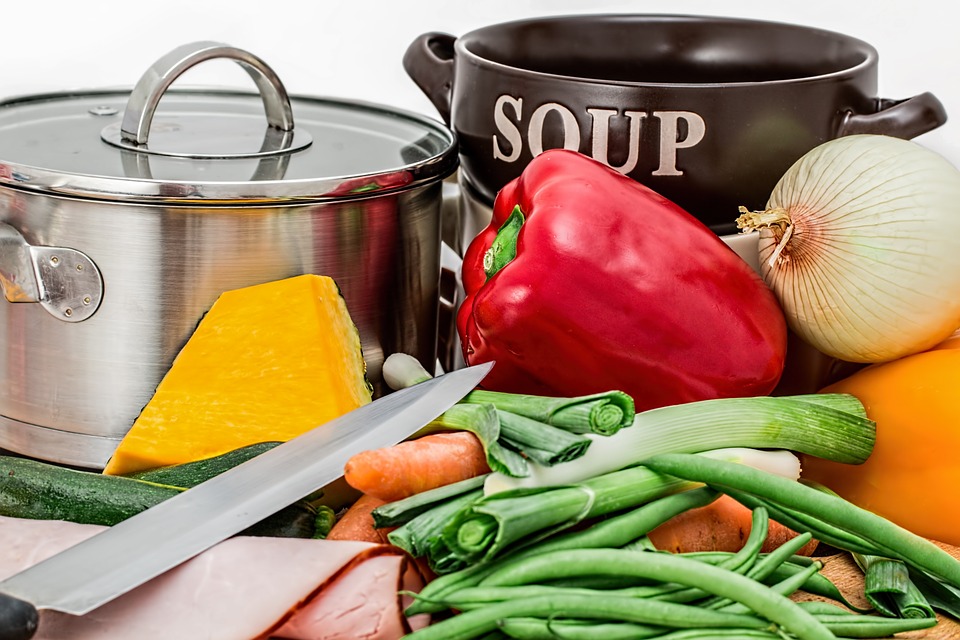
Use fresh ingredients. Preparing stock allows cooks to use beef bones, chicken bones, and necks. Onions, parsley, dill, mushroom stems, and celery—including celery tops are foods that go into stock.

Start with cold water as it draws the meat juices into the soup as it comes to a boil. After this initial boil, reduce heat to a simmer.

Partially cover during simmering to maintain the simmer. This reduces the liquid without losing nutrients.

Wait to season with salt until the stock is almost done if you know how you plan to use it. If storing it for later use, do not add salt now because it won’t reduce after being salted. The rule of thumb seems to be to season when you are ready to prepare it for your family.

Strain stock after cooking and set aside to cool, uncovered. It’s best to cool the stock quickly and it can be placed in the refrigerator. Covering the stock while it cools may cause it to sour.

If the stock is stored in the refrigerator, reheat it every three days. Boil for two minutes.

Stock freezes well for future use. One of Fannie’s tips was to freeze the stock in ice trays and then bag the cubes in the freezer—easy to grab a few when needing a small amount!

-Sandra Merville Hart

Sources

Revised by Cunningham, Marion and Laber, Jeri. The Fannie Farmer Cookbook, Alfred A Knopf Inc., 1983.



Four Tips for Better Soups from Fannie Farmer

I recently ran across The Fannie Farmer Cookbook in an antique store. This book was originally published in 1896. Fannie Farmer’s name is still well-known today.

Hearty soups and stews may be a main course at supper. Soup with a salad or sandwich is considered a nutritious lunch—depending on ingredient choices.

Here are four tips from her cookbook for seasoning soups, freezing soups, incorporating leftovers in soups, and soup garnishes.

Firstly, wait until soup is almost finished cooking to add seasonings as salt intensifies during simmering. The salt content of ingredients varies so it is best to season to taste.

Partially covering the soup while cooking reduces it and intensifies flavor. Nutrients and flavor will be kept by fully covering the pot while simmering.

Secondly, soups freeze well. Make a big pot and freeze leftovers in portion sizes to fit your family’s needs. Soups that have been frozen may require additional seasoning and diluting before serving.

Boil refrigerated soups every third day to prevent spoilage.

Thirdly, don’t be shy about incorporating leftovers from the refrigerator into soup recipes. The type of soup dictates what to use because the ingredients need to work well together. Experience will bring good judgment when it comes to these decisions.

Be careful about adding flavorless leftovers. Those vegetables won’t enhance the soup. If the dish didn’t taste good when first serving it, don’t add it to the soup.

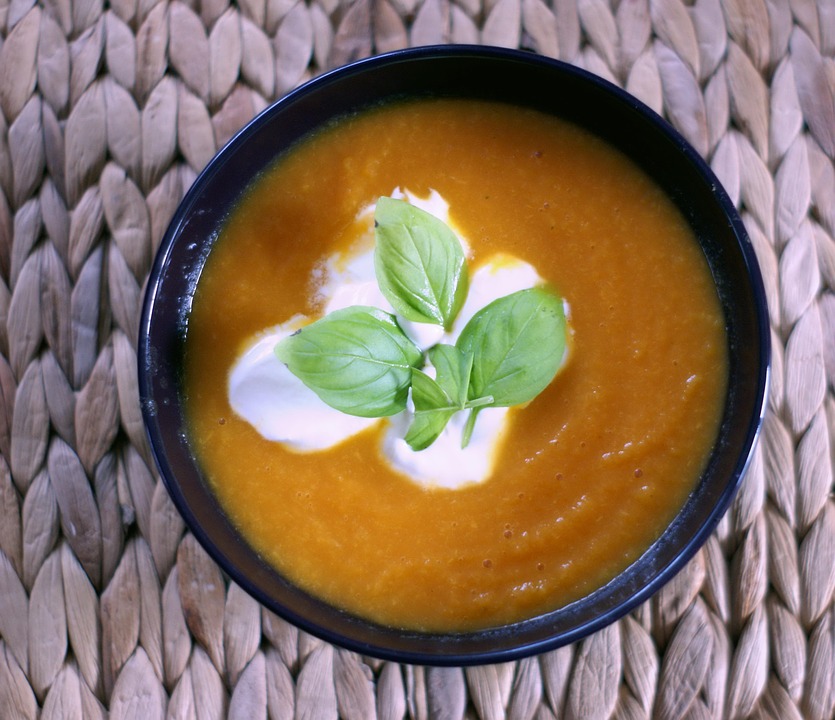
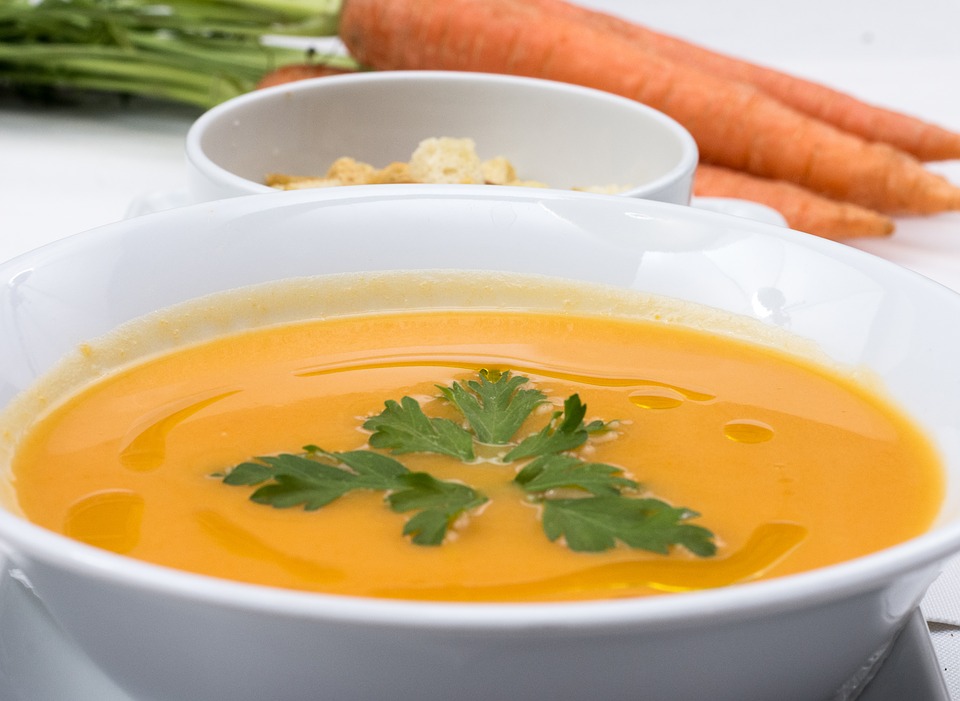
Lastly, garnishes enhance taste. Soups appear more appetizing with fresh herbs such as dill, chives, or parsley sprinkled on top. Freshly grated Parmesan cheese, for example, is a tasty addition.

A spoonful of sour cream or a slice of lemon is another possible garnish. Nuts, chopped eggs, or raw scallions may work well in some soups. Fresh blanched vegetables make a healthy garnish. Consider soup ingredients when choosing a garnish.

Making a pot of soup and experimenting with garnishes, one bowl at a time, may create a whole new dish for your family. This also allows our pickier eaters to eat ungarnished soup if they prefer.

-Sandra Merville Hart

Sources

Revised by Cunningham, Marion and Laber, Jeri. The Fannie Farmer Cookbook, Alfred A Knopf Inc., 1983.
Three Ways to Develop Good Cooking Habits – Advice from Fannie Farmer

I recently ran across The Fannie Farmer Cookbook in an antique store. This book was originally published in 1896. Fannie Farmer’s name is still well-known today.

Fannie gave advice about cooking habits before giving any recipes in her cookbook. There may be some wisdom in that strategy. Here are three ways to develop good cooking habits that are still surprisingly relevant today.

Firstly, read the whole recipe before doing anything. This shows what you will do—think about the reasons why.  Preparation and/or baking times are included in most modern recipes; give yourself plenty of time to prevent becoming flustered.

When making a complete meal, decide what dishes can be prepared ahead of time—such as dessert. Consider your menu. What dish will take longest to prepare? This will help decide when preparations for the meal should begin. Study any unfamiliar recipes ahead of time.

Secondly, think about the season of the year when planning meals. Produce and meat are at their flavorful peak when fresh. Shop at the market for ingredients that are in season or “on special.” Don’t get your heart set on a particular recipe before finding what’s available at the grocery store. Fresh products make more flavorful dishes, so learn to be flexible.

Thirdly, don’t scorn leftovers. Instead, use your imagination to make a new dish.

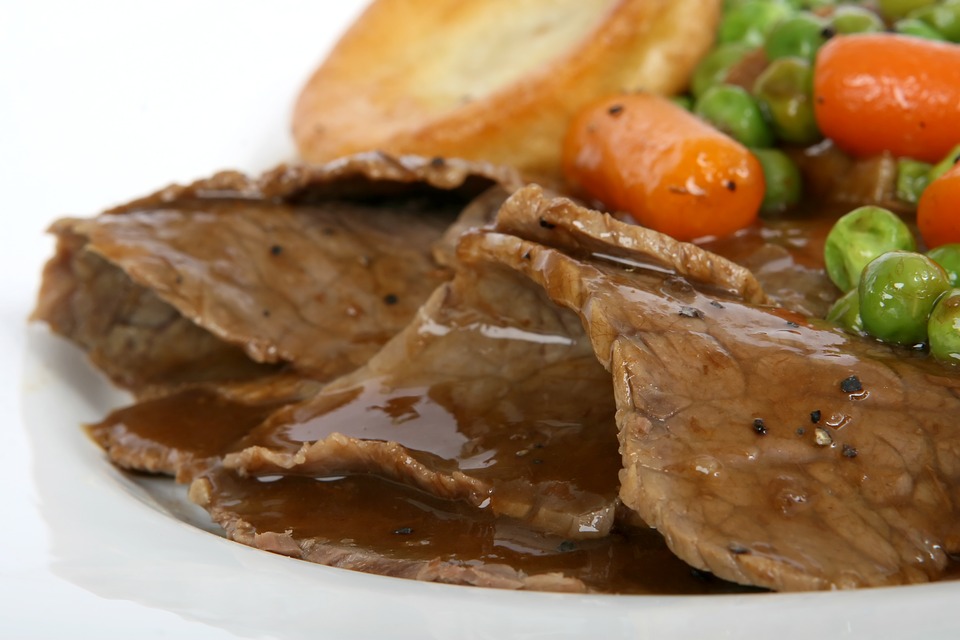
Fannie advises deliberately preparing twice the amount of meat required to feed your family. She used the example of pot roast. If there is a bone, use it to prepare soup another day along with leftover vegetables and a bit of the gravy.

Take a portion of the leftover pot roast the following day and ground it to make stuffed green peppers or stuffed eggplant. There should be enough to make a beef noodle casserole as well.

Don’t neglect to save the vegetables, sauce, and rice from meals. These ingredients may be used in omelets, salads, soups, and baked dishes. Be creative.

Great advice from the creative Fannie Farmer on developing great cooking habits!

-Sandra Merville Hart

Sources

Revised by Cunningham, Marion and Laber, Jeri. The Fannie Farmer Cookbook, Alfred A Knopf Inc., 1983.