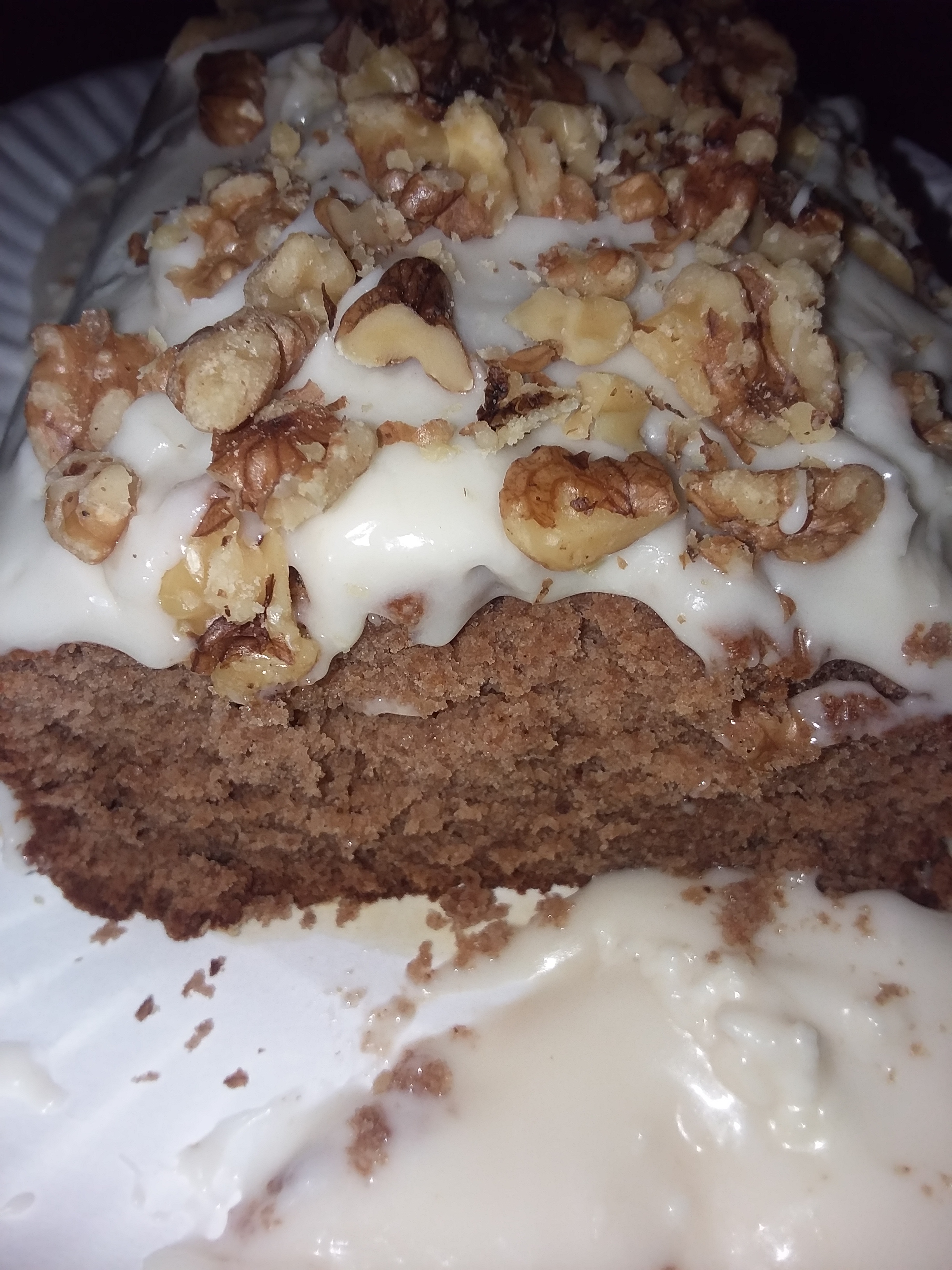
Today’s post was written by fellow author and dear friend, Carole Brown. Her gingerbread recipe sounds delicious! Welcome back to Historical Nibbles, Carole!
During WWII most people’s food was rationed. Luxuries such as nuts, milk, sugar and eggs were sometimes hard to come by making delights like gingerbread non-available throughout the war. Everyone was touched by the rationing and all encouraged to participate in “giving up” for the soldiers and the war.
In Christmas Angels, elderly Mr. Albert, Abigail’s boarding house neighbor shares his loaf of gingerbread that another resident (Dana) had given him. Though reluctant to eat any of his treat, knowing how hard the ingredients were to come by, Abigail can’t resist. Both Mr. Albert and Abigail enjoy a special blessing through Neighbor Dana’s generosity.
May you be blessed as you feast on this moist, delightfully spiced dessert.
Gingerbread Loaf
Ingredients for the loaf:
1 stick real butter, at room temperature
1 cup sugar
1/2 tsp vanilla extract
1 large egg
1 cup of applesauce
1 1/2 cups all-purpose flour
1 tsp baking soda
1 tsp salt
2 tsp ground ginger
2 tsp ground cinnamon
1 tsp ground cloves
1/2 tsp nutmeg
chopped walnuts, for topping (optional)
for the frosting:
1/2 block (4 oz.) cream cheese, room temperature
1 tsp vanilla extract
1 1/2 – 2 cups powdered sugar
Preheat oven to 350F degrees. Spray a 9×5 loaf pan lightly with nonstick cooking spray (or shortening and flour). Using a stand mixer or an electric mixer, cream together the butter and the sugar until fluffy.
Beat in the vanilla and the egg. Blend in the apple butter (or applesauce.)
Slowly add the flour, baking soda, salt, and spices (ginger, cinnamon, cloves and nutmeg.)
When everything is mixed, pour the batter into your loaf pan. Bake for about 55 minutes until it is risen and a toothpick comes out clean. Let cool completely on a rack before frosting.
To make the frosting, beat the cream cheese with the vanilla and then add 2 cups of the powdered sugar and beat until smooth and creamy. Add a little more sugar if it’s not as thick as you like.
-Carole Brown
 Christmas Angels Blurb
Her mother called her a failure, and maybe she was. Her husband was gone—in the service, yes, but if he loved her—really loved her, why didn’t he write? Or call? Or send the money she needed?
She was scared too, afraid of being alone, and though she loved this sweet little bundle of joy—her baby—well, was she smart enough and strong enough to raise her? She didn’t mind doing without all the nice things she’d love to have, but not being able to provide luxuries like Christmas trees, ornaments and presents for her baby girl was beyond enduring.
What she needed was a miracle…and that wasn’t going to happen.
 Carole’s Bio:
Besides being a member and active participant of many writing groups, Carole Brown enjoys mentoring beginning writers. An author of ten books, she loves to weave suspense and tough topics into her books, along with a touch of romance and whimsy, and is always on the lookout for outstanding titles and catchy ideas. She and her husband reside in SE Ohio but have ministered and counseled nationally and internationally. Together, they enjoy their grandsons, traveling, gardening, good food, the simple life, and did she mention their grandsons?
Find her on her blog!

 Sandra Merville Hart