by Sandra Merville Hart
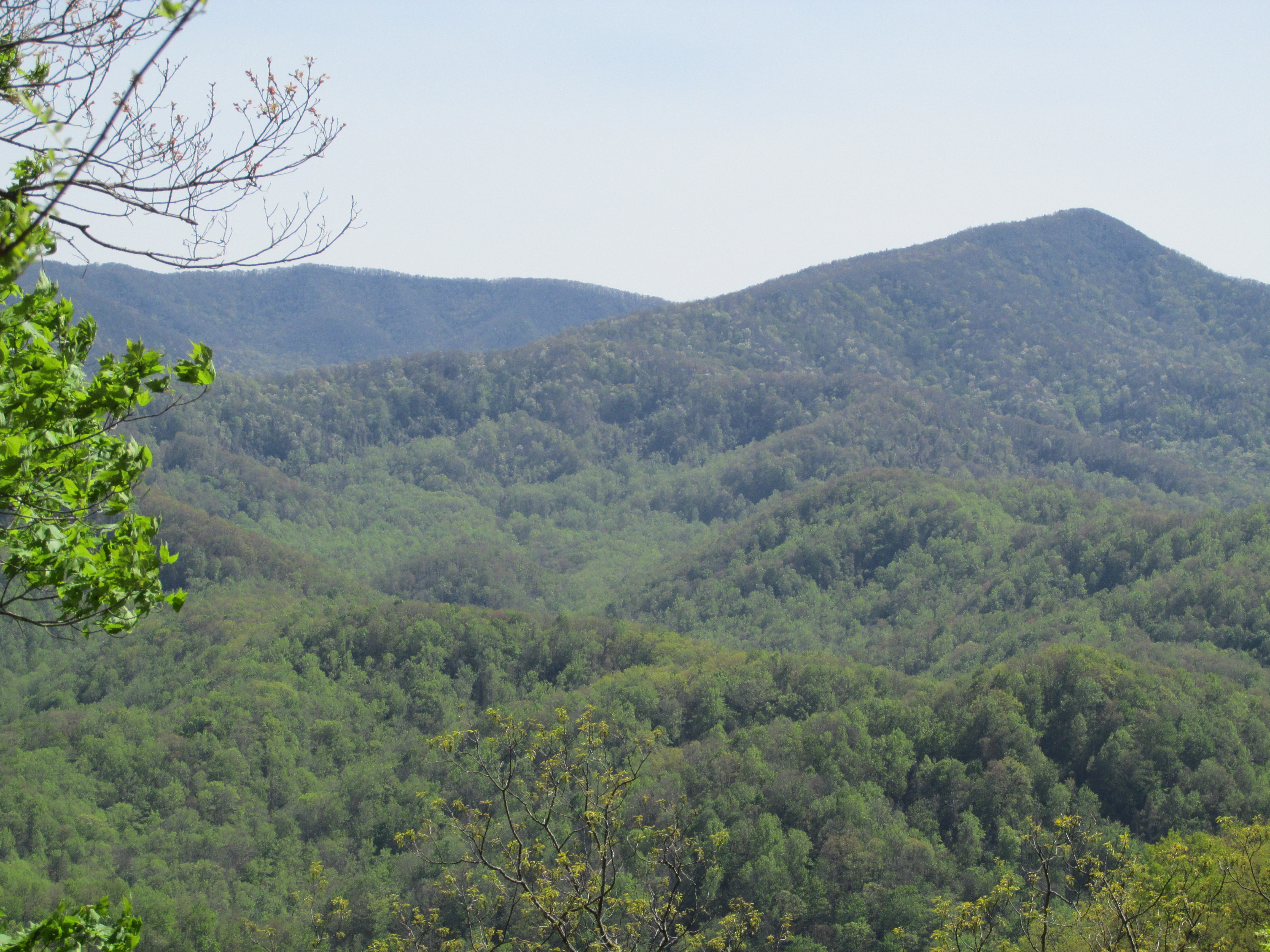
Settlers from the eastern states of North Carolina, South Carolina, and Virginia had lived in the area of Tennessee now known as Gatlinburg almost a half-century before Radford Gatlin arrived.
 North Carolinian Radford Gatlin came to White Oak Flats with his wife and a slave woman in 1854. He purchased property around the mouth of Roaring Fork Creek that extended over from what later became known as Burg Hill to Huckleberry Ridge. He built a home and a store on his land.
Gatlin, a shrewd businessman, hauled merchandise from Sevierville on horseback or on his shoulders because there were no wagon roads. He stocked large quantities of coffee, salt, sugar, guns, axes, rifles, and ammunition—items in great demand. Residents at the time recalled the heavy, clear-toned cowbells sold by the store.
 A deeply religious man, Gatlin established a church and called it New Hampshire Baptist Gatlinites. About half the folks attended at first. Crowds dwindled as hard feelings arose against the overbearing and antagonistic preacher. The Gatlins were charged with abusing their servant.
Soon he was forbidden to preach at the church. Around this time, his barn burned. He accused Elisha Ogle of setting the fire. Ogle sued. Gatlin lost and had to sell his land to repay money borrowed to defend himself.
Gatlin paid grant fees on a claim of 50,000 acres that extended to the top of the Great Smokies over toward Maryville in 1855, and it was recorded in Sevierville at the county’s courthouse.
Dick Reagan, the postmaster, was one of Gatlin’s friends. In 1856, the post office was in Gatlin’s store and Reagan named it Gatlinburg in his friend’s honor.
Gatlin’s slave fell ill and died. She is buried in a field about twenty feet east of where Ogle Brothers’ Store once stood. Jane Huskie and James Bohannon are also buried there. Both women are in unmarked graves.
Sentiment in the mountains during the 1850s was for the Union while Gatlin was strongly outspoken in support of the Confederacy. As the Civil War approached, Gatlin gave such a bitter speech that masked men severely beat him one night and ordered him to leave.
No valid claims were found for his vast acreage. Some belonged to prior claims and some was even across North Carolina’s state boundary. Destitute, he left Gatlinburg in 1859 or 1860.
Gatlin moved to Fultonville where he started a school. He wrote textbooks–a reader and a speller–that he used there as a teacher. One of the families kept an old receipt from Gatlin for $4, the cost of their son’s quarterly tuition.
Sources:
“8 Huge Moments in Gatlinburg History and Pigeon Forge History,” Timber Tops Cabin Rentals, 2020/08/23 https://www.yourcabin.com/blog/moments-in-gatlinburg-and-pigeon-forge-history/.
“Gatlinburg, Tennessee,” Wikipedia, 2020/08/24 https://en.wikipedia.org/wiki/Gatlinburg,_Tennessee.
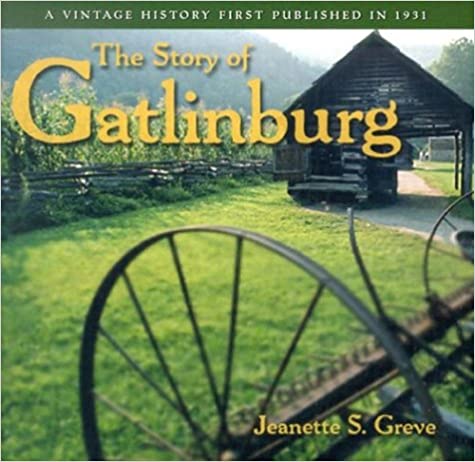
Greve, Jeanette S. The Story of Gatlinburg, Premium Press America, 2003.
“Smoky Mountain History: How Did Gatlinburg, Pigeon Forge and Sevierville Get Their Names?” Visit My Smokies, 2020/08/23 https://www.visitmysmokies.com/blog/gatlinburg/smoky-mountain-history-how-cities-got-their-names/.
“The Story of Gatlinburg,” Gatlinburg Convention and Visitors Bureau, 2020/08/23 https://www.gatlinburg.com/the-history-of-gatlinburg/.




 Sandra Merville Hart