Revolutionary War: Washington Fights a Smallpox Epidemic

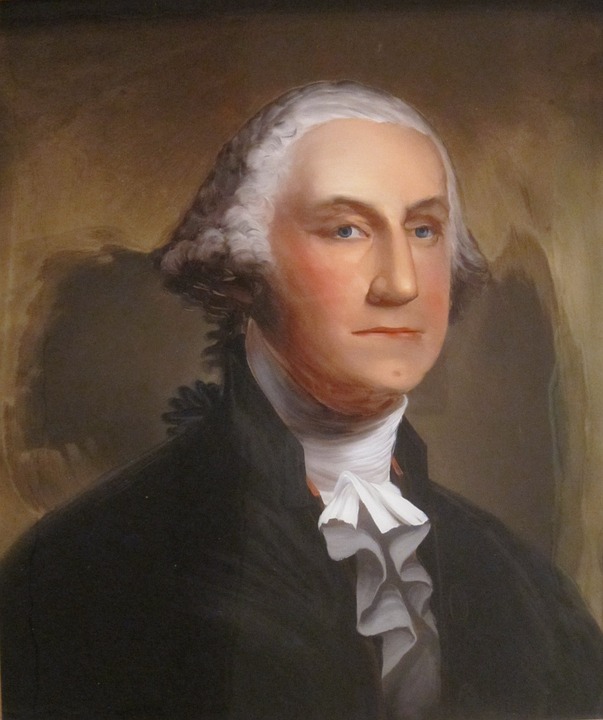
General George Washington had a problem—besides his British enemy. This time it was a silent killer—a disease known as smallpox.

Washington was no stranger to the disease. While in Barbados in November, 1751, he’d suffered through a bout with the disease. After he recovered, he was immune to smallpox.

Variola—the smallpox virus—was brought in by British and German soldiers. The virus caused about 17% of deaths in the Continental Army. The disease also scared off potential recruits.

The practice of inoculations was widespread in Europe. Fearing contamination from the inoculation process, the Continental Congress prohibited army surgeons from doing them. Besides, soldiers would be too ill to fight for about a month after receiving a less-potent form of smallpox.

Yet soldiers were dying. Washington had to do something.

On January 6, 1777, General Washington ordered Dr. William Shippen, Jr. to inoculate all soldiers that came through Philadelphia. He wrote that he feared the disease more than “the Sword of the Enemy.”

Washington then ordered a mass inoculation on February 5, 1777. Though he did this in secret so the enemy wouldn’t know that his soldiers were incapacitated for a time, he did inform Congress of his decision.

Some reports state that deaths from smallpox dropped to 1% in the Continental Army. Isolated infections occurred in the southern campaign but were not the overwhelming problem as had occurred early in the war.

Washington’s decisive actions had saved the army.

-Sandra Merville Hart

Sources

“George Washington and the First Mass Military Inoculation,” The Library of Congress, 2018/03/11 https://www.loc.gov/rr/scitech/GW&smallpoxinoculation.html.

“Ten Facts about Washington and the Revolutionary War,” George Washington’s Mount Vernon, 2018/03/11 http://www.mountvernon.org/george-washington/the-revolutionary-war/ten-facts-about-the-revolutionary-war/.

Thompson, Mary V. “Smallpox,” George Washington’s Mount Vernon, 2018/03/11 http://www.mountvernon.org/digital-encyclopedia/article/smallpox/.


Revolutionary War: The Fate of Unborn Millions

When the Continental Army drove British troops out of Boston, the English soldiers headed to New York City.

General George Washington knew the importance of the city. He told his troops that “the fate of unborn millions” depended on their courage and on God.

Over the next few weeks, more British troops arrived in New York as the colonial soldiers prepared for battle. The British, under the command of Lieutenant General William Howe, attacked on August 27, 1776. The Continental soldiers fought bravely but were losing the fight.

A heavy storm halted the fighting the next day. It continued until the afternoon of August 29th. Howe decided to postpone the attack for the next day. Washington decided to evacuate while he could. The storm had left behind a thick fog.

Washington, at noon, ordered the quartermaster to impress boats with sails or oars. He needed them by dark.

Oars were wrapped with cloths to muffle the sound. Soldiers loaded horses, supplies, cannons, and ammunition as silently as possible for the first river crossing. Soldiers from a Massachusetts regiment—peacetime fishermen and sailors—served as boat crews.

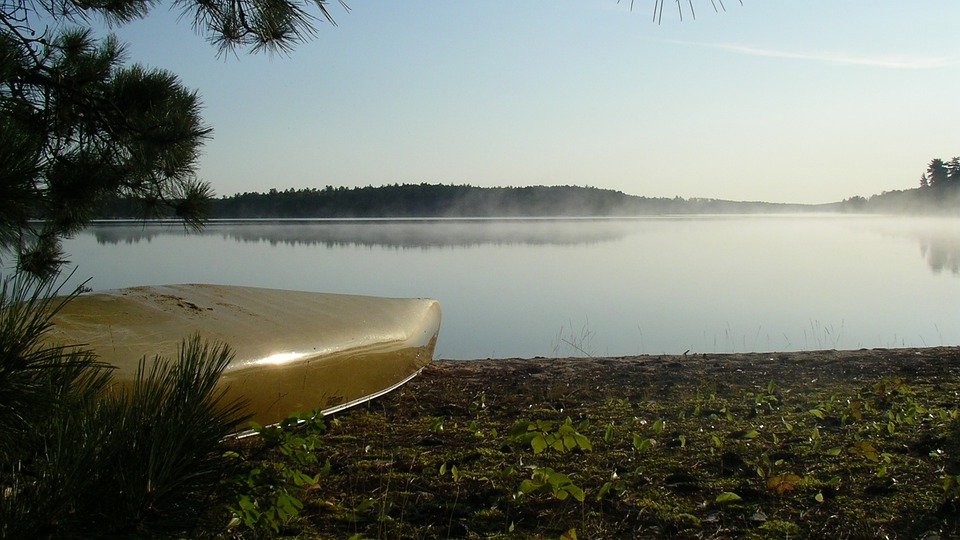
In the misty fog, the wounded soldiers were transported next and then the rest of the Continental soldiers began to fill the rowboats, canoes, and barges.

Under General Washington’s orders, rearguard kept fires burning to keep the British army from detecting their retreat.

The last troops crossed safely at 6 am.

They had done it. Washington’s plan saved around 9,000 soldiers and most of their horses and supplies. They had slipped away without the enemy’s knowledge.

Even in defeat, Washington proved to be skillful leader.

-Sandra Merville Hart

Sources

Goldstein, Norman. “Escape from New York,” HistoryNet, 2018/03/11 http://www.historynet.com/escape-new-york.htm.

“Ten Facts about Washington and the Revolutionary War,” George Washington’s Mount Vernon, 2018/03/11 http://www.mountvernon.org/george-washington/the-revolutionary-war/ten-facts-about-the-revolutionary-war/.


Revolutionary War: Washington Battles Supply Shortage at Valley Forge

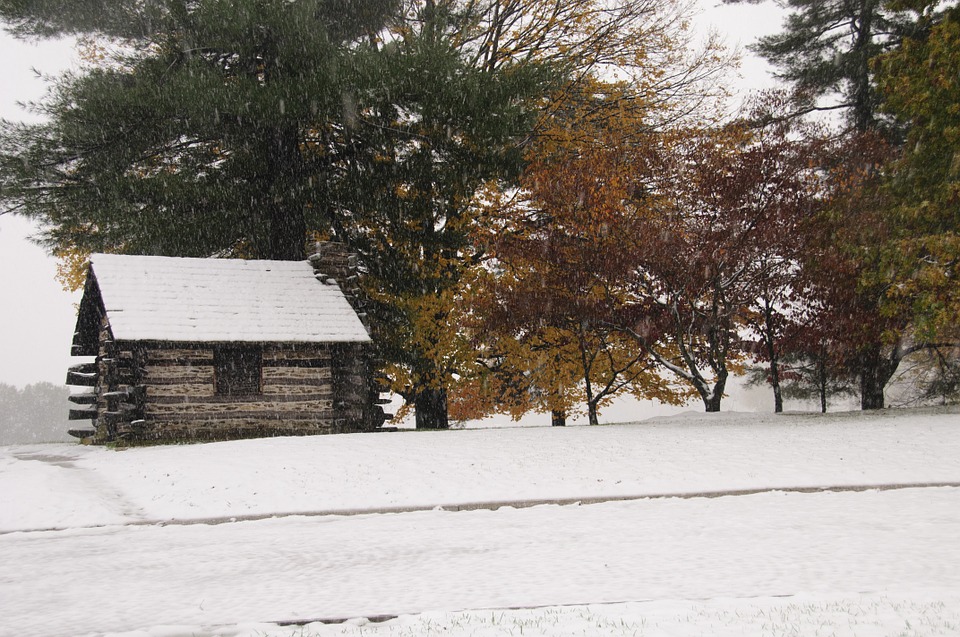
The winter of 1777-78 at Valley Forge was rainy and moderate rather than snowy and cold, yet General George Washington’s colonial soldiers still suffered.

They were hungry. Provision shortages prompted Washington to write to the President of Congress, Henry Laurens, three days after their arrival at Valley Forge. His letter, dated December 22, 1777, reported alarming deficiencies in food supplies that, unless solved, must dissolve the army.

Incompetence in the Commissary and Quartermaster Department were partly to blame, though the practice of Purchase Commissaries working on percentages encouraged dishonesty.

William Buchanan served as Commissary General that winter. Washington asked Buchanan to rise to the challenge in a December 28th letter. He asked that at least a 30-day supply be stored near camp. Buchanan’s response wasn’t effective.

Nearby farmers, knowing the army’s great need, charged high prices. Local government passed legislation to fix prices to control this problem.

To supplement the food supply, Washington sent soldiers out to forage.

Members of the Continental Congress visited Valley Forge in mid-January. Washington reported the serious shortage.

In early February, Washington appealed to state governments for aid, who responded by sending droves of cattle to Valley Forge in March. One drove was captured by British soldiers.

The March 2nd appointment of Major General Nathanael Greene to Quartermaster General greatly improved the whole supply system along with the help of a new Commissary General, Colonel Jeremiah Wadsworth.

Greene and Wadsworth worked well together. Their previous commissary experience was a refreshing change and helped turn a bad situation around at Valley Forge.

-Sandra Merville Hart


Sources

“Provision Shortages at Valley Forge,” UShistory.org, 2018/03/20 http://www.ushistory.org/valleyforge/history/provisions.html.


“Ten Facts about Washington and the Revolutionary War,” George Washington’s Mount Vernon, 2018/03/11 http://www.mountvernon.org/george-washington/the-revolutionary-war/ten-facts-about-the-revolutionary-war/.

Colonial Virginia Christmas Feast

Christmas morning began with a bang in colonial Virginia. Literally. Men fired their muskets. Firecrackers popped and cannons roared in celebration of the day. If none of these noisemakers were at hand, men beat on pots and pans to join the merrymakers.

After church services, the colonists enjoyed a large dinner that might include up to eight courses.

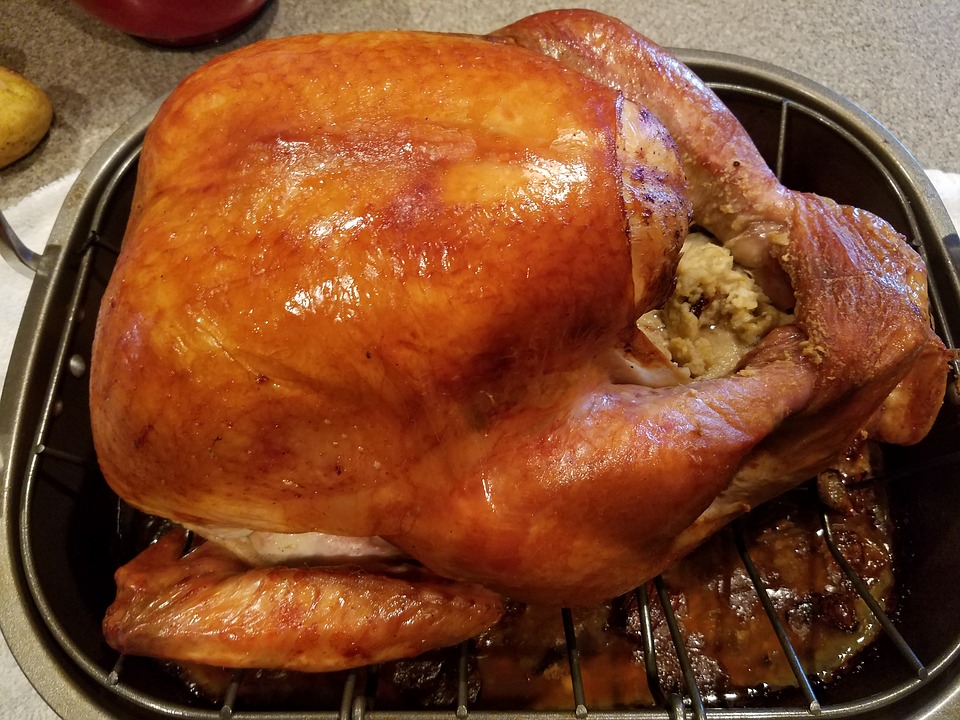
George and Martha Washington, wealthy landowners before the Revolutionary War, served lavish feasts for their guests. Meats included crab, oysters, codfish, turtle soup, Yorkshire pudding, ham, venison, boiled mutton, and turkey with stuffing. Served with these were relishes, vegetables, biscuits, and cornbread.

Then, if the diner had any room for dessert, there were possibly a dozen choices. Tarts, puddings, pies, fruit, cakes, ice cream, and dishes of candy, nuts, and raisins were among the selections.

January 6th was known as Twelfth Night, and was typically marked with a celebration that marked the official end of the Christmas season.

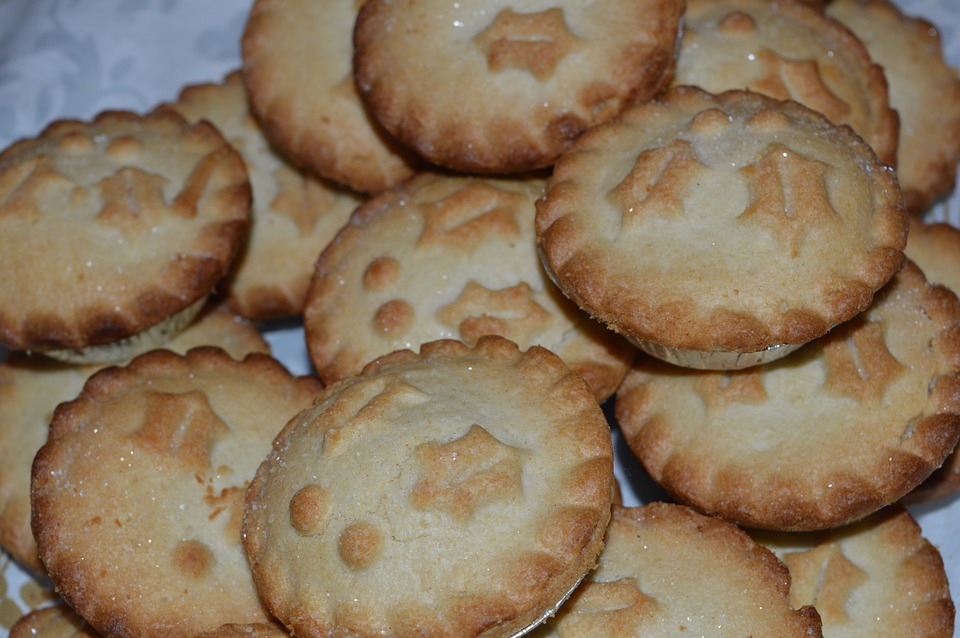
Most of the colonists were from England or had English roots so it isn’t surprising that they enjoyed wassail (spiced wine or ale punch with apples), mince pies, plum puddings, and fruit cake.

Washington had an eggnog recipe that he made for his guests. They loved the potent drink.

Music, dancing, and visiting with friends might last for another week after the feast.

-Sandra Merville Hart

Source

Christmas in America in the 1700’s and 1800’s, World Book, Inc., 2007.