
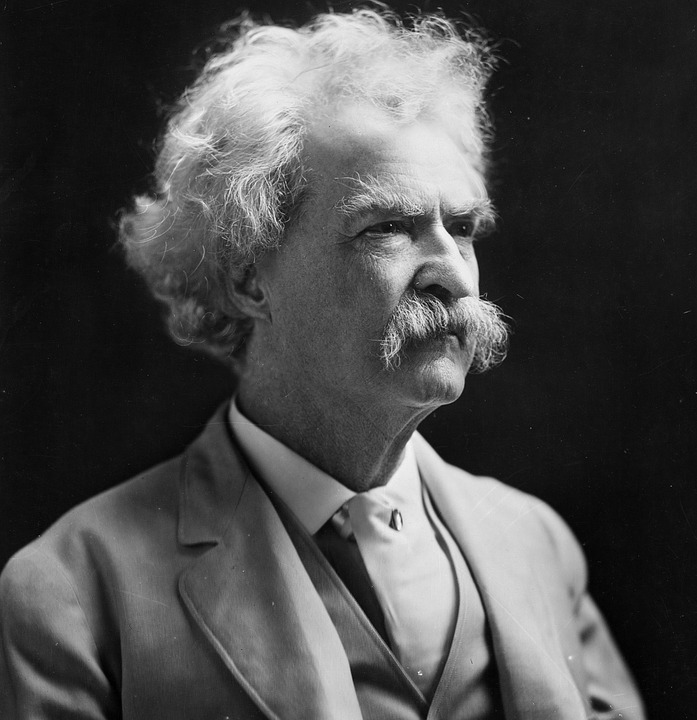
Mark Twain and his brother stopped in Great Salt Lake City while on a stagecoach trip to Nevada in the early 1860s. While at the Salt Lake House, a fellow asked if Twain wanted his boots blacked. Twain agreed and paid him a silver five-cent piece when done.
 The man laid the coin in his hand and stared as if at a novelty. Stagecoach drivers, mountaineers, and other local folk gathered near to survey the nickel.
Returning the money, the fellow suggested that Twain store his coins in his pocket-book instead of his soul—that way it wouldn’t get so shriveled up!
It was a humiliating lesson that commodities costing far less in the eastern United States were not as cheap in the West. The amount Twain gave was a fair price where he grew up, but not in Great Salt Lake City.
A penny’s worth of goods was available in the East; it bought the smallest amount of purchasable products. The silver nickel was the smallest coin used west of Ohio.
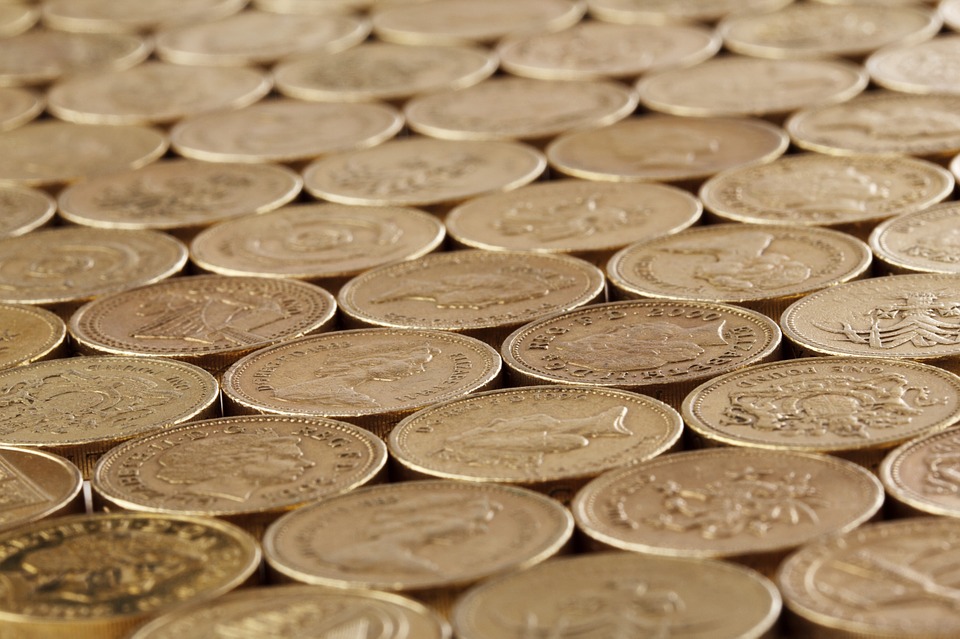 Nothing cost less than a dime in Overland City and, as Twain learned the hard way, everything cost at least a quarter in Great Salt Lake City.
Cigars, peaches, candles, newspapers, and chalk pipes—items that normally cost Twain a nickel—went for twenty-five cents in that western city.
Twain and his brother brought along silver coins stored in a shot-bag; the level reduced at an alarming rate at those prices. Though it seemed as if they blew their money on riotous living, their expense records proved that not to be the case.
The brothers quickly learned the realities of residing in the pioneering West. High costs of freighting goods to the area escalated the prices. Pioneers grew accustomed to paying a minimum of twenty-cents for everything, even blushing to remember paying only a nickel for the same items.
The fellows had a good laugh at Twain’s expense that morning at the hotel, perhaps because the same thing happened to them when they were first confronted with the exorbitant prices in the West.
-Sandra Merville Hart
Sources
Twain, Mark. Roughing It, Penguin Books, 1981.
 Sandra Merville Hart