by Sandra Merville Hart
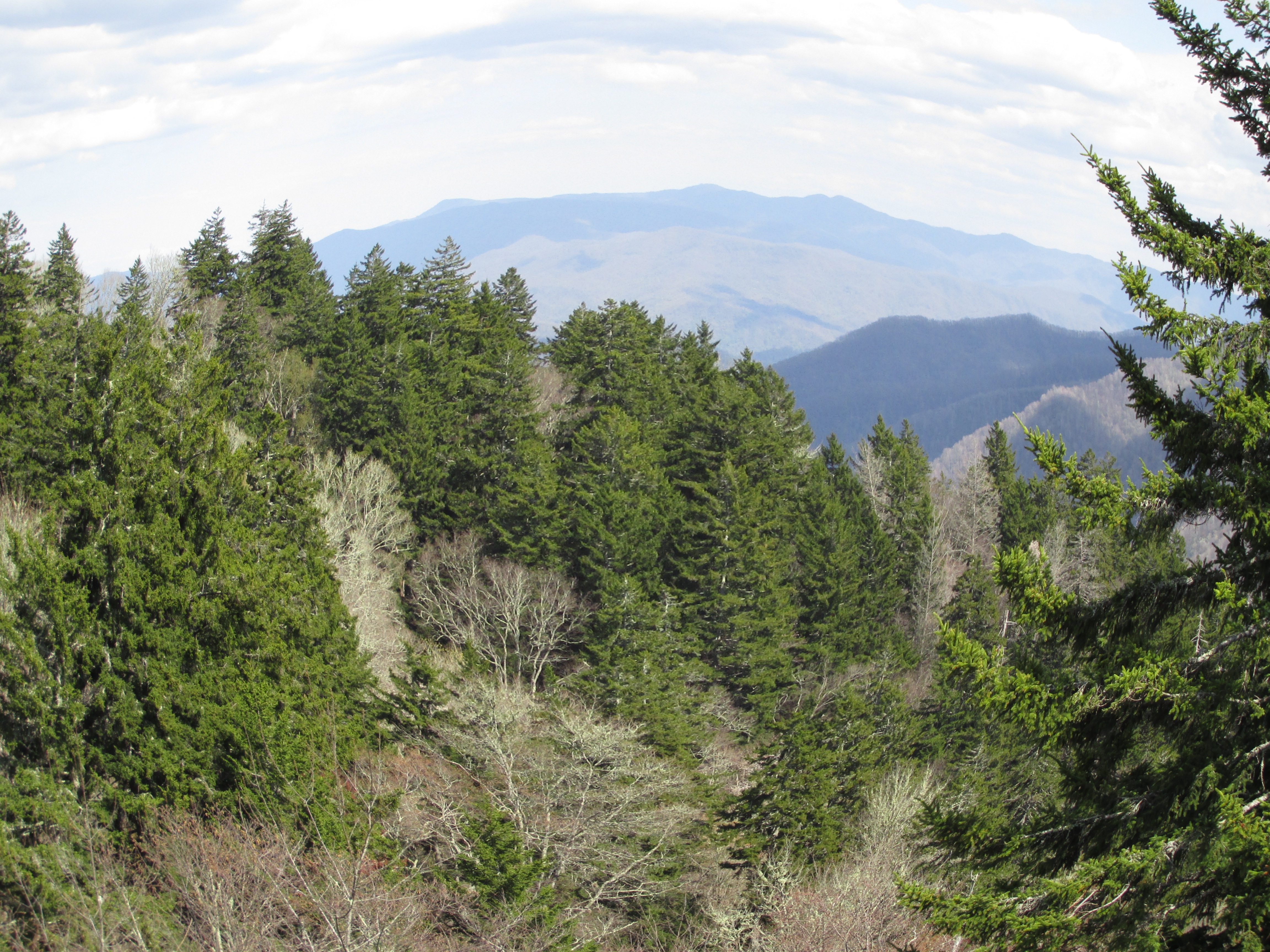
Indian Gap Trail was a footpath that Cherokee traveled to hunt in the Smoky Mountains. It connected to a trail that followed the West Fork of the Little Pigeon River through what is now Sevierville, Pigeon Forge, and Gatlinburg over the mountains into North Carolina.
There were many settlers in Sevier County when Sevierville became the county seat in 1793. William Oglesby came to the Gatlinburg area from Edgefield, South Carolina. He cut and notched logs to build a cabin with the help of the Cherokee. Then he returned home for his family. Unfortunately, he caught malaria and died in 1803.
Martha Jane Huskey Oglesby, his widow, brought her family to the mountains and found the logs as her husband left them four years earlier and built a cabin. They shortened their name to Ogle.
Jane’s oldest daughter, Rebecca, was already married when they arrived. She and her husband James McCarter settled in what’s now called Cartertown. Isaac Ogle, Jane’s oldest son, owned 50 acres around Mill Creek.
By 1802, Richard Reagan had moved with his family from Virginia. Daniel Wesley Reagan was born on October 15, 1802, the first child born in the new settlement that was soon to be called White Oak Flats for the area’s abundance of white oak trees.
Pioneers settling in White Oak Flats around this time were John Ownby, Jr. and Henry Bohanon. Other early family names are Whaley, Trentham, Pinckney, and Maples.
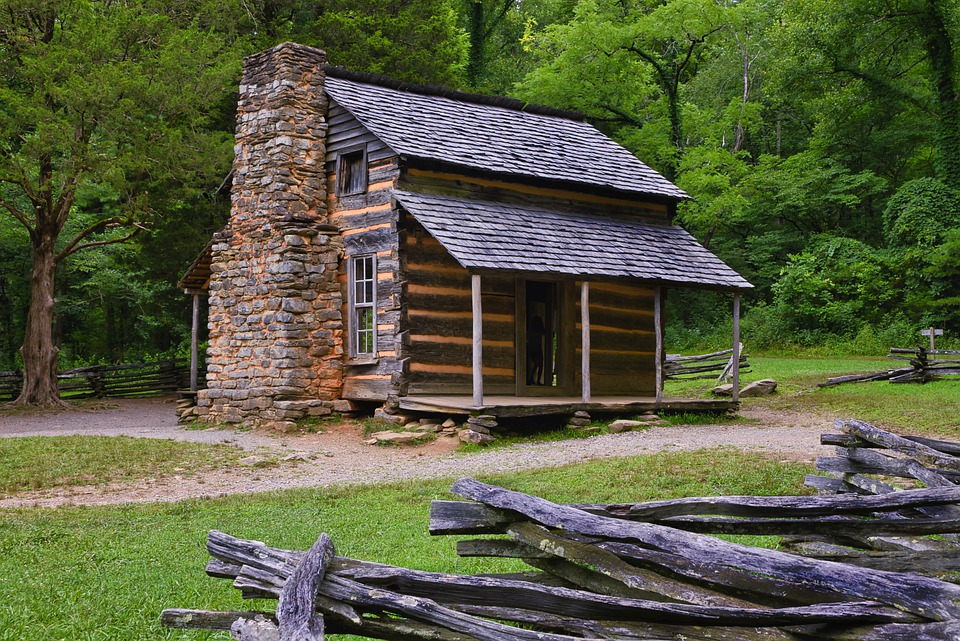 There were no wagon roads. The pioneers carried their possessions over rough trails to make a home in the Smoky Mountains. They chopped down trees to plant crops and build cabins and barns.
James Bohannon was the first person to die in White Oak Flats. While carrying a heavy sack of maple sugar across a foot log bridge on the Pigeon River, he fell off and drowned.
Cherokee and Creeks resented their presence—it caused fights and friction. Gradually the Native Americans left the Smokies.
Many early residents may have been Revolutionary War soldiers who received fifty acres of land from North Carolina. (Tennessee had been part of North Carolina during the war.) Soldiers brought warrants with them, paying 75 cents for their property. The Sevier County Courthouse burned in 1824, losing all records, so this can’t be proven except by family tradition.
Worship services were first held out-of-doors until a church was built where the roads crossed. (Ogle Brothers’ store later stood there.)
Folks continued to move to the area. A second church was built near the mouth of Mill Creek on river road. This five-cornered building served the community as a church and school from 1816—35. They then built a log building, The White Oak Flats Baptist Church, on the Bearskins Creek bank in 1835.
The post office moved to Radford Gatlin’s store and White Oak Flats became known as Gatlinburg in 1856.
Sources:
“Gatlinburg, Tennessee,” Bearskin Lodge, 2020/08/24 https://www.thebearskinlodge.com/gatlinburg-history/.
“Gatlinburg, Tennessee,” Wikipedia, 2020/08/24 https://en.wikipedia.org/wiki/Gatlinburg,_Tennessee.
Greve, Jeanette S. The Story of Gatlinburg, Premium Press America, 2003.
“The Story of Gatlinburg,” Gatlinburg Convention and Visitors Bureau, 2020/08/23 https://www.gatlinburg.com/the-history-of-gatlinburg/.


 Sandra Merville Hart