Economical Dinner Suggestions

We all have our “go to” choices for inexpensive suppers when we’re waiting for that next paycheck.

The author of 1877 Cookbook Buckeye Cookery and Practical Housekeeping included several meal choices for economical dinners.

First suggestion:

Spare ribs, cabbage, roast potatoes, rice pudding, and fruit.

Second suggestion:

Codfish, egg sauce, parsnips, horseradish, Lancashire pie, pickles, bread, and custard pie.

Third suggestion:

Boiled pork, beans, greens, potatoes, and green currant pie.

Fourth suggestion:

Fish, baked tomatoes, potato cakes, applesauce, and bread pudding.

Fifth suggestion:

Boiled beef, boiled potatoes, squash, lima beans, sliced tomatoes, and apple tapioca pudding.

Sixth suggestion:

Roast beef and potatoes, meatless bean soup, apple butter, macaroni with cheese, and custard pie.

Seventh suggestion:

Broiled chicken, meatless tomato soup, turnips, fricasseed potatoes, fresh fruit, and tomato toast.

What a list! There are some good ideas here. I had to look up Lancashire pie—it’s a potato and onion pie. I think I’ll have to try this soon.

Chicken is more of a supper staple than fish at our house, but if we lived beside the lake or ocean that might not be the case.

How about you? Did you find any gems in these lists?

-Sandra Merville Hart

Sources

Compiled from Original Recipes. Buckeye Cookery and Practical Housekeeping, Applewood Books, 1877.
 

Corn Rolls Recipe

The author of 1877 Cookbook Buckeye Cookery and Practical Housekeeping included meal suggestions. A fall breakfast meal suggestion is: fried trout; Graham mush; beef croquette; pork steak; boiled Irish potatoes; baked sweet potatoes; bread; corn rolls; coffee; and cocoa. I imagine an everyday breakfast did not include all these dishes.

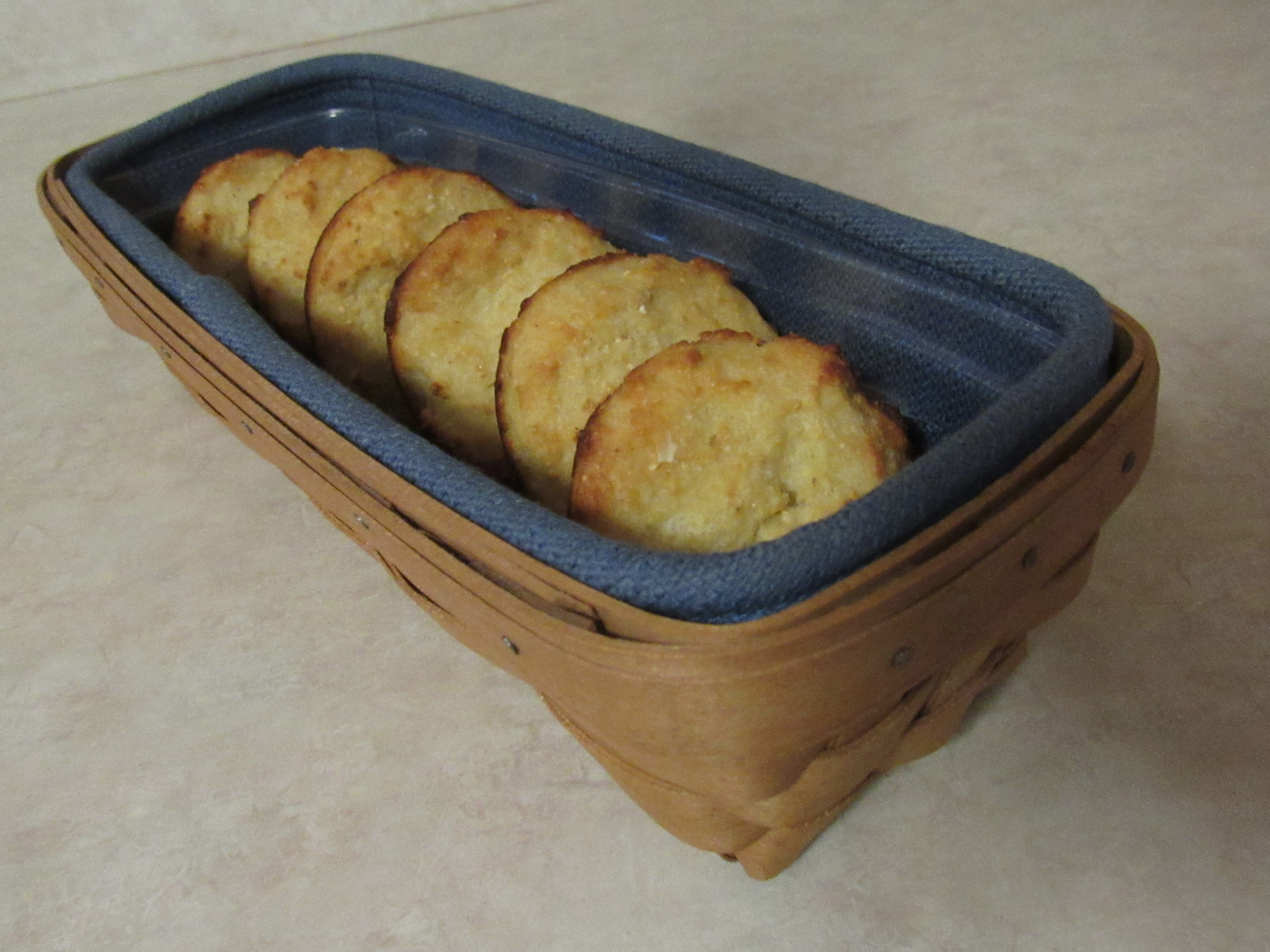
The cookbook includes recipes for some of these. Today I’m sharing one for corn rolls from cook Mrs. Capt. J.P. Rea.

If you happen to own a gem pan, bake these in it.

Preheat oven to 425 degrees. Spray cooking spray on a muffin pan.

Beat 3 eggs and set aside.

Combine 2 cups of corn meal, 2 tablespoons of sugar, and 1 teaspoon of salt in a medium mixing bowl. Mix well.

In a small saucepan, heat 2 cups of milk to boiling. Then add the milk to the corn meal mixture. Allow this to cool and then stir in the eggs.

Spoon the batter into the prepared muffin pan.

Bake at 425 degrees for about 25 minutes.

I tasted a bit of sweetness from the sugar in these rolls so it was slightly sweet corn muffin. It’s a nice, easy recipe that can be prepared from ingredients usually stocked in pantries. Enjoy!

-Sandra Merville Hart

Sources

Compiled from Original Recipes. Buckeye Cookery and Practical Housekeeping, Applewood Books, 1877.

 

Economical Breakfast Suggestions

A few dishes we might think of today for inexpensive breakfasts include cereal, oatmeal, scrambled eggs, toast, and pancakes.

The author of 1877 Cookbook Buckeye Cookery and Practical Housekeeping included meal choices for economical breakfasts back in her day.

Her first suggestion:

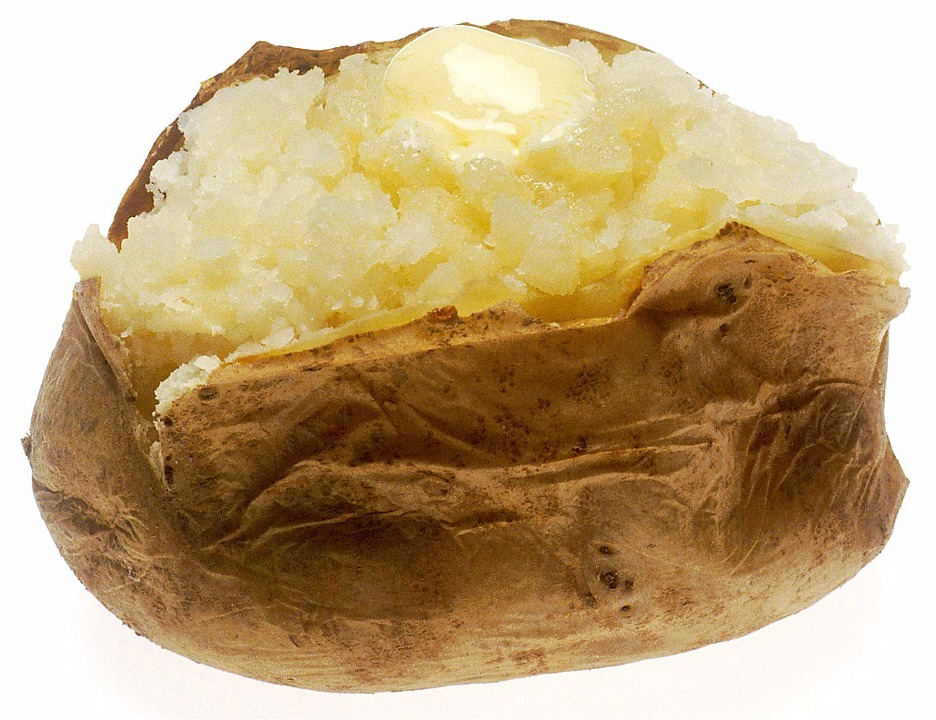
Ham and eggs, baked potatoes, hash, hominy, and Graham gems (Graham muffins) with coffee to drink.

Her second suggestion:

Breakfast stew or fish, tomatoes, fried Graham mush, applesauce, potatoes, and either toast or cornbread. Coffee to drink.

It’s funny how 140 years can change our ideas of breakfast foods. Most of us think of hash browns as an acceptable breakfast side dish but not baked potatoes.

Ham and eggs are still a staple and I serve applesauce for breakfast, but what about hominy? Have you even heard of fried Graham mush?

These are the kind of gems that are hidden in our history—and I love discovering them to include in my novels. 😊

-Sandra Merville Hart

Sources

Compiled from Original Recipes. Buckeye Cookery and Practical Housekeeping, Applewood Books, 1877.
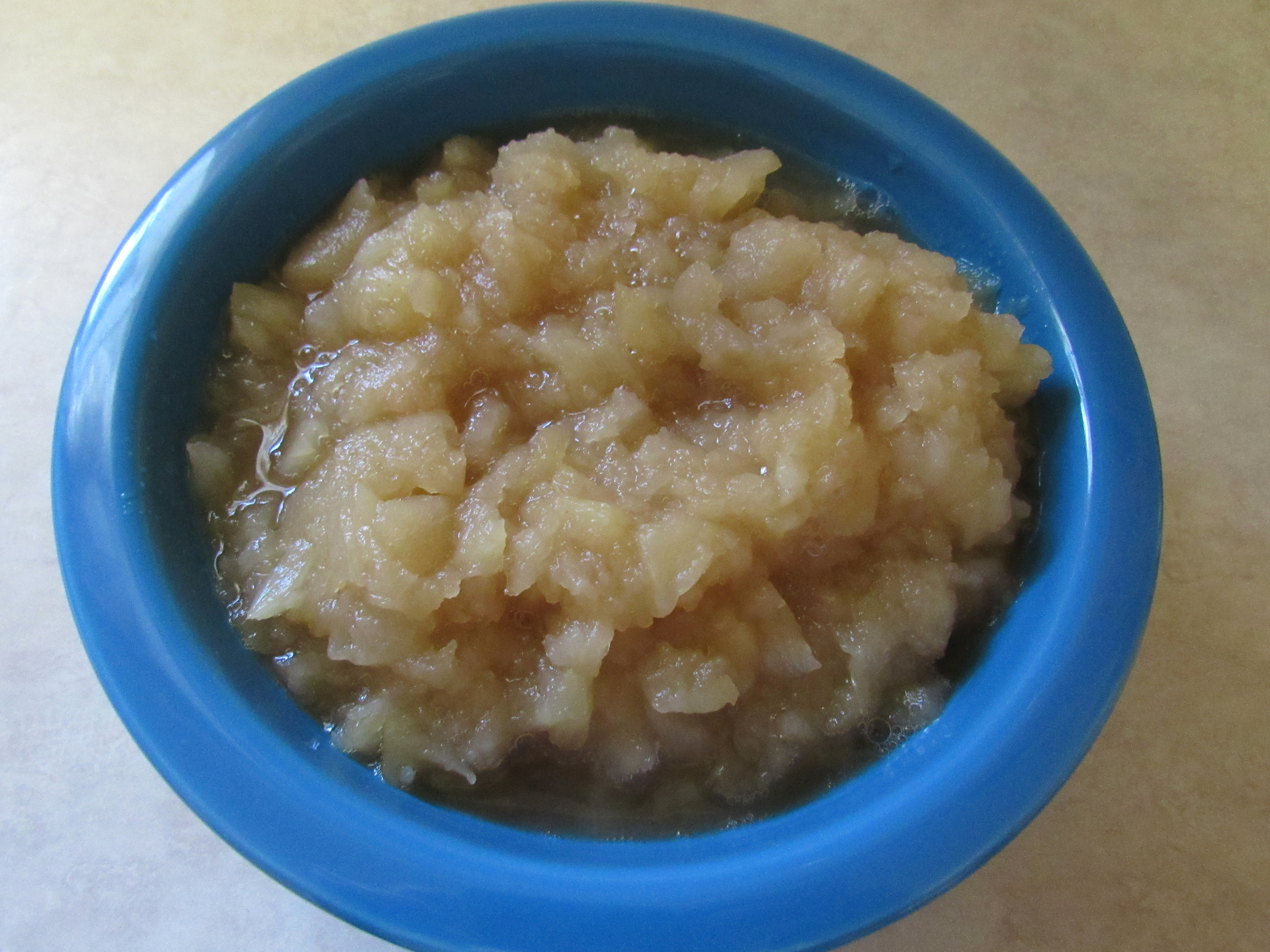
 

Apple Cider Applesauce

I needed to prepare a side dish, a dessert, and a fruit dish for a recent family dinner. I found a recipe for applesauce in an 1877 book, Buckeye Cookery and Practical Housekeeping and decided to try it.

The local grocery store sold several types of apples. I usually choose Granny Smith for pies but didn’t know if that type was best for applesauce. I chose Gala apples. Not only are they my daughter’s favorite brand, but they also are good for cooking and sauces.

Mrs. W. W. W.’s recipe called for enough apples to fill a gallon-sized porcelain kettle. I didn’t need that much so I bought 8 apples.

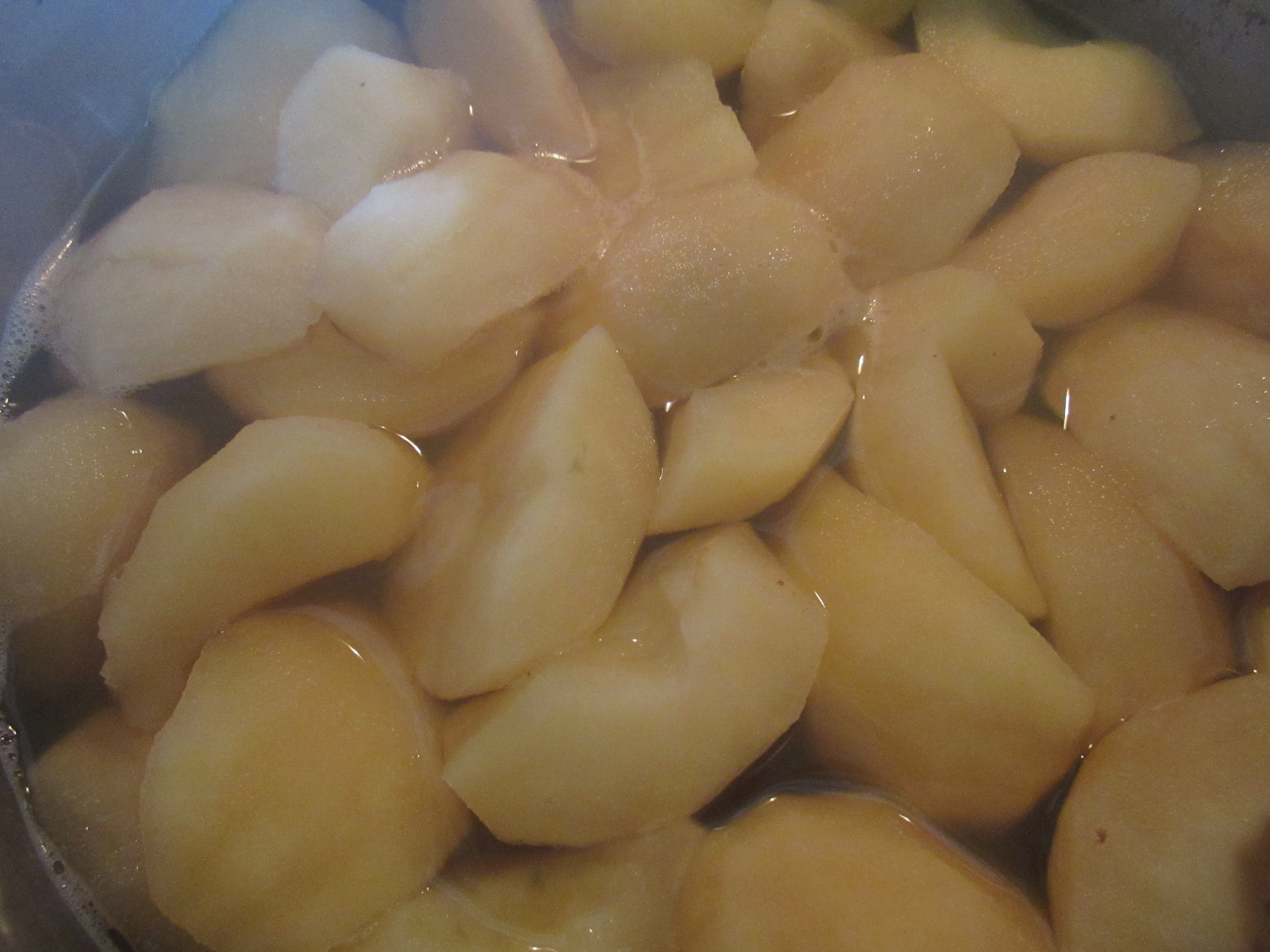
I heated ½ gallon of apple cider in a large kettle to boiling while I peeled, cored, and quartered the fresh apples. Evidently, I’m pretty slow because the cider began to boil before the apples were all quartered. I turned it off until the apples were peeled.

Wash apples and drain. Then add the fresh fruit slowly into the hot cider. Gently boil on a medium heat.

Mrs. W. advised covering the kettle with a plate and keep it on until done. (This keeps the apples from dropping to the bottom and scorching.) I used a plate instead of a lid, allowing an opening for air to escape so the liquid wouldn’t boil over.

Mrs. W. only said to cook the apples until done. I cooked them about 25 minutes when they were very tender. I think they’d have been fine if removed from heat after 20 minutes.

I set them aside to cool. Then the excess cider was drained from the apples. I left about a cup of cider in the cooked apples—you might like more or less.

I mashed the apples but left them a little chunky. That was the recipe—no sugar or spices. I fully intended to add brown sugar, cinnamon, and vanilla flavoring.

It didn’t need them. The applesauce tasted sweet and delicious.

I will make this again for my family. Hope your family enjoys it!

-Sandra Merville Hart

Sources

Compiled from Original Recipes. Buckeye Cookery and Practical Housekeeping, Applewood Books, 1877.
1870s Liquid Measures

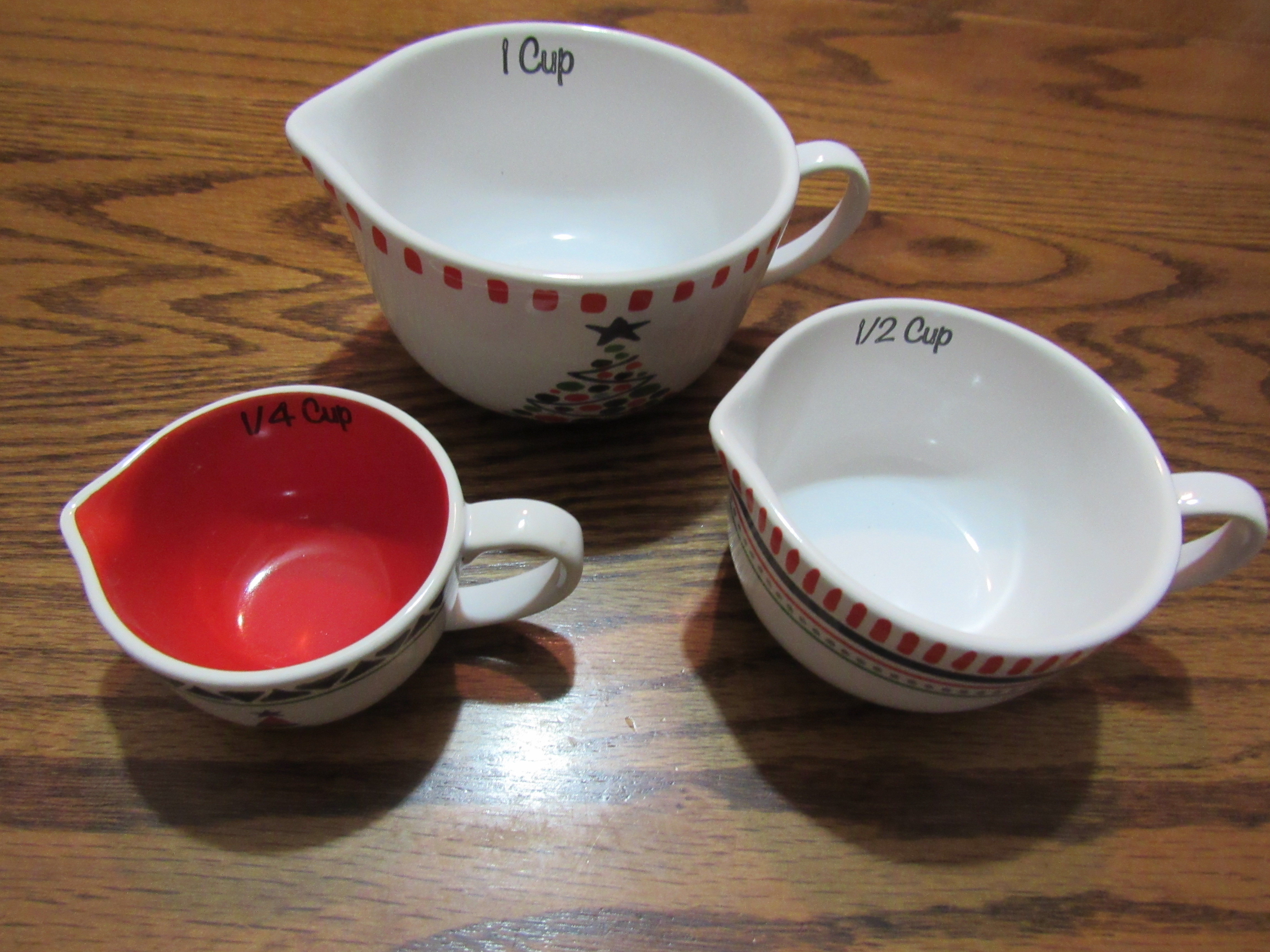
Leafing through a cookbook from 1877, I found a great table of liquid measures. Some of these are common measures today while others were better known by our great-great grandparents.

1 teaspoon full = 45 drops of pure water at 60 degrees Fahrenheit. (This measure was included due to the varied sizes of teaspoons.)

1 teaspoon = about 1 fluid drachm

4 teaspoons = 1 tablespoon or ½ fluid ounce (today’s measures are 3 teaspoons = 1 tablespoon so this shows the change in measuring spoon size over the years)

1 ounce = 8 fluid drachms (1/4 gill)

1 pint = 16 fluid ounces (4 gills)

16 tablespoons = ½ pint

1 tea-cup = 8 fluid ounces (2 gills)

4 tea-cups = 1 quart

1 common-sized tumbler holds about ½ pint (8 ounces)

4 gills (gi.) = 1 pint

2 pints = 1 quart

4 quarts = 1 gallon

The cookbook author mentions old French measures for liquids used “1 tea-cup equals 4 fluid ounces or 1 gill.” The author does not say how many years ago that measure had been used. The tea-cup was about twice that size in the 1870s.

These important variations make it challenging to figure out ingredient measurements for historic recipes.

Interesting!

Has anyone run across recipe measuring in gills or drachms?

-Sandra Merville Hart

Sources

Compiled from Original Recipes. Buckeye Cookery and Practical Housekeeping, Applewood Books, 1877.