Ambrosia Recipe from 1877

I leafed through my 1877 cookbook for a dish to take to a family Easter meal and stumbled across this recipe for ambrosia. A little different from the modern version, fruity—it was perfect.

For this dish, you can peel and slice one pineapple. Mrs. Theo Brown, the original cook, advised that the canned pineapple was equally as good, so I used pineapples chunks and then sliced them in half.

Peel six to seven sweet oranges, removing the seeds and core. Slice the larger sections in two.

Combine the oranges and pineapple and mix them well.

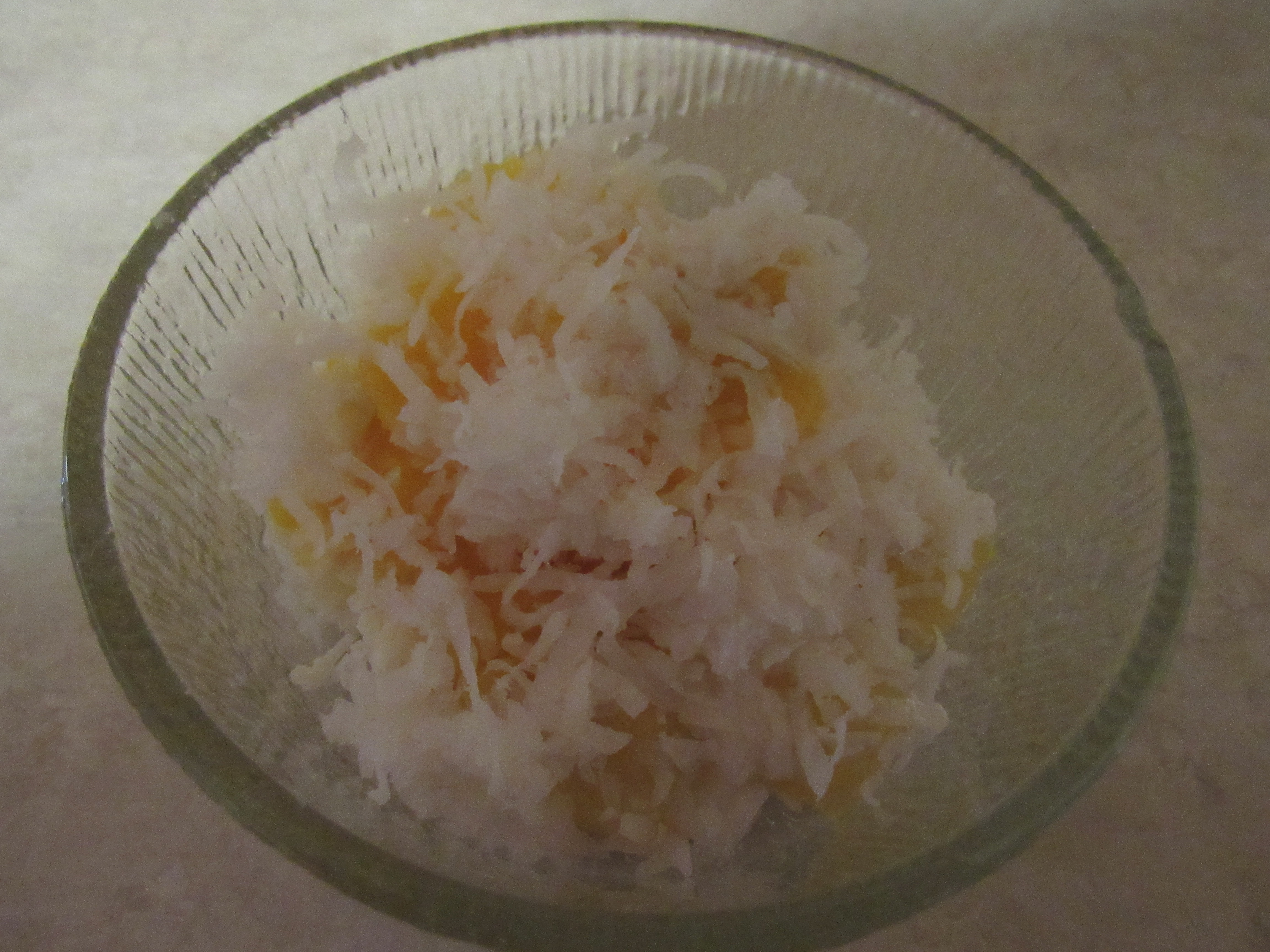
Choose a deep, round serving bowl to allow for 2 or 3 layers. Start with a layer of fruit then top it with grated coconut. (I used packaged sweetened coconut because that was all that was available at the grocery store.) Sprinkle powdered sugar over the coconut. (Mrs. Brown called this “pulverized sugar.”) You don’t need a lot, especially when using sweetened coconut.

Then add another layer of fruit and coconut and top it with a sprinkling of powdered sugar. My serving dish held 2 layers and it was plenty.

Guests found this citrus dish refreshing—much lighter than modern versions that can call for sour cream, heavy cream, and mini marshmallows.

I liked it very much. The powdered sugar gives the dish a sweet flavor. I plan to make it again. An easy dish to take to a picnic or family gathering.

I’d love to hear if you try it.

-Sandra Merville Hart

Sources

Compiled from Original Recipes. Buckeye Cookery and Practical Housekeeping, Applewood Books, 1877.



Delicate Cake Recipe from 1877

Delicate cakes sound as if they are light and airy. I found this recipe in an 1877 cookbook and decided to try it.

Since the original recipe called for 6 eggs, I halved the ingredients.

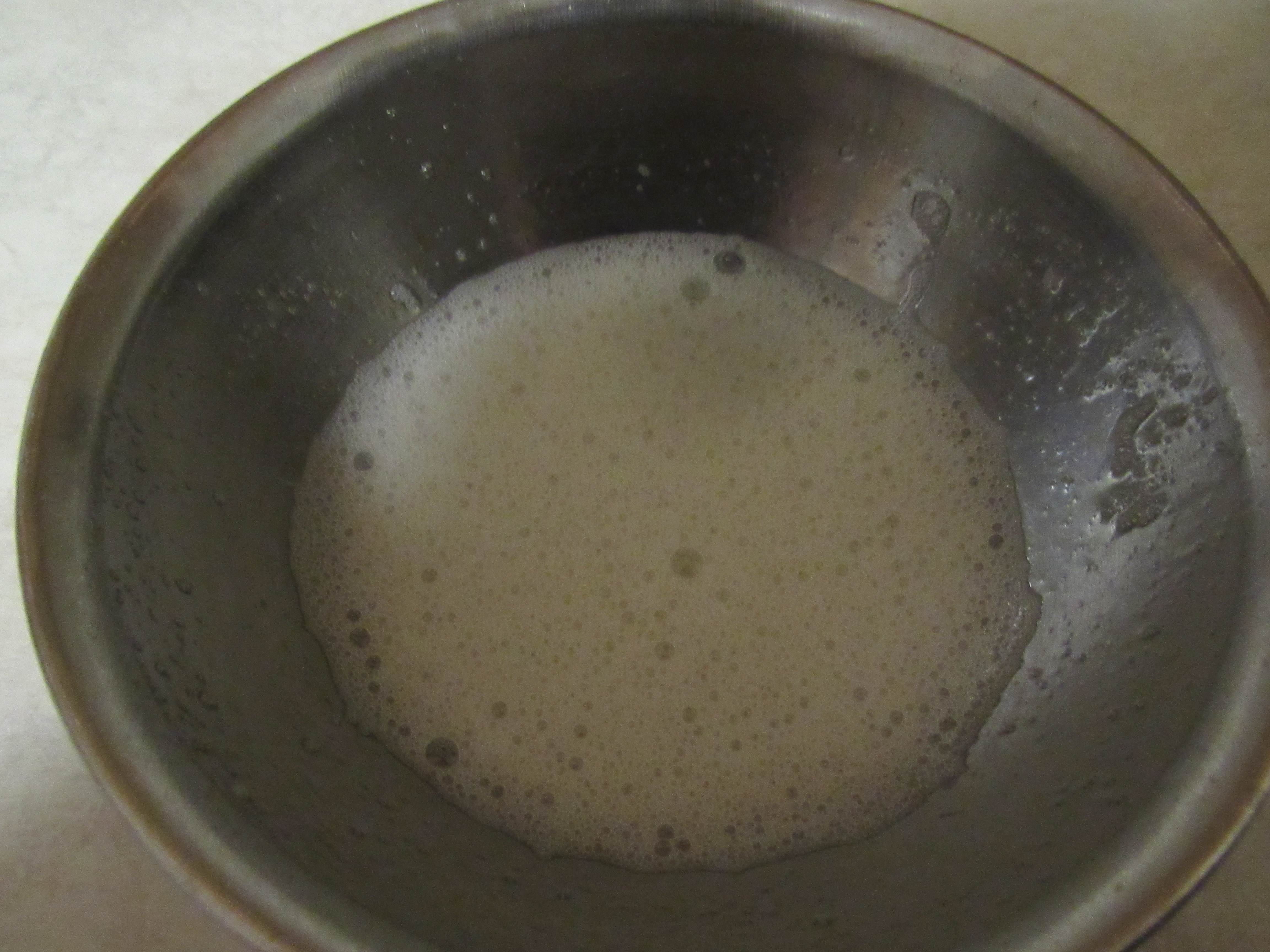
Cream ¼ cup butter with 1 cup sugar. Whisk 3 egg whites until frothy and add to the mixture. Add the zest of one orange or lemon. (I used an orange.)

In a separate bowl, combine 1 ½ cups flour, ½ teaspoon cream of tartar, and ¼ teaspoon baking soda. (The recipe doesn’t call for salt but add ½ teaspoon of salt if using all-purpose flour.)

Stir flour mixture into wet ingredients, alternating with 1/3 cup milk + 1 tablespoon.

Prepare a springform baking pan with cooking spray. Add batter and bake at 350 until done, about 25 to 30 minutes.

I drizzled a glaze (powdered sugar mixed with a little water) on each serving. This is a delicious cake with a delicate hint of orange. I plan to make it again.

This recipe is from Miss Mary E. Miller.

I’d love to hear if you try it.

-Sandra Merville Hart

Sources

Compiled from Original Recipes. Buckeye Cookery and Practical Housekeeping, Applewood Books, 1877.
 

1841 Seasonings for White Sauces, Fricassees, and Ragout

I found a Seasoning recipe for white sauces, ragouts, and fricassees in an 1841 cookbook.

Ragouts are highly-seasoned meat stews. White sauce, made from white roux and milk, is the base of other sauces. Fricassees are stewed meats or vegetables that are served in a white sauce.

Select a small mixing bowl.

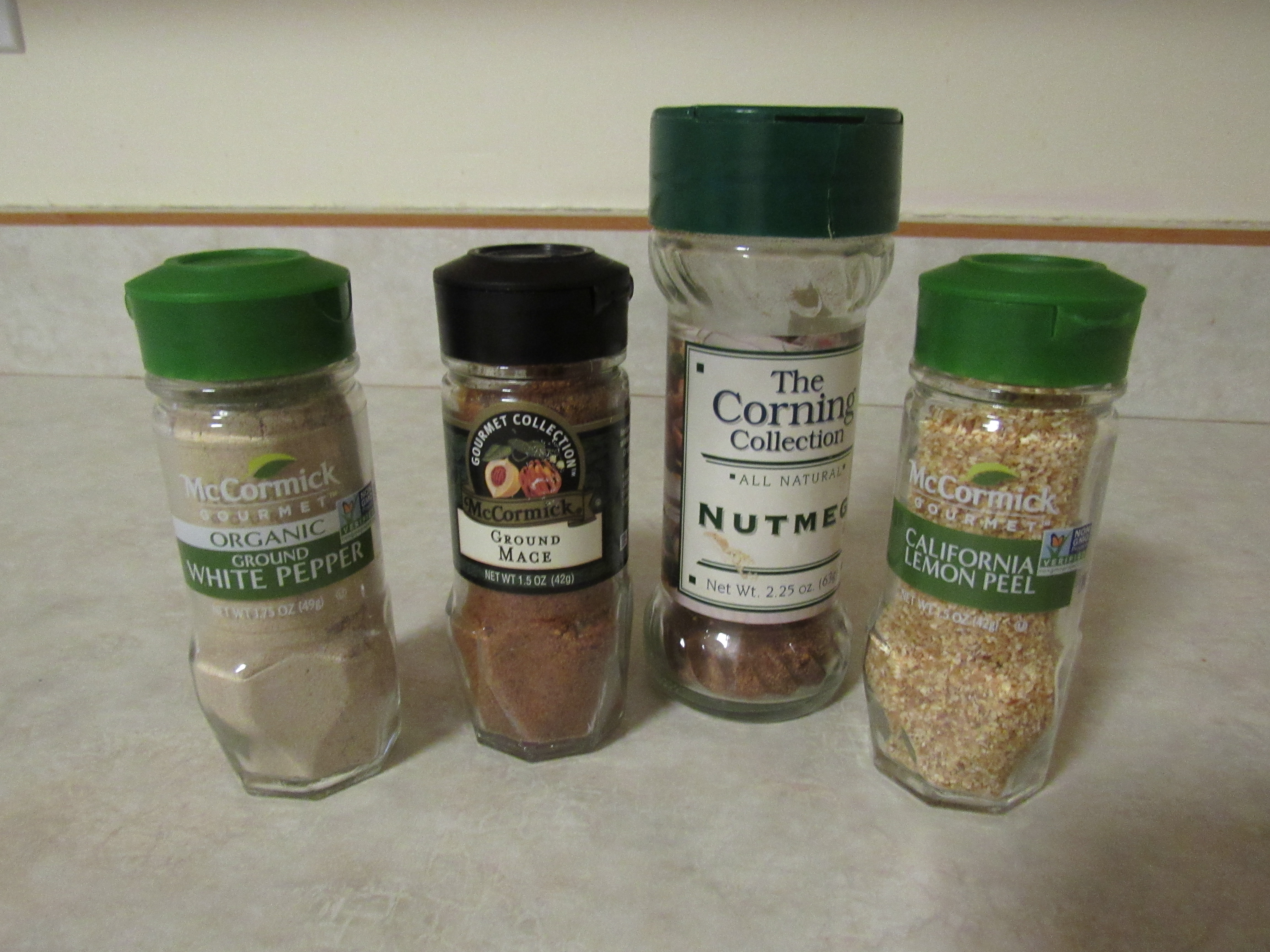
1 tablespoon white pepper

1 tablespoon nutmeg

1 tablespoon mace

1 tablespoon dried lemon peel

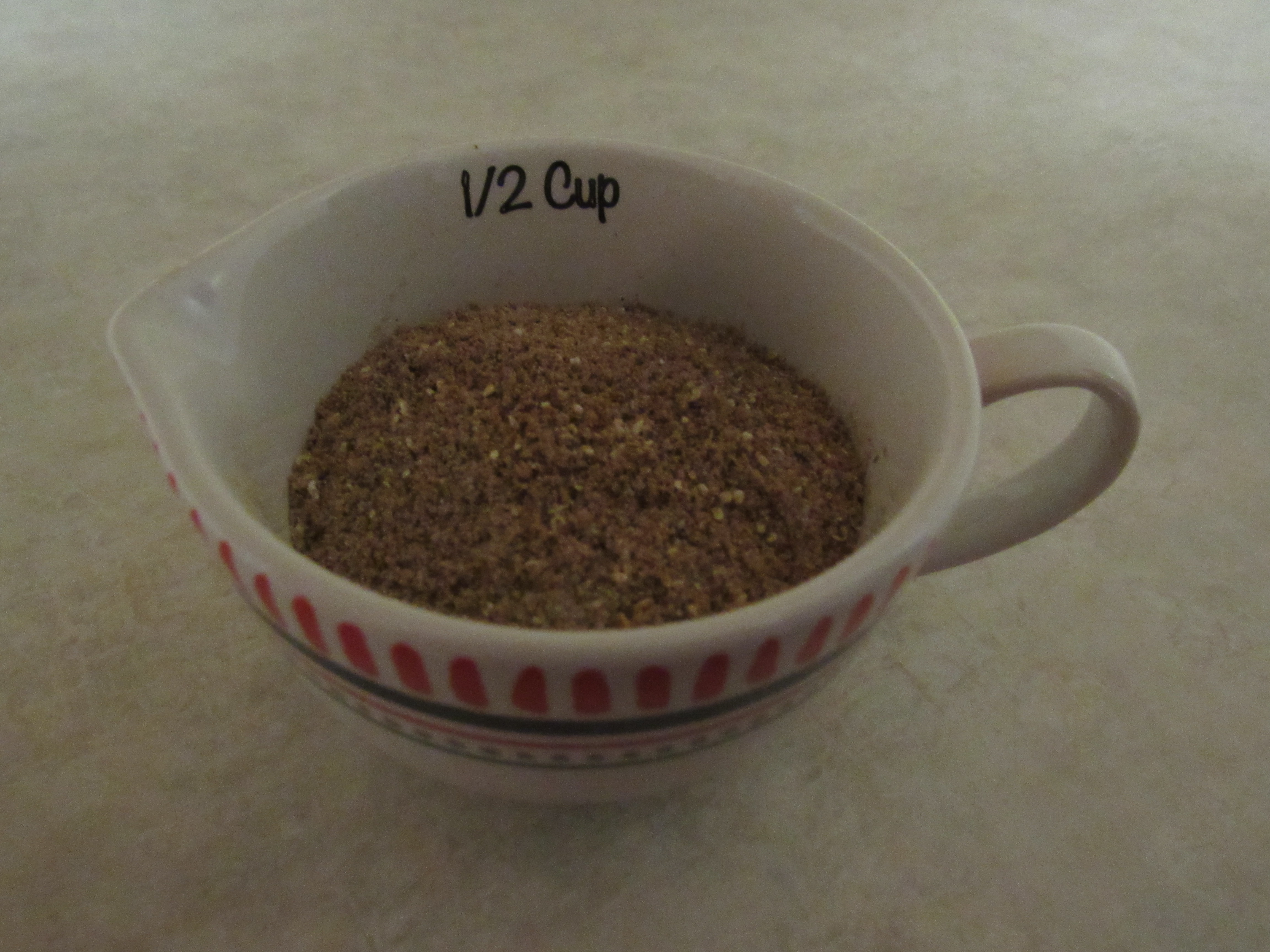
Mix ingredients together.

Store in closed container until needed in white sauces, fricassees, and ragouts.

To try out the seasoning blend, I made baked macaroni and cheese using the Basic White Sauce Recipe from Taste of Home. I prepared the sauce as directed and then added cheese. I added about ¼ teaspoon of the seasoning mixture to the sauce and baked as usual.

The extra flavors changed the dish enough that it did not taste like macaroni and cheese to me, but wasn’t bad.

It’s also worth a try in stews, which often benefit from extra flavor.

I’d love to hear if you try this recipe in your cooking.

-Sandra Merville Hart

Sources

Gelzer, Lois. Taste of Home, 2018/01/21 https://www.tasteofhome.com/recipes/basic-white-sauce.

Hale, Sarah Josepha. Early American Cookery: “The Good Housekeeper” 1841, Dover Publications, Inc., 1996.


1841 Cider Vinegar Recipe

Sarah Josepha Hale, the author of an 1841 cookbook, wrote that vinegar was “perpetually wanted” by families yet was expensive to purchase. Frugal housekeepers prepared their own vinegar.

There were several varieties of vinegars used by early cooks including celery vinegar, horseradish vinegar, and cucumber vinegar.

They also used cider vinegar, as we do today. It is surprisingly easy to prepare.

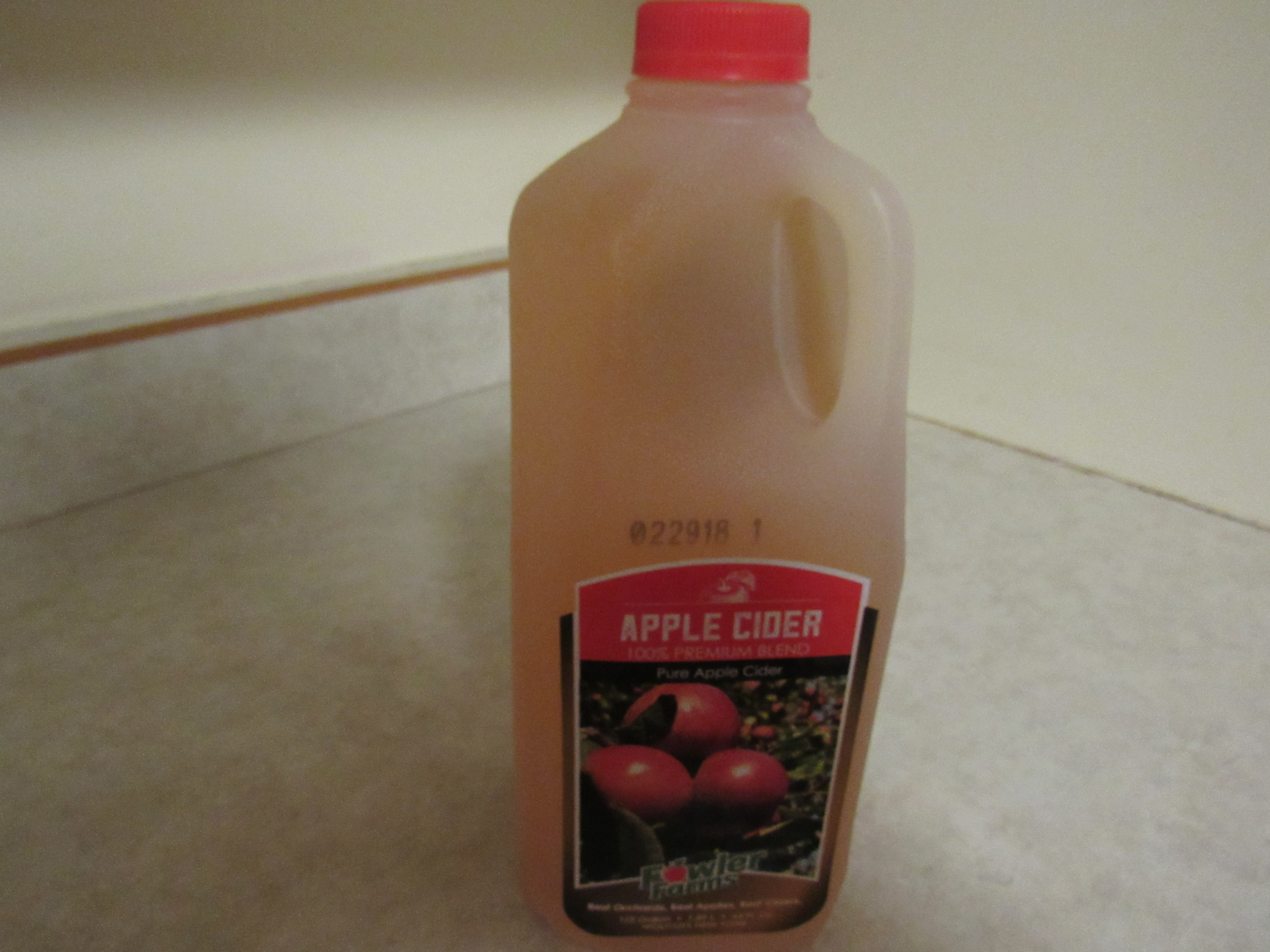
Add a cup of white sugar into a half gallon of apple cider. Stir well.

This liquid needs to ferment for 4 months. I am storing mine in the original plastic container.

I will update this post at the end of that time. I’m uncertain whether buying refrigerated cider affects the fermentation process, but I’ll let you know if I have cider vinegar in 4 months.

Stay tuned!

-Sandra Merville Hart

Sources

Hale, Sarah Josepha. Early American Cookery: “The Good Housekeeper” 1841, Dover Publications, Inc., 1996.


1841 Mustard Recipe

Sarah Josepha Hale, the author of an 1841 cookbook, wrote that mustard is best when freshly made. I occasionally like mustard on my sandwiches so this seemed like a fun experiment.

As is so often the case with old recipes, no ingredient amounts were supplied.

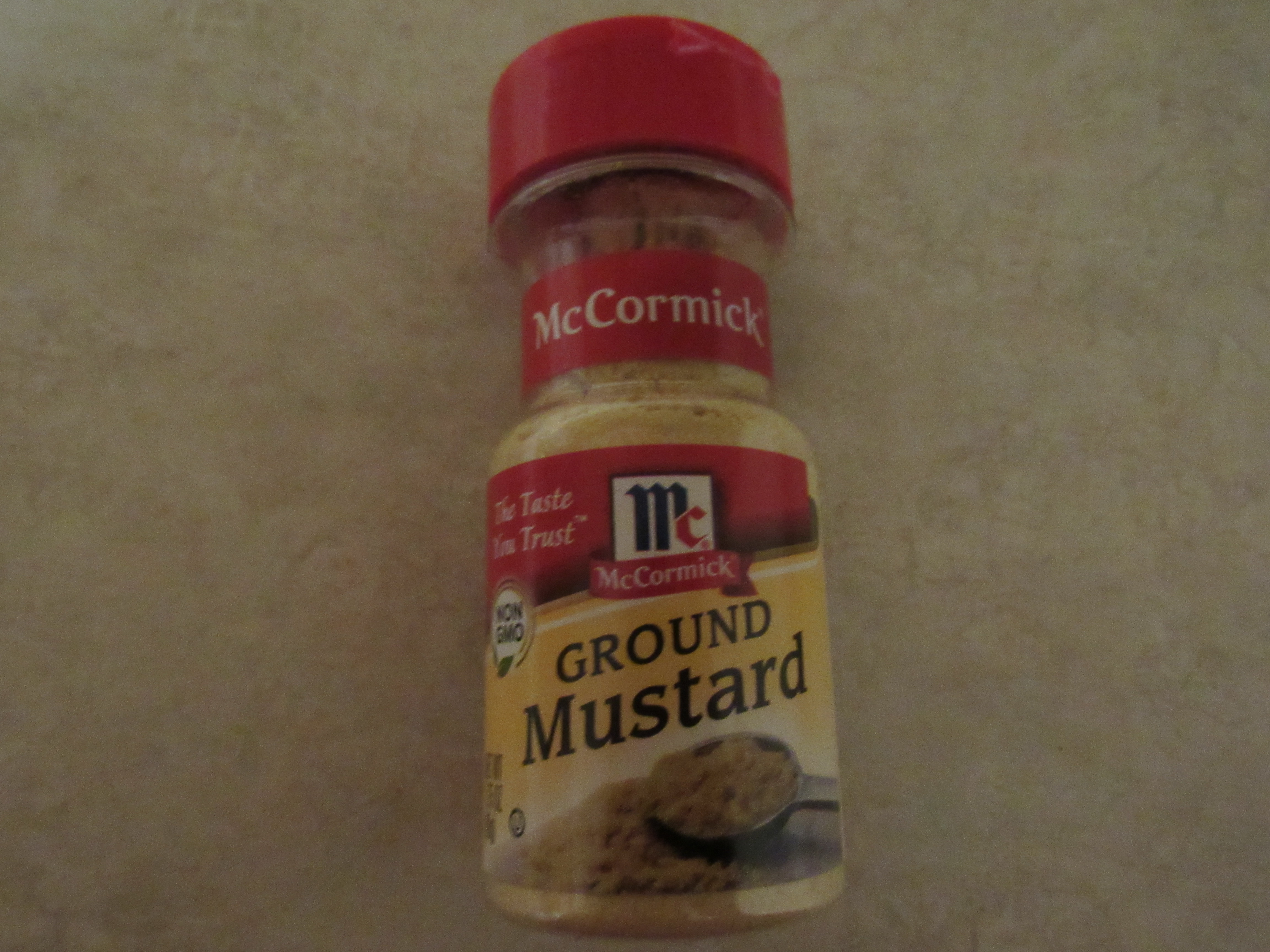
Hale suggests using the best ground mustard. I used 2 tablespoons of ground mustard. A “little salt” became 1/8 teaspoon of salt.

Mix this together. Add 2 teaspoons of warm water and stir. You will probably need a little more water (I used 3 teaspoons) until it is spreadable consistency.

I tried this mustard on a ham sandwich. It has VERY STRONG taste, similar to horseradish mustard. I did not like it.

Hale included a recipe for Mild Mustard, where milk is substituted for the water. This made a creamier consistency, but the taste was even stronger.

Having grown accustomed to the popular mustard brands available today, this old recipe was too spicy for me. I don’t believe that greatly watering down the mustard would have improved the taste.

Did our ancestors use mustard more sparingly in their cooking than modern cooks? Or did strong spices improve the taste of poor quality meats?

I’d love to hear if you try it.

-Sandra Merville Hart

Sources

Hale, Sarah Josepha. Early American Cookery: “The Good Housekeeper” 1841, Dover Publications, Inc., 1996.


1841 Powder of Fine Herbs for Soups and Sauces

I found a Mixed Spices and Seasonings, used for soups and sauces, in an 1841 cookbook and decided to make it.

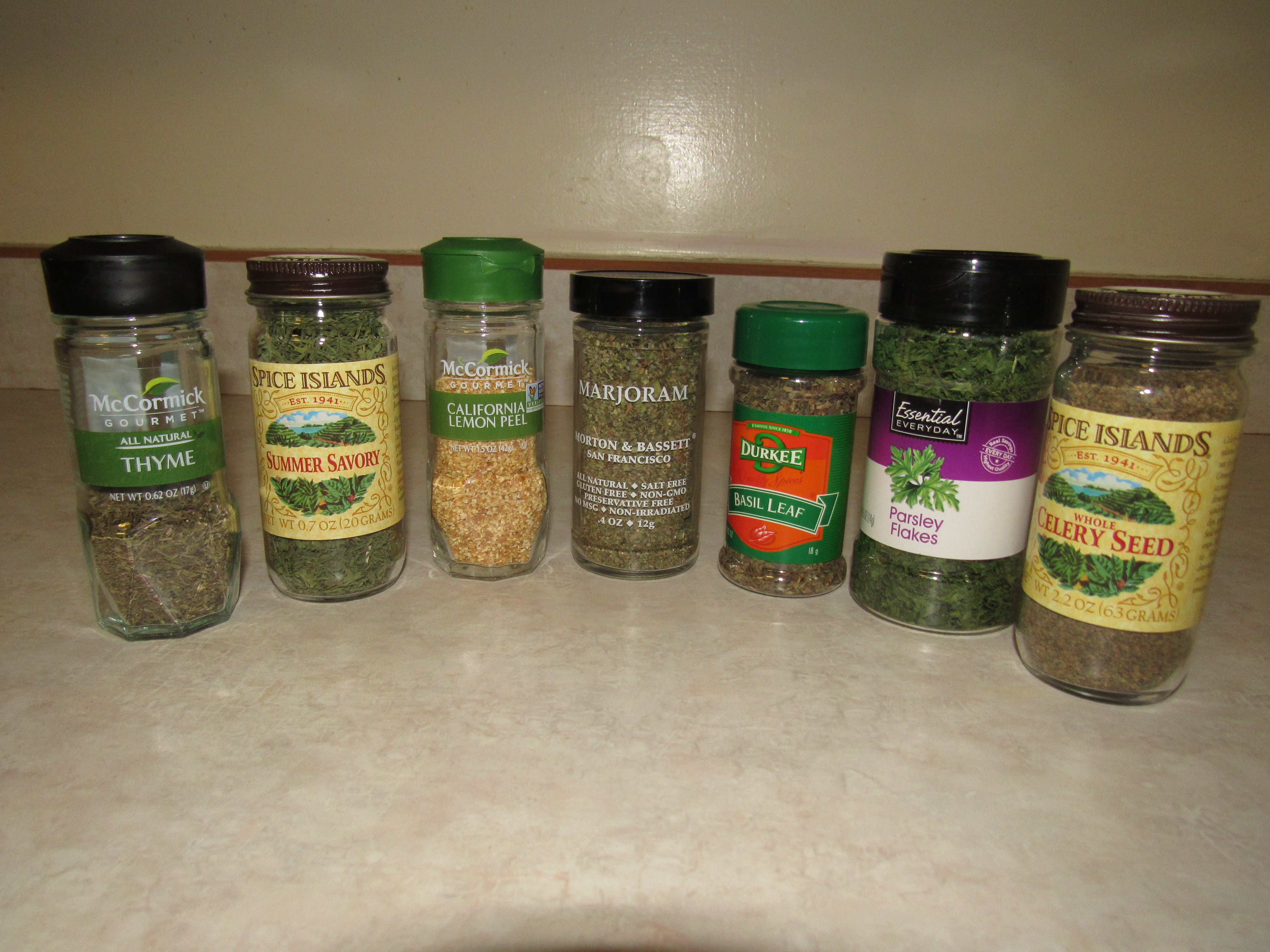
This recipe calls for summer savory, a new spice for me. It has a pungent, peppery flavor.

The 1841 cook used lemon-thyme, which smells and tastes like lemon. I was unable to find this seasoning so I substituted thyme for it.

I adjusted the amounts yet maintained the proportions in the 1841 recipe because it made too large a batch. For instance, the cook used 2 ounces of dried parsley and an ounce each of the other seasonings. This is way more than I need to store for the next few months.

Select a small mixing bowl.

2 tablespoons dried parsley

1 tablespoon lemon-thyme (I used thyme)

1 tablespoon summer savory

1 tablespoon sweet marjoram (also called marjoram)

1 tablespoon dried basil

1 tablespoon dried lemon peel

1 tablespoon celery seeds (optional)

Mix ingredients together. Though the celery seeds are optional, I added them.

Store in closed container until needed for soups or sauces.

To try out the seasoning blend, I made vegetable soup. At first, I added 2 teaspoons of the seasoning mixture to the soup as it cooked. Then I added another teaspoon because I made a large stockpot of soup.

Yum! I loved the flavors this seasoning blend added to vegetable soup. Winter is the perfect time for soup and this addition made the dish even more comforting. I will make this again.

I’d love to hear if you try it.

-Sandra Merville Hart

Sources

Hale, Sarah Josepha. Early American Cookery: “The Good Housekeeper” 1841, Dover Publications, Inc., 1996.

“Marjoram Leaf,” Spices, Inc., 2018/01/21 https://www.spicesinc.com/p-95-marjoram-leaf.aspx.

“Summer Savory,” Spice Islands, 2018/01/21 http://spiceislands.com/products/summer-savory.


1841 Seasoning and Spice Blend for Gravies and Forcemeats

I found a Mixed Spices and Seasonings, used for gravies and forcemeats, in an 1841 cookbook and decided to make it.

Forcemeat is lean, ground meat mixed with fat. The most common of these are sausage and deli meats. This type of food has been around for centuries and were found in a collection of Roman recipes from the 4th or 5th century.

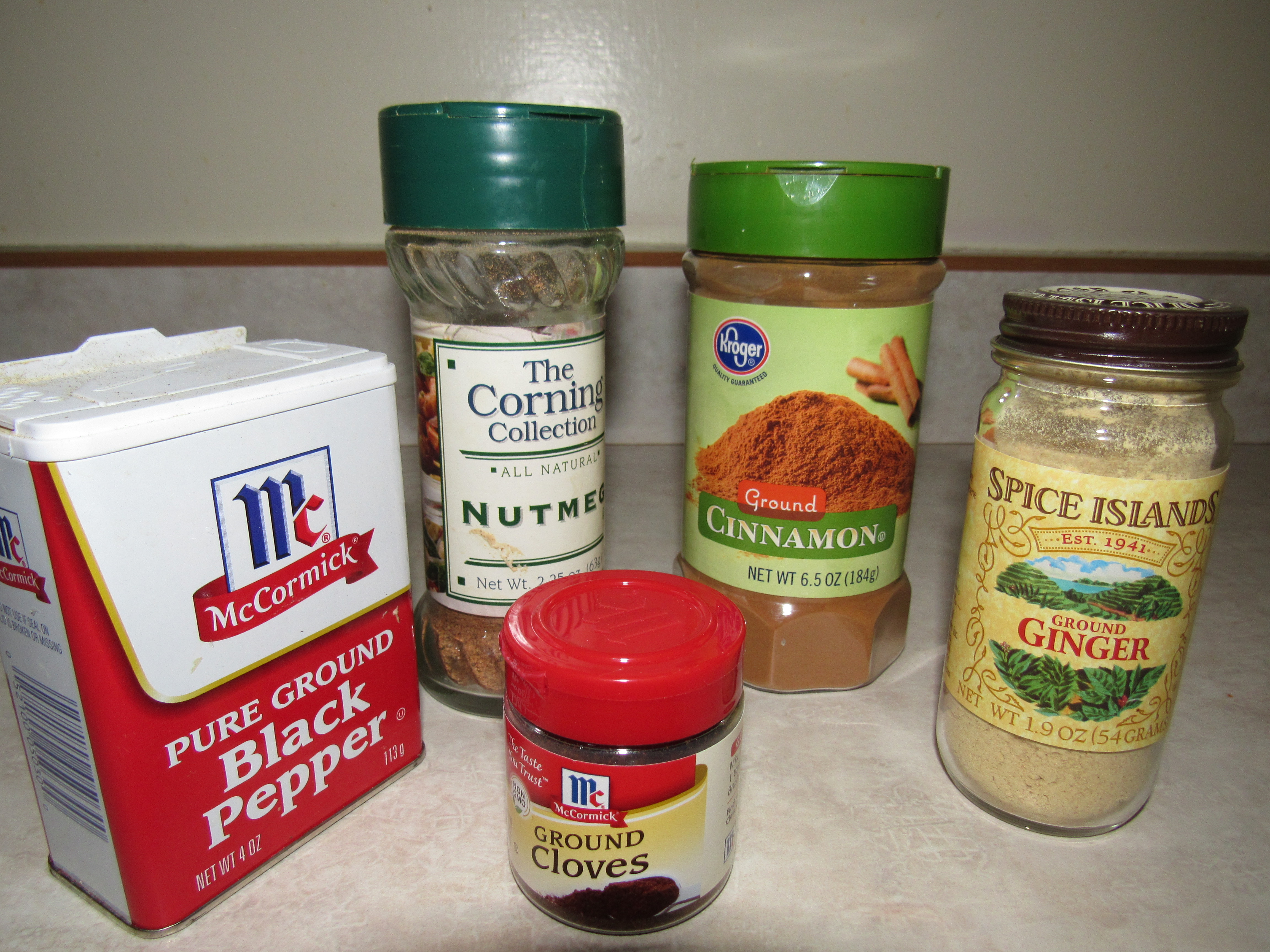
I adjusted the amounts yet maintained the proportions in the 1841 recipe because it made too large a batch. For instance, an ounce of black pepper was used by the cook to prepare a jar of the seasonings for months ahead, whereas I used far less–2 tablespoons.

Select a small mixing bowl.

2 tablespoons black pepper

1 tablespoon nutmeg

1 tablespoon ginger

1 tablespoon cinnamon

1/8 teaspoon ground cloves

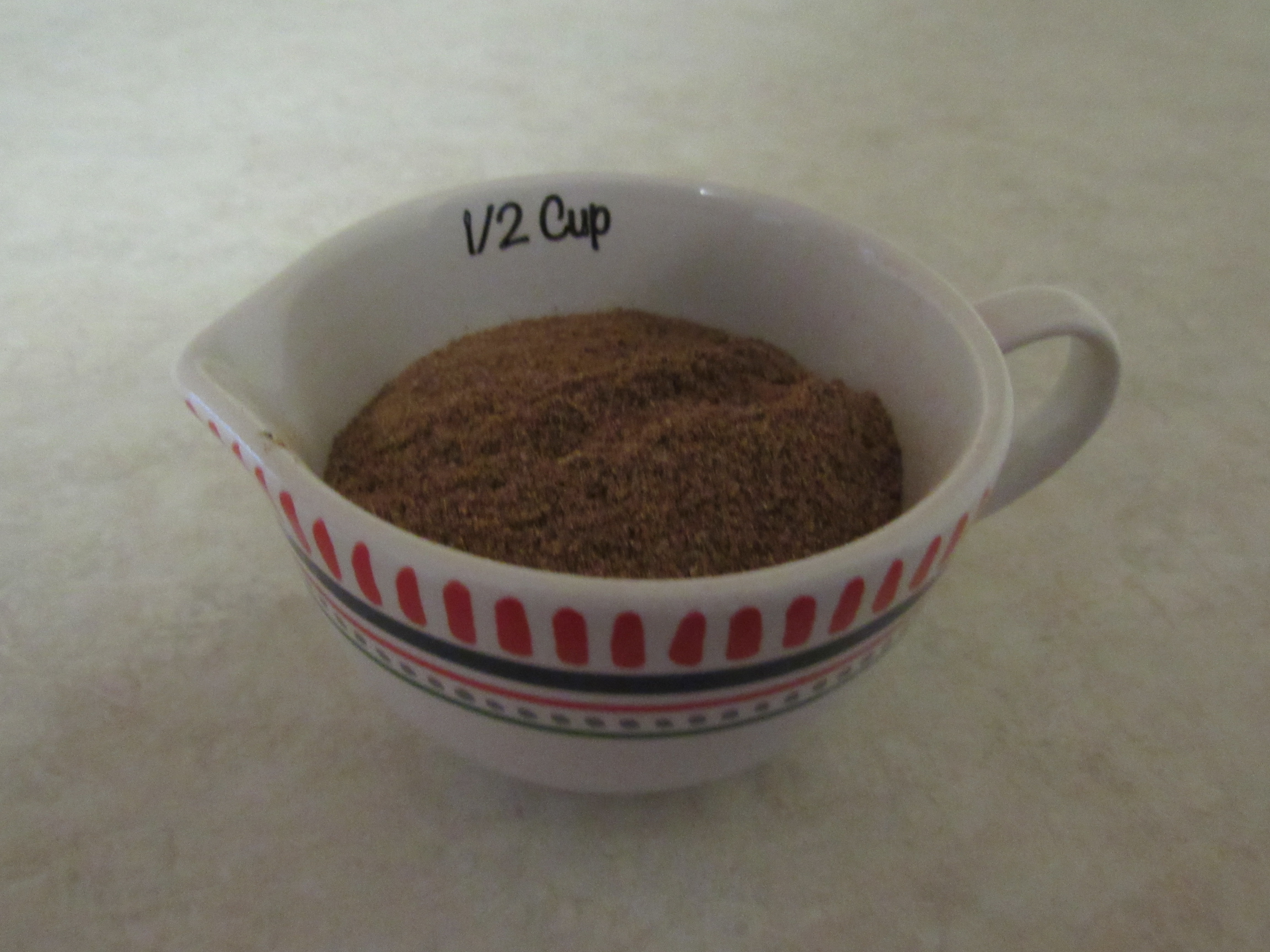
Mix ingredients together. This made less than ½ cup.

Store in closed container until needed for gravies or forcemeats.

To try out the seasoning blend, I mixed a small amount (1/8 teaspoon) with mayonnaise and ate it on a ham sandwich. Because so many spices that I associate with pies are included in the blend, it was an odd flavor to me.

No doubt our tastes have altered over the years, but that doesn’t mean it’s not worth a try.

The next time I make beef or turkey gravy, I will try to remember to set aside a half-cup and add this seasoning. I’d love to hear if you try it.

-Sandra Merville Hart

Sources

“Forcemeat,” Wikipedia.com, 2018/01/21 https://en.wikipedia.org/wiki/Forcemeat.

“Forcemeat Preparation & Equipment,” The Culinary Cook, 2018/01/21 https://sandramervillehart.wordpress.com/.

Hale, Sarah Josepha. Early American Cookery: “The Good Housekeeper” 1841, Dover Publications, Inc., 1996.


The Problem with Teacups

My blog is called “Historical Nibbles” for the historical recipes shared on Mondays and the “A Peek into Our Past” historical articles shared on Thursdays. My desire is to bring to light little-known facts from American history so this knowledge our ancestors attained will not be forgotten.

I love to try old recipes from over a century ago, but these can be difficult to follow. Ingredient measurements are one of the challenges.

For instance, recipes from an 1877 cookbook can call for a tea-cup of raisins, a small half cup of butter, three cups of flour, or one and a half tea-cups of sugar.

The same recipe may call for one cup of brown sugar and a half-pint of molasses. A half-pint in modern measurements is one cup. If one cup was the same as a half-pint for the 1877 cook, why didn’t she say, “one cup of brown sugar, one cup of molasses” when writing the recipe?

Another cook wrote that “a tumbler and a half of sliced citron may be added.” How big was a tumbler in 1877? Did tumblers vary in size?

Another recipe calls for one cup of sugar and two small cups of flour. Is a “small cup” different from a tea-cup? Was “one cup” perhaps 12 ounces and the “small cup” 8 ounces?

It’s a guessing game. Sometimes I guess wrong and have to prepare the recipe a second time.

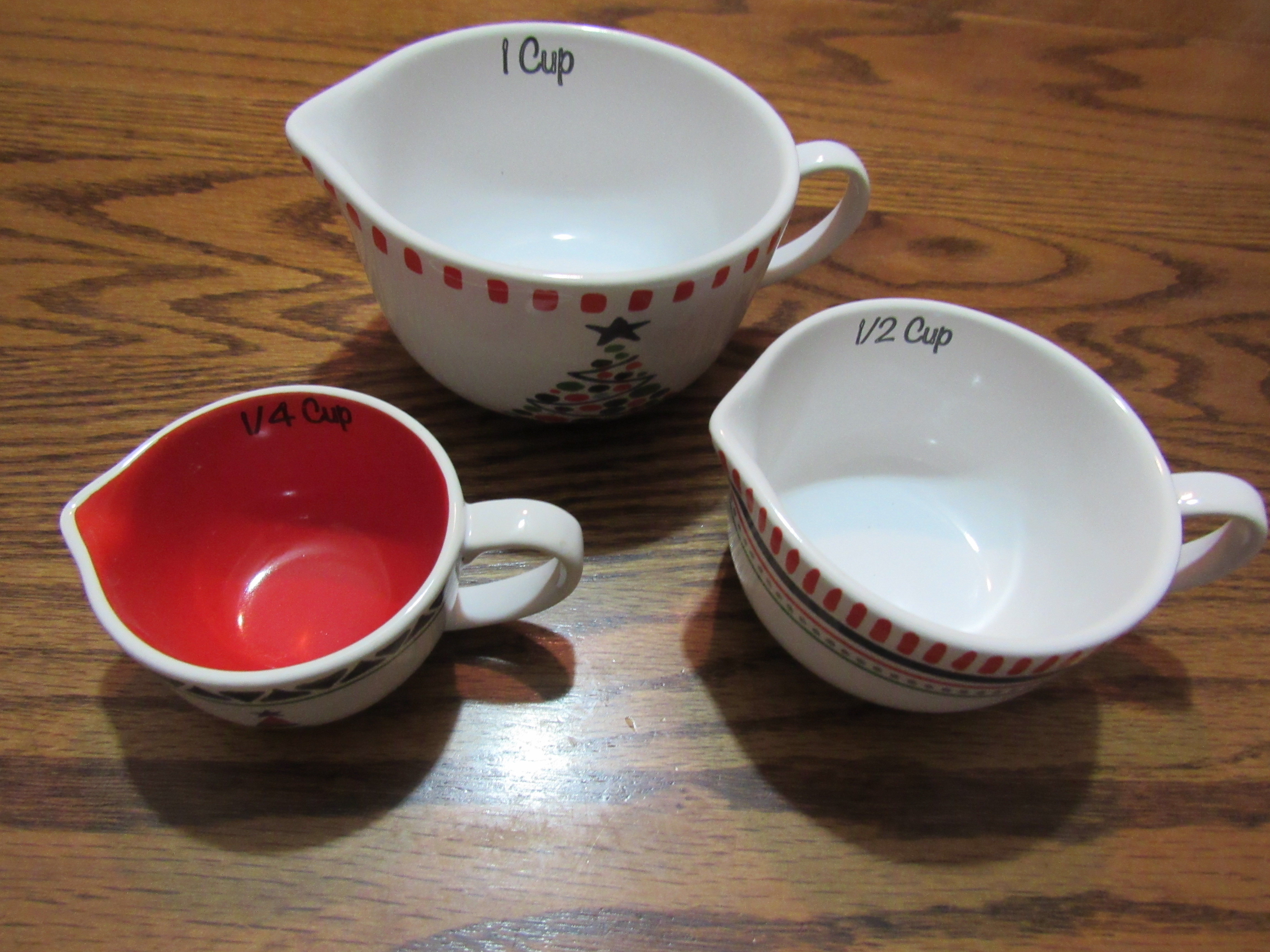
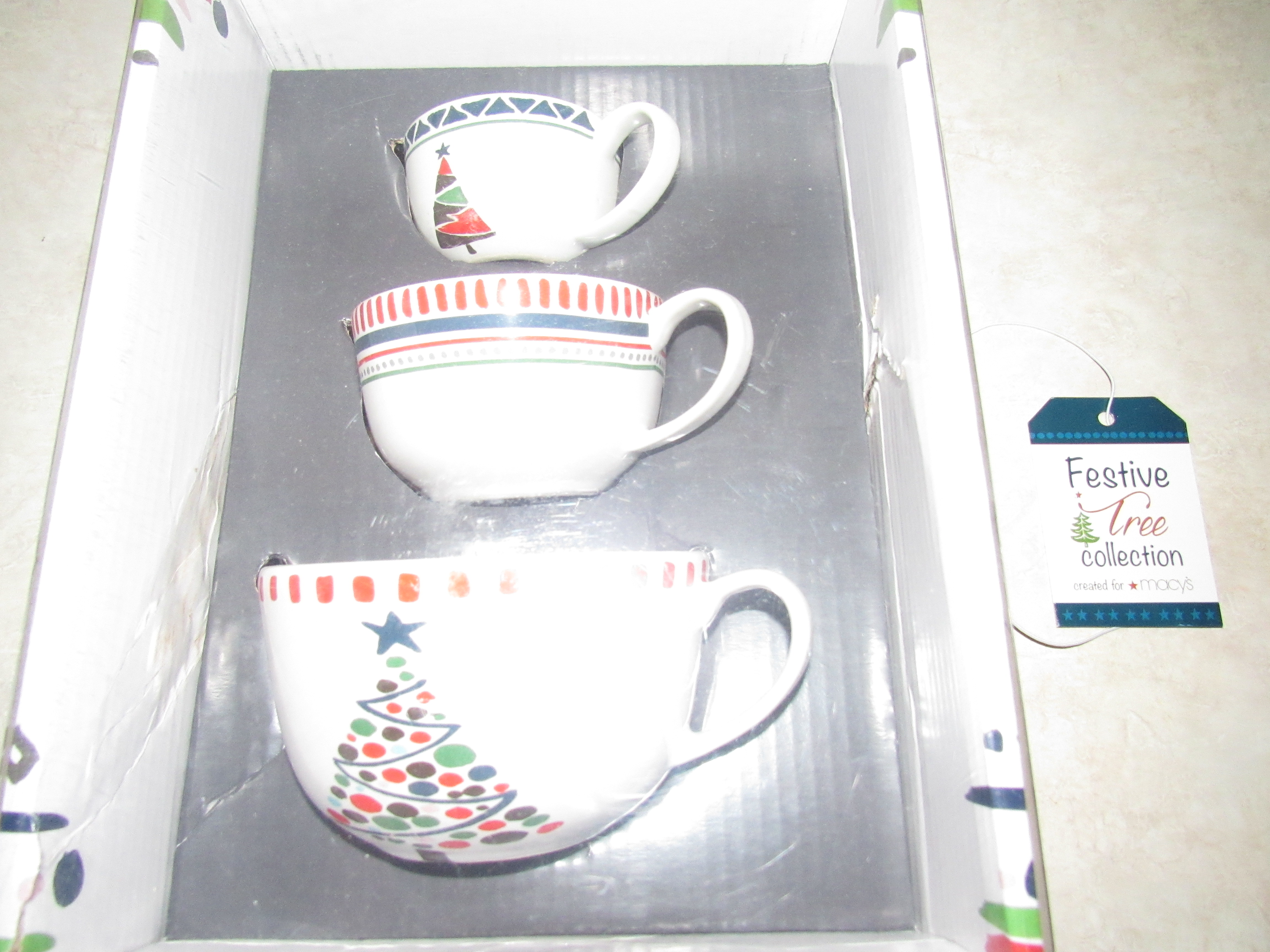
I went shopping for one last gift on Christmas weekend and found a Festive Tree Collection of 3 measuring cups at Macy’s. My thoughts immediately flew to the old recipes calling for a “small tea-cup” and “half tea-cups.”

The collection’s historic flair appealed to me and, on a whim, I bought a Christmas gift for myself. You may see a photo now and then using these measuring cups as I struggle to read the minds of historic cooks!

-Sandra Merville Hart

Sources

Compiled from Original Recipes. Buckeye Cookery, Applewood Books, 1877.


Blackberry Blanc-Mange Recipe from 1877

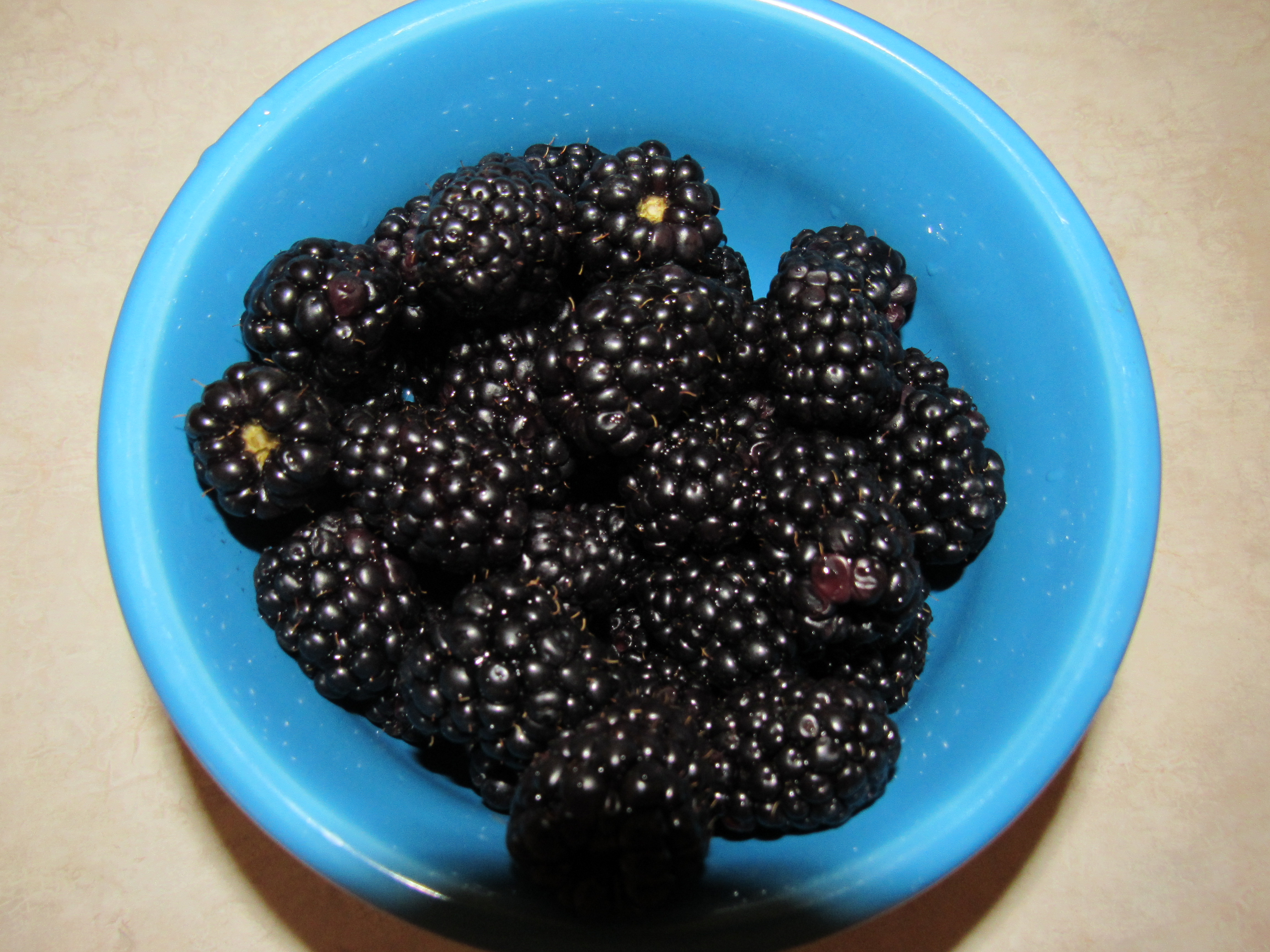
I found a recipe for Raspberry Blanc-Mange in an 1877 cookbook that had been submitted by Mrs. J.P. Rea of Minneapolis, Minnesota. Mrs. Rea suggested that other fruit could be substituted for raspberries. Since I had fresh blackberries in the fridge, I used blackberries.

Blancmange is a new dessert to me. I’d never made or eaten it. This sweet dessert is usually made with milk and sugar. Cornstarch, gelatin, and Irish moss—a seaweed found near Ireland—are used to thicken the blancmange.

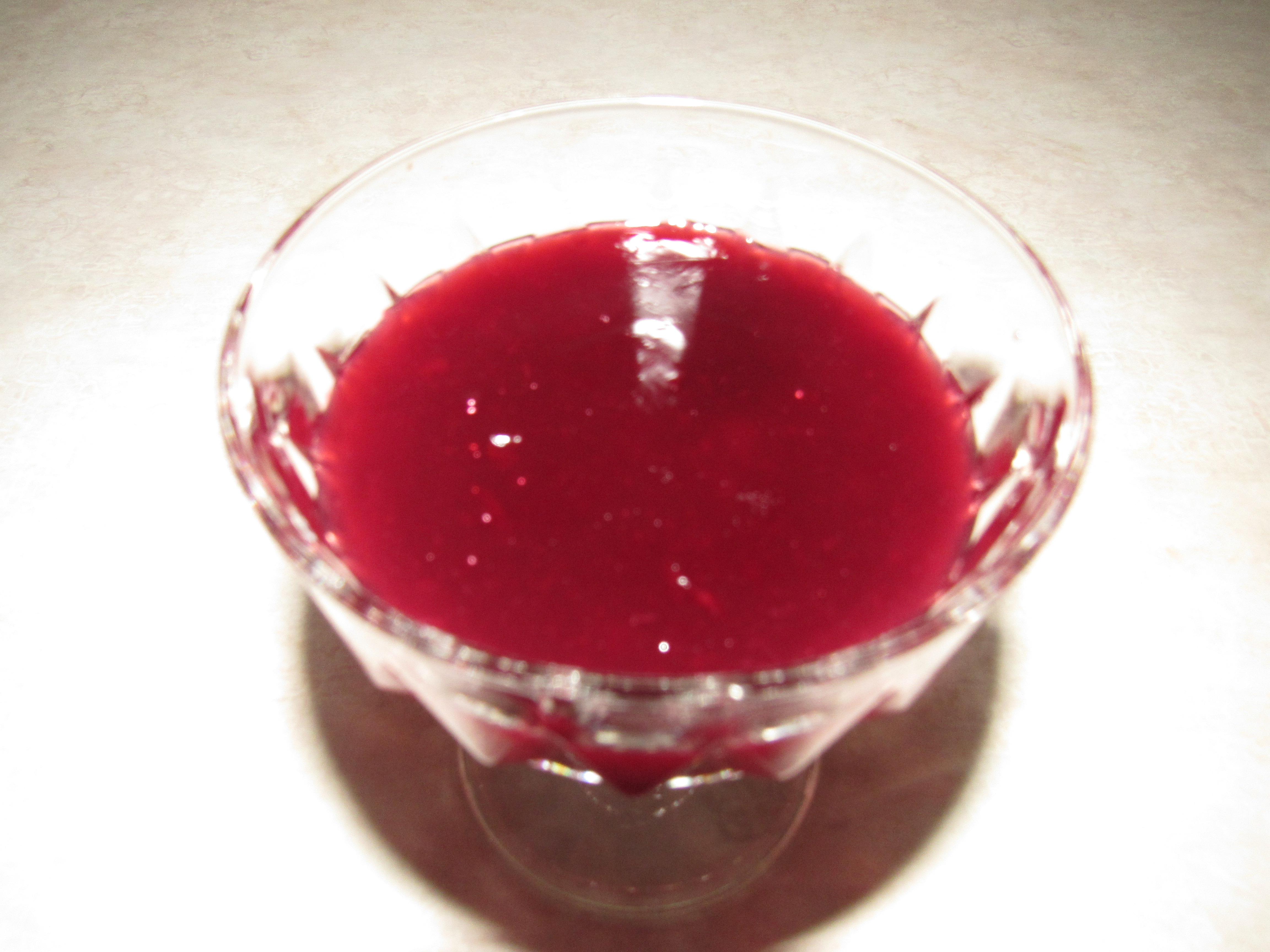
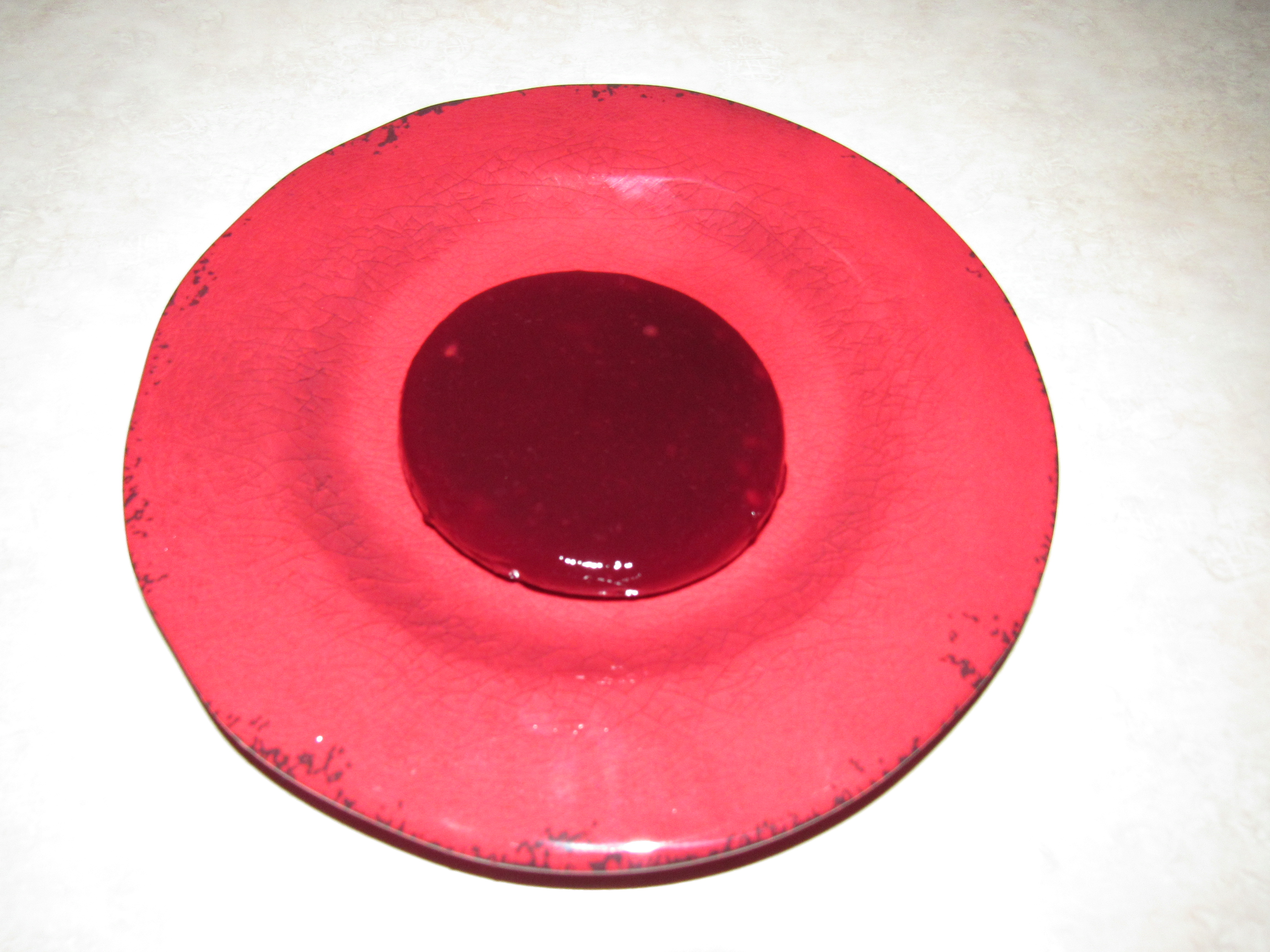
The dessert is traditionally white, but this fruity recipe is a rich burgundy color.

As with most of the recipes in the 1877 cookbook, there is a lot of guesswork. It didn’t suggest how much fruit to “stew” in the first step.

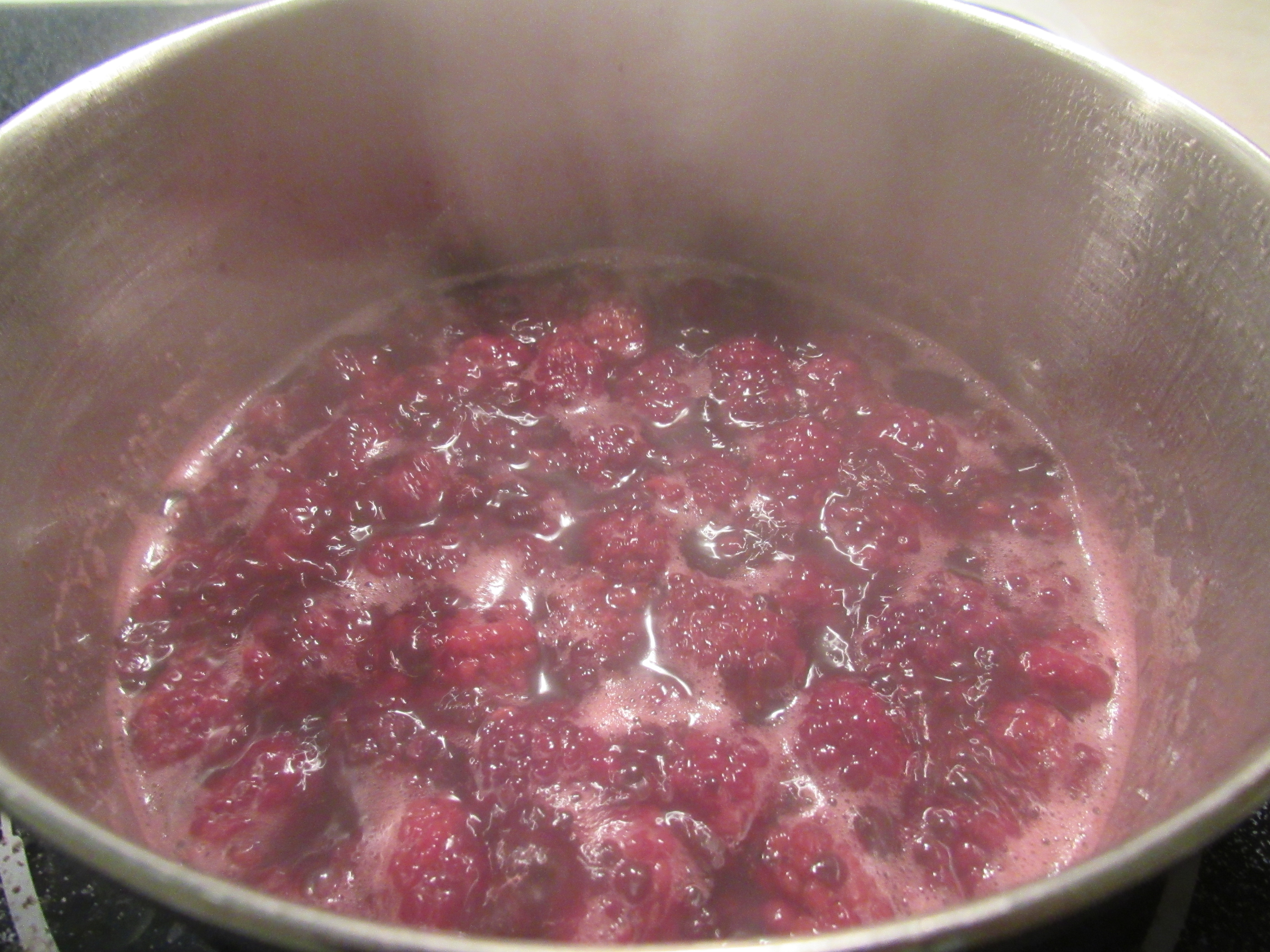
I washed 12 ounces (1 ½ cups) of fresh blackberries and put them in a medium saucepan. I added a cup of water, which ended up being a good amount for this amount of fruit.

These cooked on a medium heat. After they began a slow boil, I cooked them around 8 – 10 minutes, long enough to extract the flavorful juices from the blackberries.

Strain the fruit. Discard the blackberries and return the juice to the pan. There will be a little more than the amount of water added in the beginning.

In a small bowl, add 2 tablespoons of cornstarch per pint of juice. Mine made a little over a cup, so I used 1 tablespoon of cornstarch. To this add twice the amount of water—2 tablespoons of water for mine. Stir and set aside.

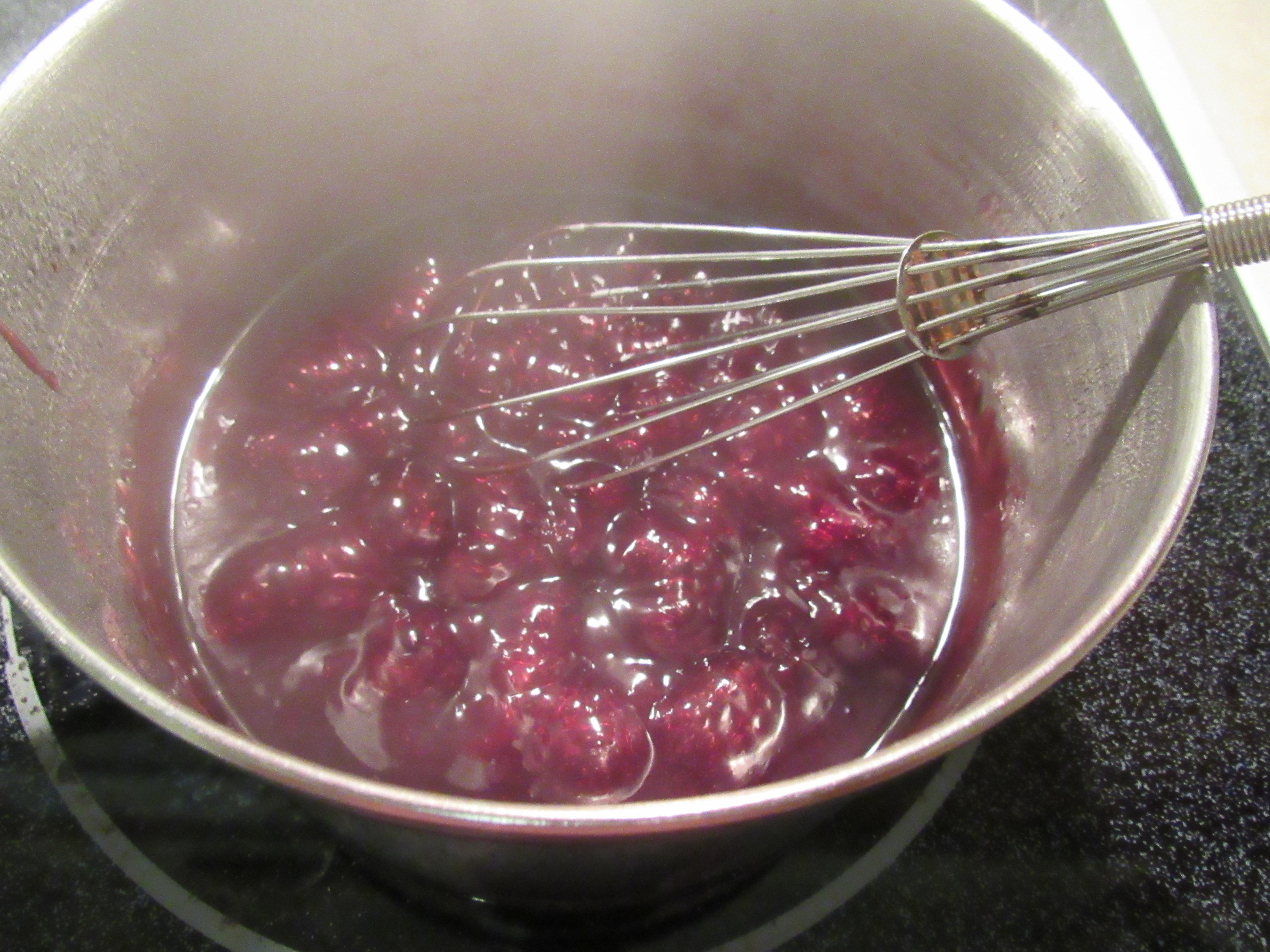
Mrs. Rea suggested sweetening the juice to taste. Having no idea how sweet blancmange is, I stirred in ¼ cup of sugar. When this mixture begins to boil on a medium heat, drizzle in the reserved cornstarch mixture. It thickens immediately.

Whisk constantly while it continues to boil for another minute or two. Remove from heat.

Rinse molds in cold water and add the blancmange. Chill for at least 2 hours to allow the dessert to set.

Twelve ounces of blackberries made 2 servings. Adjust the quantities for the number of servings desired.

Turn the mold onto a serving plate. Mrs. Rea suggesting eating it with cream and sugar. I liked it plain.

Though it didn’t turn out overly sweet, I will reduce the amount of sugar next time to 2 tablespoons for 2 servings.

I loved the rich color of the blancmange. I like blackberries and the refreshing taste took me back to summer days of eating cobblers and jams. I will reduce the amount of sugar next time to 2 tablespoons for 2 servings.

I’d love to hear if you try this recipe with other fruits.

-Sandra Merville Hart

Sources

“Blankmange,” Wikipedia, 2018/01/13 https://en.wikipedia.org/wiki/Blancmange.

Compiled from Original Recipes. Buckeye Cookery and Practical Housekeeping, Applewood Books, 1877.


Cream Soup Recipe

This recipe for Cream Soup was found in an 1877 cookbook under “Food for the Sick.”

A few common ingredients made this an easy recipe for cooks and nurses to give to patients. It was probably given to wounded soldiers during Civil War.

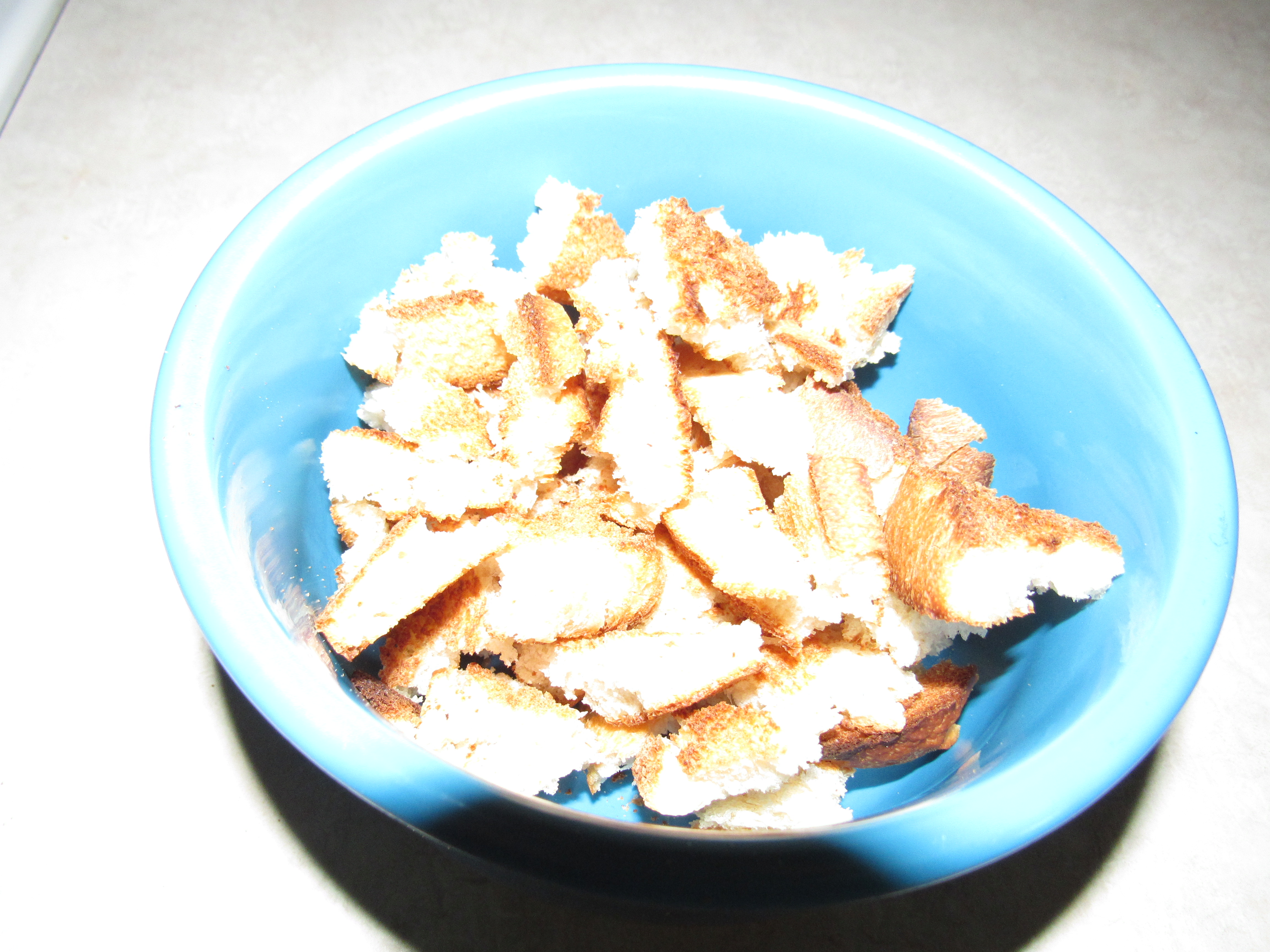
The main ingredient is toasted bread, which was heartier 150 years ago than white bread readily available on grocery store shelves. I made a loaf of white bread in my bread machine and baked it in the oven. This gave me bread slices with denser consistency.

I toasted sliced bread “very brown” under the oven broiler. It felt more authentic than sliding them into a toaster.

Pour two cups of boiled water into a medium-sized serving bowl. Add ½ cup of heavy cream and ¼ teaspoon of salt and stir.

Break two slices of toast into pie. Pour the cream broth over the pieces in a serving bowl.

Eat immediately.

I tasted this soup. It surprised me how much I like it—possibly because I really like the homemade bread.

For this reason, I feel that any of the hearty breads you love would work well in this soup. Feel free to experiment with your favorite breads. If you buy the bread, this soup can be ready to eat in about 10 minutes.

I’ve often eaten toast when sick as well as serving it to my daughter. Cream and nourishing bread—I understand why this was given to convalescing patients.

I’d love to hear from you if you try this dish. Enjoy!

-Sandra Merville Hart

Sources

Compiled from Original Recipes. Buckeye Cookery and Practical Housekeeping, Applewood Books, 1877.