Buttermilk Stew

A recipe in an 1877 cookbook for Buttermilk Stew was included in a section titled “Food for the Sick.”

Research involves a lot of reading for historical novelists, but I don’t remember reading about this type of stew. Civil War nurses and cooks likely fed it to wounded soldiers. I love learning about our history. It’s fun to add authentic details like this when a story requires it.

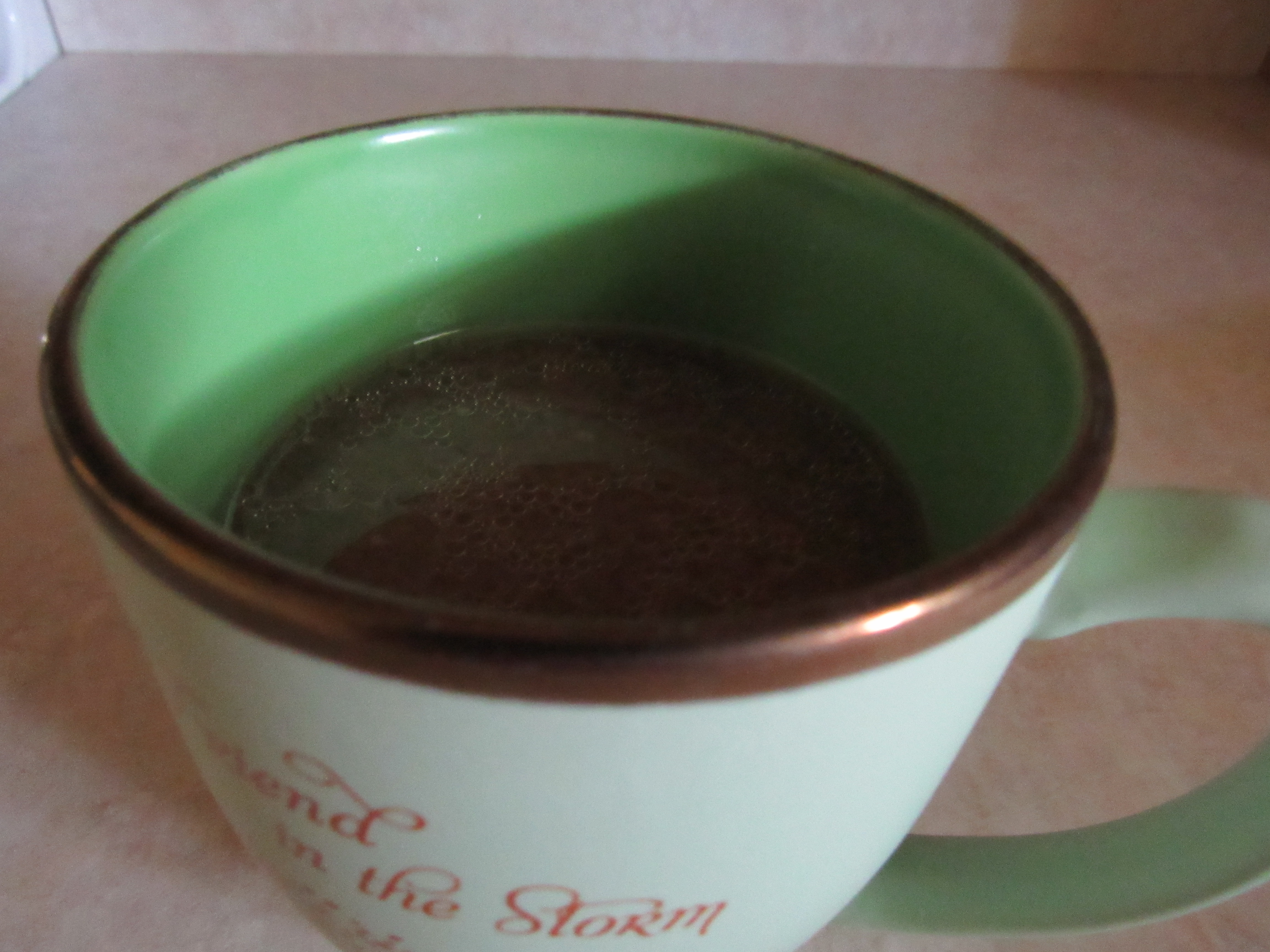
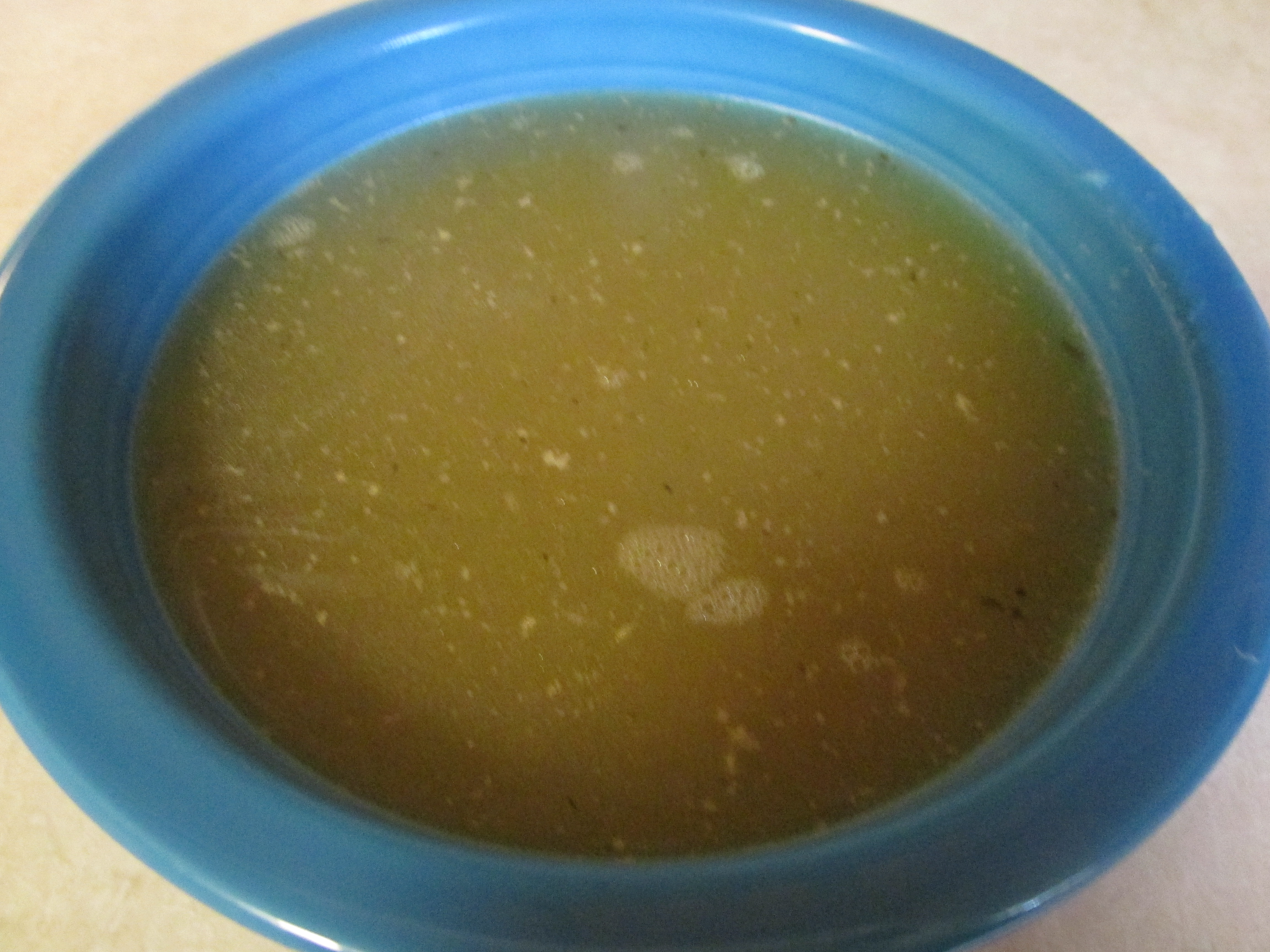
Boil one pint of buttermilk over a medium high heat. I allowed it to boil less than a minute before removing from the heat. The consistency of the milk completely changed. The thick, creamy liquid thinned to a grainy consistency of water.

A “small lump of butter” called for in the original recipe became a tablespoon of butter to this modern cook.

When that melted, I added 2 tablespoons of sugar—a complete guess as the recipe said to “sweeten to taste.” I added more because adding ginger was an option. Ginger has such a strong flavor.
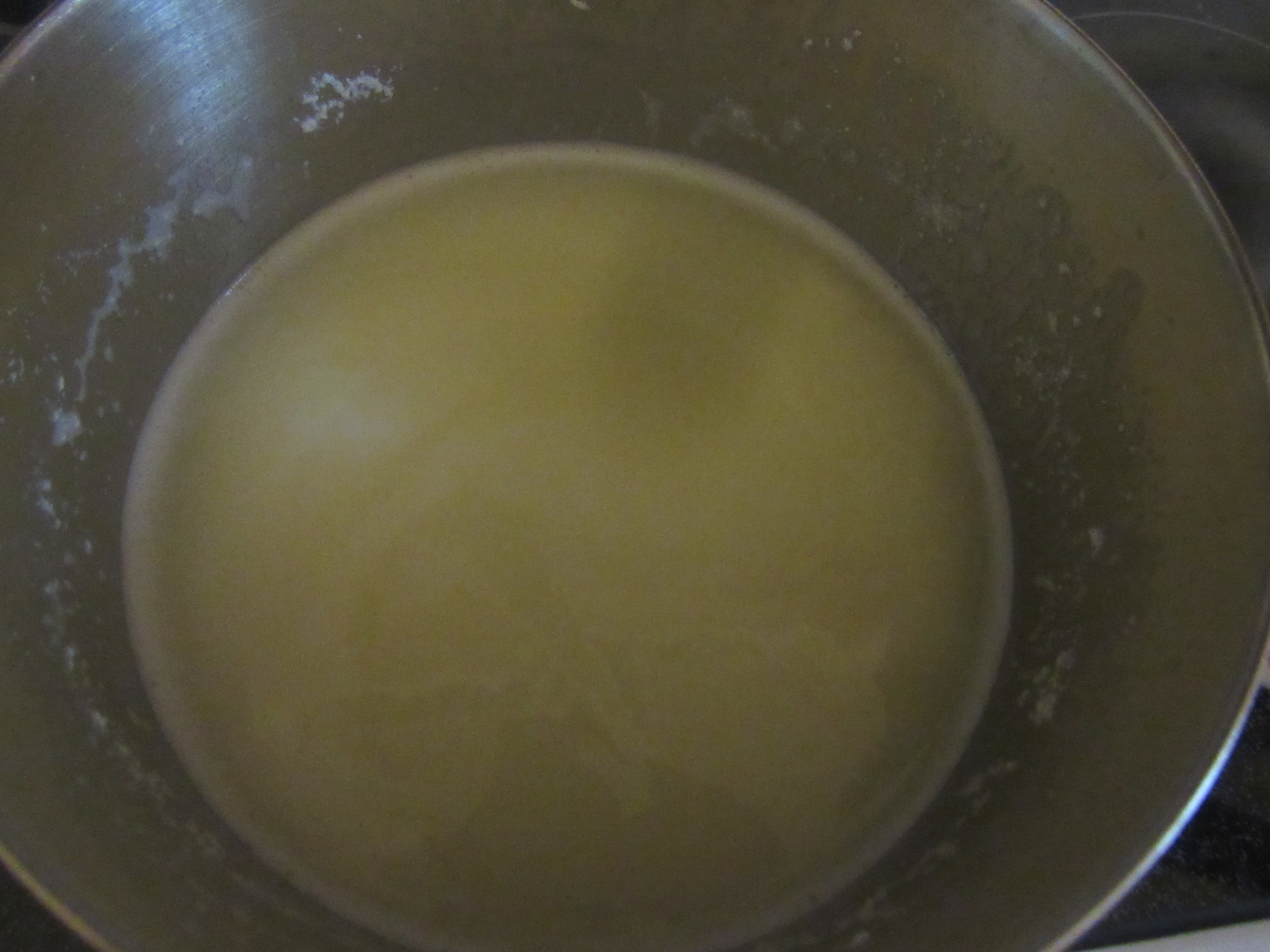
I added ¼ teaspoon ground ginger. Cooks may substitute honey for sugar.

The consistency remained like water as it cooled. It had a very strange flavor. It tasted like buttermilk though different. The sugar overpowered the ginger, so I’d suggest decreasing it to only a tablespoon. Ginger is optional.

After only a couple of sips, I pushed it aside. It wasn’t terrible. I can understand that thinning out the buttermilk made it easier for ailing patients to digest.

Good luck! I’d love to hear if you try this recipe.

-Sandra Merville Hart

Sources

Compiled from Original Recipes. Buckeye Cookery and Practical Housekeeping, Applewood Books, 1877.
Tamarind Water

The Battle of Gettysburg took place in the small Pennsylvania town on July 1-3, 1863. After the fighting stopped, wounded soldiers filled the homes, churches, barns, and courthouse.

There were so many that soldiers from both sides lay in the fields where they were shot until someone found them. Citizens rallied heroically to meet the monumental challenge.

Folks from the U.S. Sanitary Commission and the Christian Commission arrived in Gettysburg to help. They provided supplies for the hospitals and the town’s citizens. A general tent hospital, Camp Letterman, was set up in mid-July to care for Union and Confederate wounded.

One of the Sanitary Commissioners wrote of volunteering at Camp Letterman. He remembered that the wounded arrived to the newly-established hospital thirsty. Volunteers gave them tamarind water from pails. The soldiers loved the “beautiful drink.”

The only recipe I could find for tamarinds in my 1877 cookbook was “Tamarind Whey,” which used milk. The same recipe stated that a tablespoon of tamarinds could be added to water instead of milk.

Being new to tamarinds, I needed a bit more information. I found a recipe for Tamarind Water on the Foot Network site that I followed.

My husband found dried tamarinds at a specialty food store. The outer layer must be peeled off before cooking. The fruit inside is sticky.

I cooked the fruit as directed and let it cool. I drained it first in a colander and then a second time in a wire strainer.

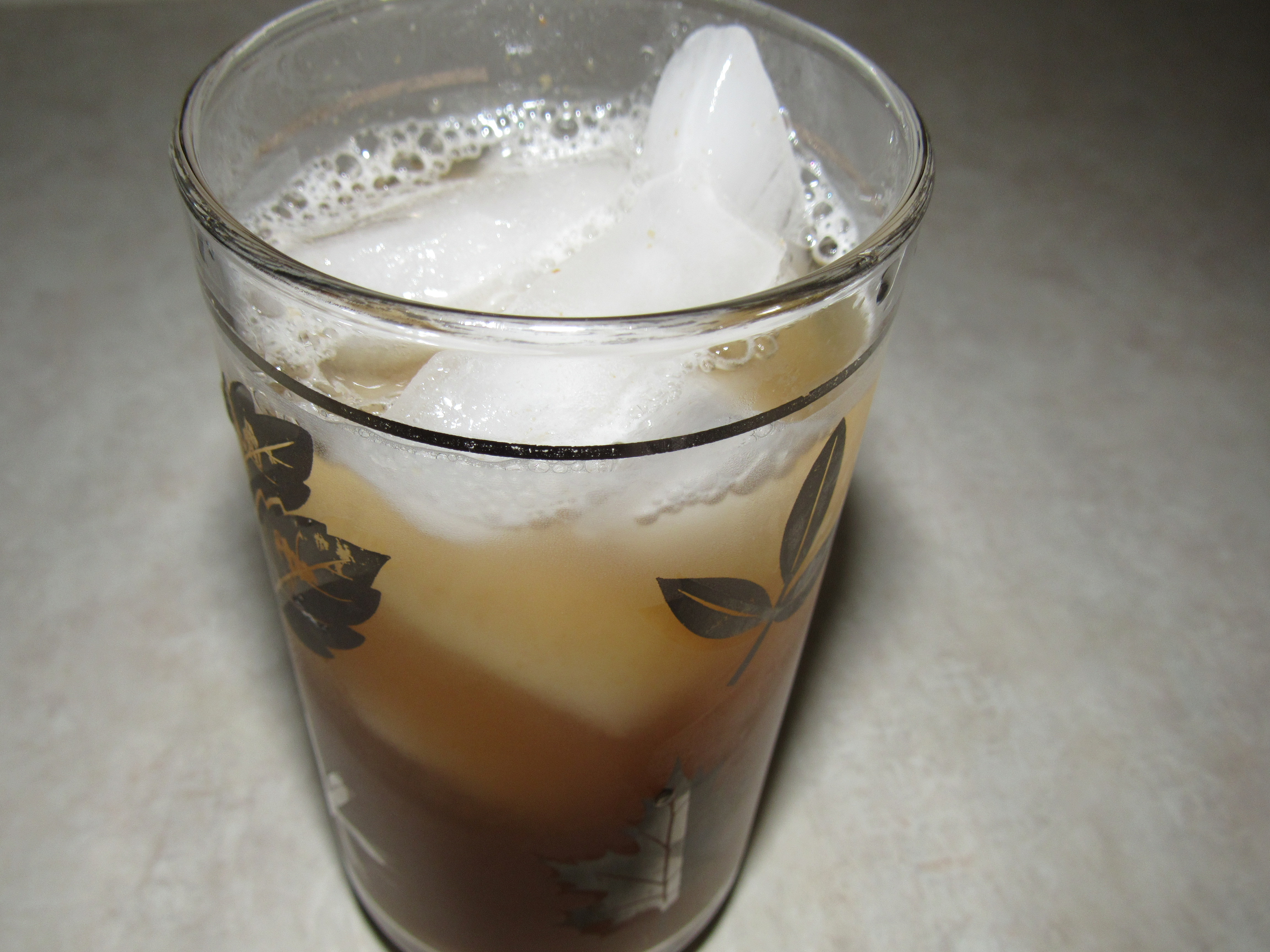
The drink, when iced, resembles the color of iced tea. The unfamiliar flavor was too strong for me. I didn’t really like the beverage.

Using perhaps half the amount of tamarinds would be enough for my taste. A tablespoon for 2 quarts of water—now that I know how to prepare it—might be too weak.

The taste reminds me of a very strong tea. I haven’t tasted anything else that compares to it. Several people tried the drink. One person liked it. He downed the drink, saying that it reminded him of a special blend of tea.

I can well believe that this drink comforted parched Civil War soldiers on a hot summer’s day.

-Sandra Merville Hart

Sources

Compiled from Original Recipes. Buckeye Cookery and Practical Housekeeping, Applewood Books, 1877.


Milliken, Mary Sue & Feniger, Susan. “Tamarind Water,” Food Network, 2017/05/11 http://www.foodnetwork.com/recipes/tamarind-water-recipe.


Sheldon, George. When the Smoke Cleared at Gettysburg, Cumberland House, 2003.


Civil War Beef Tea

I’ve often read of nurses giving Beef Tea to severely wounded Civil War patients in my research so I was thrilled to find a recipe for it in an 1877 cookbook under the section “Food for the Sick.”

As a historical novelist, I’m always interested in learning tidbits from our history. It’s fun to add authentic details such as this one when a story requires it.

The recipe called for a pound of the best lean steak. I asked my butcher if stew beef was a type of steak. He explained that while it wasn’t a grilling steak, their stew beef was a type of steak taken from the shoulder so I used this.

The instructions were to put the beef in a glass jar, cover it tightly, and boil it slowly in water for 3 to 4 hours.

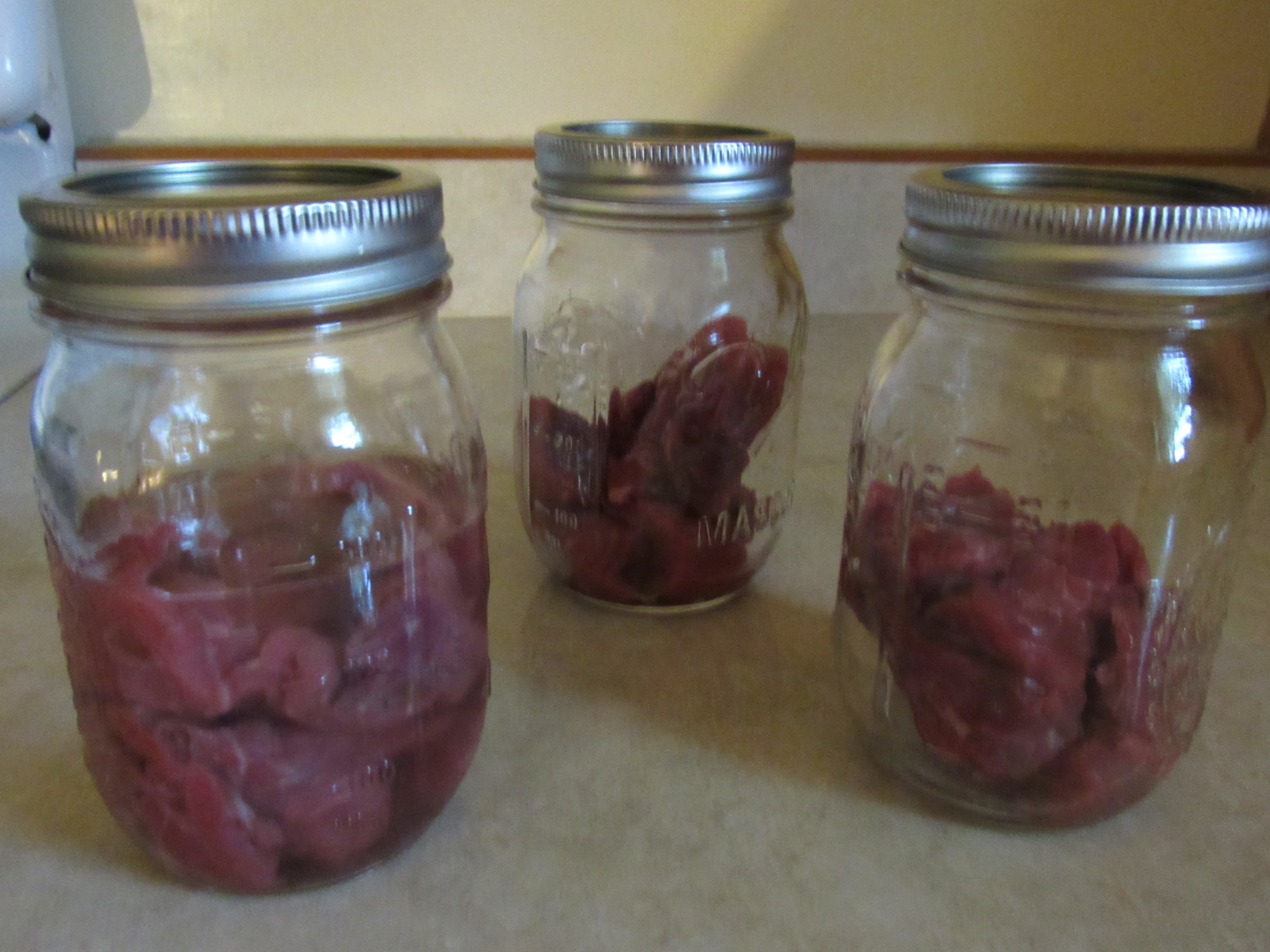
I divided the meat into 3 pint-sized Mason jars. It didn’t say anything about adding water to the meat. As an experiment, I added enough water to cover the beef in one jar only.

The lids were put on top. I half-filled a stewpot with cold water and placed the jars in the water. They toppled sideways. The 1877 cook advised tying them in place. I tied them to the handles individually.

I turned them on a medium heat, refilling with hot water occasionally as it boiled down. After 4 hours, the meat didn’t look like “white rags” as the recipe advised. It didn’t appear that way after 4 ½ hours of gently boiling in a jar.

I turned off the heat anyway and let it cool undisturbed.

When the jars had cooled, I removed them from the water. The amount of broth in the 2 jars with no added water wasn’t impressive. The third jar that started with about a ¼ cup of water held more broth but not a lot more.

After straining the meat, I measured 1 ¼ cups of Beef Tea. I added ½ teaspoon salt. It tasted and looked like au jus. My husband, who loves his meat, liked the flavor but felt I’d added too much salt. If you try this recipe, maybe start with ¼ teaspoon of salt or season to taste.

I checked online to see if there were other beef tea recipes and found a few that are referenced in the sources. One served patients dry toast with the tea. Another suggested adding chopped raw meat to the drink when serving. Another offered the idea of placing the tea in a bowl over boiling water (double-boiler effect) to warm it before serving.

It may seem like a lot of time for little return. Civil War soldiers too weak to eat received lots of nourishment from this tea.

Good luck! I’d love to hear if you try this recipe.

-Sandra Merville Hart

Sources

“Beef Tea,” Vintage Recipes, 2017/05/10 http://www.vintagerecipes.net/books/plain_cookery_book/beef_tea_6.php.

“Beef Tea,” Vintage Recipes, 2017/05/10 http://www.vintagerecipes.net/books/fifty_soups/beef_tea_4.php.

“Beef Tea,” Vintage Recipes, 2017/05/10 http://www.vintagerecipes.net/books/bookofhouseholdmanagement/beef_tea_3.php.

Compiled from Original Recipes. Buckeye Cookery and Practical Housekeeping, Applewood Books, 1877.
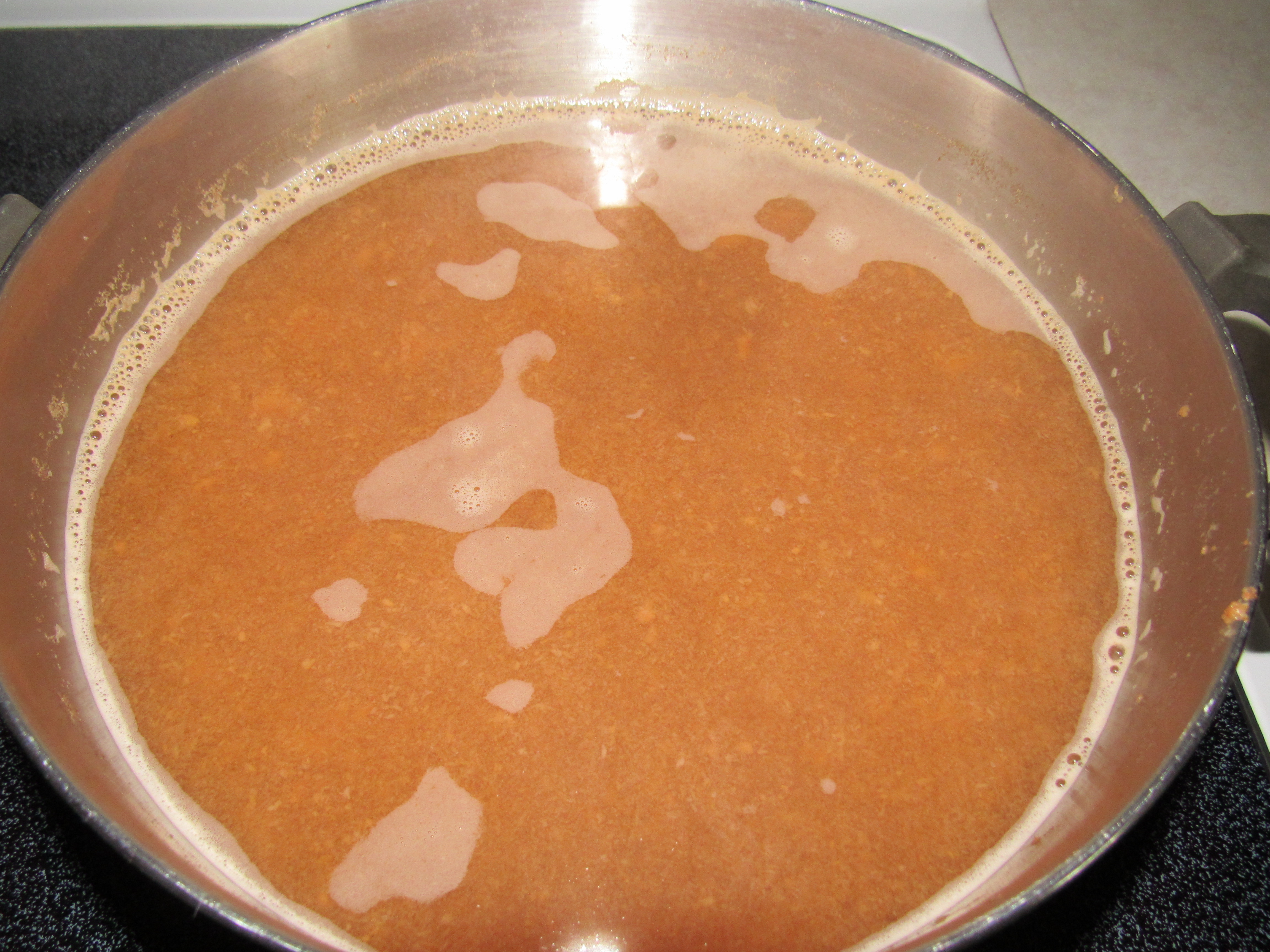


Cream of Asparagus Soup

I found this recipe in The Fannie Farmer Cookbook, a book originally published in 1896. Fannie Farmer’s name is still well-known today.

Stock, water enriched by the food cooked in it, is an important ingredient in numerous soups. Homemade stock brings full-bodied flavor to recipes. The recipe for the chicken stock used in this recipe is found here.

To make this soup, finely chop enough onion to give 2 tablespoons and set aside.

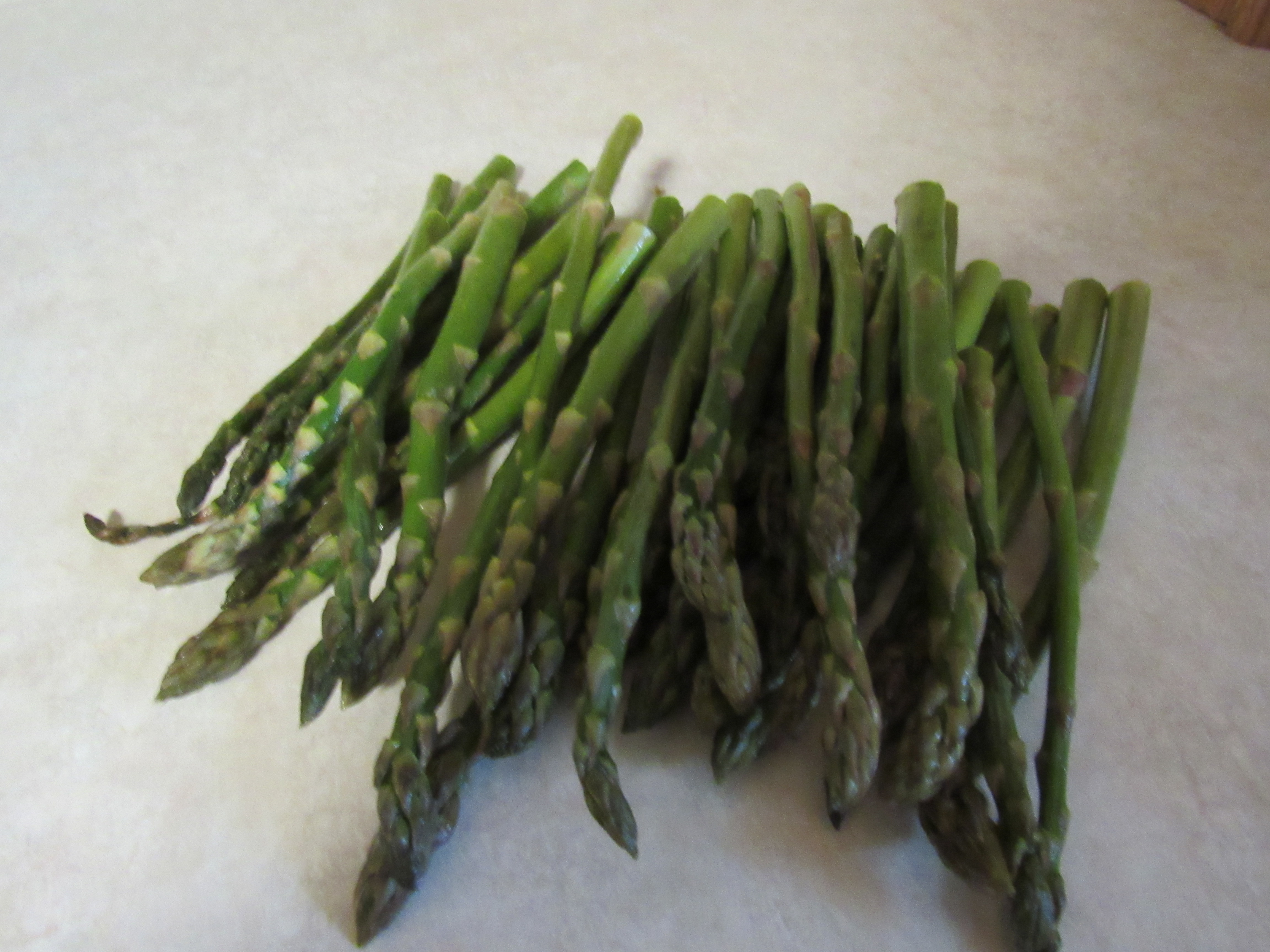
I used a pound of fresh asparagus, but frozen asparagus is also good. If using fresh, wash the vegetable and then chop off the coarse ends (about two inches from the end of the spear) and discard.

Boil 3 cups of water. Chop each asparagus spear a second time and drop the vegetables into boiling water. I cooked my asparagus for 4 minutes—about 1 minute too long as a few spears were limp. Next time I will boil them for 3 minutes.

Put a colander into a medium bowl and drain the asparagus. Reserve one cup of this water. The green liquid is filled with nutrients and flavor.

Cut off the asparagus tops. Chop them and set aside.

Pour the reserved water and 1 ½ cups of chicken stock or chicken broth into a large saucepan. (I used chicken stock.) Add 2 tablespoons of chopped onion to the liquid. Cook over a high heat until it begins to boil. Add the asparagus (without the reserved tops) and lower the heat to simmer for 5 minutes.

Remove from heat. Puree the asparagus with the broth in a blender or food processor. I used a blender and had to divide it into two batches to puree.

Run the pureed mixture through a colander one more time for a creamier soup. After rinsing the used saucepan, pour the soup inside. Add 1 cup of milk or heavy cream. (I used milk. Use cream if you prefer thicker soup.)

Salt and pepper to taste. A half teaspoon of salt wasn’t enough so I added more. A teaspoon of salt was about right for me, but this is purely a personal preference.

Heat the soup over a medium heat until hot.

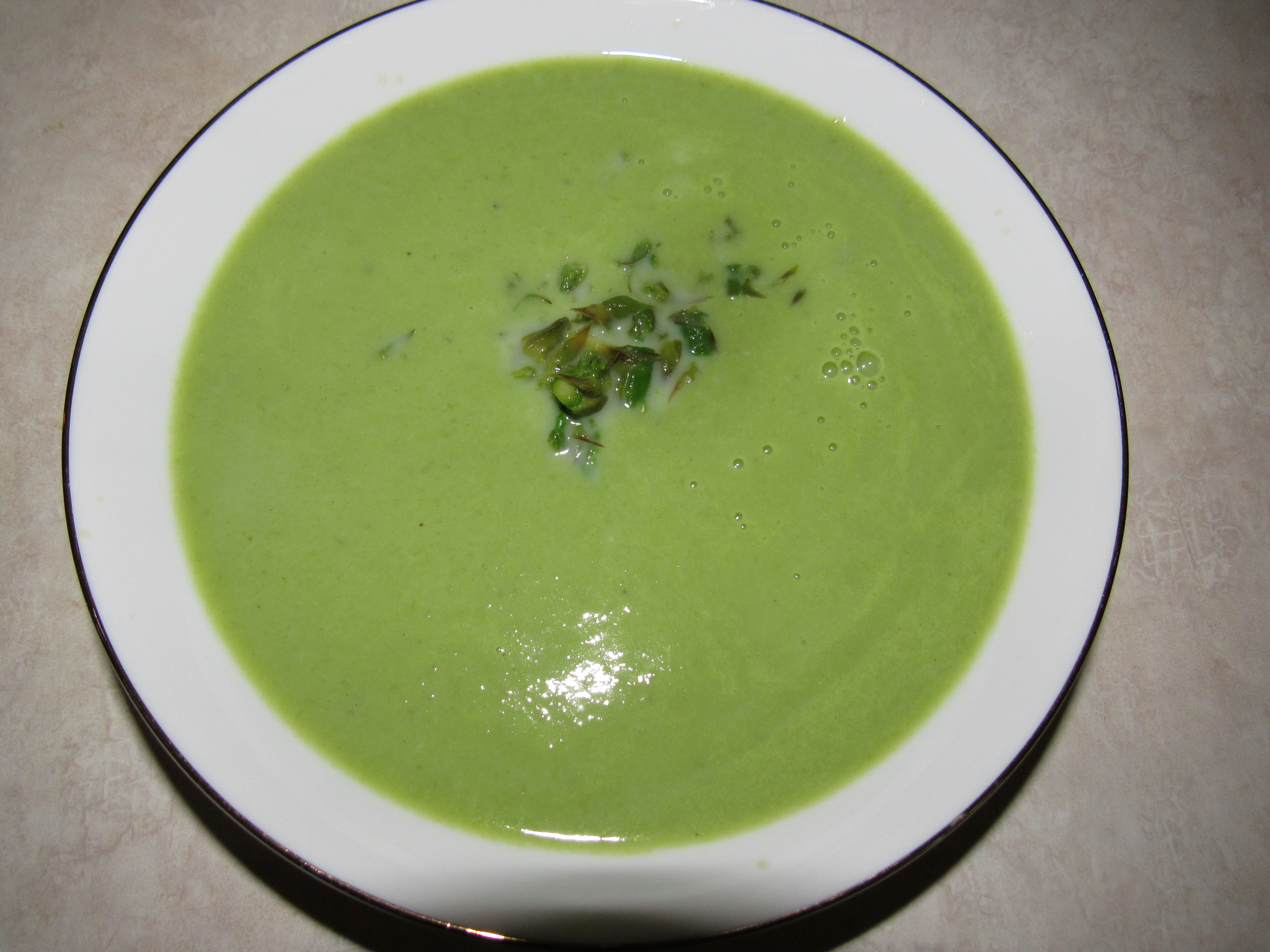
Garnish the creamy soup with the reserved chopped asparagus tops. I thought it tasted delicious and will make it again.

This recipe makes 5 one-cup servings.

-Sandra Merville Hart

Sources

Revised by Cunningham, Marion and Laber, Jeri. The Fannie Farmer Cookbook, Alfred A Knopf Inc., 1983.


Cream of Carrot Soup

The Fannie Farmer Cookbook, originally published in 1896, has a lot of great recipes. This cream of carrot soup is surprisingly light and delicious.

Stock, water enriched by the food cooked in it, is an important ingredient in numerous soups. Homemade stock brings full-bodied flavor to recipes. The recipe for the chicken stock used in this recipe is found  here.

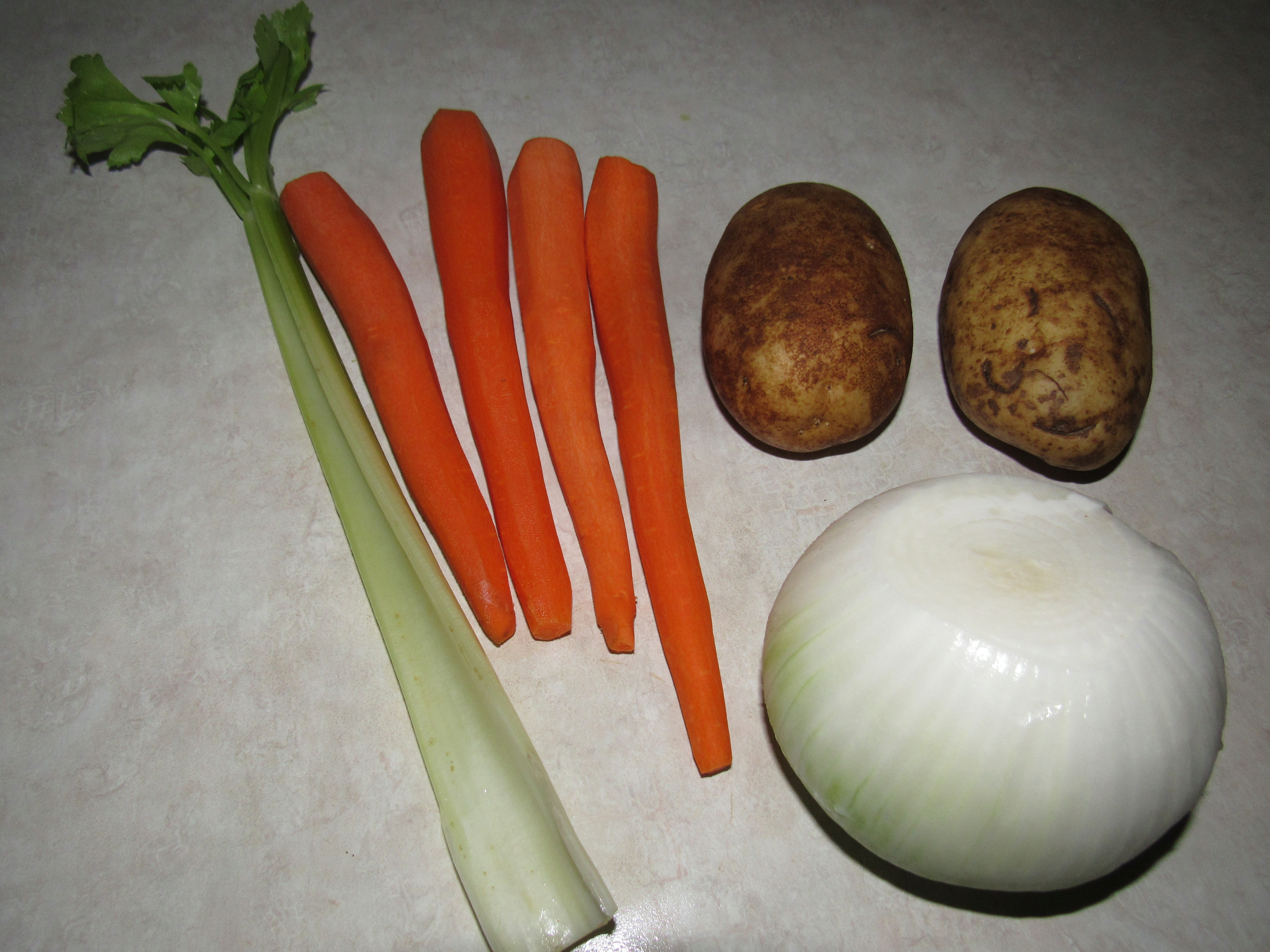
To make cream of carrot soup, chop 1 onion and 1 celery stalk with leaves. Peel and slice 4 carrots.

Melt 4 tablespoons of butter in a large saucepan. Stir in onion, celery, and carrots. Cook on a medium heat for 10 minutes, stirring occasionally.

While those vegetables are cooking, peel and dice 2 medium potatoes. Chop 2 sprigs of parsley.

Stir potatoes and parsley into the vegetables just until coated. Pour in 5 cups of chicken stock or chicken broth. (I didn’t have enough chicken stock so I used half of each.) Cook, partially covered, for about 20 minutes, until the potatoes are tender.

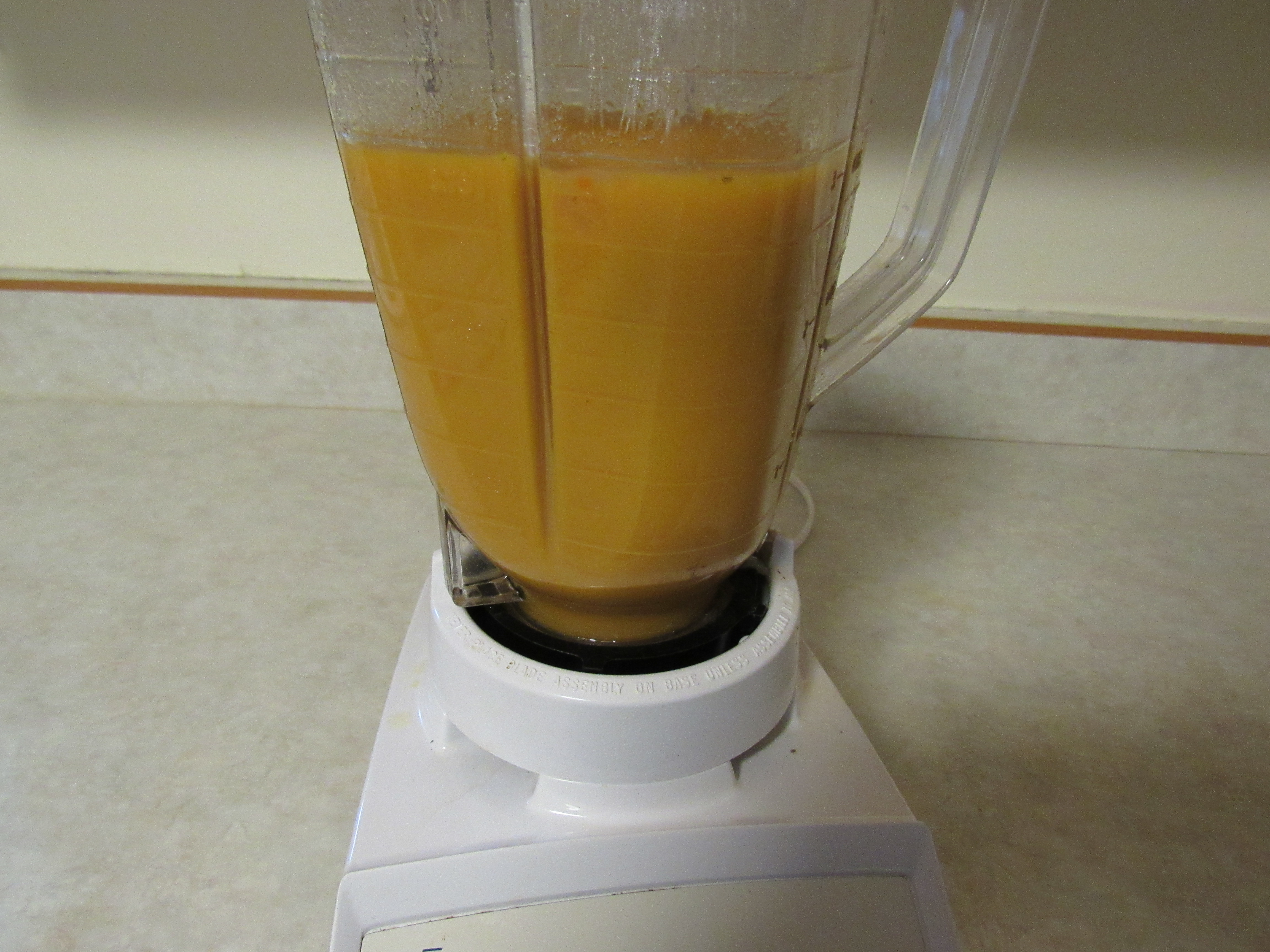
Puree the vegetables and broth in a food processor or a blender.

Pour the pureed liquid through a colander into a medium mixing bowl to catch anything the blender missed.

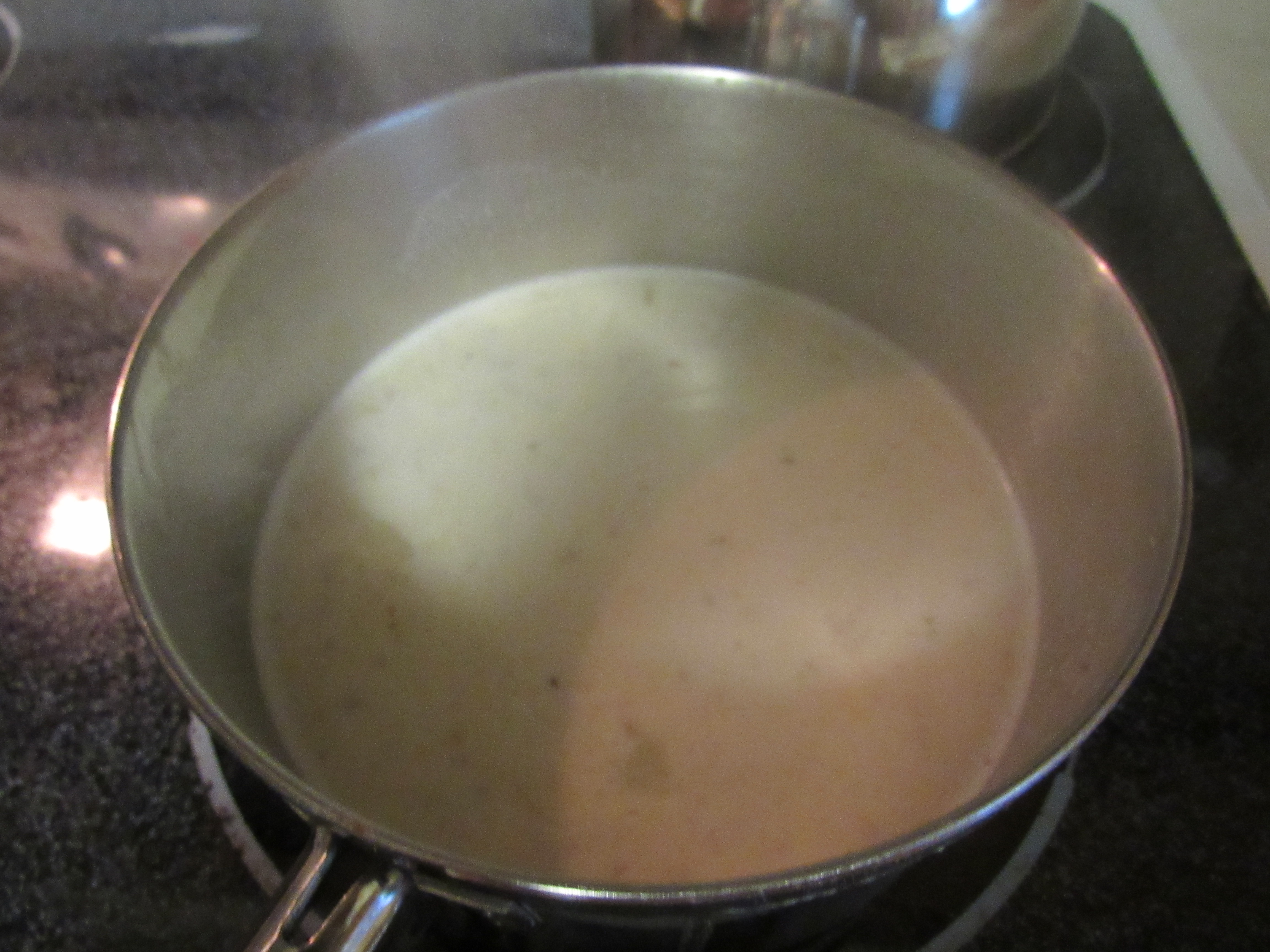
Rinse out the saucepan and then pour the soup back into it. Stir in 1 cup of heavy cream. Salt and pepper to taste. I used a teaspoon of salt.

Heat the soup over a medium heat until hot. Do not boil.

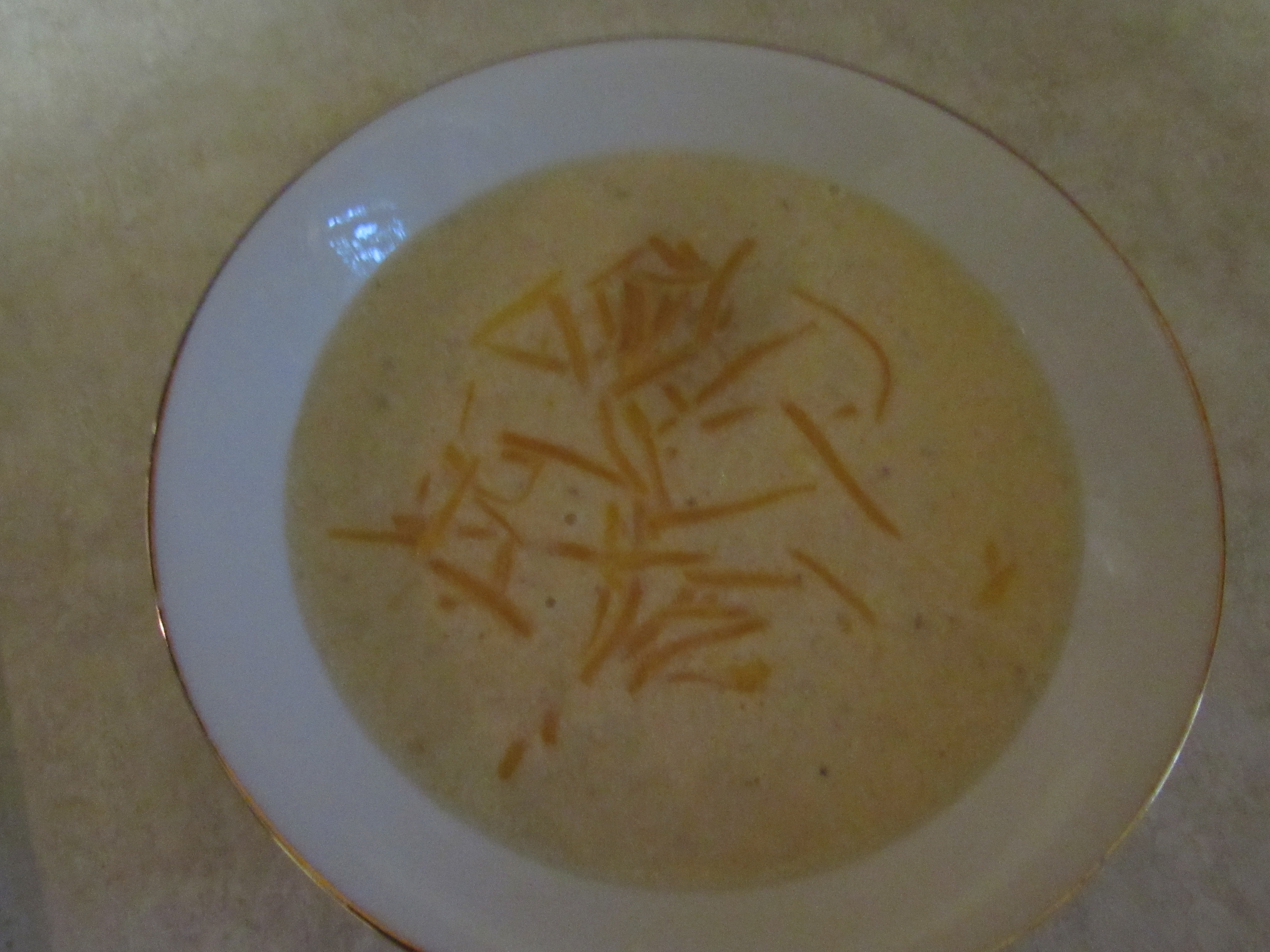
Garnish the creamy soup with a parsley sprig if desired. This delicious soup was worth the extra steps. I plan to make it again to serve to dinner guests.

This recipe makes 7 one-cup servings and can be served hot or cold.

-Sandra Merville Hart

Sources

Revised by Cunningham, Marion and Laber, Jeri. The Fannie Farmer Cookbook, Alfred A Knopf Inc., 1983.


Cheese Soup

I found this recipe in The Fannie Farmer Cookbook, originally published in 1896. Fannie Farmer’s name is still well-known today.

Stock, water enriched by the food cooked in it, is an important ingredient in numerous soups. Homemade stock brings full-bodied flavor to soups and sauces. The recipe for the beef stock used in this recipe is found  here.

To make this soup, finely chop enough onion to give 1 tablespoon.

Melt 1 tablespoon of butter over medium heat. Add the onion to the melted butter, cooking until the onion is limp. Stir in 1 tablespoon of flour. The recipe said to stir and cook this for 3 minutes, but mine started to brown after about 90 seconds. I’d suggest cooking this about 1 ½ minutes.

Slowly add 1 cup of beef stock (or 1 cup of beef bouillon or beef broth) and 2 cups of milk. Stirring frequently, heat until it boils.

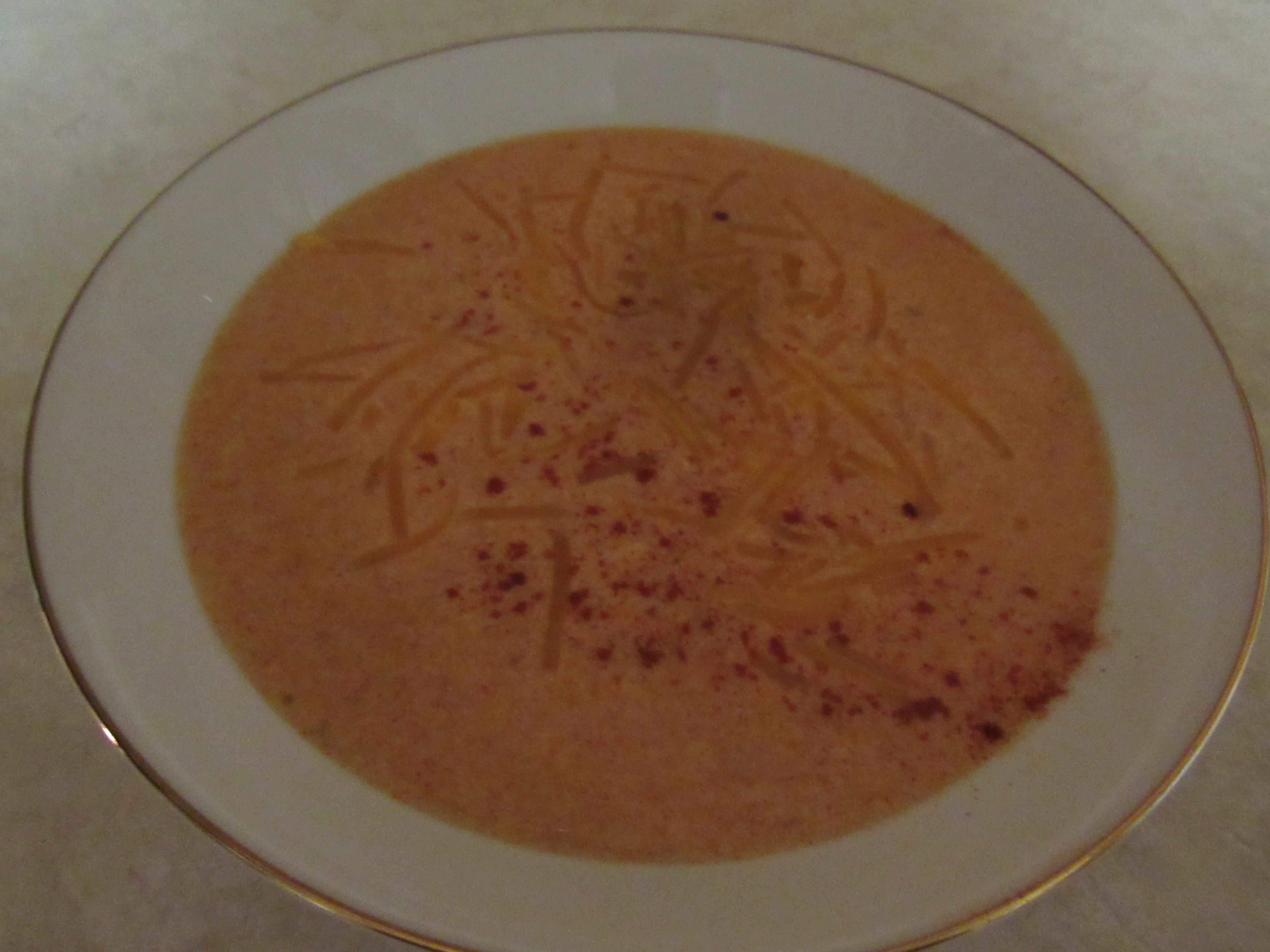
Turn off the heat and stir in ¾ cup shredded cheddar cheese. To achieve a creamier consistency, I added 2 slices of American cheese.

The recipe then calls for 2 teaspoons of paprika. I tasted the soup without it and enjoyed the flavor. Then I added paprika, which gave the soup a bit of zing that I also liked. Try it both ways to see which you prefer.

Garnish with shredded cheddar cheese and a sprinkle of paprika. The color of the soup made me think it wasn’t going to taste “cheesy” enough, but it did. I liked it.

This recipe makes 3 one-cup servings. Enjoy!

-Sandra Merville Hart

Sources

Revised by Cunningham, Marion and Laber, Jeri. The Fannie Farmer Cookbook, Alfred A Knopf Inc., 1983.


Cabbage and Beet Soup

I recently ran across The Fannie Farmer Cookbook in an antique store. This book was originally published in 1896.

Stock, water enriched by the food cooked in it, is an important ingredient in numerous soups. Homemade stock brings full-bodied flavor to recipes. The recipe for the beef stock used in this recipe is found  here.

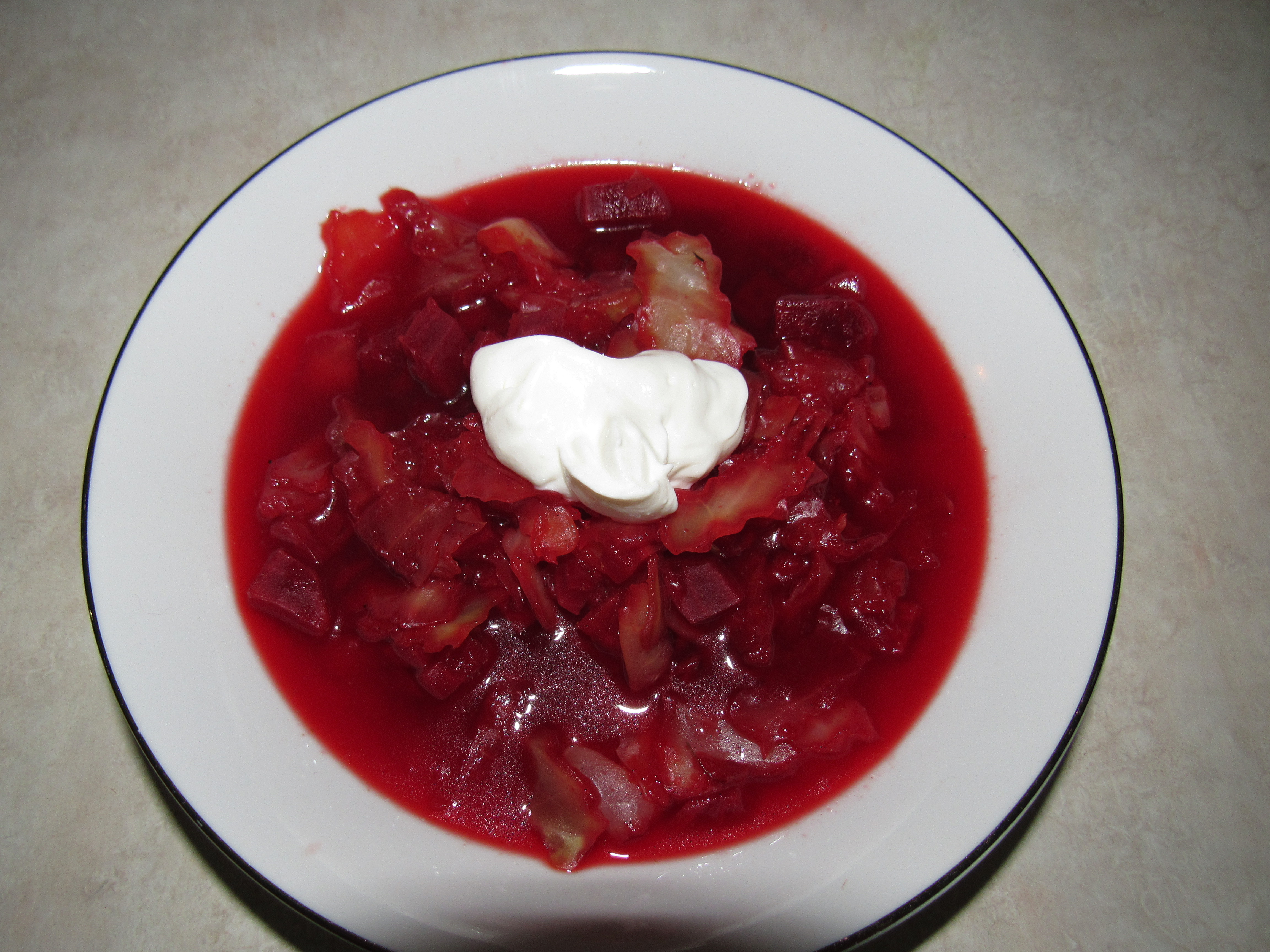
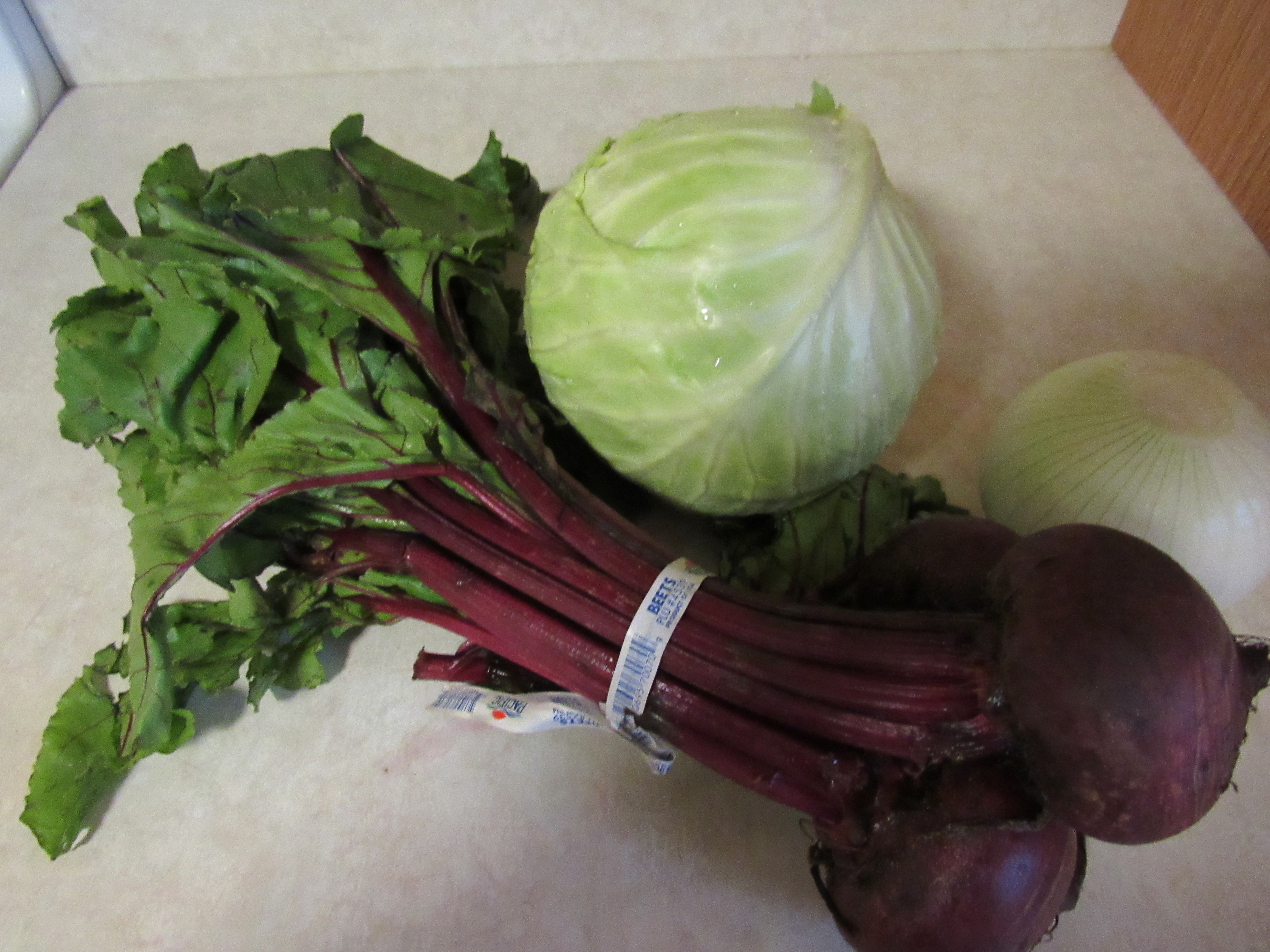
To make this soup, peel and dice 2 cups of raw beets. The beet juice briefly stained my hands, my counter, and my cutting board, but it washed off easily with dishwashing liquid.

Chop 1 onion. Coarsely chop 2 cups of cabbage. Place all three ingredients in a pot with 4 cups of beef stock or 4 cups of beef bouillon. (I used two cups of each, which worked very well. You may also use beef broth in place of the beef stock.)

Bring this to a boil. Lower the heat to simmer the soup for about 30 minutes. Cook a little longer if the beets are not tender. Replace liquid that evaporates during cooking with additional water or beef stock.

Remove from the heat. Add freshly ground pepper to taste and 2 tablespoons of cider vinegar. Salt to taste. (I added ½ teaspoon of salt and thought that was the perfect amount.)

When serving, you may add a teaspoon of sour cream to garnish. I tasted the soup with and without the sour cream. If there is no sour cream, another tablespoon of vinegar is needed. When I ate the soup with the sour cream, all the ingredients worked well together.

This is a delicious soup that I will make again.

-Sandra Merville Hart

Sources

Revised by Cunningham, Marion and Laber, Jeri. The Fannie Farmer Cookbook, Alfred A Knopf Inc., 1983.


Preparing Chicken Stock

I recently ran across The Fannie Farmer Cookbook in an antique store. This book was originally published in 1896. Fannie Farmer’s name is still well-known today.

Reading Fannie Farmer’s recipe for stock intrigued me. I’ve made chicken broth from chicken but realized that is different from Fannie’s chicken stock.

Instead of making stock using chicken wings, necks, backs, and bones, I decided to use a whole chicken. This gave me boiled chicken to make soup for an easy supper the following day.

A local butcher cut up the chicken for me. Included in the package were the neck, heart, gizzard, and back. I used the legs, breasts, thighs, wings, neck, and back and discarded the rest.

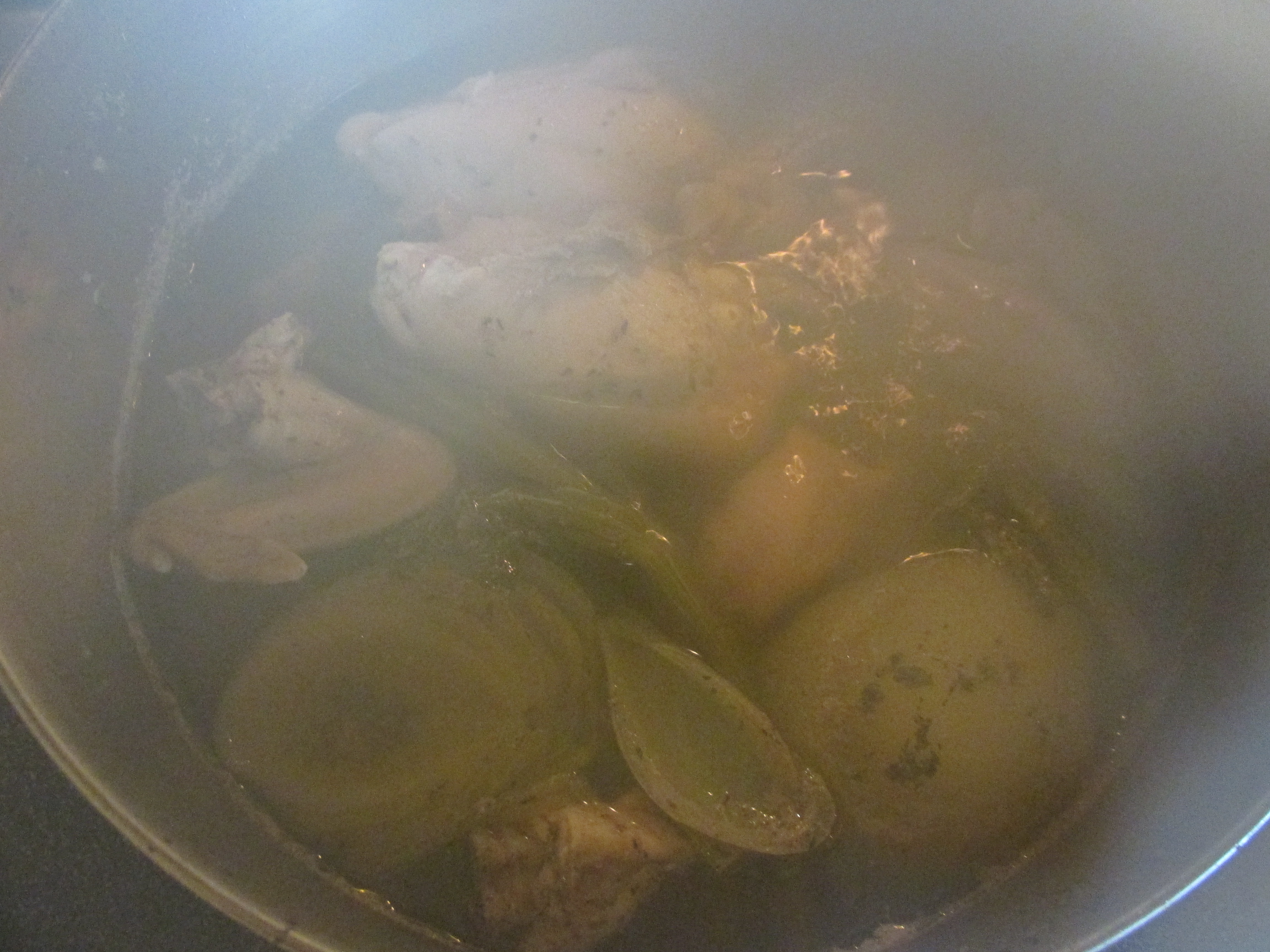
Wash the chicken and put into a large pot, holding out the breasts and wings to be added later. Add eight cups of cold water. Cut one peeled onion in half and place in the pot. Add six baby carrots or peel two carrots and cut them into thirds.

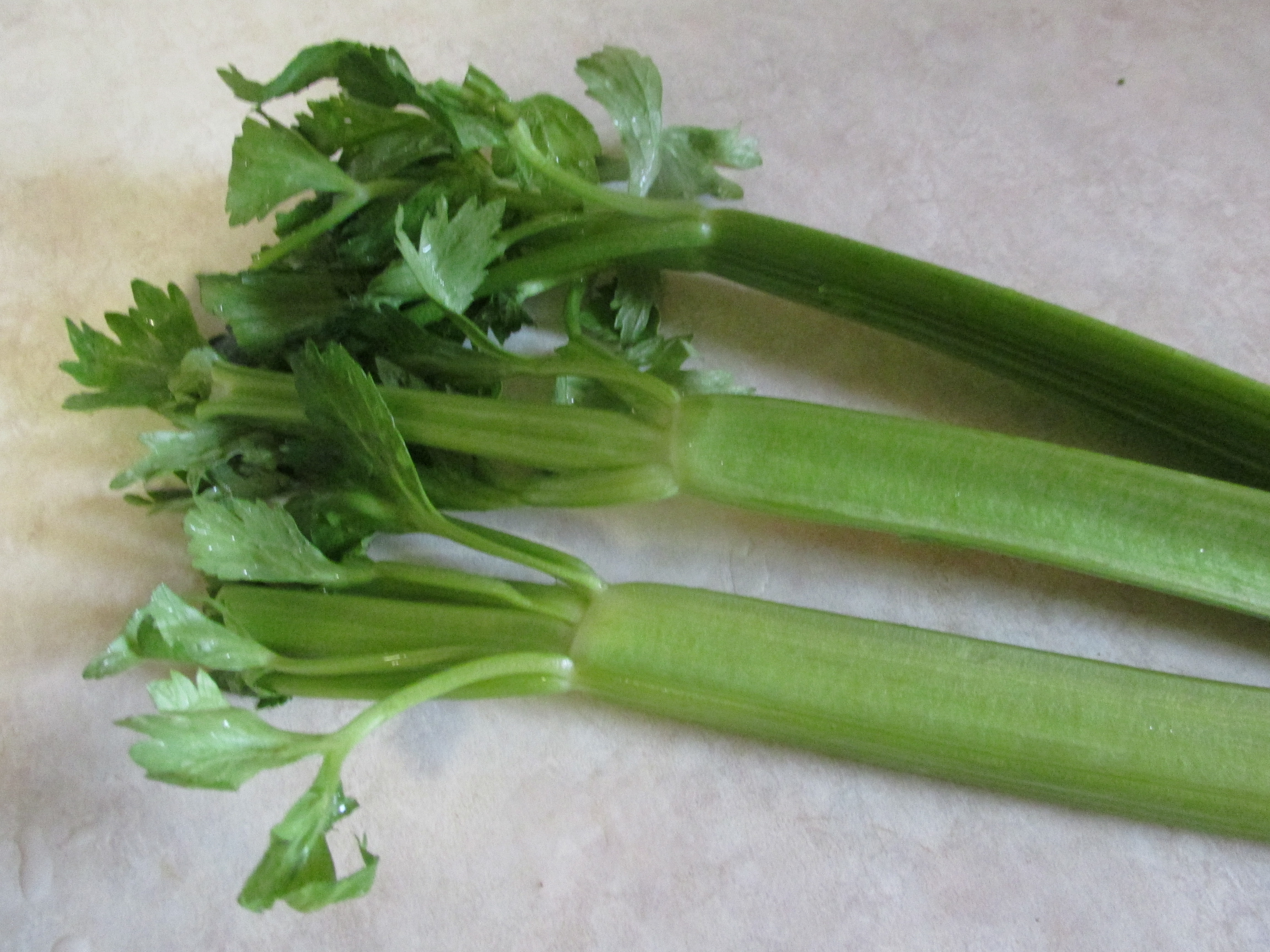
Slice in half three celery stalks, including the leaves. Add a bay leaf, a teaspoon dried thyme, and six crushed peppercorns.

Cook on medium high heat until water begins to boil then reduce to simmer. Since white meat cooks more quickly than dark meat, add breasts and wings after the stock has simmered for twenty minutes.

Cover and simmer until chicken is done. Mine was ready in about an hour. Remove chicken from pot. Debone. Add bones and skin back into the stock and continue simmering.

Refrigerate the chicken for later use in another recipe.

The total simmering time is four to five hours, which includes the time it takes to cook the chicken.

Fannie suggests waiting to add salt until using the stock in a recipe. This allows for salty flavors of other ingredients.

Should you choose to season the stock itself, add salt to taste just before it is done.

Strain the stock and allow to cool. Refrigerate or freeze until ready to use. Stock made from bones will gel in the refrigerator. When the broth thaws out, skim off the top layer of fat.

This smells and tastes delicious, even without salt. The stock smells so aromatic and appetizing that your family may be hungry for supper a little early.

Enjoy!

-Sandra Merville Hart

Sources

Revised by Cunningham, Marion and Laber, Jeri. The Fannie Farmer Cookbook, Alfred A Knopf Inc., 1983.


Fannie Farmer’s Tips on Preparing Stock for Soups

I recently ran across The Fannie Farmer Cookbook in an antique store. This book was originally published in 1896. Fannie Farmer’s name is still well-known today.

Stock, water enriched by the food cooked in it, is an important ingredient in numerous sauces and soups. Homemade stock brings full-bodied flavor to recipes.

Though stocks may take all afternoon to cook, they are not difficult to prepare. Once the ingredients simmer in a pot, simply check periodically that the stock isn’t cooking too quickly.

Use fresh ingredients. Preparing stock allows cooks to use beef bones, chicken bones, and necks. Onions, parsley, dill, mushroom stems, and celery—including celery tops are foods that go into stock.

Start with cold water as it draws the meat juices into the soup as it comes to a boil. After this initial boil, reduce heat to a simmer.

Partially cover during simmering to maintain the simmer. This reduces the liquid without losing nutrients.

Wait to season with salt until the stock is almost done if you know how you plan to use it. If storing it for later use, do not add salt now because it won’t reduce after being salted. The rule of thumb seems to be to season when you are ready to prepare it for your family.

Strain stock after cooking and set aside to cool, uncovered. It’s best to cool the stock quickly and it can be placed in the refrigerator. Covering the stock while it cools may cause it to sour.

If the stock is stored in the refrigerator, reheat it every three days. Boil for two minutes.

Stock freezes well for future use. One of Fannie’s tips was to freeze the stock in ice trays and then bag the cubes in the freezer—easy to grab a few when needing a small amount!

-Sandra Merville Hart

Sources

Revised by Cunningham, Marion and Laber, Jeri. The Fannie Farmer Cookbook, Alfred A Knopf Inc., 1983.


Three Ways to Develop Good Cooking Habits – Advice from Fannie Farmer

I recently ran across The Fannie Farmer Cookbook in an antique store. This book was originally published in 1896. Fannie Farmer’s name is still well-known today.

Fannie gave advice about cooking habits before giving any recipes in her cookbook. There may be some wisdom in that strategy. Here are three ways to develop good cooking habits that are still surprisingly relevant today.

Firstly, read the whole recipe before doing anything. This shows what you will do—think about the reasons why.  Preparation and/or baking times are included in most modern recipes; give yourself plenty of time to prevent becoming flustered.

When making a complete meal, decide what dishes can be prepared ahead of time—such as dessert. Consider your menu. What dish will take longest to prepare? This will help decide when preparations for the meal should begin. Study any unfamiliar recipes ahead of time.

Secondly, think about the season of the year when planning meals. Produce and meat are at their flavorful peak when fresh. Shop at the market for ingredients that are in season or “on special.” Don’t get your heart set on a particular recipe before finding what’s available at the grocery store. Fresh products make more flavorful dishes, so learn to be flexible.

Thirdly, don’t scorn leftovers. Instead, use your imagination to make a new dish.

Fannie advises deliberately preparing twice the amount of meat required to feed your family. She used the example of pot roast. If there is a bone, use it to prepare soup another day along with leftover vegetables and a bit of the gravy.

Take a portion of the leftover pot roast the following day and ground it to make stuffed green peppers or stuffed eggplant. There should be enough to make a beef noodle casserole as well.

Don’t neglect to save the vegetables, sauce, and rice from meals. These ingredients may be used in omelets, salads, soups, and baked dishes. Be creative.

Great advice from the creative Fannie Farmer on developing great cooking habits!

-Sandra Merville Hart

Sources

Revised by Cunningham, Marion and Laber, Jeri. The Fannie Farmer Cookbook, Alfred A Knopf Inc., 1983.