Cream Soup Recipe

This recipe for Cream Soup was found in an 1877 cookbook under “Food for the Sick.”

A few common ingredients made this an easy recipe for cooks and nurses to give to patients. It was probably given to wounded soldiers during Civil War.

The main ingredient is toasted bread, which was heartier 150 years ago than white bread readily available on grocery store shelves. I made a loaf of white bread in my bread machine and baked it in the oven. This gave me bread slices with denser consistency.

I toasted sliced bread “very brown” under the oven broiler. It felt more authentic than sliding them into a toaster.

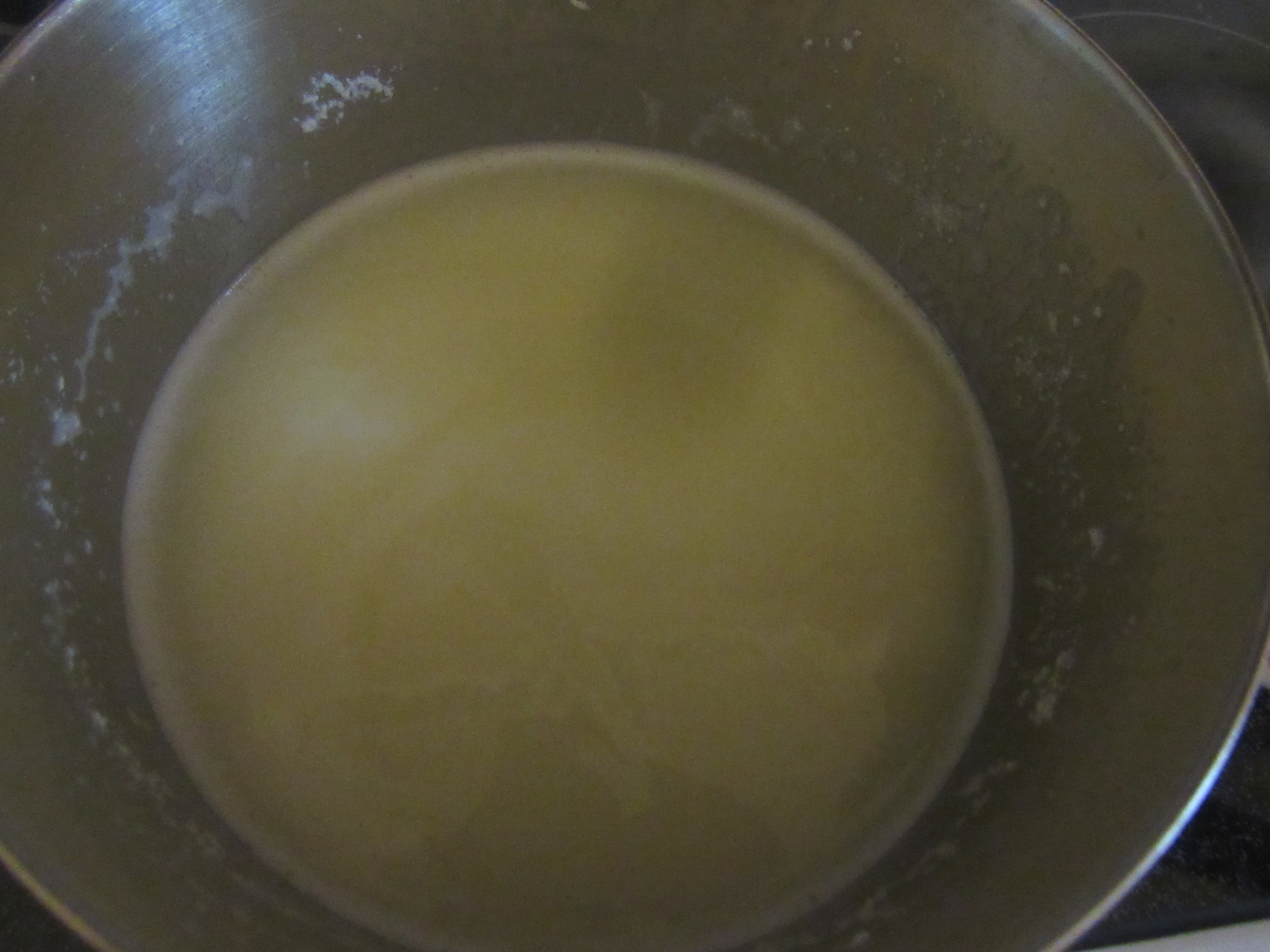
Pour two cups of boiled water into a medium-sized serving bowl. Add ½ cup of heavy cream and ¼ teaspoon of salt and stir.
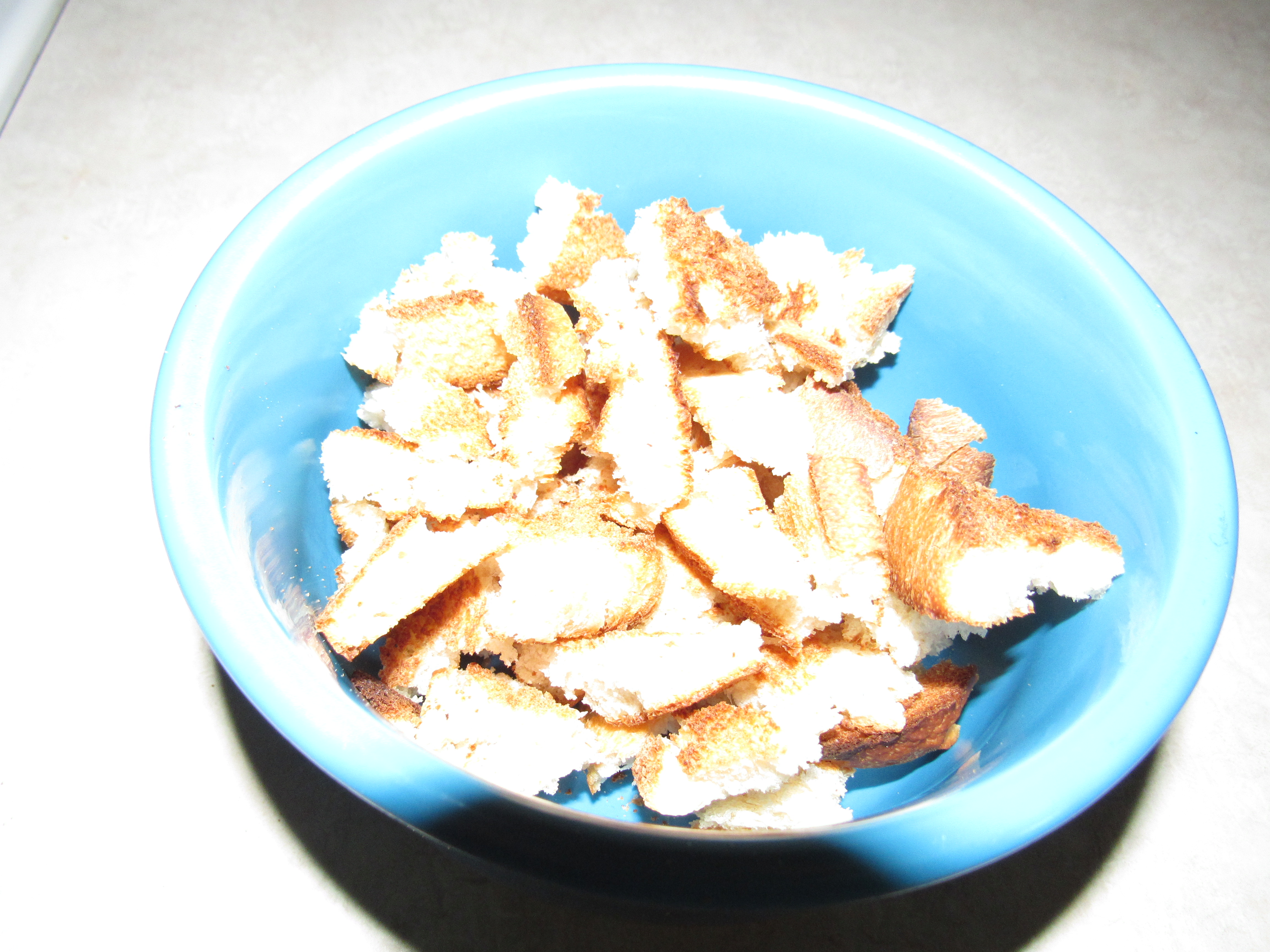
Break two slices of toast into pie. Pour the cream broth over the pieces in a serving bowl.

Eat immediately.

I tasted this soup. It surprised me how much I like it—possibly because I really like the homemade bread.

For this reason, I feel that any of the hearty breads you love would work well in this soup. Feel free to experiment with your favorite breads. If you buy the bread, this soup can be ready to eat in about 10 minutes.

I’ve often eaten toast when sick as well as serving it to my daughter. Cream and nourishing bread—I understand why this was given to convalescing patients.

I’d love to hear from you if you try this dish. Enjoy!

-Sandra Merville Hart

Sources

Compiled from Original Recipes. Buckeye Cookery and Practical Housekeeping, Applewood Books, 1877.



Crust Coffee Recipe

Not a drop of coffee in this recipe for Crust Coffee!It was found in an 1877 cookbook under “Food for the Sick.”

The ingredients make this an easy recipe for cooks and nurses to give to patients. It was probably given to wounded soldiers during Civil War.

The first ingredient is toasted bread, which was heartier 150 years ago than white bread readily available on grocery store shelves. I made a loaf of white bread in my bread machine and baked it in the oven. This gave me bread slices with denser consistency.

I toasted sliced bread “very brown” under the oven broiler. It felt more authentic than sliding them into a toaster.

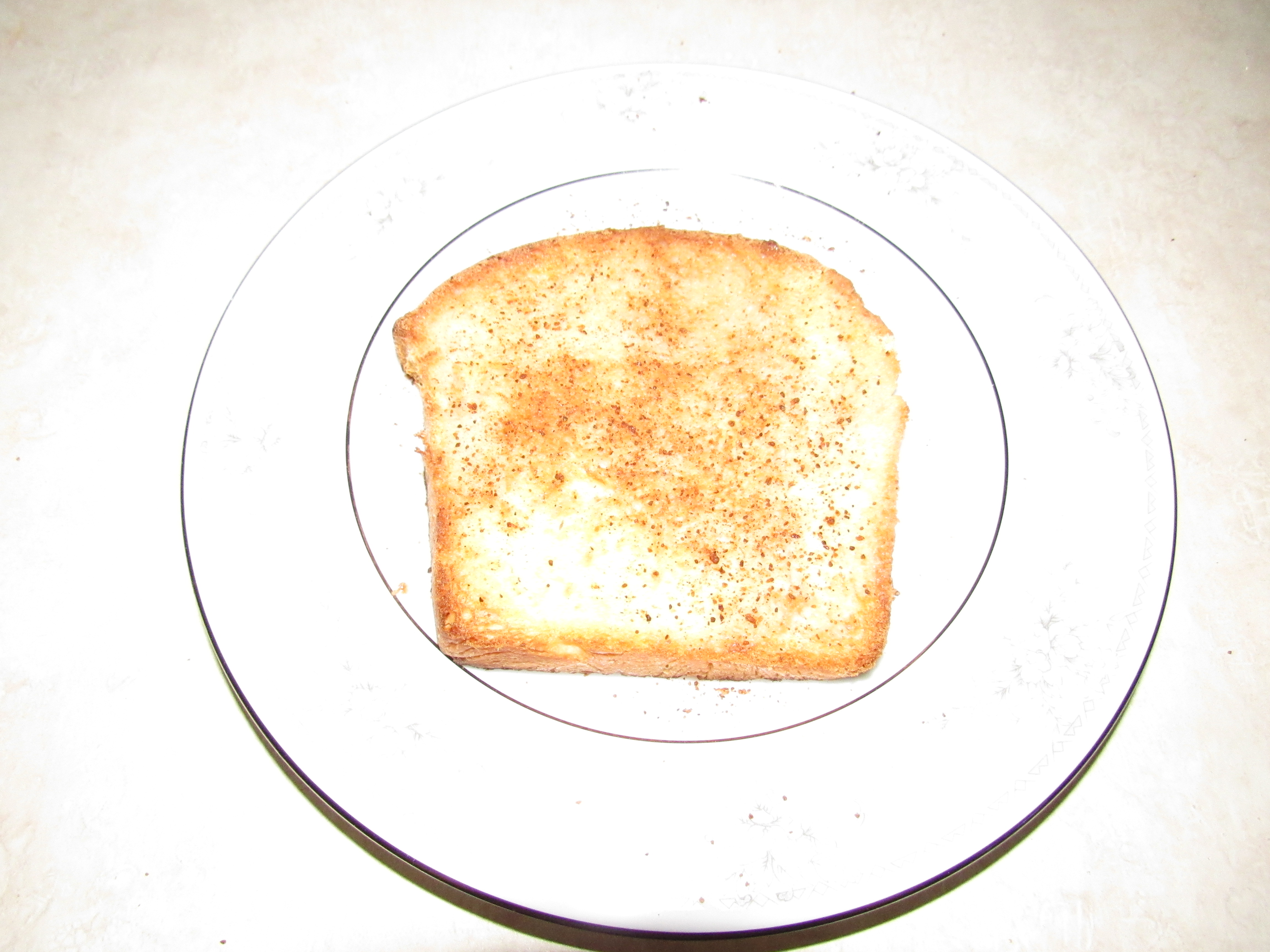
I boiled water and poured a couple of tablespoons of it on the toasted bread. (Sounds very unappetizing—I agree. That’s one reason a denser bread is necessary.) Drain the excess.

Stir 1 teaspoon of sugar into 1 tablespoon of heavy cream. Pour the mixture over the bread.

Sprinkle on some nutmeg and enjoy.

It was actually pretty tasty.

I had followed a historical recipe for Baked Milk.  I wanted to try Crust Coffee with baked milk.

I made the Crust Coffee again, exchanging heavy cream for baked milk. Not bad. I liked the familiar flavor of heavy cream better, but the other is also good.

I’ve often given my daughter toast when she was ill. I can definitely understand why this was given to convalescing patients. It seems like a treat with the sugar and nutmeg.

I’d love to hear from you if you try this dish. Enjoy!

-Sandra Merville Hart

Sources

Compiled from Original Recipes. Buckeye Cookery and Practical Housekeeping, Applewood Books, 1877.
 

Buttermilk Stew

A recipe in an 1877 cookbook for Buttermilk Stew was included in a section titled “Food for the Sick.”

Research involves a lot of reading for historical novelists, but I don’t remember reading about this type of stew. Civil War nurses and cooks likely fed it to wounded soldiers. I love learning about our history. It’s fun to add authentic details like this when a story requires it.

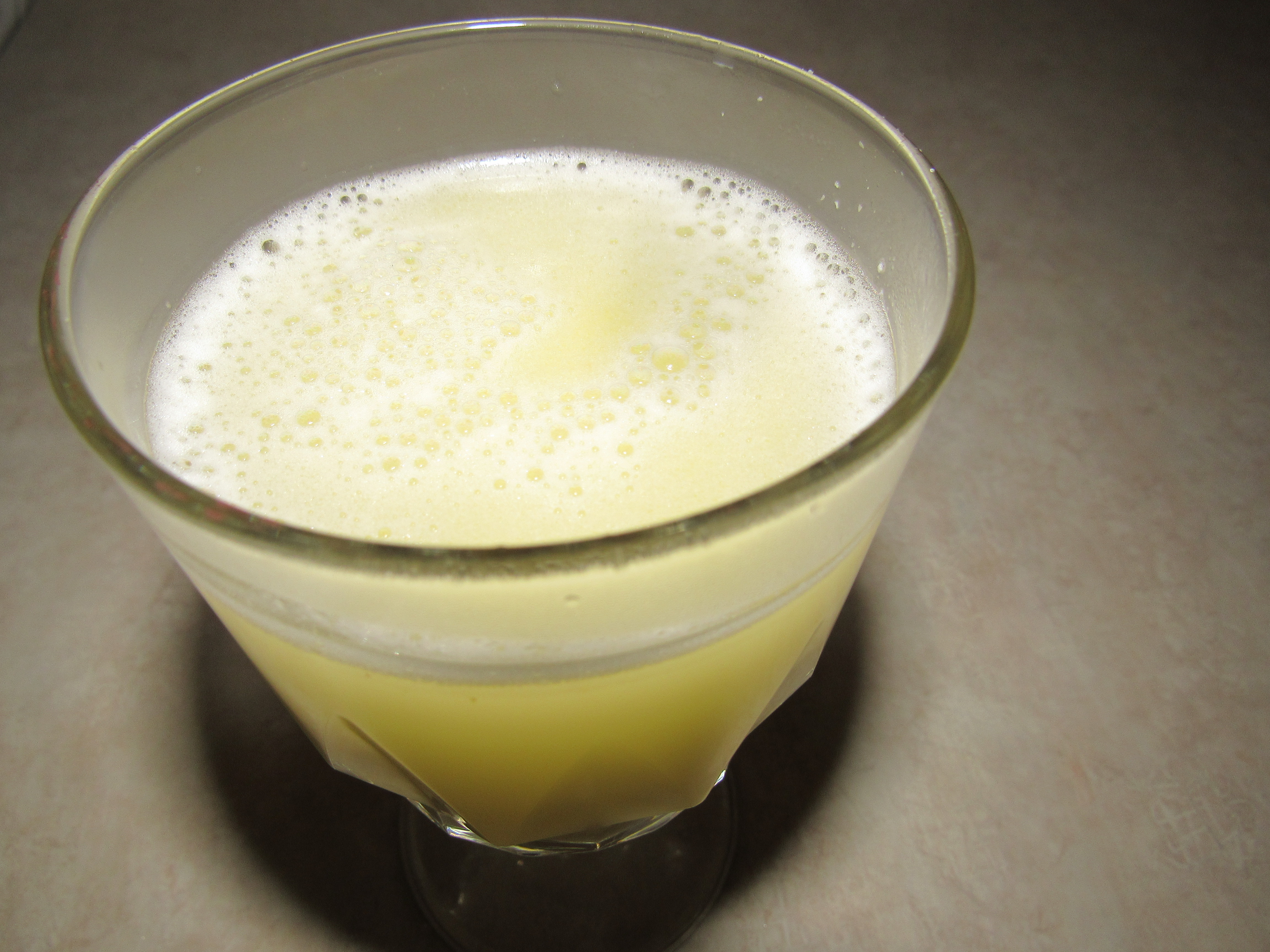
Boil one pint of buttermilk over a medium high heat. I allowed it to boil less than a minute before removing from the heat. The consistency of the milk completely changed. The thick, creamy liquid thinned to a grainy consistency of water.

A “small lump of butter” called for in the original recipe became a tablespoon of butter to this modern cook.

When that melted, I added 2 tablespoons of sugar—a complete guess as the recipe said to “sweeten to taste.” I added more because adding ginger was an option. Ginger has such a strong flavor.

I added ¼ teaspoon ground ginger. Cooks may substitute honey for sugar.

The consistency remained like water as it cooled. It had a very strange flavor. It tasted like buttermilk though different. The sugar overpowered the ginger, so I’d suggest decreasing it to only a tablespoon. Ginger is optional.

After only a couple of sips, I pushed it aside. It wasn’t terrible. I can understand that thinning out the buttermilk made it easier for ailing patients to digest.

Good luck! I’d love to hear if you try this recipe.

-Sandra Merville Hart

Sources

Compiled from Original Recipes. Buckeye Cookery and Practical Housekeeping, Applewood Books, 1877.